
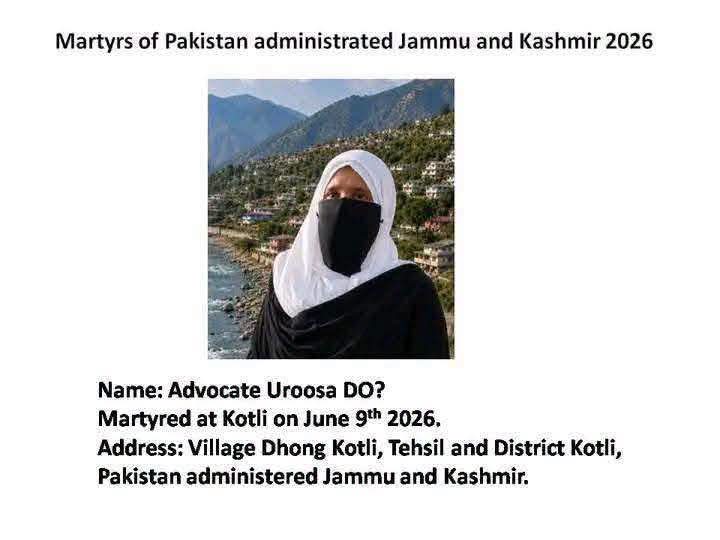

From Rawalakot to Kotli, Mirpur and Bagh, months of demonstrations have left dozens dead, deepening the political and humanitarian crisis across Pakistan-administered Kashmir.
The Azadi Times documents 42 reported protest-related deaths linked to the JACC movement across Pakistan-administered Kashmir, tracing the timeline, regional impact, and growing calls for accountability.
42 Reported Deaths Mark the Deadliest Phase of the Protest Movement
MUZAFFARABAD — Forty-two people have reportedly lost their lives in protest-related incidents across Pakistan-administered Kashmir since early June, making the ongoing Joint Awami Action Committee (JACC) movement one of the deadliest episodes in the region in recent years, according to information compiled by The Azadi Times.
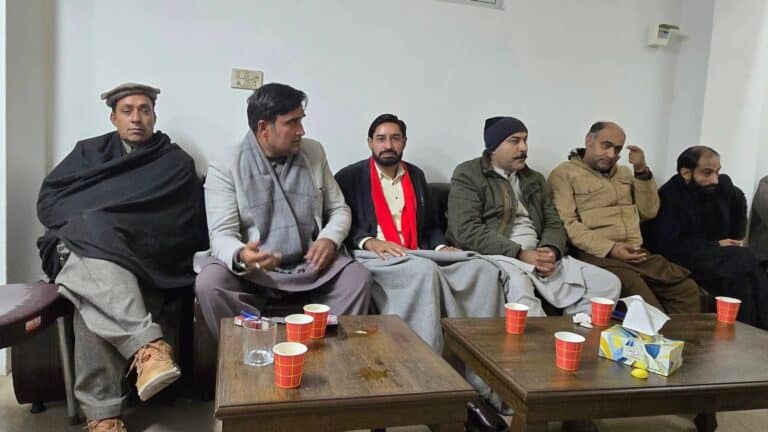
The protests, which initially focused on governance, public rights and accountability, rapidly expanded into a region-wide movement involving thousands of people. Demonstrations spread from Rawalakot to Kotli, Mirpur, Bagh, Plandri and Sudhnoti, drawing support from communities throughout the region and among members of the Kashmiri diaspora.
For many families, the movement is no longer defined only by political demands but by the loss of loved ones whose deaths have profoundly affected their communities.
How the Crisis Escalated
According to information gathered by The Azadi Times, tensions sharply escalated after the death of Shazeb Habib in Rawalakot on 5 June 2026. Local activists described him as a close associate of JACC leader Umar Nazir Kashmiri.

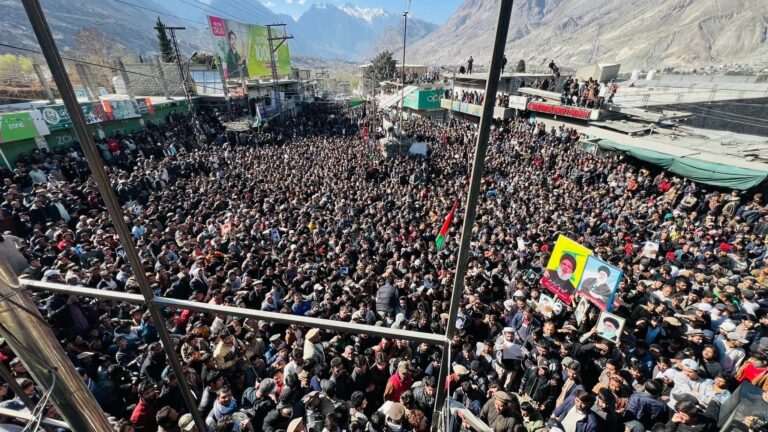
A region-wide protest had originally been announced for 9 June, but following the events in Rawalakot, demonstrations intensified several days earlier and quickly spread across multiple districts.
Over the following weeks, reports of casualties continued to emerge from Kotli, Mirpur, Bagh, Plandri and Sudhnoti as confrontations and unrest persisted.
Communities Continue to Bear the Human Cost
The reported fatalities span nearly every major district of Pakistan-administered Kashmir.
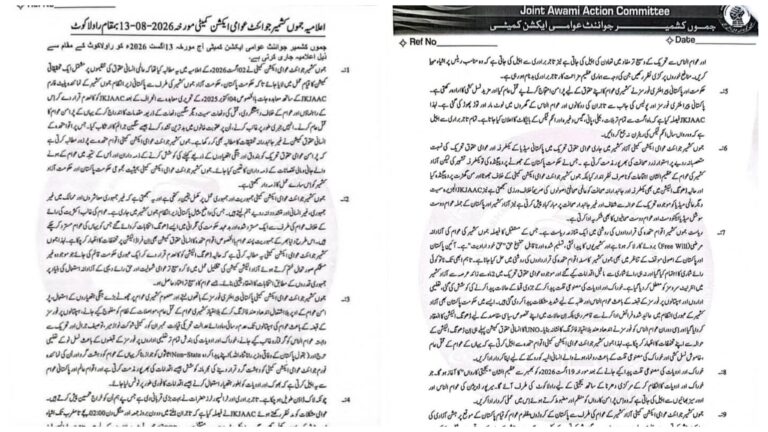

According to documentation compiled by The Azadi Times, the reported victims include:
- Rawalakot: 11
- Kotli: 10
- Sudhnoti (Halqa Baloch): 9
- Bagh: 4
- Mirpur: 4
- Plandri: 4
Behind every number is a family whose life has been permanently changed. Many relatives continue to demand independent investigations, accountability and justice.
Diaspora Mobilisation
As the protests continued inside Pakistan-administered Kashmir, solidarity demonstrations were also organised by Kashmiri communities living abroad. Protest gatherings were reported in several countries, where participants called for greater international attention to developments in the region.
Despite these demonstrations, activists argue that the crisis has received limited international attention compared with other regional conflicts.
Human rights advocates have continued to urge respect for the rights to peaceful assembly, freedom of expression and due process while calling for transparent investigations into all reported deaths.
Calls for Accountability
Families of those killed, civil society representatives and protest organisers continue to demand impartial investigations into every reported death.
Legal experts and rights advocates say accountability remains essential for restoring public confidence and preventing further violence.
They have also called for protection of journalists, medical workers and peaceful demonstrators during periods of political unrest.
A Region Searching for Answers
More than six weeks after the first reported fatality, grief continues to shape communities across Pakistan-administered Kashmir.
Whether through memorial gatherings, funeral processions or peaceful demonstrations, families say the memories of those who died continue to drive demands for truth, accountability and justice.