Monday, March 30, 2026
12.2 C
Srinagar
Home Blog Page 131

Life-Saving Medicines Vanishing from Markets in Azad Kashmir, Patients in Distress

0

Muzaffarabad: Raja Sajad Ahmad Khan, Advocate, has expressed grave concern over the skyrocketing prices of life-saving medicines and their disappearance from the market. He stated that more than 55% of medicines for diseases such as tuberculosis, blood pressure, diabetes, heart ailments, and insulin have vanished from the market, leaving patients facing severe difficulties.

Even when the medicines are available, their prices have increased dramatically. Raja Sajad criticized the collusion of pharmaceutical companies in Pakistan and Azad Kashmir for engaging in black marketing, leading to shortages of essential medicines. He also condemned the government’s criminal silence on the issue, which has left the public at the mercy of these companies that are exploiting the situation.

He pointed out that a product available for Rs. 100 through government supply is now being sold at up to Rs. 1500 in local medical stores, making it increasingly unaffordable for the general population. He called for immediate action to ensure the availability of quality medicines at affordable prices and to regulate the pharmaceutical market effectively.

CNN Highlights Gilgit-Baltistan as One of the Top Must-Visit Destinations for 2025

0

Skardu: American news channel CNN has compiled a list of 25 must-visit destinations for 2025, and Pakistan’s scenic Gilgit-Baltistan (GB) is featured among them. Gilgit-Baltistan, also known as Pakistan-administered Kashmir a sparsely populated autonomous region under Pakistan’s administration, is home to some of the world’s highest peaks and is a prominent tourist destination.

Every year, thousands of tourists and international mountaineers visit the region to explore various peaks, engage in paragliding, and other adventure activities.

CNN Travel mentioned that “Getting to Gilgit-Baltistan, nestled in the Karakoram mountains, is not easy due to unreliable flight schedules and weather-related road closures, but the region offers mesmerizing peaks.” It further elaborated that “The region is home to five of the world’s highest peaks, ranging from 8,000 meters in height, including K2, the world’s second-highest mountain, which is considered the toughest and most dangerous to climb.”

In 2024, mountaineering expeditions in Gilgit-Baltistan saw a significant increase. According to the Alpine Club of Pakistan, nine mountaineers, including five from Japan, one from Russia, one from Brazil, and two from Pakistan, lost their lives during various peak attempts last year.

Despite the challenges, global tour operators, including G Adventures and Wild Frontiers, offer access to Gilgit-Baltistan. CNN Travel also reported that “Intrepid offers 10-day trips for around $3,000.”

Other top destinations on CNN’s travel list include Almaty in Kazakhstan, the Andaman and Nicobar Islands in India, Bolivia, Chemnitz in Germany, Rabat in Morocco, Vancouver Island in Canada, and Mount Kackar in Turkey.

Azad Kashmir PM Announces Resources for Reviving Jihad Culture for Kashmir’s Freedom

0

Muzaffarabd: In a powerful statement at the Yom Haq-e-Khudrat (Right to Self-Determination) rally in Azad Kashmir’s capital, Muzaffarabad, Prime Minister Chaudhry Anwar-ul-Haq pledged to provide resources to reinstate the Jihad culture for Kashmir’s freedom. Speaking at Freedom Square, he emphasized that if the state can afford to provide subsidized flour at Rs. 2,000 per bag without sinking, then it can also provide resources to support the Jihad for Kashmir’s liberation.

The Prime Minister expressed that Pakistan has been a long-time ally of Kashmir, often referred to as a “big brother,” but he stated that the responsibilities towards Kashmir, particularly its freedom, have not been fulfilled by Pakistan. He stressed that the youth of Kashmir must engage in Jihad to fight for their independence, as mere political and diplomatic efforts would not lead to freedom.

Haq reiterated that the Kashmir issue could only be resolved through a strong stance and Jihad, not through passive measures. Reflecting on the 1949 United Nations resolution, he reminded that the Kashmir dispute was meant to be settled through a plebiscite, where the Kashmiri people were to have the ultimate say in their future. He firmly called for upholding this promise, stating that it was time for Kashmir to stand firm and move forward with determination.

The speech highlighted the annual observance of Yom Haq-e-Khudrat (Right to Self-Determination Day) on 5th January, commemorating the 1949 UN resolution, which promised a plebiscite for Kashmir’s future.

In response to Chaudhry Anwar-ul-Haq’s bold remarks, senior Kashmir journalist Zulfiqar Ali, former BBC correspondent, questioned when the Prime Minister and his cabinet, comprising dozens of members, would take action in line with their calls for Jihad.

The statement has sparked significant political discourse within Azad Kashmir, highlighting the growing demand for a clear and resolute stand on Kashmir’s future, while also raising questions about the practical steps needed to realize the dream of freedom.

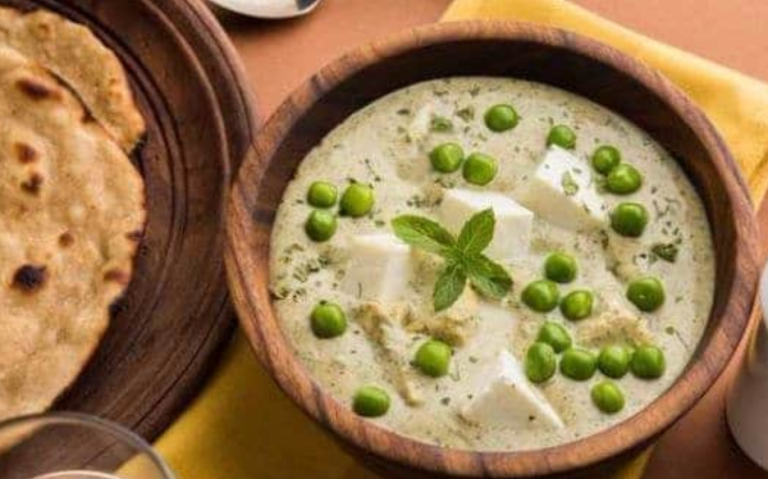
Kashmiri Paneer Recipe | The Azadi Times Food

Kashmiri Paneer is a rich and aromatic dish that captures the essence of traditional Kashmiri flavors. Paneer, the soft and creamy cottage cheese, is cooked in a flavorful gravy made with mustard oil, a blend of spices, and yogurt to create a delicate yet robust curry. This dish is a perfect vegetarian option for any meal and pairs beautifully with naan or rice. The use of Kashmiri spices and yogurt gives the curry a rich texture and a unique taste that is loved in Kashmiri cuisine.

Kashmiri Paneer Recipe
Preparation Time: 10 minutes
Cooking Time: 20-25 minutes
Servings: 4 people
Calories per serving: 250-300 calories

Ingredients:

  • 250 grams paneer (cottage cheese), cut into cubes
  • 2 tablespoons mustard oil
  • 1 teaspoon cumin seeds
  • 1 medium onion, finely chopped
  • 1 teaspoon ginger garlic paste
  • 2-3 green chilies, slit
  • 1 teaspoon turmeric powder
  • 1 teaspoon red chili powder
  • 1 teaspoon coriander powder
  • 1 teaspoon garam masala powder
  • 1/2 teaspoon cinnamon powder
  • 1/2 teaspoon cardamom powder
  • Salt, to taste
  • 1/2 cup yogurt (beaten)
  • 1 cup water
  • Fresh coriander leaves for garnish

Step-by-Step Instructions:

StepAction
1. Heat OilHeat mustard oil in a pan. Add cumin seeds and let them splutter.
2. Cook Onions & SpicesAdd finely chopped onions and sauté until golden brown. Add ginger garlic paste and cook for 1 minute.
3. Add Ground SpicesAdd turmeric powder, red chili powder, coriander powder, cinnamon powder, cardamom powder, and salt. Stir to mix and cook for 2-3 minutes.
4. Add YogurtAdd the beaten yogurt to the pan and cook until the oil starts separating from the mixture.
5. Add WaterAdd water to the pan and bring to a simmer.
6. Add PaneerGently add the paneer cubes and cook for another 5-7 minutes, allowing them to absorb the flavors.
7. Simmer & GarnishLet the curry simmer for a few more minutes until the gravy thickens. Garnish with fresh coriander leaves and serve hot.


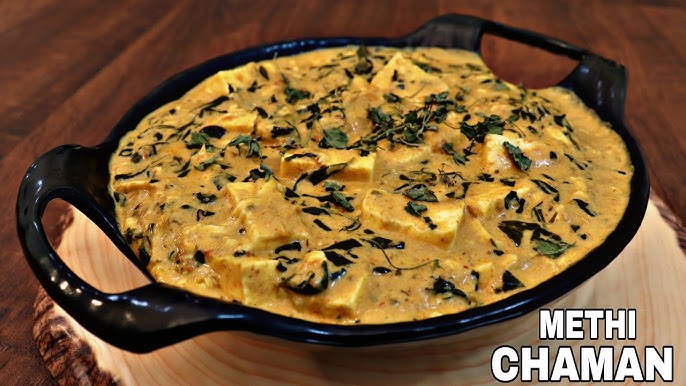
Kashmiri Methi Chaman Recipe

Kashmiri Methi Chaman is a delicious vegetarian curry that combines the unique bitterness of fresh fenugreek leaves (methi) with the creamy texture of paneer (cottage cheese). A staple in Kashmiri cuisine, this dish is flavorful with a blend of aromatic spices like turmeric, garam masala, and asafoetida. The mustard oil used in this recipe enhances the richness and depth of flavor, making it a perfect accompaniment to any meal.

Preparation Time: 15 minutes
Cooking Time: 25-30 minutes
Servings: 4 people
Calories per serving: 200-250 calories

Ingredients:

  • 1 cup fresh methi leaves (fenugreek leaves)
  • 250 grams paneer (cottage cheese), cut into cubes
  • 2 tablespoons mustard oil
  • 1 teaspoon cumin seeds
  • 1 small onion, finely chopped
  • 2-3 green chilies, slit
  • 1 teaspoon ginger garlic paste
  • 1 teaspoon turmeric powder
  • 1 teaspoon red chili powder
  • 1 teaspoon garam masala powder
  • 1/2 teaspoon asafoetida (hing)
  • Salt, to taste
  • Water, as needed
  • Fresh coriander leaves for garnish

Step-by-Step Instructions:

StepAction
1. Heat OilHeat mustard oil in a pan. Add cumin seeds and let them splutter.
2. Cook Onions & SpicesAdd finely chopped onions and sauté till golden brown. Add ginger garlic paste and cook for 1 minute.
3. Add Ground SpicesAdd turmeric powder, red chili powder, garam masala, and asafoetida. Stir to mix and cook for 2 minutes.
4. Add Methi LeavesAdd fresh methi leaves and sauté them until they wilt.
5. Add PaneerGently add paneer cubes and stir carefully. Cook for 3-4 minutes, allowing the paneer to absorb the flavors.
6. SimmerAdd a little water (just enough to make the curry base), and cook for another 5-7 minutes until the flavors blend together and the gravy thickens.
7. Garnish and ServeGarnish with fresh coriander leaves. Serve hot with steamed rice or roti.

Kashmiri Nadru (Lotus Stem Curry) Recipe

Kashmiri Nadru (Lotus Stem Curry) is a quintessential dish of Kashmiri cuisine, celebrated for its delicate flavors and rich cultural significance. This traditional recipe combines the earthy taste of lotus stem with aromatic spices and creamy yogurt, creating a dish that is both comforting and flavorful. Often prepared during special occasions or as a part of the famous Kashmiri Wazwan feast, Nadru provides a unique, refreshing taste that pairs perfectly with steamed rice or traditional roti.

Cuisine: Kashmiri
Course: Main Dish
Difficulty: Medium
Servings: 4
Preparation Time: 15 minutes
Cooking Time: 25-30 minutes
Calories per Serving: 200-250 calories

Ingredients:

IngredientsQuantity
Lotus Stem (Nadru), sliced500g
Mustard Oil2 tablespoons
Asafoetida (Hing)1 teaspoon
Kashmiri Red Chilli Powder2 teaspoons
Turmeric Powder1 teaspoon
Ginger Powder1 teaspoon
Yogurt2 tablespoons
Garam Masala1 teaspoon
SaltTo taste
Water1/2 cup
Green Cardamom Pods2-3
Cinnamon Stick1
Fresh Coriander LeavesFor garnish


Step-by-Step Instructions:

StepInstructions
Prepare the Lotus StemClean and slice the lotus stem into thin pieces.
Heat OilHeat mustard oil in a pot. Add asafoetida, cardamom pods, and cinnamon sticks. Let them sizzle for a few seconds.
Add SpicesAdd red chili powder, turmeric powder, and ginger powder to the pot. Stir for 1 minute to release the aromas.
Cook Lotus StemAdd the sliced lotus stem along with salt. Stir well and cook for 5-7 minutes.
Add YogurtMix in yogurt and cook for an additional 5 minutes to incorporate the flavors.
Add WaterPour in water and let it simmer for 10-15 minutes until the lotus stem is tender and the curry has thickened.
Garnish and ServeGarnish with fresh coriander leaves. Serve hot.


Serving Suggestions:
Kashmiri Nadru pairs wonderfully with steamed rice, naan, or roti. It also complements rich dishes like Rogan Josh or Yakhni.

Tips for a Perfect Dish:

  • Finish with a tablespoon of ghee for added richness.
  • Adjust the spice level by adding more or less red chili powder according to your preference.
  • For a creamier texture, you can add more yogurt.

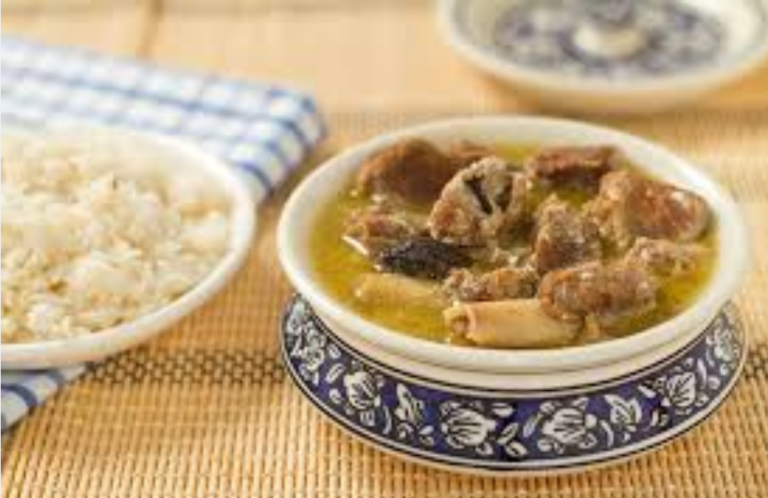
Kashmiri Yakhni Recipe: A Flavorful Mutton Delig

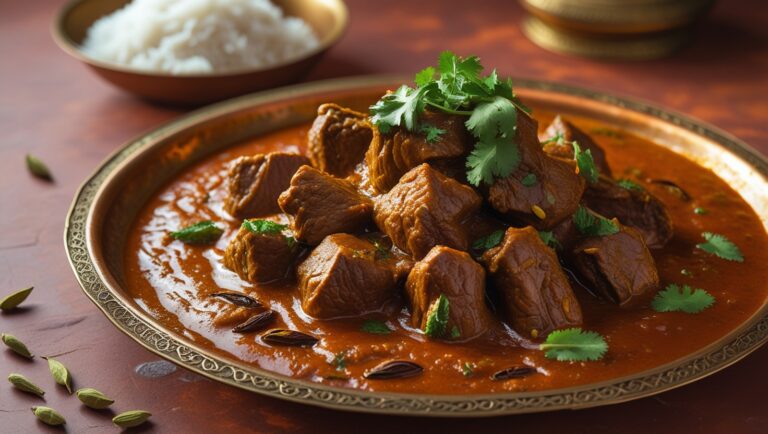
Kashmiri Yakhni is a traditional dish that holds a special place in the hearts of food lovers around the world. This flavorful mutton curry, with its delicate blend of spices and creamy yogurt, captures the essence of Kashmiri cuisine. Known for its mild heat and aromatic broth, Yakhni is perfect for those who enjoy rich, tender meat cooked in a fragrant, spicy gravy. Often served with steaming rice or naan, this dish is a staple in Kashmiri homes and feasts.

(Recipe No 25154)

Preparation Time: 20 minutes
Cooking Time: 1 hour
Servings: 4 people
Calories per Serving: 350-400 kcal

Ingredients:

IngredientQuantity
Mutton (bone-in)500 grams
Water5 cups
Onion1 large, sliced
Ginger-garlic paste1 tablespoon
Yoghurt (whisked)1 cup
Cinnamon1 stick
Green cardamom4 pods
Cloves3-4 pieces
Black cardamom1 pod
Bay leaf1 leaf
Kashmiri red chili powder1 teaspoon
Ground coriander powder1 teaspoon
Fennel powder1 teaspoon
SaltTo taste
Mustard oil2 tablespoons
Fresh coriander leavesFor garnish

Step by Step Instructions

StepInstructions
1.Heat mustard oil in a large pot and sauté the sliced onions until golden brown.
2.Add the ginger-garlic paste and cook for a couple of minutes until fragrant.
3.Add the mutton pieces and sear them until browned on all sides.
4.Add water to the pot and bring it to a boil. Skim off any scum that forms on top.
5.Lower the heat, add cinnamon, green cardamom, cloves, black cardamom, and bay leaf. Let it simmer for 40 minutes or until the mutton is tender.
6.In a bowl, whisk the yoghurt with the ground coriander powder, Kashmiri red chili powder, and fennel powder. Gradually add this mixture to the pot and stir well.
7.Let the curry simmer for another 10-15 minutes. Add salt to taste.
8.Garnish with fresh coriander leaves and serve hot with steamed rice or naan.

Notes:

  • Yakhni is a mild yet aromatic curry, perfect for pairing with rice.
  • The yogurt gives the dish a creamy texture, while the spices provide depth of flavor.
  • It can be made with either mutton or chicken, though traditionally, mutton is preferred in Kashmiri cuisine.

Health Benefits:

  • Yakhni is full of warming spices and is known to be highly nutritious due to the use of bone-in meat, which makes the broth rich in collagen and minerals.
  • The yogurt and spices aid digestion and boost immunity, making this a comforting dish, especially for colder months.

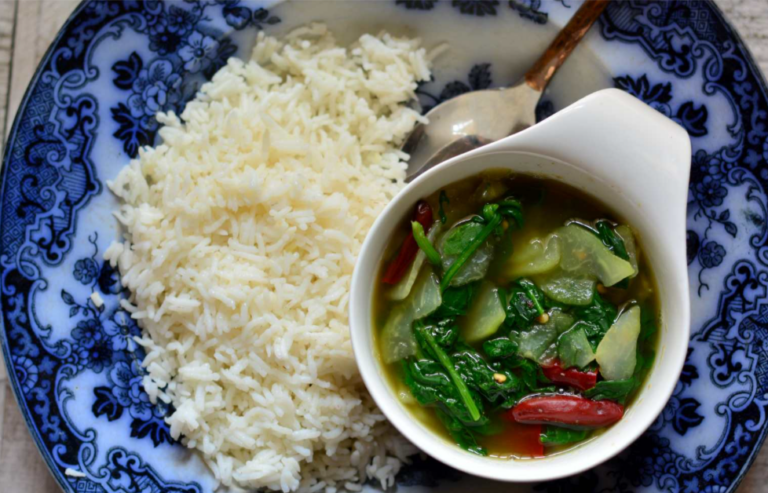
Kashmiri Monj Haakh Recipe | Knol Khol (Ganth Gobi)

Monj Haakh, a cherished dish in Kashmiri cuisine, is as wholesome as it is flavorful. With its roots deep in Kashmiri tradition, this vegetarian delicacy is made using Knol Khol (Ganth Gobi) and flavored with a blend of aromatic spices like asafoetida and Kashmiri masala powder. Known for its hearty, soupy consistency, it is often paired with Kashmiri Rogan Josh or Chaman Qaliya to create a delightful meal. Monj Haakh is not just food—it’s a connection to the rich culture of Kashmir, a dish that brings warmth, comfort, and the essence of Kashmiri hospitality to your table. Whether enjoyed with steamed rice or roti, this flavorful curry is a perfect embodiment of the region’s culinary finesse.

Basic Information

Basic InformationDetails
Servings5 servings
Preparation Time20 minutes
Cooking Time30 minutes
Total Time1 hour 10 minutes
Calories per Serving300 kcal

Ingredients

  • ½ kg Monj Haakh (Knol Khol / Ganth Gobi / Kadam)
  • 2 Stalks Knol Khol Leaves (Ganth Gobi leaves)
  • 2 pinch Asafoetida (hing)
  • 2 Dry Red Chillies
  • 1 pinch of Baking soda
  • 1 teaspoon Kashmiri masala powder
  • 2-3 tablespoons Mustard oil
  • Salt, to taste

Step by Step Instructions

StepInstructions
1Prepare the Greens: Clean and slice the ½ kg leaves into halves. Peel and wash the Knol Khol lumps, then slice them thinly.
2Heat Oil & Sauté: Heat 1½ large spoons of mustard oil in a pressure cooker. Add ½ teaspoon of Asafoetida (Heeng) and sauté.
3Add Vegetables: Add the Knol Khol leaves and thin slices of the lump to the oil. On low heat, stir and shallow fry for 5 to 10 minutes.
4Season & Stir: Add 1 spoonful of salt and stir for an additional 5 to 10 minutes.
5Cook the Dish: Pour ½ glass of water into the cooker. Close the lid and cook for 6–7 whistles on a high flame. Remove from heat and open the lid immediately.
6Final Flavoring: To enhance the flavor, add 2-3 whole green chilies or whole red chilies, and 1½ teaspoons of Var masala (Tikki Masala) powder.


Nutritional Benefits of Monj Haakh

Kohlrabi is rich in vitamins C and K, low in calories, and high in fiber. It also provides nutrients from the greens, such as vitamins A and C, calcium, and iron.

Serving Suggestions

Monj Haakh can be served as a side dish with rice, naan, or roti. It can also be a main course, especially when paired with yogurt or raita.

Cultural Importance

Monj Haakh is an integral part of Kashmiri cuisine and is often featured in traditional feasts like Wazwan. Its rich flavor and cultural significance make it a staple in Kashmiri households.

What Gives Monj Haakh Its Unique Flavor?

The unique flavor of Monj Haakh comes from the combination of asafoetida, Kashmiri chili powder, and other spices that bring out its delightful taste and aroma.

Kashmiri Mutton Rogan Josh Recipe: A Spicy & Rich Traditional Delight

Kashmiri Mutton Rogan Josh is a rich, flavorful, and aromatic curry made with tender mutton pieces cooked in spiced gravy. A signature dish of Kashmiri cuisine, this dish is beloved for its intense, deep red color and the use of aromatic spices that create a beautiful balance of flavors. It pairs perfectly with rice, naan, or parathas, making it a hearty, comforting meal.

Basic Information:

  • Preparation Time: 15 minutes
  • Cooking Time: 1 hour 30 minutes
  • Servings: 4 people
  • Calories per serving: 350-400 calories

Ingredients:

IngredientsQuantity
Mutton (bone-in or boneless)500 grams
Onion (finely sliced)2 medium
Yogurt (whisked)4 tablespoons
Ginger-garlic paste2 tablespoons
Kashmiri red chili powder2 teaspoons
Ground coriander1 teaspoon
Ground cumin1 teaspoon
Fennel powder (saumph)1 teaspoon
Ground turmeric1 teaspoon
Cinnamon stick1 piece
Cloves3-4 pieces
Green cardamom pods3-4 pods
Bay leaves2 leaves
Mustard oil or ghee4 tablespoons
SaltTo taste
Water1 ½ cups
Fresh coriander (for garnish)2 tablespoons (chopped)

Step-by-Step Instructions:

StepInstructions
1. Brown the MuttonHeat 2 tablespoons of mustard oil or ghee in a large pot. Brown the mutton pieces on all sides. Remove and set aside.
2. Sauté the OnionsIn the same pot, add the remaining oil. Sauté the sliced onions until golden brown, stirring occasionally to avoid burning.
3. Add Ginger-Garlic PasteAdd the ginger-garlic paste to the onions and sauté for 2 minutes until fragrant.
4. Cook with SpicesStir in the Kashmiri red chili powder, ground coriander, cumin, fennel powder, and turmeric. Cook for 2-3 minutes to release the spices’ aroma.
5. Add Mutton & YogurtAdd the browned mutton back to the pot and mix with the spices. Stir in the whisked yogurt, mixing thoroughly to coat the mutton.
6. Simmer the CurryAdd water, cinnamon, cloves, cardamom, bay leaves, and salt. Bring the curry to a boil, then lower the heat and simmer for 1 to 1.5 hours until the mutton is tender and the curry has thickened.
7. Garnish and ServeOnce the mutton is tender and the gravy is rich, remove the bay leaves, cinnamon, and cardamom pods. Garnish with fresh coriander leaves. Serve hot with steamed rice or naan.

Pro Tip:

For a deeper flavor, marinate the mutton in yogurt and spices for 2-3 hours before cooking. This helps tenderize the meat and infuses the curry with additional flavor.

Health Benefits of Kashmiri Mutton Rogan Josh:

Mutton is a good source of high-quality protein, essential vitamins (B12, Niacin), and minerals (iron, zinc). This dish is packed with aromatic spices that are known for their anti-inflammatory properties and digestion benefits. Ingredients like cumin, turmeric, and ginger also contribute to improving digestion and boosting immunity.

Kashmiri Kahwa Recipe: A Traditional Delight with Health Benefits

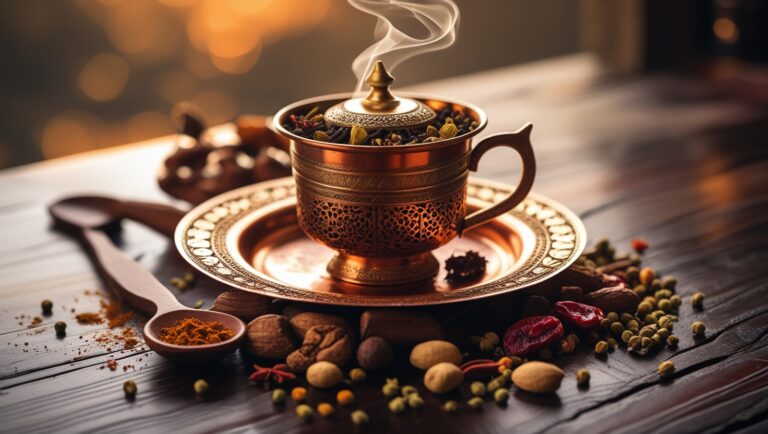
Kashmiri Kahwa is a cherished drink that embodies the warmth and culture of the Kashmir Valley. Known for its rich flavor and aromatic spices like saffron, cinnamon, and cardamom, it’s the perfect tea to enjoy on a cold day. This traditional beverage not only satisfies the taste buds but also offers a variety of health benefits, such as boosting immunity and promoting digestion.

(Recipe No. 2515)

Preparation Time5 minutes
Cooking Time8 minutes
Servings2 people
Calories3 calories

Ingredients:

  • 5 ½ cups water
  • 2 tablespoons almonds, chopped
  • 3 teaspoons cinnamon powder
  • 3 teaspoons green cardamom powder
  • 4 tablespoons Kashmiri Kahwa tea leaves
  • 5 tablespoons sugar
  • A few saffron strands

Step-by-Step Instructions:

StepInstructions
1. Boil the SpicesIn a pot, add water, sugar, cinnamon powder, and cardamom powder. Bring to a boil and let it simmer for 5 minutes.
2. Add Kahwa Tea & SaffronRemove the pot from the stove. Add the Kashmiri Kahwa tea leaves and saffron strands to the boiling water. Cover the pot and let it steep for 3 to 5 minutes.
3. Serve in Warm CupsWarm the serving cups by filling them with hot water. Discard the hot water and pour the freshly brewed Kahwa into the cups.
4. Garnish & EnjoyAdd chopped almonds to each cup for a crunchy texture. Stir gently and serve hot.

Pro Tip for Enhanced Warmth:

Before pouring the Kahwa, ensure that the cups are pre-warmed by adding hot water and discarding it right before serving the Kahwa. This will ensure the cups and tea stay warm for a longer period.

Health Benefits of Kashmiri Kahwa:

Kashmiri Kahwa isn’t just a treat for your taste buds; it’s packed with health benefits! Here’s why you should make this herbal tea a part of your daily routine:

  • Rich in Antioxidants: The spices used in Kashmiri Kahwa, such as saffron, cinnamon, and cardamom, are powerful antioxidants that help fight free radicals in your body.
  • Promotes Digestion: A warm cup of Kahwa aids in digestion, making it a perfect beverage after meals.
  • Boosts Immunity: The combination of spices and the warmth of the tea boosts your immune system, helping your body fight off infections.
  • Weight Management: The metabolism-boosting properties of the ingredients support healthy weight management.