Wednesday, March 25, 2026
16.2 C
Srinagar
Home Blog Page 145

JKAAC Sets September Deadline for AJK Government Compliance

0

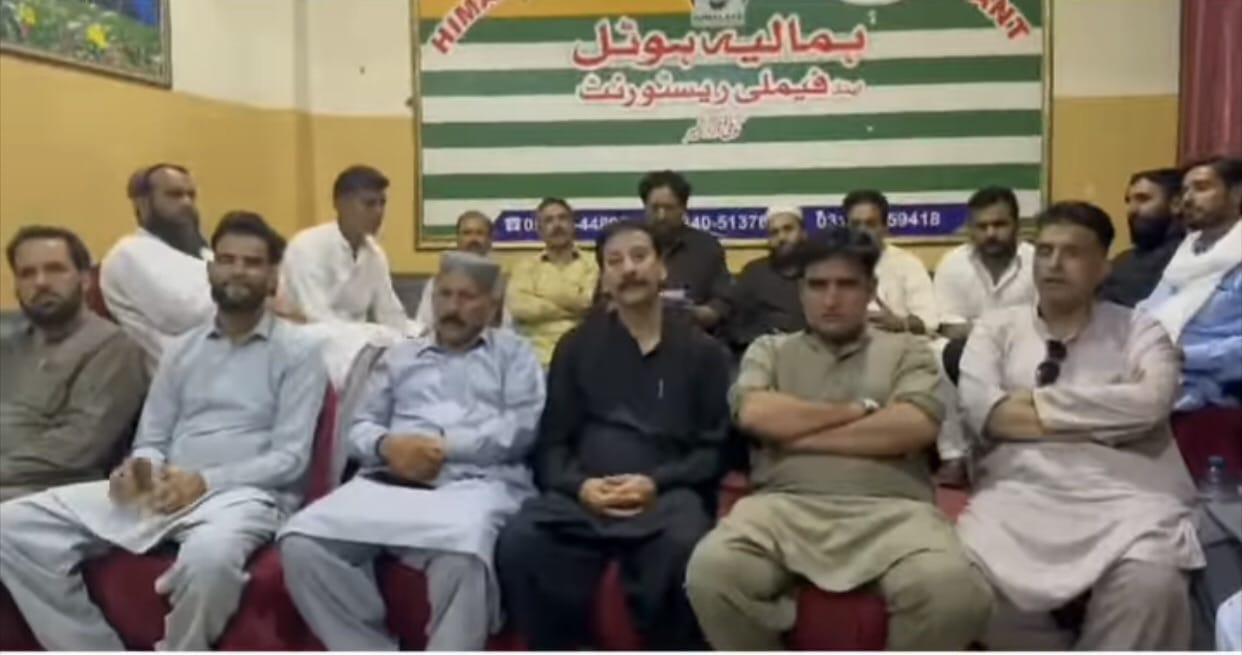
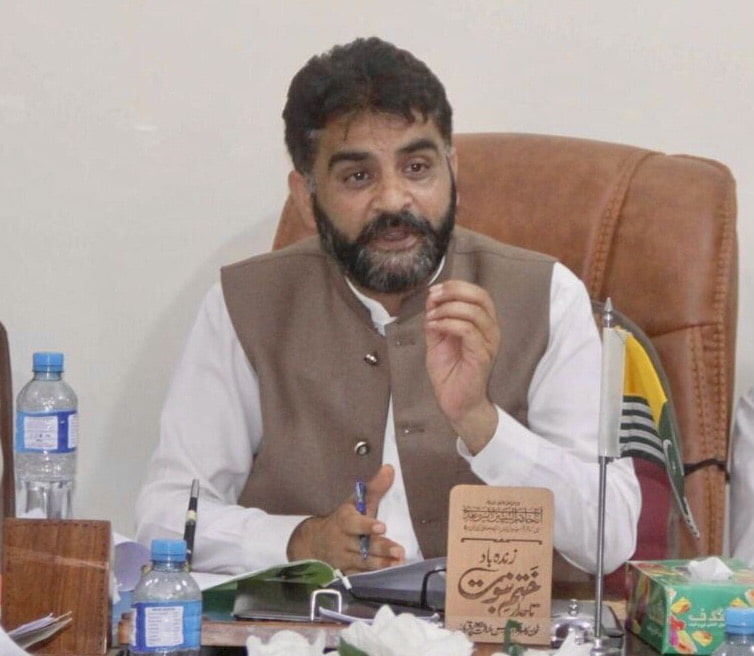
Kotli: The Jammu and Kashmir Joint Public Action Committee has released a statement following a recent meeting, expressing deep dissatisfaction with the government’s continued delay in addressing various public demands.

The committee highlighted several key issues, including unfulfilled promises regarding electricity bills, reduced and substandard wheat flour distribution, and the failure to dismiss ongoing cases against the public.

In response to these grievances, the committee has announced plans to intensify its protest movement against what it describes as retaliatory actions by the authorities. A deadline of September 15 has been set for the government to fulfill its commitments.

If the demands are not met by this date, the committee warned that it would launch a vigorous protest against the government during its foundation day rally on September 17.

Additionally, the committee strongly rejected the government’s initiative to allow the Green Tourism Company to take control of the state’s tourist sites. The committee called for an immediate ban on the activities of Green Tourism Company within the region, citing concerns over the appropriation of local resources.

The committee’s spokesperson, Shoukat Nawaz Mir, emphasized that the people of Jammu and Kashmir will not tolerate any further neglect or broken promises from the government. The upcoming protest is expected to draw significant public support as the committee prepares to escalate its demands for justice and fair treatment.

What is Monkeypox: Causes, Symptoms, and Treatment

0

Monkeypox has recently gained significant attention as a result of its declaration as a global health emergency by the World Health Organization (WHO). This article aims to provide an overview of what monkeypox is, its symptoms, and available treatment options.

What is Monkeypox?

Monkeypox is a viral zoonotic disease caused by the monkeypox virus, which belongs to the same family as the variola virus, responsible for smallpox. It was first identified in monkeys in 1958 and was later recognized in humans in 1970. The virus is primarily found in Central and West African countries, but recent outbreaks have highlighted its potential to spread to other regions.

Transmission and Symptoms

Monkeypox is transmitted to humans through direct contact with infected animals, such as rodents or primates, or through contact with bodily fluids, skin lesions, or respiratory droplets of infected individuals. The disease can also spread through contaminated materials like bedding.

Symptoms of monkeypox typically appear 5 to 21 days after exposure and include:

  • Fever
  • Chills
  • Headache
  • Muscle aches
  • Backache
  • Fatigue
  • Swollen lymph nodes
  • Rash that usually begins on the face and then spreads to other parts of the body

The rash progresses through different stages, from macules (flat spots) to papules (raised bumps), vesicles (blisters), pustules (pus-filled bumps), and finally scabs.

Diagnosis and Treatment

Diagnosing monkeypox involves a combination of clinical assessment and laboratory testing. Testing for the virus can be conducted using PCR (polymerase chain reaction) tests, which detect viral DNA in samples taken from lesions, blood, or other bodily fluids.

Currently, there is no specific treatment for monkeypox, but supportive care can help manage symptoms and complications. This may include:

  • Pain and fever relief with medications such as acetaminophen or ibuprofen
  • Ensuring adequate hydration and nutrition
  • Treating secondary infections if they occur

In some cases, antiviral drugs like tecovirimat, which is used for smallpox, may be considered, though their effectiveness for monkeypox is still under investigation. Vaccines developed for smallpox, such as the ACAM2000 and JYNNEOS vaccines, may provide some protection against monkeypox and are sometimes used in outbreak settings.

Prevention

Preventing monkeypox involves minimizing exposure to potential sources of infection. Key preventive measures include:

  • Avoiding contact with wild animals and their bodily fluids
  • Practicing good hygiene, including regular handwashing
  • Using personal protective equipment (PPE) when caring for infected individuals
  • Isolating infected patients to prevent transmission

In the event of an outbreak, public health authorities may implement additional measures, such as vaccination campaigns and travel advisories, to control the spread of the virus.

Monkeypox is a serious viral disease with symptoms that can resemble other poxviruses. While there is no specific cure, supportive care and preventive measures can help manage and reduce the risk of infection. Staying informed about the disease and following public health guidelines are essential in preventing its spread and protecting public health.

Journalism in Kashmir: Navigating Challenges and Seizing Opportunities on the Global Stage

0

The growing unrest in Kashmir, driven by a quest for self-determination and resistance against foreign rule, underscores a clear demand for an independent homeland. However, achieving this vision requires not just political will but also a robust framework to support and articulate the region’s narrative effectively. One crucial pillar in this framework is journalism. As a powerful tool for shaping perceptions and informing global audiences, journalism must evolve to meet the needs and challenges of Kashmir’s unique context.

The Current State of Journalism in Kashmir

In Pakistan-administered Kashmir, journalism faces significant challenges. The profession has become commonplace, with many individuals claiming to be journalists without adhering to the core principles of journalism. The lack of rigorous journalistic standards and professional training means that the reporting often lacks depth, analysis, and credibility. This issue is compounded by the dominance of journalists who produce content favorable to the government, rather than offering balanced and investigative reporting.

The Limitations of Local Media

The current media landscape in Kashmir is characterized by its limitations. Most journalists operate on a small scale, managing only local-level reporting through social media platforms like Facebook or small newspapers. This narrow focus restricts their ability to provide comprehensive coverage and analysis. Furthermore, the absence of independent media platforms means that there is no effective channel for broadcasting Kashmir’s issues to a global audience.

Opportunities for Advancement

To overcome these challenges and elevate Kashmiri journalism to the global stage, several strategies can be employed:

  1. Harness Digital Platforms: Utilizing platforms such as YouTube, blogs, and social media can significantly expand the reach of Kashmiri journalism. These tools offer opportunities for journalists to share their stories with a global audience, enhance visibility, and potentially generate revenue through monetization.
  2. Develop Professional Websites: Creating a professional website dedicated to high-quality journalism can serve as a central hub for information. By consistently publishing well-researched and engaging content, journalists can attract a global readership and establish credibility.
  3. Produce Content in English: Translating content into English can widen the reach and impact of Kashmiri journalism. This step ensures that the narratives and issues from Kashmir are accessible to an international audience, fostering greater understanding and engagement.
  4. Leverage Artificial Intelligence: AI tools can streamline journalistic workflows, improve accuracy, and enhance data analysis. By integrating these technologies, journalists can produce more sophisticated and timely reports.
  5. Explore Freelancing Platforms: Freelancing platforms like Upwork and Fiverr offer opportunities for journalists to connect with international clients. This approach can provide additional income streams and broaden the professional network of Kashmiri journalists.

The current state of journalism in Kashmir presents both challenges and opportunities. While there are significant limitations to overcome, the potential for growth is substantial. By embracing digital tools, expanding their reach, and adopting modern technologies, Kashmiri journalists can enhance their global presence and better represent the region’s unique narrative. The future of Kashmiri journalism hinges on the ability to innovate and adapt, ensuring that the voices of Kashmir are heard and understood worldwide.

India Announces Elections in Jammu and Kashmir After 10 Years

0

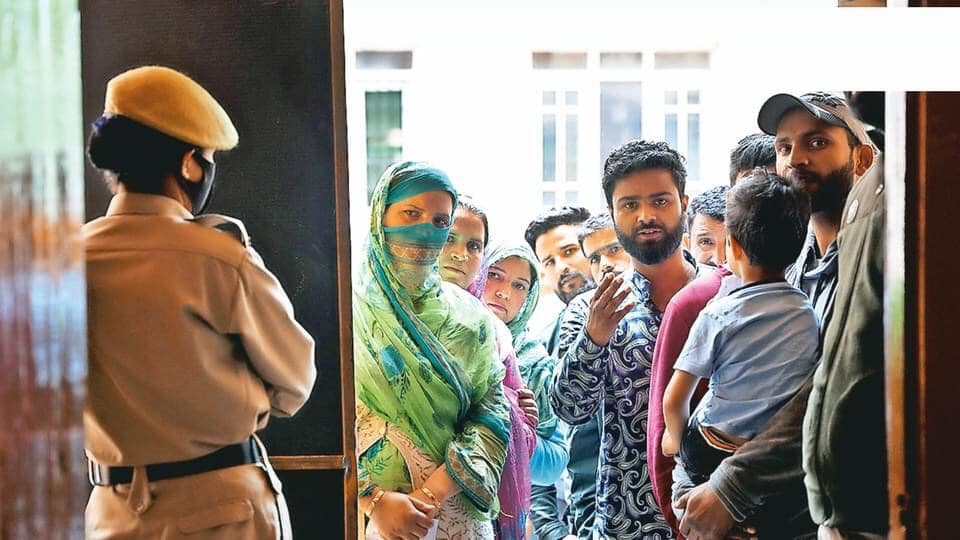
Srinagar: For the first time in a decade, elections are set to be held in the Indian-administered region of Jammu and Kashmir. The Indian Election Commission has announced that local assembly elections will commence on September 18, 2024.

The elections will be conducted in three phases, with polling scheduled for September 18, September 28, and October 1. The results are expected to be declared on October 4.

This announcement comes five years after the Indian government revoked the special status of Jammu and Kashmir by abrogating key articles of the constitution, effectively integrating the region into India. Since the last local assembly elections in 2014, Jammu and Kashmir has not seen a fresh electoral process until now.

These elections are significant as they mark a pivotal moment in the region’s political landscape, especially in light of the constitutional changes implemented in 2019. The eyes of the nation and the world are closely watching the developments in Jammu and Kashmir as the region prepares for this long-awaited electoral process.

Editorial: The Struggle for Kashmiri Identity in Pakistan

0

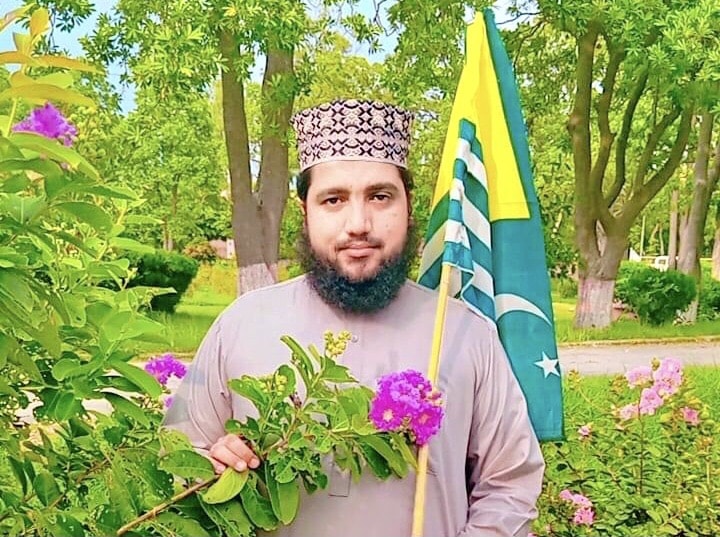
In the heart of Lahore, a personal quest to find a Kashmiri flag unfolds a deeper narrative about identity and recognition. As a Kashmiri student living in Pakistan, I anticipated celebrating October 24th by proudly displaying my national flag. Yet, a simple task revealed profound insights into the challenges faced by Kashmiris striving to preserve their identity within Pakistan.

Initially, I searched various shops for a Kashmiri flag, hoping to find one amidst the vibrant displays of Pakistani flags. Despite assurances from shopkeepers, my efforts were met with disappointment.

The irony was stark: in my homeland, the Pakistani flag is ubiquitous, readily available at every corner. But in Lahore, my search for the Kashmiri flag seemed almost futile.

With Independence Day approaching, I renewed my efforts, expecting that stalls selling patriotic paraphernalia would also stock the Kashmiri flag. On August 11th, I combed through stalls from Johar Town to Thokar Niaz Baig, only to be met with the same result. It was not until August 12th that I finally spotted a few worn-out Kashmiri flags nestled among the larger Pakistani ones. Grateful for this small victory, I purchased one and headed home.

As I walked with the flag, I noticed the curious and sometimes bewildered looks from passersby, shopkeepers, and even fellow students. Their stares conveyed a mix of unfamiliarity and discomfort. It was particularly disheartening when a classmate asked which country the flag represented.

Growing up, I had always celebrated both Pakistani and Kashmiri flags side by side, singing national anthems and chanting slogans of unity. Yet here, in Lahore, it seemed my own flag was not recognized or welcomed.

When I hung the flag in my classroom, the reaction was one of silent disapproval. As the class head boy, no one openly confronted me, but I could sense the unease.

My Kashmiri friend, however, was delighted, placing the flag proudly beside the classroom board. Despite our silent understanding, I knew controversy loomed, and I soon tucked the flag away to avoid conflict.

The following day, August 14th, I again carried the Kashmiri flag with me. The reactions were the same: confusion and curiosity. It struck me how deep-seated misconceptions about Kashmir persist in parts of Pakistan, where many remain unaware of our distinct identity and struggles.

This experience underscored the urgent need for dialogue and education about Kashmir’s unique cultural and political identity. It is crucial to foster an environment where the symbols of Kashmiri identity, like our flag, are not only recognized but also respected. As Pakistan and Kashmir navigate their intertwined histories, mutual understanding and acknowledgment are vital for peaceful coexistence.

While my search for a flag in Lahore might seem trivial, it reflects broader issues of identity and belonging that Kashmiris face daily. It is a call to action for greater awareness and appreciation of Kashmir’s rich heritage and aspirations, ensuring that our voices are heard and our symbols are seen in every corner of the world.

Joint Efforts Discussed Between Jammu Kashmir and Gilgit-Baltistan Awami Action Committees

0

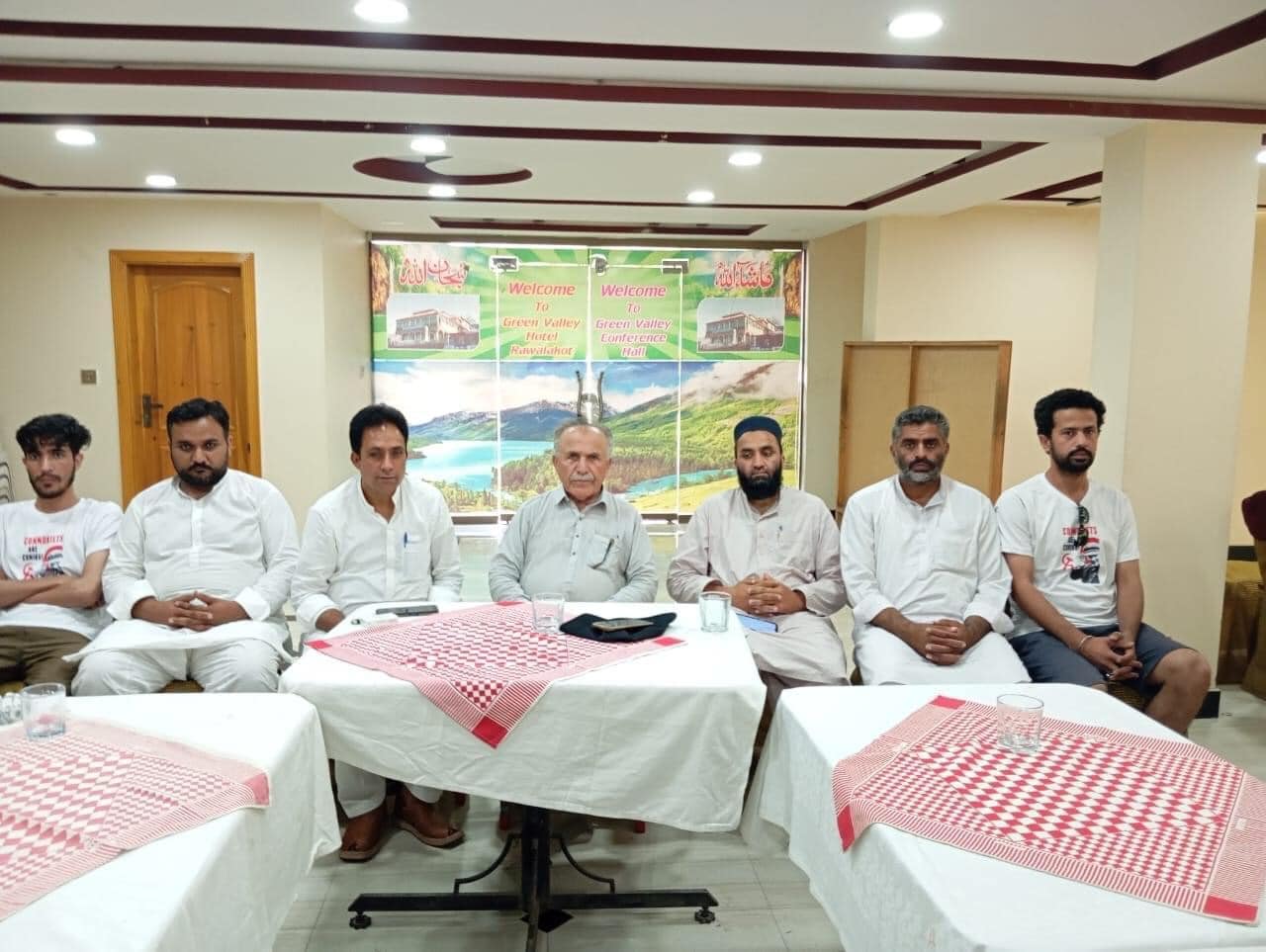
Rawalakot, August 12, 2024: Members of the Jammu Kashmir Joint Awami Action Committee from the Poonch Division held a strategic meeting with Ahsan Ali Advocate, Chairman of the Gilgit-Baltistan Awami Action Committee, to discuss advancing their collaborative efforts.

During the meeting, representatives from both sides presented various proposals aimed at strengthening their joint initiatives. It was agreed that these proposals would be discussed within their respective committees to formulate a comprehensive strategy for unified action.

The meeting concluded with members of the Jammu Kashmir Joint Awami Action Committee extending an invitation to the Gilgit-Baltistan Awami Action Committee and its chairman to attend the Public Awareness Conference scheduled for September 17 in Rawalakot. The invitation was graciously accepted, marking a significant step forward in fostering cooperation between the two regions.

This collaboration highlights the shared commitment of both committees to address mutual concerns and work towards common goals, demonstrating a united front in their advocacy efforts.

Jhelum Valley District Council Unanimously Approves Annual Budget for Fiscal Year 2024-25

0

Hattian Bala (Azadi Times Report): The Jhelum Valley District Council has unanimously approved the annual budget for the fiscal year 2024-25. The budget, amounting to Rs. 52,610,610, was presented and approved after an extensive discussion during a budget meeting chaired by District Council Chairman, Tayyab Manzoor Kayani. A total of 20 council members participated in the session.

The budget allocates Rs. 2,717,542 for administrative expenses, Rs. 14,319,000 for miscellaneous expenses, and Rs. 35,074,138 for development projects. The collected revenue will be utilized to achieve various predetermined objectives in the fiscal year, as decided in consultation with the budget committee members and the district council members.

During the session, multiple resolutions were also tabled and approved. Advocate Chaudhry Abdul Jabbar, a district council member, presented a resolution condemning India’s exploitative decision of August 5, which was unanimously passed by the council. He also proposed a resolution addressing the ongoing strike by revenue department employees, urging the government to resolve their legitimate demands to alleviate public suffering.

Another member, Raja Azeem Zahid, advocated for the regularization of work charge employees in the district council and recommended a salary increase. Similarly, Raja Parvez Iqbal urged the Prime Minister to take action for the regularization of district council employees who have been serving for a long time.

District Council Member Asad Arshad Chughtai presented a resolution calling for the full restoration of law and order in Pakistan and the release of Imran Khan, along with demands for media freedom. Another resolution was presented by Syed Sajid Hamdani, highlighting the shortage of staff in the Public Health Department and requesting the provision of positions, particularly for Union Council Sehnan Daman, which has made significant sacrifices in the Greater Water Supply Scheme.

Syed Hasnain Kazmi, another member, introduced a resolution addressing the environmental pollution caused by the crush plants in Jhelum Valley, calling for immediate remedial action.

Chairman Tayyab Manzoor Kayani, in his address, emphasized the significance of the day’s proceedings in strengthening and activating the local government system. He thanked the budget committee members, district council members, and staff for their contributions to the preparation and approval of the budget. He outlined the council’s key objectives, including improving the credibility of the district council, increasing resources, enhancing coordination between departments, promoting agriculture, improving markets and tourist spots, launching a website for public information, organizing sports festivals, addressing environmental changes, establishing union council offices, conducting capacity-building workshops for councilors, and improving the education and health sectors.

Kayani also highlighted the protests by local government members this year, which lasted for five days, and mentioned their four key demands: inclusion of funds for local government institutions in the normal ADP, expedited passage of the Local Government Act 2024 from the relevant forum, issuance of the mandatory notification under Section 90, Subsection 9, Clause 2, and the construction of Union Council offices. While some of their demands were met, assurances were given for the approval of the remaining ones.

He announced that Jhelum Valley Day will be observed on October 1st, where the Prime Minister of Azad Kashmir and the Minister of Local Government will be invited to discuss district issues. On the same day, individuals with outstanding performance will be honored with shields.

This budget approval marks a significant step forward in fortifying the local government system and enhancing public trust in local institutions.

A Shift in Sentiment: Pakistan’s Independence Day Observed with Apathy in Azad Kashmir

0

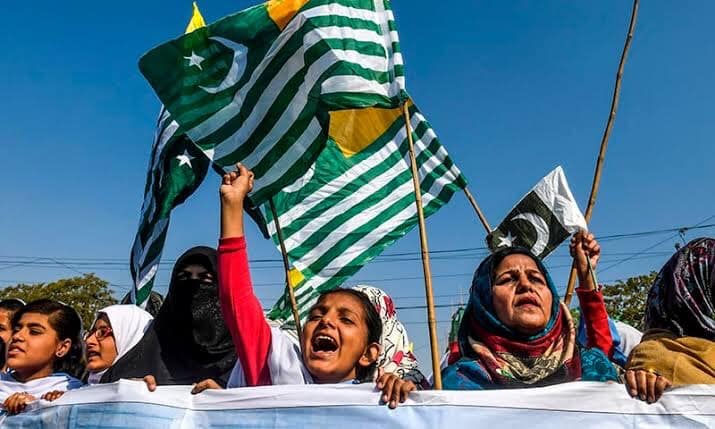
Muzaffarabad, Azad Kashmir (PaJK)- As Pakistan celebrates its Independence Day this year, the usual fervor and enthusiasm among the people of Azad Kashmir appear notably subdued. Social media posts and reports from local correspondents highlight a significant shift in the region’s sentiment, with many Kashmiris opting to distance themselves from the celebrations traditionally associated with Pakistan’s national day.

https://www.facebook.com/share/p/xGHbU7BNjCSFKRu4/?mibextid=WC7FNe

Unlike previous years, when the streets and marketplaces of Azad Kashmir were adorned with the Pakistani flag, this year has seen a marked decline in such displays. In a surprising turn of events, many local shopkeepers have reportedly refused to stock or sell the Pakistani flag. One shopkeeper, speaking on condition of anonymity, told Azadi Times that while they had ordered a large stock of flags and related paraphernalia, the demand has been overwhelmingly low.

“The Kashmiri flags are still selling, but the Pakistani flags and other related items are just gathering dust. Even when we offer them for free, there’s little interest. This has never happened before,” the shopkeeper lamented, adding that the unsold stock could lead to significant financial losses.

Social media platforms are abuzz with discussions about this noticeable change. Public figures and groups have openly discussed the boycott of Pakistani flags, with some even questioning the relevance of celebrating Pakistan’s independence in a region where the local population feels increasingly disconnected from Islamabad’s political narrative.

One significant development in this regard is the growing prominence of the Jammu Kashmir Joint Awami Action Committee, which has been instrumental in altering the region’s political landscape. The Committee’s influence is being cited as a key factor behind the growing apathy towards Pakistan’s Independence Day celebrations, with many Kashmiris now questioning their association with Pakistan’s political and cultural identity.

In a particularly noteworthy incident, a prominent cleric in the Bagh district reportedly declared a local festival celebrating Pakistan’s Independence Day as “illegitimate” under Islamic law. He stated that such festivals contribute to moral decay and that his community would henceforth boycott all such events.

https://www.facebook.com/share/p/KTKd8XG3m78WAVCZ/?mibextid=WC7FNe
https://www.facebook.com/share/p/pqqndwrBV3HEAKrJ/?mibextid=WC7FNe

The muted response to Pakistan’s Independence Day in Azad Kashmir is seen as a reflection of the region’s evolving political consciousness. While the official stance of the authorities remains unchanged, the growing disconnect between the local population and the celebrations is an undeniable sign of changing times.

Social media users from the region have also taken to congratulating both India and Pakistan on their respective independence days, while simultaneously emphasizing the long-standing demand for the right to self-determination for the people of Jammu and Kashmir. “Celebrate your independence, but remember, the fundamental right to self-determination for over twenty million Kashmiris must not be ignored,” read one widely-shared post.

This year’s Independence Day observance in Azad Kashmir serves as a potent reminder of the region’s complex relationship with Pakistan, and the growing desire among its people for a re-evaluation of their political future.

Healthcare in Kashmir: A Detailed Review of Facilities and Challenges Across Borders

0

Kashmir, renowned for its scenic beauty and complex geopolitical situation, faces significant challenges in its healthcare system. This region, divided between Indian-administered Jammu & Kashmir and Pakistan-administered Azad Jammu & Kashmir (AJK) and Gilgit-Baltistan, presents a mixed picture of healthcare advancements and persistent issues.

This review provides an in-depth examination of health facilities across these territories, highlighting both improvements and ongoing struggles.

Indian-Administered Jammu & Kashmir: Progress and Challenges

Sher-i-Kashmir Institute of Medical Sciences (SKIMS) Located in Srinagar, SKIMS is the premier medical institution in Indian-administered Jammu & Kashmir. Established in 1982, SKIMS offers specialized services, including cardiology, nephrology, and oncology. Despite its advanced diagnostic and therapeutic capabilities, SKIMS faces challenges with high patient volumes and infrastructure constraints. Additionally, some facilities are under the control of security forces, which can complicate operations and access.

Government Medical College (GMC) Jammu GMC Jammu, founded in 1999, provides essential medical education and healthcare services. The college is upgrading its facilities and focusing on research to improve healthcare delivery. However, it faces difficulties with resource allocation and limited capabilities for treating major diseases, often leading patients to seek care outside the region.

District Hospitals District hospitals in Jammu & Kashmir, such as those in Anantnag, Baramulla, and Udhampur, are vital for primary and emergency care. These facilities are plagued by resource shortages and high patient loads. Moreover, many hospitals are under security control, which can restrict their ability to operate efficiently and provide comprehensive treatment.

Pakistan-Administered Azad Jammu & Kashmir (AJK) and Gilgit-Baltistan: Developments and Limitations

CMH Muzaffarabad In Muzaffarabad, the CMH Muzaffarabad offers a range of services, including surgery and internal medicine. Recent upgrades aim to enhance specialized care and facility infrastructure. Despite these efforts, the complex struggles with limitations in treating major diseases and faces challenges related to administrative control and resource constraints.

Gilgit-Baltistan Health Services Health services in Gilgit-Baltistan are provided through district hospitals and health centers across the region. These facilities play a crucial role in delivering care to a remote population. However, they are often hampered by inadequate infrastructure and difficulties in accessing advanced treatments for major diseases. The geographical isolation further complicates the delivery of comprehensive healthcare.

City Hospitals and Specialized Clinics Urban areas like Gilgit and Skardu feature city hospitals and specialized clinics that offer focused medical services. These institutions are working to enhance their capabilities and expand services through international partnerships. Nevertheless, they face challenges in treating complex diseases and dealing with the logistical issues posed by security and resource constraints.

Common Challenges and Collaborative Solutions

Across both Indian-administered and Pakistani-administered regions, Kashmir’s healthcare system encounters several shared issues:

  • Infrastructure Limitations: Many facilities are outdated and lack adequate space, affecting the quality of care. Some are also under the control of security forces, which impacts operational efficiency.
  • Resource Constraints: Financial limitations and staffing shortages are widespread, affecting the ability to treat major diseases and deliver comprehensive care.
  • Geographical and Administrative Barriers: The region’s rugged terrain and administrative control issues complicate healthcare accessibility and emergency response.

Despite these challenges, there are efforts to improve healthcare:

  • Infrastructure Investments: Both regions are investing in modernizing facilities and expanding services, although progress varies.
  • International Collaboration: Partnerships with global health organizations are introducing new technologies and training opportunities.
  • Community Outreach: Increased focus on outreach programs aims to improve healthcare access in remote and underserved areas.

Conclusion

The healthcare facilities in Kashmir, spanning both Indian-administered and Pakistani-administered regions, face a complex array of challenges and opportunities. While there are notable advancements, obstacles such as outdated infrastructure, resource constraints, and administrative issues persist. Ongoing efforts to upgrade facilities, expand services, and foster international collaboration offer hope for a better healthcare future in this unique and sensitive region.

Engineering Dreams Amidst the Peaks: The Top Colleges in Kashmir for 2024

0

In the shadow of the Himalayas, where the serene beauty of Kashmir often belies its complex history, a quieter revolution is taking place. It’s not the kind that grabs headlines, but one that is quietly transforming lives and shaping the future of an entire region. Across both Indian-administered Jammu & Kashmir and Pakistan-administered areas, including Azad Jammu & Kashmir (AJK) and Gilgit-Baltistan, institutions of higher learning are nurturing the next generation of engineers—young men and women whose ambitions stretch beyond the valley to the global stage.

Rising Above Challenges: Indian-Administered Jammu & Kashmir

In Srinagar, where the Dal Lake reflects the towering peaks, the National Institute of Technology (NIT) Srinagar has long been a symbol of resilience and excellence. Established in 1960, NIT Srinagar stands as one of the most prestigious engineering institutions in the region. Despite the challenges that often come with its location, NIT continues to attract students from across India and beyond, drawn by its reputation for academic rigor and a faculty that blends deep research expertise with real-world experience.

Another institution making waves is the Islamic University of Science & Technology (IUST) in Awantipora, Pulwama. Nestled amid the natural beauty of the region, IUST has been steadily gaining recognition for its focus on technical education. Here, innovation isn’t just encouraged; it’s a necessity. The university’s partnerships with international institutions offer students a broader perspective, equipping them with skills that are in demand worldwide.

Further south, in the bustling city of Jammu, the Government College of Engineering and Technology (GCET) stands as a beacon of practical education. Known for its hands-on approach, GCET ensures that its students are not just academically sound but also ready to tackle real-world engineering challenges from day one. This focus on applied learning has made GCET a preferred choice for students who want to make an immediate impact in the engineering world.

Meanwhile, at the University of Kashmir in Srinagar, the Institute of Engineering is quietly but effectively making its mark. Offering a balanced curriculum that emphasizes both theoretical and practical knowledge, the institute is increasingly focusing on research areas critical to the region’s development, such as sustainable technologies and renewable energy.

Beyond the Line of Control: Pakistan-Administered Azad Jammu & Kashmir and Gilgit-Baltistan

Across the Line of Control, in Pakistan-administered Kashmir, the Mirpur University of Science and Technology (MUST) is leading the charge in Azad Jammu & Kashmir (AJK). MUST is more than just an academic institution; it’s a hub of innovation and research, where students are encouraged to think beyond traditional boundaries. The university’s strong ties with the industry ensure that graduates are not only knowledgeable but also equipped with the practical skills needed in today’s fast-paced world.

In Muzaffarabad, the University of Azad Jammu & Kashmir’s Faculty of Engineering is making strides by integrating social responsibility into its engineering programs. Here, the focus is not just on producing engineers but on nurturing individuals who understand the impact of their work on society. This approach is particularly important in a region where infrastructure development and environmental sustainability are pressing concerns.

Up in the rugged terrains of Gilgit-Baltistan, the Karakoram International University (KIU) offers a unique educational experience. Specializing in fields like environmental engineering and hydropower, KIU is ideally positioned to address the challenges and opportunities presented by the region’s unique geography. The university’s emphasis on sustainability and local engagement ensures that its graduates are not just engineers but custodians of their homeland’s future.

In Mirpur, Azad Jammu & Kashmir, the City University of Science and Information Technology (CUST) is carving out a niche with its focus on information technology and emerging technologies. With strong industry links and a curriculum designed to keep pace with rapid technological changes, CUST is preparing students for careers that go beyond the traditional scope of engineering.

Finally, the Mohi-ud-Din Islamic University (MIU) in Nerian Sharif, AJK, offers a blend of modern education and Islamic values. MIU’s engineering programs are designed not just to impart technical knowledge but to build character, ensuring that graduates are as ethical as they are skilled. This holistic approach is increasingly resonating with students and parents alike, who see in MIU a place where academic excellence meets moral integrity.

Engineering a Brighter Future

As we look toward 2024, it is clear that the engineering institutions in Kashmir, on both sides of the border, are playing a critical role in shaping the region’s future. These colleges and universities are not just producing engineers; they are fostering hope, resilience, and innovation in a land that has long been associated with strife.

For the young people of Kashmir, these institutions represent more than just an opportunity for education; they are pathways to a better future, both for themselves and their communities. In classrooms and labs across this beautiful but complex region, the engineers of tomorrow are being forged—equipped with the knowledge, skills, and values needed to build not just careers, but a brighter future for all.