Wednesday, March 25, 2026
11.4 C
Srinagar
Home Blog Page 147

Bangladesh Protests: Over 105 Killed, Curfew Imposed, Military Deployed

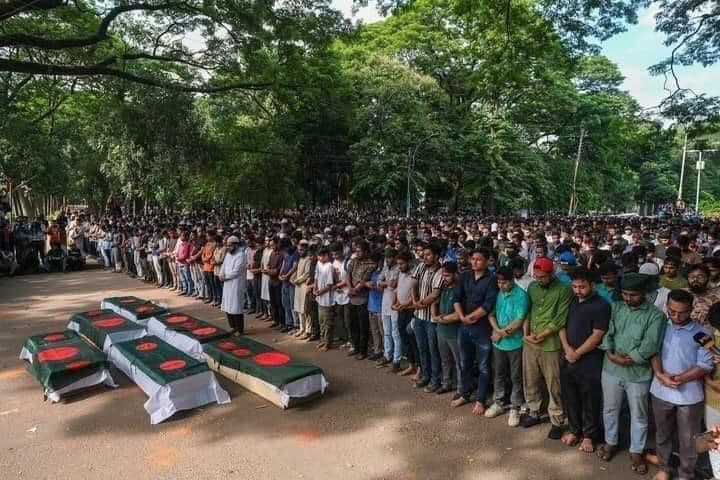
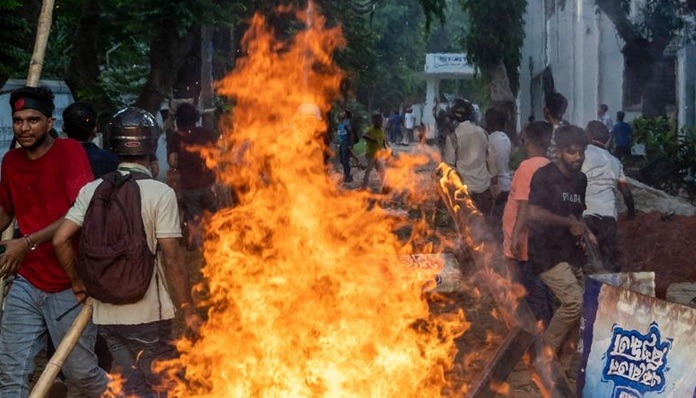
Dhaka, Bangladesh: Following the deaths of over 105 individuals during violent protests in Dhaka, the capital of Bangladesh, the government has imposed a nationwide curfew.

Currently, students in Bangladesh are demanding the abolition of job quotas for the families of those who participated in the 1971 War of Independence.

During Friday’s demonstrations, the Narsingdi Jail was also stormed, leading to the escape of hundreds of prisoners. Subsequently, the Prime Minister’s office announced the imposition of a curfew across the country.

Government Press Secretary Naeem Islam stated that the military has been called in to restore peace.

In his statement, Islam mentioned, “The government has decided to impose a curfew and call in the military to assist civilian authorities in bringing peace to the country.”

It should be noted that over 105 people have been killed in the violent protests in Bangladesh so far. However, due to the disruption of communication systems in some parts of the country, it is difficult to accurately estimate the death toll. Reports indicate that mobile internet and telephone services have also been affected.

In the wake of these protests, train services have been suspended, and images from Dhaka show a heavy police presence attempting to control the situation. Educational institutions in Bangladesh will remain closed until further notice.

FIRs Filed Against Resistance Journalist Arslan Ali in Gilgit-Baltistan Over Blasphemy Allegations

0

In Gilgit (Correspondent Azadi Times) – Resistance journalist Arslan Ali from Gilgit-Baltistan is facing multiple FIRs (First Information Reports) across various police stations under blasphemy allegations.

Reports indicate that an FIR under the Anti-Terrorism Act (ATA) has also been registered against Ali. The accusations stem from alleged blasphemous remarks made by Ali in a Facebook conversation with an unidentified individual.

Efforts to apprehend Arslan Ali have been ongoing, with police conducting raids at various locations, but he has not yet been captured.

Political and social circles have suggested to Kashgul that Ali’s ID may have been hacked, and the incriminating remarks attributed to him could be fabricated. They argue that Ali, known for his outspoken journalism on issues like the Hader tragedy, is being targeted to silence him under the pretext of state directives.

This situation echoes previous incidents where Gilgit-Baltistan’s rights activists, such as the leader and chairman of the Action Committee, Ihsan Advocate, and the Coordinator of the Human Rights Commission Gilgit-Baltistan, Israruddin Israr, faced similar accusations, leading to their imprisonment and suffering.

The case continues to unfold, with implications for press freedom and political dissent in the region.

Editorial: “Memories in State Custody on Our Own Land” by Samia Batool

Our beautiful memories begin in the captivating region of Mahmoodgali in Pakistani-administered Kashmir. My friends and I planned to celebrate Eid closer to nature, creating unforgettable memories.

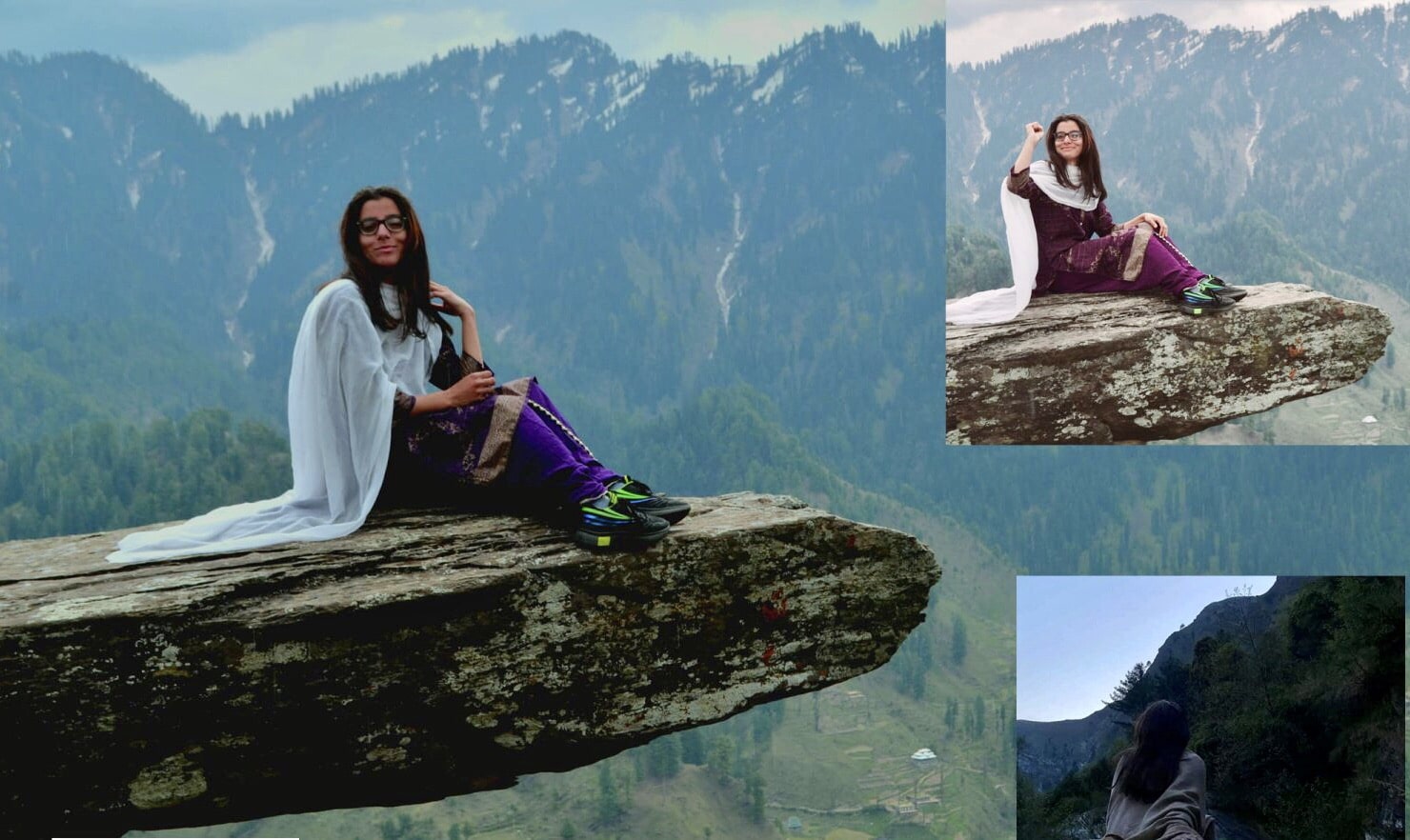
We chose the area of Forward Kahuta because it offers several famous and picturesque tourist spots in one journey. Among them is a famous rock (Malyari Rock), which is situated high above deep ravines, and the Neel Fairy Lake, a unique and magnificent masterpiece of nature.

We waited for our friends in Mahmoodgali, enjoyed a meal, and sipped hot tea in the cool weather. The enchanting views of Pir Panjal from the hotel windows kept drawing our attention. The snow-capped peaks and budding new leaves on the trees added a refreshing feel. When our friends arrived, we got into the vehicle and headed to our next destination. Our route passed through the Kahuta and Haveli regions, climbing up the mountains. Along the way, we introduced ourselves, shared jokes, and created lively memories as we journeyed toward our camping site. Equipped with essential gear, we set off.

Kahuta is a large district comprising several areas, each with its own unique culture. Some regions speak pure Kashmiri, while others speak Gojri. The people remain connected to their ancestral traditions and culture. Our first stop was the beautiful area of Gagdar, a small valley surrounded by high mountains and a straight road leading to our next destination. Leaving Gagdar, we arrived at the small, bustling market of Plangi, where essential goods are available. From here, the journey to Halan began. Throughout the trip, water accompanied us, sometimes flowing close to the road, other times farther away, but never out of sight. Deep ravines, winding roads, towering trees, and soft grass, along with simple folks and roaming livestock, filled our senses with the beauty of nature.

At one point, a small waterfall cascades onto the road, creating an exhilarating moment for travelers as the water splashes on their vehicles, turning their excitement into joyful shouts. This path led us to the Halan waterfall, which flows majestically beside a high, small iron bridge. The cliff between the bridge and the waterfall keeps travelers dry, while the path leading to the cliff remains wet with the spray from the cascading water. The milky white waterfall, when it hits the ground, sends droplets far and wide, announcing its presence. During summers, travelers happily approach it, while in winters, the cold becomes unbearable, forcing them to admire the beautiful sight from a distance. We took pictures by the waterfall and moved on.

Ten minutes’ drive from the waterfall, we decided to camp in a public park. This place seemed like a gift from nature. The water flowed by with a steady rhythm, unconcerned with anything else, while the mountainous backdrop made it a focal point for visitors. In the delightful evening, we set up our tents, gathered wood, and lit a bonfire. The moon shone down on us, sharing in our experiences. Stones sparkling in the water appeared like precious jewels, and the stars in the sky resembled a platter of pearls. We prepared dinner, but our joy turned to disappointment when the Pakistani army arrived, deeming our stay on our own land a crime. The valley, the ravines, the rocks, the grass—all ours, yet not. Staying close to the Line of Control on our land is considered a crime.

Some of our friends were members of the Jammu Kashmir National Students Federation. The Pakistani army strictly ordered us to dismantle our camp. We requested time to cook our meal, but the army was adamant about not letting us stay. They confiscated our identity cards, inspected our belongings for an hour, and retained our IDs under the pretext of checking our data. Another camp nearby remained undisturbed by the army. We had no choice but to leave, finding shelter in two shabby hotel rooms. After dinner and reflecting on the sorrows of our land, we fell asleep, as the next day promised a new destination. The sun shone brightly the next morning, birds and other creatures were awake, and we prepared for our next journey, a long hike up the mountains to a famous rock perched high above. After parking our vehicle in a safe place, we set off with minimal supplies.

Our team of eight was strong and soon the rough road ended, leading to a climb up the mountain. The stunning views encouraged us to keep going. Along the way, we met a girl who shared that due to a lack of facilities, her family moved to Rawalpindi, where they received an education. Seeing the struggle of people living in such beauty to meet basic needs was heart-wrenching. People carried sacks of grains from miles away, crossing difficult paths to reach their homes and meet their daily needs.

Amara invited us to her home and treated us to tea and refreshments. Her family encouraged us and guided us on our way. After two hours of hiking, we reached the mountain where our destination lay. The Malyari Rock, perched high above dangerous ravines, offered breathtaking views. Travelers took pictures atop this rock, which was as beautiful as it was perilous. The weather on mountains changes quickly; the bright sun turned into rain, soaking us with heavy droplets. But soon the rain stopped, and the sun reappeared. We took pictures and enjoyed the surrounding views, then headed back. Descending was easier, and we quickly reached our vehicle.

We then set off for Neel Fairy Lake, planning to camp there, but the weather didn’t cooperate. A storm forced us to stop at Bring Ban, a beautiful village where the locals were extremely hospitable. They provided us with a spacious, clean hall filled with bedding. Their hospitality and kindness were unmatched. After dinner, exhausted from walking, we quickly fell asleep.

The village’s beautiful morning greeted us with a warm breakfast prepared especially for us. We packed our essentials, left the rest in the hall, and headed towards the lake. Two local girls accompanied us to ensure we didn’t face any difficulties. Along the way, we saw various colored stones and felt the cool breeze. One spot had water dripping from leaves, a fascinating sight. Enjoying the scenic views, we continued our ascent.

The girls shared their challenges, including the lack of a proper road and the struggle to transport essentials. They mentioned that the only school in the area was up to the eighth grade, and most girls couldn’t study beyond that. We assured them we’d convey their issues to the authorities. Engaging in conversation, we reached their homes, simple yet beautiful structures made of mud and wood, serving as summer shelters for livestock and a combined kitchen and bedroom for people.

The girls treated us to tea, for which we were very grateful. After tea, we continued towards the lake, the sky partly covered with light clouds. As we climbed, we reached a meadow filled with beautiful purple flowers, encouraging us to tread carefully. Finally, after a long journey, the lake appeared before us, seemingly crafted meticulously by nature. Nestled between mountains, with the sky and scattered clouds reflected in its waters, the lake offered a mesmerizing view. Snow-covered peaks on the far side of the lake seemed to smile at us.

However, before we could fully take in the scenery, the clouds covered the sky, and hail began to fall. We quickly took shelter beneath a cliff, the sudden cold becoming unbearable. The hail turned the peaks white, and the stones in the lake looked like musical notes being played. We took some photos and, after a brief stay, started our journey back home. We carried with us respect and love for the locals who made our journey special, gave us their time, and showed us hospitality.

Sitting in my room today, writing this, those scenes refresh my soul and bring a smile to my face as I recall the beautiful moments.

Major Counter-Terrorism Victory: Pakistan Captures Close Associate of Osama bin Laden

0

Lahore, Pakistan — In a significant counter-terrorism operation, the Counter Terrorism Department (CTD) of Punjab has successfully apprehended Amin ul-Haq, a close associate of the late al-Qaeda leader, Osama bin Laden according to Pakistani media.

The announcement was made by CTD Deputy Inspector General (DIG) Wasim Ahmed Sial during a press conference in Lahore.

Amin ul-Haq is a high-profile figure whose name appears on the terror watchlists of both the United States and the European Union. His arrest marks a crucial victory in the global fight against terrorism. According to DIG Sial, a case has been registered and an intensive investigation is ongoing to uncover further details about ul-Haq’s activities and networks.

The capture of ul-Haq comes more than a decade after the killing of Osama bin Laden by U.S. Navy SEALs in Abbottabad, Pakistan, on May 2, 2011. Ul-Haq, who served as a senior al-Qaeda operative and security supervisor for bin Laden, was detained following an intelligence-based operation by Pakistani authorities.

One of the key aspects under investigation is how ul-Haq managed to evade detection for so long and what activities he was involved in within Pakistan. Notably, he possessed a Pakistani ID card with addresses in both Lahore and Haripur, suggesting he may have had significant local connections.

The arrest underscores Pakistan’s ongoing efforts to combat terrorism and the complex challenges posed by high-ranking operatives who continue to operate covertly. The international community will be closely monitoring the developments of this case as Pakistani authorities work to dismantle ul-Haq’s networks and bring his accomplices to justice.

Security Forces Crack Down in Dhaka: 52 Students Killed in a Single Day

Dhaka, Bangladesh — In a dramatic escalation, security forces in Dhaka have advanced against protesting students, resulting in the death of 52 students in a single day. This violent crackdown has prompted a significant reaction from civil society, which has taken to the streets in support of the students.

The citizens of Bangladesh are uniting against oppression, as evidenced by the torching of the state TV building following the protests. The current unrest centers on the students’ demand to abolish the quota system in government jobs, which has led to a nationwide strike on Thursday.

Transport across the capital, Dhaka, and several other cities has come to a complete halt. The quota system in Bangladesh allocates over half of the coveted and well-compensated civil service jobs to specific groups.

Thirty percent of these positions are reserved for the children of freedom fighters who fought in the 1971 Liberation War. Additionally, 10 percent of the jobs are set aside for women and another 10 percent for candidates from specific districts. A combined quota of 6 percent is reserved for minorities and disabled individuals.

The students are demanding the abolition of all quotas in civil services except for those reserved for minorities and disabled individuals. They insist that the remaining positions should be filled based on merit. This movement has gained significant traction, highlighting widespread discontent with the current system and calling for a fairer, merit-based recruitment process.

The ongoing protests and the resulting violence have captured the nation’s attention, raising critical questions about the future of employment and equity in Bangladesh.

Sources:

  • Local Reports
  • Eyewitness Accounts

Editorial: The Myth of the July 19, 1947 Resolution – A Historical Reassessment

0

The narrative surrounding the July 19, 1947 resolution by the All Jammu and Kashmir Muslim Conference has long been shrouded in myth and misinformation. It is often portrayed as a decisive and unanimous call for accession to Pakistan.

However, a closer examination of historical records and statements from key figures of the time reveals a different story—one that challenges the mainstream understanding and calls for a re-evaluation of this significant moment in Kashmir’s history.

Challenging the Resolution’s Authenticity

The claim that the July 19 resolution was a formal and representative decision of the Muslim Conference is highly questionable. Contrary to popular belief, it appears that the resolution was not an official stance of the Muslim Conference but rather the viewpoint of a small group of individuals. This fact is underscored by Professor Ishaq Qureshi’s interview with the monthly Herald, published under the auspices of the daily Dawn, where he categorically stated that no such resolution for accession to Pakistan was ever discussed or passed in any meeting of the Muslim Conference.

Historical Context and the Quest for Autonomy

The period leading up to the partition of India was marked by intense political maneuvering and uncertainty. On May 28, 1947, Chaudhry Hamidullah, during a press conference in Jammu, articulated the Muslim Conference’s stance against aligning with either India or Pakistan, advocating instead for an independent Kashmir. This position was further reinforced during a meeting with Muhammad Ali Jinnah, where Jinnah expressed his preference for an autonomous Kashmir, a sentiment he communicated to Hamidullah and Qureshi, and which was subsequently conveyed to Chaudhry Ghulam Abbas in Jammu jail.

The July 19 Meeting: A Different Reality

On July 19, 1947, due to the imposition of Section 144 and ongoing arrests of Muslim Conference members, the meeting of the General Council in Srinagar saw only a fraction of its members in attendance. With no quorum, the meeting could not legally proceed, and thus, any claims of a formal resolution for accession to Pakistan being passed are unfounded. The attendees, including Sardar Ibrahim, merely had a private gathering, which some have later misrepresented as an official decision-making assembly.

Reevaluating Historical Narratives

This historical reassessment compels us to question the established narratives. The true resolution, as passed by the Working Committee on July 18, 1947, endorsed an independent Kashmir, aligning with the wishes of the party’s leadership and Jinnah’s advice. Therefore, the often-cited July 19 resolution for accession to Pakistan appears to be more myth than reality, a narrative constructed post-facto to serve certain political agendas.

Conclusion

As we reflect on the past, it is crucial to approach historical events with a critical eye, ensuring that myths do not overshadow documented facts. The story of the July 19, 1947 resolution reminds us of the importance of revisiting and rigorously analyzing our history. For Kashmir and its people, understanding the true intentions and decisions of their leaders during this pivotal period is essential in framing their ongoing struggle for self-determination and autonomy.


Reference:

  • “Kashmiris Fight for Freedom”
  • “Gum Gashta Qaum”
  • Monthly Herald, March 12, 1994

Joint Operation in Neelum Valley Targets Public Transport Compliance

0

Neelum Valley (Azadi Times) – A coordinated enforcement operation is currently underway in Neelum Valley, initiated by the district administration in collaboration with district police, traffic police, and the transport authority.

This crackdown, termed “Martial Law,” aims to ensure compliance with transportation regulations.

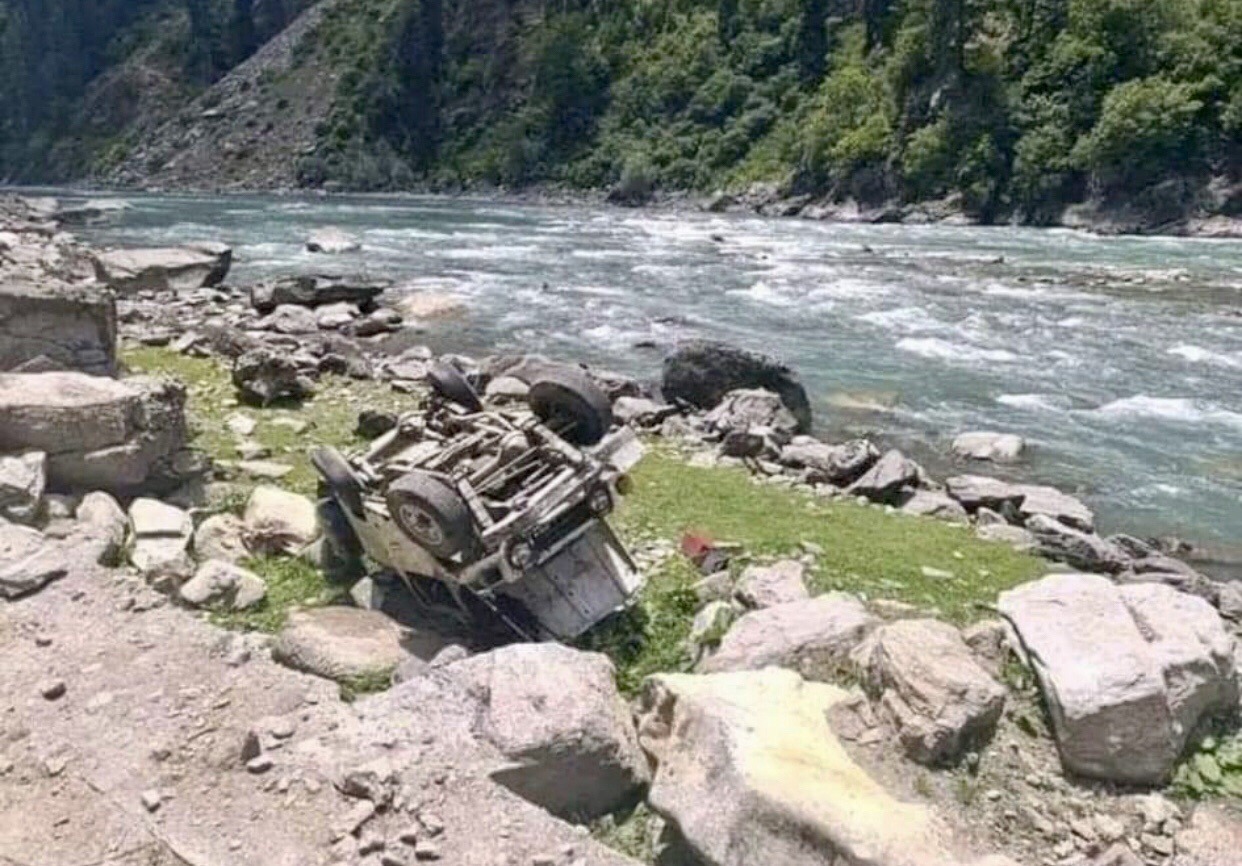
During the operation, enforcement teams targeted various locations throughout Neelum Valley, focusing on public transport vehicles, including Toyota Hiace, Coasters, Jeeps, and Suzukis. Authorities removed unauthorized additions such as extra ladders, side stands, and roofs from these vehicles.

In addition to these physical modifications, several vehicles lacking fitness certificates and route permits were subjected to substantial fines. Owners of these vehicles have been given a one-week deadline to secure the necessary documentation, including fitness certificates and route permits, in accordance with regulatory standards.

The district administration has issued a stern warning: failure to comply with these requirements will result in the cancellation of route permits, and the vehicles will be barred from operating on public roads.

This operation underscores the commitment of the Neelum Valley authorities to enforce transportation laws and ensure the safety and compliance of public transport services.

Student Organizations Unite in Azad Kashmir to Demand Reforms

0

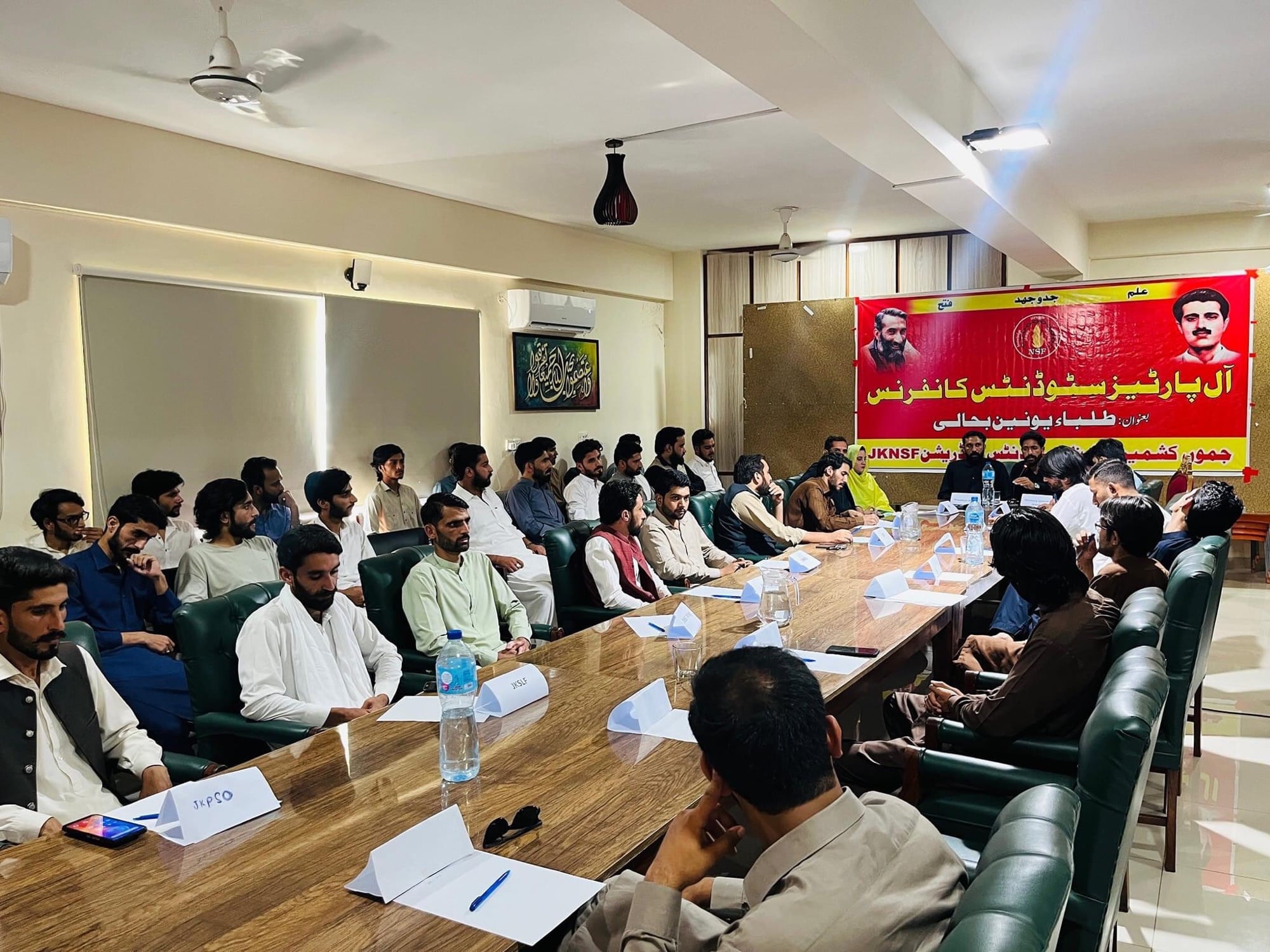
Muzaffarabad (Azasi Times): The Jammu Kashmir National Students Federation (JKNSF) hosted a significant conference today, July 13, in Muzaffarabad, bringing together all major student organizations from Azad Kashmir.

The four-hour-long meeting focused on the ban on student unions and various student-related issues. Leaders from JKPSF, JKSLF, JKNSF Wing, JKNSF Marxist, PYA, JKPSO, ISF, MSFN, MSF, JKMI, IJT, ATI, UKNSO, and NCN participated in the conference.

A key outcome of the conference was the establishment of the Jammu Kashmir Students Action Committee, with each organization nominating two members to the committee.

The nominated members are Israr Yousaf, Fauzia Khan, Ahmad Raza Mustafai, Sohaib Javed, Raja Danish, Samad Shakeel, Azhar Rasheed, Raja Dilawar, Ali Shamraiz, Arbaaz Khan, Abdul Rehman Inqilabi, Wasi Tair, Mujtaba Banday, Sohaib Hanif, Khalil Babar, Hamid Maqbool, Basit Irshad Baghi, Hamza Mir, Ahmed Maqbool, Muhammad Afsar Khan Mughal, Aqib Khan, Usama Mumtaz, Fayaz Kashmiri, Raja Ahsan Khurshid, Waqas Ahmed, Syed Ahmed Ali, and Hamza Saleem Kayani.

Following extensive discussions, the Jammu Kashmir Students Action Committee formulated an 11-point Charter of Demands, which they vowed to pursue until fully realized:

  1. Immediate announcement of a schedule for student union elections by the Azad Kashmir government.
  2. Inclusion of Jammu Kashmir studies in the curriculum of all educational institutions in Azad Kashmir.
  3. Provision of scholarships to Kashmiri students studying in Pakistan and an increase in the quota percentage.
  4. Allocation of 10% of Azad Kashmir’s total budget for education.
  5. Immediate lifting of restrictions on student freedom of expression under the guise of university discipline committees.
  6. Provision of hostels in universities according to student numbers.
  7. Formation of committees including student representatives to address the rising harassment rates in universities.
  8. Updating of the curriculum to meet modern requirements.
  9. Immediate abolition of the semester system in Azad Kashmir’s education system.
  10. Registration of all unemployed youth and provision of unemployment allowances.
  11. Immediate dissolution of bogus inquiry committees in universities.

The Jammu Kashmir Students Action Committee has issued a stern warning to the government to accept and implement the Charter of Demands without delay. The committee declared that if these demands are not met, the student community will assert their presence with full force.

Earthquake Tremors in Kashmir Cause Panic Among Residents

0

Srinagar (Azadi Times / IaJK – July 12, 2024): A moderate earthquake measuring 4.2 on the Richter scale struck Indian-administered Jammu and Kashmir today (Friday).

According to the Kashmir Media Service, the epicenter of the quake was in Baramulla, with a depth of 5 kilometers. The earthquake occurred at 12:26 PM local time and was felt across several parts of the region.

While the quake caused panic among the residents, no reports of damage have been received.

Commemorative Events Held Across Kashmir During Muharram

0

Srinagar – Muharram, the first month of the Islamic calendar, is being observed with great reverence across the world. In Kashmir, (Indian administered Jammu Kashmir) various events are being organized to pay tribute to the martyrs of Karbala.

These commemorations include mourning sessions, recitations of elegies, and the narration of the tragic events of Karbala.

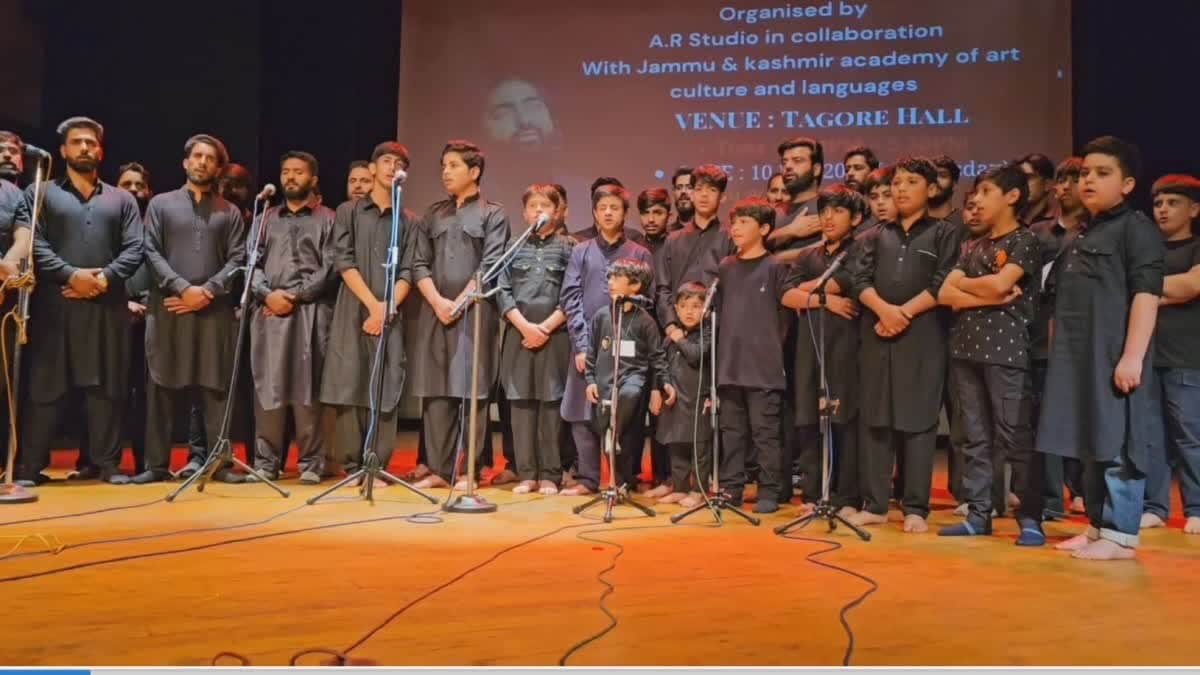
In Srinagar, a significant event took place at Tagore Hall, where scholars, preachers, and mosque leaders paid homage to Imam Hussain (AS) and his loyal companions, remembering their unforgettable sacrifices.

The event featured several activities including the recitation of elegies (Nohas) and lamentations (Marsiyas), with participation from students of various schools.

Speakers at the event emphasized the importance of the battle of Karbala, highlighting that if Imam Hussain (AS) had not sacrificed his life for the principles of justice and righteousness, humanity today would struggle to distinguish between right and wrong.

They reiterated that the event of Karbala is not just a significant occurrence in Islamic history but also a unique and unparalleled event in the history of the world, affecting both the living and the non-living.

The soil of Karbala, where the sacred blood of the Prophet Muhammad’s (PBUH) family was shed in Muharram of 61 AH, is remembered for its profound impact. The sorrow of Imam Hussain (AS) continues to resonate through the ages, symbolizing the eternal struggle between truth and falsehood.

One participating student poignantly remarked, “If the event of Karbala had not occurred and Imam Hussain (AS) had not made the ultimate sacrifice, humanity would not have been able to distinguish between right and wrong.”

The battle of Karbala is a tragic event that has left a lasting mark on history. It is said that the very elements of nature wept for Imam Hussain (AS) and his companions. This sorrowful incident brought tears to both animate and inanimate objects, signifying the profound grief it instilled across the world.

Muharram commemorations serve as a reminder of the sacrifices made by Imam Hussain (AS) and his companions, inspiring generations to uphold justice, truth, and integrity.