20.8 C
Los Angeles
Thursday, October 8, 2026

One Killed in Qallan Shooting as Shutdown Eases in Major Azad Kashmir Cities

While business districts reopened in Mirpur, Muzaffarabad...

45-Year-Old Man Found Dead in Budgam’s Branwar Area

Police have launched an investigation after the...
Home Blog Page 195

Opinion: Kashmiri Culture the Ancient culture of Jammu Kashmir

0

Forty years ago, the culture of Jammu and Kashmir was radically different, the customs, traditions, dress, and moral standards were completely different from today – if the culture of Kashmiri society of forty years ago is to be defined.

So we have to call the Kashmiri society of that time a natural and natural cooperative society. During this period, there was a culture of doing everything together – from housebuilding to marriage and other social events.

The trend was an integral part of Kashmir society. During this period, the economic dependence of the people was farming and grain raising, so the people of the neighborhood worked together to sow the land harvest the crops, and clean them to the granary.

A culture of partnership and brotherhood 

In the Jammu Kashmir of that period, the produce of the land was divided into parts. Of it Barbar’ i.e. Barber’ Blacksmith. A year’s labor was also set aside for the Kumar, the potter.

The food of the people was mostly corn and rice. Wheat consumption was very low. Maize consumption was very high throughout the state and every village in the state had pin mills where this maize was ground and every house also had a hand grinding mill.

Which was used in sexual situations to make flour, every house in Jammu and Kashmir of that time had a flour grinding mill and (Okhli) and the women of that era had a special experience in using the mill and Okhli. And she used to be so healthy and strong that she was her example in sacrifice. This is the reason why the women of that era lived longer.

The men were also very hardworking, they spent most of the year in sowing the fields and harvesting the crops, and the winter from September to December was reserved for gathering firewood and building houses, since during this time the productive process of the lands was over. It stopped.

Pure food self-sufficiency  

Cornbread was also cooked in some way. In some areas, this bread was also cooked on a sophisticated tandoor, and its bread was also cooked like chapati.

It was a time when milk was available in abundance in every household, so cornbread was usually eaten with sag lassi ghee and curd. There was no custom of importing food from Pakistan and India.  

And there was no need, if there was a shortage of wheat and rice in an area, then this deficiency was made up from the more fertile areas of Jammu and Kashmir. And were healthy and strong due to eating powerful food. Lived a very contented life –

The culture of landlord and peasant society

Forty years ago the culture was the culture of the complete landlord and peasant society – the public morality was also connected to the land like the crops, all the people built houses together and cultivated the crops together.

And used to harvest crops together. There were moral values ​​in every sphere of life. During this period, women’s occupations were very laborious and tiring, for example, women millers and spinners.

The spinner used to cut grass for the mice and fetch water from very distant places, usually, the time for fetching water was reserved for morning and evening.

But the evenings were also a source of entertainment for the women as these women gathered with their pitchers on the water of the neighborhood and discussed every issue of life. In this way, the entire neighborhood and even the entire village was aware of the conditions of each house. In this way, water fountains also became a source of grief for women.

Memorable wedding ceremonies

Marriages forty years ago were also very different from today’s marriages. These were very prestigious marriages. The special thing about these marriages was that the marriages lasted for one to two months.

In these marriages too, there was a lot of communalism. No matter who the marriage was, all the relatives and the people of the neighborhood and the community used to give their contribution in the form of (Nyadre) Panji.

In all regions of Jammu and Kashmir, there were three to four marriage functions, the first being the engagement function. The second function was the wedding ceremony and the third and smaller ceremony was the mehendi and barat doli.

The feast of food was no less than today’s wedding. The bridegroom and the bride used to walk to the tune of Baje and Shanai to reach the house of their hosts. As a relationship, she used to eat feasts. It lasts for one to two months. Dol and Sarnai lived with the bride and groom.

Colors of ancient rural culture 

What a good time it was, how much love and sincerity there was. Sacrifice for each other was an unparalleled passion. Oh, what a wonderful time it was never to be forgotten. They sit together with everyone and organize parties from morning to evening. The colorful scene of the evening when there were colorful gatherings of women at the water fountains. Ah, those evenings when the melodious sounds of cuckoos and cuckoos heralded the arrival of spring.

Andalib and Koel may still sing songs, but today there is no one to listen to them. Today everyone is lonely despite being in a relationship, very lonely. Today our hearing is unfamiliar with nature’s singing

Native Kashmiri song tradition 

On the occasion of marriage, all over Jammu and Kashmir, women used to organize song and music gatherings. These women’s songs were prayers of praise and happiness for the bride and groom and some of the songs described the cultural background of Jammu and Kashmir.

Sometimes a woman would also sing and often two or three women would combine these songs into music. Instead of the drum and harmonium, an earthen pot would be placed in the middle and it would take over the function of the drum and harmonium.

These songs were not written by any poet but these songs were created by the historical and cultural conditions of Jammu and Kashmir. Rather, it is more correct that these songs were the earth’s voice and its creation.

Every woman of that time must have hummed some kind of song while working – in those days, houses were often dirty. In the marriage house two or three weeks before, the work of plastering the walls and applying white mud was used and also on this occasion, Geet Sangeet gatherings were arranged.

Tragedy and Song of Migration 

After 1947, I have also had the opportunity to listen to the songs and songs of women who migrated from Jammu city and the neighboring areas of Jammu to Pakistan, especially in Gujranwala and Hafizabad, which were a reflection of the background of the separation of the country. There was an opportunity to enjoy and understand the songs.

In these songs, he mentioned the city of Jammu. Akhnoor, Mahendar Poonch, Srinagar, Baramulla, and many other places were mentioned in these songs. In these songs, the words used about Yad-e-Watan, which usually describe the sufficiency of lovers’ emigration and separation, each song is associated with a city, a river, and a special scene in Jammu and Kashmir.

Flowers and fruits are mentioned with this skill. When listening to this song, a person reaches these valleys. In these songs there is pain and love and the beauty of the history and civilization of Jammu and Kashmir. 

Regional and local language Kashmir songs 

The Gujri songs of Jammu and Kashmir and the Pahari songs of Poonch were similar in transposition, but the tone and language of the songs of Muzaffarabad and the Kashmir Valley were different.

Gujri songs in Jammu and Kashmir had a unique style of their own – Gujri songs were strangely sung. Gujri songs were sung by both men and women. The Dogri songs of Jammu also had their beauty Pahari and Dogri are sister languages. whose songs and tone are very similar

We are trying to save these songs from being destroyed so that these songs can be preserved in our folk heritage, but unfortunately, this task is not so easy now.

Because from time immemorial women of Jammu and Kashmir used to sing in weddings and other social events. Geet Sangeet parties have stopped decorating. And everything has changed during that time.

When General Ziaul Haq seized power in Pakistan and hanged Zulfiqar Ali Bhutto, the prime minister of a democratic government, on the throne. And Zia-ul-Haq’s Islam was enforced throughout Pakistan and Pakistan-occupied territories. At that time, the Muslim Conference was supporting the dictatorship in Jammu and Kashmir, so the leadership of this party destroyed all the national treasures of arts and cultural heritage from Azad Kashmir through a conspiracy.

Zia-ul-Haq’s followers in Azad Kashmir including all over Pakistan choked Geet Sangeet. Of course, the Jihadi culture of that period had an impact on the whole of Jammu and Kashmir, but Azad Kashmir was directly affected by this culture now it cannot be said with certainty that the women of Jammu and Kashmir are keeping these songs alive.

The death of song is the death of society 

Many people may not agree on the relationship between music and psychology. But it is a fact that songs and human psychology are very closely related.

When songs die, the truth is that the society whose songs do not survive because the society ceases to exist. And ‘social stagnation’ means ‘death’ that slowly tears apart societies and individuals from within. They don’t even know how it all happened
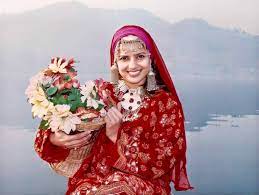
Unveiling the Kashmiri Phiran: A Journey Through Kashmiri Tradition and Beauty

0

Muzaffarabad (Azadi Times): The mere mention of Kashmir evokes images of snow-capped mountains, serene valleys, and the iconic Kashmir Phiran.

More than just a garment, the Phiran is a woven tapestry of Kashmiri culture, deeply intertwined with its history, aesthetics, and social fabric. Let’s embark on a journey to explore the essence of this timeless attire.

A Symbol of Grace and Modesty

Imagine a flowing robe, cascading from neck to ankle, crafted from the finest wool and adorned with intricate floral embroidery. This is the essence of the Phiran, a silhouette that embodies both grace and modesty. Traditionally worn by women, it transcends mere clothing, serving as a marker of cultural identity and social standing.

Beyond Practicality: A Canvas for Artistic Expression

The Phiran is not merely practical winter wear; it’s a canvas for artistic expression. Skilled Kashmiri artisans meticulously hand-embroider the fabric with vibrant floral motifs, each stitch echoing centuries-old traditions. The use of rich colors like crimson, emerald, and sapphire further accentuates the garment’s beauty, making each Phiran a unique masterpiece.

A Tale of Two Seasons:

While primarily associated with the harsh winters of Kashmir, the Phiran adapts to the changing seasons. In summer, lighter cotton versions offer breathability, while the woolen variants provide warmth during the colder months. This versatility ensures the Phiran remains a cherished part of everyday life throughout the year.

More Than Just a Dress: A Cultural Legacy

The Phiran transcends its role as clothing; it’s a symbol of Kashmiri heritage. It’s worn during celebratory occasions, adorning brides and adding a touch of elegance to festivals. Its presence in traditional music and dance further underscores its deep-rooted connection to the Kashmiri way of life.

Beyond Borders: A Global Fashion Statement

The Phiran’s captivating beauty has transcended regional boundaries, captivating the world with its elegance. Today, it’s not uncommon to see adaptations of the Phiran gracing international runways, a testament to its timeless appeal and cultural significance.

Pashmina and Shahtoosh: The Pinnacle of Luxury

For those seeking the ultimate in luxury, the Phiran crafted from Pashmina or Shahtoosh wool offers an unparalleled experience. Pashmina, known for its incredible softness and warmth, elevates the Phiran to a new level of sophistication. Shahtoosh, even rarer and more delicate, is considered the pinnacle of luxury, making a Shahtoosh Phiran a prized possession.

A Glimpse into the Kashmri Phiran Future

Despite facing challenges like globalization and changing fashion trends, Phiran’s future remains bright. The growing appreciation for cultural heritage and sustainable fashion ensures this iconic garment continues to hold a special place in the hearts of Kashmiris and fashion enthusiasts worldwide.

In Conclusion:

The Phiran is more than just a piece of clothing; it’s a living testament to Kashmiri culture, tradition, and artistic expression. Its enduring legacy continues to inspire, captivating hearts and imaginations with its timeless beauty and cultural significance. As we move forward, let us celebrate the Phiran not just as a garment, but as a symbol of resilience, artistry, and the enduring spirit of Kashmir.

Kashmiri Artists: The Artistic Journey of Anantnag’s Sohail Ahmad Butt

0

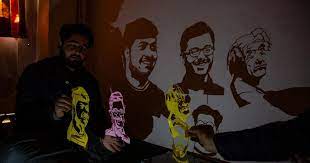
Anantnag (Azadi Times): The district of Anantnag in Indian-administered Kashmir boasts artists like no other, with one such individual turning shadow portraiture into a life’s passion.

Against the backdrop of insufficient basic amenities in the village of Kug Nag, located approximately 20 kilometers from Anantnag, Sohail Ahmad Butt has been tirelessly working on his art for the past four years.

He recounted his childhood fascination with such pursuits, stating, “I always felt drawn towards such things. I envisioned doing something new and began by creating shadows of animals.”

As his interest grew, Sohail persistently pursued his craft, even amidst several initial setbacks. He shared, “When I started creating animal shadows, a boy approached me and asked me to make his shadow. I began working on it, and after a considerable period, achieved success.”

Sohail revealed that as his passion intensified, he encountered several challenges along the way. “It took me nearly a month to complete my first shadow portrait… I faced difficulties initially and felt discouraged because I thought it would take a lot of time to create that shadow.”

“My first shadow wasn’t as good as I wanted it to be, but with repeated efforts, it kept improving,” he added.

Creating a single portrait takes Sohail approximately five hours, utilizing tools such as scissors, knives, paper, glue, and other materials.

Over the years, Sohail has crafted shadow portraits of renowned personalities, including cricketer Virat Kohli, Prime Minister Narendra Modi, and others.

Despite financial constraints, Sohail has reached out to local authorities for support and cooperation, aiming to further polish his talent.

“I appeal to the government for assistance so that I can work on new innovations and ideas,” he concluded.

Sohail’s story serves as a testament to the resilience and creativity that thrive even amidst challenging circumstances, highlighting the importance of nurturing and supporting artistic endeavors within communities.

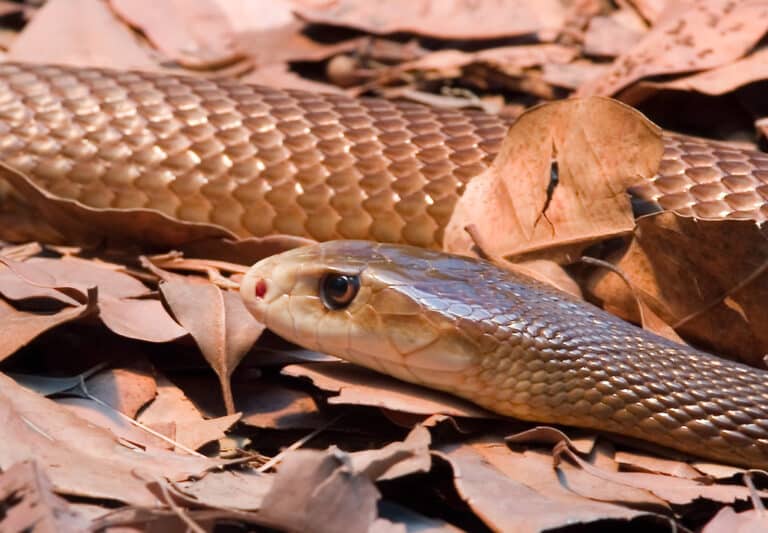
World’s Largest Snake Discovered in Amazon Jungle: A Remarkable Find Unveiled by Wildlife Experts

0

Brasília (Monitoring Desk): The discovery of the world’s largest snake in the jungles of the Amazon has captivated wildlife enthusiasts and researchers alike.

According to reports from Mail Online, the newly discovered serpent is an Anaconda species, boasting an impressive length of 26 feet and weighing approximately 440 pounds (approximately 200 kilograms), with a head size comparable to that of a human.

This rare specimen, identified as a modern Green Anaconda, was uncovered by wildlife TV host Professor Fred Wunck. The snake’s skin is said to be as thick as a car tire.

Footage aired on Professor Wunck’s TV show reveals the colossal serpent submerged in water, with fearless biologist Professor Fred navigating beside it, exploring the depths with unwavering determination.

The discovery of such a massive anaconda underscores the incredible biodiversity of the Amazon rainforest and serves as a testament to the ongoing importance of conservation efforts in preserving such unique and awe-inspiring species.

Researchers and conservationists are undoubtedly eager to learn more about this remarkable creature and its role within its natural habitat.

As news of this extraordinary find continues to spread, it ignites further interest in the wonders of the Amazon and underscores the need for continued exploration and protection of this vital ecosystem.

Television Anchor Allegedly Kidnapped: Refusal of Marriage Proposal Sparks Web of Deception

0

Muzaffarabad (Azadi Times): In a startling turn of events, a television anchor found himself ensnared in a web of deception after refusing a marriage proposal, reportedly resulting in his kidnapping by local traders.

The incident, which unfolded in Hyderabad, India, sheds light on the risks associated with online interactions and the lengths some individuals may go to in pursuit of personal interests.

According to reports from Express News, the saga began when a woman conducting business in Hyderabad initiated communication with the anchor after coming across his profile on a matrimonial website.

Over the course of several days, she conveyed her desire to marry him, only to face rejection when the anchor opted to block her number in response to mounting pressure.

Undeterred, the woman resorted to persistent pursuit, utilizing a tracking system to pinpoint the anchor’s location. Subsequently, she allegedly arranged for henchmen to coerce him into her office premises, where she purportedly continued her advances under the guise of assurances regarding their future together.

However, upon regaining his freedom, the anchor swiftly took legal action against the woman, resulting in her arrest by authorities. The incident underscores the importance of exercising caution and discernment in online interactions, as well as the imperative of promptly reporting suspicious activity to law enforcement agencies.

As investigations into the matter unfold, the case serves as a cautionary tale, prompting renewed vigilance among individuals navigating the digital realm. Authorities urge the public to remain vigilant and report any instances of online coercion or manipulation to safeguard against such risks in the future.

Discover Your Birthstone: A Guide Based on Your Birth Month

0

Gemstones have long been associated with various qualities and meanings, believed to influence individuals based on their birth month. Let’s delve into the fascinating world of birthstones and explore what gemstone resonates with you according to your birth month.

January Birthstone

People born in January are associated with the Garnet gemstone. Garnet symbolizes peace, prosperity, and good health. It was historically worn by warriors for protection during battles, believed to bring success. It’s also said to ward off illnesses.

February Birthstone

The Amethyst gemstone is linked with those born in February. Known for courage and strength, Amethyst was used by royalty and religious leaders to harness success and please the divine. For the general populace, it signifies happiness.

March Birthstone

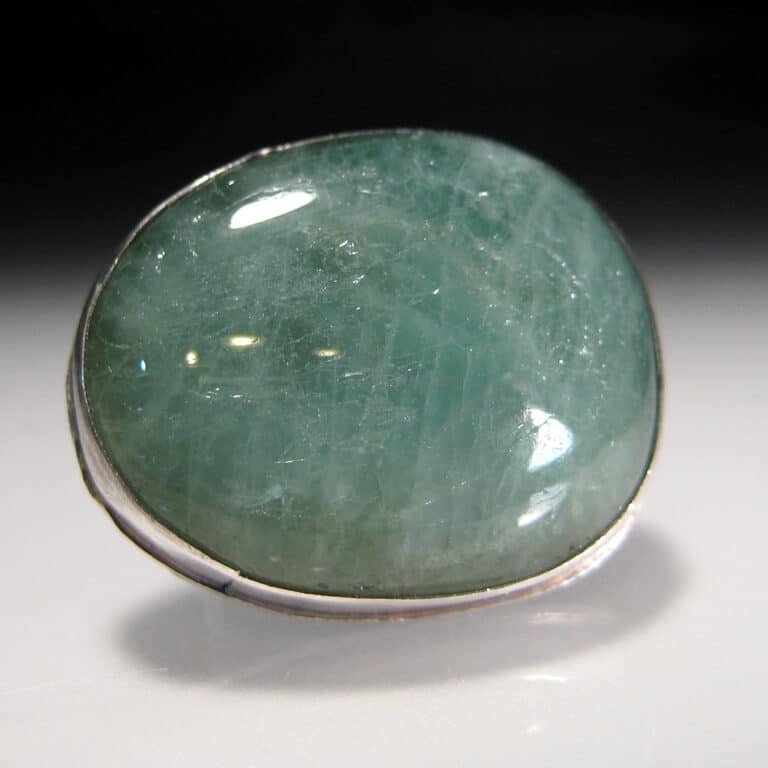
For individuals born in March, the Aquamarine gemstone is significant. It’s said that those who wear Aquamarine find success in their travels, indicating luck and fortune associated with journeys.

April Birthstone

April’s birthstone is the Diamond, symbolizing good fortune and strength. Diamonds are considered powerful in healing ailments and some believe they enhance mental strength and purify blood.

May Birthstone

Emerald is the gemstone for May-born individuals. Known as the gemstone of kings, it was cherished by ancient Egyptian royalty, including Cleopatra. It symbolizes success and happiness.

June Birthstone

Pearl is the birthstone for June. Often referred to as the tears of gods in Greek mythology, pearls were highly valued in jewelry and symbolized success and happiness.

July Birthstone

Those born in July are linked with the Ruby gemstone. Rubies signify success and protection. They’re believed to protect the wearer from harm, with ancient Chinese emperors embedding them in their armor and palace foundations for strength.

August Birthstone

Peridot is associated with August-born individuals. Referred to as the “Sun Stone” in ancient Egypt, it’s believed to ward off darkness and fears, providing courage even in difficult times.

September Birthstone

September’s birthstone is Sapphire, known for its ability to strengthen the mind and keep focus. Wearing sapphire is said to bring wisdom and decision-making skills.

October Birthstone

Opal is the birthstone for October. It’s considered extremely lucky, with wearers experiencing a spectrum of colors in their lives. Opal is associated with ease in overcoming obstacles.

November Birthstone

Topaz is the gemstone for November. It’s believed to be highly beneficial for those who have enemies or rivals, offering protection against their schemes and ensuring success.

December Birthstone

Turquoise is associated with December-born individuals. It’s considered lucky, offering ease in navigating through life’s challenges and bringing about good fortune.

Understanding the significance of birthstones adds a layer of meaning to our lives, connecting us to the rich history and traditions associated with these precious gems.

Whether you wear your birthstone as jewelry or simply appreciate its symbolism, each gem carries a unique story and energy that resonates with individuals born in its corresponding month.

Traffic Update: Road Conditions as of February 23

0

Control Room, Tourist Police, Muzaffarabad

Muzaffarabad:
Main thoroughfares are operational. Clear skies and sunny weather prevail.
Peer Chanasi Road remains open up to Danna.

Neelum:
The valley enjoys clear weather and sunshine.
Neelum Road from Muzaffarabad to Leepa is accessible to all traffic.

Jhelum Valley:
Rishiyan to Leepa Road is closed for traffic. Weather is sunny.

Haveli:
Lasdanna Top road is cleared, limited to 4×4 vehicles due to slippery conditions. Mahmood Gali Road remains closed.

Bagh:
Saddan Gali Road allows passage for 4×4 vehicles only. Ganga Choti Road is closed.

Rawalakot:
All major roads in Ponchh Rawalakot are open. Rawalakot to Banjosa Road is clear. Toli Peer Road is slippery; caution advised, use 4×4 vehicles. Sunny weather prevails throughout the region.

Gilgit-Baltistan: A Region in Limbo Understanding its Complex Status within Pakistan

0

Gilgit-Baltistan, a breathtaking mountainous region in northern Pakistan, often sparks confusion regarding its administrative status. While frequently referred to as a “province,” the reality is more intricate and subject to ongoing debate.

Gilgit Baltistan Historical Quandary:

Gilgit-Baltistan’s historical ties lie with the erstwhile princely state of Jammu and Kashmir, which gained independence in 1947. Following the subsequent war between India and Pakistan, the region came under Pakistani control.

However, the unresolved Kashmir dispute between the two nations casts a shadow on Gilgit-Baltistan’s legal status, leaving it in a state of administrative limbo.

Current Administrative Landscape:

Currently, Pakistan administers Gilgit-Baltistan as an autonomous territory under the Gilgit-Baltistan Empowerment and Self-Governance Order of 2009.

This order grants the region a degree of self-governance, including an elected Legislative Assembly and Gilgit-Baltistan Council. However, it falls short of granting full provincial status, which would entail greater autonomy and representation within the Pakistani federation.

Uncertainties and Challenges:

The lack of full provincial status raises several concerns for Gilgit-Baltistan:

  • Limited Representation: The absence of representation in the national parliament hinders the region’s ability to effectively voice its concerns and advocate for its interests at the federal level.
  • Development Obstacles: The lack of full provincial status may impede access to crucial resources and funding for development initiatives, potentially hindering the region’s economic and social progress.
  • Unclear Future: The unresolved Kashmir dispute casts a shadow over Gilgit-Baltistan’s future, creating uncertainty regarding its long-term administrative status and potential for self-determination.

A Continuing Discussion:

The question of whether Gilgit-Baltistan should be granted full provincial status remains a subject of ongoing debate within Pakistan. Proponents argue that it would ensure greater representation, facilitate development, and address the aspirations of the region’s people. Opponents, however, express concerns that granting full provincial status could further complicate the already sensitive Kashmir issue.

FAQ

Is Gilgit Baltistan a province of Pakistan?

Gilgit-Baltistan is a part of a disputed Jammu Kashmir administered by Pakistan, although its status as a province is not recognized. It is also claimed by Jammu Kashmir as part of the larger Jammu and Kashmir territory.

Conclusion:

Gilgit-Baltistan’s status within Pakistan remains a complex and evolving issue. While it enjoys a degree of self-governance, the lack of full provincial status raises concerns about representation, development, and the region’s long-term future.

Understanding this intricate situation is crucial for anyone seeking to navigate the complexities of Pakistan’s political landscape and the unresolved Kashmir dispute.

Editorial: The Voice of Unity A Turning Point in Gilgit-Baltistan

0

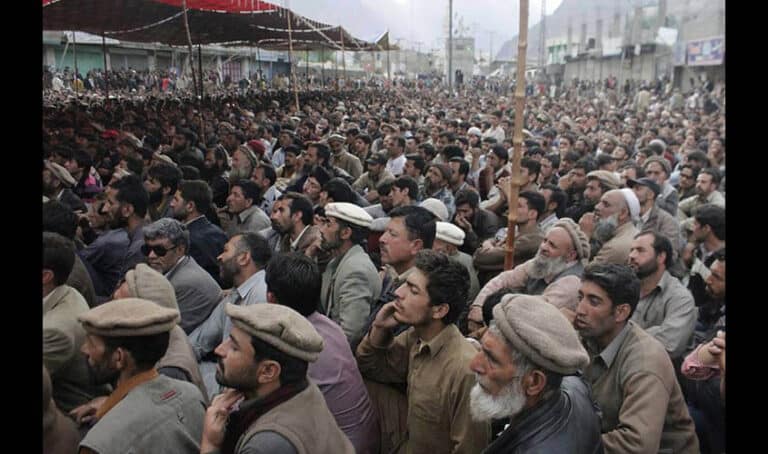
In recent days, Gilgit-Baltistan has been the stage for a remarkable display of unity and resilience as its people came together in a historic protest that reverberated across the region.

The protest, which culminated at Unity Chowk in Gilgit city, marked a pivotal moment in the collective consciousness of Gilgit-Baltistanis, showcasing their unwavering commitment to addressing pressing issues and advocating for progress.

At the heart of this movement lies the Public Action Committee Gilgit-Baltistan, whose dedication and leadership have propelled this protest into the annals of history. For the first time, a grassroots organization has emerged as a formidable force, challenging the status quo and demanding accountability from governmental authorities. Their efforts have not gone unnoticed, as they have succeeded in advancing the cause of common interests and galvanizing widespread support from the populace.

However, the significance of this protest extends beyond mere activism—it embodies a fundamental shift in the political landscape of Gilgit-Baltistan. By mobilizing people from all walks of life and transcending traditional divides, this movement has underscored the power of unity in effecting change. It has awakened a new political consciousness, particularly among the youth, who are now poised to shape the future of the region.

But challenges remain. The entrenched norms of traditional politics pose a formidable barrier to progress, necessitating a concerted effort to overcome them. We must move away from outdated practices and embrace inclusivity and responsiveness in our political discourse.

As we reflect on the events unfolding in Gilgit-Baltistan, let us recognize the courage and determination of its people. Their voices have echoed far and wide, resonating with all who yearn for a brighter future. Let us stand in solidarity with them as they continue their journey towards a more equitable and prosperous tomorrow.

The editorial board

Gilgit-Baltistan Police Launches Online Driving License Management System

0

GILGIT – In a significant step towards modernization and public convenience, the Gilgit-Baltistan Police have launched an online driving license management system (DLMS). This initiative marks a major shift towards digitizing the process of acquiring and renewing driving licenses in the region.

The system was inaugurated by the Inspector General of Police (IGP) Gilgit-Baltistan, Afzal Mahmood Butt, at a ceremony held at the Police Headquarters. IGP Butt hailed the launch as a “milestone” for the Gilgit-Baltistan Police, emphasizing the convenience it offers to citizens.

“Residents of Gilgit-Baltistan can now apply for driving licenses online, eliminating the need for them to visit physical offices and navigate cumbersome procedures,” he stated. This move aligns with the Gilgit-Baltistan Police’s commitment to embracing digitalization and enhancing service delivery.

Also Read: Gilgit Baltistan: Kharmang Valley Witnesses a New Era of Development and Progress

IGP Butt highlighted the department’s ongoing efforts to transition from manual systems to efficient digital solutions. He emphasized that these initiatives are driven by a core objective: “providing transparent and efficient services to the public.”

The newly launched DLMS offers a range of functionalities, allowing citizens of Gilgit Baltistan to:

  • Apply for new driving licenses
  • Renew existing licenses
  • Obtain learner’s permits
  • Request character certificates

This comprehensive online platform streamlines the entire process, saving time and effort for applicants.

The development of the DLMS is a collaborative effort between the Gilgit-Baltistan Police and the Punjab Information Technology Board (PITB). A team of PITB experts, led by Project Director Rai Rashid, provided technical expertise and guidance throughout the project.

IGP Butt expressed his gratitude to PITB for their valuable cooperation and support in implementing this automation project. He also emphasized the importance of strengthening the collaborative relationship between the two entities in the future.

The launch ceremony witnessed the participation of senior police officials, including AIG Development Mir Tufail Ahmed, AIG Muhammad Jameel, and SSP Aftab Alam, alongside representatives from PITB and the Gilgit-Baltistan Police.

This initiative by the Gilgit-Baltistan Police serves as a commendable example of embracing technological advancements to improve public service delivery. The online DLMS system is expected to enhance efficiency, transparency, and convenience for citizens seeking driving licenses in the region.