Home Blog Page 31

Two Agreements Reached, Strike Ends, and Three Days of Mourning Announced — Internet Blackout Lifted in Pakistani-Administered Kashmir

0

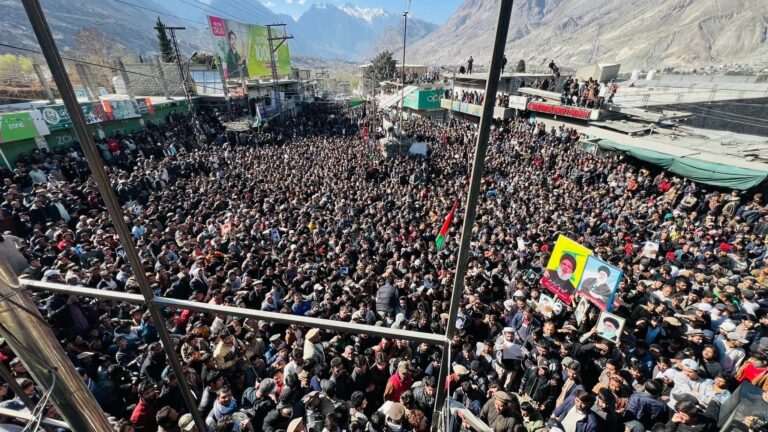
Muzaffarabad (The Azadi Times Report) — After several tense days of protests, lockdown, and uncertainty, two major agreements have been reached between the Jammu Kashmir Joint Awami Action Committee (JKJAAC) and Pakistan’s federal ministers in Pakistani-administered Jammu & Kashmir.
The committee has called off the strike that had been ongoing since September 29 and declared three days of mourning to honor those who lost their lives during the demonstrations.

The long march participants have now returned home from Kohala, marking a pause in the months-long standoff.
Thanksgiving rallies are scheduled for October 7 across the region.

Importantly, two separate agreements were finalized — one dated September 25 (with signatures completed on October 3) and another dated October 3, 2025.
The September 25 agreement was drafted in Urdu, while the October 3 agreement was in English.

First Agreement (September 25, 2025)

This agreement primarily addressed JAAC’s key demands, including reduced electricity tariffs, wheat subsidies, and institutional reforms.
Although negotiations took place on September 25, signatures were delayed until October 3 due to the complete internet blackout that lasted from September 28 to October 4 across the region.

Second Agreement (October 3, 2025)

The second agreement, drafted in English, was officially signed between Pakistan’s federal ministers and the JAAC. It includes 12 main clauses and several additional points, outlining both political and administrative reforms for the region.

1. Terrorism Law Cases

Cases related to the violent incidents from September 29 to October 3 will be registered under the Anti-Terrorism Act (ATA).
These include casualties among both protesters and law enforcement officers.
Where deemed necessary, judicial commissions will be formed to investigate the incidents.

2. Compensation for Victims

Families of those killed on October 1 and 2 will receive the same compensation as law enforcement personnel who died on duty.
Those injured by gunfire will receive PKR 1 million, while the families of those killed will receive a government job within 20 days for one family member.

3. New Education Boards

Two new Intermediate and Secondary Education Boards will be established in Muzaffarabad and Poonch.
Together with the existing Mirpur Board, all three will be linked to Pakistan’s Federal Board within 30 days.
This effectively ends the independent education system in the region.

4. Mangla Dam Expansion Families

Land under the use of Mangla Dam extension families will be regularized within 30 days.

5. Local Government Act 1990

The Local Government Act of 1990 will be implemented in full within 90 days, in line with court orders.

6. Health Card Program

The AJK government will release funds within 15 days to implement the Health Card scheme for all citizens.

7. MRI and CT Scan Machines

Through funding from the Government of Pakistan, MRI and CT scan machines will be supplied to all AJK districts.

8. Power Infrastructure Improvement

Pakistan will provide PKR 10 billion to improve the electricity distribution system, following a pre-approved release plan.

9. Cabinet and Bureaucratic Reforms

The cabinet size will be limited to 20 ministers and advisers, and there will be no more than 20 administrative secretaries at a time.

  • The Civil Defence and SDMA departments will be merged.

  • The Accountability Bureau and Anti-Corruption Department will also merge, aligning AJK’s accountability law with Pakistan’s NAB laws.

10. Construction of Tunnels

Feasibility studies will be conducted for two tunnels:

  • Kahori/Kamsar Tunnel (3.7 km)

  • Chhaplani Tunnel on Neelum Valley Road (0.6 km)
    These projects will be prioritized under the Saudi Development Fund’s PC-I approved on December 6, 2022.

11. Refugee Constituencies (Migrants Residing in Pakistan)

A high-level constitutional and legal committee will be formed to review the refugee constituencies.
It will consist of:

  • 2 legal experts from the Government of Pakistan,

  • 2 from the Government of AJK, and

  • 2 members from the JAAC.

Until the committee’s report is finalized, all funds and ministries held by refugee representatives will remain suspended.

12. Additional Points

  1. A judicial commission headed by a High Court judge will investigate the violent incidents in Banjosa, Muzaffarabad, Plak, Dheerkot, Mirpur, and Reyan Kotli.

  2. An International Airport in Mirpur will be announced within the current fiscal year.

  3. Property transfer tax will be adjusted within three months to match Punjab and Khyber Pakhtunkhwa.

  4. Implementation of the 2019 High Court ruling on hydropower projects.

  5. Completion of feasibility studies for Greater Water Supply Schemes in ten districts within the current fiscal year.

  6. Operation theatres and nurseries to be funded for Tehsil Headquarters Hospitals under the ADP.

  7. Construction of Gulpur and Rehman Bridge through the ADP.

  8. Reduction in advance taxes in line with FATA and Gilgit-Baltistan.

  9. Open merit to be strictly implemented for educational admissions.

  10. Construction of Kashmir Colony Dadyal water supply scheme and transmission line through ADP.

  11. Granting property rights to refugees of Mender Colony Dadyal.

  12. Transport policy revision in accordance with High Court rulings on the use of 1300cc vehicles.

  13. Release of Kashmiri protesters arrested in Rawalpindi and Islamabad on October 2 and 3.

Monitoring and Implementation Committee

A joint monitoring and implementation committee will oversee the execution of all agreed points.
The committee will include representatives from:

  • The Government of Pakistan,

  • The Government of AJK, and

  • The Joint Awami Action Committee.

It will define the timelines, resolve disputes, and review the benefits and privileges of judges, ministers, and government officials.
From Pakistan’s side, Amir Muqam and Tariq Fazal Chaudhry will be the first two members, while four more will be nominated later.

Internet Blackout Delayed Information Flow

Due to a complete internet shutdown from September 28 to October 4, media outlets and journalists were unable to publish updates or access official information in real-time.
With the restoration of internet services today, details of the agreements have finally come to light, offering clarity after a week of silence.

Analysis: A Turning Point in AJK’s Political Landscape

These two agreements mark a significant political breakthrough and the end of a tense standoff between the people of AJK and Islamabad.
While calm has returned to the streets, the focus now shifts to how effectively and transparently these promises will be implemented.

For the people of Pakistani-administered Jammu & Kashmir, this moment may well represent the beginning of a new phase — one that tests both governance and public trust.

Sonam Wangchuk Arrested After Ladakh Protests: Kashmir’s Struggle for Rights Intensifies

0

Leh, Ladakh — Jammu & Kashmir: Authorities in Ladakh have arrested renowned environmentalist and education reformer Sonam Wangchuk, two days after violent protests demanding full statehood and constitutional safeguards for the region. The clashes, which left four people dead and nearly 70 injured, erupted after weeks of demonstrations calling for Ladakh to be recognised as a state and included under India’s Sixth Schedule.

Arrest and crackdown on civil society

Wangchuk, a prominent voice for Ladakh’s autonomy, was taken into custody as New Delhi intensified its crackdown on local movements. His NGO, the Students’ Educational and Cultural Movement of Ladakh (SECMOL), had its foreign funding license revoked and its registration cancelled, with authorities accusing the organisation of repeatedly violating funding regulations.

Civil society groups and activists say the timing of the action less than 24 hours after the protestsis aimed at silencing Ladakh’s growing calls for democratic rights.

Wangchuk rejects allegations

Speaking before his arrest, Wangchuk dismissed the accusations as politically motivated, urging both authorities and protesters to focus on resolving the crisis rather than trading blame.

“People have lost their lives; families are grieving. Instead of playing a blame game, we must address the root causes of this anger,” he said.

Why Ladakh is on edge

The region has seen heightened tensions since India revoked Jammu and Kashmir’s limited autonomy in August 2019, carving Ladakh into a separate Union Territory directly governed from New Delhi. Since then, residents have demanded restoration of statehood and constitutional protections for land, jobs, and culture.

Analysts note that Wangchuk’s arrest risks fuelling further unrest in a region already alienated by centralised governance. For many in Ladakh, the current protests are not isolated but part of the wider struggle of the people of Jammu & Kashmir against political disenfranchisement.

Wider implications

Observers warn that continued suppression of peaceful voices in Ladakh could deepen discontent and draw global attention to New Delhi’s handling of dissent in the disputed Himalayan region. The crackdown also raises questions about space for civil society in areas under direct federal control.

Talks Fail After 13-14 Hours Session — JKJAAC Maintains September 29 Lockdown Call

0

Thirteen hours of negotiations between the Jammu & Kashmir Joint Awami Action Committee (JKJAAC) and officials sent from Islamabad ended without agreement late Thursday night, keeping intact the JKJAAC’s call for a territory-wide lockdown on September 29.

Talks opened with long-standing demands that the Azad Jammu & Kashmir (AJK) authorities had previously accepted but failed to implement. JKJAAC leaders argued that without visible, time-bound action, verbal commitments were meaningless.

The discussions later turned to JKJAAC’s wider charter of demands, including reform of state institutions, fairer distribution of resources, and restrictions on elite privileges. But the talks collapsed over two unresolved issues: the 12 legislative seats reserved for Kashmiri refugees living in Pakistan, and what JKJAAC described as the “misuse of the state’s machinery against its own people.”

Following the collapse, JKJAAC leaders confirmed that the September 29 shutdown will go ahead, describing it as a peaceful civil response to years of unfulfilled promises.

Increased force deployment raises concerns

In response to the looming lockdown, Islamabad has ordered the deployment of nearly 2,000 police personnel into different districts of Pakistan-administered Kashmir. The forces — equipped with heavy weaponry and armoured vehicles were seen entering Muzaffarabad and surrounding areas, a move that JKJAAC condemned as “an attack on Kashmiri autonomy.”

“The arrival of non-local forces is an interference in the internal matters of Jammu & Kashmir,” the committee said in a statement, calling it a direct provocation at a time when dialogue should have been prioritised.

A looming standoff

Civil society groups, traders and youth organisations have largely expressed support for JKJAAC’s call, raising the possibility of a complete shutdown across the territory. Analysts warn that the confrontation risks deepening political mistrust if authorities resort to force rather than addressing grievances.

With only days left before September 29, Kashmir faces a decisive moment: whether authorities will move towards meaningful concessions or escalate tensions by relying on outside deployments to contain popular dissent.

The Minahil Malik New Viral Video: Eid 2025 Controversy and the Persistent Struggle of Pakistani Influencers Against Online Exploitation

0

In the vibrant yet volatile world of social media, where a festive post can spark joy or ignite outrage, the name Minahil Malik has once again dominated headlines in Pakistan and beyond. As Eid al-Fitr celebrations unfolded in early April 2025, marking the end of Ramadan with family gatherings and shared sweets, a purported “new viral video” allegedly featuring the 23-year-old TikTok star surfaced online, thrusting her back into a nightmare she thought she’d escaped. Labeled by searchers as the “Minahil Malik new viral video on Eid” or “Minahil Malik new viral video original,” the clip quickly debunked as a deepfake has amassed millions of views across dubious platforms, reigniting debates on digital privacy, gender-based cyber violence, and the cultural double standards that plague female creators in conservative societies.

This isn’t Minahil’s first brush with infamy; her October 2024 scandal set a grim precedent. Now, in September 2025, with the dust still settling from Eid’s aftermath, her story serves as a poignant cautionary tale. Drawing from statements by Minahil herself, investigations by Dawn and Geo News, and reports from the Digital Rights Foundation (DRF), this article unpacks the latest controversy without sensationalism. We prioritize verified facts and survivor perspectives, refusing to link to or endorse any alleged content—searches for “Minahil Malik new viral video original link” often lead to exploitative traps. Instead, we highlight resources for those impacted, emphasizing that true virality should celebrate, not devastate.

Who Is Minahil Malik? A TikTok Trailblazer Navigating Fame and Fragility

Minahil Malik, born in 2002 in Lahore, Pakistan, represents the empowering face of a generation redefining self-expression through short-form video. She joined TikTok in 2020 amid the platform’s explosive growth in South Asia, initially sharing lip-syncs to Bollywood hits and Punjabi folk songs. Her breakthrough came with dance challenges infused with cultural flair think henna-adorned hands twirling to Atif Aslam tracks—blending tradition with modernity in a way that resonated deeply with young Pakistani women.

By 2024, Minahil had cultivated a devoted following: over 700,000 on TikTok (before temporary deactivations) and 500,000 on Instagram. Her content evolved to include makeup tutorials, modest fashion hauls, and motivational snippets on mental health, often captioned with empowering Urdu phrases like “Apni jagah banao, duniya badal degi” (Carve your space; the world will change). Off-screen, she’s a media studies student at the University of the Punjab, balancing gigs as a brand ambassador for local labels like Sapphire and Khaadi. In a pre-scandal interview with Images Magazine, she reflected: “Social media isn’t just likes—it’s a mirror for who we can become. But it reflects the ugly too.”

Her appeal lies in authenticity: unfiltered glimpses of Lahore’s bustling streets, family iftars, and quiet victories over societal norms that often sideline women’s voices. Yet, in Pakistan—where a 2024 DRF survey found 65% of female users face online harassment—this visibility made her a target, foreshadowing the storms ahead.

The Eid 2025 Viral Video: From Festive Cheer to Fabricated Fury

Eid al-Fitr 2025 dawned on April 1, a day of moon-sightings, new clothes, and communal prayers across Pakistan. Minahil, like many influencers, shared wholesome content: an Instagram Reel of her in a pastel shalwar kameez, distributing sheer khurma to neighborhood kids, captioned “Eid Mubarak—may joy eclipse every shadow.” It was a moment of light amid her ongoing recovery from prior traumas.

But by April 3, the narrative twisted. A 2-minute-47-second clip emerged on Telegram groups and X (formerly Twitter), timestamped vaguely to “Eid night,” depicting a woman resembling Minahil in a private, intimate setting. Dubbed the “Minahil Malik new viral video on Eid,” it spread via WhatsApp forwards and spam links on Dailymotion and Bitchute, with titles like “Minahil Malik latest viral video Eid 2025” racking up 8 million views in 48 hours. Hashtags such as #MinahilMalikEidLeak and #NewViralMinahil trended regionally, spiking Google searches by 150% in Punjab and Khyber Pakhtunkhwa.

The video’s timing amplified its malice: During Eid, when families bond over forgiveness and renewal, this intrusion felt like a deliberate desecration. Platforms’ algorithms—X’s especially—propelled it, recommending to non-followers under “trending in Pakistan.” Dubious sites masqueraded shares as “Eid specials,” blending exploitation with holiday bait.

Minahil’s response was swift and raw. On April 5, via a voice note on her reactivated Instagram Stories (now @minahilmalik_official), she declared: “This is not me—it’s another deepfake, timed to ruin our Eid. My family is heartbroken; please, report and respect.” Echoing her 2024 denial, she revealed the emotional whiplash: “I thought I was healing. Now, trolls message my mother, saying we’ve shamed our faith.” Geo News forensics corroborated her claim, spotting AI artifacts like mismatched lighting and audio desyncs, likely generated via tools like FaceSwap.

This “new” scandal mirrors the old: In October 2024, a similar MMS-style leak forced her offline for months, costing sponsorships and triggering therapy. The Eid iteration, per DRF, involved coordinated bot farms, with X posts from August 2025 (e.g., anonymous accounts sharing teaser clips) suggesting premeditation. By mid-April, views surpassed 20 million, infiltrating Indian and UAE feeds, where cultural crossovers fueled Islamophobic commentary.

The Devastating Impact: Emotional Scars, Family Strain, and a Chilling Effect on Creators

For Minahil, the “viral” label is laced with loss. In a May 2025 DRF webinar, she shared how the Eid video shattered her tentative comeback: “Eid was about light after Ramadan’s darkness. This video plunged us back in.” She deferred exams, citing panic attacks in public—classmates’ stares evoking 2024’s isolation. Her Lahore family, conservative yet supportive, weathered village gossip; an aunt confided to Dawn: “We celebrate her talent, but society celebrates her fall.”

The psychological toll is stark: A 2025 UN Women report on South Asian cyber abuse links such leaks to 80% higher depression rates among victims. Minahil credits therapy via DRF’s Bolo app for coping, but admits: “Every notification feels like a threat.” Financially, brands paused deals—her ambassador role with a beauty line evaporated overnight—halving her estimated $200,000 annual earnings.

Broader ripples hit Pakistan’s creator ecosystem. Female TikTokers like Aina Asif and Imsha Rehman (who faced parallel deepfakes) reported self-censorship, with 40% reducing posts post-Eid, per a Jazz-commissioned study. Conservative outlets like PTV framed it as “moral erosion,” blaming “Western apps,” while supporters launched #ProtectMinahil, amassing 50,000 signatures for better FIA enforcement.

Legally, Minahil refiled under PECA 2016, naming Telegram admins as co-perpetrators. By July 2025, FIA arrested a 28-year-old from Rawalpindi for distribution, but experts like Nighat Dad of DRF decry gaps: “We prosecute sharers, not AI creators. Eid’s timing shows malice—holidays heighten vulnerability.”

Systemic Shadows: Deepfakes, Platform Failures, and the Urgent Call for Reform

Minahil’s ordeal exposes Pakistan’s digital fault lines. With 90 million social users—TikTok alone boasting 60 million—the nation ranks high in global deepfake incidents, per Sensity AI’s 2025 index, where 92% target women. Tools like Stable Diffusion, freely available, democratize harm, often wielded by jilted suitors or rivals, as in Minahil’s case.

Platforms lag: TikTok’s detection flags only 60% of NCII (non-consensual intimate imagery), per internal audits; X’s “freedom of speech” ethos delays takedowns to 72 hours. Spam ecosystems—Dailymotion uploads, Tidal playlists disguised as “Eid mixes”—monetize misery via ads, evading PTA filters.

This Eid scandal fits a pattern: 2025 saw 25+ leaks during festivals, from Basant to Independence Day, exploiting communal highs. Globally, it parallels Taylor Swift’s deepfake saga, spurring U.S. laws—blueprints for Pakistan’s stalled Digital Pakistan Bill. Activists demand: AI watermarking mandates, school cyber-literacy, and a NCII victim fund.

Economically, the cost is steep: A World Bank estimate pegs South Asian digital violence at $20 billion yearly in lost productivity, stifling Pakistan’s $150 million creator economy.

Minahil Malik’s “new viral video” isn’t a spectacle—it’s a symptom of unchecked digital toxicity. In Eid’s spirit of renewal, her plea echoes: Pause before sharing; protect before it breaks. As Pakistan’s influencers like her push boundaries, society must build bridges, not barriers. True celebration? Lifting voices, not leaking them.

The Maya G Viral Video Controversy: A Pakistani TikToker’s Ordeal with Leaked Content and Online Exploitation

0

Lahore, Pakistan: In the shadowy underbelly of social media, where fame can flip to infamy overnight, the case of Maya G exemplifies the brutal realities facing young women creators in Pakistan. The 20-year-old TikToker, known for her vibrant dance routines and lifestyle snippets, became an unwilling icon in mid-2024 when a purported “leaked” video exploded across platforms, amassing millions of views amid a torrent of harassment and misinformation.

Dubbed the “Maya G viral video,” the footage allegedly explicit and non-consensual has since been revealed as manipulated content, possibly a deepfake, sparking urgent debates on digital privacy, cyberbullying, and the weaponization of women’s bodies online. As of September 2025, with searches for “Maya G viral video original link” still surging on Google and TikTok, Maya G’s story underscores the precarious line between viral stardom and victimhood in Pakistan’s burgeoning influencer economy.

This article, informed by investigations from Dawn, Geo News, and the Digital Rights Foundation (DRF), dissects the scandal’s origins, fallout, and implications. Far from glamorizing the incident, it prioritizes ethical reporting: We will not provide or link to any alleged content, as doing so perpetuates harm. Instead, for those affected, resources like the FIA’s Cybercrime Wing and DRF helplines are highlighted at the end. In a nation where over 60% of women report online abuse—according to a 2024 DRF survey—this isn’t just one influencer’s nightmare; it’s a national crisis demanding systemic change.

Who Is Maya G?

Hailing from Lahore, Maya G (real name Maya Gul, born 2004) embodies the new wave of Pakistani Gen Z creators defying cultural norms through short-form video. She burst onto TikTok in early 2023 with lip-syncs to Punjabi folk tunes, transitioning to high-energy dance challenges that blended traditional kathak moves with contemporary hip-hop. Her content—often shot in everyday settings like bustling bazaars or family courtyards—garnered authenticity, appealing to a demographic tired of overly curated feeds.

By spring 2024, Maya G boasted over 150,000 followers, 10 million likes, and collaborations with local brands like Khaadi and Shan Spices. Her Instagram Reels, mirroring TikTok’s vibe, featured empowerment anthems: “Dance like no one’s judging,” she’d caption, a subtle nod to the societal gaze on women’s public expression in Pakistan. Off-camera, she’s a university student studying media studies at Lahore College for Women University, balancing lectures with content creation. In interviews with local outlets like Images Magazine pre-scandal, she shared aspirations: “TikTok gave me a voice when society tried to silence it. I want girls to see they can shine without apology.”

Yet, her visibility came at a cost. Pakistan’s conservative backdrop, where fatwas have targeted female influencers for “immodest” attire, made Maya G a lightning rod. Trolls accused her of “Western corruption,” foreshadowing the storm that would erupt.

The Maya G Viral Video Scandal

The controversy ignited on July 28, 2024, when a 4-minute-36-second clip surfaced on Telegram channels and WhatsApp groups, quickly migrating to Twitter (X), Facebook, and lesser-regulated sites like Dailymotion and Bitchute. Labeled “Maya G leaked video” or “Maya G viral video full,” it depicted a woman resembling Maya in intimate scenarios, set against a dimly lit bedroom with familiar Lahore skyline views. Hashtags like #MayaGViralVideo and #PakistaniTikTokerLeak trended within hours, racking up 5 million views by day’s end.

Maya G’s initial response was radio silence—a common survival tactic amid slut-shaming. By July 30, she deactivated her TikTok and Instagram, posting a cryptic story on a secondary Snapchat: “Truth will outshine lies. Stay kind.” The video’s spread was turbocharged by algorithms: X’s recommendation system pushed it to non-followers, while Telegram bots automated shares. Dubious “download links” proliferated on Spotify episodes and IMDb spam lists, masquerading as podcasts or movie trailers to evade moderation.

Investigations later confirmed suspicions: The footage was fabricated. Geo News forensics experts, in an August 2024 report, identified deepfake markers facial inconsistencies and audio mismatches suggesting AI tools like DeepFaceLab were used. Maya G broke her silence in a September 2024 DRF-supported interview, masked for anonymity: “It wasn’t me. Someone twisted my face onto another’s body to destroy me. I wake up to notifications calling me names no woman should hear.” She alleged the perpetrator was a jilted ex-collaborator, though police haven’t confirmed.

The scandal echoed prior cases, like Imsha Rehman’s November 2024 deepfake ordeal or Minahil Malik’s MMS leak, forming a pattern of targeted attacks on rising female voices. By October 2024, views hit 50 million globally, with cross-border shares in India and the UAE amplifying Islamophobic undertones.

The Human Toll: Harassment, Mental Health Struggles, and Societal Backlash

For Maya G, the “viral” tag was a curse. In her DRF interview, she recounted death threats: “Messages saying I’d be ‘honor-killed’ for shaming my family.” She withdrew from university, citing unbearable stares and whispers, and lost sponsorships—brands cited “reputational risk.” Her family’s modest Anarkali home became a bunker; relatives fielded community elders demanding she “repent.”

Psychologically, the impact was devastating. Maya sought counseling through DRF’s Sahil program, revealing symptoms of PTSD: “I stopped dancing. My passion became poison.” A 2025 UN Women study on South Asian digital violence notes such leaks cause 70% of victims to quit online entirely, perpetuating a gender digital divide.

Public reaction split along fault lines. Supporters, including influencers like Kanwal Aftab, rallied with #IStandWithMayaG, sharing stories of survival. Celebrities like Mahira Khan tweeted: “Our girls create to inspire—don’t break them for clicks.” Conversely, conservative voices on PTV talk shows decried “moral decay,” fueling victim-blaming. X posts from August 2025, like one from user @pxnkdxddy role-playing the scandal, highlight how predators exploit these narratives for engagement.

Legally, Maya filed a complaint with the Federal Investigation Agency (FIA) under the Prevention of Electronic Crimes Act (PECA) 2016. By March 2025, two suspects—a 25-year-old from Faisalabad and an admin of a Telegram group—were arrested for distribution, facing up to five years. Yet, enforcement lags: FIA’s 2024 report logged 1,200 cyber-harassment cases, convicting just 15%. Maya’s lawyer, Nighat Dad of DRF, critiques: “PECA punishes sharing, not creation. We need deepfake-specific laws now.”

Broader Ramifications: Deepfakes, Platform Accountability, and Pakistan’s Digital Gender War

Maya G’s saga illuminates systemic failures. Pakistan’s 80 million TikTok users—third globally—thrive in a creator economy worth $100 million annually, per a 2024 Jazz report. Yet, women bear 90% of abuse, per DRF, often via deepfakes enabled by accessible AI. Globally, 96% of deepfake porn targets women, says Sensity AI, with South Asia’s lax regulations exacerbating risks.

Platforms falter too. TikTok’s community guidelines ban non-consensual intimacy, but takedown requests take 48+ hours, per internal leaks. X, post-Musk, prioritizes “free speech,” delaying removals. Spotify and Dailymotion host spam “links,” monetizing trauma via ads.

This isn’t isolated: 2024 saw 20+ similar scandals in Pakistan, from Aina Asif’s child actress controversy to math teacher leaks. Activists like Dad push for the #EndDigitalViolence campaign, urging PTA internet filters and school curricula on cyber ethics. Internationally, it mirrors Taylor Swift’s 2024 deepfake fury, prompting U.S. bills—lessons Pakistan could heed.

Economically, the fallout stifles talent. A 2025 World Bank study estimates digital harassment costs emerging markets $15 billion yearly in lost productivity, hitting Pakistan’s youth-led gig economy hard.

Pakistan must act: Amend PECA for AI offenses, fund DRF-like NGOs, and mandate platform transparency. As Maya G told Dawn: “Virality shouldn’t mean violation.” Her story, raw and unresolved, demands we choose empathy over clicks—lest another creator’s light dims in the viral storm. In September 2025, as she rebuilds offline, Maya G reminds us: True power lies in persistence, not pixels.

Who Is Imsha Rehman? From Relatable Content Creator to Social Media Sensation

0

Born on October 7, 2002, in Lahore, Pakistan, Imsha Rehman grew up in a middle-class family and pursued higher education alongside her burgeoning online career. She entered the world of social media around 2020, initially posting videos about fishing trips and everyday lifestyle hacks—a nod to her love for outdoor adventures and simple joys. These early clips, often filmed in casual settings with friends or family, quickly resonated with a young Pakistani audience seeking authenticity amid polished influencer feeds.

By mid-2024, Rehman’s pivot to more personal, down-to-earth content think lip-sync challenges, fashion tips, and humorous skits on student life propelled her to fame. Her TikTok account amassed nearly 200,000 followers and over 12.1 million likes, while her Instagram hovered at 111,000. At her peak, her estimated net worth reached around $500,000 through brand collaborations and sponsored posts, making her a role model for aspiring creators in Pakistan’s conservative cultural context. Rehman often credited her success to staying true to her roots, once telling followers in a now-deleted video: “Social media should uplift, not divide let’s keep it real.”

Yet, as her visibility grew, so did the risks. In a society where women’s online presence is frequently scrutinized, Rehman navigated a delicate balance, advocating for body positivity and mental health while facing trolls who questioned her “modesty.” Her story, before the scandal, was one of empowerment: a university student turning passion into profession, inspiring thousands of girls in Pakistan to embrace digital creativity.

Imsha Rehman Viral Video Scandal: What Happened and Why It Exploded

The controversy erupted in November 2024, when multiple clips surfaced on WhatsApp groups, Twitter (now X), and Telegram channels, purportedly showing Rehman in compromising, explicit situations. The videos, which rapidly garnered millions of views, were shared under hashtags like #ImshaRehmanViralVideo and #TikTokerLeaked, fueling a storm of memes, slut-shaming, and conspiracy theories. Within hours, the content had infiltrated mainstream discourse, with screenshots and edited versions circulating on Instagram Reels and Facebook.

Rehman, then 22, responded swiftly but sparingly. In a poignant TikTok bio update before deactivating her account—”Jab tak video viral hai maine ne ID off kar di hai” (Until the video is viral, I have deactivated my account)—she alluded to the “overwhelming backlash.” She went offline entirely, deleting profiles across platforms, a move echoed by other victims like Minahil Malik, whose similar leak just weeks prior had ignited national outrage.

Initial reports speculated a data breach or hack, with Pakistani media citing unauthorized access to private accounts as the source. However, in her first interview since the incident—aired on Nukta Pakistan on January 30, 2025—Rehman clarified the footage was “fake,” doctored using deepfake technology by malicious actors. Appearing masked and hooded for safety, she described discovering the videos: “When I saw it, it felt like my life was over. I couldn’t breathe.”

The scandal’s virality can be attributed to several factors:

  • Platform Algorithms: TikTok and X’s recommendation engines amplified shares, turning private outrage into public spectacle.
  • Cultural Sensitivities: In Pakistan, where honor killings and fatwas against “immoral” content persist, explicit leaks disproportionately target women, as noted by activists like Mehnaz Parveen.
  • Misinformation Spread: Searches for “Imsha Rehman viral video link download” spiked, with dubious sites hosting edited clips, further blurring fact from fiction.

By early 2025, the videos had been viewed tens of millions of times globally, with ripple effects in India and the Middle East, where cross-border trolling exacerbated the harm.

The Aftermath: Death Threats, Isolation, and a Legal Reckoning

The human cost of the Imsha Rehman leaked video has been profound and multifaceted. In her Nukta interview, Rehman revealed she dropped out of university, unable to face classmates amid whispers and stares. “I can’t go out, I can’t meet friends—people look at me differently now,” she said, her voice breaking. Death threats flooded her inbox and family contacts, some from anonymous accounts vowing violence in the name of “honor.” Social activist Mehnaz Parveen called it an “eye-opener,” warning that such incidents deter women from online spaces: “Social media offers opportunities, but for young girls, it’s a minefield.”

Psychologically, the toll was immense. Rehman sought therapy, as she disclosed, grappling with anxiety and self-doubt. Financially, her income dried up—brands distanced themselves, fearing association with the scandal. Her family, initially supportive, faced community stigma, with relatives urging her to “stay hidden.”

On the legal front, progress offers glimmers of hope. Rehman pursued charges through Pakistan’s Federal Investigation Agency (FIA), which specializes in cybercrimes. In a breakthrough, the FIA arrested Abdul Aziz in early 2025, tracing him via IP logs for allegedly creating and disseminating the deepfakes. Her lawyer, Hadi Ali Chatha, emphasized: “Victims must speak out; silence lets culprits thrive.” The case has bolstered calls for stricter deepfake laws, with Pakistan’s Prevention of Electronic Crimes Act under scrutiny for loopholes.

Rehman’s choice to stay silent initially—opting for courts over clarifications—drew mixed reactions. “I didn’t want to dignify the lies with a response,” she explained, critiquing the “cool” culture of sharing private content without regard for consequences. By mid-2025, she reactivated select accounts, posting sparingly about resilience and awareness, amassing support from allies like fellow influencers and NGOs.

Broader Implications: Deepfakes, Women’s Safety, and the Fight for Digital Rights

Imsha Rehman’s saga is not isolated. In 2024 alone, Pakistan saw over a dozen similar leaks targeting female creators, part of a global surge in non-consensual intimate imagery (NCII). Amnesty International reports that 85% of deepfake porn targets women, with South Asia particularly vulnerable due to weak enforcement. In Pakistan, where 70% of women face online abuse (per a 2023 Digital Rights Foundation study), these incidents perpetuate a chilling effect, pushing talent offline.

Experts advocate for multi-pronged solutions:

  • Tech Interventions: Platforms like TikTok must enhance AI detection for deepfakes and expedite takedown requests.
  • Policy Reforms: Stricter penalties under FIA guidelines, including mandatory watermarking for AI-generated content.
  • Community Support: Initiatives like Pakistan’s “Digital She” campaign, offering counseling and legal aid to survivors.

Rehman’s story has amplified voices like that of actress Mathira Khan, who faced a parallel scandal and now lobbies for NCII bans. As Rehman told Nukta: “This ruined me, but it can’t define me. We need change—for every girl scrolling in fear.”

Moving Forward: Resources and a Call for Empathy

As searches for “TikToker Imsha Rehman viral video link” persist often leading to exploitative sites it’s crucial to redirect focus toward healing and prevention. We do not link to or endorse any alleged content, as doing so revictimizes survivors and violates ethical standards. Instead, if you’re affected by similar issues, reach out to:

  • Digital Rights Foundation (Pakistan): Hotline at +92-42-3588-2000 for cyber-harassment support.
  • FIA Cybercrime Wing: Report incidents at [email protected].
  • Global Hotlines: CyberSmile (cybersmile.org) or Revenge Porn Helpline (UK-based, international reach).

Imsha Rehman’s resilience—from dejected deactivation to defiant testimony—inspires a reckoning. In September 2025, as she rebuilds quietly, her case urges us: In the age of viral scandals, true influence lies not in views, but in voicing the silenced. Platforms must protect, governments must prosecute, and we must pause before sharing. Only then can creators like Rehman thrive without fear.

Sajal Malik Viral Video Controversy: Truth, Reactions, and Legal Challenges in Pakistan

0

A viral video allegedly linked to Pakistani TikToker Sajal Malik has triggered widespread debate on privacy, media ethics, and the treatment of social media influencers in the country.

The clip, circulated on multiple platforms under titles such as “Sajal Malik viral video full”, “Sajal Malik leak video” and “Pakistani Sajal Malik viral video”, quickly gained traction online. However, Malik has strongly denied any connection with the content, describing it as a fabricated attempt to damage her reputation.

The controversy unfolded rapidly as Telegram groups and social media pages began sharing the footage, prompting a surge of online commentary. Some users demanded accountability, while others criticised the culture of exploiting influencers for clicks and views.

Mainstream and digital media outlets have reported extensively on the story, framing it as part of a wider trend of privacy violations targeting Pakistani influencers. Many observers argue that the sensational spread of such material reflects a lack of safeguards against cyber harassment and character assassination.

Sajal Malik’s Response

In a public statement, Malik rejected the claims outright, asserting that she has never been involved in producing or sharing such content. She emphasised that the video was “fake, edited and circulated with malicious intent.”

The TikToker has filed a complaint with the Federal Investigation Agency (FIA), urging authorities to investigate the source of the leak and take action against those responsible for spreading it. Malik further appealed to the media to exercise caution and avoid amplifying unverified material.

This incident comes amid a series of similar controversies involving Pakistani social media personalities. From influencers to actors, several public figures have faced alleged leaks of private videos, raising concerns over digital security and ethical journalism.

Analysts note that such scandals reveal deep vulnerabilities in Pakistan’s online space, where manipulated content can go viral without checks, leaving individuals to deal with lasting reputational and psychological damage.

Who is Sajal Malik?

Sajal Malik is a Pakistani social media personality who has recently come into the spotlight due to the viral video controversy. Unlike established figures from Pakistan’s entertainment industry, little verified information is available about her background. What is known, however, is that she gained sudden online attention after clips allegedly linked to her surfaced on different social media platforms.

Analysts point out that in Pakistan’s fast-evolving digital culture, individuals with even a modest online presence can become the subject of mass attention overnight—sometimes due to achievements, but often because of controversies. In Sajal Malik’s case, the lack of reliable details about her personal or professional life has further fueled speculation, making it difficult to separate fact from rumor.

This episode also reflects a broader trend: how social media algorithms and public curiosity can rapidly turn private individuals into viral names, often without their consent or proper verification of the content in question.

Legal and Ethical Dimensions

Experts in cyber law argue that incidents like the Sajal Malik viral video case underline the urgent need for stronger legal and ethical safeguards in Pakistan’s digital space. They point to three critical areas of concern:

  • Data Protection: Ensuring that personal information and digital identities remain secure against misuse or leaks.

  • Defamation Safeguards: Establishing clearer protections for individuals whose reputations are targeted by manipulated or fake content.

  • Rapid Response Mechanisms: Creating efficient systems to take down harmful material swiftly before it spreads widely online.

Although Pakistan’s Prevention of Electronic Crimes Act (PECA) offers some legal recourse, critics highlight that enforcement remains slow, inconsistent, and often reactive rather than preventive. Rights activists warn that without reforms, victims of such leaks will continue to face prolonged harm, while perpetrators escape accountability.

The outcome of the FIA investigation will be crucial in determining whether the video is authentic or fabricated. Regardless of the findings, the controversy has reignited a broader conversation on digital ethics, influencer safety, and the responsibility of both media and audiences.

For Malik, the stakes are high: her career, credibility, and mental wellbeing now depend on how quickly and transparently the case is resolved.

Rajouri and Nowshera Celebrate Maharaja Hari Singh’s 130th Birth Anniversary with Enthusiasm

0

Rajouri/Nowshera, Jammu & Kashmir: The 130th birth anniversary of Maharaja Hari Singh was celebrated with great fervor across Jammu & Kashmir on Tuesday. Local communities, social organizations, and residents from various backgrounds came together to mark this historical and cultural occasion.

In Nowshera, the Rajput Sabha organized a grand rally attended by hundreds of participants. People carried banners and portraits highlighting Maharaja Hari Singh’s contributions and his public welfare policies. As the procession moved through town streets and markets, locals showered flowers on the participants, creating a festive and vibrant atmosphere.

Similarly, in Rajouri, community members and social organizations organized a significant event celebrating the Maharaja’s legacy. Speakers at the occasion emphasized his remarkable contributions to the education sector, promotion of social justice, and public welfare, noting that his initiatives continue to serve as guiding principles even today.

Cultural programs were an integral part of the celebrations, featuring regional artists performing traditional songs and dances, which added a colorful and lively touch to the event. A cake-cutting ceremony also took place, attracting a large number of children and youth, symbolizing the passing of heritage and values to younger generations.

A Legacy That Lives On

Participants pledged to carry forward Maharaja Hari Singh’s teachings and principles, ensuring that his vision and values are preserved for future generations. Across Jammu & Kashmir, the day was observed as both a cultural and historical milestone, with communities celebrating their traditions, history, and regional identity.

The events in Rajouri and Nowshera reaffirmed that Maharaja Hari Singh remains alive in the hearts of the people, with his contributions to the region’s social, educational, and cultural development continuing to be remembered and honored.

Wular Lake Sees Record Arrival of Migratory Birds in 2025 | Kashmir’s Ecological Marvel

Srinagar / Bandipora, Kashmir — The arrival of migratory birds at Wular Lake, Asia’s largest freshwater lake, has begun earlier than usual this year, adding a new dimension to its natural beauty. According to officials, thousands of birds started reaching the lake during the last week of September 2025, signaling a robust start to this year’s migratory season.

A senior official from the Wular Conservation and Management Authority (WCMA) stated that a series of conservation measures have been implemented to ensure a safe environment for the birds, emphasizing habitat protection, anti-poaching initiatives, and ecosystem monitoring.

Based on Asian Waterbird Census 2025 data, over 300,000 migratory birds have already arrived at Wular Lake, nearly four times the 75,000 recorded last year. The WCMA predicts further increases in October and November, with the lake expected to break previous records for bird arrivals.

Officials confirm that police and wildlife personnel are on continuous duty to safeguard the birds, ensuring 24-hour monitoring against potential threats. Experts believe that maintaining this trend could make this year’s migratory season the most significant in recent history, further enhancing both the ecological importance of the lake and the scenic appeal of Kashmir Valley.

Conservation and Ecological Measures

The WCMA has undertaken initiatives such as:

  • Regular cleaning and desilting of the lake

  • Restoration of nesting areas

  • CCTV surveillance to prevent illegal activities

  • Community engagement programs supporting sustainable livelihoods

These measures have improved habitat conditions, attracting species like Northern Shoveler, Mallard, Gadwall, and several rare migratory birds including the Pintail. Many of these birds travel thousands of kilometers from Central Asia, Europe, and Siberia to spend winter at Wular Lake.

Last November, the presence of the rare Great Bittern highlighted the lake’s growing ecological significance.

Experts note that the arrival of three lakh migratory birds has not only ecological benefits but also boosts local tourism, positioning Wular Lake as a key environmental and cultural landmark in Kashmir. The recent return of Nadro (lotus flowers) after decades reflects the improving water quality and ecological restoration of the lake.

Sustainable conservation practices remain crucial to maintain this positive trajectory. Threats such as environmental pollution, illegal hunting, and habitat pressure still persist, requiring continuous attention. The WCMA has pledged to tackle these challenges through a combination of modern technology, community participation, and strict monitoring.

Wular Lake has long been integral to the culture, economy, and natural heritage of Kashmir Valley. The increasing number of migratory birds this year underscores the positive impact of proactive ecological management and serves as a reminder of the lake’s global significance.

Experts emphasize that if these conservation efforts continue, Wular Lake could emerge as a premier international hub for migratory birds in the coming years, reinforcing Kashmir’s reputation as a center for ecological excellence and natural beauty.

Leh Protests Escalate Over Statehood and Sixth Schedule Demands | Ladakh Autonomy Movement 2025

0

Leh, Ladakh (IaJK): Months of public protests demanding statehood for Ladakh and constitutional safeguards under the Sixth Schedule escalated into violence on Wednesday. In Leh city, thousands of demonstrators took to the streets, raising slogans in support of regional autonomy and indigenous rights.

The initially peaceful demonstration turned chaotic when protesters attacked the BJP district office and a police vehicle, setting them on fire and throwing stones at law enforcement officials. Police responded with baton charges and tear gas to disperse the crowd. Reports indicate multiple clashes across the city, with several injuries reported.

Ladakh has been raising voices for statehood and constitutional protections since 2019. After the revocation of Article 370 in August 2019, Jammu and Kashmir was bifurcated, and Ladakh became a separate union territory directly administered by the indian government. While initial reactions in Leh were largely positive, discontent grew over the subsequent years as local representatives felt marginalized under the administration of the Lieutenant Governor, leaving a political void in the region.

This rising frustration has gradually transformed into mass mobilization, with political and religious groups uniting under the platforms of the Leh Apex Body and the Kargil Democratic Alliance, demanding both statehood and Sixth Schedule protections.

Wednesday’s Escalation in Leh

The protest in Leh city began peacefully in the morning with hundreds of participants. By afternoon, tensions escalated as protesters marched towards the BJP office, resulting in widespread property damage and violent clashes with police. Witnesses reported the office being set ablaze and multiple stone-pelting incidents targeting law enforcement.

Police deployed tear gas and conducted baton charges to control the unrest. Business activities came to a halt, and the city experienced significant disruptions.

Local Activism and Hunger Strikes

Environmentalist and social activist Sonam Wangchuk has been on a hunger strike for two weeks, advocating for Ladakhi demands for constitutional safeguards and statehood. Wangchuk emphasized, “The people of Ladakh deserve protection for their land, culture, and natural resources. Without recognition of these rights, the situation could deteriorate further.”

His peaceful activism has strengthened the ongoing public movement, drawing more participants to the streets and increasing pressure on policymakers.

Government Response and Negotiations

The central government established a high-level committee last year to examine Ladakhi demands. Despite multiple rounds of discussions, including a meeting between Ladakhi representatives and Union Home Minister Amit Shah in March 2025, no substantial progress has been reported.

The next scheduled negotiation is set for October 6, involving leaders from the Leh Apex Body and Kargil Democratic Alliance. Analysts suggest that Wednesday’s violent protest has widened the gap between local leadership and the central administration, underscoring the urgency of meaningful dialogue.

Looking Ahead: A Fragile Situation

Observers warn that unless upcoming negotiations result in concrete commitments, the protest movement could intensify, potentially destabilizing public order in Ladakh. With deep-rooted demands for self-governance and protection of indigenous rights, the situation in Leh and Kargil remains highly sensitive, requiring careful handling by both local leaders and policymakers.