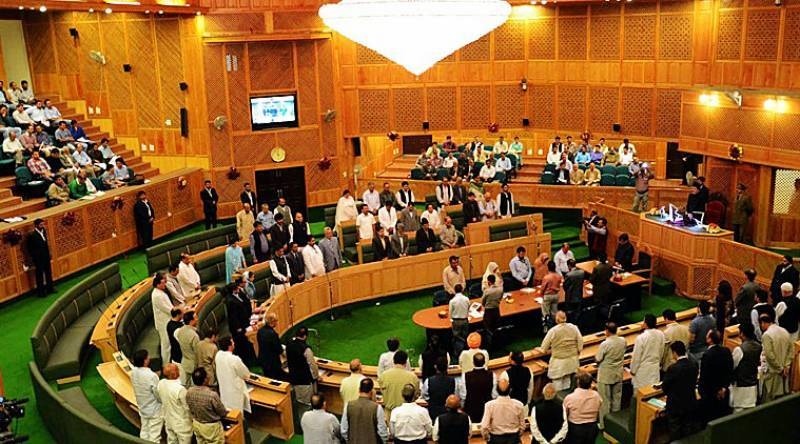
Muzzaffarabad, Pakistan administrated Jammu & Kashmir: In a region grappling with poverty, unemployment, and financial mismanagement, the ruling elite of Pakistan-administered Jammu and Kashmir have come under fire for significantly increasing their own privileges over the past six years, raising serious concerns about governance and priorities.
According to the 2023 population survey, Azad Jammu and Kashmir (AJK) has a population of approximately 2.7 million. Out of this, around 130,000 individuals are dependent on the Benazir Income Support Programme (BISP), highlighting the region’s socio-economic challenges. The unemployment rate stands at a concerning 14.5%.
A new initiative under the name “Social Protection Programme” saw the collection of nearly 100,000 applications. However, investigations are ongoing after it was found that a significant portion of applicants did not meet eligibility criteria. Still, around 148,000 families have come to rely on the scheme.
Despite these growing public welfare needs, AJK’s non-developmental budget stands at a staggering PKR 220 billion, with a reported deficit of PKR 19 billion. Of this, only PKR 96 billion is generated through local revenues, while the rest—over PKR 105 billion—is covered through grants from the federal government of Pakistan.
A breakdown of expenditures reveals that PKR 48 billion goes to salaries, PKR 41 billion on allowances, and PKR 43 billion on pensions, totaling PKR 132 billion. Additional spending includes PKR 21 billion in miscellaneous grants, PKR 23.5 billion in wheat subsidies, and PKR 1 billion for public healthcare medications—compared to PKR 340 million allocated solely for bureaucrats’ medicines. After accounting for these figures, approximately PKR 121 billion remains unaccounted for, with no clear documentation of its utilization.
Adding to the controversy, legislation passed in December 2023 has awarded generous benefits to former Prime Ministers of AJK. Under the new law, ex-premiers are entitled to a 3,000cc government vehicle, three police personnel, a driver, and a Grade-16 assistant. Previously, they were allowed 1,800cc vehicles and a Grade-11 assistant. They now also receive unrestricted access to government guesthouses.
Each former PM is further entitled to PKR 50,000 monthly in house rent—despite many owning multiple properties in Muzaffarabad and Islamabad—and 450 liters of free fuel.
These privileges were quietly approved during a legislative session on November 30, 2023, where seven bills were introduced. One such bill, sponsored by senior PML-N leader Waqar Noor and supported by PPP and PTI, proposed increasing ministers’ daily allowances by PKR 5,000 and salaries by PKR 100,000. However, public backlash prevented its passage.
Critics argue that these measures reflect a severe disconnect between elected representatives and the people they serve. With widespread dissatisfaction and growing public pressure, calls are mounting for transparency, accountability, and a redirection of public funds toward essential services and development.
As economic inequality deepens, analysts warn that unless systemic reforms are introduced, public trust in governance will continue to erode in Azad Jammu and Kashmir.
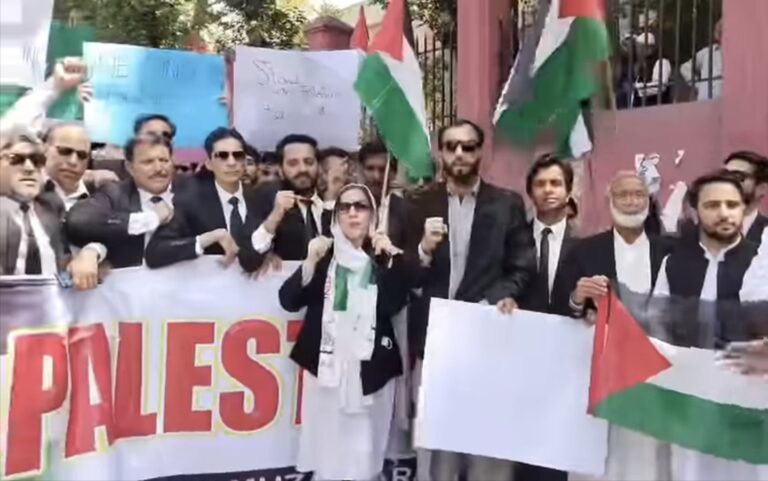
Muzaffarabad, Pakistan administrated Kashmir – Lawyers across Azad Jammu Kashmir poured onto the streets today, demanding immediate international intervention against the Israeli military’s brutal atrocities in Gaza. Led by the Central Bar Association and subordinate bar councils, a massive protest march was held in the capital city Muzaffarabad, which culminated in a rally at Azadi Chowk.
Lawyers’ Protest and Speeches
Speakers at the rally declared, “Global institutions must stop Israel’s massacre of Palestinians. The real Holocaust is happening in Gaza, where Israeli forces are targeting innocent civilians.” They emphasized, “The world must remove the lens of religion and recognize Israel’s crimes as pure genocide against humanity. Israel must be stopped immediately.”
The lawyers also criticized the Israeli Prime Minister and supporting nations, stating, “They are committing grave war crimes in Gaza, and the International Court of Justice must intervene urgently.”
Public Support and Threat of Further Protests
Participating lawyers and citizens expressed full solidarity with the Palestinian people, calling it “not just Palestine’s issue, but a crisis for all humanity.” They urged the Pakistani government and other Muslim nations to play an active role in supporting Palestine at the UN and other international forums.
The lawyers warned that if the global community fails to act, they will launch even larger nationwide protest campaigns.
Call for International Response
Protesters appealed to global media and human rights organizations to increase coverage of Gaza’s suffering and pressure Israel to allow urgent humanitarian aid to reach Palestinians.
— The Azadi Times News Network
(This report is based on statements from local reporters and participants. Stay tuned for further updates.)
Muzaffarabad, Pakistan-Administered Jammu and Kashmir – Authorities in the Pakistan-administered region of Jammu and Kashmir have initiated the repatriation of Afghan citizens as part of a broader directive by the Pakistani government. The process, marked by emotional farewells, underscores the decades-long presence of Afghan refugees in the region, which remains internationally recognized as disputed territory.
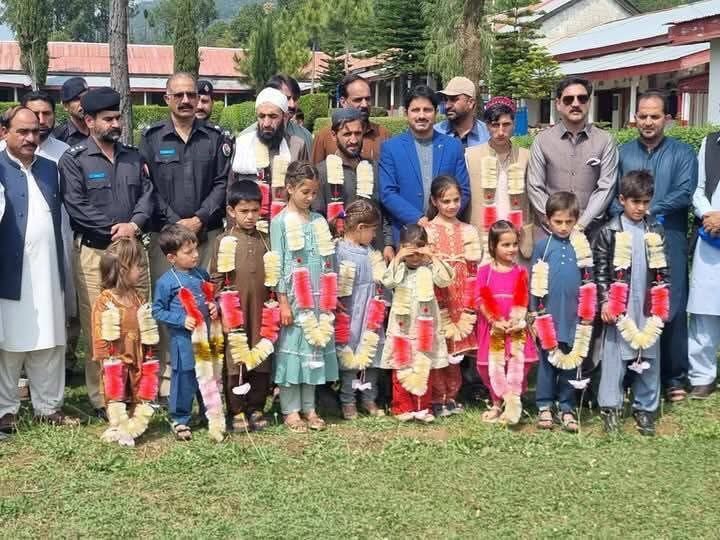
On Tuesday, district administrations in Muzaffarabad and Bagh facilitated the departure of Afghan nationals to the Torkham border crossing, where they will re-enter Afghanistan. Local police, officials, and residents gathered to bid farewell to families who have lived in the region for years, many of whom expressed mixed emotions about leaving.
Senior Superintendent of Police (SSP) Bagh, Raja Akmal Khan, was visibly moved during the send-off, embracing elderly Afghans and children. “This is a deeply emotional moment. These individuals have been part of our communities for generations,” he said. Deputy Commissioner Bagh Raja Saqadat Khan and other officials oversaw the repatriation at designated holding points, ensuring a dignified process.
Afghan citizens thanked locals for their hospitality. “We will never forget the kindness shown to us here,” said one refugee, reflecting on their long stay in the region. Children were given flower bouquets as a symbolic gesture of goodwill.
Context and Broader Implications The repatriation aligns with Pakistan’s nationwide policy to return Afghan nationals, including those in Pakistan-administered Jammu and Kashmir and Gilgit-Baltistan. However, the region’s unique political status—administered by Pakistan but claimed by India and designated as disputed under UN resolutions—adds complexity to the humanitarian effort.
Since the 1980s, Pakistan has hosted millions of Afghan refugees fleeing conflict. The current repatriations, however, have drawn scrutiny from international organizations urging safeguards for voluntary and safe returns, particularly for vulnerable groups.
Local Governance and Neutrality While the region operates under a locally administered government, foreign policy and defense matters remain under Pakistan’s jurisdiction. Officials emphasized that the repatriation process was coordinated with local authorities to respect community ties. “This is about humanity, not politics,” said DSP Raja Zulfiqar.
International Perspective The Torkham border, a key transit point, has seen heightened activity as repatriations accelerate. Analysts note that the process highlights broader regional challenges, including Afghanistan’s capacity to reintegrate returnees amid ongoing economic and security crises.
Reactions from Pakistan-Administered Jammu and Kashmir Residents in Bagh described bittersweet emotions. “They were our neighbors. Their absence will be felt,” said a shopkeeper. Meanwhile, civil society groups called for transparency, urging authorities to ensure returnees are not forced into precarious conditions.
As convoys departed, waves and prayers of “Khuda Hafiz” (God protect you) echoed—a reminder of the human toll of displacement and the unresolved geopolitical tensions surrounding Kashmir.
Reporting contributed by local correspondents in Muzaffarabad. Follow Kashmir Digital on Twitter/X @azaditimes24 for updates.
The news of Abdul Hameed Bhashani’s passing left many in stunned silence. A man of sharp intellect, clad in sharp suits and dark glasses, unapologetically vocal about his political and social convictions Bhashani was a rare voice of courage and clarity. His journey, from the rugged terrains of Rawalakot to the courtrooms of Toronto, was one of relentless struggle, unwavering principles, and an undying love for Kashmir.
A Life of Fire and Fight
Bhashani emerged in the 1980s as a fiery orator and writer through the left-wing Jammu Kashmir National Students Federation. He was a torchbearer for Kashmir’s freedom, a man who could ignite passion in the youth with his words. His activism was not confined to speeches; it was etched in his every action, his writings, and his refusal to bow before oppression.
Exile and Resilience
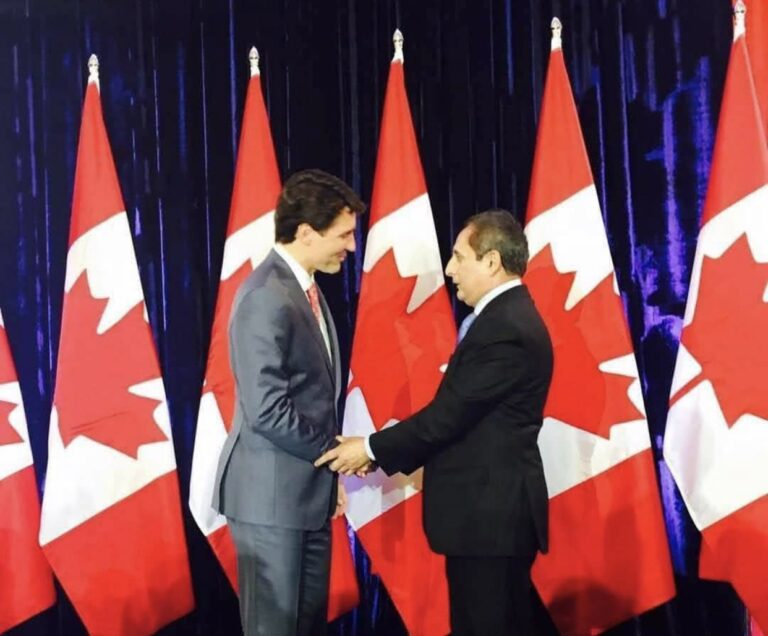
Like many dissenting voices, Bhashani was forced into exile. The struggles of life pushed him away from his homeland, but never from his cause. From Europe to Canada, he carried Kashmir in his heart. In Toronto, he rebuilt his life—earning a law degree, becoming a barrister—yet never abandoning his pen or his politics.
A Writer Till the End
Even in his final days, battling cancer, Bhashani did not surrender to silence. He wrote, reflected, and remembered. On February 11, he revisited the memories of Maqbool Butt, the Kashmiri martyr whose execution sent waves of grief across Azad Kashmir. Bhashani’s words kept the struggle alive, even as his body weakened.
A Legacy Beyond Borders
Bhashani belonged to a generation that lived through hardship without losing hope. From the humble beginnings of a tattered school to the dignity of a legal career abroad, he never forgot his roots. His life was a testament to resilience—a man who fought not just for Kashmir’s freedom but for the right to speak truth in an age of oppression.
Final Farewell
Today, we mourn not just a man, but an era of fearless dissent. In a world where many choose silence over struggle, Bhashani’s voice remained unbroken. As the poet said: “May God forgive him what a free soul he was.”
Rest in power, Bhashani. Your words will outlive the silence.
— Editorial Board The Azadi Times
Abdul Hameed Bhashani, a Kashmiri activist, writer, and barrister who passed away after a battle with cancer. His life reminds us of the enduring power of resistance and the written word.
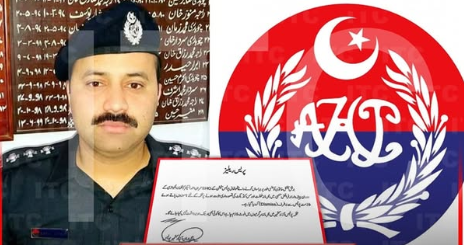
Mirpur (Pakistan-administered Kashmir): The Azad Jammu and Kashmir (AJK) Police have dismissed Station House Officer (SHO) Chaudhry Imran from Thothal Police Station following a departmental inquiry that found him guilty of sexually harassing British-Kashmiri woman Farakhanda Rahman. The decision, based on charges of “professional criminal negligence” and “misconduct,” marks a significant step in the department’s crackdown on unethical behavior.
Case Details:
Farakhanda Rahman, a UK citizen of Kashmiri origin, had accused SHO Chaudhry Imran of sexual harassment and misconduct. After the allegations surfaced, the AJK Police formed a high-level inquiry committee, which, after reviewing evidence and witness testimonies, found the officer guilty.
Police Department’s Strong Response:
An official press release confirmed Chaudhry Imran’s termination, with a police spokesperson stating, “There is no tolerance for unethical or illegal conduct. This decision reinforces our commitment to professional integrity within the force.”
New Reform Measures:
Sources reveal that the AJK Police are also considering introducing anti-drug testing and other reforms to enhance professionalism and eliminate illegal activities. If implemented, this would be the first time such stringent measures are adopted in the region’s police department.
Public and Social Reaction:
Farakhanda Rahman’s lawyer hailed the dismissal as “a victory for justice,” while activists demanded swift action in all harassment cases. Some police officers expressed concerns over the case “damaging the department’s image,” though many supported accountability for misconduct.
What’s Next?
Legal proceedings against Chaudhry Imran are expected, and the police department may announce further measures, including ethics training and enhanced oversight for officers.
Note: This report is based on official police statements, court documents, and interviews with the victim’s legal counsel. Stay tuned for updates.
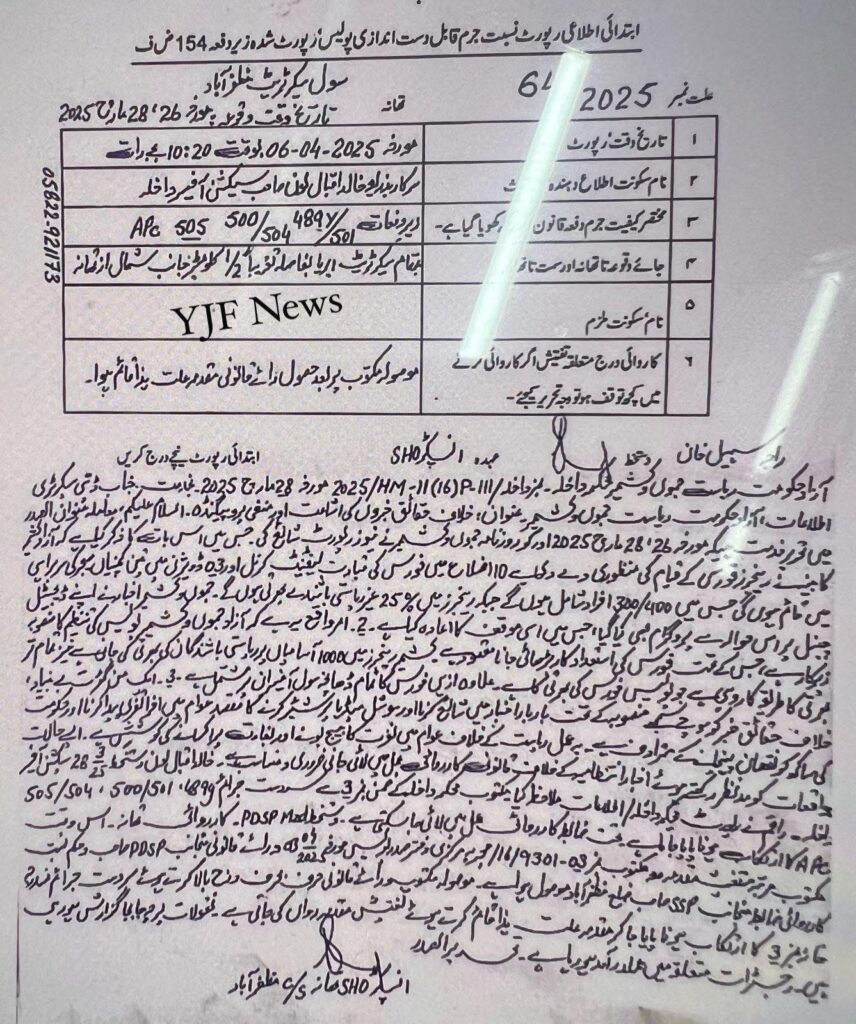
Muzaffarabad (PaJK): A First information report (FIR) has been registered against the renowned and longstanding Urdu daily, Jammu Kashmir Times, under charges related to the publication of allegedly false and defamatory news articles and what has been termed as “negative propaganda.”
The complaint, filed by the Section Officer of the AJK Department of Home Affairs, cites specific news content published in the newspaper’s editions dated the 26th and 28th of the month. These reports have been deemed objectionable and misleading by the complainant, leading to legal action under several sections of the Azad Penal Code (APC), including 505, 500/504, 489Y, and 501.
According to official sources, the FIR accuses the newspaper of spreading disinformation that could potentially disturb public order and tarnish the reputation of governmental institutions. The authorities allege that the published material lacked factual basis and was intended to mislead the public and fuel unnecessary controversy.
The Jammu Kashmir Times, widely known as one of the oldest and most respected Urdu-language newspapers in Pakistan-administered Jammu and Kashmir, has played a historic role in shaping public discourse in the region. The filing of a case against such an established media outlet has sparked widespread discussions among journalists, press freedom advocates, and civil society groups.
Media watchdogs and press unions are closely monitoring the case, with concerns being raised over the implications of the FIR on journalistic freedom and the right to expression in the region. Many see this action as part of a growing trend of pressure being exerted on independent media houses.
As the investigation unfolds, all eyes remain on the judicial process and how it will balance concerns of misinformation with the fundamental principles of press freedom.
For continuous updates on this story and more news from Jammu & Kashmir, stay connected with The Azadi Times.
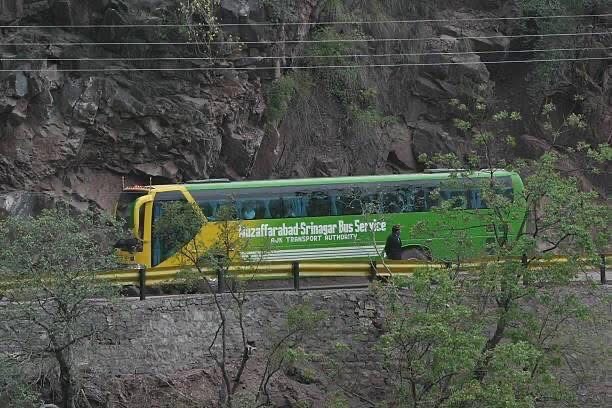
By Ansar Hussain Naqvi Twenty years ago today, on April 7, 2005, a historic journey began across the Line of Control (LoC), the de facto border dividing Kashmir between India and Pakistan. The Srinagar-Muzaffarabad bus service, hailed as the “Caravan of Peace,” offered a rare glimmer of hope to thousands of Kashmiri families torn apart by decades of conflict. For many, it was not just a bus route it was a bridge between fractured hearts, a chance to reunite with loved ones last seen in childhood, and a fragile symbol of humanity amid a 75-year-old political stalemate.
A Dream Realized, Then Lost
The bus service, connecting Srinagar in Indian-administered Kashmir to Muzaffarabad in Pakistani-administered Kashmir, was the result of a rare diplomatic thaw between arch-rivals India and Pakistan. Then-Pakistani President Pervez Musharraf and Indian Prime Minister Manmohan Singh, in a moment of statesmanship, greenlit this “people’s initiative” to ease the suffering of divided families. For Kashmiris, it was a lifeline.
As someone born into a divided Kashmiri family my grandfather’s roots lie in Chinari my maternal family hails from Baramulla this bus service was deeply personal.
For generations, families like mine have carried the trauma of separation. Weddings missed, funerals unattended, and lifetimes spent clutching faded photographs or letters from “the other side.” The bus promised to turn whispers of memory into embraces.
Tears at the Crossroads
When the first bus rolled out in 2005, emotional scenes unfolded at the LoC terminals. Elderly parents, their hands trembling with age and anticipation, reunited with children they had not held since Partition in 1947. Sisters who had become grandmothers met brothers they last saw as teenagers.
One poignant story still echoes: an elderly father, clutching his son’s childhood photograph for six decades, collapsed into silent tears when they finally met at the bus stop. No words were needed their embrace spoke of decades of longing.
For years, every Thursday, the bus carried stories of resilience. It became a symbol of Kashmir’s shared pain and humanity, transcending politics. Passengers often described crossing the LoC as “stepping into a dream,” where barbed wire gave way to tearful reunions.
The Silence Returns
Today, that dream lies suspended. The bus service, halted in recent years amid renewed India-Pakistan tensions, has left families stranded once again. The LoC, once briefly porous, has reverted to a hardened boundary. Eyes that once scanned the horizon every Thursday for the bus now brim with helplessness. For thousands, the closure is not just a logistical barrier—it is the resurgence of an emotional iron curtain.
“This wasn’t just a bus it was our heartbeat,” said Rubina Akhtar (name changed), whose aging mother in Muzaffarabad has not met her Srinagar-based daughter in eight years. “We’re back to counting days that may never come.”
The Unanswered Question
The suspension underscores the fragility of peace efforts in Kashmir, where geopolitics routinely override human suffering. While both India and Pakistan cite “security concerns” and diplomatic discord, families accuse their governments of weaponizing their pain. “They opened our wounds to show the world they could heal them, only to let them fester again,” said a Srinagar-based activist.
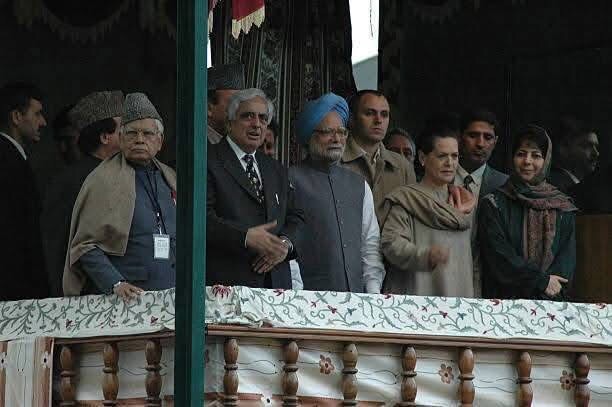
Late Indian Prime Minister Manmohan Singh and late Chief Minister of Jammu & Kashmir Mufti Mohammad Sayeed standing at the Chakothi crossing point during the historic inauguration of the Muzaffarabad-Srinagar bus service on April 7, 2005. The leaders stand near the Line of Control (LoC), symbolizing a rare moment of India-Pakistan cooperation as Kashmiri families watch with hope in the background.
International human rights organizations have long advocated for cross-LoC initiatives, emphasizing family reunification as a basic right. Yet, as tensions persist, Kashmiris feel abandoned by global rhetoric. “Our suffering is reduced to hashtags,” remarked a student in Muzaffarabad, referencing social media campaigns like #ReopenTheBusRoute and #KashmirDivided.
A Flicker of Hope?
Despite the gloom, divided families cling to hope. Many appeal to Indian Prime Minister Narendra Modi and Pakistani leaders to reignite the “Caravan of Peace.” Others urge third-party mediation or UN intervention to prioritize humanitarian corridors over political deadlock.
As Kashmir marks this bittersweet anniversary, the lesson is clear: while roads may close, the hunger for connection endures. For Kashmiris, the bus service was more than transport—it was validation that their voices, their tears, and their right to love could still pierce the cacophony of conflict.
The world may have moved on, but in Kashmiri homes, the question lingers: “When will we cross that bridge again?”
Muzaffarabad: Sadaqat Mughal, the founder of a prominent pro-Kashmir freedom Political Party in Pakistan administrated Kashmir, Jammu Kashmir Liberation Front Nazrerayti (JKLFN), addressed the media in an exclusive interview with local media yesterday, shedding light on the hardships faced by Kashmiri people in their ongoing struggle for freedom.
During the interview, Mughal detailed the severe mistreatment endured by his community, stating, “We are not even allowed to drink water, rats are released on us at night, and we are being crushed under the weight of oppression.” He condemned state authorities, asserting that those who claim to be protectors are, in reality, tyrants inflicting systematic cruelty on the people.
Mughal strongly refuted allegations labeling him as a drug dealer or a murderer. “I am fighting for the freedom of Kashmir, and the sole aim of my movement is the liberation of our people and our state,” he said, emphasizing that his commitment remains unwavering despite the ongoing challenges.
The leader’s remarks come in the wake of his recent arrest by Azad Kashmir police. His detention has sparked widespread concern among Kashmiri citizens and human rights organizations, all of which have called for his immediate release. Activists argue that his arrest is yet another example of the state’s harsh measures against voices calling for genuine change in Kashmir.
This interview, now viral across social media platforms, has intensified scrutiny on the conditions under which pro-freedom activists are held and has further fueled demands for reforms and respect for human rights in the region.
Sanam Javed Khan Biography: The Brave Face of Resistance and PTI’s Fierce Female Voice
In a time when political dissent is often met with silence or suppression, Sanam Javed Khan has emerged as a powerful voice of resistance. A Pakistani political activist, mother, and social media influencer, Sanam Javed is one of the most recognizable faces of the Pakistan Tehreek-e-Insaf (PTI) party’s grassroots movement. With her roots in Kashmir and her heart in the struggle for justice, she has quickly become a symbol of courage for thousands across Pakistan and the broader Kashmiri diaspora.
Sanam Javed Khan: Early Life and Background
Sanam Javed Khan courtesy social media
Sanam Javed Khan was born on March 25, 1993, in Lahore, Pakistan. Now 32 years old, she carries a unique blend of urban awareness and deep-rooted cultural heritage. Her mother hails from Rawalakot, a city of Azad Jammu & Kashmir something Sanam has proudly shared in interviews. Her maternal background instills in her a strong sense of identity as a Kashmiri woman aheritage that reflects in her unwavering boldness and fearless activism.
Her father, a supporter of the Pakistan Peoples Party (PPP), gave her the freedom to choose her own political ideology. Sanam gravitated towards PTI’s vision of a corruption-free Pakistan, inspired by Imran Khan’s call for justice, sovereignty, and self-respect. Her sister, Falak Javed Khan, also shares her political beliefs and is an active supporter of PTI.
The Personal Side: Sanam Javed’s Husband and Family Life
Sanam is married to Attique Khan, a businessman who has remained supportive of her political and social work. Together, they are raising two children a son and a daughter. Despite the constant pressures of public life, legal harassment, and threats to her safety, Sanam has managed to balance activism with motherhood, drawing admiration from many across Pakistan and beyond.
Her family, particularly her husband, has stood firmly by her during her legal ordeals—an embodiment of unity and resilience under duress. For Sanam, family is not just a support system but a source of strength and conviction.
Activism and Rise to Prominence in PTI
Sanam’s political journey began with active participation in PTI rallies and digital campaigns. With her sharp communication skills and compelling social media presence, she became a powerful influencer in the political sphere. Her speeches, livestreams, and grassroots engagement struck a chord with the youth and women—groups often overlooked in traditional Pakistani politics.
She was often seen on the frontlines of PTI’s major protests and sit-ins, her bold presence breaking conventional gender roles. Sanam didn’t just participate she led from the front, symbolizing a new generation of politically aware, fearless, and digitally empowered women.
Kashmiri Identity and Courage in the Face of Repression
Sanam’s Kashmiri heritage is more than a footnote in her biography. It is central to her fearless approach to activism. Many of her supporters believe her unyielding courage comes from her bloodline—from the mountains of Rawalakot, where the spirit of resistance is inherited and nurtured.
Her followers often say, “She is a Kashmiri, and that’s why she is fighting boldly.” In a political environment where many are coerced into silence, her refusal to back down has earned her immense respect.
This unique combination—PTI ideology, Kashmiri courage, and digital influence—has made Sanam Javed Khan the most popular female face of the party today.
Legal Struggles: A Woman Targeted for Her Beliefs
2024 proved to be a year of turbulence for Sanam Javed. Following the arrest of former Prime Minister Imran Khan, nationwide protests erupted on May 9. Sanam, like many PTI supporters, was arrested for participating in the demonstrations. Although she was granted bail by the Lahore High Court, the authorities re-arrested her multiple times, often without formal charges or transparent legal procedures.
The repeated detentions sparked outcry among human rights organizations and civil society, with many branding her a political prisoner. On July 18, 2024, the Islamabad High Court declared her arrest illegal—a rare judicial victory in an increasingly authoritarian political landscape.
Despite all this, Sanam refused to be broken. In courtrooms, she stood tall, often smiling defiantly at cameras. Her bravery has inspired countless women, especially those in conservative regions like Azad Kashmir, to speak up.
Venturing into Electoral Politics: Contesting Maryam Nawaz
Sanam Javed took her activism a step further by filing nomination papers for the NA-119 constituency—directly challenging Maryam Nawaz, the political heir of Nawaz Sharif and a central figure in PML-N. Although she later withdrew her candidacy due to ongoing legal pressure and state surveillance, her intent alone sent ripples through Pakistan’s political fabric.
Her decision to contest reflected her belief in democratic participation, not just protest. It showcased a vision of politics where grassroots activists could take on dynastic politicians, and women could lead from the front.
Digital Power: Sanam Javed as a Social Media Force
In an era where political discourse often plays out online, Sanam Javed has mastered the art of digital engagement. With a growing follower base across platforms like Twitter (X), Instagram, and YouTube, she has used social media as a megaphone to amplify PTI’s messages, expose injustices, and share her personal journey.
Unlike many traditional politicians who rely on state media, Sanam connects with the youth through unfiltered, personal storytelling. Her content ranges from political commentary to behind-the-scenes glimpses of activism, making her both relatable and inspirational.
Champion for Women in Politics
Sanam’s rise is especially significant in a country where women in politics often face harassment, exclusion, and underrepresentation. Her presence challenges patriarchal norms within political parties and society at large.
She doesn’t just fight for PTI—she fights for a future where women from Kashmir to Karachi can participate fully in shaping their nation’s destiny. She has opened a door for many young women to believe in their ability to lead, resist, and change the system.
The Symbol of Independent Thought in a Suppressed Landscape
For a Kashmir-based platform advocating the ideology of an independent Kashmir, Sanam Javed Khan represents a crucial figure. Not only because of her maternal ties to Rawalakot, but because she embodies the essence of self-determination.
She represents the hope that even in the face of state violence, censorship, and political imprisonment, truth and courage will find a way to break through. Her resilience aligns with the broader Kashmiri struggle one that seeks dignity, autonomy, and justice.
Sanam Javed Khan Is More Than an Activist She Is a Movement
From Lahore to Rawalakot, from jail cells to digital screens, Sanam Javed Khan has emerged as one of the most compelling political voices in Pakistan today. She is not just a PTI activist, not just a social media influencer, not just a political prisoner she is a symbol of defiance, especially for Kashmiri women and youth longing for change.
Her story is still being written, but one thing is clear: Sanam Javed represents the future of a more participatory, courageous, and independent political movement not just in Pakistan, but across South Asia
Muzaffarabad: For decades, Jammu and Kashmir have been marred by conflict, political turmoil, and the echoing cries for self-determination. Amidst this backdrop, February 5th arrives annually, observed in Pakistan as Kashmir Solidarity Day. But as processions march and slogans resonate, a crucial question lingers: Does this day truly champion the cause of the Kashmiri people, or has it devolved into a tool of political expediency?
A Historical Perspective: The Genesis of a Divided Land
The roots of the Kashmir conflict are deeply embedded in the partition of India in 1947. The princely state of Jammu and Kashmir, under the rule of Maharaja Hari Singh, faced the pivotal decision of acceding to either India or Pakistan. The Maharaja’s initial reluctance to commit triggered a chain of events, including a tribal incursion allegedly supported by Pakistan. This prompted him to seek military assistance from India, formally acceding to the Indian Union in exchange. The ensuing Indo-Pakistani War resulted in the division of the region along the Line of Control (LoC), a de facto border that continues to separate families and communities to this day.
The United Nations Security Council intervened early in the conflict, passing resolutions calling for a plebiscite a democratic vote by the Kashmiri people to determine their future. However, these resolutions have never been implemented, overshadowed by subsequent wars in 1965 and 1971, and a persistent environment of insurgency, militancy, and accusations of human rights violations from all sides. The promise of a plebiscite remains a distant dream for many Kashmiris.
The Politics of Kashmir Solidarity Day
Since 1990, 5 February Kashmir Solidarity Day, has been officially commemorated in Pakistan. The day is characterized by public rallies, speeches from prominent political figures, and symbolic gestures intended to express support for the Kashmiri people. However, critics within Kashmir and beyond contend that the day has often been appropriated to promote Pakistan’s political objectives, overshadowing the genuine needs and aspirations of the Kashmiri people.
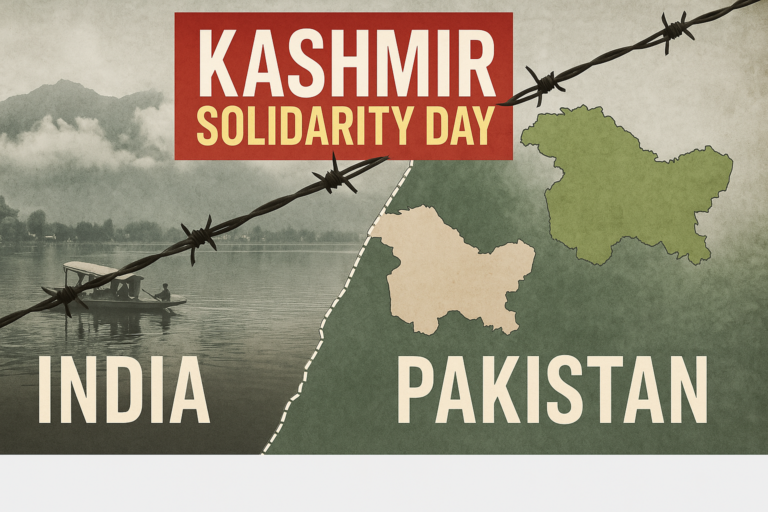
5 February Kashmir Solidarity Day poster shared by the Associated Press of Pakistan
The official narrative typically centers on the “right to self-determination” for Kashmiris, coupled with strong condemnations of alleged human rights abuses in Indian-administered Kashmir. However, this narrative often conveniently overlooks the human rights concerns in Pakistan-administered Kashmir (Azad Jammu and Kashmir) and Gilgit-Baltistan, where civil liberties and political freedoms also face significant restrictions. Critics argue that this selective focus undermines the credibility of Pakistan’s claims of solidarity.
Furthermore, the day has been used to promote specific political agendas within Pakistan. Religious and political parties often organize rallies and events to showcase their support for the Kashmiri cause, using it as a platform to gain political mileage and consolidate their voter base. The production and distribution of Kashmir Solidarity Day posters and other promotional materials serve to reinforce this message, often presenting a one-sided view of the conflict. Even seemingly innocuous activities like creating a Kashmir Solidarity Day poster can be seen as contributing to a larger propaganda effort.
Local Voices: Genuine Support or Political Posturing?
To gain a deeper understanding of the true sentiment surrounding Kashmir Solidarity Day, it is essential to amplify the voices of the Kashmiri people themselves, often marginalized in mainstream narratives.
“For us, February 5th is just another day in a long cycle of suffering,” says Khurram Parvez, a renowned human rights activist based in Muzaffarabad. “It’s a day when Pakistani politicians deliver speeches about our right to self-determination, while simultaneously failing to address the human rights violations occurring in their own territory. We need genuine action, not empty rhetoric.”
A young student from Baramulla, who requested anonymity due to security concerns, shared his perspective: “We appreciate the sentiment behind Kashmir Solidarity Day, but we need more than just symbolic gestures. We need a peaceful resolution to this conflict so that we can finally live normal lives.”
These voices highlight the complex and often contradictory feelings that many Kashmiris have towards Kashmir Solidarity Day. While some appreciate the expression of support, others view it with skepticism, questioning the true motives behind the political posturing.
The Indian Perspective: A Counter-Narrative of Cross-Border Terrorism
Across the LoC, Indian officials and media outlets often portray Kashmir Solidarity Day as a blatant attempt by Pakistan to interfere in India’s internal affairs and promote cross-border terrorism. They frequently highlight Pakistan’s alleged support for militant groups operating in the region, accusing the country of using the Kashmir issue to destabilize the region and incite violence.
Indian officials have consistently criticized Pakistan’s observance of Kashmir Solidarity Day, viewing it as an attempt to divert attention from its own actions.For instance, in January 2025, Ministry of External Affairs spokesperson Randhir Jaiswal stated,“The whole world knows, who is promoting terrorism. In India, when we have terror-related attacks, where it is coming from, we all know the genesis, the root of cross-border terrorism.” DD News
Similarly, External Affairs Minister S. Jaishankar, addressing the United Nations General Assembly in September 2024, remarked,“Pakistan’s cross-border terrorism policy will never succeed. And it can have no expectation of impunity. On the contrary, actions will certainly have consequences.”
These statements underscore India’s position that Pakistan’s actions, including the observance of Kashmir Solidarity Day, are seen as efforts to promote cross-border terrorism and destabilize the region.
The International Community
The international community has a critical role to play in facilitating a lasting and just resolution to the Kashmir conflict. While the UN Security Council resolutions calling for a plebiscite remain a historical reference point, a more nuanced and comprehensive approach is needed to address the complex realities on the ground.
International organizations and foreign governments should:
Prioritize the protection of human rights, condemning abuses by all parties involved in the conflict. Actively encourage meaningful and constructive dialogue between India and Pakistan, ensuring the inclusion of representatives from the Kashmiri community in any peace negotiations. Provide support for initiatives that promote peacebuilding, reconciliation, and sustainable development in the region, addressing the root causes of the conflict.* **What is Kashmir Solidarity Day** really about if not about these actions?
Charting a Path Forward: Towards a Just and Sustainable Peace
Achieving a lasting peace in Kashmir requires a multifaceted approach that addresses the underlying political, economic, and social grievances of all parties involved. Some potential steps include:
Intra-Kashmiri Dialogue One of the most crucial steps toward lasting peace in the region is the facilitation of dialogue among Kashmiri groups across both sides of the Line of Control (LoC). Intra-Kashmiri dialogue can play a pivotal role in fostering mutual understanding, rebuilding trust, and identifying shared concerns and aspirations. These platforms, whether formal or informal, allow Kashmiris themselves to voice their hopes for the future and create a united vision that transcends borders and political divisions.
Demilitarization and De-escalation The presence of heavy militarization across the region continues to fuel fear, mistrust, and conflict. A phased reduction of armed forces, combined with robust confidence-building measures between India and Pakistan, is essential to lower tensions along the LoC. De-escalation not only prevents accidental flare-ups but also creates space for political dialogue and reconciliation.
Economic Impact of the Conflict
The prolonged conflict in Jammu and Kashmir has had devastating economic consequences for the region. Once known for its thriving tourism industry, the valley’s picturesque landscapes and cultural heritage have been overshadowed by the ongoing strife. The frequent curfews, internet shutdowns, and military presence have deterred tourists, leading to a significant decline in revenue.
Agriculture, another cornerstone of the Kashmiri economy, has also suffered. The fertile land, known for producing saffron, apples, and other high-value crops, has seen reduced productivity due to the conflict. The disruption of trade routes and the constant threat of violence have made it difficult for farmers to sustain their livelihoods.
The economic hardships are further compounded by the lack of investment in infrastructure and development projects. The uncertainty and instability deter both domestic and foreign investors, leaving the region underdeveloped and its people struggling to find employment opportunities.
The Role of the Kashmiri Diaspora: Advocacy and Support
The Kashmiri diaspora plays a crucial role in advocating for the rights and aspirations of the Kashmiri people. Spread across various countries, the diaspora has been instrumental in raising international awareness about the conflict and lobbying for diplomatic intervention.
Organizations and community groups within the diaspora regularly organize events, protests, and campaigns to highlight the plight of Kashmiris. They also provide financial and humanitarian support to families affected by the conflict, helping to alleviate some of the hardships faced by those in the region.
By leveraging their positions in their respective countries, members of the diaspora can influence policymakers and push for a more balanced and just approach to the Kashmir issue. Their efforts are essential in keeping the international community engaged and committed to finding a resolution.
Kashmir Solidarity Day should serve as a catalyst for meaningful reflection, prompting a critical examination of the policies and actions that have perpetuated the conflict for far too long. It is time to move beyond symbolic gestures and embrace a genuine commitment to justice, human rights, and the self-determination of the Kashmiri people. Only then can we hope to build a future where peace, prosperity, and dignity prevail in this long-suffering region.
As we mark another 5 February Kashmir Solidarity Day, let us remember that true solidarity goes beyond political rhetoric. It requires a concerted effort from all stakeholders – the governments of India and Pakistan, the international community, and most importantly, the people of Jammu and Kashmir themselves. By working together, we can pave the way for a peaceful and prosperous future for all Kashmiris.