
Born on October 7, 2002, in Lahore, Pakistan, Imsha Rehman grew up in a middle-class family and pursued higher education alongside her burgeoning online career. She entered the world of social media around 2020, initially posting videos about fishing trips and everyday lifestyle hacks—a nod to her love for outdoor adventures and simple joys. These early clips, often filmed in casual settings with friends or family, quickly resonated with a young Pakistani audience seeking authenticity amid polished influencer feeds.
By mid-2024, Rehman’s pivot to more personal, down-to-earth content think lip-sync challenges, fashion tips, and humorous skits on student life propelled her to fame. Her TikTok account amassed nearly 200,000 followers and over 12.1 million likes, while her Instagram hovered at 111,000. At her peak, her estimated net worth reached around $500,000 through brand collaborations and sponsored posts, making her a role model for aspiring creators in Pakistan’s conservative cultural context. Rehman often credited her success to staying true to her roots, once telling followers in a now-deleted video: “Social media should uplift, not divide let’s keep it real.”
Yet, as her visibility grew, so did the risks. In a society where women’s online presence is frequently scrutinized, Rehman navigated a delicate balance, advocating for body positivity and mental health while facing trolls who questioned her “modesty.” Her story, before the scandal, was one of empowerment: a university student turning passion into profession, inspiring thousands of girls in Pakistan to embrace digital creativity.
Help us expose the truth
The Azadi Times is funded by readers like you. No corporate sponsors. No government influence. Just fearless reporting.
Imsha Rehman Viral Video Scandal: What Happened and Why It Exploded
The controversy erupted in November 2024, when multiple clips surfaced on WhatsApp groups, Twitter (now X), and Telegram channels, purportedly showing Rehman in compromising, explicit situations. The videos, which rapidly garnered millions of views, were shared under hashtags like #ImshaRehmanViralVideo and #TikTokerLeaked, fueling a storm of memes, slut-shaming, and conspiracy theories. Within hours, the content had infiltrated mainstream discourse, with screenshots and edited versions circulating on Instagram Reels and Facebook.

Rehman, then 22, responded swiftly but sparingly. In a poignant TikTok bio update before deactivating her account—”Jab tak video viral hai maine ne ID off kar di hai” (Until the video is viral, I have deactivated my account)—she alluded to the “overwhelming backlash.” She went offline entirely, deleting profiles across platforms, a move echoed by other victims like Minahil Malik, whose similar leak just weeks prior had ignited national outrage.


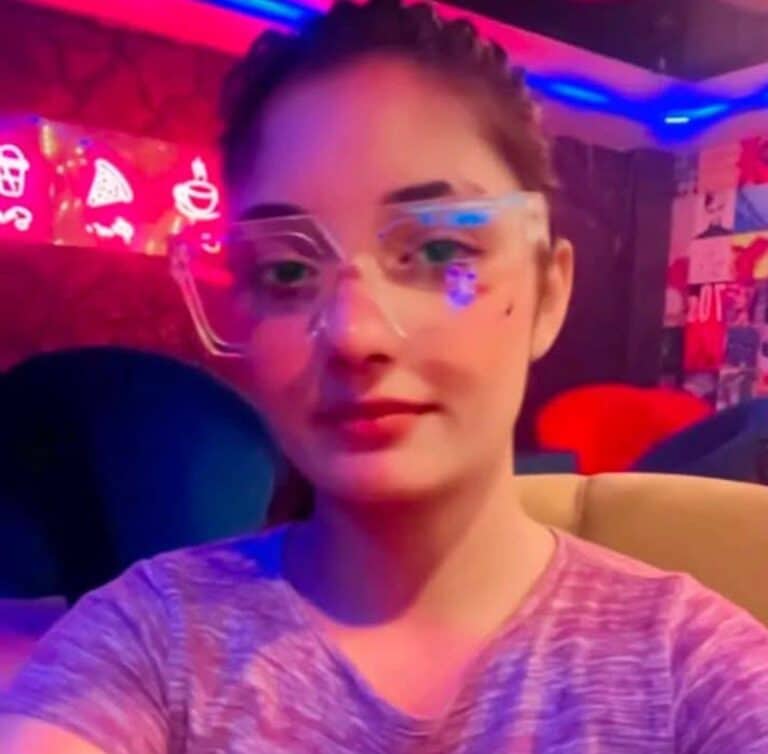
Initial reports speculated a data breach or hack, with Pakistani media citing unauthorized access to private accounts as the source. However, in her first interview since the incident—aired on Nukta Pakistan on January 30, 2025—Rehman clarified the footage was “fake,” doctored using deepfake technology by malicious actors. Appearing masked and hooded for safety, she described discovering the videos: “When I saw it, it felt like my life was over. I couldn’t breathe.”
The scandal’s virality can be attributed to several factors:
- Platform Algorithms: TikTok and X’s recommendation engines amplified shares, turning private outrage into public spectacle.
- Cultural Sensitivities: In Pakistan, where honor killings and fatwas against “immoral” content persist, explicit leaks disproportionately target women, as noted by activists like Mehnaz Parveen.
- Misinformation Spread: Searches for “Imsha Rehman viral video link download” spiked, with dubious sites hosting edited clips, further blurring fact from fiction.
By early 2025, the videos had been viewed tens of millions of times globally, with ripple effects in India and the Middle East, where cross-border trolling exacerbated the harm.

The Aftermath: Death Threats, Isolation, and a Legal Reckoning
The human cost of the Imsha Rehman leaked video has been profound and multifaceted. In her Nukta interview, Rehman revealed she dropped out of university, unable to face classmates amid whispers and stares. “I can’t go out, I can’t meet friends—people look at me differently now,” she said, her voice breaking. Death threats flooded her inbox and family contacts, some from anonymous accounts vowing violence in the name of “honor.” Social activist Mehnaz Parveen called it an “eye-opener,” warning that such incidents deter women from online spaces: “Social media offers opportunities, but for young girls, it’s a minefield.”
Psychologically, the toll was immense. Rehman sought therapy, as she disclosed, grappling with anxiety and self-doubt. Financially, her income dried up—brands distanced themselves, fearing association with the scandal. Her family, initially supportive, faced community stigma, with relatives urging her to “stay hidden.”
On the legal front, progress offers glimmers of hope. Rehman pursued charges through Pakistan’s Federal Investigation Agency (FIA), which specializes in cybercrimes. In a breakthrough, the FIA arrested Abdul Aziz in early 2025, tracing him via IP logs for allegedly creating and disseminating the deepfakes. Her lawyer, Hadi Ali Chatha, emphasized: “Victims must speak out; silence lets culprits thrive.” The case has bolstered calls for stricter deepfake laws, with Pakistan’s Prevention of Electronic Crimes Act under scrutiny for loopholes.
Rehman’s choice to stay silent initially—opting for courts over clarifications—drew mixed reactions. “I didn’t want to dignify the lies with a response,” she explained, critiquing the “cool” culture of sharing private content without regard for consequences. By mid-2025, she reactivated select accounts, posting sparingly about resilience and awareness, amassing support from allies like fellow influencers and NGOs.
Broader Implications: Deepfakes, Women’s Safety, and the Fight for Digital Rights
Imsha Rehman’s saga is not isolated. In 2024 alone, Pakistan saw over a dozen similar leaks targeting female creators, part of a global surge in non-consensual intimate imagery (NCII). Amnesty International reports that 85% of deepfake porn targets women, with South Asia particularly vulnerable due to weak enforcement. In Pakistan, where 70% of women face online abuse (per a 2023 Digital Rights Foundation study), these incidents perpetuate a chilling effect, pushing talent offline.
Experts advocate for multi-pronged solutions:
- Tech Interventions: Platforms like TikTok must enhance AI detection for deepfakes and expedite takedown requests.
- Policy Reforms: Stricter penalties under FIA guidelines, including mandatory watermarking for AI-generated content.
- Community Support: Initiatives like Pakistan’s “Digital She” campaign, offering counseling and legal aid to survivors.
Rehman’s story has amplified voices like that of actress Mathira Khan, who faced a parallel scandal and now lobbies for NCII bans. As Rehman told Nukta: “This ruined me, but it can’t define me. We need change—for every girl scrolling in fear.”
Moving Forward: Resources and a Call for Empathy
As searches for “TikToker Imsha Rehman viral video link” persist often leading to exploitative sites it’s crucial to redirect focus toward healing and prevention. We do not link to or endorse any alleged content, as doing so revictimizes survivors and violates ethical standards. Instead, if you’re affected by similar issues, reach out to:
- Digital Rights Foundation (Pakistan): Hotline at +92-42-3588-2000 for cyber-harassment support.
- FIA Cybercrime Wing: Report incidents at [email protected].
- Global Hotlines: CyberSmile (cybersmile.org) or Revenge Porn Helpline (UK-based, international reach).
Imsha Rehman’s resilience—from dejected deactivation to defiant testimony—inspires a reckoning. In September 2025, as she rebuilds quietly, her case urges us: In the age of viral scandals, true influence lies not in views, but in voicing the silenced. Platforms must protect, governments must prosecute, and we must pause before sharing. Only then can creators like Rehman thrive without fear.


