
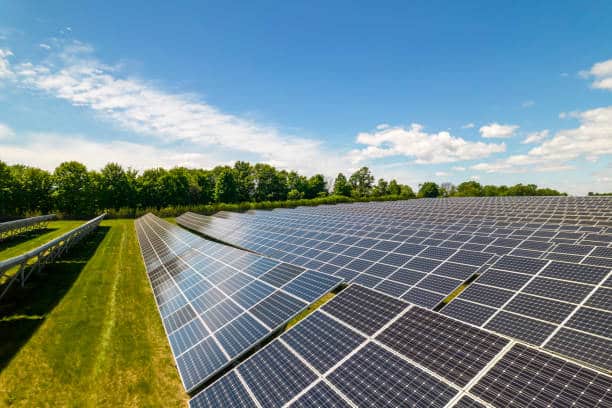

As energy insecurity deepens across South Asia, solar power has moved from being an alternative solution to a practical necessity. Rising electricity costs, unstable grids, fuel shortages, and climate pressures have pushed households, businesses, and institutions toward solar energy at an unprecedented pace.
From Pakistan-administered Kashmir to Pakistan, and from India-administered Kashmir to mainland India, solar panels are increasingly viewed not only as a cost-saving investment but as a pathway to energy independence. This comprehensive guide explains solar panel prices, major brands, system costs, technologies, and user concerns, answering nearly every question people search for on Google before installing solar power.
This article is written from an independent Kashmiri editorial lens, focusing on information, not state narratives, and prioritizing accuracy, neutrality, and public utility.
The Azadi Times
No state grants. No corporate lobby. Just ground‑truth reporting from Kashmir & beyond
You make this possible.
Why Solar Energy Is Expanding Rapidly Across the Region
Electricity demand in South Asia has surged over the past decade, while conventional power generation has struggled to keep pace. Load shedding, tariff hikes, and unreliable supply remain common in many areas.
Solar energy offers several advantages:
- It is renewable and environmentally sustainable
- Operating costs are extremely low after installation
- Panels have a lifespan of 25–30 years
- It reduces dependence on centralized grids
- It provides energy resilience in politically and economically unstable environments
For Kashmir, where geography and climate create unique infrastructure challenges, decentralized solar systems have become especially attractive.
Understanding Solar Panel Pricing: How Costs Are Calculated
Solar panel pricing is often misunderstood. Users typically encounter prices in three formats:
1. Price Per Watt
This is the most accurate way to compare panels. It reflects how much you pay for each watt of electricity capacity.
2. Price Per Panel
Most modern panels range between 400 watts and 600+ watts, so panel prices vary accordingly.

3. Complete Solar System Cost
This includes:
- Solar panels
- Inverter
- Mounting structure
- Wiring and protection equipment
- Installation and labor
Batteries are usually optional and priced separately unless the system is fully off-grid.
Solar Panel Prices in Pakistan-Administered Kashmir and Pakistan
Solar panel markets in Pakistan and Pakistan-administered Kashmir are largely import-driven, with prices influenced by exchange rates, demand cycles, and panel grade.
Average Solar Panel Prices (Per Watt)
- PKR 27 – PKR 37 per watt for high-quality A-grade panels
- Lower-grade panels may be cheaper but often compromise on lifespan and efficiency
Average Solar Panel Prices (Per Panel)
- 500–580 watt panels: PKR 18,000 – PKR 23,000+
- Price varies by brand, efficiency, and warranty
Complete System Cost Estimates
System Size PKR (Approx) USD (Approx) 1 kW 90,000 – 120,000 $320 – $430 3 kW 450,000 – 600,000 $1,600 – $2,150 5 kW 800,000 – 1,000,000 $2,850 – $3,570 10 kW 1,800,000 – 2,000,000 $6,400 – $7,140
These systems are typically grid-tied or hybrid. Battery backup increases total cost significantly.
Solar Panel Prices in India-Administered Kashmir and India
India has developed one of the world’s largest solar manufacturing ecosystems, resulting in broader brand availability and more standardized pricing.
Average Residential Solar Costs
- ₹24 – ₹35 per watt for residential solar panels
- Complete systems cost more due to installation, inverter, and structure
Average System Costs
System Size INR (Approx) USD (Approx) 1 kW ₹75,000 – ₹85,000 $900 – $1,020 3 kW ₹1,90,000 – ₹2,15,000 $2,280 – $2,600 5 kW ₹3,15,000 – ₹3,57,000 $3,800 – $4,300
Costs vary depending on whether the system is grid-connected, hybrid, or off-grid.
Solar Panel Prices Compared in PKR, INR, and USD
Region Per Watt (Local) USD Equivalent Pakistan / PaK PKR 27 – 37 $0.09 – $0.13 India / IaK INR 24 – 35 $0.30 – $0.43 Global Average — $0.09 – $0.14
Exchange rates, import duties, and domestic manufacturing capacity strongly influence these differences.
Leading Solar Panel Brands Available in the Region
International Tier-1 Brands (Widely Available)
- Longi Solar
- Jinko Solar
- JA Solar
- Trina Solar
- Canadian Solar
These brands are known for:
- High efficiency
- Long performance warranties
- Better heat tolerance
India-Based Manufacturers
- Adani Solar
- Waaree Energies
- Vikram Solar
- RenewSys
- Emmvee
These brands dominate India’s domestic market and are increasingly exported.
Types of Solar Panels Explained
Monocrystalline Panels
- Highest efficiency
- Best for limited roof space
- Higher price but better long-term output
Polycrystalline Panels
- Slightly lower efficiency
- More affordable
- Less common in new installations
Bifacial Panels
- Generate power from both sides
- Higher yield in reflective environments
- Increasingly popular for large installations
What Else Affects Solar System Cost?
Solar panels are only one part of the equation.
Inverter
- Converts DC electricity into usable AC
- Central, string, and hybrid inverters vary in price and quality
Batteries
- Required for off-grid or backup systems
- Lithium batteries are expensive but long-lasting
Installation Quality
- Poor installation reduces efficiency and lifespan
- Professional design and wiring matter
Solar Energy in Kashmir: Unique Considerations
Kashmir’s climate offers both challenges and advantages:
- Cooler temperatures improve panel efficiency
- Snow requires proper tilt and mounting
- Remote areas benefit from off-grid systems
Solar power can play a transformative role in reducing dependency on unreliable supply lines.
Common User Questions Answered
Is solar worth it?
Yes, especially where electricity prices are high or supply is unstable.
How long before solar pays for itself?
Typically 3–6 years depending on usage and system size.
Do solar panels work in winter?
Yes. Panels work efficiently in cold temperatures as long as sunlight is available.
How long do panels last?
25–30 years with gradual efficiency decline.
The Bigger Picture: Solar as Energy Independence
Beyond economics, solar energy represents autonomy. In regions affected by political uncertainty, environmental stress, or infrastructure limitations, decentralized energy systems empower communities and reduce vulnerability.
For Kashmir, solar is not merely a technology—it is a strategic necessity.
Final Word
Solar panel prices, brands, and system options continue to evolve across Kashmir, Pakistan, and India. Understanding the market, technology, and long-term implications allows users to make informed decisions that benefit both households and the environment.
This guide aims to serve as a single, reliable resource for anyone searching for solar information in the region—without political framing, without commercial bias, and with a clear focus on public interest.