
In 2025, battery life has become one of the most decisive factors for smartphone buyers around the world. As devices grow more powerful—with high-refresh-rate displays, AI-enhanced features, 5G connectivity, and intensive applications—the demand for long-lasting battery performance has surged dramatically.
Manufacturers have responded with bigger battery capacities, smarter power management systems, and cutting-edge battery chemistry such as silicon-carbon cells. In this in-depth report, we examine the five top-performing smartphones of the year, based on real-world endurance, battery specifications, and fast-charging capabilities.
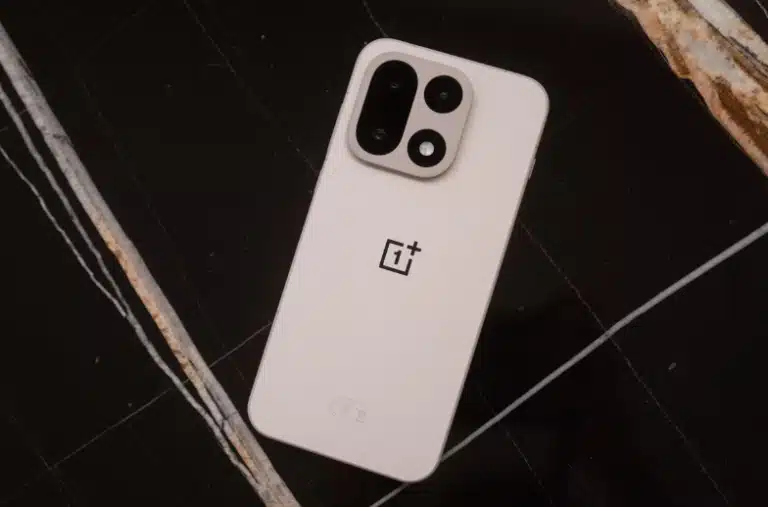
OnePlus 13 – Power meets efficiency
- Battery: 6,000 mAh (Silicon-carbon)
- Charging: 100W wired (Full in ~36 minutes), 50W wireless
- Estimated screen-on time: Over 19 hours in mixed use
The OnePlus 13 sets a new benchmark in battery innovation with its silicon-carbon battery—a technology that delivers higher energy density in a compact size. Coupled with the Snapdragon 8 Elite chip and an optimized OxygenOS, the phone comfortably lasts more than a full day on heavy use. Fast charging at 100W means you’re back to 100% in just over half an hour, making it an ideal device for both productivity and power users.
The Azadi Times
No state grants. No corporate lobby. Just ground‑truth reporting from Kashmir & beyond
You make this possible.
Samsung Galaxy S25 Ultra – Balanced flagship endurance
- Battery: 5,000 mAh
- Charging: 45W wired, 15W wireless (Qi2 compatible)
- Real-world usage: Up to 2 days with regular use
Samsung’s Galaxy S25 Ultra continues the company’s tradition of offering top-tier hardware with reliable battery life. Although its battery capacity is standard for flagship phones, Samsung’s adaptive refresh rate technology and power-efficient chipset allow the device to last longer than expected. Many users report up to two days of moderate use without needing a recharge, making it one of the most consistent performers in this segment.
ASUS ROG Phone 9 Pro – Built for gamers, powered for endurance
- Battery: 5,800 mAh
- Charging: 65W fast charging
- Usage performance: 12–14 hours of gaming, 20+ hours in general tasks
Designed primarily for gamers, the ROG Phone 9 Pro isn’t just about performance—it’s about staying powered for longer play sessions. Its massive battery and intelligent thermal management system allow extended gaming without rapid drain. For non-gaming use, the phone easily surpasses 20 hours of usage, making it one of the longest-lasting Android devices on the market today.
Apple iPhone 16 Pro Max – The longest-lasting iPhone ever
- Battery: 4,685 mAh
- Battery optimization: A18 Pro chip + iOS 18 enhancements
- Video playback time: Up to 33 hours
Apple’s iPhone 16 Pro Max might not boast the largest battery capacity, but its software-hardware integration is unmatched. The A18 Pro chip, built on a highly efficient architecture, works in harmony with iOS 18’s new power management features to deliver impressive longevity. According to independent lab tests, it can handle over 17 hours of continuous use and up to 33 hours of video playback, making it the best iPhone in terms of endurance to date.

iQOO Neo10 – Underrated performance with massive battery
- Battery: 6,100 mAh
- Charging: 120W wired fast charging
- Expected usage: 1.5 to 2 days on average
While not as well-known in Western markets, the iQOO Neo10 from vivo’s sub-brand is gaining attention for its unbeatable value. Its 6,100 mAh battery is one of the largest in any flagship-level phone, and its 120W fast charging system can refill the battery in just under 30 minutes. Though long-term performance testing is still ongoing, early reviews suggest the phone can easily last two full days under moderate to heavy usage.
Comparative Overview
Smartphone Battery Capacity Screen-On Time Charging Speed OnePlus 13 6,000 mAh 19–20 hours 100W (wired), 50W wireless Galaxy S25 Ultra 5,000 mAh 20–21 hours 45W wired ASUS ROG Phone 9 Pro 5,800 mAh 14–20 hours 65W wired iPhone 16 Pro Max 4,685 mAh 17–18 hours 30W (est.) iQOO Neo10 6,100 mAh 1.5–2 days 120W wired
Why Battery Life is Now a Primary Buying Factor
In previous years, display quality, camera performance, and processor speed dominated the smartphone conversation. But with increasing workloads and on-the-go lifestyles, battery life has become a top priority for many consumers. Key advancements include:
- High-density batteries: Silicon-carbon and dual-cell designs increase capacity without adding bulk.
- AI-based optimization: Intelligent background app management preserves power.
- Efficient chipsets: Snapdragon 8 Elite and Apple A18 Pro consume less power while delivering more performance.
- Adaptive refresh rates: LTPO displays reduce refresh rates during idle moments to save energy.
Who Should Buy What?
For gamers and power users: ASUS ROG Phone 9 Pro offers unmatched endurance for intensive tasks.
For flagship lovers: Galaxy S25 Ultra balances features and battery life impressively.
For Apple users: iPhone 16 Pro Max is the most battery-efficient iPhone ever made.
For value seekers: iQOO Neo10 delivers more battery per dollar than any competitor.
For all-around reliability: OnePlus 13 remains the most balanced device in terms of battery, performance, and charging speed.
The five smartphones outlined above stand out not only for their battery capacity but for how they integrate software, hardware, and user experience to deliver long-lasting performance. Whether you’re a professional on the move, a gamer, or a casual user, these devices represent the pinnacle of smartphone battery technology in 2025.
For more expert insights and mobile industry trends, follow our Technology section.