
Srinagar, Indian administered Kashmir: In a development raising fresh concerns over democratic rights and local autonomy in Jammu and Kashmir, Chief Minister Omar Abdullah and several senior cabinet members were reportedly placed under house arrest on Martyrs’ Day, a significant occasion in Kashmir’s collective memory. The move has sparked widespread condemnation across party lines and reinvigorated calls for the right to self-determination and local agency.
While security officials cited “law and order” concerns as justification for locking down parts of Srinagar and barring political leaders from visiting the Mazar-e-Shuhada, critics described the action as a “symbolic silencing” of the Kashmiri political voice—especially since those restrained are elected representatives under the Indian constitution.
“Today, the homes of elected legislators were locked from the outside. All to stop people from visiting a graveyard,” said Omar Abdullah on X (formerly Twitter), calling the move “shameful” and “a direct assault on democracy.”
Martyrs’ Day Observances Blocked
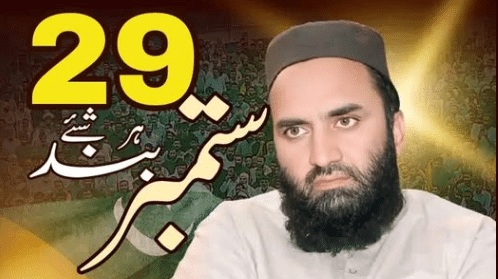
Martyrs’ Day (July 13) commemorates the killing of 22 Kashmiris by Dogra forces in 1931, a seminal moment in the region’s anti-autocratic struggle. Traditionally, it has been observed with solemn visits to the graveyard in Khawaja Bazar, Srinagar. The date had been a state holiday for decades—until it was removed from the official calendar following the revocation of Article 370 in August 2019.
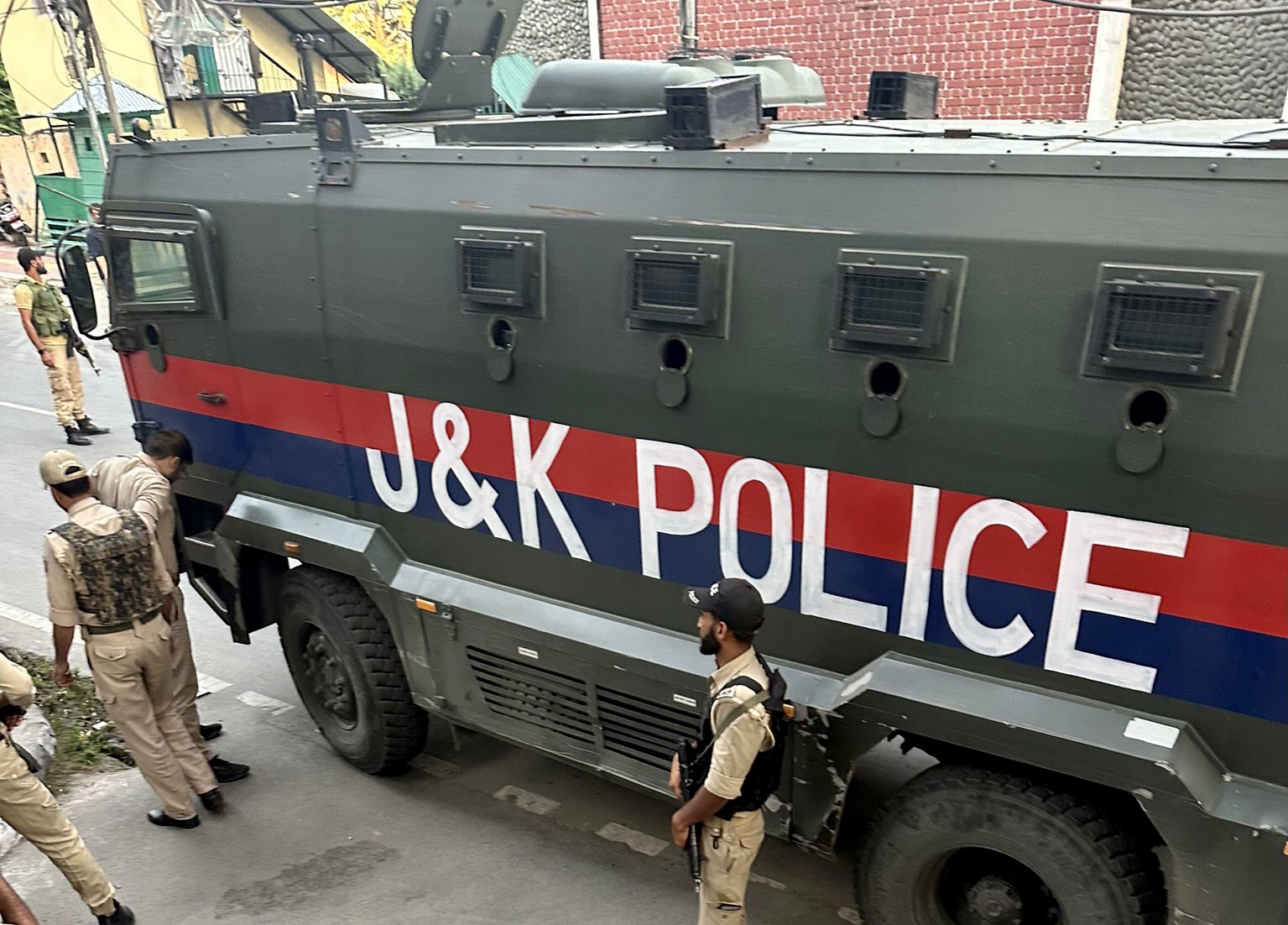
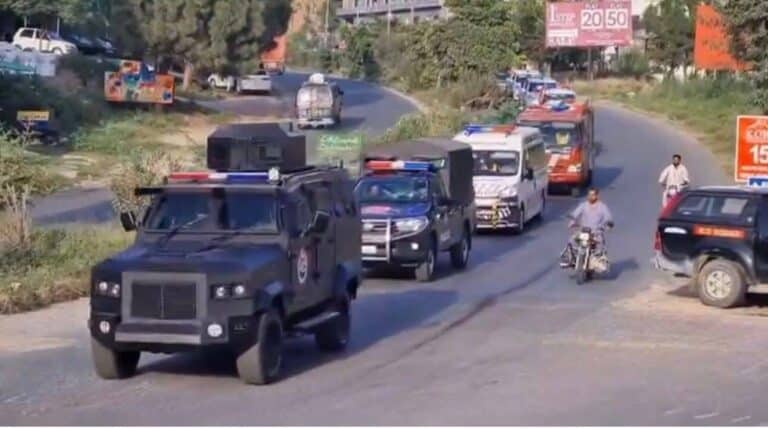
On Saturday, however, Srinagar resembled a city under siege. Roads leading to downtown were barricaded, mobile internet was slowed in some areas, and journalists faced access restrictions. The graveyard remained heavily guarded.
In addition to Abdullah, leaders from the PDP, People’s Conference, Apni Party, and Hurriyat Conference—including Mehbooba Mufti, Sajad Lone, Altaf Bukhari, and Mirwaiz Umar Farooq—were also reportedly confined to their homes. No formal detention orders were issued, and families claim the locks were placed from the outside without legal warrants.

National Versus Local Authority?
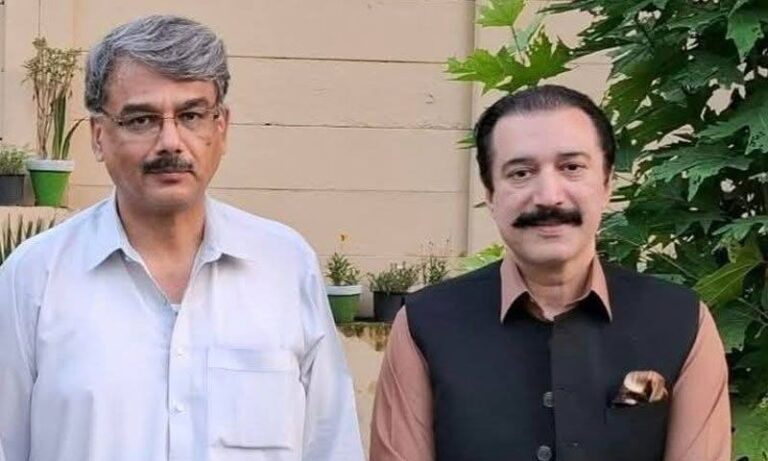
The detentions come amid heightened tensions between Jammu and Kashmir’s newly elected National Conference-led coalition and the central administration. While the elected Chief Minister derives his mandate from the Indian Constitution, much of the region’s real power continues to reside with unelected officials, notably the Lieutenant Governor and security establishment.
“This is not about party politics. It is about our democratic right to remember our history. When elected leaders can’t even visit a graveyard, it tells you who really holds power in this so-called democracy,” said a senior NC legislator.
Analysts say the incident reflects a deeper structural issue: a post-2019 governance model where even basic political expressions in Kashmir are subject to scrutiny, approval, or suppression by unelected bureaucrats.

BJP Response and Controversy
While local political figures and political parties decried the detentions, leaders of the Bharatiya Janata Party (BJP) doubled down on their opposition to Martyrs’ Day. BJP legislator Sunil Sharma controversially called the 1931 martyrs “traitors” and accused opposition parties of “rewriting history to support separatism.”
The statement drew sharp backlash across Kashmir. “They are not just attacking our past—they’re trying to erase it,” said a university professor in Srinagar, requesting anonymity.
Such comments have added fuel to an already volatile discourse about whose history gets preserved and whose memory gets censored. The government’s preference for observing Maharaja Hari Singh’s birthday—while suppressing Martyrs’ Day—has raised questions about historical revisionism.
The Broader Struggle for Political Space
The events of July 13 have once again highlighted the shrinking democratic space in Jammu and Kashmir. For many residents, the clampdown on Martyrs’ Day was not just an act of political control—it was a deeper reflection of the ongoing denial of self-representation.
Since the revocation of the region’s limited autonomy in 2019, the Kashmiri leadership has repeatedly called for restoration of statehood, reinstatement of special status, and recognition of the right to self-determination as promised under international frameworks.
Yet even modest demands—such as public remembrance or peaceful assembly—are being met with resistance. “We are not even asking for independence in this moment,” said a senior political figure. “We are asking to remember our dead without being treated like criminals.”
Why This Matters Internationally
As the Kashmir conflict enters a new era—where elections occur under significant restrictions and elected voices are sidelined—the international community must reckon with the contradiction between stated democratic processes and their on-the-ground implementation.
The denial of Martyrs’ Day observances, particularly through extralegal house arrests of elected leaders, serves as a stark reminder: without meaningful self-governance, elections risk becoming symbolic rather than substantive.