
Before dawn broke over the Persian Gulf, the markets already knew something was wrong.
In Singapore, traders leaned closer to glowing screens. In London, analysts refreshed crude futures before their first coffee. In New York, phones vibrated on bedside tables with alerts that no investor likes to see before sunrise.
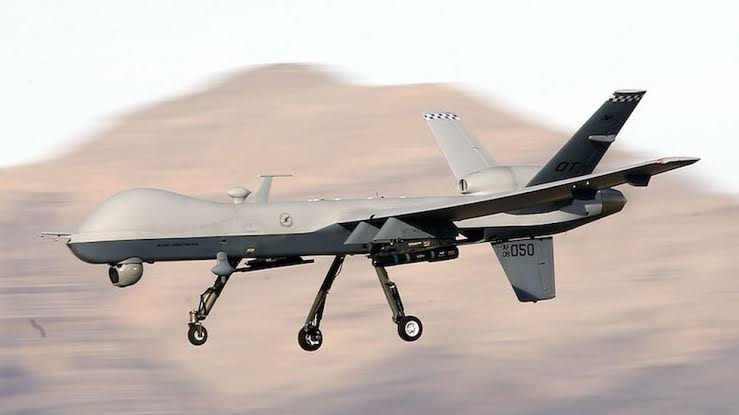
By mid-morning, the headline was everywhere: the United States had carried out military strikes against Iranian targets. At the center of the decision stood a familiar and polarizing figure — Donald Trump.

The Azadi Times
No state grants. No corporate lobby. Just ground‑truth reporting from Kashmir & beyond
You make this possible.
Within minutes, oil prices jumped.
But this was never just about oil.
The Night the Temperature Rose
Officials described the operation as a targeted strike on Iranian military infrastructure — missile facilities, strategic sites, assets deemed threatening to regional stability. Washington framed it as a necessary act of deterrence. Tehran called it aggression.
The geography of the crisis is not new. The Gulf has long been a corridor of power projection, ideology, energy, and ambition. Yet every confrontation feels different when it unfolds in real time — when algorithms respond before diplomats do.
Military analysts began mapping scenarios. Would Iran retaliate directly? Through proxies? Through economic levers? Would escalation be controlled — or contagious?
History suggests that conflicts in this region rarely remain isolated events.
Why This Moment Matters
Tensions between Washington and Tehran have simmered for months. Nuclear oversight talks stalled. Sanctions pressure intensified. Military assets shifted quietly across strategic waters.
When confirmation of the strikes came, it signaled that diplomacy had, at least temporarily, given way to force.
From the White House perspective, the objective was deterrence — a calculated message designed to redraw red lines. From Iran’s vantage point, the calculus is equally strategic: respond too weakly and lose leverage; respond too strongly and risk regional war.
Between those two calculations lies global uncertainty.
Oil: The First Casualty of Uncertainty
Energy markets react faster than governments.
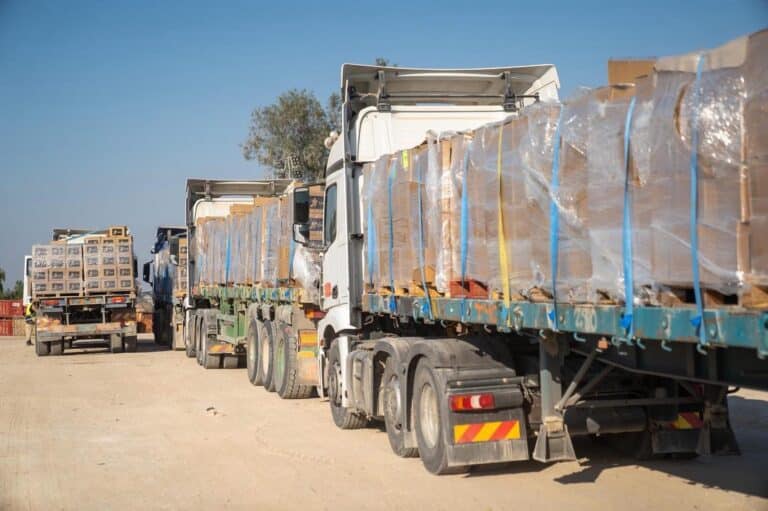
The Middle East supplies a significant portion of the world’s crude oil. Even the perception of disruption — especially near the Strait of Hormuz, through which a large share of global oil shipments pass — is enough to move billions of dollars within minutes.
Traders quickly priced in risk premiums.
The logic is simple:
If shipping lanes are threatened, supply tightens.
If supply tightens, prices rise.
If prices rise, inflation follows.
For energy-importing nations already navigating fragile recoveries, higher oil prices translate into:
Increased transport costs
Pressure on national currencies
Strain on foreign reserves
Higher food and commodity prices
Markets are not reacting to what has happened. They are reacting to what might happen next.
The Iranian Question: Measured Retaliation or Strategic Escalation?
Iran’s response will shape the next chapter.
Tehran has historically favored calibrated responses — actions that demonstrate strength without inviting overwhelming retaliation. But regional politics are layered. Allies, militias, shipping routes, cyber capabilities — each becomes a potential pressure point.
The decision-makers in Tehran understand the global stakes. So do policymakers in Washington.
The greatest risk in moments like this is not intent — it is miscalculation.
A Region Holding Its Breath
Across the Middle East, governments are watching carefully. Energy infrastructure, financial markets, and shipping networks are interconnected in ways that make localized conflict increasingly rare.
Europe fears sustained energy volatility. Asian economies worry about supply disruptions. Emerging markets brace for currency instability.
Meanwhile, defense analysts quietly discuss scenarios once considered remote:
Expanded air campaigns
Maritime confrontations
Cyber escalation
Broader regional involvement
Even if none of these materialize, the possibility alone reshapes strategic planning.
The Political Dimension
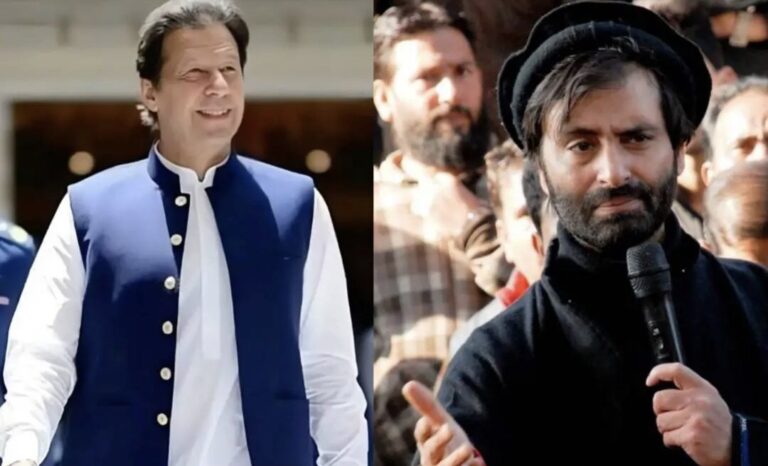
For President Trump, the move reinforces a long-standing posture of assertive deterrence. Supporters may frame it as decisive leadership. Critics may warn of escalation.
But beyond domestic politics lies a larger truth: global leadership carries global consequences.
Every military action in the Gulf echoes across continents — not only through headlines, but through fuel prices, stock exchanges, and diplomatic corridors.
What This Means for South Asia and Emerging Economies
For countries like Pakistan and others dependent on imported energy, the implications are immediate and practical.
Higher oil prices mean:
More expensive electricity generation
Increased transportation costs
Inflationary pressure on everyday goods
Fiscal strain on governments managing tight budgets
The ripple effects move from oil tankers to grocery shelves faster than most realize.
A World Watching the Next Move
As night falls again over the Gulf, the world waits.
Will this remain a limited strike — a sharp but contained signal?
Or will it mark the beginning of a broader confrontation?
Geopolitics is often described as a chessboard. But unlike chess, the pieces in the Middle East are not static. They are economic systems, energy networks, and millions of ordinary lives connected to global supply chains.
When missiles fly, markets tremble.
When oil shifts, economies strain.
When superpowers act, history adjusts.
This moment may pass quickly — or it may define the strategic landscape of 2026.
For now, the Gulf remains tense, oil remains elevated, and the world remains alert.
Because in the modern era, no conflict is truly regional. And no shock stays local for long.