

Step into a salon in New York, a nail bar in Seoul, or a beauty spa in Lagos, and you’ll find yourself in the world of cosmetology. But what is cosmetology, and why has it become one of the fastest‑growing industries worldwide?
At its simplest, cosmetology is the study and professional practice of beauty care. It encompasses hair, skin, makeup, nails, and spa treatments. Yet beyond the surface, cosmetology reflects cultural ideals of beauty, drives global fashion, and provides livelihoods for millions. From Cleopatra’s kohl‑lined eyes to today’s AI‑driven skincare apps, cosmetology is as much about history and identity as it is about appearance.
The Meaning of Cosmetology
The word itself comes from the Greek kosmetikos, meaning “skilled in adornment.” In modern terms, cosmetology refers to both the science and art of enhancing appearance.

The Azadi Times
No state grants. No corporate lobby. Just ground‑truth reporting from Kashmir & beyond
You make this possible.
It is often confused with related fields. Dermatology, for instance, is medical and deals with skin diseases, while estheticians specialize in skincare. Cosmetologists, by contrast, train to provide a broader range of services — from hair coloring to nail design — that blend artistry with technical skill.
Beauty rituals have deep roots in human history. In ancient Egypt, men and women used kohl to line their eyes and henna to dye their hair. In India, Ayurveda prescribed turmeric and herbal oils for glowing skin. In Greece and Rome, oils, perfumes, and elaborate hairstyles were tied to wealth and social status.
The profession took on a more formal identity in the 20th century, as beauty schools spread across Europe and the United States, regulations were introduced, and global brands emerged. By the 21st century, cosmetology had transformed into a structured career path — one that spans local salons, high fashion, and even the film industry.



Cosmetology is not a single discipline but a collection of specialties that together define modern beauty culture.
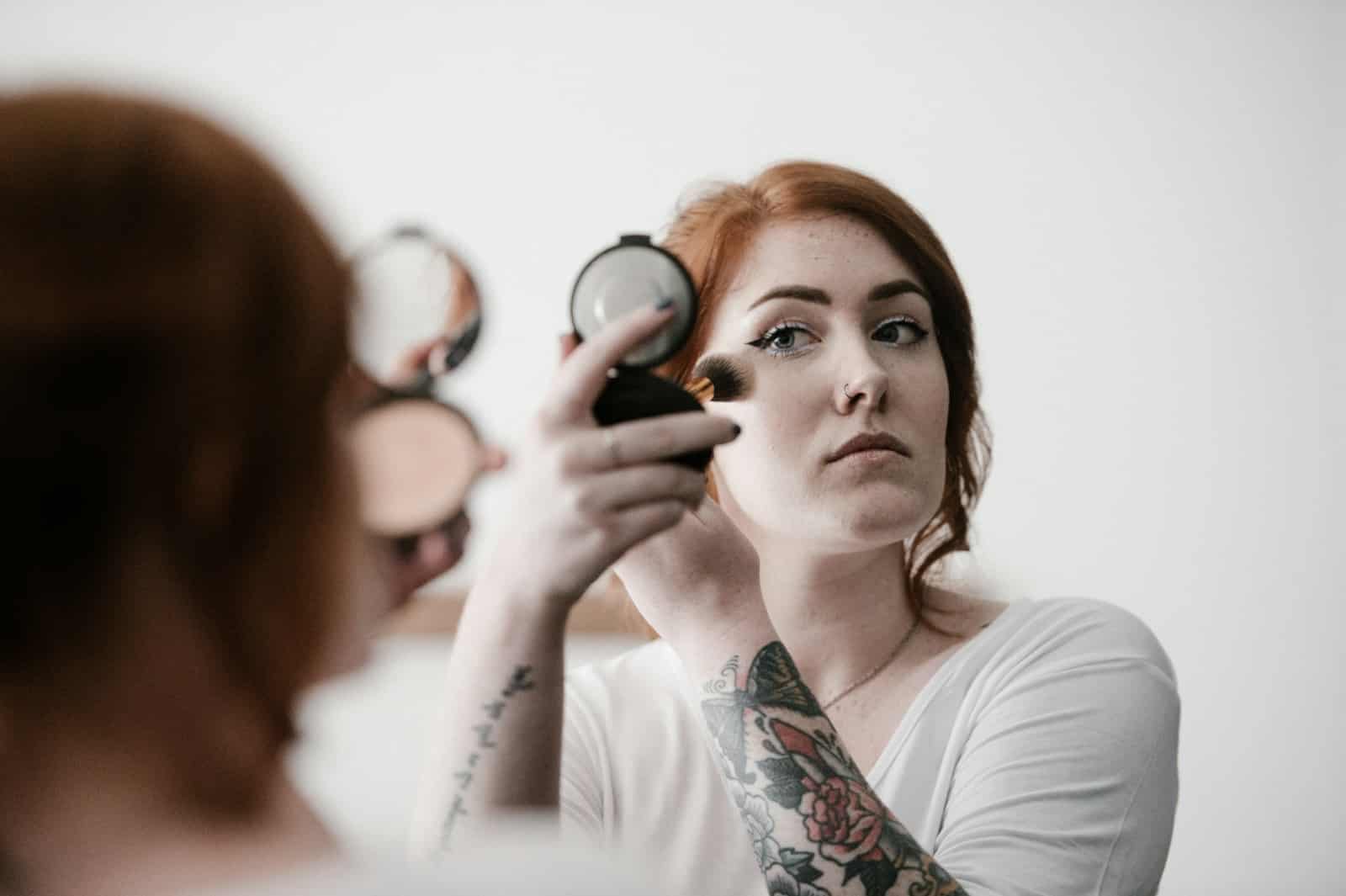
In hair salons, cosmetologists cut, color, and style hair, often using chemical treatments to create dramatic transformations. In skincare, they perform facials, exfoliations, and non‑medical treatments that promise rejuvenation. Makeup artistry ranges from everyday looks to high‑fashion editorials and film special effects. Nail aesthetics, too, have grown into a global trend, with intricate designs and techniques like gel polish dominating markets.
The spa and wellness sector reflects another dimension: massage, aromatherapy, and holistic treatments that blur the line between beauty and health.

To practice, most cosmetologists undergo structured training at specialized schools. In the United States, this usually means between 1,000 and 2,000 hours of coursework followed by a state licensing exam. In the UK, National Vocational Qualifications (NVQs) in beauty therapy provide certification. India and other parts of Asia rely on a mix of private academies and government‑backed diploma programs, while Australia and Canada follow similar regulatory models.
Courses typically include anatomy, chemistry of beauty products, hygiene practices, and business management, preparing graduates not only to work with clients but also to run their own salons.
Life as a Cosmetologist
What does a cosmetologist do in practice? The work is varied and often creative: cutting and styling hair, performing facials, designing bridal makeup, or creating looks for film sets. Some enter the fashion industry, working backstage at runway shows. Others freelance, building personal brands on social media.
The pay scale reflects this diversity. In the United States, the average cosmetologist earns about $30,000 a year, though high‑profile stylists and celebrity makeup artists command much higher fees. In countries like India, entry‑level earnings are modest, but the profession is expanding rapidly in urban markets. Globally, the beauty and personal care industry was valued at $579 billion in 2023 and continues to grow.
Cosmetology looks different across regions. In the United States and Europe, it is tied closely to fashion and individuality. In Asia, South Korea and Japan lead innovations in skincare, while India blends traditional Ayurvedic practices with modern beauty trends. Across Africa, hair care — particularly braiding and natural hair styling — is not just a business but also a cultural practice. In the Middle East, luxury services thrive, reflecting both tradition and wealth.
These regional differences shape not only consumer demand but also the skills and services cosmetologists must master.
While cosmetology fuels creativity and self‑expression, it also attracts criticism. The industry is often accused of reinforcing unrealistic beauty standards, contributing to pressure and insecurity, particularly among women and young people.
There are also concerns about hygiene and safety. Poor training or unregulated salons can expose clients to infections or chemical burns. In some countries, a lack of formal licensing means anyone can call themselves a cosmetologist, creating risks for consumers. Environmental critics also point to waste and pollution caused by beauty products and packaging.
Despite challenges, the industry shows no signs of slowing down. The future of cosmetology is shaped by two major forces: sustainability and technology. Eco‑friendly packaging, cruelty‑free testing, and plant‑based ingredients are gaining global momentum. At the same time, digital innovation is reshaping services — from AI apps that analyze skin to virtual reality makeup try‑ons.
As cultural definitions of beauty evolve toward inclusivity and diversity, cosmetology is set to remain both an art form and a livelihood for millions worldwide.
So, what is cosmetology? It is far more than a salon service or a makeup trend. It is a global profession rooted in history, shaped by culture, and constantly evolving with science and technology. For some, it is a path to creative expression. For others, it is a means of livelihood. For societies, it is a mirror reflecting how beauty is defined, challenged, and reimagined.