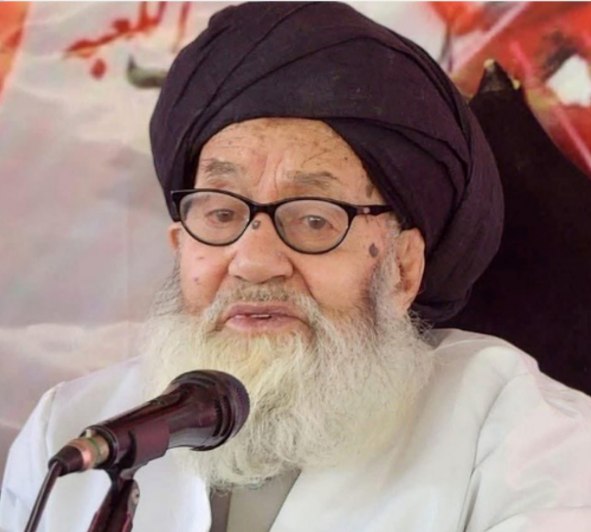

Srinagar, J&K (Indian administered Kashmir): A social media post attributed to a self-proclaimed “Kashmir Army Chief” based in Rawalakot has gone viral, dismissing Indian allegations of Kashmiri involvement in recent cross-border tensions and calling for an end to “India’s oppression” in the disputed region. The post, widely shared across platforms, claims Kashmiris are “peaceful people” with no connection to militant activities, while accusing India of “conspiring to defame” the population by creating instability.
The unsigned statement, circulating under the hashtag #KashmirArmyChief, asserts: “India and Pakistan must focus on peace instead of blaming Kashmiris. India must stop its tyranny in occupied Kashmir. Kashmiris are victims, not perpetrators.” It further claims that residents of Jammu and Kashmir have “no link to attacks” often blamed on the region.
Context: Kashmir’s Disputed Status and the “Army” Question
The post reignites debates over Kashmir’s geopolitical reality. Historically, the Himalayan region is claimed in full by India and Pakistan and partially administered by China, with no internationally recognized independent military force. Analysts note that references to a “Kashmir Army” or its “chief” lack institutional legitimacy, as the region’s security remains under the control of Indian, Pakistani, or Chinese forces depending on the area.

“There is no independent Kashmir Army. This rhetoric reflects frustration among some Kashmiris over being caught in geopolitical crossfire,” said Srinagar-based political analyst Ayesha Malik.
Social Media Reactions and Public Sentiment
The viral post has drawn mixed reactions. Many users praised its emphasis on Kashmiri civilian suffering, while others criticized it as “misleading.” Hashtags like #KashmirArmy and #KashmirPeaceNow trended, with comments ranging from calls for UN intervention to accusations of propaganda.
“This ‘Army Chief’ is a myth, but the pain is real. Kashmiris are tired of being scapegoats,” wrote one user. Another countered: “Who is this so-called chief? This is just Pakistan’s narrative.”

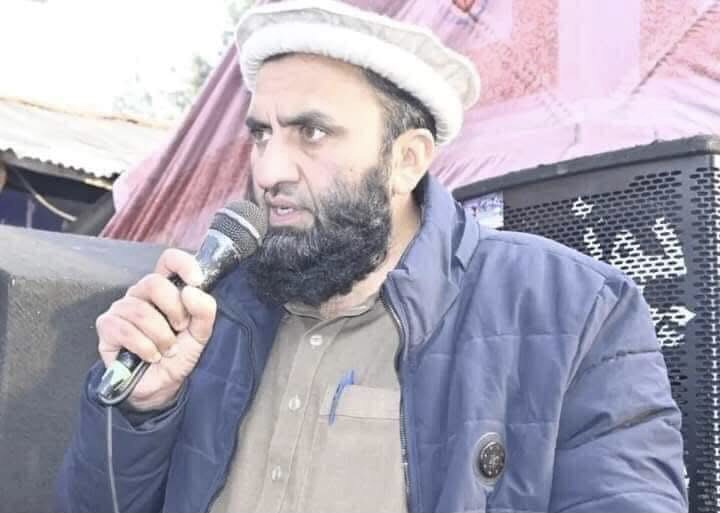

Background: Rising Tensions and Accusations
The post follows renewed India-Pakistan hostilities along the Line of Control (LoC), and in Phalgam and with both sides trading blame for ceasefire violations. India frequently accuses Pakistan of harboring militants who launch attacks in Jammu and Kashmir, a claim Islamabad denies. Meanwhile, Kashmiris in Indian-administered territories continue to face heavy militarization, restrictions, and allegations of human rights abuses.
The Bigger Picture
While the “Kashmir Army Chief” post lacks formal authority, it underscores growing grassroots anger over the region’s unresolved status and the humanitarian toll of prolonged conflict. With no independent military entity, Kashmiris remain reliant on diplomatic channels or viral campaigns to amplify their voices.
(Note: This article contextualizes the viral post as a social media phenomenon, not an official statement. References to a “Kashmir Army” or its “chief” reflect online discourse, not recognized entities. The status of Jammu and Kashmir remains disputed under international law.)