
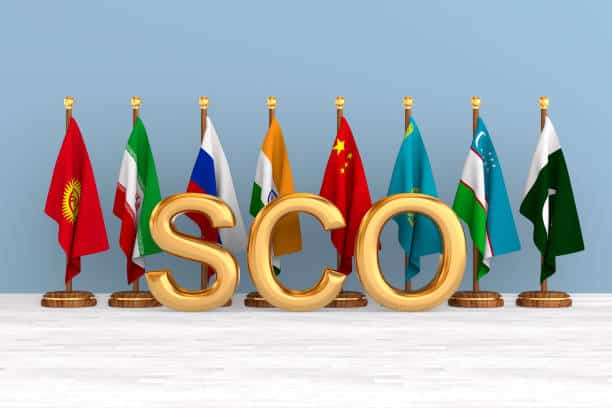

Tianjin, China – September 2025 – The 2025 Shanghai Cooperation Organisation (SCO) Summit convened in Tianjin, China, gathering heads of state and government from the organization’s ten member states, including China, Russia, India, Pakistan, and the Central Asian republics. As one of the most anticipated diplomatic events in Eurasia, the summit focused on regional security, economic cooperation, and broader geopolitical stability, while also addressing emerging technological, energy, and security challenges.
The SCO, established in 2001, has evolved from a regional security organization into a multifaceted intergovernmental body addressing political, economic, and security cooperation. The 2025 summit in Tianjin, hosted by Chinese President Xi Jinping, marked a significant moment for the bloc, demonstrating China’s growing influence in Eurasian diplomacy and global governance.
Understanding the SCO and Its Significance
The Shanghai Cooperation Organisation is composed of China, Russia, India, Pakistan, Kazakhstan, Kyrgyzstan, Tajikistan, and Uzbekistan, with Iran joining as a full member in recent years. SCO observer states and dialogue partners, including Afghanistan, Mongolia, and Belarus, regularly attend summits and consultations, highlighting the bloc’s increasing regional and international relevance.

The Azadi Times
No state grants. No corporate lobby. Just ground‑truth reporting from Kashmir & beyond
You make this possible.
Read Also: Indian Police Investigate Khalistani Flag Threat at Upcoming G20 Summit in Delhi
The organization was originally founded to address mutual security concerns, particularly terrorism, separatism, and extremism, in the wake of post-Cold War instability in Central Asia. Over the years, its agenda expanded to include economic cooperation, trade facilitation, cultural exchanges, and technology partnerships. The SCO summit serves as the highest decision-making forum, where leaders set strategic priorities, launch regional initiatives, and coordinate policies on matters affecting member states.
SCO’s relevance in global geopolitics has grown in recent years, particularly as major powers such as China and Russia seek alternatives to Western-led multilateral forums. The organization’s strategic importance lies in its ability to serve as a platform for dialogue among major Eurasian powers while addressing regional security and economic development.


Attendance and Key Participants
The 2025 Tianjin Summit brought together top leadership from SCO member states.
China: President Xi Jinping hosted the summit, emphasizing China’s role as a regional power and promoting the vision of a multipolar global order. Xi outlined several strategic initiatives, including technological collaboration and financial support for SCO member nations.
Russia: President Vladimir Putin attended, signaling Moscow’s continued influence in Eurasian security matters and supporting multilateral cooperation in the region.
India: Prime Minister Narendra Modi represented New Delhi, focusing on economic cooperation and regional stability. India’s participation underscored its ongoing engagement in SCO frameworks despite bilateral tensions with Pakistan.
Pakistan: Prime Minister Shehbaz Sharif attended, raising the Kashmir issue within the context of self-determination, a point that drew international attention.

Other member states sent senior leadership, ministers, and delegates to participate in sessions on trade, infrastructure development, counterterrorism, and technological collaboration. Observer and dialogue partner nations also contributed, reflecting the summit’s role as a key diplomatic platform for Eurasia and beyond.
Key Strategic Initiatives Announced
One of the summit’s most notable aspects was China’s series of strategic initiatives aimed at enhancing regional cooperation and asserting its influence.
SCO Artificial Intelligence Cooperation Centre: China announced the establishment of an AI centre to facilitate technological research, shared resources, and collaborative projects among SCO member states. This initiative reflects Beijing’s ambition to leverage AI for regional economic development and governance.
Financial Support: China pledged $280 million in free aid and $1.4 billion in loans through the SCO banking consortium to member nations, signaling a commitment to fostering economic growth and regional integration.
Infrastructure and Energy Collaboration: The summit highlighted infrastructure connectivity projects, energy partnerships, and trade facilitation mechanisms designed to strengthen intra-regional commerce and strategic interdependence.
These initiatives emphasize the summit’s focus on economic integration, technological collaboration, and regional stability, making it a critical platform for China’s geopolitical strategy.
Geopolitical Messaging and Global Context
President Xi Jinping used the summit as a platform to communicate broader geopolitical messaging. Emphasizing a multipolar world order, he criticized what he called “bullying countries,” widely interpreted as a subtle reference to U.S. foreign policy. Xi’s statements highlight China’s ongoing efforts to assert global leadership while promoting Eurasian cooperation through the SCO framework.
For Russia, the summit reinforced its continued relevance in regional security and energy politics. Russia’s participation also underscored the bloc’s ability to balance influence among its major members. India’s engagement reflected a careful strategy to remain an active participant despite bilateral challenges, including ongoing tensions with Pakistan.
Kashmir Issue in SCO Context
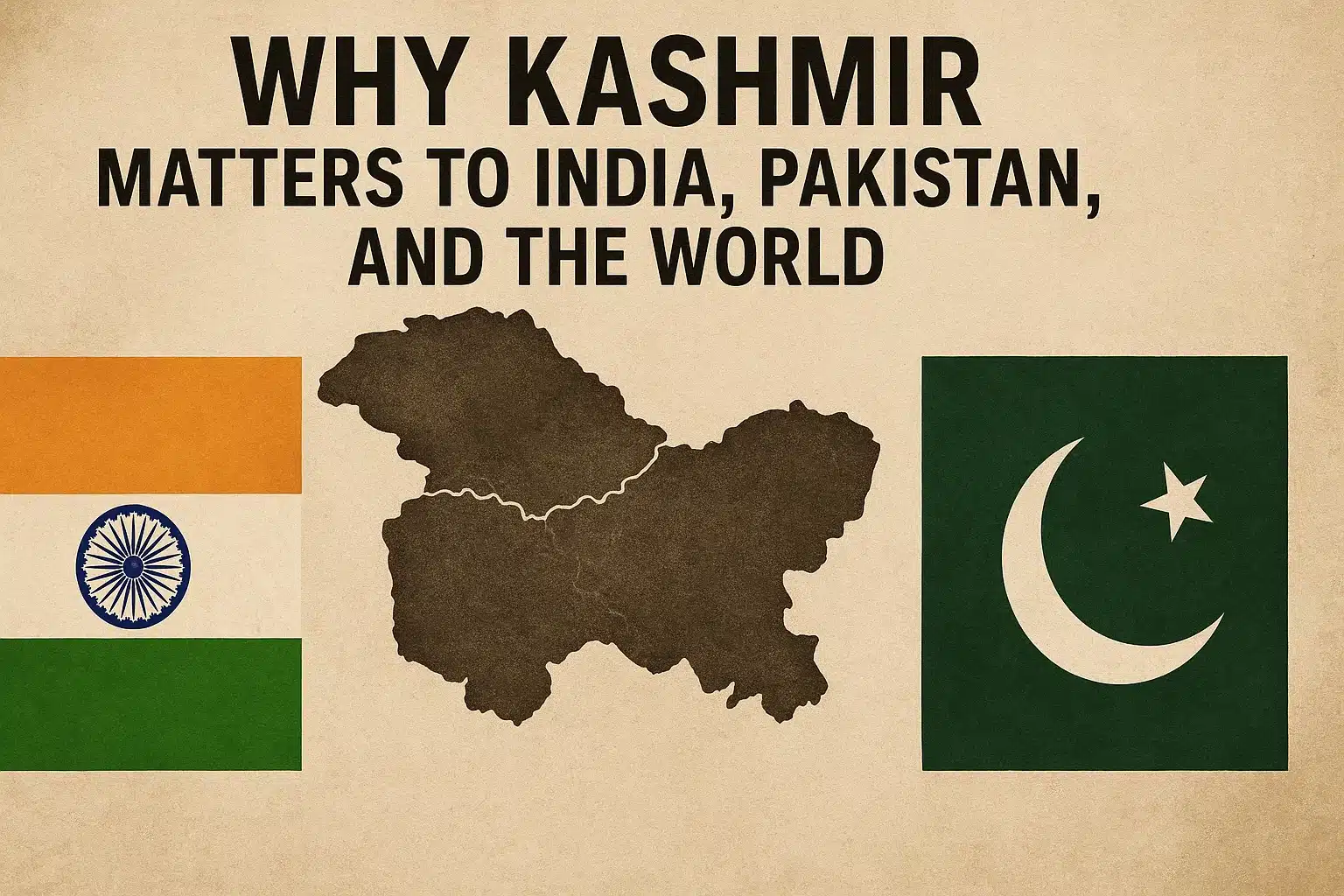
Although the SCO primarily focuses on regional cooperation and security, the Kashmir issue surfaced during the 2025 summit. Pakistan’s Prime Minister Shehbaz Sharif raised the matter in terms of the region’s right to self-determination, bringing international attention to the decades-old conflict.
This intervention, however, drew criticism from Kashmiri political organizations. By framing the issue as a bilateral matter with India, Pakistan’s approach contradicts longstanding United Nations resolutions advocating for Kashmiri self-determination. The Jammu Kashmir Joint Awami Action Committee (JAAC) described Pakistan’s move as a betrayal of Kashmiri aspirations, warning that it undermines the struggle for freedom. Similarly, the United Kashmir Peoples National Party (UKPNP) called Pakistan’s approach “non-serious” and argued that it diminishes Kashmir’s international profile.
“Pakistan’s attempt to make Kashmir a bilateral issue with India ignores the will of the Kashmiri people and damages the legitimacy of their struggle for self-determination,” said a spokesperson for JAAC.
While Kashmir attracted attention, the summit largely remained focused on broader SCO objectives, including economic development, counterterrorism, and regional stability. Analysts noted that SCO’s lack of a formal dispute-resolution mechanism limits its capacity to mediate conflicts like Kashmir, though the platform enables dialogue and international visibility for the issue.
SCO and Regional Security
Security cooperation remains at the heart of the SCO’s mandate, and the 2025 summit highlighted this focus through multiple initiatives. Member states exchanged intelligence and coordinated efforts to combat extremism and cross-border terrorism, reinforcing a collective approach to regional security. In addition, the summit encouraged joint military exercises and defense collaboration, aiming to enhance preparedness and interoperability among member nations. Recognizing the growing threat of cyberattacks, SCO members also discussed strategies to protect critical infrastructure, safeguard data, and secure technology networks. These measures collectively reflect the organization’s commitment to stability, ensuring that economic initiatives and strategic projects are supported by a robust security framework.
Economic and Trade Dimensions
Economic integration was a central agenda at the summit, with leaders emphasizing the importance of regional connectivity and cooperation. Policies to reduce trade barriers, harmonize regulations, and facilitate commerce were discussed, aiming to strengthen economic ties between member states. Energy partnerships, including initiatives in oil, gas, and renewable energy, were explored to ensure sustainable and secure energy supplies across the region. Infrastructure development was another key priority, with plans for rail networks, transport corridors, and cross-border projects designed to promote intra-regional commerce and development. China’s financial commitments, combined with technological initiatives, underscore the SCO’s evolving role as a platform for economic collaboration that extends well beyond traditional security concerns.
Member States’ Perspectives
Each member state approached the 2025 SCO Summit with its own set of priorities, reflecting the diverse political and economic landscape of the organization. China, as the host nation, sought to consolidate its influence across Eurasia by projecting itself as both a technological innovator and an economic leader. Its proposals for artificial intelligence collaboration, financial assistance, and infrastructure investments highlighted Beijing’s vision of the SCO as a platform for advancing multipolar global governance under Chinese leadership.
Russia, meanwhile, concentrated on matters of security and strategic balance. For Moscow, the SCO remains a valuable forum to counter Western pressure and maintain its geopolitical presence in Central Asia and South Asia. Russian President Vladimir Putin underscored the importance of joint military coordination and energy partnerships, reflecting Russia’s role as both a security guarantor and a major energy supplier in the region.
India entered the summit with a careful balancing act. While New Delhi reaffirmed its commitment to regional cooperation, its participation was shaped by bilateral sensitivities, particularly its tense relationship with Pakistan. India’s focus on connectivity and trade was designed to strengthen its role within the organization, while avoiding entanglement in disputes that could overshadow the SCO’s broader agenda.
Pakistan, on the other hand, used the summit as an opportunity to raise the issue of Kashmir, framing it in the context of self-determination. While Islamabad’s intervention attracted international attention, critics within Kashmir argued that Pakistan’s approach—treating the matter as a bilateral dispute with India—contradicts the spirit of United Nations resolutions. Beyond Kashmir, Pakistan also expressed interest in infrastructure and trade initiatives, signaling its desire to benefit from SCO-led economic integration.
The Central Asian nations, including Kazakhstan, Kyrgyzstan, Tajikistan, and Uzbekistan, emphasized the need for development projects, infrastructure investments, and stronger trade links. For these smaller members, the SCO provides a critical platform to engage with larger powers while advancing their own national development goals. Observer and dialogue partner states echoed this interest, expressing readiness to take part in economic and regional collaboration initiatives. Their participation underscored the growing appeal of the SCO as a forum not just for major powers but also for nations seeking alternatives to Western-led financial and political institutions.
Media and International Reactions
The 2025 SCO Summit drew extensive media coverage, with global outlets closely analyzing both the symbolic and practical outcomes of the gathering. International reporting highlighted China’s growing influence in Eurasian geopolitics, noting that Beijing’s financial commitments and leadership in technological cooperation cement its position as the driving force behind the SCO. Analysts described China’s role as an attempt to position itself as the architect of a new multipolar order, challenging Western dominance in multilateral diplomacy.
Coverage also emphasized the SCO’s role in shaping regional security and economic policies, pointing to agreements on counterterrorism, infrastructure development, and energy partnerships as key outcomes. The summit was framed as evidence that Eurasian states are increasingly turning towards one another for cooperation, rather than relying solely on Western-led platforms.
However, Pakistan’s decision to raise the Kashmir issue as a matter of self-determination did not go unnoticed. While Islamabad succeeded in bringing attention to Kashmir on the international stage, many Kashmiri nationalist groups criticized the move, arguing that Pakistan’s narrative reduces the conflict to a bilateral dispute with India. This contradiction sparked debate in the media, with some outlets questioning the credibility of Pakistan’s position.
International analysts were divided in their assessments. Some argued that the SCO’s growing prominence demonstrates its value as an alternative multilateral forum, offering a space for dialogue and development outside Western influence. Others, however, cautioned that unresolved conflicts like Kashmir reveal the structural limitations of the SCO, which lacks mechanisms for formal dispute resolution. Critics warned that without addressing such fundamental challenges, the organization risks being seen as a platform for economic deals rather than a true peace-building institution.
The 2025 SCO Summit in Tianjin served as a reminder of how far the organization has come since its inception nearly a quarter of a century ago. What began as a regional security grouping has now evolved into a multidimensional platform that seeks to balance security imperatives with economic integration, technological cooperation, and political dialogue. China’s leadership, underscored by its financial pledges and technological initiatives, demonstrated that Beijing now views the SCO not just as a diplomatic stage but as a cornerstone of its Eurasian strategy.
Yet, the summit also revealed the organization’s limitations. While discussions around counterterrorism, cybersecurity, and trade integration showcased the SCO’s growing capabilities, the brief mention of Kashmir highlighted the challenges of managing unresolved disputes within such a diverse bloc. For many observers, the inability of the SCO to meaningfully engage with or mediate on such conflicts underlines its structural weakness: it is a forum for dialogue and cooperation, but not a mechanism for dispute resolution. This tension between ambition and constraint will likely continue to define the SCO’s trajectory.
Looking ahead, the organization’s success will depend on its capacity to translate lofty commitments into tangible outcomes. Whether through joint infrastructure projects, coordinated security measures, or technological partnerships, the SCO must prove that it can deliver benefits for both major powers and smaller member states alike. Its future relevance will also hinge on its ability to adapt to emerging global challenges—climate change, artificial intelligence, and shifting trade patterns—that go beyond traditional security concerns.
For Eurasia, the stakes are high. The SCO now represents a collective weight that spans more than half of humanity and some of the fastest-growing economies in the world. If the bloc can continue to strengthen cooperation without being paralyzed by bilateral disputes, it has the potential to shape the geopolitics of the region for decades to come. The Tianjin summit reaffirmed this possibility, signaling that the SCO is no longer a marginal security club but an increasingly dynamic forum influencing the political and economic future of Eurasia.