
KUPWARA, Indian Administered Kashmir – Ahmad Mir, a trekking guide with eyes that have memorised these mountains, offers a quiet correction to the typical tourist’s perspective. “Kashmir is not a destination,” he says, gazing towards a horizon of endless peaks. “It’s a feeling — one you only understand when you walk the valleys where even phone signals refuse to follow.”
As global travel in 2025 evolves beyond crowded checkpoints and curated Instagram posts, a new yearning emerges for authenticity, for silence, for connection. This shift finds its perfect answer in the hidden corners of Kashmir, a land long celebrated for its beauty, yet still guarding profound secrets far from the well-trodden paths of Gulmarg and Dal Lake.
These are places where time is measured in seasons, not schedules, and where the landscape tells stories older than borders. For the discerning traveller looking towards 2026, here are ten hidden destinations that represent the soul of a Kashmir the world seldom sees.
The Azadi Times
No state grants. No corporate lobby. Just ground‑truth reporting from Kashmir & beyond
You make this possible.
1. Bangus Valley: The Untouched Amphitheatre
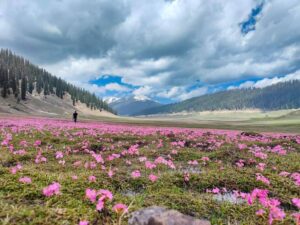
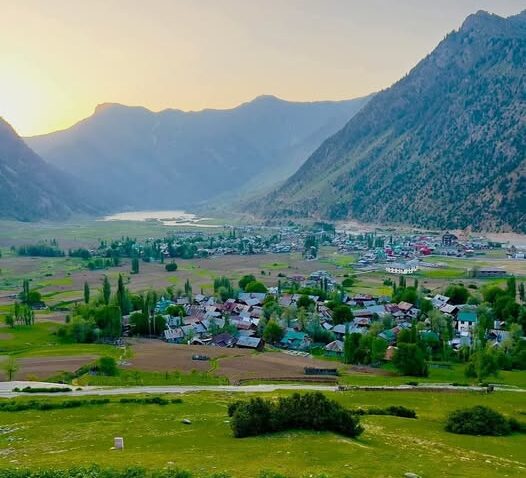
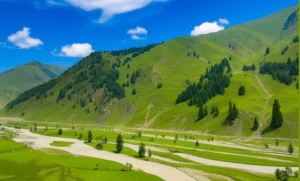
Tucked away in the northern Kupwara district, the Bangus Valley is a vast, green symphony of rolling meadows, dense pine forests, and snow-dusted ridges. It remains one of Kashmir’s most pristine ecosystems, largely untouched by commercial tourism.
The valley’s magic lies in its profound silence, broken only by the whisper of the wind and the distant bells of grazing sheep. During summer, its slopes transform into a carpet of wildflowers, glowing under the soft, golden light of the setting sun.
The 2026 Outlook: A nascent eco-tourism model is emerging, with locals offering homestays and guided camping. The traveller’s challenge and privilege is to visit responsibly, leaving no trace.


![Top Keran Azad Kashmir Hotels: Best Stays, Attractions & Travel Guide [2025]](https://azaditimes.com/wp-content/uploads/2025/03/img_6333-1-e1749287768809-768x663.jpg)
2. Gurez Valley: The Poet’s Refuge
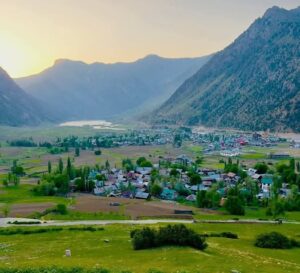
Guarded by the roaring Kishanganga River and the formidable Razdan Pass, Gurez is a world unto itself. This valley, named for the 16th-century poet-queen Habba Khatoon, feels like a living archive of Kashmiri culture. Its distinct wooden houses, with intricately carved windows, cling to steep hillsides.
Life here moves with a gentle, timeless rhythm. The absence of reliable internet is not an inconvenience but an invitation to truly disconnect and engage with a community whose warmth is as palpable as the mountain air.
When to Go: The narrow window from late June to September, once the high-altitude passes clear, is your gateway to this remote paradise.
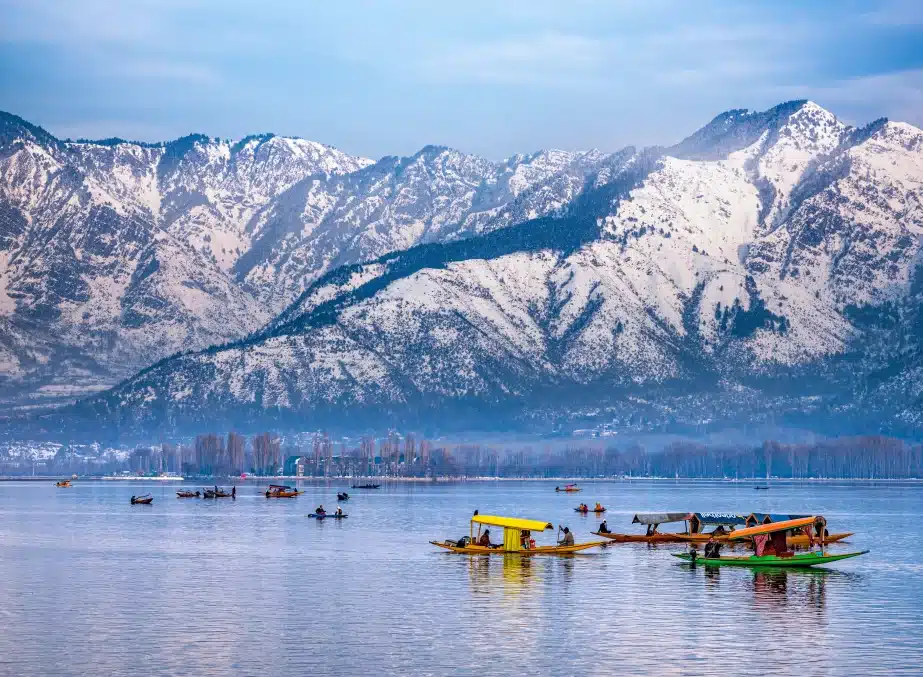
3. Lolab Valley: The Orchard of Legends
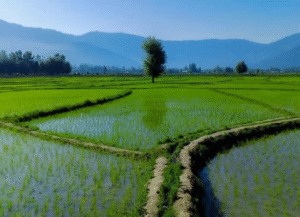
Known poetically as Wadi-e-Lolab (the Valley of Love), this region is a cradle of folklore and fertile orchards. Its landscapes—a harmonious blend of deodar forests, gushing streams, and quaint villages—are straight out of a classic tale.
The valley is also home to the enigmatic Kalaroos Caves, a network of tunnels shrouded in local legend, some claiming they are secret passages that lead straight to Central Asia.
Insider’s Advice: Opt for a homestay. The oral histories shared by families over a cup of Kahwa are as valuable as any guidebook.
4. Doodhpathri: The Milky Meadow
A short, scenic drive from the capital, Srinagar, Doodhpathri (Meadow of Milk) feels a world away. Its defining feature is a shallow river whose waters cascade over smooth, white stones, creating a mesmerizing, milky appearance.
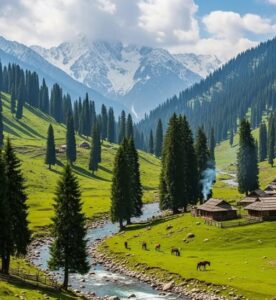
This is a destination for slow travel—for picnics on flower-strewn grasslands and for photographers chasing the perfect, crowd-free shot of Kashmir’s pastoral idyll.
On the Horizon: The government is developing eco-trekking routes. Visit now to experience its serene charm before it gains mainstream attention.
5. Yusmarg: The Whispering Woods
An hour’s journey from the chaos of Srinagar transports you to Yusmarg, the “Meadow of Jesus.” Sunlight filters through its towering deodar forests, creating a cathedral-like atmosphere. A gentle hike leads to the stunning, emerald-green Nilnag Lake.
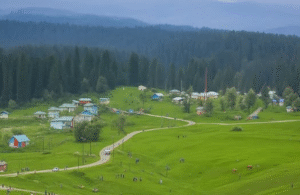
Local lore suggests Jesus Christ spent his lost years here, a legend that infuses the serene landscape with a palpable, spiritual energy. It is a place for contemplation and deep, unadulterated calm.
6. Tosamaidan: A Meadow Reborn
Once a military firing range, Tosamaidan has been peacefully reclaimed by nature. Today, it stands as a powerful symbol of resilience—a vast, open meadow blanketed in wildflowers, under an endless sky.
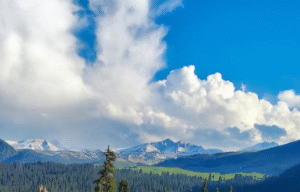
Camping here is an act of participation in the valley’s renewal. The clear, cold nights offer a celestial spectacle, with a canopy of stars undimmed by light pollution.
Travel Note: The meadow is accessible from June to September, and the annual summer festivals organized by locals are a celebration of this hard-won peace.
7. Tulail Valley: At the Edge of the Map
Beyond Gurez lies the even more remote Tulail Valley. Reaching it is a journey in itself, a passage through landscapes so raw and powerful they feel primordial. The traditional mud-brick homes and the genuine curiosity of the local children are a reminder of a way of life largely unchanged by modernity.
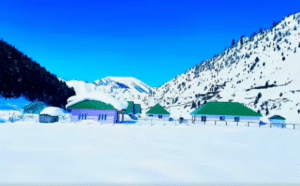
This is a destination for the intrepid, offering unparalleled trekking and a profound sense of disconnection from the modern world.
A Note on Responsibility: Travel here demands respect. Always hire local guides who understand the terrain and weather, ensuring your safety and a more meaningful cultural exchange.
8. Warwan Valley: The Trekker’s Sanctum
For the serious adventurer, the Warwan Valley in the Kishtwar region is a holy grail. This is a rugged, high-altitude paradise of dramatic passes, turquoise rivers, and villages perched precariously on cliff sides.
The challenging Warwan Trail is considered one of the most spectacular and least-trodden alpine treks on the continent, offering a raw, unfiltered dialogue with the might of the Himalayas.
Essential Preparation: This is not a casual hike. Requisites include expert guidance, proper gear, and a humble acknowledgement of the mountain’s power.
9. Tarsar & Marsar: The Celestial Twins
These twin alpine lakes, separated by a single mountain ridge, are the stuff of high-altitude legend. The trek to Tarsar and Marsar, starting from a point near Pahalgam, is a cinematic journey through flower-filled valleys and over high passes.
The sight of their crystal-clear waters, reflecting the sky and surrounding peaks, is an image that etches itself permanently into memory. At night, the Milky Way arcs over the still water, creating a scene of almost unreal beauty.
Eco-Imperative: This is a fragile ecosystem. The principle of “leave no trace” is not a suggestion here, but a necessity.
10. Karnah Valley: Borderland of Resilience
Nestled near the Line of Control, Karnah Valley is a testament to the enduring human spirit. Despite its proximity to geopolitical tensions, life here is defined by a powerful, everyday resilience—apple orchards heavy with fruit, ancient wooden bridges, and the serene flow of the river.
Tourism is a rare sight, and visitors are welcomed with a heartfelt hospitality that speaks volumes about the community’s character.
Practicality for 2026: Special permits are often required for border areas. Always check the latest travel advisories and secure the services of a licensed tour operator.
In an era of over-tourism, choosing the road less travelled is no longer just a preference; it is an ethical stance. By venturing into these hidden valleys, staying in community-run homestays, and employing local guides, travellers directly contribute to a sustainable economic model that empowers Kashmiris.
This form of mindful travel helps preserve not just the environment, but also cultural heritage, offering a viable future for the youth of Kashmir beyond traditional vocations.
The Deeper Journey
Ultimately, the hidden valleys of Kashmir offer something far greater than a collection of beautiful sights. They offer an experience—a chance to feel the cool mist of a mountain morning, to share a sincere moment over a cup of Noon Chai, and to stand in a silence so profound it feels like a form of communication.
As Ahmad Mir aptly concludes, “People come to Kashmir to see heaven. But heaven, you see, is not something to look at — it’s something to feel.”
And in these hidden corners, that feeling is waiting.