
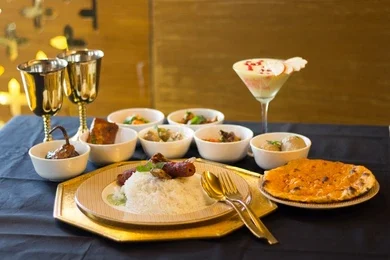

SRINAGAR – In the pristine valleys of Kashmir, where the snow-capped Himalayas pierce the azure sky and the Dal Lake shimmers under the sun, there exists a paradise within a paradise. It is not found on a map, but on a plate. Here, food is more than mere sustenance; it is a language of identity, a narrative of resilience, and an art form meticulously preserved through generations of tumult and tranquility.
Kashmiri cuisine is a living tapestry, woven with threads of history, culture, and an unwavering spirit of hospitality. To taste it is to listen to the soul of the valley itself—a story told in the slow simmer of a pot, the fragrant steam of saffron-infused rice, and the communal sharing of a single large platter. This is not just eating; it is an experience that engages all the senses and leaves an indelible mark on the heart.
This definitive guide delves beyond the recipes to explore the very essence of Kashmiri food, from the grand opera of the Wazwan feast to the humble, everyday delights that fuel the lives of its people.
Understanding the Wazwan
No discussion of Kashmiri cuisine can begin without paying homage to the Wazwan. This is not a meal; it is a ritual, a social contract, and the ultimate expression of mehmaan nawaazi—the sacred duty of hospitality. Traditionally comprising up to thirty-six courses, the Wazwan is a symphony of flavours orchestrated by a master chef, the Vasta Waza, and served communally on a large copper platter called a trami.
The word ‘Wazwan’ itself derives from ‘Waz’ (cook/chef) and ‘Wan’ (shop), but it signifies a culinary tradition passed down through generations of Waza families. Its origins are steeped in history, tracing back to the 14th-century influence of Mongol and Timurid rulers, who brought with them skilled chefs from Samarkand and Central Asia. Over centuries, these techniques melded with local Kashmiri ingredients and sensibilities, evolving into the magnificent feast we know today.
The experience is as important as the food. Guests are seated in groups of four, sharing a single trami, symbolizing equality and community. The feast unfolds with a ceremonial washing of hands, often with rose water, before the procession of dishes begins, each placed on the trami with precise order and etiquette.
A Detailed Look at Key Kashmiri Dishes
The Wazwan’s structure is deliberate, taking diners on a journey through textures, temperatures, and intensities of flavour.
1. Rogan Josh: The Crimson Ambassador
Arguably Kashmir’s most famous culinary export, Rogan Josh is a masterpiece of slow-cooking. At its heart is tender lamb, cooked for hours until it succumbs to the lightest touch. But its true signature is its deep, crimson red colour—a hue achieved not through artificial means, but from the careful, patient frying of Kashmiri chillies (Kashmiri lal mirch) in oil.
The Flavour Profile: The heat is mild, smoky, and nuanced, not aggressively spicy. It is balanced by the sweet fragrance of fennel (saunf) and the warm, earthy notes of ginger (sonth)—a spice combination known as Kashmiri Garam Masala, distinct from its North Indian counterpart.
The Cultural Significance: It is often the first substantial dish served in the Wazwan, setting the stage for the culinary spectacle to come. Its robust flavour is designed to awaken the palate.

2. Gushtaba: The King’s Finale
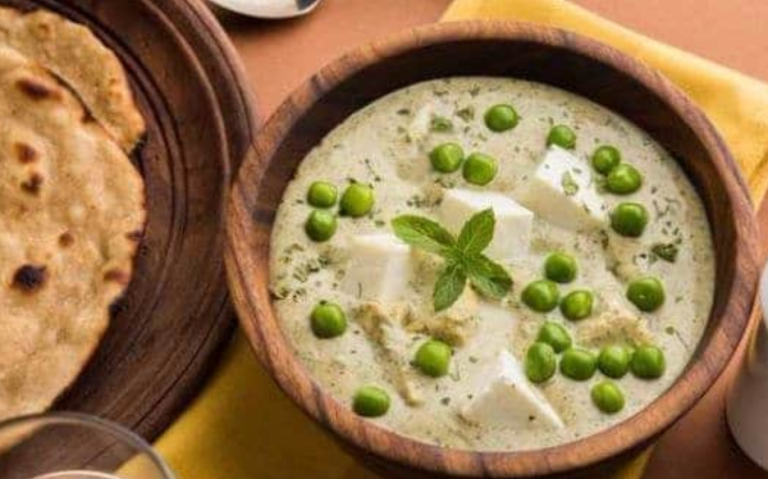
If Rogan Josh is the ambassador, Gushtaba is the reigning monarch. This dish is considered the ultimate test of a Waza‘s skill and patience. Lean mutton from the leg is pounded for hours with a wooden mallet on a solid rock until it achieves a smooth, velvety, almost paste-like consistency. This is then shaped into large, delicate meatballs.
The Flavour Profile: The Gushtaba is poached in a creamy, yogurt-based gravy (yakhni) that is pale, subtle, and fragrant with cardamom, cloves, and mint. The texture of the meatball is meant to be ethereally soft, melting in the mouth without resistance.
The Cultural Significance: Its richness is deliberate. In the traditional sequence, Gushtaba often signals the concluding phase of the savoury courses, a soothing, decadent finale designed to calm the palate after the spicier preceding dishes.
3. Rista: The Fiery Sibling
A close cousin to Gushtaba, Rista shares the same foundation of meticulously pounded mutton balls. The critical difference lies in the gravy. Where Gushtaba is mild and creamy, Rista is a bold declaration of colour and spice.
The Flavour Profile: The meatballs swim in a vibrant, fiery red gravy, achieved through a heavier use of Kashmiri chillies and a different spice blend. It provides a stunning counterpoint to the Gushtaba, showcasing the Wazwan’s dynamic range.
The Cultural Significance: Served alongside or before Gushtaba, Rista represents the passionate, fiery heart of the feast.
4. Yakhni: The Subtle Poet
In a culinary landscape often defined by its bold reds, Yakhni stands out as a quiet, elegant poem. This yogurt-based curry, typically made with lamb or chicken, is a testament to the diversity of Kashmiri flavours.
The Flavour Profile: Fragrant with fennel, bay leaves, and minimal heat, Yakhni is subtle, soothing, and complex. The yogurt provides a delicate tanginess, while the spices impart a gentle warmth.
The Cultural Significance: It offers a moment of respite and reflection during the feast, reminding diners that Kashmiri cuisine possesses a full spectrum of flavours, from the thunderous to the tranquil.
5. Other Essential Wazwan Delicacies:
Tabak Maaz: Crispy, fried ribs of lamb, first simmered in milk and spices until tender, then fried to a golden-brown perfection. It is the “starter” of the Wazwan, offering a satisfying textural contrast.
Dani Phoul: A minimalist mutton curry, lighter than Rogan Josh, often served early in the feast.
Marchwangan Korma: A intensely spicy and fiery mutton curry for those who dare, showcasing the potent side of Kashmiri chillies.
Aab Gosh: A mild, milk-based curry, known for its delicate flavour and simplicity.
The Everyday Delights of Kashmiri Homes
While the Wazwan is for celebration, the true essence of Kashmiri life is found in its daily sustenance—dishes that are simpler, yet equally profound.
1. Modur Pulav: The Festive Jewel
This sweet and savoury rice dish is a celebration on a plate. Fragrant basmati rice is cooked with ghee, cinnamon, and the precious stigma of saffron—Kashmir’s “red gold.” It is then studded with caramelised onions, a medley of nuts (almonds, cashews), and sweet fruits like apples, cherries, and raisins.
When It’s Eaten: A staple during festivals, weddings, and special occasions. It symbolizes the bounty and prosperity of the Kashmiri valley.
2. Nadru Monji: The Humble Harvest
From the pristine waters of Dal and Wular lakes comes the lotus stem, or nadru. A versatile ingredient, it is most beloved when sliced, dipped in a spiced gram flour batter, and deep-fried into golden fritters.
The Experience: A common street food and winter snack, Nadru Monji represents the connection between the Kashmiri people and their land. Its crisp texture and earthy, slightly sweet taste are a simple, yet profound, pleasure.
3. Haak: The Green Heart of Kashmir
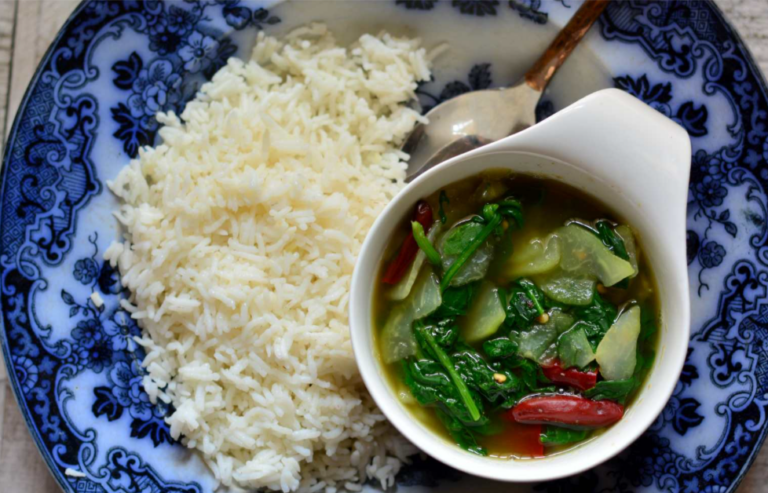
No Kashmiri meal is complete without Haak—a simple preparation of collard greens. It is the quintessential everyday vegetable, cooked with minimal spices, often just with garlic, green chillies, and a touch of mustard oil.
Cultural Importance: Haak is a culinary constant, a comforting and nutritious presence on the Kashmiri table through all seasons. Its slightly bitter, deeply earthy flavour is a taste of home for every Kashmiri.
4. Dum Aloo: The Potato Reimagined
Kashmir’s Dum Aloo is a world apart from other versions. Small, whole baby potatoes are first deep-fried until they develop a crisp outer shell, then simmered in a spicy, ginger-infused yogurt or curd-based gravy.
The Technique: The initial deep-frying is crucial—it creates a barrier that allows the potato to remain firm while absorbing the flavours of the gravy during the slow-cooking (dum) process. The result is a dish that is both tangy and rich.
The Liquid Gold
Kahwa: The Drink of Hospitality
More than just green tea, Kahwa is a ceremony. It is the valley’s warming embrace against the chill. This fragrant concoction is brewed with green tea leaves, saffron, cinnamon, cardamom, and sometimes a hint of rose petals. It is traditionally sweetened with honey or sugar and garnished with crushed almonds or walnuts.
The Ritual: Sipped from ornate samovars in homes and shops, Kahwa is the drink of conversation, consolation, and connection. It is the first thing offered to a guest, a symbol of welcome and warmth.
Noon Chai (Sheer Chai): The Pink Salted Tea
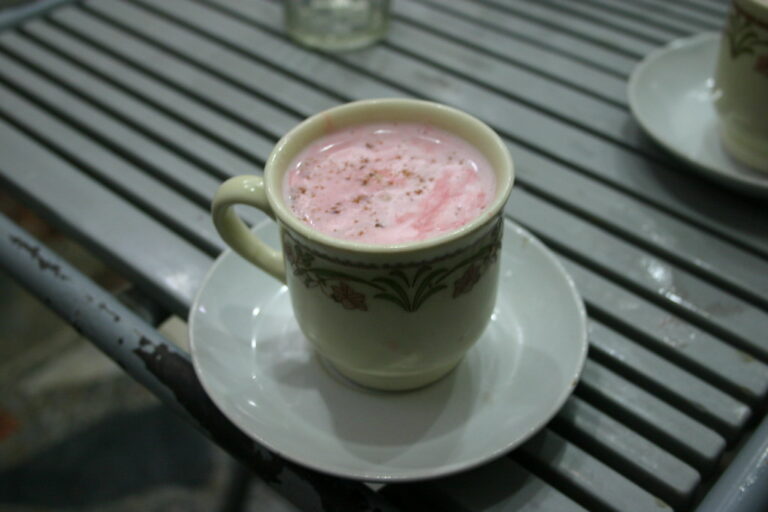
A true acquired taste and a Kashmiri signature, Noon Chai is a pinkish, salted tea. Made from a special type of green tea leaves, it is brewed with baking soda (which gives it its distinctive colour), milk, and salt. It has a unique, slightly nutty, and savoury flavour.
The Social Fabric: Consumed throughout the day, especially in the morning and afternoon, Noon Chai is often paired with bread like Bakarkhani. It is a staple of Kashmiri Muslim households and a potent symbol of local identity.
The Bread Basket of Kashmir
The cuisine features a variety of unique breads, each with its own purpose:
Bakerkhani: A dense, flaky, and slightly sweet flatbread, reminiscent of a paratha or puff pastry. Perfect for dipping into Kahwa or pairing with kebabs.
Kulcha: A softer, rounder bread, often enjoyed with morning tea or as a snack.
Lawas: A thin, unleavened bread, similar to a roti, typically served with the Wazwan to scoop up the rich gravies.
A Culture Forged in Flavour
The flavours of Kashmir are a palimpsest, bearing the marks of its strategic location on the Silk Road.
Central Asian & Persian Influence: The core of the Wazwan—the use of minced meat (Gushtaba, Rista), the slow-cooking techniques, and the prevalence of rice—shows clear influences from Persian and Central Asian traditions.
The Mughal Contribution: The Mughal emperors, particularly Jahangir, were enamoured with Kashmir. They are credited with popularizing the use of saffron, dry fruits, and the concept of elaborate, garden-based feasts, which influenced dishes like Modur Pulav.
The Indigenous Foundation: Underlying all these influences is the native Kashmiri Pandit tradition, which has its own distinct vegetarian repertoire (known as Satvik food) and uses asafoetida (hing) and yogurt prominently, as seen in Yakhni.
In a region often defined by political headlines, the enduring tradition of the Wazwan and the daily ritual of Kahwa are powerful testaments to a different reality. They speak of a people whose identity is rooted in community, artistry, and an unwavering generosity of spirit.
Kashmiri cuisine is a resilient, living heritage. It has weathered centuries of change, yet its fundamental principles—hospitality, balance, and a deep connection to the land—remain untouched. To taste Kashmir is to listen to its untold story. It is a story of warmth in the cold, of colour in the grey, and of a profound, unbreakable connection to home. And it is a story that, once tasted, is never forgotten.