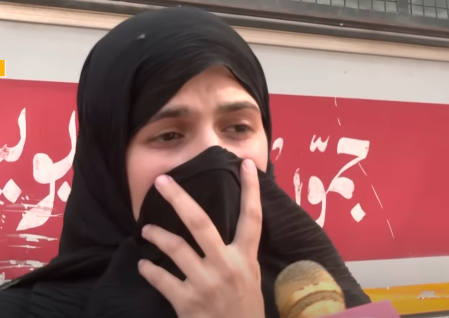

Muzaffarabad, AJK (Pakistan-administered Kashmir): In a deeply emotional and politically charged development, the Indian government has begun deporting individuals identified as “Pakistani nationals” from Jammu and Kashmir, many of whom are women, children, and families who have been residing in Indian-administered Kashmir for years, some even decades. These are not foreign infiltrators or illegal settlers. These are human beings many born in Kashmir, married in Kashmir, raising children in Kashmir now being forcibly removed from their homes in the name of administrative legality.
The deportations, carried out by Indian police forces in areas such as Baramulla, have drawn outrage from civil society and human rights defenders, especially in the context of unresolved political tensions in the region. A bus carrying over 25 individuals, mostly women and children, was seen departing from Jammu and Kashmir, escorted by security officials, toward the Wagah-Attari border for expulsion to Pakistan.
“I have children here, and my husband works in Saudi Arabia.”
One of the deportees, Afzala, is originally from Muzaffarabad, the capital of Pakistan-administered Jammu and Kashmir. She came to India six years ago after marrying a man from Baramulla. For the last three years, she has been living peacefully in the region and has given birth to two daughters, one of whom is an Indian citizen by birth.
The Azadi Times
No state grants. No corporate lobby. Just ground‑truth reporting from Kashmir & beyond
You make this possible.
“Our families are here. We got married here by choice. Our grandparents were also born here. But now they are forcing us to leave,” she says tearfully.
Her youngest daughter is still an infant who depends on breast milk. The trauma of forced separation from her extended family is evident in every word she utters.
Despite having every intention of settling legally and raising her family in Indian administered Kashmir, Afzala points out that Indian citizenship laws require seven continuous years of residency before one can apply. She has only lived in Kashmir for three years.
“We are not outsiders—Kashmir is our home”
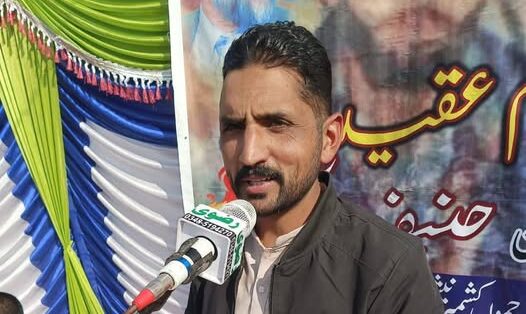
Another voice in the crowd is Ghulam Rasool, whose daughter-in-law and grandchildren are also being deported. His plea raises fundamental questions about identity and belonging.
“My daughter-in-law is from Muzaffarabad, but our ancestors are from this side. We have land here. Our roots are here. Why are we being treated like outsiders?”
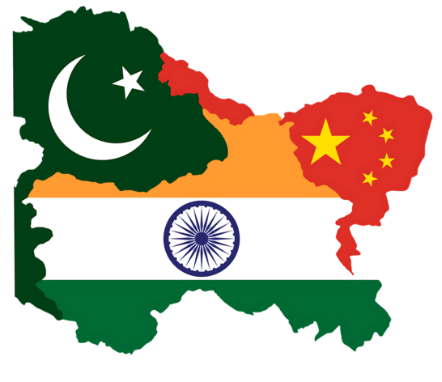
This situation challenges the very definitions of nationality and citizenship in a region that remains internationally disputed. The region of Jammu and Kashmir, administered by both India and Pakistan, is not a settled part of either country. So how can anyone born in this divided land be definitively labeled as an Indian or Pakistani national?
A 40-Year Wait for Citizenship Ends in Deportation
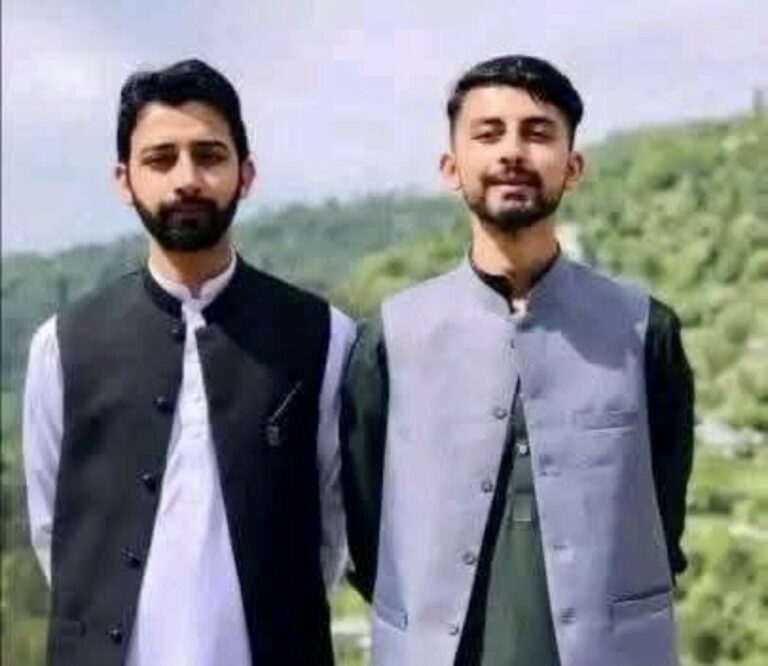
Perhaps the most striking testimony came from Praveen, a woman who has been living in India for over 40 years without ever being granted citizenship. Despite raising children, working, and contributing to society, she now finds herself on a bus bound for a place she left four decades ago.
“I raised my kids here. My son is in Saudi Arabia. I called my daughter-in-law from Muzaffarabad for delivery. Is that a crime?”
She laments how difficult it was to travel to Delhi in her early days—she did it for her family, for her children’s education, and now, after a lifetime of waiting, she is being told she does not belong.
The Bigger Question: Whose Kashmir Is It?
While Indian authorities justify the deportations as a legal procedure, claiming that these individuals overstayed after visa expirations or lacked proper documentation, the ground realities paint a more nuanced picture.
The core issue lies in the undefined identity of Kashmiris—those born across the Line of Control (LoC), whether in Indian-administered or Pakistan-administered Kashmir. The people of Muzaffarabad, Neelum, Baramulla, Srinagar, and Kupwara share the same language, culture, bloodlines, and history. The political division between India and Pakistan does not erase their Kashmiri identity.
How, then, can a woman from Muzaffarabad—married into a family in Baramulla—be seen as an “outsider”? What laws can override the lived reality of generations who call both sides of the border home?
“If Muzaffarabad is part of India, as your ministers say, then why are we being deported?” asked one man, echoing the contradictions in Indian policy toward Kashmir.
A Humanitarian Crisis in Disguise
While media attention remains focused on security narratives and cross-border hostilities, the human side of this crisis is often forgotten. Children are being separated from their homes, women from their husbands, and families from the only lives they’ve ever known—all in a region that still awaits its promised right to self-determination under international law.
Azadi Times calls upon human rights organizations, international legal bodies, and pro-justice advocates worldwide to take notice. Deportation of Kashmiri families is not just a legal matter—it is a humanitarian issue.
Conclusion: Stateless in Their Own Homeland
The tragedy of these deportations is not just in the physical removal—it is in the erasure of identity. People who see themselves as Kashmiris first are now being asked to choose between two nationalities that neither fully accepts them.
In a region crying out for peace, these actions only deepen wounds.
The world must ask: If Kashmiris are denied dignity, identity, and even the right to live with their families—what freedom remains?