No state backing. No paywalls. Just truth. Support Kashmir's independent voice. Join 2,400+ patrons who fund independent voices.
Zero Paywalls
Reader Funded
Award Winning
Secure Payment
Encrypted
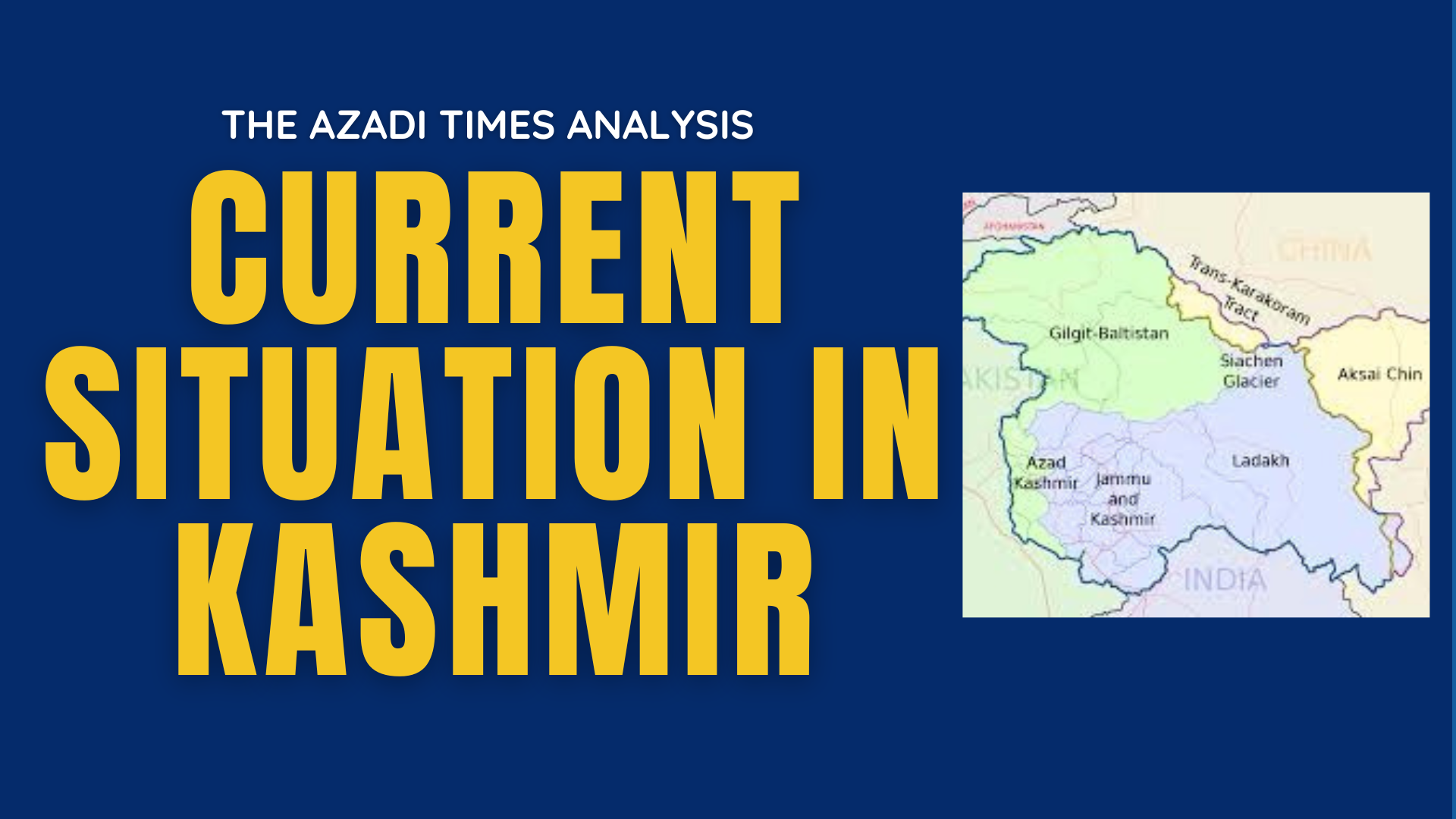
Srinagar, Indian-administered Kashmir – The Meteorological Department has issued a detailed forecast for the coming days, signaling a continued rise in daytime temperatures across the valley before a subsequent dip. Residents and tourists in Pakistan-administered Kashmir can expect a mix of partly cloudy skies and intermittent precipitation in higher altitudes during early March.
A department spokesperson told media that from March 3 to March 6, the weather will remain partly cloudy, with light snowfall possible in scattered mountain areas on March 4. “From March 7 to March 9, the valley will generally experience cloudy conditions,” the spokesperson added. “During this period, some high-altitude locations may witness light snow or rainfall.” The same pattern is expected to persist on March 10 and 11, before drier conditions are likely from March 12 to March 14.
The Meteorological Department also noted that daytime temperatures are expected to increase by 1–2 degrees Celsius over the next four days, followed by a potential drop of 2–4 degrees Celsius in most areas. Farmers have been advised that they can continue their outdoor work without major disruptions during this period.
No state backing. No paywalls. Just truth. Support Kashmir's independent voice. Join 2,400+ patrons who fund independent voices.
While daytime temperatures are trending upward, nighttime temperatures have remained slightly below average, ranging from 0 to 1 degree Celsius across the valley. Popular tourist destinations recorded some of the coldest temperatures.
Pahalgam, known for its winter landscapes, registered a low of -2.1°C.
Gulmarg, another major tourist hub, recorded a minimum of -0.2°C.
The summer capital, Srinagar, saw a minimum temperature of 2.1°C.
Kupwara, a border district, experienced -0.2°C, while the gateway town of Qazigund recorded 0.4°C.
Local authorities and meteorologists continue to monitor the situation closely, emphasizing that residents, particularly in hilly areas, should remain prepared for sudden weather changes.
The early March temperature fluctuations highlight the valley’s transitional weather, where winter slowly gives way to spring. For tourism, the continued presence of snow in high-altitude locations such as Pahalgam and Gulmarg could maintain winter sport activities, while milder daytime temperatures in lower areas encourage local travel.
Agricultural communities have welcomed the forecast, as the moderate rise in daytime temperatures allows for fieldwork to continue safely. Meanwhile, meteorologists have urged vigilance, noting that even light snow or rainfall in mountain areas can affect travel and daily routines.
Residents can expect generally dry weather from March 12 to 14, with cloudy conditions returning by March 15–16. Daytime temperatures may again see slight increases, while nighttime readings are expected to remain low in high-altitude zones.
The Meteorological Department reaffirmed its advisory that all residents follow updates closely, especially in areas prone to rapid weather shifts and mountain snowfall.
Trending Topics


The Azadi Times is an independent digital news platform based in Muzaffarabad, Kashmir, dedicated to credible journalism, in-depth reporting, and global analysis. We cover Kashmir, South Asia, and international affairs with a commitment to truth, editorial integrity, and public accountability.
Get important news delivered directly to your inbox and stay connected!
© 2026 The Azadi Times. All Rights Reserved.