No state backing. No paywalls. Just truth. Support Kashmir's independent voice. Join 2,400+ patrons who fund independent voices.
Zero Paywalls
Reader Funded
Award Winning
Secure Payment
Encrypted
Tensions rise in Pakistan-administered Jammu and Kashmir as the Joint Awami Action Committee accuses the Pakistani government of failing to implement agreements reached after the historic September 29 protest, sparking fears of renewed unrest.
Muzaffarabad | Special Report: More than three months after the historic September 29 protest in Pakistan-administered Jammu and Kashmir, political tensions are once again intensifying as the Jammu Kashmir Joint Awami Action Committee (JKJAAC) accuses the Government of Pakistan of failing to honor commitments made during post-protest negotiations.
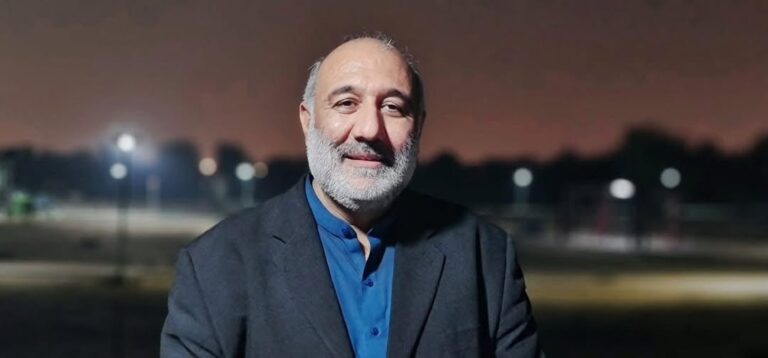
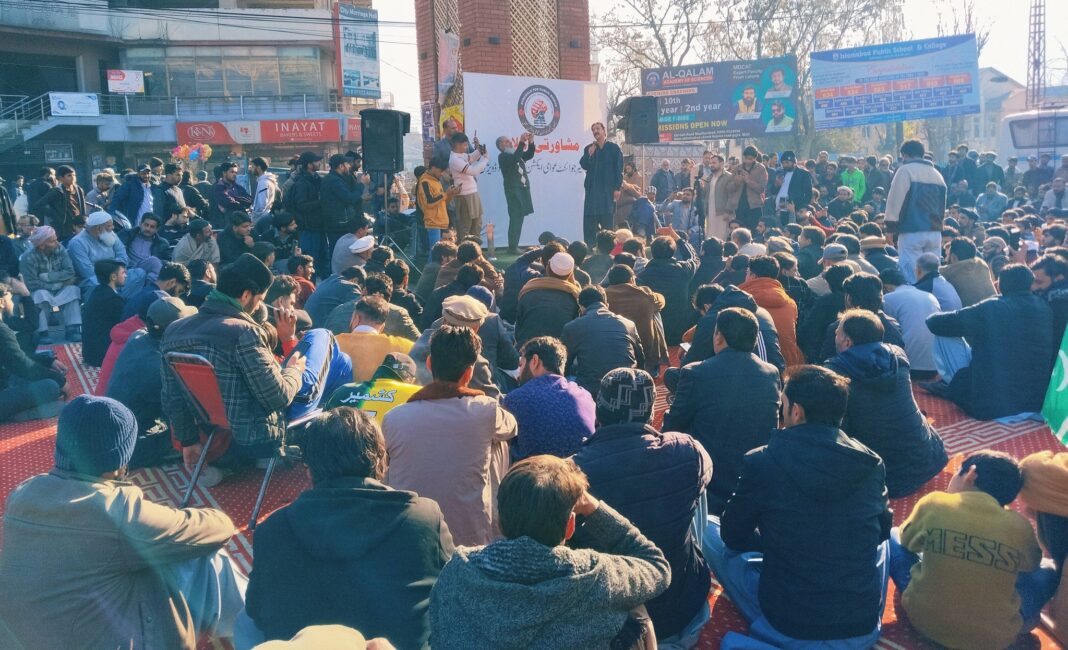
In a consultative meeting held in Muzaffarabad, JKJAAC leader Shoukat Nawaz Mir publicly accused the Pakistani government of breaching commitments made after the September 29 protest.
No state backing. No paywalls. Just truth. Support Kashmir's independent voice. Join 2,400+ patrons who fund independent voices.
The allegations have reignited speculation across social media and political circles about whether Kashmir is heading toward another phase of mass protests—raising serious questions about governance, trust, and political accountability in the disputed region.
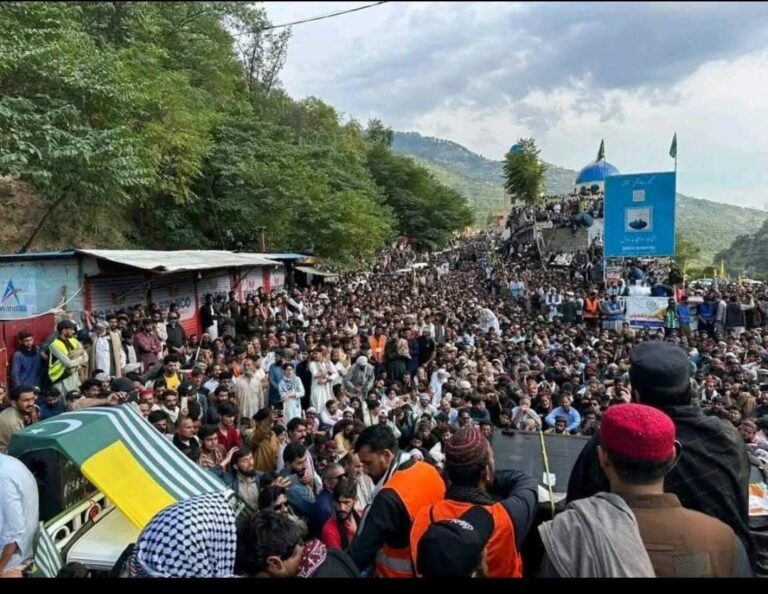
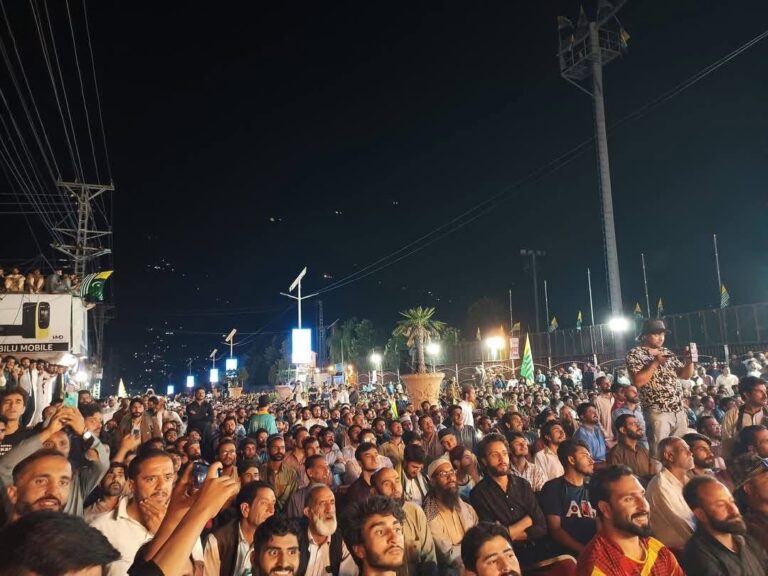
On September 29, 2025, the JKJAAC led what many observers described as one of the most significant and coordinated protests in the history of Pakistan-administered Jammu and Kashmir. Demonstrations were reported across multiple districts, with widespread public participation demanding relief from economic pressures, governance failures, and long-standing administrative grievances.
Following the protest, negotiations were initiated between the JKJAAC leadership and a government-appointed negotiating committee. These talks resulted in what the committee later described as a “charter of demands”, with assurances from Islamabad that a dedicated implementation mechanism would be established.
However, according to JKJAAC, those assurances have remained largely unfulfilled.
In recent days, the JKJAAC formally announced its refusal to continue talks with the government’s negotiating committee, citing a lack of progress and seriousness.
The committee alleges that while a special body was constituted to oversee implementation of agreed demands, meaningful engagement with that body was quietly discontinued by the government itself.
This decision has fueled widespread debate across Kashmir, with many residents asking whether dialogue has once again been reduced to a symbolic exercise rather than a genuine effort to resolve public grievances.
The strongest expression of discontent came during a JKJAAC consultative meeting held in Muzaffarabad’s Lal Chowk, where core committee member Shoukat Nawaz Mir openly accused the Pakistani government of deception.
Addressing party members and supporters, Mir stated that the Kashmiri people had shown restraint and political maturity following the September protest, but the continued failure to implement agreed measures had deeply eroded public trust.
“When the time comes, the people of Kashmir will give a decisive response,” he warned, stopping short of announcing a fresh protest call.
Notably, the JKJAAC has not yet declared a final date or strategy for renewed demonstrations, signaling that internal consultations are still ongoing.
Following the suspension of talks, social media platforms were flooded with unverified claims suggesting that a new protest movement was imminent. While JKJAAC leaders have neither confirmed nor denied these reports, the growing uncertainty has added to public anxiety in the region.
Political analysts warn that prolonged ambiguity—combined with economic stress and governance challenges—could push the situation toward instability if credible dialogue is not restored.
For many in Kashmir, the current standoff feels familiar. Protest-led negotiations followed by delayed or partial implementation have marked several past movements in the region.
Observers argue that the issue is not merely about individual demands but about a systemic crisis of trust between Kashmiri political actors and the federal decision-making structure.
“The real danger,” says one analyst, “is not another protest, but the normalization of broken promises.”
As of now, the JKJAAC continues to press forward with its case politically, keeping the option of street protests open while avoiding an immediate escalation.
Whether the Pakistani government chooses renewed engagement—or continues with what critics describe as a policy of delay—may determine whether Kashmir witnesses another wave of mass mobilization.
For a region already burdened by economic hardship and political uncertainty, the coming weeks could prove decisive.
Trending Topics


The Azadi Times is an independent digital news platform based in Muzaffarabad, Kashmir, dedicated to credible journalism, in-depth reporting, and global analysis. We cover Kashmir, South Asia, and international affairs with a commitment to truth, editorial integrity, and public accountability.
Get important news delivered directly to your inbox and stay connected!
© 2026 The Azadi Times. All Rights Reserved.