



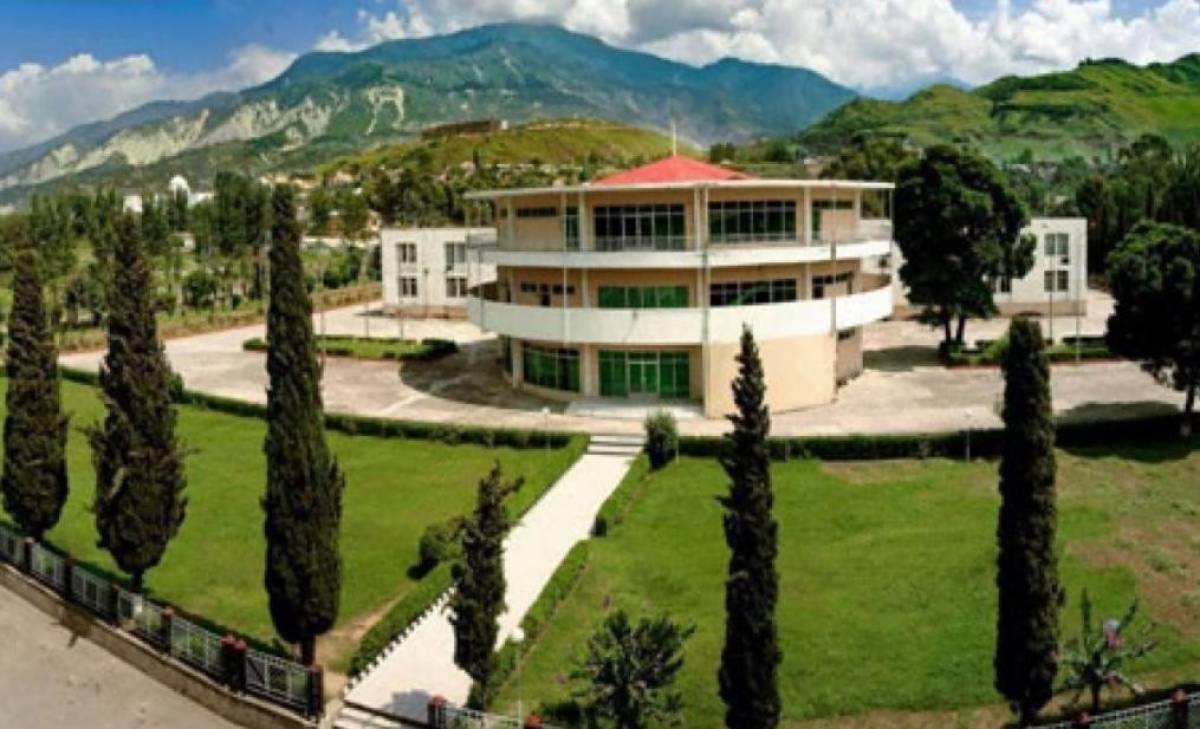


A search for “Azad Kashmir in Pakistan” often leads to a maze of political claims and historical complexity. For the millions living there, it’s simply home—a place of breathtaking beauty intertwined with daily challenges and a persistent question of identity.
Azad Jammu and Kashmir (AJK) is not a province of Pakistan but a self-governing administrative territory. Its very name, meaning “Free Kashmir,” is a declaration in a seven-decade-old dispute with India. Yet, for its residents, “freedom” is a nuanced concept, defined as much by its special relationship with Islamabad as by the limitations of that arrangement.
This is a journey into the heart of a region caught between a conflict of nations and the aspirations of its people.
Help us expose the truth
The Azadi Times is funded by readers like you. No corporate sponsors. No government influence. Just fearless reporting.
A Unique and Contested Political Identity
Azad Kashmir’s origins are rooted in the partition of 1947. As the princely state of Jammu and Kashmir controversial accession to India under controversial circumstances, a rebellion in the western part led to the formation of a government-in-exile, which Pakistan administers as AJK.
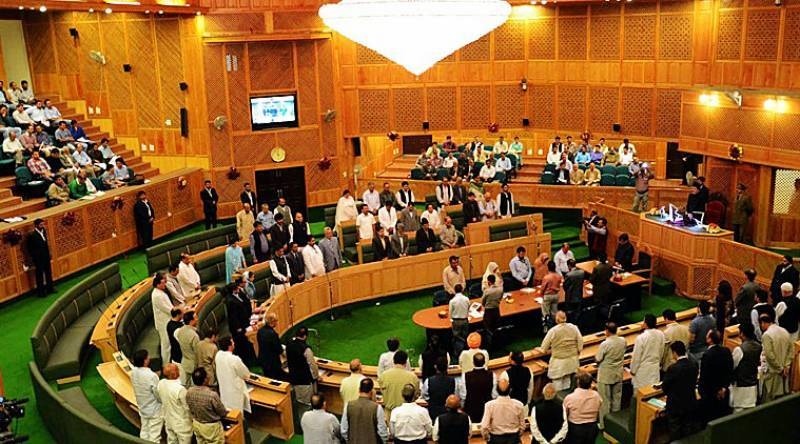
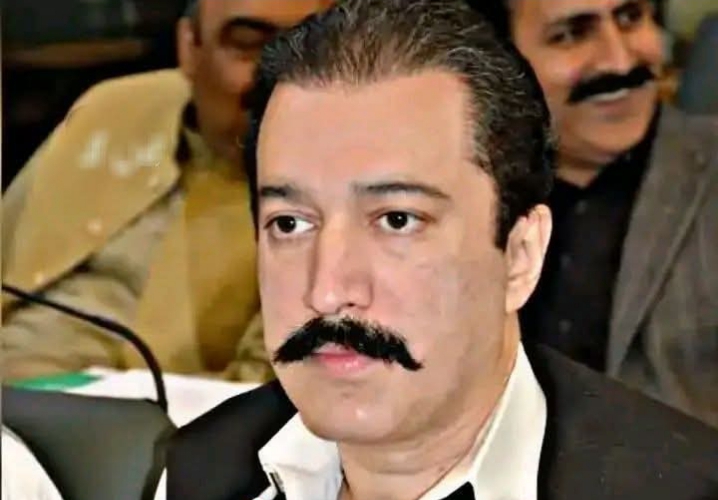
Today, the region has its own elected President, Prime Minister, and a Legislative Assembly that passes laws on local matters. It has a distinct flag and a national anthem. However, this veneer of self-rule is thin. Critical portfolios like defense, foreign policy, currency, and communications are controlled directly by the Pakistani federal government in Islamabad.
This hybrid model creates a fundamental tension. Pakistan views AJK as a provisional entity, its final status to be determined by a future UN-sponsored plebiscite. For many Kashmiris, however, this “provisional” state has become permanent, fueling debates about the authenticity of their self-governance.
The Tightrope of Governance and Dissent
The political space in Azad Kashmir is carefully managed. Mainstream politics is dominated by parties mirroring those in Pakistan, but any discourse advocating for integration with India or complete independence is strictly criminalized.
This has led critics and local activists to accuse Islamabad of engineering a political process that offers a semblance of democracy without its substantive power. The real struggle for rights, they argue, is not just against India but also for greater autonomy from Pakistan.
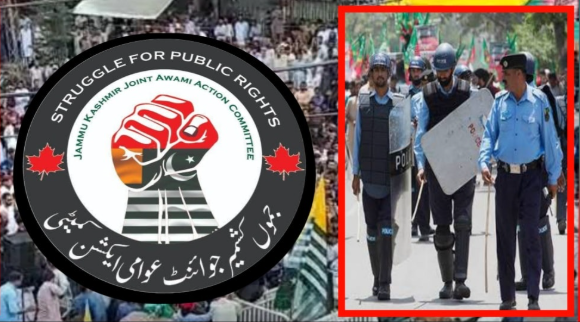
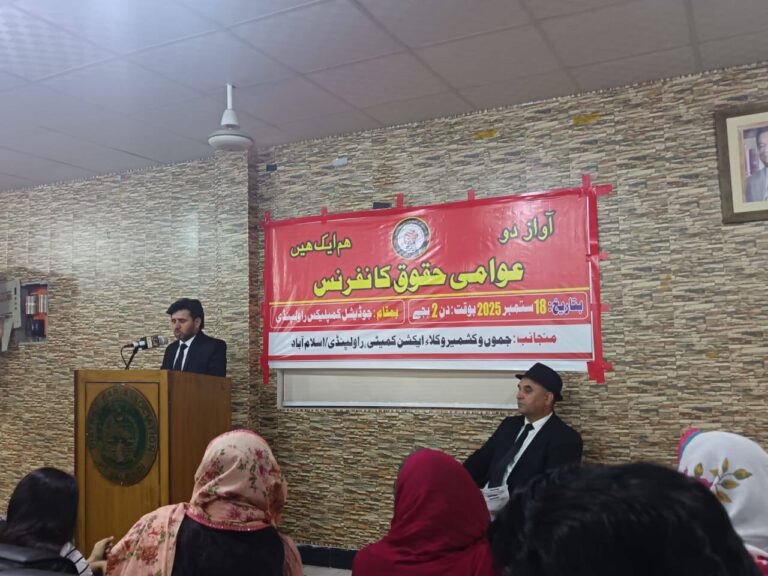
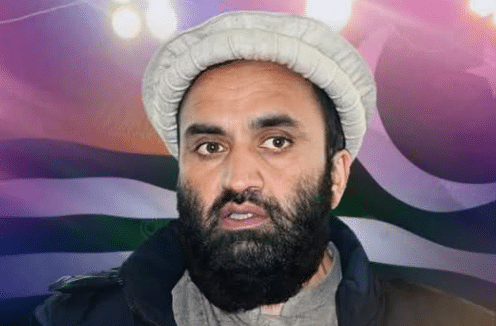
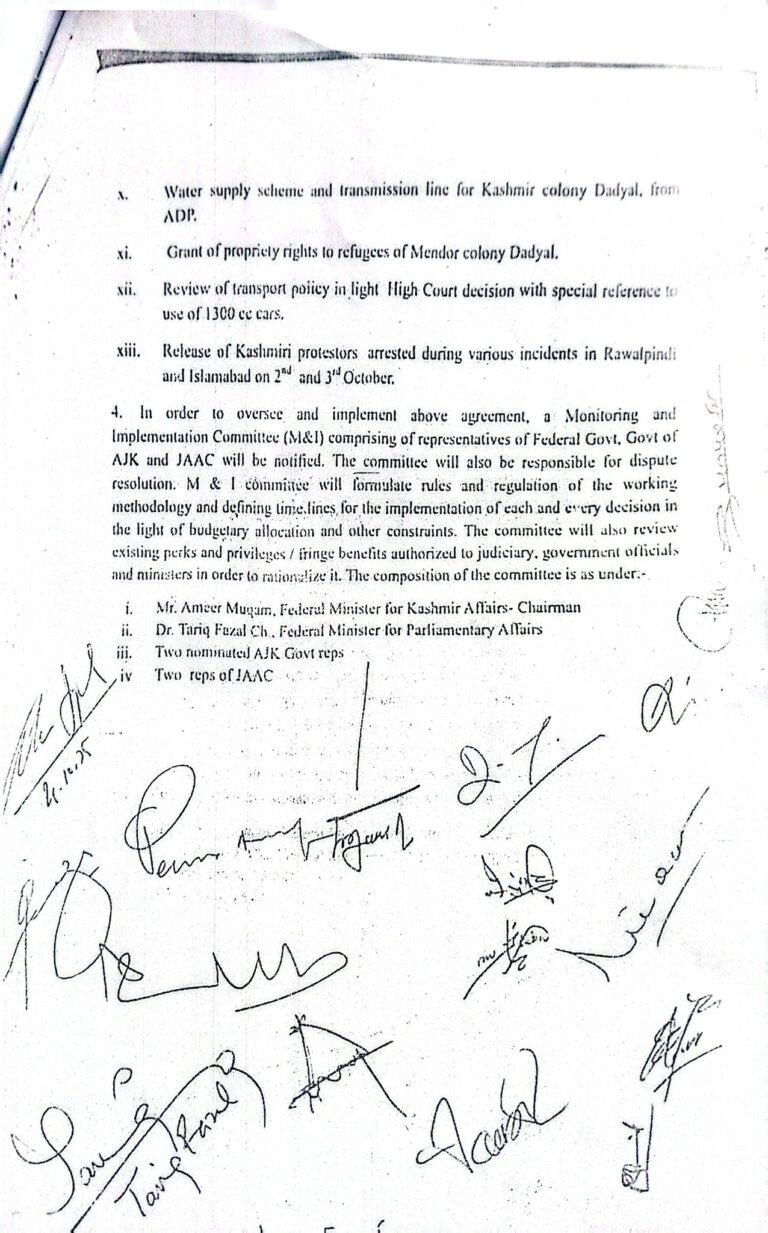
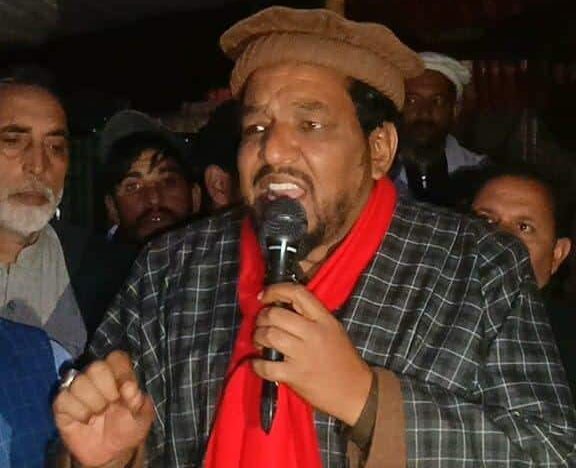
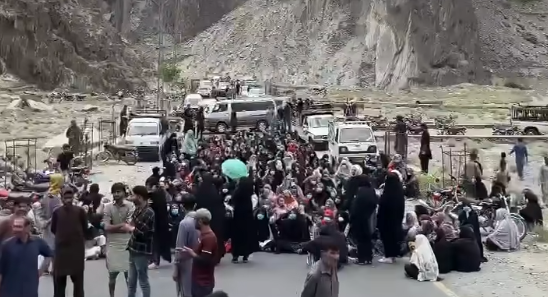
This frustration often boils over. Recently, movements like the Joint Awami Action Committee have gained traction, organizing powerful protests and conferences demanding the “Right to Ownership and Self-Governance.” Their core grievances are economic: control over local resources, land rights, and an end to what they see as exploitative practices.
Daily Life: Scenery and Struggle
Behind the political curtain are everyday realities. While the region’s natural beauty drives tourism, residents face significant hurdles:
Economic Discontent: Limited job opportunities force a large number of young people to seek work in Pakistan or the Gulf states. There is a pervasive sense that the region’s resources, particularly its vast hydropower potential, benefit mainland Pakistan more than local communities, who often face power shortages themselves.
Infrastructure and Services: Despite promises, development in rural areas lags. Many complain that healthcare and education facilities do not meet the standards found in major Pakistani cities.
A Controlled Narrative: Freedom of expression is a contested space. While some media operates, journalists and activists reporting on sensitive issues—particularly Pakistan’s security apparatus or calls for greater autonomy—report facing pressure, intimidation, and legal repercussions. Independent outlets like The Azadi Times work to document these challenges, often operating under constrained circumstances.
Why Azad Kashmir Matters on the World Stage
The phrase “Azad Kashmir in Pakistan” is a geopolitical flashpoint. The region is the Pakistani-administered part of one of the world’s most intractable conflicts, a dispute between two nuclear-armed neighbours, India and Pakistan, with China also a party in the broader Kashmir region.
For the international community, it represents a persistent threat to regional stability. For observers of conflict and self-determination, it is a critical case study in how territories are managed amidst unresolved disputes, and how populations navigate life within those liminal spaces.
Conclusion
Azad Kashmir is a land of paradoxes. It is “free” yet constrained, self-governing yet closely managed, rich in resources yet struggling with development. The people here are not merely subjects of a geopolitical dispute; they are active agents in their own story, continuously negotiating their rights and their future.
Understanding Azad Kashmir requires looking beyond the headlines of the Kashmir conflict and into the nuanced history, politics, and everyday struggles of its people—a community seeking dignity, agency, and a true definition of the freedom embedded in its name.


