Tuesday, March 31, 2026
18.2 C
Srinagar
Home Blog Page 111

Discover the Best Time to Visit Kashmir: Seasonal Travel Tips for Every Traveler

Kashmir, often referred to as “Paradise on Earth,” is a stunning destination known for its majestic mountains, serene lakes, and vibrant culture. Whether you’re visiting for the scenic beauty, the rich heritage, or the adventure activities, timing your trip to Kashmir is crucial to make the most of your experience. This comprehensive guide will help you determine the best time to visit Kashmir based on your location—whether you’re a Pakistani, an Indian, or an international traveler.

Why Visit Kashmir?

Before we dive into the best times to visit Kashmir, let’s first explore why this stunning region should be on your travel bucket list.

Natural Beauty

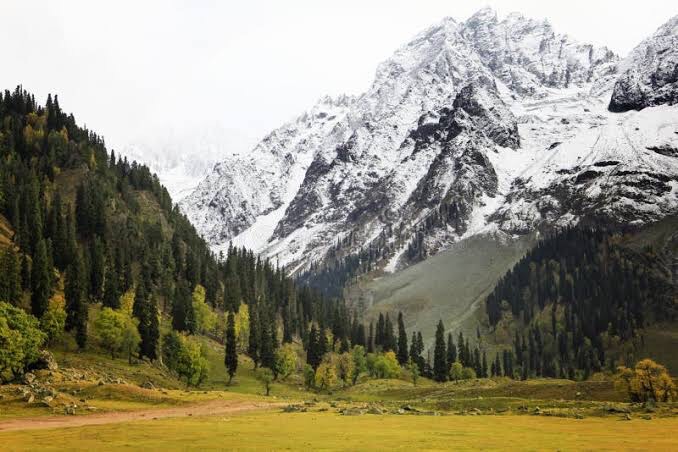
Kashmir’s landscapes are some of the most breathtaking in the world. From the snow-capped peaks of the Himalayas to the tranquil waters of Dal Lake, Kashmir offers an array of scenic vistas. The lush meadows of Gulmarg, the valleys of Pahalgam, and the colorful gardens of Srinagar are just a few of the incredible places you’ll discover. Whether you’re a nature lover, photographer, or adventure enthusiast, Kashmir has something to offer.

Cultural Heritage

Kashmir is not only a visual treat but also a cultural one. Known for its traditional Kashmiri handicrafts, such as Pashmina shawls and Kashmiri carpets, the region is steeped in rich history. Visitors can explore centuries-old temples, mosques, and the iconic Mughal Gardens. The Kashmiri people are warm and hospitable, and you can experience their rich culinary traditions, including dishes like Rogan Josh and Yakhni.

Adventure and Relaxation

For adventure seekers, Kashmir offers skiing, snowboarding, and trekking in places like Gulmarg and Sonamarg. In contrast, those looking to relax can enjoy shikara rides on Dal Lake or simply unwind amidst the serene beauty of the region. Whether you’re into adventure or relaxation, Kashmir offers a perfect balance.

Peace and Tranquility

One of the biggest draws to Kashmir is its peaceful environment. Far from the hustle and bustle of urban life, Kashmir is the ideal destination for those seeking tranquility, making it a top choice for honeymooners, nature lovers, and anyone in need of a peaceful retreat.

Which is the Best Time to Visit Kashmir?

The best time to visit Kashmir depends on what kind of experience you seek. For those who love blooming flowers and mild weather, spring (March to May) is ideal, with lush gardens and the famous tulip festival in Srinagar. If you’re looking for green meadows, pleasant temperatures, and adventure activities like trekking, summer (June to August) is perfect. Autumn (September to November) offers a mesmerizing view of golden Chinar trees, creating a dreamy landscape for nature lovers and photographers. However, if you want to witness Kashmir’s winter wonderland, December to February is the best time, with snowfall covering the valley and Gulmarg turning into a premier skiing destination.

Best Time to Visit Kashmir for Pakistani Travelers 

For Pakistani travelers, Kashmir is not only a nearby destination but a culturally familiar one as well. The proximity of Kashmir to Pakistan makes it a popular choice, but choosing the right time is essential to making the trip memorable.
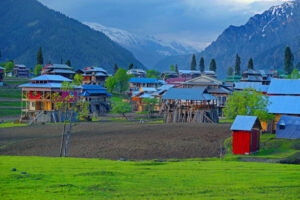
Beautiful view of Wooden houses in Arang Kel Neelum Valley

Summer (April to June)

The best time for Pakistani travelers to visit Kashmir is during the summer months when the weather is moderate and perfect for outdoor activities. From April to June, the region experiences warm temperatures and the breathtaking beauty of blooming gardens on full display. It’s the perfect time to explore the valleys and go for nature walks and camping.

Autumn (September to November)

Autumn in Kashmir is a photographer’s dream. The entire region turns into a canvas of gold, red, and orange as the leaves change color. The weather is still pleasant, and the crowds are thinner compared to summer. For Pakistani tourists looking to escape the heat, this season offers an ideal balance of clear skies, moderate temperatures, and fewer tourists.

Winter (December to February)

Winter in Jammu Kashmir is a magical time, especially for those who enjoy the snow. From December to February, some part of Kashmir is blanketed in snow, making it a popular destination for skiing and snowboarding in places like Arang Kel. However, it’s important to note that winter travel can sometimes be disrupted due to heavy snowfalls and road closures. Therefore, Pakistani travelers should prepare for possible delays and ensure that they check the weather conditions before embarking on their journey.

Travel Tips for Pakistani Tourists

Pakistani citizens do not require a visa to visit Pakistan-administered Kashmir; however, a visa is mandatory for those wishing to visit Indian-administered Kashmir.

Best Time to Visit Kashmir for Indian Travelers 

Indian tourists have the luxury of more flexibility when choosing the best time to visit Kashmir, as there are no major travel restrictions. The ideal time to visit depends on what kind of experience you seek.
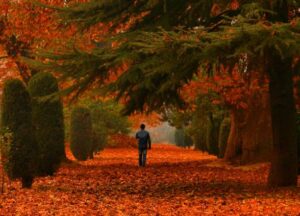
The most awaited season in Jammu and Kashmir sets in the month of September.It is autumn, the season of mists and mellow fruitfulness. Everything turns to gold. The sight of the landscape has a magnetic appeal then. The red-carpeted gardens are a treat to the eyes. Sounds and smells of this idyllic land, vibrant valleys, the rustle of the fallen leaves, the fragrance of flowers are there to enchant you.

Spring (March to May)

Spring is one of the best times to visit Kashmir. The weather is pleasant, and the region is at its most colorful, with tulips, roses, and other flowers in full bloom. This is also the season when the famous Tulip Festival in Srinagar takes place, attracting thousands of visitors from across India. For Indian tourists looking for a peaceful getaway with beautiful landscapes, spring is an ideal choice.

Summer (June to August)

Summer is the peak tourist season in Kashmir, especially for families and those looking to escape the intense heat of the plains. During this period, the weather in Kashmir is cool and refreshing, with daytime temperatures ranging from 15°C to 30°C. Summer is perfect for outdoor activities like trekking, golfing, and sightseeing. However, keep in mind that this is also when most tourists visit, so expect larger crowds and higher prices for accommodations.

Autumn (September to November)

Autumn is considered the off-peak season, making it a fantastic time for Indian tourists to visit if they want to avoid the crowds. The foliage turns to vibrant shades of red, yellow, and orange, making it the perfect season for nature lovers and photographers. The weather remains pleasant, and you can explore the region’s beauty without the summer rush.

Winter (December to February)

For those who enjoy winter sports, skiing in Gulmarg and snowboarding in Sonamarg, winter is the best time to visit Kashmir. However, it’s important to note that this is also the coldest period, with temperatures sometimes dropping below freezing. The snow-covered landscapes offer an enchanting view, but be sure to check the weather forecast for snowstorms and road conditions.

Travel Tips for Indian Tourists

Indian citizens do not require a visa to visit Indian-administered Kashmir; however, a visa is mandatory for those wishing to visit Pakistan-administered Kashmir.

Best Time for International Travelers to Visit Kashmir

Kashmir’s charm extends beyond India and Pakistan, attracting international travelers from around the world. The best time for international tourists to visit Kashmir depends largely on personal preferences, especially when considering the weather and cultural events.

Spring (March to May)

For international tourists, spring is a wonderful time to visit Kashmir. The weather is mild, and the landscapes are lush and vibrant. This is also the time when the Tulip Festival takes place, offering a colorful, cultural experience. The temperatures are perfect for sightseeing, making it an excellent season for those traveling from warmer regions like Europe, the Middle East, or the US.

Summer (June to August)

Summer is the most popular time for international travelers to visit Kashmir, especially for those seeking an escape from the heat in their home countries. Kashmir’s cooler temperatures make it an attractive destination for tourists from regions with hot summers. The outdoor activities like trekking, fishing, and golfing are at their peak during this season, and the vibrant landscapes are a perfect backdrop for nature enthusiasts and photographers.

Autumn (September to November)

Autumn in Kashmir is a quieter time for international travelers. The fall foliage is a major attraction, with the region’s valleys and mountains adorned in hues of red, orange, and yellow. The weather remains comfortable, and the crowds are thinner, making it ideal for those looking for a peaceful retreat. This season is perfect for those who prefer less crowded destinations.

Winter (December to February)

Winter is a magical time for international visitors who enjoy snow activities. Skiing and snowboarding in Gulmarg are the major attractions during the winter months, and the region’s snow-covered landscapes provide a winter wonderland experience. However, international travelers should be prepared for the cold and check road conditions, as snowfall can sometimes lead to disruptions.

Best Month to Visit Kashmir

The best month to visit Kashmir depends on the experience you seek. April is perfect for nature lovers as the famous Tulip Festival in Srinagar showcases vibrant flowers in full bloom. If you prefer lush green landscapes and pleasant weather, May and June offer the ideal escape from the summer heat, making it the best time for sightseeing and outdoor activities. For those who admire autumn’s charm, September and October transform the valley into a golden paradise with stunning red and orange Chinar trees. However, if you’re a fan of snowfall and winter sports, December and January are the best months to visit, as Gulmarg becomes a hub for skiing and snowboarding.

Seasonal Weather and Travel Tips

Kashmir experiences distinct seasons, each offering a unique charm. Here’s a brief overview of the weather by season:

  • Summer (March to June): Pleasant temperatures ranging from 15°C to 30°C, ideal for sightseeing and outdoor activities.
  • Monsoon (July to September): Heavy rainfall, which can lead to landslides and roadblocks. If you’re planning a trip during this season, it’s important to check the weather forecast.
  • Autumn (September to November): Mild weather with little rain, making it perfect for exploring the valleys and experiencing the autumn foliage.
  • Winter (December to February): Cold temperatures and heavy snowfall, ideal for skiing and winter sports.

Packing Tips

  • Summer: Light clothing, sunscreen, sunglasses.
  • Winter: Warm clothing, gloves, boots, snow gear if skiing.
  • Autumn: Layered clothing as temperatures can fluctuate.

Frequently Asked Questions (FAQs) about the Best Time to Visit Kashmir

1. What is the best time to visit Kashmir for snowfall?

The best time to visit Kashmir for snowfall is during the winter season (December to February). This is when the region is blanketed in snow, offering opportunities for winter sports like skiing in Gulmarg, Neelum Valley and snowboarding in Sonamarg.

2. When is the best time to visit Kashmir for sightseeing and outdoor activities?

The best time for sightseeing and outdoor activities like trekking, boating, and exploring the gardens is during spring (March to May) and summer (June to August). During these months, the weather is pleasant, with temperatures ranging from 15°C to 30°C, making it perfect for outdoor excursions.

3. Is autumn a good time to visit Kashmir?

Yes, autumn (September to November) is an excellent time to visit Kashmir. The weather is mild and comfortable, with fewer tourists compared to the peak summer season. The region’s landscapes come alive with stunning fall foliage, offering a perfect atmosphere for nature lovers and photographers. It’s a quieter, more peaceful time to explore Kashmir’s valleys and gardens.

4. When is the best time to visit Kashmir for the Tulip Festival?

The best time to visit Kashmir for the Tulip Festival is during spring, typically in April. The festival usually takes place in the Tulip Garden of Srinagar, showcasing vibrant colors with thousands of tulips in full bloom. This is one of the most popular times for tourists, so it’s a great opportunity to experience the beauty of Kashmir’s spring season.

5. Is it safe to visit Kashmir during the monsoon season?

The monsoon season (July to September) in Kashmir brings heavy rainfall, which can cause landslides and road blockages. While it’s still possible to visit, this season is not ideal for sightseeing or trekking due to the unpredictable weather. If you plan to visit during the monsoon, make sure to check weather updates and plan accordingly, as certain regions might be inaccessible due to rains.

6. What are the best activities to do in Kashmir during the winter?

During the winter season (December to February), Kashmir transforms into a winter wonderland, offering several activities:

  • Skiing and snowboarding in Gulmarg, Neelum Valley, and Sonamarg.
  • Shikara rides on the frozen Dal Lake.
  • Snow trekking and winter photography.
  • Winter festivals

7. Can international travelers visit Kashmir?

Yes, international travelers can visit Kashmir, though they must ensure they have the appropriate Indian or Pakistani visa to enter In Indian-administered Kashmir or Azad Kashmir, Pakistan-administered Kashmir. Most international tourists fly into Srinagar via major Indian airports like Delhi and then take connecting flights or road travel to reach Kashmir. Pakistani-administered Azad Kashmir has no airport; the nearest airport for Azad Kashmir is Islamabad International Airport in Pakistan.

8. What is the ideal time to visit Kashmir for honeymooners?

The ideal time for honeymooners to visit Kashmir is during spring (March to May) or autumn (September to November). Both seasons offer romantic and peaceful environments spring with its blooming flowers and mild temperatures, and autumn with its beautiful foliage and less crowded atmosphere.

9. What is the weather like in Kashmir throughout the year?

Kashmir experiences four distinct seasons:

  • Spring (March to May): Mild and pleasant, with temperatures ranging from 10°C to 20°C.
  • Summer (June to August): Warm temperatures between 15°C to 30°C, ideal for outdoor activities.
  • Autumn (September to November): Crisp air with temperatures ranging from 10°C to 20°C, and stunning fall colors.
  • Winter (December to February): Cold, with temperatures sometimes dropping below freezing, perfect for snow activities but can disrupt travel due to heavy snowfall.

10. How can I reach Kashmir?

Jammu Kashmir is accessible via air, train, and road:

  • By Air: The Srinagar International Airport an Jammu Aiports are well connected with major Indian cities. International travelers can fly into New Delhi or Mumbai and take a connecting flight to Srinagar and Jammu.
  • By Train: You can take a train to Jammu or Srinagar and then travel by road to the upper parts of Kashmir. In Pakistan-administered Kashmir, there is no railway service or operational airport, so road travel is the only option to reach different areas.
  • By Road: Kashmir is connected to the rest of India by road, though during winter, certain routes may be blocked due to snow.

11. What should I pack for a trip to Kashmir?

Packing for Kashmir depends on the season of your visit:

  • Summer: Light clothing, sunscreen, sunglasses, and comfortable shoes for walking.
  • Winter: Warm clothes, gloves, snow boots, and jackets.
  • Autumn/Spring: Layered clothing to adjust to fluctuating temperatures, along with a light jacket and scarves for evenings.
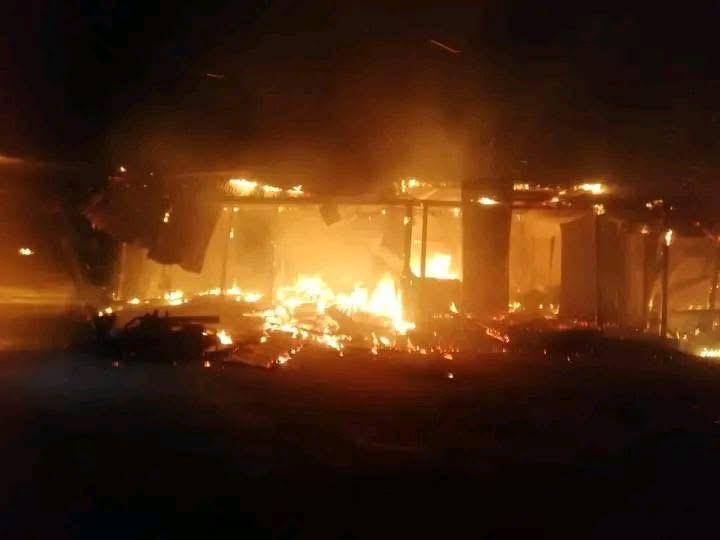

Devastating Fire in Rangla Bazaar, Bagh: Traders Demand Immediate Government Action

Bagh, Azad Kashmir – March 3, 2025: A massive fire broke out in the bustling Rangla Bazaar of Muzaffarabad, causing widespread destruction and leaving local traders in despair. The incident, described as one of the worst tragedies in recent memory, has resulted in the complete destruction of six shops, reducing them to ashes along with all the goods inside. The estimated loss runs into millions of rupees, dealing a severe blow to the livelihoods of the affected traders.

The Central Association of Traders Muzaffarabad, led by President Shaukat Nawaz Mir, has expressed deep sorrow over the incident and extended heartfelt sympathy to the affected shopkeepers. Mir has urgently appealed to the government to take immediate steps for the rehabilitation of the victims, emphasizing the need for swift action to support those who have lost everything in the blaze.

Among the shops destroyed were Raja Fahad Muazzam Khan’s hotel, Sajjad Azad’s mobile shop, and Babar’s fruit and vegetable shop, along with several others. The cause of the fire remains unknown, and locals are demanding a thorough and transparent investigation to determine how the fire started.

Social activist Raja Fahad Muazzam Khan and others have called on the administration to fulfill its responsibilities, especially during the holy month of Ramadan, urging officials to ensure justice and support for the affected traders. “This is a time for compassion and action. The administration must step up and provide relief to those who have suffered immense losses,” said Khan.

The incident has sparked an outpouring of support from the community, with many urging fellow citizens to stand by the affected traders during this difficult time. “Losing one’s livelihood is devastating, especially in these challenging times. We must come together to support our brothers and sisters in need,” said a local resident.

As the investigation into the fire continues, the affected traders are left to pick up the pieces and rebuild their lives. The Central Association of Traders has reiterated its call for the government to provide immediate assistance and ensure that such incidents are prevented in the future.

In this holy month of Ramadan, the community prays for patience and strength for the affected families, hoping for a swift recovery and divine blessings to overcome this tragedy. “May Allah grant the affected traders patience and replace their losses with greater blessings. Let us all come forward to support them in this hour of need,” the association stated.

This incident serves as a stark reminder of the vulnerabilities faced by small business owners and the urgent need for better safety measures and disaster management in commercial areas. The people of Muzaffarabad await a swift and effective response from the authorities to ensure justice and relief for the victims.

Note:This article is based on preliminary reports and may be updated as more information becomes available.

Avalanche Strikes Kishtwar Area in Chenab Valley, No Casualties Reported

Kishtwar, Jammu and Kashmir: A fresh avalanche hit the upper regions of Kishtwar in the Chenab Valley following heavy snowfall in the Kashmir Valley. Fortunately, no casualties have been reported as of now.

According to reports, the avalanche struck the region on Saturday afternoon after a period of snowfall. Authorities confirmed that the avalanche occurred in the Gadh area of Kishtwar, and preliminary investigations indicate that there were no people present at the site when the incident occurred.

A senior police official confirmed the incident, stating, “An avalanche hit the Kishtwar mountain on Saturday. The avalanche struck the Gadh area, which had already been designated as a red zone due to the risk of such incidents. Authorities had already issued a warning, and restrictions on movement were in place.”

This marks the fourth avalanche-related incident in the region in the past three days, though no fatalities or injuries have been reported so far. Local sources mentioned that the area where the avalanche occurred was uninhabited at the time, further minimizing the potential for loss of life.

Authorities continue to monitor the situation, emphasizing the importance of following safety guidelines and avoiding travel in areas prone to avalanches. The region remains under high alert as snow continues to accumulate, and avalanche risks persist in the coming days.

Issue of Substandard Subsidized Flour: A Serious Violation of Public Health and Rights in Azad Kashmir

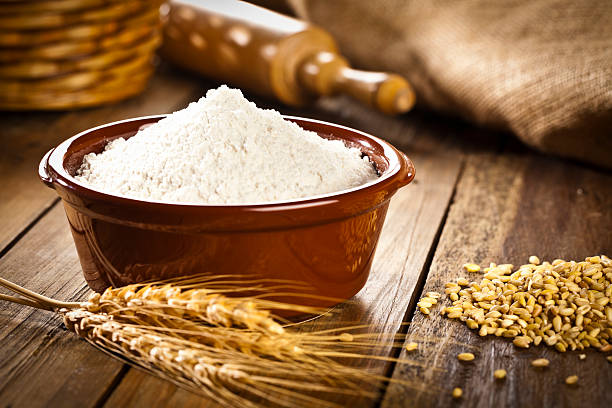
The issue of providing substandard subsidized flour in Azad Kashmir has caused widespread outrage among the public. The government’s initiative to supply flour at 1050 rupees has proven to be problematic as the flour is not only substandard and dangerous to health but is also highly unsuitable for consumption. It contains excessive amounts of unnecessary bran, and the moisture content increases the risk of fungal growth, leading to severe nutritional deficiencies. These issues put the public’s health in significant danger.

In the past, when flour was expensive, people turned to alternatives like corn or other grains, which were pure, natural, and free from adulteration. However, the government’s recent policies have forced the public to rely on this harmful flour, resulting in a rise in digestive disorders, intestinal diseases, weakness, and other medical issues.

On the other hand, hospitals in Azad Kashmir already suffer from inadequate facilities and expensive medications, benefiting private hospitals and corrupt elements. These practices, in turn, make treatment more expensive, putting additional strain on the pockets of the people.

The misuse of public funds by the government and bureaucracy, along with corruption, has put the people of Kashmir in a difficult situation. While government officials increase their salaries and perks without restraint, the common people struggle to make ends meet. This situation has become unbearable, and if these problems remain unresolved, the Kashmiri people may have no choice but to take to the streets in protest.

Experts argue that the current corrupt system ignores the basic needs of the people, including health and education, while the ruling class misuses public resources for personal gain. They suggest that if the government protects the rights of the people and takes concrete steps to end corruption, the people of Kashmir would not have to face these challenges.

It is clear that the people of Kashmir must now wake up and raise their voices for their rights. The time has come for the public to elect responsible leaders who prioritize the welfare of the people over personal wealth and work toward ending corruption. Without this change, the issue of substandard flour and its health consequences will continue, and the exploitation of the public’s rights will persist.

If these issues remain unaddressed, the Kashmiri people will not hesitate to make any sacrifice in the fight for their fundamental rights.

Azad Kashmir: Tourist Spots Revive After Snowfall, Today’s Weather Update

Following recent snowfall in various regions of Azad Kashmir, the cold has intensified, but due to dry weather, the charm of tourist destinations has been restored. Today, most areas of Azad Kashmir are experiencing clear skies with beautiful sunshine. However, in upper regions, there is a possibility of sporadic snowfall and rain.

The recent snowfall has further enhanced the natural beauty of Neelum Valley, Leepa, Jhelum Valley, Bagh, and Haveli, attracting a large number of tourists from across the country. However, the State Disaster Management Authority (SDMA) has advised both tourists and locals to take precautionary measures and avoid traveling to high-altitude areas.

Currently, Muzaffarabad, Mirpur, Bhimber, and Kotli are enjoying clear skies and sunshine despite the cold weather. Bagh is experiencing partly cloudy conditions today, but according to the Meteorological Department, rain is expected in most parts of Azad Kashmir tomorrow, March 3, with a possibility of snowfall in the upper regions.

  • Muzaffarabad: The weather is sunny with a current temperature of 7°C. The maximum temperature is expected to reach 17°C, while the minimum could drop to 8°C. Intermittent rain is expected tomorrow, March 3.
  • Mirpur: The weather is bright and sunny with a current temperature of 8°C. The maximum temperature will be around 20°C, while the minimum will be 10°C. Rain is forecasted for March 3.
  • Kotli: The day is sunny with a current temperature of 9°C. The highest temperature is expected to be 21°C, while the lowest will be 9°C. Light rain showers are predicted for March 3.
  • Bagh: The weather is partly cloudy today, with temperatures ranging between 4°C and 12°C. However, tomorrow, March 3, the weather is expected to remain dry.
  • Bhimber: The weather is clear and sunny, with temperatures ranging from 7°C to 15°C. Tomorrow, March 3, partly cloudy conditions are expected.

According to the Meteorological Department, rain and snowfall are expected in upper regions within the next 24 hours, which could further increase the intensity of the cold.

Weather conditions can change rapidly; for the latest updates, visit the Meteorological Department’s official website.

Khawaja Mujtaba Banday’s Arrest Condemned: JKJAAC Calls for His Release

Sardar Umar Nazir Kashmiri, President of Trades Association Rawalakot and Senior Member of Jammu Kashmir Joint Action Committee, has demanded the release of Khawaja Mujtaba Banday, a student leader and member of the committee.

According to details, Umar Nazir Kashmiri issued a video statement on his Facebook page, stating that Khawaja Mujtaba Banday is innocent and was arrested unjustly. He appealed for Mujtaba’s immediate release.

Khawaja Mujtaba Banday was initially arrested on February 13, 2025, in Muzaffarabad while attending a ceremony to commemorate the death anniversary of Maqbool Bhat. Although he was released, he was rearrested just hours later.

JKJAAC Senior Member Umar Nazir Kashmiri Demands Release of Khawaja Mujtaba Banday | AJK News

Everything You Need to Know About Qusel Tablet Use: A Comprehensive Guide

In recent years, the demand for effective medications that address various health concerns has been on the rise. Among these, Qusel Tablet has emerged as a notable option for those seeking relief from specific health conditions. Whether you’re considering it for the first time or you’re trying to understand its potential benefits and risks, this article provides a thorough exploration of Qusel Tablet use, its benefits, side effects, and other key details.

What is Qusel Tablet?

Qusel Tablet is a prescription medicationprimarily used to manage symptoms of mental health conditionssuch as anxiety, depression, and certain mood disorders. It belongs to a class of medications called antipsychotics or atypical antipsychotics, which are commonly used to treat a variety of psychiatric conditions.

The active ingredient in Qusel Tablet is Quetiapine, which works by influencing the balance of certain chemicals in the brain, specifically neurotransmitters such as dopamine and serotonin. By balancing these chemicals, Quetiapine helps regulate mood, thoughts, and behavior, making it effective for conditions like schizophrenia, bipolar disorder, and major depressive disorder.

How Does Qusel Tablet Work?

Qusel Tablet works by targeting specific neurotransmitters in the brain, which are essential for mood regulation and mental clarity. Here’s how it works in more detail:

  • Dopamine Regulation: Dopamine plays a key role in controlling emotional responses and behavior. In conditions like schizophrenia or bipolar disorder, dopamine levels can become unbalanced, leading to symptoms like paranoia, hallucinations, or intense mood swings. Qusel Tablet helps restore a more balanced dopamine level.
  • Serotonin Balance: Serotonin is another neurotransmitter linked to mood regulation, sleep, and overall mental well-being. By influencing serotonin levels, Qusel Tablet can help improve mood and reduce symptoms of depression or anxiety.
  • Reduced Psychotic Symptoms: In patients with schizophrenia, Quetiapine has been shown to reduce hallucinations, delusions, and disorganized thinking by stabilizing dopamine activity in the brain.

Conditions Treated by Qusel Tablet

Qusel Tablet is used to treat a variety of mental health conditions, including:

1. Schizophrenia

Schizophrenia is a severe mental disorder that affects how a person thinks, feels, and behaves. People with schizophrenia may appear withdrawn, paranoid, and detached from reality, and they may experience hallucinations and delusions. Quetiapine, the active ingredient in Qusel, helps alleviate these symptoms, allowing individuals to manage their condition more effectively.

2. Bipolar Disorder

Bipolar disorder is characterized by extreme mood swings, ranging from manic episodes (elevated mood, increased energy) to depressive episodes (sadness, lack of energy). Qusel Tablet helps stabilize these mood swings, preventing the extremes associated with bipolar disorder.

3. Major Depressive Disorder (MDD)

In some cases, Qusel Tablet is used as an adjunct treatment for major depressive disorder. For patients who do not respond adequately to first-line antidepressants, Quetiapine can help enhance the antidepressant effects and reduce depressive symptoms.

4. Generalized Anxiety Disorder (GAD)

Although not the primary treatment, Qusel Tablet may be prescribed off-label for generalized anxiety disorder. It can help manage symptoms of anxiety, including restlessness, irritability, and excessive worry.

Qusel Tablet Dosage and Administration

The dosage of Qusel Tablet varies depending on the condition being treated, the patient’s age, and their response to the medication. The typical dosages are:

  • For Schizophrenia: The initial dose is usually around 25–50 mg per day, which is gradually increased to 300–400 mg per day depending on the patient’s needs.
  • For Bipolar Disorder: For acute mania or depression, the dosage may start at 100 mg per day, increasing to 400–800 mg per day.
  • For Major Depressive Disorder: If used as an adjunct for depression, the usual dosage is 50–150 mg per day.

It is essential to follow the doctor’s instructions carefully and never adjust the dosage without professional guidance.

Side Effects of Qusel Tablet

Like all medications, Qusel Tablet comes with potential side effects. While many people tolerate the medication well, some may experience adverse reactions. Common side effects include:

  • Drowsiness or Sedation: Quetiapine has a sedative effect, which is why it is often taken at night. This can make patients feel sleepy or tired during the day.
  • Weight Gain: One of the more common side effects of Qusel is weight gain, which can be significant in some patients. Maintaining a healthy diet and exercising regularly can help mitigate this effect.
  • Dizziness: Some users may feel lightheaded or dizzy when standing up too quickly, especially when starting treatment or adjusting the dosage.
  • Dry Mouth: Quetiapine can reduce saliva production, leading to dry mouth. Drinking plenty of water and chewing sugar-free gum can help.
  • Increased Blood Sugar and Cholesterol: Some individuals taking Qusel may experience an increase in blood sugar levels or cholesterol. Regular monitoring of blood glucose and lipid profiles is recommended.
  • Extrapyramidal Symptoms (EPS): Although rare, movement disorders, such as tremors or stiffness, can occur in some individuals. These symptoms may require adjustments to the medication.
  • Risk of Suicidal Thoughts: As with many psychiatric medications, there is a slight risk of suicidal thoughts or behaviors, particularly in the early stages of treatment. It’s important to be monitored regularly by a healthcare provider during this period.

Precautions and Warnings

Before starting treatment with Qusel Tablet, it’s essential to take certain precautions to ensure its safety and effectiveness:

  • Pre-existing Health Conditions: If you have a history of heart disease, diabetes, liver problems, or seizures, inform your doctor before starting Qusel Tablet. The medication may exacerbate these conditions.
  • Alcohol and Drug Interactions: Alcohol can increase the sedative effects of Qusel Tablet, making it dangerous to combine the two. Additionally, Qusel may interact with other medications, including antidepressants, antihypertensives, and certain antifungals.
  • Pregnancy and Breastfeeding: If you are pregnant or breastfeeding, consult your doctor before using Qusel. The medication can pass into breast milk and may affect a newborn.
  • Discontinuation: Abruptly stopping Qusel Tablet can lead to withdrawal symptoms, including nausea, insomnia, and anxiety. A gradual tapering of the dose is usually recommended.

Qusel Tablet Use in Special Populations

1. Elderly Patients

Elderly individuals are often more sensitive to medications, including antipsychotics like Qusel. Older adultsmay experience increased sedation, dizziness, and an elevated risk of falls. Lower doses are typically recommended, and frequent monitoring is essential.

2. Children and Adolescents

Qusel Tablet is generally not recommended for children under the age of 18, except in certain situations where other treatments have not worked. The safety and effectiveness in this age group require careful assessment by a healthcare provider.

Benefits of Qusel Tablet

  • Effective in Managing Symptoms: The most significant benefit of Qusel Tablet is its ability to effectively manage symptoms of mental health conditions, improving quality of life and emotional well-being.
  • Minimal Risk of Severe Side Effects: Compared to older antipsychotic medications, Qusel (Quetiapine) is generally considered to have a more favorable side-effect profile, with a lower incidence of severe extrapyramidal symptoms.
  • Dual Action: Qusel Tablet is known for its dual action, working on both dopamineand serotoninreceptors, which helps improve mood while also controlling psychotic symptoms.

Is Qusel Tablet Right for You?

Qusel Tablet, or Quetiapine, is a powerful medication that can help manage a variety of psychiatric conditions, including schizophrenia, bipolar disorder, and major depressive disorder. When used correctly and under the guidance of a healthcare provider, it can significantly improve the quality of life for many patients.

However, like any medication, Qusel Tabletcomes with potential side effects and risks, which should be carefully considered in consultation with a healthcare provider. Regular follow-up visits and adherence to prescribed dosages are essential to ensuring the medication’s effectiveness and minimizing risks.

If you or someone you know is considering Qusel Tablet as a treatment option, it’s crucial to discuss the potential benefits and risks with a doctor who can tailor the treatment plan to the individual’s specific needs.

NOTE: At The Azadi Times, we strive to deliver accurate and reliable content. This article on Qusel Tablet provides insights into its uses, benefits, side effects, and precautions. Always consult a healthcare professional before making medical decisions. Our content is for informational purposes only and not a substitute for professional advice. 

FAQs about Qusel Tablet

1. How long does it take for Qusel Tablet to work?
Qusel Tablet may take several weeks to show its full effects, especially when used for mood stabilization. However, some people may experience improvements in sleep or anxiety within the first few days.

2. Can Qusel Tablet be used for sleep problems?
Qusel is sometimes prescribed off-label for insomnia due to its sedative properties. However, it is not a first-line treatment for sleep disorders.

Rights of Husband in Islam: The Islamic Perspective

Marriage in Islam is regarded as a sacred contract, fostering love, mutual respect, and shared responsibility between the husband and wife. While the rights of women in Islam often attract attention, it is equally important to understand the rights of a husband as well. The Quran and Sunnah provide clear guidelines on this matter, ensuring that the relationship between a husband and wife is balanced, respectful, and built on mutual cooperation.

This article explores the rights of a husband in Islam, emphasizing how these rights contribute to a healthy and harmonious marriage.

1. The Husband’s Right to Respect and Obedience

The concept of respect and obedience in marriage is central to Islam, particularly when it comes to the husband’s role in the family. The Quran articulates this relationship in a balanced manner, stating that men are the protectors and maintainers of women:

“Men are the protectors and maintainers of women because Allah has given one more strength than the other and because they support them from their means.”(Quran 4:34)

This verse highlights that the husband is entrusted with leadership in the home. However, it’s important to note that this leadership is not about superiority, but responsibility. The wife is encouraged to respect her husband’s leadership and obey his reasonable decisions, provided they do not contradict Islamic principles.

2. The Right to Kind and Considerate Treatment

While the husband has the right to be respected, Islam stresses that this respect must be accompanied by kindness and compassion. The Prophet Muhammad (peace be upon him) emphasized this in his teachings, stating:

“The best among you are those who are best to their wives.” (Tirmidhi 3895)

The husband’s role is to treat his wife with care, gentleness, and dignity. This is a two-way street, where both spouses are expected to foster a positive, loving environment that nurtures emotional well-being.

3. The Right to Marital Intimacy

Islam recognizes the importance of marital intimacy as a mutual right and responsibility. The Quran likens the relationship between spouses to that of garments—close, protective, and intimate:

“They are your garments and you are their garments.” (Quran 2:187)

Marital intimacy should be approached with love, affection, and mutual consent. A husband has the right to intimacy with his wife, and the wife is expected to meet her husband’s natural desires, provided they remain within the ethical and moral framework of Islam. Denying intimacy without valid reasons can create discord in the marriage.

4. The Right to Be the Head of the Family

In Islam, the husband is considered the leader of the family. This role comes with significant responsibility, including providing for the financial, emotional, and spiritual well-being of the family. The Prophet Muhammad (peace be upon him) said:

“Each of you is a shepherd, and each of you is responsible for his flock. A man is the shepherd of his family, and he is responsible for them.” (Bukhari & Muslim)

This leadership role doesn’t mean that the husband has absolute power or control. Rather, he is expected to guide the family with justice, compassion, and fairness. His leadership involves making decisions in the best interests of his family, including matters of finances, education, and spiritual growth.

5. The Right to Financial Support

Islam places the financial responsibility of the family on the husband. A husband is obligated to provide for his wife and children, regardless of the wife’s financial situation. This obligation includes providing food, clothing, shelter, and other basic necessities. The Quran states:

“Let the rich man spend according to his means, and the man whose resources are restricted, let him spend according to what Allah has given him.” (Quran 65:7)

A wife is not required to spend her own money on household expenses unless she voluntarily chooses to do so. The husband’s financial responsibility is foundational to maintaining a stable family structure in Islam.

6. The Right to Loyalty and Fidelity

Loyalty and fidelity are core values in Islam, and both spouses are expected to be faithful to each other. A husband has the right to expect his wife to be loyal and committed to their marriage. The Quran strictly prohibits any form of infidelity:

“And do not approach unlawful sexual relations. Indeed, it is an immorality and an evil way.” (Quran 17:32)

Loyalty helps to build trust and strengthens the marital bond, fostering a sense of security and mutual respect in the relationship.

7. The Right to Parental Authority

While both parents share the responsibility of raising children, the husband has a primary role in family matters. In Islam, the father is seen as the head of the household and is expected to be a model of wisdom, justice, and guidance for his children. The Prophet Muhammad (peace be upon him) said:

“The best gift a father can give to his children is good manners.” (Tirmidhi 4977)

This includes educating children about Islamic values, discipline, and ethics. Although the mother plays a significant role in nurturing and caring for the children, the father’s involvement is crucial for a balanced and healthy upbringing.

8. The Right to Be Consulted in Important Matters

While the husband has the right to lead, Islam also encourages mutual consultation between spouses, especially in significant decisions. The Quran advocates for this shared approach to decision-making:

“And those who have responded to [the needs of] their leader and conduct their affairs by mutual consultation.” (Quran 42:38)

A husband is expected to consider his wife’s opinions, particularly on matters affecting the family. The relationship should be based on cooperation and mutual respect, with both partners’ voices heard and valued.

9. The Right to Housekeeping (According to Some Scholars)

The issue of a wife’s responsibilities regarding housework has been the subject of scholarly debate. Some scholars believe that a wife is not obligated to perform domestic chores as part of her marital duties, while others suggest that she should contribute to maintaining the household. However, Islam encourages mutual assistance in domestic work, with the Prophet Muhammad (peace be upon him) setting an example by helping with household chores himself.

“The Prophet (peace be upon him) used to help his wives with their chores.”(Bukhari 6039)

This shows that the relationship between a husband and wife should be one of mutual support, with both parties contributing to the upkeep of the home.

10. The Right to Polygamy (Under Conditions)

Islam permits a man to have up to four wives, but only under strict conditions of fairness and justice. The Quran explicitly outlines these conditions:

“But if you fear that you will not be just, then [marry only] one.” (Quran 4:3)

Polygamy is not a blanket permission but rather a conditional right. A husband must treat each wife equally in terms of financial support, emotional care, and physical intimacy. If a man is unable to provide this equality, he is obligated to marry only one.

The rights of a husband in Islam are balanced with his responsibilities. Islam promotes a marriage built on love, respect, and mutual understanding. A husband’s rights are not about control but about fulfilling his role as a provider, protector, and leader with kindness and fairness. Similarly, the wife’s rights are respected, and the marriage should be an equal partnership where both spouses strive to meet each other’s needs.

By understanding the rights of a husband and the complementary rights of a wife, couples can work towards a fulfilling and harmonious marriage. When both spouses follow the principles outlined in the Quran and Sunnah, they build a strong foundation for a peaceful and prosperous family life.

Understanding the Rights of a Husband in Islam: A Comprehensive Guide to Marital Responsibilities

Frequently Asked Questions (FAQs)

  1. What are the primary rights of a husband in Islam? In Islam, the primary rights of a husband include the right to respect, obedience, kind treatment, marital intimacy, and leadership in the family. He is also entitled to financial support from his wife, loyalty, and the authority to make important decisions for the family.
  2. Does a wife have to obey her husband in all matters? While a wife is encouraged to obey her husband within the boundaries of Islamic law, obedience should not mean following any command that contradicts Islamic principles. Mutual respect and consultation are essential in making decisions within the marriage.
  3. Is polygamy allowed in Islam, and does a husband have the right to marry more than one wife?Islam permits polygamy under strict conditions of justice and fairness. A husband may marry up to four wives, but he must treat them equally in all aspects, including financial support, time, and emotional care. If a husband fears he cannot be just, he is required to marry only one.
  4. What is the husband’s responsibility in terms of financial support? A husband is obligated to provide for his wife and children, covering basic needs such as food, clothing, shelter, and healthcare. Even if the wife has her own income, it is still the husband’s responsibility to ensure the family’s financial well-being.
  5. What happens if a husband neglects his rights or responsibilities in a marriage? In Islam, a husband who neglects his duties is held accountable by Allah. Both spouses have mutual rights and responsibilities, and neglecting any of them can lead to imbalance in the marriage. It is important for both parties to uphold the rights of each other to maintain a harmonious relationship.

Srinagar Smart City Infrastructure at Risk as Footpath Collapses into Dal Lake

0

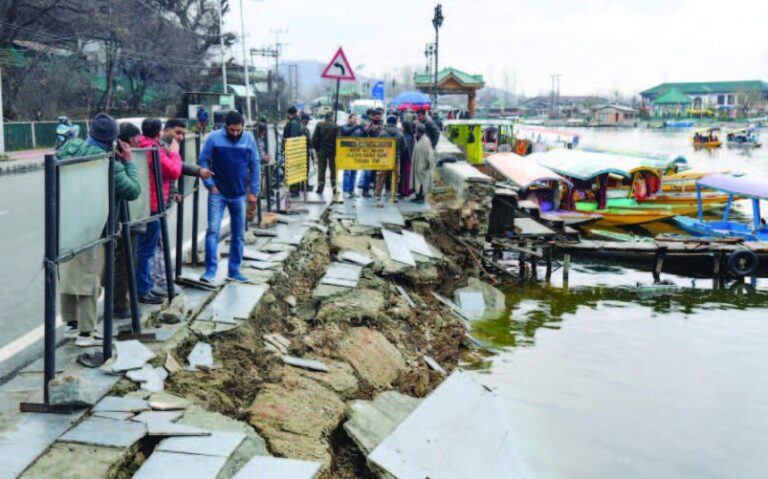
SRINAGAR: A section of the footpath along Boulevard Road near Ghat No. 17 in Srinagar has collapsed into Dal Lake, raising serious concerns about the quality of infrastructure being developed under the Smart City project. The incident has put pedestrians at risk and cast a shadow on the standards of construction work in the region. The collapse occurred in a high-traffic area, which is frequently visited by locals and tourists alike. As the city moves forward with its development plans, this incident highlights the need for stricter quality control and oversight on public infrastructure projects.

Incident Details: On Thursday, the newly constructed footpath near Ghat No. 17, which was part of the ongoing Smart City development, gave way and fell into Dal Lake. Eyewitnesses reported that tiles from the path were washed away into the lake, causing further environmental concerns. Fortunately, there were no casualties, though pedestrians were lucky to avoid injury. Local residents and regular commuters expressed concerns about the safety risks posed by the collapse, as this area is a popular spot for both locals and tourists throughout the year.

The footpath in question was part of a larger initiative aimed at revamping the infrastructure along the Boulevard Road, which runs alongside the picturesque Dal Lake. The revamp was part of the Smart City project, which includes upgrading roads, footpaths, and other urban amenities. However, the collapse of the path has raised questions about the quality of the construction work and whether proper standards were adhered to during the process.

Rising Concerns Over Srinagar Smart City Infrastructure Quality

The collapse of the footpath comes just months after similar issues were raised regarding infrastructure projects in the region. This particular stretch of Boulevard Road, which sees heavy foot traffic, especially from tourists, was recently refurbished as part of the Smart City initiative. The project aimed to modernize key parts of Srinagar, but incidents like this have called into question whether the work has been up to the required standards.

This is not the first time that infrastructure in the region has failed prematurely. A few years ago, another section of roadwork near Dal Gate suffered from similar issues, with roads and pavements crumbling soon after their completion. These recurring failures suggest that there might be deeper issues related to construction practices or project oversight in the region.

Response from Authorities: Following the footpath collapse, the spokesperson of the National Conference (NC), Tanveer Sadiq, has raised the alarm and appealed to the Deputy Commissioner of Srinagar to take immediate notice of the situation. In his statement, Sadiq emphasized that the area, which is typically crowded with pedestrians and tourists, requires quality infrastructure to ensure public safety. He called for immediate investigation into the incident and demanded that those responsible be held accountable.

Tanveer Sadiq also visited the site of the incident, where he expressed concerns about the shoddy construction work. “This area is usually bustling with people, and the authorities should have ensured that the work was done to the highest standards,” Sadiq said. “This issue has been raised with the Chief Minister’s office, and action will be taken against the responsible officials.”

Sadiq also mentioned that he had spoken to the concerned officials, who assured that work would commence in the evening to restore the damaged area. “The officers have assured me that if there was any negligence, action will be taken accordingly,” he added.

Potential Impact on Tourism and Public Safety

The collapse of the footpath is not only a blow to the region’s infrastructure development but also has broader implications for public safety and tourism in Srinagar. Dal Lake, one of Kashmir’s most iconic landmarks, attracts millions of visitors annually, and the area around Ghat No. 17 is a prime spot for tourists. A failure in infrastructure such as this could deter future visitors and tarnish the region’s image as a tourist destination.

Furthermore, the safety of pedestrians using the path is a major concern. Although there were no fatalities or injuries in this incident, the collapse underscores the risks associated with poorly constructed public works, especially in high-traffic areas.

The collapse of the footpath near Ghat No. 17 in Srinagar highlights serious concerns about the implementation of the Smart City project and the standards of construction in the region. While the Smart City initiative aims to modernize infrastructure and improve the city’s amenities, incidents like this emphasize the need for strict oversight and adherence to quality standards. As Srinagar continues to develop, it is essential for authorities to ensure that public infrastructure projects meet the highest standards to avoid putting citizens and visitors at risk.

Omar Abdullah Talks Statehood Restoration, Challenges Post-Article 370 Revocation in Jammu and Kashmir

0

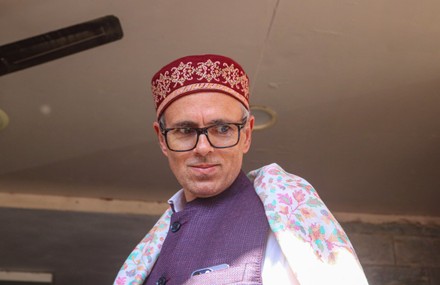
SRINAGAR: In a bold and thought-provoking discussion, Omar Abdullah, Chief Minister of Jammu and Kashmir, addressed the ongoing political situation and the hopes for the restoration of the region’s statehood. Speaking during The Red Mic Dialogues with Omar Abdullah on the program “Umeedo Ka Jammu Kashmir,” Abdullah stressed that his party does not see the need to wait for five years to restore the region’s statehood, expressing hopes for its restoration within this year. His remarks were also critical of the August 5, 2019, decision to abrogate Article 370, saying it has not brought the promised change and that militancy continues to plague the region.

Jammu and Kashmir’s Statehood Restoration: A Critical Outlook

Omar Abdullah’s statement about the restoration of Jammu and Kashmir’s statehood reflects growing frustration among the region’s political leadership. He expressed confidence that the current year could see meaningful movement on this issue, underlining that negotiations on the restoration are underway. Abdullah emphasized that while the Government of India claims that Jammu and Kashmir’s integration with the rest of the country is complete, the region’s political status remains in limbo, with little to show in terms of real change or improved security.

Post-370: No Visible Change for Jammu and Kashmir

Abdullah addressed the aftermath of the revocation of Article 370, which had granted Jammu and Kashmir special autonomy. He stated that the central government’s promise of bringing lasting peace and development to the region through the removal of Article 370 has failed to materialize. Despite the high hopes surrounding the move, the reality on the ground remains unchanged, with the region still grappling with militancy, unrest, and security challenges.

Reflecting on the government’s stance in 2019, Abdullah commented, “The narrative was that Jammu and Kashmir would be treated the same as the rest of the country. But if this is to be the case, then why maintain a separate legal framework for the region?” He further questioned the logic behind treating Jammu and Kashmir as a special case, stating that it goes against the promise of equal treatment made at the time of Article 370’s abrogation.

A Hybrid System: The Challenge of Union Territory Status

Abdullah criticized the current political arrangement of Jammu and Kashmir being a Union Territory (UT), calling it a “hybrid system” that fails to offer the region the full autonomy that a state status would provide. He argued that this ambiguous structure undermines the region’s unique needs and status. “In India, there should either be only states or only Union Territories,” he added, suggesting that the region’s future requires a clear and unified approach rather than a compromise model.

Ladakh’s Betrayal: Unmet Expectations

Shifting focus to Ladakh, Abdullah expressed deep concern over the decision to grant Ladakh Union Territory status without a statehood option. Reflecting on the initial warnings given to the people of Ladakh, he pointed out that their grievances have not been adequately addressed under the new arrangement. “Ladakh’s people were told that their demands would be met, but now they are realizing that becoming a Union Territory has only deepened their concerns,” he said.

For Abdullah, this is a clear example of how political promises fail to deliver tangible benefits to the people. He emphasized that Jammu and Kashmir’s experience should serve as a cautionary tale for regions seeking autonomy under the current governance system.

On the Budget and PDP’s Alcohol Ban Proposal

Abdullah also responded to questions about the government’s budget, stressing that the commitments made would soon be fulfilled. He noted that the current government must deliver on the promises made during the budgeting process, reflecting the public’s expectations for real, on-the-ground change.

In a response to the proposal by the People’s Democratic Party (PDP) to impose a ban on alcohol in Jammu and Kashmir, Abdullah reminded the PDP of its own track record during its time in power. “I will remind the PDP of what they did when they had the opportunity to impose such a ban,” he said. He also pointed out that discussions on the issue of alcohol will take place in the assembly once the formal bills are presented.

Conclusion: Omar Abdullah’s comments underscore the complex and unresolved issues surrounding Jammu and Kashmir’s political future. His criticism of the revocation of Article 370 and the hybrid system of governance reflects the disillusionment felt by many in the region regarding the promises made by the central government. The call for the restoration of statehood and a genuine resolution to the region’s autonomy issues remains a central theme in Abdullah’s political stance.

The ongoing debates around Jammu and Kashmir’s political status, the situation in Ladakh, and the internal governance model highlight the need for a thoughtful and inclusive approach to resolving the region’s challenges. Whether the region’s political future lies within a unified Indian system or requires a unique solution will continue to be a key question in the years ahead.