
Tuesday, March 31, 2026
18.2 C
Srinagar
Home Blog Page 112

Traders’ Associations Announce Relief Measures for Citizens Ahead of Ramadan 2025 in Muzaffarabad

0

MUZAFFARABAD: As the holy month of Ramadan approaches, the government of Muzaffarabad, in collaboration with local traders’ associations, has announced a series of measures to alleviate the financial burden on citizens amid rising inflation. A key meeting, chaired by the Deputy Commissioner of Muzaffarabad, was held to finalize these measures and ensure that the citizens of Muzaffarabad receive maximum relief during the upcoming month of Ramadan. With inflation affecting daily essentials, this joint initiative aims to provide affordable food items and maintain quality standards for essential goods during the sacred month.

Meeting Highlights and Key Decisions: The meeting, which was convened in the office of the Deputy Commissioner, included the District Food Controller, Magistrates, representatives of various traders’ associations, and members of different sectors of society. The central focus of the discussion was to ensure that the local population would not face any difficulties in accessing essential food items during Ramadan, a month when the demand for groceries, meat, and other daily commodities increases significantly.

The Deputy Commissioner of Muzaffarabad emphasized the need for strict quality control and price regulation of essential goods like food, vegetables, fruits, and meat during Ramadan. He highlighted that the government would work hand-in-hand with local traders to ensure fairness and transparency in pricing and quality.

Key Relief Measures for Ramadan:

  1. Sasta Bazaar (Cheap Markets):
    A major relief initiative that was discussed and agreed upon during the meeting was the establishment of daily “Sasta Bazaars” (Cheap Markets) throughout Muzaffarabad. These markets will be organized by the Municipal Corporation, providing citizens with access to essential goods at affordable prices. The initiative aims to counteract the impact of price hikes during Ramadan and ensure that citizens can purchase daily essentials without strain.
  2. Discounts on Chicken Prices:
    One of the significant agreements was a reduction in chicken prices. The Chicken Association of Muzaffarabad has agreed to sell chicken at a price that is 5 rupees per kilogram lower than the standard market rates. This price reduction will be applied to the official price list of chicken issued by the authorities, providing consumers with some financial relief.
  3. Fruit and Vegetable Price Regulation:
    The Fruit and Vegetable Association of Muzaffarabad also agreed to maintain the prices of fruits and vegetables according to the official rates issued from Mansehra and Rawalpindi, without any increases during Ramadan. This decision is expected to make fresh produce more affordable for the citizens of Muzaffarabad, especially during the busy month of fasting.
  4. Quality Control and Hygiene:
    To ensure the highest standards of cleanliness and quality, special attention was given to the maintenance of hygiene at poultry shops. All poultry vendors are required to uphold strict cleanliness protocols in their shops to prevent contamination and ensure that consumers receive only high-quality products.
  5. Price Lists and Transparency:
    A significant decision made during the meeting was the agreement to display the official price lists for food items such as samosas, pakoras, and other fried snacks prominently at retail locations. These price lists will help avoid any price manipulation and ensure transparency in the pricing process. Additionally, the government plans to deploy monitoring teams to inspect the quality and prices of food items across the city.
  6. No Increase in Dairy Product Prices:
    The meeting also concluded with the decision that there will be no increase in the prices of dairy products such as milk and yogurt during Ramadan. The government has assured the public that the rates for dairy products will remain stable throughout the month.

Implementation and Enforcement: To ensure the successful implementation of these relief measures, a series of enforcement actions will be taken. The District Administration has tasked the Inspector of Weights and Measures with ensuring that all weighing and measuring instruments used by local vendors are standardized within the next week. This step will help eliminate discrepancies in weight and ensure that customers are receiving the correct quantity for their money.

A special monitoring team will also be set up to check for price fluctuations, quality control, and ensure that the official price lists are being followed. The authorities have pledged to take strict action against any violations of the agreements made during this meeting.

Government’s Commitment to Public Welfare: The government of Azad Jammu & Kashmir is fully committed to easing the financial burden on its citizens, especially during the holy month of Ramadan. By partnering with local traders and retailers, the authorities aim to create a fair and transparent system that benefits the public. These efforts are part of a broader strategy to improve living standards, provide economic relief, and ensure the welfare of the people, particularly in times of economic challenges.

Conclusion: The announcement of these relief measures for Ramadan 2025 represents a significant step toward ensuring that the people of Muzaffarabad can observe the holy month with peace of mind, free from the financial pressures that often accompany increased demand for food and essentials. By establishing cheap markets, reducing prices on key commodities, and focusing on quality control, both the government and traders have demonstrated their commitment to serving the public and providing affordable access to daily necessities.

With these initiatives, Ramadan 2025 in Muzaffarabad is set to be a month of relief, ensuring that the spirit of giving, unity, and community is upheld despite the challenges posed by rising inflation.

Keywords: Ramadan 2025, Muzaffarabad, price control, food prices, traders’ association, cheap markets, inflation relief, Azad Kashmir, poultry prices, fruit and vegetable prices, Ramadan relief measures, Muzaffarabad government, public welfare, dairy prices, standardization of measurements, quality control, consumer relief, Sasta Bazaar.
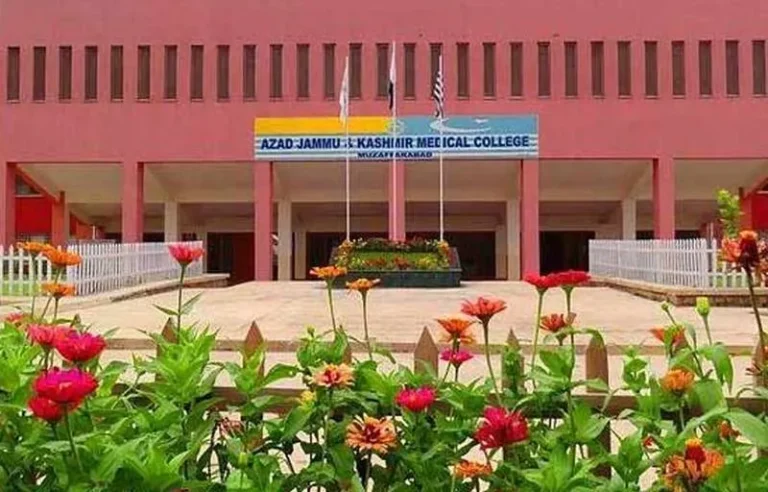

Teaching Hospital Approved in Azad Kashmir: A Milestone in Healthcare and Medical Education in Azad Kashmir

0

Introduction: In a significant development for the healthcare and medical education sector in Azad Jammu & Kashmir (AJK), the Hattian Bala District Hospital has officially been attached as a teaching hospital to Muzaffarabad Medical College. This move, which has been formalized through an official notification, is poised to elevate both the quality of healthcare services in the region and the standard of medical education provided to future healthcare professionals. The integration of Hattian Bala District Hospital with Muzaffarabad Medical College is a transformative step, ensuring improved medical training, patient care, and the overall healthcare infrastructure in the region.

Enhancing Healthcare in Azad Kashmir: Azad Kashmir has long struggled with limited access to advanced healthcare services, particularly in rural and remote areas. With the new development, residents of Hattian Bala and surrounding areas will benefit from a more accessible healthcare system. By aligning the district hospital with Muzaffarabad Medical College, the government aims to improve medical treatment while simultaneously offering students hands-on clinical experience in a real-world hospital environment.

The integration is expected to bring much-needed resources, modern healthcare facilities, and specialized medical services to the region. In addition, it will create an opportunity for doctors, nurses, and medical staff to enhance their skills and provide more advanced treatment options to the local population.

Impact on Medical Education: One of the primary benefits of this attachment is the opportunity for Muzaffarabad Medical College students to receive practical training in an active hospital setting. This collaboration will ensure that students are exposed to a variety of medical cases, providing them with a well-rounded education in both theoretical knowledge and practical application.

Additionally, this partnership is expected to boost the medical college’s research capabilities and create avenues for faculty members to engage in collaborative medical research with hospital staff. It will also serve as a platform for advanced medical practices, ensuring that the next generation of doctors is well-equipped to meet the growing healthcare demands of the region.

Improvement of Healthcare Services: The move is expected to bring long-term benefits not only in terms of medical education but also in improving healthcare service delivery. Patients in Hattian Bala will now have access to better-trained medical professionals and improved diagnostic and treatment facilities. This is particularly important for rural communities, where healthcare access has been a persistent challenge.

Specialized care in fields such as cardiology, orthopedics, gynecology, and pediatrics will be more readily available as a result of the collaboration. With more skilled medical professionals working in the region, the quality of patient care is set to improve significantly.

Government’s Vision for a Better Healthcare System: The Government of Azad Jammu & Kashmir has consistently expressed its commitment to improving the healthcare infrastructure in the region. This new step is part of a broader strategy to address the healthcare needs of the population by improving hospital facilities, medical education, and healthcare delivery systems.

The integration of Hattian Bala District Hospital with Muzaffarabad Medical College aligns with the government’s vision of creating a self-sustaining and robust healthcare system that meets the needs of the local population. The move also highlights the government’s proactive stance in addressing the healthcare and educational challenges faced by the region.

Future Prospects and Expansion Plans: Looking ahead, the success of this integration could lead to similar collaborations between other district hospitals and medical colleges in Azad Kashmir. As the demand for quality healthcare continues to rise, these partnerships will play a crucial role in bridging the gap between medical education and healthcare service delivery.

In the coming years, it is expected that the partnership will extend to offering advanced medical training programs, including specialized courses and residency options for medical professionals. The hospital’s role as a teaching hospital could also foster a culture of continuous medical research and innovation in the region.

The official notification linking Hattian Bala District Hospital to Muzaffarabad Medical College marks a groundbreaking moment in the evolution of both healthcare services and medical education in Azad Kashmir. This move promises to significantly enhance the quality of healthcare, medical training, and patient outcomes in the region. With the government’s ongoing commitment to improving healthcare infrastructure, this partnership between the hospital and medical college is expected to be a model for future collaborations aimed at enhancing the healthcare system across Azad Jammu & Kashmir.

DC Neelum’s Controversial Phone Call: A Kashmir Leader’s Stand on Government Intimidation

0

In a recent turn of events, a post made by Sadaqat Mughal, Chairman of the Jammu Kashmir Liberation Front (Nazreyati), has raised alarms over what appears to be an act of intimidation by government authorities in Neelum Valley, in Pakistan-administered Kashmir. Mughal’s public account of receiving a threatening call from the Deputy Commissioner (DC) of Neelum has sparked widespread debate about the government’s approach to managing both public dissent and the ongoing crisis in the region.

This alarming phone call, as narrated by Sadaqat Mughal, took place after the tragic deaths of three local residents, who were reportedly killed by an avalanche while transporting military supplies. The incident, which took place in the upper reaches of Neelum Valley, has captured the attention of local media, with many questioning the region’s preparedness and response to such disasters.

Mughal, who leads the Jammu Kashmir Liberation Front (Nazreyati) – a group advocating for the complete independence of Jammu and Kashmir from both India and Pakistan – took to social media to express his condolences and share the details of the tragic incident. He also raised concerns about the lack of official response to the victims’ families. This led to a call from the Deputy Commissioner (DC) of Neelum, which Mughal claims was not just a reprimand but an attempt to censor his public statements.

The Avalanche Incident: A Call for Transparency

The tragic avalanche in Neelum Valley claimed the lives of three men, who were reportedly returning after delivering military supplies to a remote location. The victims were buried under a heavy snow mass, and the news of their deaths has deeply affected the local community. According to Mughal, the victims were not only local civilians but also part of a larger effort to support the military by transporting critical supplies.

In his post, Mughal shared that the families of the deceased had confirmed the tragic events, and the local community was left to deal with the aftermath on their own. The villagers, despite facing severe snowstorms and the risks of further avalanches, embarked on a desperate search to recover the bodies of their loved ones. Mughal described the selfless efforts of the local people in searching for the bodies of the fallen, a task that no official rescue teams appeared to take responsibility for at the time.

Despite the tragedy, what followed seemed even more alarming. Mughal’s social media post quickly turned controversial after he highlighted the failure of local authorities to provide sufficient support during this difficult time. In a society where official narratives often attempt to shield the government from criticism, his candid expression of grief and frustration sparked a response from the administration.

A Threatening Call from the DC of Neelum

According to Sadaqat Mughal, the very next day, he received a threatening phone call from the Deputy Commissioner of Neelum. Mughal claims that during this call, the DC instructed him to delete the post he had shared about the tragedy. Describing the conversation as “threatening,” Mughal emphasized that the DC’s tone was not just disapproving, but also coercive, as if the government official felt entitled to dictate the content of Mughal’s social media activity.

The call, which Mughal claims came at around 1 PM, took a disturbing turn as the DC allegedly demanded that the post be deleted immediately. The Chairman of the Jammu Kashmir Liberation Front (Nayeerati) stated that such interference in his personal expression was not only a violation of his rights but also an attempt to suppress the truth about the local government’s failure to act during the crisis.

Mughal expressed his frustration, saying that the Deputy Commissioner, whose job is to ensure the safety and well-being of the people of Neelum, should have been on the ground assisting in the recovery operation, rather than attempting to censor social media posts. According to Mughal, the people of Neelum were left to fend for themselves in the midst of a natural disaster, and the local administration did nothing but try to silence those who pointed out their negligence.

A Call for Accountability and Justice

Mughal’s post and his subsequent revelations have raised serious questions about government accountability in Kashmir. His claims have not only sparked a debate on the role of local authorities in disaster response but also on the larger issue of political censorship and freedom of speech in the region.

Kashmir, long embroiled in political unrest and turmoil, has seen an increasing tendency to stifle dissent, especially when it concerns government shortcomings. The act of censoring posts on social media, particularly those pointing out failures or injustices, has become a common tool of authorities to avoid scrutiny. However, Mughal’s response reflects a growing trend among certain segments of Kashmiri society that refuses to accept this silencing of voices, especially when it comes to the rights and dignity of the people.

For a region that has seen decades of conflict, authoritarianism, and administrative negligence, Mughal’s stand highlights a crucial issue: the right to speak freely and the need for justice for the people of Kashmir. The people of Neelum, like many other areas in Kashmir, are struggling not only with the challenges of natural disasters but also with the compounded burden of a system that often prioritizes its narrative over the lived realities of the people.

Mughal’s Vision: A Struggle for Kashmiri Rights

Mughal, known for his firm stance on Kashmiri independence, has always been an outspoken advocate for the region’s right to self-determination. His message, however, goes beyond political rhetoric. His commitment to the cause of the Kashmiri people is evident in his words: “I am leading a revolutionary movement for the complete independence of my homeland, and I will continue to fight for the rights and safety of my people until my last breath.”

Through his leadership in the Jammu Kashmir Liberation Front (Nayeerati), Mughal has worked to push for a complete rethinking of Kashmir’s political future. His criticism of the Neelum administration is rooted in the broader context of his ideological beliefs – a desire for a free, independent, and just Kashmir, where the voices of the people are not stifled, and their rights are not compromised.

In his message, Mughal clearly rejects the notion that local authorities can dictate what the people can or cannot say. He also draws attention to the greater struggle for justice in Kashmir, emphasizing that the fight is not just for independence but for the dignity and protection of every Kashmiri citizen, whether in the face of natural disasters, political repression, or military interventions.

The Bigger Picture: Kashmir’s Struggle for Justice

Mughal’s experience is not an isolated incident but rather a reflection of the larger issues facing Kashmir. The region has long been plagued by a lack of accountability, government corruption, and a deep sense of alienation among its people. This incident in Neelum Valley, tragic as it is, serves as a microcosm of the struggles faced by Kashmiris who are constantly at the mercy of both natural calamities and a political system that often appears indifferent to their suffering.

The people of Kashmir, from all walks of life, continue to face these harsh realities, and Mughal’s call for justice resonates with many who feel unheard and marginalized. Whether it is the local people trying to recover bodies from an avalanche or activists like Mughal speaking out against government neglect, the underlying issue remains the same: the urgent need for transparency, accountability, and respect for human rights.

As Kashmir continues to navigate its troubled political landscape, the people of the region are watching closely. Will the government continue to ignore their voices, or will it begin to recognize the importance of justice, transparency, and accountability for all? Only time will tell, but one thing is certain: the fight for a just and free Kashmir will continue, no matter the obstacles.

What is Brightwheel, and How is Brightwheel Revolutionizing Kashmir’s Educational System?

Brightwheel Screenshot courtesy (Child Monitor)

In recent years, the world of early childhood education has been undergoing a transformative shift, largely driven by technological innovation. One of the most significant players in this field is Brightwheel, a platform that has been enhancing early learning environments across the globe. This article will delve into how Brightwheel is changing the landscape of early education, its potential impact on the Jammu Kashmir region, and why educators and parents alike should embrace this cutting-edge technology.

What is Brightwheel?

Brightwheel is a comprehensive software platform designed to streamline early childhood education by bringing together several critical aspects of early learning—administration, communication, curriculum, and child development into a unified interface. This powerful tool is primarily used by daycare centers, preschools, and after-school programs to enhance communication between educators, parents, and administrators. The platform’s user-friendly mobile and web-based applications allow parents to track their child’s progress in real time, receive updates about daily activities, and communicate directly with caregivers.


In addition to its communication features, Brightwheel provides tools to track developmental milestones, daily routines, attendance, and even invoices, making it an invaluable resource for parents and educators who want to stay informed and involved in the learning process.

The Growing Need for Early Childhood Education Solutions in Kashmir

Kashmir, a region known for its breathtaking landscapes and rich cultural heritage, is also home to a diverse and evolving educational landscape. In recent years, there has been a marked shift towards improving the quality of education at all levels, with special attention being given to early childhood education (ECE).

Historically, Kashmir has faced several challenges in its education sector, including limited access to modern teaching resources, political instability, and a lack of technological integration in classrooms. However, with the rise of digital platforms and increasing awareness about the importance of early childhood education, there is hope for the region’s educational system to leap forward.

Brightwheel, with its robust features and focus on developmental tracking, could play a pivotal role in bridging gaps in communication between parents and teachers, particularly in remote areas of Kashmir where access to educational resources is often limited.

The Key Features of Brightwheel

  1. Real-Time Communication: Brightwheel’s standout feature is its ability to facilitate real-time communication between teachers and parents. For parents in Kashmir, many of whom may be working professionals or living in areas with limited access to schools, this feature is invaluable. Updates on a child’s progress, behavior, meals, and learning activities can be shared instantly, providing parents with peace of mind and allowing them to stay involved in their child’s education from anywhere in the world.
  2. Developmental Tracking: Brightwheel enables educators to track and record the developmental milestones of each child. This data is stored securely and is available for parents to review at any time. For parents in Kashmir, where access to personalized educational resources can sometimes be limited, this level of individualized attention can significantly improve their child’s early educational experience.
  3. Attendance and Time Management: Brightwheel simplifies the often tedious task of managing attendance and schedules. Teachers can log attendance, track arrival and departure times, and even manage nap times and meals. For the education sector in Kashmir, which may struggle with manual attendance systems, this digital solution could dramatically reduce errors and improve administrative efficiency.
  4. Payment Integration: Managing payments for daycare or preschool services can often be a hassle, especially for parents in Kashmir who may live in areas with limited access to banking or online services. Brightwheel integrates invoicing and payment processing into its platform, enabling parents to make payments quickly and easily through the app, ensuring timely transactions and reducing administrative burdens for schools.
  5. Curriculum and Activity Management: Brightwheel allows educators to create and share lesson plans, track student progress, and manage classroom activities. This is particularly useful for preschool and daycare centers in Kashmir, as it provides them with tools to create structured learning environments that promote cognitive and emotional growth in children.

Benefits of Brightwheel for Kashmir’s Educational Ecosystem

Bridging the Urban-Rural Education Gap

One of the most significant challenges in Kashmir’s education sector is the disparity between urban and rural areas in terms of access to resources and educational quality. While larger cities may have more advanced educational facilities, rural areas often lack access to up-to-date teaching tools, including those designed for early childhood education. Brightwheel, with its mobile app interface, can bridge this gap by providing parents and teachers in remote areas with the tools they need to communicate and manage a child’s education effectively, regardless of geographical location.

Enhanced Parent-Teacher Engagement

Brightwheel fosters deeper engagement between parents and teachers, which is crucial for the developmental success of young children. In Kashmir, where traditional communication methods may sometimes be slow or inefficient, this enhanced interaction can lead to more positive educational outcomes. Through the app, parents can track their child’s progress, receive real-time updates, and share their concerns or feedback with educators, fostering a collaborative learning environment.

Supporting the Holistic Development of Children

Early childhood education is not just about academics; it also encompasses social, emotional, and physical development. Brightwheel’s features, such as developmental tracking and activity management, allow teachers and parents to monitor and support a child’s holistic growth. For Kashmir’s children, who may face social and economic challenges, this kind of attention to their development is especially important for ensuring they are well-prepared for future educational success.

Challenges in Adopting Technology in Kashmir’s Educational Institutions

While the benefits of Brightwheel are clear, there are several hurdles that must be overcome for its successful implementation in Kashmir.

  1. Limited Internet Access: Despite improvements in connectivity, parts of Kashmir, particularly rural areas, still suffer from limited or unreliable internet access. Since Brightwheel is an online platform, consistent internet connectivity is required to make full use of its features. Educational institutions in these areas may face difficulties in accessing the platform regularly, making it important to find ways to ensure seamless internet access.
  2. Awareness and Training: Many teachers and administrators in Kashmir may not be familiar with digital platforms like Brightwheel. To ensure its successful adoption, extensive training will be necessary. However, given the region’s rapid embrace of technology in recent years, there is optimism that the younger generation of teachers will quickly adapt to such systems.
  3. Cultural Adaptability: The cultural context in Kashmir, where traditional teaching methods are still prevalent in many areas, may pose challenges for the adoption of newer technologies. However, as awareness grows about the positive impact of digital tools on early childhood education, the cultural shift towards embracing such technologies is likely to take place.

Why Brightwheel is Crucial for the Future of Early Childhood Education in Kashmir

In an era where technology is revolutionizing every sector, early childhood education is no exception. Brightwheel, with its focus on improving communication, tracking development, and enhancing parent-teacher collaboration, is a tool that can significantly improve the quality of education in Kashmir. As educational institutions and parents in the region look for ways to support the learning and development of young children, adopting platforms like Brightwheel will help ensure that they are equipped with the tools and resources necessary to provide children with the best possible start in life.

As Kashmir continues to strive for educational excellence, embracing technology in the form of innovative platforms like Brightwheel could be one of the most effective ways to achieve that goal. By providing a structured, supportive, and communicative environment for early learners, Brightwheel promises to transform the way education is delivered in the region, making a lasting impact on the future of Kashmir’s children.

Conclusion

Brightwheel is more than just an app; it’s a solution to some of the most pressing challenges in early childhood education. By bridging gaps in communication, providing developmental insights, and simplifying administrative tasks, it offers a much-needed resource for educators and parents in Kashmir. As the region’s educational landscape continues to evolve, Brightwheel could play a pivotal role in ensuring that every child receives a strong, well-rounded foundation for success.

Incorporating Brightwheel into the educational ecosystem in Kashmir can be the first step toward creating a modern, efficient, and highly engaging environment for early childhood education. As the platform continues to grow and evolve, its impact on the region will likely expand, ultimately helping shape the future of Kashmir’s young minds.

FAQs About Brightwheel in Early Childhood Education

1. What is Brightwheel?

Brightwheel is an all-in-one digital platform designed to improve communication, track child development, and simplify administrative tasks in early childhood education. It is used by daycare centers, preschools, and after-school programs worldwide to manage daily routines, communication between parents and teachers, and developmental progress of children.

2. How does Brightwheel benefit parents in Kashmir?

Brightwheel provides parents in Kashmir with real-time updates on their child’s activities, meals, behavior, and developmental milestones. With the app’s simple interface, parents can stay involved in their child’s education, even if they are working or living in remote areas with limited access to schools. It also offers secure communication channels for parents to interact directly with educators, ensuring a collaborative and transparent educational experience.

3. Can Brightwheel be used in rural areas of Kashmir?

Yes, Brightwheel can be accessed via a mobile app or web interface. However, reliable internet access is necessary to make full use of the platform. While some rural areas of Kashmir may have limited connectivity, advancements in mobile internet and increased access to smartphones are making it more feasible for even remote areas to benefit from this technology.

4. How does Brightwheel help educators in Kashmir?

Brightwheel offers educators in Kashmir a user-friendly platform to track attendance, monitor developmental milestones, and organize daily activities.

5. Is Brightwheel secure?

Yes, Brightwheel prioritizes the privacy and security of user data. The platform is designed with stringent security measures to protect sensitive information about children, parents, and educators.

6. How can Brightwheel support the curriculum in Kashmir’s schools?

Brightwheel allows teachers to create and share lesson plans, track student progress, and manage classroom activities. It provides tools that can help educators in Kashmir plan age-appropriate curricula, monitor learning outcomes, and ensure that children are meeting developmental milestones.

7. Can Brightwheel integrate with existing systems in Kashmiri schools?

Brightwheel is a standalone platform, but it can complement existing systems in Kashmir’s schools by streamlining communication and administrative processes. For example, schools using traditional methods for tracking attendance or managing payments can transition to Brightwheel to reduce manual errors and improve efficiency. Additionally, Brightwheel’s payment integration features can simplify fee collection for both schools and parents.

8. What challenges might Kashmir face in adopting Brightwheel?

While Brightwheel offers numerous benefits, challenges such as limited internet access, technological literacy among teachers, and the cultural shift towards digital tools may impact adoption in some areas of Kashmir.

9. How much does Brightwheel cost for schools?

Brightwheel offers various pricing plans based on the size of the institution. Pricing details can vary, and schools in Kashmir would need to contact Brightwheel directly for a tailored quote. Many institutions can start with a free trial or introductory offer to assess the platform’s suitability for their needs.

10. What is the future of Brightwheel in Kashmir’s education system?

The future of Brightwheel in Kashmir looks promising as the region’s education system continues to modernize. With the increasing adoption of technology, Brightwheel has the potential to play a major role in transforming early childhood education by improving communication, efficiency, and overall learning outcomes for children.

Timeless Wisdom: How to Win Friends and Influence People in Today’s World

0

Since its publication in 1936, Dale Carnegie’s book How to Win Friends and Influence People has remained a staple in the self-help and business world. Its timeless principles for improving relationships and enhancing social influence have helped millions of people worldwide improve their communication skills, boost their careers, and build deeper, more meaningful connections. But in today’s fast-paced, technology-driven society, the question arises: How can we apply these principles effectively in modern times?

This article will delve into the key lessons from Carnegie’s groundbreaking book and how to implement them in our daily lives to foster better relationships, influence others positively, and achieve greater success. Whether you are looking to build strong friendships, lead a team, or simply improve your social skills, the principles in How to Win Friends and Influence People offer timeless guidance.

Related Keywords to Target:

  • How to Win Friends and Influence People
  • Dale Carnegie principles
  • Build strong relationships
  • Influence others positively
  • Improve communication skills
  • Social influence techniques
  • Personal development strategies
  • Success through relationships
  • Leadership through influence
  • Networking and relationship building
  • How to be likable
  • Build trust and rapport

What is “How to Win Friends and Influence People”?

How to Win Friends and Influence People is a classic self-help book by Dale Carnegie that provides timeless advice on building positive relationships, influencing others, and becoming a better communicator. The book is divided into four sections, each focusing on different aspects of social interaction:

  1. Fundamental Techniques in Handling People
  2. Six Ways to Make People Like You
  3. How to Win People to Your Way of Thinking
  4. Be a Leader: How to Change People Without Giving Offense or Arousing Resentment

Since its publication, the principles Carnegie outlined have been embraced by individuals across all walks of life, including business professionals, leaders, educators, and everyday people seeking to improve their personal and social lives.

Fundamental Techniques in Handling People

The first section of Carnegie’s book lays the groundwork for understanding human behavior and the importance of treating others with kindness and respect. Here are some core principles that can help you handle people better:

1. Don’t Criticize, Condemn, or Complain

Criticism is one of the most powerful ways to alienate people. According to Carnegie, it is essential to avoid criticizing or condemning others, especially in a manner that makes them feel defensive. Instead, try to understand their point of view and approach the conversation with empathy.

People are naturally resistant to criticism, and when criticized, they often respond defensively or with resentment. The key to influencing others is to avoid negative judgments and instead lead with understanding. For instance, if you need to correct someone, focus on constructive feedback that helps them improve without triggering defensiveness.

2. Give Honest and Sincere Appreciation

One of the most effective ways to build rapport with others is by giving genuine praise and appreciation. Carnegie emphasizes that people crave appreciation and recognition. Compliment others sincerely and acknowledge their efforts. By focusing on what others are doing right, you not only boost their self-esteem but also make them feel valued.

Remember, genuine appreciation cannot be faked. People can tell when praise is insincere, so always make sure your compliments are based on real achievements or qualities that you genuinely admire.

3. Arouse in the Other Person an Eager Want

To influence others, Carnegie suggests framing requests or suggestions in terms of what the other person wants or values. Instead of focusing on your own needs, consider how your idea or request benefits them. People are more likely to respond positively when they feel that they will gain something valuable from the interaction.

For example, if you’re in a leadership position, instead of telling your team what you need from them, explain how their contribution will help them grow or benefit the team as a whole.

Six Ways to Make People Like You

In this section, Carnegie explores how to create strong, authentic relationships with others. Building rapport and making a positive impression can be incredibly valuable, whether you’re networking at an event or simply trying to connect with someone on a deeper level.

1. Become genuinely interested in other people

One of the most effective ways to make people like you is to show a genuine interest in them. People enjoy talking about themselves, and when you take the time to ask thoughtful questions, listen attentively, and engage in conversations that reflect a sincere curiosity about their lives, you instantly become more likable.

2. Smile

It might sound simple, but smiling is one of the most powerful tools for building rapport. A warm, genuine smile conveys friendliness, openness, and positivity. Smiling not only makes you more approachable but also creates a positive atmosphere in social interactions.

3. Remember that a person’s name is, to that person, the sweetest sound in any language

Using someone’s name in conversation can significantly strengthen the connection between you and the other person. When you remember and use someone’s name, it shows respect and makes the interaction feel more personal. People love hearing their names and feel a sense of recognition and importance.

4. Be a good listener. Encourage others to talk about themselves

People love to talk about themselves, and being a good listener is one of the easiest ways to create a strong bond with others. When you actively listen to someone, you’re showing them that you value their opinions and experiences. Ask open-ended questions that encourage others to share more, and give them the floor to express themselves fully.

5. Talk in terms of the other person’s interests

When you’re trying to make a positive impression, it’s important to discuss topics that interest the other person. Whether it’s a shared hobby or something they’re passionate about, people are more likely to engage with you if you focus on subjects that resonate with them. Find common ground and speak their language.

6. Make the other person feel important—and do it sincerely

Everyone wants to feel important, and making others feel valued is one of the simplest ways to create goodwill. This doesn’t mean flattery; it means recognizing and appreciating the unique qualities of the person you’re engaging with. Acknowledge their strengths, successes, and contributions in a way that feels authentic.

How to Win People to Your Way of Thinking

The third section of Carnegie’s book provides powerful strategies for persuading others to see things from your perspective without causing offense. Here are some key techniques:

1. The only way to get the best of an argument is to avoid it

One of the most important lessons in influencing others is to avoid unnecessary arguments. Arguments often lead to entrenched positions and bitterness, making it difficult to find common ground. Instead of fighting to win an argument, try to listen and understand the other person’s perspective. Often, seeking mutual understanding can lead to better outcomes.

2. Show respect for the other person’s opinions. Never say, “You’re wrong.”

People don’t like being told they’re wrong, and this can quickly lead to defensiveness. Instead, show respect for their views and opinions, even if you disagree. Use phrases like “I understand your point, but have you considered…” to introduce your perspective without dismissing theirs.

3. If you are wrong, admit it quickly and emphatically

When you’re wrong, don’t hesitate to admit it. People appreciate honesty and humility, and acknowledging your mistakes can actually help you gain respect. Apologizing sincerely and taking responsibility for your actions demonstrates integrity and maturity.

4. Begin in a friendly way

When presenting your ideas or trying to influence someone, always begin the conversation in a friendly and positive manner. A calm, approachable tone encourages cooperation and makes it more likely that the other person will be open to your ideas.

Be a Leader: How to Change People Without Giving Offense or Arousing Resentment

In the final section of the book, Carnegie explores the principles of leadership and how to guide others without causing resentment. Whether you’re managing a team or leading a project, these strategies can help you influence others in a constructive and respectful way.

1. Praise the slightest improvement and praise every improvement

When leading others, it’s important to provide regular feedback, especially when they make improvements. Even small wins should be acknowledged and celebrated, as this encourages further progress and boosts morale.

2. Give the other person a fine reputation to live up to

People often rise to the expectations placed upon them. By giving someone a positive reputation and showing faith in their abilities, you encourage them to live up to those expectations.

3. Ask questions instead of giving direct orders

Instead of commanding others, ask questions that lead them to the desired conclusion. This approach empowers others to think for themselves and creates a sense of ownership and responsibility.

4. Let the other person save face

When you need to correct someone or address a mistake, do so in a way that allows them to save face. Publicly humiliating or shaming others will only breed resentment and hurt relationships. Provide constructive feedback in private and with tact.

Conclusion: The Power of Influence and Relationship Building

The timeless principles in How to Win Friends and Influence People offer profound insights into the art of building positive, lasting relationships.

Traditional Jobs vs. Network Marketing: Which One is Right for You?

0

In today’s rapidly changing job market, individuals are exploring new ways to earn money beyond traditional employment. Two major avenues that are often compared are traditional jobs and network marketing, also known as Multi-Level Marketing (MLM). While both can offer financial opportunities, they differ significantly in terms of structure, income potential, job security, and lifestyle. Understanding the pros and cons of each can help you make an informed decision about which career path aligns with your goals.

What is a Traditional Job?

A traditional job is a full-time or part-time position where individuals work for a company or organization in exchange for a fixed salary or hourly wage. This setup is characterized by structured working hours, often 9-to-5, and a location-based work environment, such as an office or factory.

In return for their time and expertise, employees typically receive a range of benefits, including health insurance, retirement plans, paid time off, and job security. Traditional jobs offer a clear career progression, allowing individuals to move up the corporate ladder through promotions and salary increases based on performance, seniority, or education.

Industries like healthcare, education, finance, and technology have long relied on traditional employment models. Whether you’re a teacher, doctor, engineer, or sales professional, these roles come with well-defined expectations, job stability, and a predictable income.

What is Network Marketing (MLM)?

Network marketing, also known as Multi-Level Marketing (MLM), is a business model where individuals sell products or services while also recruiting others to do the same. The key feature of MLM is the ability to build a team of distributors, creating a network that generates income for the individual based on both personal sales and the sales made by their recruits.

Network marketing offers significant flexibility, allowing individuals to set their own hours and often work remotely from home. Most MLM businesses are focused on personal growth, entrepreneurship, and financial independence.

One of the most appealing aspects of network marketing is the potential for unlimited income. Unlike traditional jobs, which typically have a fixed salary or hourly rate, network marketers can earn based on their efforts, sales, and the success of their downline (the people they’ve recruited).

Companies like Amway, Avon, and Herbalife are some of the most well-known examples of network marketing businesses that have thrived in various industries, including health, beauty, and home products.

Key Differences Between Job and Network Marketing

Let’s dive deeper into the most significant differences between traditional jobs and network marketing.

1. Income Potential: Stability vs Flexibility

One of the most prominent differences between traditional jobs and network marketing is the potential for income. Traditional jobs provide a predictable income. Whether you receive an hourly wage or a fixed salary, you know exactly how much you’ll earn each month.

Network marketing, on the other hand, offers the possibility of unlimited income—depending on your sales and recruitment efforts. In a network marketing business, your earnings are not capped. You can increase your income by expanding your downline, generating more sales, and becoming more skilled at promoting the product or service.

However, this income is not guaranteed. While the potential for higher earnings exists, it often takes time, effort, and a strong network to succeed. Many people in network marketing experience a slow start and face challenges in recruiting and making sales, especially when entering a competitive market.

2. Job Security: Stability vs Uncertainty

Traditional jobs provide a sense of security. Employees are typically offered long-term employment contracts, and many have the benefit of job stability as long as they meet performance expectations. In addition, traditional jobs often come with additional benefits, such as health insurance, paid leave, and retirement savings plans.

In contrast, network marketing is less predictable. Your income depends on your ability to sell products and recruit others into the business. While network marketers enjoy flexibility, they often face periods of uncertainty, especially in the early stages of building their network. There are no guarantees of a steady paycheck or job security, and many network marketers struggle with inconsistent earnings.

3. Work-Life Balance: Flexibility vs Structure

Traditional jobs are typically associated with fixed hours. Whether you work from 9 am to 5 pm or follow shift work, your daily schedule is set by your employer. This can make it difficult for individuals to balance personal responsibilities, like family time or pursuing hobbies, with their professional lives.

Network marketing offers much more flexibility. Because you are your own boss, you can set your own hours and work from wherever you like. For individuals who prioritize work-life balance, network marketing can be an attractive option. You have the freedom to work around your life, rather than fitting your life around your job.

That said, this flexibility comes with its own challenges. The lack of structure can lead to procrastination, making it harder to stay on task. It requires a high level of self-discipline and time management skills to succeed in network marketing.

4. Career Growth: Advancement vs Self-Development

In traditional jobs, career growth is typically dependent on promotions, skill development, and seniority. Employees can climb the corporate ladder, with clear benchmarks for advancement, such as achieving certain goals, completing additional training, or working a specific number of years. For many, this steady progression provides motivation and security.

In network marketing, career growth is largely self-driven. The more effort you put into developing your business, the more successful you can become. There are no formal promotions or bosses to report to, which means your success is entirely dependent on your own ability to recruit, sell, and lead your team. Many network marketers find this entrepreneurial aspect to be empowering, but it also requires a great deal of self-motivation and persistence.

5. Risk Factors: Low vs High

Traditional jobs carry minimal risk for employees. As long as you perform well, you can rely on your salary and benefits. However, the downside is that there’s often a ceiling to how much you can earn and limited control over your work environment and schedule.

Network marketing, on the other hand, comes with higher risks. The financial investment to start can be significant, and many network marketers don’t see immediate returns. Additionally, there are potential ethical concerns around some MLM structures, with critics arguing that some companies operate like pyramid schemes. Success in network marketing depends on the ability to recruit others, and some people may struggle to find the right products or prospects.

Pros and Cons of Traditional Jobs

Pros:

  • Stable income with predictable paychecks
  • Employee benefits (healthcare, retirement savings, paid leave)
  • Job security and career growth potential
  • Clear structure and responsibilities

Cons:

  • Limited income potential (salary-based)
  • Fixed working hours and location
  • Less flexibility and autonomy
  • Slow career advancement in some industries

Pros and Cons of Network Marketing

Pros:

  • Unlimited income potential based on sales and recruitment
  • Flexible work hours and location
  • Entrepreneurial opportunity with the ability to build a team
  • Focus on personal growth and skill development

Cons:

  • Inconsistent income, especially in the early stages
  • High startup costs and financial risks
  • Difficult to succeed without strong sales and recruiting skills
  • Potential ethical concerns (e.g., pyramid scheme models)

How to Succeed in Network Marketing

Success in network marketing doesn’t happen overnight. It requires patience, perseverance, and the right skill set. Here are a few tips for success:

  • Focus on building relationships: Network marketing is all about trust and connections. Building strong, authentic relationships with potential recruits and customers is key.
  • Stay consistent: Like any business, network marketing requires consistent effort. Regular outreach, follow-ups, and product promotion are essential for success.
  • Develop leadership skills: As you build your team, you’ll need to mentor and lead your recruits effectively.
  • Avoid quick-fix solutions: Some people enter network marketing expecting fast results, but it takes time to build a sustainable business.

Job vs Network Marketing

Choosing between a traditional job and network marketing depends on your personality, goals, and risk tolerance. If you value job security, stability, and a structured environment, a traditional job may be the right choice for you. On the other hand, if you’re looking for flexibility, entrepreneurial growth, and the potential for unlimited income, network marketing could be a great fit.

Ultimately, both career paths have their unique advantages and challenges. It’s important to weigh the pros and cons of each to determine which aligns best with your long-term goals and lifestyle.

Online Jobs Work From Home: The Complete Guide to Remote Careers in 2025

The world of work is undergoing a transformation, and online jobs that allow individuals to work from home have become one of the most sought-after career paths in recent years. With the advancement of technology and the rapid expansion of the digital economy, the opportunities for remote work have grown exponentially. Whether you are a student looking to make extra money, a stay-at-home parent, or someone seeking a full-time career shift, work-from-home jobs offer flexibility, independence, and the chance to earn a sustainable income.

In this article, we will explore the top online jobs you can do from the comfort of your home, how to get started in the remote work industry, the skills you need to thrive, and the benefits and challenges of working remotely. This comprehensive guide is designed for those looking to explore online job opportunities in 2025, providing the information needed to succeed in the remote work environment.

The Rise of Work From Home Jobs: A Global Trend

The concept of working remotely is not new, but it has gained massive traction due to several factors:

Impact of the COVID-19 Pandemic

The COVID-19 pandemic dramatically accelerated the shift toward remote work. As businesses were forced to close physical offices, millions of employees transitioned to working from home. While some companies have returned to in-person work, many have adopted hybrid or fully remote models, recognizing the benefits of reduced overheads, increased productivity, and employee satisfaction.

Technological Advancements

Cloud computing, project management tools, video conferencing platforms, and communication apps like Zoom, Slack, and Microsoft Teams have made remote collaboration seamless. As a result, entire industries, including tech, customer service, content creation, education, and marketing, now offer opportunities for employees to work from home.

Work-Life Balance and Flexibility

Remote work provides employees with the freedom to design their schedules. For many, this flexibility allows them to balance family responsibilities, personal interests, and work, which is a significant draw for job seekers around the world.

Top 10 Online Jobs You Can Do From Home

Here’s a list of the best remote jobs that are in high demand today, along with details on what they entail, average salaries, and how you can get started.

1. Virtual Assistant

A Virtual Assistant (VA) is a remote administrative professional who helps businesses with tasks such as email management, scheduling, customer support, and data entry. Virtual assistants are highly sought after by entrepreneurs and small businesses that don’t need full-time in-house administrative support.

  • Skills Required: Time management, organization, communication, and knowledge of office software (Microsoft Office, Google Workspace).
  • Average Salary: $15 to $50 per hour, depending on expertise and responsibilities.

2. Freelance Writing and Content Creation

Freelance writing remains one of the most popular online jobs from home. Writers can create content for websites, blogs, social media, marketing campaigns, and more. Companies are constantly looking for quality content creators to engage their audiences and improve SEO rankings.

  • Skills Required: Strong writing, grammar, research, and SEO knowledge.
  • Average Salary: $25 to $100 per article or per hour (depending on niche).

3. Web Development and Design

Web developers and designers create, maintain, and update websites. As online presence becomes crucial for businesses, the demand for skilled web developers and designers continues to grow.

  • Skills Required: Programming languages (HTML, CSS, JavaScript), design tools (Adobe XD, Figma), and web development frameworks.
  • Average Salary: $50,000 to $90,000 per year (depending on experience and specialization).

4. Online Tutoring

Online tutoring is one of the fastest-growing work-from-home jobs, particularly for individuals with expertise in specific subjects such as math, science, or languages. Platforms like VIPKid and Chegg Tutors connect tutors with students globally.

  • Skills Required: Subject knowledge, teaching experience, and communication skills.
  • Average Salary: $15 to $50 per hour, depending on the subject and experience level.

5. Social Media Manager

Companies are continuously seeking professionals to handle their social media presence. Social media managers create content, engage with followers, analyze performance data, and develop strategies to enhance a brand’s online presence.

  • Skills Required: Social media platforms knowledge, creativity, content creation, marketing, and analytics.
  • Average Salary: $40,000 to $75,000 annually.

6. Customer Support Representative

Many companies hire remote customer support representatives to handle customer inquiries, complaints, and troubleshooting. These roles often require employees to work in shifts, ensuring that support is available 24/7.

  • Skills Required: Communication, problem-solving, patience, and basic tech proficiency.
  • Average Salary: $12 to $22 per hour.

7. Transcriptionist

Transcriptionists listen to audio recordings and convert them into written text. This job is highly popular for individuals with strong typing and listening skills, and it can be done in various niches, such as medical or legal transcription.

  • Skills Required: Fast typing speed, accuracy, and good listening skills.
  • Average Salary: $15 to $30 per hour.

8. Affiliate Marketing

Affiliate marketers earn a commission by promoting products or services on their websites or social media platforms. They use affiliate links to track sales and earn passive income from their marketing efforts.

  • Skills Required: Digital marketing, SEO, content creation, and understanding of affiliate programs.
  • Average Salary: Earnings vary, but successful affiliate marketers can earn thousands of dollars per month.

9. Graphic Design

Graphic designers work on creating visual content for companies, such as logos, advertisements, websites, and social media graphics. Freelance graphic design is a flexible job that allows you to work with clients globally.

  • Skills Required: Design software proficiency (Adobe Creative Suite, Canva), creativity, and attention to detail.
  • Average Salary: $40,000 to $70,000 annually.

10. Data Entry Specialist

Data entry specialists handle tasks like entering and updating data into databases, spreadsheets, and other digital platforms. Though the job is relatively simple, it requires accuracy and attention to detail.

  • Skills Required: Typing speed, attention to detail, and familiarity with data management software.
  • Average Salary: $10 to $20 per hour.

How to Get Started with Work From Home Jobs

Getting started with work-from-home jobs is easier than you think. Follow these steps to increase your chances of landing your ideal remote position:

1. Identify Your Skills and Interests

Before diving into the job search, take the time to evaluate your skills, interests, and experience. What are you good at? Do you have experience in customer service, writing, web development, or social media? Knowing where your strengths lie will help you find the best job matches.

2. Build a Professional Online Profile

Having a professional online presence is crucial for landing work-from-home opportunities. Platforms like LinkedIn, Upwork, Freelancer, and Fiverr allow you to showcase your skills, experience, and portfolio. Build a solid profile and keep it up to date with your latest work.

3. Research and Apply for Remote Jobs

Start by looking for remote job opportunities on various online platforms. Websites like Remote.co, We Work Remotely, and FlexJobs list legitimate remote job openings from reputable companies. Be sure to tailor your resume and cover letter for each specific job application.

4. Prepare Your Home Office

A productive home office is essential for remote work. Invest in a comfortable chair, a good internet connection, and noise-canceling headphones. A dedicated workspace will help you stay focused and organized.

Benefits of Online Jobs Work From Home

While working from home offers flexibility and freedom, it also comes with various other benefits:

  • Work-Life Balance: One of the greatest advantages of working from home is the ability to create your own schedule, which can improve overall work-life balance.
  • Cost Savings: Remote work eliminates the need for commuting and the expenses associated with traveling to an office, such as gas, public transportation, and parking.
  • Increased Productivity: Many remote workers report higher levels of productivity due to fewer distractions and the ability to work in a comfortable environment.
  • Global Opportunities: Remote work breaks geographical barriers, allowing individuals to work with clients and companies worldwide, thus increasing career opportunities.

Challenges of Work From Home Jobs

While there are many benefits, working from home can also present some challenges:

  • Isolation: Remote workers can feel isolated or disconnected from their coworkers, which may affect their morale and mental health.
  • Distractions: Without a traditional office environment, staying focused at home can be difficult, especially if there are household chores or children to attend to.
  • Work-Life Boundaries: When your home becomes your office, it can be hard to separate work from personal life, leading to burnout if boundaries are not set.

The Future of Work from Home Jobs

Online jobs work from home are not only a trend but the future of work. With remote work set to become even more widespread in 2025 and beyond, the opportunities for individuals to create sustainable careers from home will continue to expand. Whether you’re looking for flexibility, better work-life balance, or the chance to work with international clients, the variety of online jobs available ensures that there’s something for everyone.

As the demand for remote workers grows, it’s essential to build the skills necessary to thrive in a virtual work environment. So, start researching, honing your skills, and building your online presence today—your remote career might be just around the corner!

Final Note: While the appeal of online jobs work from home is undeniable, remember that success in this

Which Field is Best After FSC Pre-Medical? A Guide for Students in 2025

0

FSC Pre-Medical is one of the most popular educational tracks in many countries, particularly for students interested in pursuing careers in health, science, and research. After completing this program, students face an important decision: what field should they choose next? The plethora of career options available can sometimes feel overwhelming, and choosing the right path can significantly shape a student’s future.

In this article, we explore the best fields to pursue after FSC Pre-Medical. We’ll discuss various options, including traditional medical careers, alternative healthcare professions, research-based fields, and other related domains. Whether you are interested in pursuing further education in medicine, biotechnology, or other science-related fields, this guide will provide you with the insights you need to make an informed decision.

1. Traditional Medical Careers: The Path to Becoming a Doctor

  • Key Disciplines: MBBS (Bachelor of Medicine, Bachelor of Surgery), BDS (Bachelor of Dental Surgery), Nursing, and Pharmacy
  • Why It’s a Top Choice: For students who are passionate about healthcare and patient care, pursuing a degree in medicine is often the first thought after FSC Pre-Medical. The path to becoming a doctor is long but rewarding, providing opportunities to make a real difference in people’s lives.

MBBS (Bachelor of Medicine, Bachelor of Surgery)

The most obvious and popular choice for students who have completed FSC Pre-Medical is to pursue an MBBS degree. This degree typically takes five years to complete, followed by a mandatory internship and then specialization in a particular field of medicine. After finishing MBBS, students can pursue further qualifications such as MD (Doctor of Medicine) or MS (Master of Surgery) to specialize in areas like cardiology, dermatology, or orthopedics.

BDS (Bachelor of Dental Surgery)

If you’re interested in dental care, pursuing a BDS degree might be the right path. Dentists not only diagnose and treat oral diseases but also perform surgeries, including tooth extractions and orthodontic procedures. The growing demand for dental professionals worldwide ensures that pursuing a career in dentistry can be lucrative and fulfilling.

Nursing

Nursing is another highly respected career in the healthcare industry. Nurses play an essential role in patient care, assisting doctors in procedures and offering psychological and emotional support to patients. A nursing career offers flexibility in terms of job settings, ranging from hospitals to homecare facilities, making it an appealing choice for students who want a direct impact on patient well-being.

Pharmacy

Pharmacy is an often overlooked yet highly lucrative and stable career. Pharmacists play a critical role in the healthcare system by dispensing medications, advising patients on their proper use, and ensuring drug safety. As a pharmacist, you can work in hospitals, retail pharmacies, or even in pharmaceutical research.

2. Alternative Healthcare Professions: Expanding Your Options

If you want to stay in the healthcare field but prefer something different than traditional medical routes, there are several alternative professions you can explore after completing FSC Pre-Medical.

Physiotherapy

Physiotherapy is an increasingly popular field, particularly for students interested in rehabilitation and sports medicine. Physiotherapists help patients recover from injuries or surgeries, improve mobility, and manage chronic pain. This field has gained tremendous importance in the modern world due to the aging population and growing number of sports injuries.

Nutrition and Dietetics

With a growing global emphasis on wellness and preventive healthcare, nutrition and dietetics is an expanding field. A career in nutrition allows you to work with individuals and communities to improve their eating habits, prevent diet-related illnesses, and promote a healthy lifestyle. It’s a highly rewarding profession, particularly for those interested in preventive care and public health.

Medical Laboratory Technology

For students who are more interested in working behind the scenes to diagnose and monitor diseases, medical laboratory technology might be the ideal field. Lab technicians perform critical tests, analyze blood samples, and assist doctors in diagnosing illnesses. This field requires precision, analytical skills, and attention to detail.

3. Research and Biotechnology: The Frontiers of Science

For those who are more inclined towards scientific exploration and innovation, research and biotechnology offer exciting and evolving career paths. This field is ideal for students who are keen to contribute to groundbreaking medical discoveries, advancements in genetics, and new pharmaceutical developments.

Biotechnology

Biotechnology is one of the fastest-growing sectors globally. By applying biological and technological principles, biotechnologists work to develop new medical treatments, agricultural innovations, and environmental solutions. After completing an FSC Pre-Medical, students can pursue a bachelor’s in biotechnology, which can eventually lead to research positions, pharmaceuticals, or even entrepreneurial opportunities in the biotech industry.

Biomedical Science

Biomedical science involves studying the biology of the human body and its diseases. This field focuses on understanding the mechanisms behind diseases and creating diagnostic tools, treatments, and vaccines. A biomedical scientist’s work can lead to advancements in healthcare and medicine. This is an excellent field for those interested in lab-based work but with a keen interest in human health.

Genetics and Genomic Sciences

If you’re interested in the cutting-edge science of gene therapy, genetic research, and the future of personalized medicine, pursuing a degree in genetics or genomic sciences is a promising choice. Researchers in this field work to understand genetic disorders and to develop tailored treatments based on an individual’s genetic makeup.

4. Emerging and Interdisciplinary Fields: The New Wave of Careers

In addition to traditional healthcare professions, many new fields are emerging as a result of technological advancements, global health challenges, and innovations in science and technology. These fields offer fresh opportunities for students to carve out unique and rewarding careers.

Health Informatics

Health informatics is an interdisciplinary field that combines healthcare, information technology, and data management. Professionals in this field work to manage patient data, ensure secure healthcare records, and streamline the administration of healthcare services. With the increasing use of digital health systems, this field is rapidly growing and offers high job security.

Public Health

Public health professionals play a vital role in disease prevention, health education, and policy-making. With the ongoing challenges posed by pandemics, climate change, and healthcare disparities, public health is an exciting and dynamic career option. Students can pursue a bachelor’s degree in public health or related fields such as epidemiology or health administration.

Environmental Health Sciences

Environmental health science professionals focus on the impact of the environment on human health. This field covers issues such as pollution, climate change, and occupational health. With growing concerns about environmental degradation, this field is expected to grow significantly in the coming years.

5. Non-Medical Fields: Leveraging Your Scientific Knowledge

If you are looking for career options that do not involve direct healthcare delivery, you can still use your background in science and medicine to pursue several exciting fields in technology, education, and more.

Forensic Science

Forensic science applies medical and biological knowledge to criminal investigations. Forensic scientists analyze evidence such as blood samples, hair, and tissue to solve crimes. This field offers a unique blend of science and law, perfect for students who enjoy problem-solving and want to contribute to justice.

Pharmaceutical Engineering

Pharmaceutical engineering combines principles of chemical engineering with pharmacy. Professionals in this field work to design and develop drug manufacturing processes and production systems. If you’re interested in the intersection of healthcare and engineering, this is a highly specialized and rewarding field.

Medical Writing and Journalism

If you have a passion for writing and an interest in healthcare and science, medical writing or health journalism might be a great fit. Medical writers create content related to medical research, drug developments, and healthcare policy, while health journalists cover breaking news in the health sector.

Choosing the Best Field After FSC Pre-Medical

After completing FSC Pre-Medical, the options are diverse and vast, with numerous career opportunities available in healthcare, research, and beyond. The best field for you will depend on your personal interests, skills, and long-term goals. Whether you pursue a career in traditional medicine, opt for an emerging healthcare field, dive into research, or even explore non-medical professions, the possibilities are endless.

It’s crucial to explore these options thoroughly, seek advice from professionals in your fields of interest, and take internships or shadowing opportunities to get a feel for the work involved. Your career after FSC Pre-Medical could be the start of a fulfilling and impactful journey, whether in the medical field or beyond.

FAQs About Career Options After FSC Pre-Medical

  1. What are the best career options after FSC Pre-Medical besides MBBS and BDS?
    Many students believe MBBS and BDS are the only options, but there are several alternative fields. You can pursue careers in pharmacy (Pharm-D), physiotherapy (DPT), biotechnology, biomedical sciences, genetics, microbiology, nutrition & dietetics, psychology, and forensic sciences. Allied health fields such as radiology, optometry, and medical laboratory technology are also excellent choices.

  2. Which field has the highest salary after FSC Pre-Medical?
    The highest-paying careers after FSC Pre-Medical depend on specialization and experience. Medical professionals (doctors, dentists, and surgeons) earn high salaries, but careers in biotechnology, genetics, bioinformatics, and healthcare management also offer lucrative opportunities. Emerging fields like AI in healthcare and telemedicine are also gaining high earning potential.

  3. Can I pursue engineering or IT-related fields after FSC Pre-Medical?
    Yes, several fields combine medical sciences with technology, allowing FSC Pre-Medical students to enter the tech industry. You can specialize in biomedical engineering, bioinformatics, health informatics, and AI in healthcare. These fields bridge the gap between medicine and technology, offering promising career prospects.

  4. What are some easy and short-duration courses after FSC Pre-Medical?
    If you want to start a career quickly, you can opt for short courses and diplomas in medical laboratory technology, pharmacy technician, ultrasound technology, radiology, nutrition & dietetics, and physiotherapy assistant programs. These programs typically last 6 months to 2 years and provide job-ready skills.

  5. Which fields have a high demand for FSC Pre-Medical graduates globally?
    Globally, healthcare professionals are always in demand. Nursing, physiotherapy, biotechnology, pharmacy, and public health are among the fastest-growing sectors. Additionally, genetics, forensic science, environmental science, and telemedicine are emerging fields with increasing job opportunities worldwide.

Final Thoughts

In the ever-evolving world of medicine and science, there is no shortage of opportunities for students to carve out their own successful paths. The decision of which field is best after FSC Pre-Medical is a deeply personal one, and it’s important to remember that success lies in pursuing a path that aligns with your passions and aspirations.

The Best New Movies to Watch in 2025: A Must-See Guide for Film Enthusiasts

0

The world of cinema never stands still, constantly evolving with fresh ideas, groundbreaking storytelling, and awe-inspiring visuals. Whether you’re a fan of pulse-pounding action, thought-provoking dramas, spine-chilling thrillers, or lighthearted comedies, the movie industry continues to deliver an unparalleled cinematic experience year after year.

This year promises an impressive lineup that caters to every taste from big-budget franchises with breathtaking visual effects to intimate, character-driven stories that leave a lasting impact. Science fiction and fantasy lovers will have their pick of mesmerizing worlds and mind-bending narratives, while fans of biopics and historical dramas can look forward to powerful performances that bring true stories to life. Horror enthusiasts, too, can anticipate nerve-wracking tales that redefine the genre, keeping audiences on the edge of their seats.

Streaming platforms have also transformed how we experience cinema, with many high-quality productions premiering directly in the comfort of our homes. As digital platforms continue to thrive alongside traditional theater releases, the accessibility of new films has never been greater, allowing audiences to explore a vast spectrum of storytelling from Hollywood, Bollywood, and international cinema alike.

2025 is shaping up to be an unforgettable year for movie lovers. Whether you’re looking for a thrilling cinematic escape, a deep emotional journey, or a thought-provoking masterpiece, there’s a film for everyone.

So, if you’re wondering which best new movies deserve a spot on your watchlist, look no further. Here’s a comprehensive guide to the must-see films of the year, packed with star-studded performances, cutting-edge storytelling, and unforgettable moments that will keep audiences talking long after the credits roll.

1. The Last Stand: Empire of Shadows – A Thrilling Action Epic

  • Genre: Action, Adventure, Drama
  • Release Date: January 2025
  • Director: Christopher Nolan

If you are looking for a movie that will keep you at the edge of your seat, The Last Stand: Empire of Shadows is a must-watch. Directed by the visionary Christopher Nolan, this action-packed epic is set in a dystopian future where nations are at the brink of collapse. The film follows a group of mercenaries tasked with overthrowing a corrupt regime, combining high-octane action with deep political commentary.

Featuring a stellar ensemble cast led by Tom Hardy and Zendaya, this movie has all the makings of a blockbuster. With Nolan’s signature twists and mind-bending narrative, it’s not just a visual spectacle but also a thought-provoking film that critiques power dynamics and the cost of war. It’s undoubtedly one of the best new movies of 2025.


2. The Sunken City – A Sci-Fi Masterpiece

  • Genre: Science Fiction, Thriller
  • Release Date: February 2025
  • Director: Ridley Scott

For sci-fi enthusiasts, The Sunken City by Ridley Scott is a visual and intellectual treat. The movie takes place in a near-future Earth where climate change has submerged entire cities, leaving the survivors to navigate an underwater world filled with secrets. When an ancient artifact is discovered deep within the ruins of a city, a group of scientists and explorers set out on a dangerous expedition.

Featuring an all-star cast led by Michael B. Jordan and Alicia Vikander, The Sunken City combines cutting-edge visual effects with deep philosophical questions about humanity’s survival and its relationship with nature. It’s one of the best new movies for anyone who loves thrilling sci-fi adventures.

3. The Heart of the Beast – A Groundbreaking Drama

  • Genre: Drama, Romance
  • Release Date: March 2025
  • Director: Greta Gerwig

The Heart of the Beast is a captivating drama from acclaimed director Greta Gerwig. Set in a small Midwestern town, the film tells the story of two individuals—one a soldier returning from war and the other a young woman trying to keep her family together amidst financial hardship. Their unexpected meeting sparks a deep, transformative connection that challenges their perceptions of love, loss, and sacrifice.

Gerwig’s storytelling, combined with powerful performances from Florence Pugh and Oscar Isaac, makes The Heart of the Beast one of the year’s most anticipated releases. For fans of poignant, heartfelt cinema, this is a film that will stay with you long after the credits roll. It’s undoubtedly among the best new movies in 2025.

4. Skyline Chronicles – A Futuristic Action Thriller

  • Genre: Thriller, Action, Sci-Fi
  • Release Date: April 2025
  • Director: Denis Villeneuve

From the director of Dune, Denis Villeneuve’s latest creation, Skyline Chronicles, is a high-octane sci-fi thriller set in a world where technology and human consciousness are on the verge of merging. The film follows a hacker who stumbles upon a conspiracy involving a dangerous artificial intelligence system that could end humanity as we know it.

With breathtaking visuals, a gripping storyline, and a performance-driven script, Skyline Chronicles is set to be one of the best new movies for action and thriller lovers. Featuring a powerful cast, including Tessa Thompson and John Boyega, this film is sure to captivate and entertain.

5. Invisible Threads – A Deeply Moving Indie Drama

  • Genre: Drama, Mystery
  • Release Date: May 2025
  • Director: Bong Joon-ho

Academy Award-winning director Bong Joon-ho takes on a new project with Invisible Threads, a moving indie drama that explores the interconnectedness of human lives. The story follows three seemingly unrelated individuals whose lives converge in a mysterious and life-changing event. Set against the backdrop of a sprawling metropolis, the film explores themes of destiny, coincidence, and human connection.

Known for his profound storytelling, Bong Joon-ho’s masterful direction makes Invisible Threads one of the best new movies for fans of slow-burn dramas and emotional narratives.

6. Warrior’s Resolve – An Epic Historical Action Saga

  • Genre: Historical, Action, War
  • Release Date: June 2025
  • Director: Zack Snyder

If you’re a fan of historical epics, Warrior’s Resolve is a film you can’t miss. Directed by Zack Snyder, this film brings to life a true story of a legendary warrior’s courage and sacrifice during World War II. With a focus on battlefield strategy, valor, and leadership, Warrior’s Resolve dives deep into the complexities of wartime decisions and the resilience of the human spirit.

Starring Henry Cavill in a powerful role, this historical action thriller is expected to be one of the best new movies for those who love gripping war dramas.

7. Through the Looking Glass – A Magical Fantasy Adventure

  • Genre: Fantasy, Adventure, Family
  • Release Date: July 2025
  • Director: Guillermo del Toro

For fans of visually stunning fantasy films, Through the Looking Glass is a must-watch. Directed by Guillermo del Toro, this film transports audiences into a magical world filled with mythical creatures, dark sorcery, and thrilling adventures. The plot centers around a young girl who discovers a magical mirror that opens a portal to a parallel universe, where she must navigate a perilous journey to save her family.

With del Toro’s trademark mix of dark fantasy and heartfelt emotion, Through the Looking Glass is poised to be one of the best new movies for family-friendly fantasy lovers.

8. Nocturnal Whispers – A Psychological Horror Thriller

  • Genre: Horror, Thriller, Mystery
  • Release Date: August 2025
  • Director: Jordan Peele

From the mind of Jordan Peele, Nocturnal Whispers is a chilling psychological thriller that explores the dark side of the human psyche. The film follows a group of friends who are haunted by disturbing visions and mysterious occurrences after staying at an abandoned mansion. As the terror escalates, they realize they are being watched by an unseen entity that knows their deepest secrets.

Peele’s expertise in psychological horror and social commentary makes Nocturnal Whispers one of the best new movies for horror fans.

9. The Golden Years – A Heartwarming Comedy-Drama

  • Genre: Comedy, Drama
  • Release Date: September 2025
  • Director: Taika Waititi

For a lighthearted yet poignant experience, The Golden Years by Taika Waititi is a fantastic pick. The movie follows a group of elderly friends who, in their twilight years, embark on an unexpected adventure to fulfill their lifelong dreams. Combining humor with deep emotional resonance, Waititi’s signature style makes this comedy-drama an instant hit for people of all ages.

With standout performances from an ensemble cast including Jeff Goldblum and Judi Dench, The Golden Years is sure to be one of the best new movies of 2025.

10. Echoes of the Future – A Time-Travel Drama

  • Genre: Drama, Sci-Fi, Time-Travel
  • Release Date: October 2025
  • Director: Christopher Nolan

Finally, another mind-bending film from Christopher Nolan, Echoes of the Future, explores the theme of time travel with the director’s signature complexity. The movie follows a scientist who discovers a way to communicate with the future, leading to a series of events that alter the course of history. The film combines the intellectual depth of Nolan’s previous works with an emotional journey of self-discovery.

Echoes of the Future promises to be one of the best new movies of 2025 for those who love time-travel narratives and thought-provoking drama.

The Cinematic Landscape of 2025

The year 2025 is shaping up to be an incredible one for cinema, with these best new movies offering something for every viewer. Whether you’re into heart-pounding action, emotionally-charged drama, or mind-bending thrillers, there’s a film on this list that promises to leave a lasting impact. These movies, with their unique narratives, talented casts, and visionary directors, ensure that

The Title of “World’s Best Man”: A Quest for True Greatness

0

The title of “World’s Best Man” is one that has captivated minds and sparked endless debates across generations. What truly defines the best man in the world? Is it wealth, power, intelligence, virtue, courage, or service to humanity? Or is it a combination of all these qualities? Different cultures and societies place varying levels of importance on these attributes, shaping diverse perceptions of what makes a man truly great and worthy of such a title.

Throughout history, countless individuals have left their mark on the world—some through their unparalleled leadership, others through their contributions to knowledge, social justice, philanthropy, or groundbreaking innovations. From revered spiritual leaders and visionary politicians to scientific geniuses and humanitarian icons, history is filled with men who have profoundly impacted the world and earned global admiration.

But what truly sets them apart? Is it the sheer magnitude of their influence, the enduring legacy of their actions, or the moral and ethical principles they upheld? A closer examination of historical figures and modern icons reveals a fascinating mix of qualities that define greatness—selflessness, resilience, wisdom, empathy, and an unwavering commitment to making the world a better place.

In this article, we will explore the meaning of true greatness, analyze the lives of some of the most influential and revered figures in history, and delve into the characteristics that shape the perception of the “World’s Best Man.” By the end, we may not find a single, definitive answer to who holds this title, but we will certainly gain a deeper understanding of what it truly means to be the best among men.

What Makes a Man the “Best”?

The concept of being the “best man” is subjective and multifaceted. It isn’t just about a high position, fame, or wealth, but rather the qualities and impact a person has on the world. Here are some key aspects that might define the “best man” across various contexts:

  1. Leadership – A great leader not only guides but also inspires and empowers others. The best man is often someone who has demonstrated exceptional leadership qualities, whether in politics, business, or social movements.
  2. Humanitarian Efforts – The ability to help those in need, to work toward social justice, and to alleviate suffering is a hallmark of greatness. Many people consider the best men of the world to be those who dedicate their lives to humanitarian causes.
  3. Integrity and Moral Character – A great man is often someone who lives by strong ethical principles, upholding honesty, fairness, and respect for others.
  4. Innovation and Creativity – Individuals who have changed the world through groundbreaking ideas or inventions are often regarded as some of the best men in history.
  5. Philanthropy and Charity – Wealth and success are often used to help others, and those who donate their time, resources, and efforts toward philanthropic causes are widely celebrated.

With these qualities in mind, let’s explore some prominent figures who have been widely regarded as among the best men in the world based on their extraordinary contributions and life stories.

1. Mahatma Gandhi – The Father of Non-Violence

One of the most universally admired individuals, Mahatma Gandhi stands out for his commitment to truth, non-violence, and justice. Born in India in 1869, Gandhi led the country’s struggle for independence from British colonial rule through peaceful civil disobedience. His philosophy of ahimsa (non-violence) has inspired countless leaders and activists, including Martin Luther King Jr. and Nelson Mandela.

Gandhi’s ability to unite millions of people for a common cause, while consistently advocating for peace, is a key reason why many view him as one of the greatest men of all time. His legacy lives on in the continued fight for civil rights, social justice, and equality across the globe.

2. Nelson Mandela – The Champion of Racial Equality

Another figure whose name resonates with the theme of “the best man” is Nelson Mandela, the former president of South Africa and a key figure in the fight against apartheid. Mandela’s unwavering dedication to racial equality, freedom, and reconciliation has cemented his place as one of the world’s greatest leaders.

Imprisoned for 27 years for his resistance to apartheid, Mandela emerged as a symbol of hope, advocating for forgiveness and unity in the face of systemic racism and violence. His leadership helped transition South Africa from a racially segregated society to one that values equality, making him an international icon of peace and justice.

3. Albert Einstein – A Genius Who Changed the World

In the realm of science and innovation, few individuals have had as profound an impact as Albert Einstein. Born in 1879, the German physicist and mathematician revolutionized the way we understand the universe. His theory of relativity not only reshaped the field of physics but also altered our perception of space and time itself.

Einstein’s intellect and contributions to the scientific community have earned him the title of one of the greatest minds in human history. His influence extends beyond physics, as he was also an advocate for human rights, a pacifist, and a proponent of global peace.

4. Martin Luther King Jr. – A Beacon of Civil Rights

The American civil rights leader Martin Luther King Jr. was another figure who made immense contributions to the fight for justice, equality, and peace. Born in 1929, King is best known for his leadership during the civil rights movement in the United States, most notably for his role in leading peaceful protests and delivering his famous “I Have a Dream” speech.

King’s courage, eloquence, and commitment to non-violence continue to inspire generations of activists worldwide. His legacy lives on in the ongoing battle against racial discrimination, with his teachings still serving as a foundation for civil rights movements globally.

5. Elon Musk – A Modern Visionary

In today’s world, Elon Musk, the CEO of SpaceX and Tesla, has emerged as a leading figure in innovation and entrepreneurship. Musk’s ambitious goals to make humanity a multi-planetary species through space exploration and to revolutionize sustainable energy with electric vehicles have earned him the admiration of millions.

While controversial at times, Musk’s drive to push the boundaries of what is possible, his commitment to addressing global issues like climate change, and his entrepreneurial spirit place him among the most influential figures of the modern era. He is not just changing industries; he is changing the world.

6. Bill Gates – A Visionary Philanthropist

Bill Gates, the co-founder of Microsoft, is often considered one of the most successful men in the world. However, it’s his philanthropic efforts, through the Bill & Melinda Gates Foundation, that have earned him widespread recognition as one of the world’s best men.

Through his foundation, Gates has committed billions of dollars to improving global health, education, and poverty alleviation. His work in eradicating diseases such as malaria and polio has saved millions of lives. Gates exemplifies the idea that true success isn’t just about financial wealth but also about making a positive impact on the world.

7. Leonardo da Vinci – The Renaissance Man

Leonardo da Vinci (1452–1519), one of history’s greatest polymaths, has remained a symbol of creativity, innovation, and brilliance. His work spanned a variety of fields, from art to engineering to anatomy. Da Vinci’s contributions, such as the Mona Lisa and the Vitruvian Man, have made him an enduring icon of the Renaissance.

What sets da Vinci apart as one of the best men in history is his insatiable curiosity and relentless pursuit of knowledge. His legacy continues to inspire inventors, artists, and thinkers, proving that true greatness often lies in the intersection of multiple disciplines.

8. Winston Churchill – A Leader During the Darkest Times

Winston Churchill, the Prime Minister of the United Kingdom during World War II, is widely regarded as one of the most influential leaders of the 20th century. His leadership during the war, particularly his determination to stand firm against Nazi Germany, helped steer Britain and the Allies to victory.

Churchill’s speeches, particularly his iconic “We shall never surrender” address, rallied the British people and cemented his place as a symbol of resilience and leadership during one of the darkest periods in modern history.

9. Mother Teresa – The Saint of Calcutta

Mother Teresa, born in Albania in 1910, dedicated her life to serving the poorest of the poor in India. Founding the Missionaries of Charity, she worked tirelessly to care for the sick, the homeless, and the destitute. Her compassion and dedication to humanitarian work earned her the Nobel Peace Prize in 1979.

Mother Teresa’s selflessness and unwavering commitment to serving humanity have led many to consider her one of the most influential and revered women—and humans—of the 20th century. Her work continues to inspire people around the world to give back and care for those in need.

10. The Dalai Lama – A Symbol of Peace and Compassion

Tenzin Gyatso, the 14th Dalai Lama, is a global symbol of peace, compassion, and spirituality. After fleeing Tibet in 1959, he has spent decades advocating for the rights of Tibetans and promoting global peace. His teachings emphasize love, forgiveness, and the importance of compassion in overcoming life’s challenges.

The Dalai Lama’s efforts to promote compassion and non-violence in a world filled with conflict have made him one of the most respected spiritual leaders today. His messages of peace and unity continue to resonate with millions around the world.

The Best Man – A Title Beyond Comparison

In the end, the title of the “best man” is deeply subjective. It can encompass a wide range of attributes: leadership, compassion, innovation, and moral character. The individuals discussed above are just a few examples of those who have, in different ways, made significant contributions to humanity.

Whether through fighting for civil rights, leading countries through war, revolutionizing science, or dedicating their lives to charity, each of these men has embodied greatness in their own way. While the “world’s best man” may be an elusive title, it is clear that true greatness lies in the positive impact one makes on others.

Final Note: A Universal Truth About Greatness

It’s important to remember that greatness doesn’t reside in a singular title or comparison. The “best” man is not an absolute standard, nor is it something to be measured only by fame, fortune, or power. True greatness lies in the heart of each individual who strives to leave the world better than they found it—whether through small acts of kindness, innovation that changes lives, or leadership that unites people for a common cause.

In our search for the “best,” let us not forget that every person has the capacity to be extraordinary in their own unique way. It’s the love, compassion, and effort we put into our lives and the lives of others that define us. And so, while we may look to famous figures as inspirations, the best man is also someone who may never make the headlines but touches hearts quietly, yet profoundly.

May we all be inspired to embody the qualities of compassion, integrity, and humility in our own lives. For in the end, greatness is not about being the “best” above others, but about making the world a little brighter, a little kinder, and a little more just for everyone.