
Home Blog Page 113

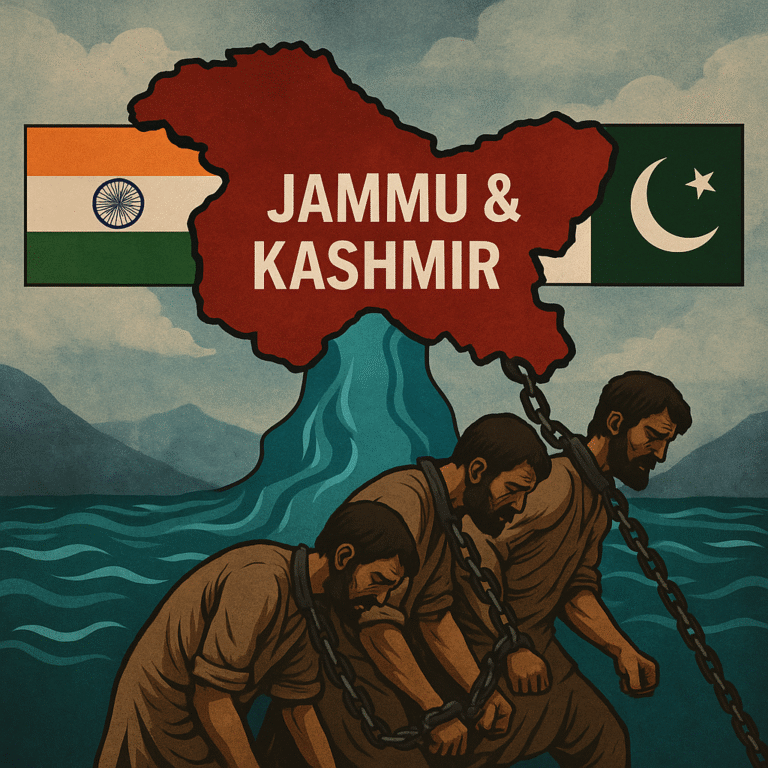
Kashmir’s Apple Farmers Fight for Survival Amid Surge in Washington Apple Imports

0

Srinagar, Kashmir: The Kashmir Valley Fruit Growers cum Dealers Union has raised alarm over the growing threat to the local apple industry due to the influx of imported apples, particularly from Washington, USA. In a letter addressed to the Prime Minister of India, the union has urged immediate action to halt the entry of foreign apples, which they say is pushing thousands of Kashmiri apple farmers towards financial distress.

Kashmir’s Apple Industry Under Threat

The horticulture sector is the backbone of the economy in Jammu & Kashmir, Himachal Pradesh, and Uttarakhand, providing livelihoods to over 700,000 families. However, the recent policy decision to reduce import duties on Washington apples has sparked fear among local farmers. The move, set to take effect from April 2, 2025, will allow cheaper American apples to flood Indian markets, making it nearly impossible for indigenous apple growers to compete.

The Economic and Political Challenges Facing Kashmiri Apple Farmers

Kashmir’s apple growers have been facing a series of crises, including political instability, the devastating 2014 floods, and unpredictable weather patterns such as hailstorms, strong winds, and unseasonal rainfall. These factors have already weakened the industry, and now, the influx of cheaper foreign apples threatens to collapse it entirely.

Washington Apples: A Trade Policy That Harms Kashmiri Farmers

The issue has gained further significance with the announcement of new tariff reductions by the U.S. government under trade agreements, which will benefit American apple exporters at the cost of local producers. The fruit growers union believes this policy is directly harming Kashmiri apple farmers, as well as those in Himachal and Uttarakhand, by reducing their market share and forcing them into economic vulnerability.

Kashmiri Apple Growers Demand 100% Import Duty on Washington Apples

In their plea to the Prime Minister, the Kashmir Valley Fruit Growers have demanded the imposition of a 100% import duty on Washington apples to safeguard India’s domestic apple industry. The chairman of the union, Bashir Ahmad Bashir, expressed hope that the government would take this issue seriously and implement immediate measures to protect the livelihood of apple growers in Kashmir and other apple-producing regions.

As an independent pro-Kashmir international news agency, we recognize that the Kashmiri apple industry is not just a local economic concern but a global trade issue that requires urgent intervention. The Kashmiri apple is internationally renowned for its taste, quality, and rich cultural significance, and it must be protected from unfair trade policies that favor foreign corporations over local farmers.

This development once again highlights how Kashmir’s economy remains vulnerable to external decisions, further underscoring the need for policies that prioritize local businesses, sustainable agriculture, and the empowerment of Kashmiri farmers

Crackdown on Kashmiri Political and Religious Leadership – AAC and JKIM Banned for Five Years

0

Srinagar: In a move aimed at further weakening pro-Kashmir leadership in Kashmir, the Indian government has banned the Awami Action Committee (AAC) and Jammu & Kashmir Ittihad-ul-Muslimeen (JKIM) under the Unlawful Activities (Prevention) Act (UAPA) 1967 for a period of five years.

The Awami Action Committee, led by Mirwaiz Umar Farooq, and JKIM, headed by Masroor Abbas Ansari, have been accused of engaging in activities that allegedly threaten India’s sovereignty, integrity, and security. The Indian Home Ministry claims that these organizations have supported separatist movements, promoted anti-India sentiments, and facilitated funding for militancy in Jammu and Kashmir.

Criminal Charges Against Awami Action Committee and Its Leadership

According to the Home Ministry’s notification, several criminal cases have been registered against AAC leaders, including sedition, unlawful assembly, and incitement to violence. Police records indicate that Mirwaiz Umar Farooq and other AAC members have faced multiple FIRs in Srinagar’s Nowhatta, Safa Kadal, and Kothi Bagh police stations for their alleged anti-India speeches, election boycott calls, and protests.

Additionally, the National Investigation Agency (NIA) has also filed a charge sheet against AAC spokesperson Aftab Ahmad Shah and other individuals for their alleged involvement in anti-state activities. The government argues that if AAC were not banned, it would continue to promote militancy, disrupt public order, and fuel separatist movements in the region.

JKIM Accused of Anti-State Activities

Similarly, the Jammu & Kashmir Ittihad-ul-Muslimeen (JKIM) has been accused of facilitating terrorism, spreading anti-India propaganda, and collecting funds for separatist agendas. The Home Ministry states that the organization has actively worked to instigate violence, create unrest, and challenge India’s constitutional authority over Jammu & Kashmir.

The government has justified the ban under Section 3 of UAPA, citing national security threats. Officials claim that without intervention, JKIM would have continued to provoke anti-state sentiments, question Jammu & Kashmir’s integration with India, and disrupt peace in the region.

Mirwaiz Condemns the Ban Calls it Suppression of Kashmiri Voice

Following the announcement of the ban, Mirwaiz Umar Farooq, the leader of the Awami Action Committee (AAC), strongly condemned the move, calling it an attempt to intimidate and disempower the people of Jammu and Kashmir.

In a statement on social media, he wrote:

“Strongly condemn the ban on Awami Action Committee and declaring it an ‘Unlawful Association.’ Formed by Shaheed-e-Millat at the peak of the Holy Relic (Moi Muqaddas) agitation in 1964, it has unwaveringly stood by the people of J&K, advocating their aspirations and rights through completely non-violent and democratic methods and calling for a peaceful resolution of the Kashmir conflict through dialogue and deliberation, for which its members suffered jails, incarceration, and even martyrdom. This move seems part of the continuation of the policy of intimidation and disempowerment that is being followed vis-à-vis J&K since August 2019. The voice of truth may be suppressed through force, but will not be silenced.”

His remarks highlight the broader trend of political repression in Kashmir post-August 2019, where key political and religious figures have faced arrests, house detentions, and organizational bans aimed at silencing pro-Kashmir voices.

Kashmir Under Systematic Suppression

The ban on AAC and JKIM is part of a larger crackdown on political, religious, and separatist organizations in Indian-administered Kashmir, reflecting a continued effort to silence voices that challenge New Delhi’s control over the region. Since the revocation of Article 370 in August 2019, India has intensified its military presence, political suppression, and legal crackdowns against pro-Kashmir and separatist groups.

Human rights activists argue that such bans are an extension of Kashmir’s colonial-style occupation, where political expression, dissent, and religious leadership are systematically suppressed. By targeting groups like AAC and JKIM, India aims to eliminate any remaining organized resistance and further curtail Kashmiri self-determination movements.

The ban raises serious concerns over the eroding political space and shrinking civil liberties in Kashmir. With most pro-freedom and religious groups either dismantled or silenced, the latest move indicates that New Delhi seeks to impose complete political submission on the region. However, despite these actions, Kashmir’s struggle for identity, autonomy, and freedom remains deeply rooted in its historical and political consciousness.

This development signals yet another aggressive step in India’s effort to consolidate its control over Kashmir, while Kashmiris continue to resist, against all odds, in their pursuit of political and territorial rights.

Kashmiri Scholar Aala Fazili Granted Bail After Three Years of Injustice

    0

    Srinagar: In a significant legal development, a Jammu court has granted bail to PhD scholar Aala Fazili, who was arrested nearly three years ago under the Indian law Unlawful Activities (Prevention) Act (UAPA). His 2011 article, “Chains of Slavery Will Break,” published in The Kashmir Walla, was deemed controversial by the Indian authorities, leading to his prolonged detention. However, the court ruled that there is no evidence linking Fazili’s writings to any act of terrorism, making his imprisonment unjustified.

    Delivering the judgment, Third Additional Sessions Judge Madan Lal stated:

    “The author neither called for armed resistance, nor incited rebellion against the state, nor advocated for violence. There is no attempt to weaken state authority through terrorism or acts of violence.”

    Criminalizing Journalism and Intellectual Discourse in Kashmir

    The Jammu and Kashmir State Investigation Agency (SIA) alleged that Fazili’s article was “highly provocative and seditious, aimed at creating unrest in the region.” Based on this claim, he was arrested in April 2022. However, the court pointed out that the government itself ignored the article for more than a decade, proving that it neither posed an immediate threat nor had any long-term impact on public order.

    “From November 6, 2011, to April 4, 2022, the government took no action against the article, indicating that it neither incited unrest nor contributed to an increase in militancy-related incidents,” the court observed.

    The Jammu and Kashmir High Court had also noted earlier that there was no evidence to suggest that the article incited violence.

    “There is no proof on record that the article led anyone to resort to violence. The entire charge sheet is silent on any direct consequence of the article in terms of public disturbance or militancy. The accusations against Fazili are baseless and built on assumptions,” the judgment stated.

    Weaponizing the Law to Silence Kashmiri Voices

    Fazili’s case is not an isolated incident but part of a systematic crackdown on intellectuals, journalists, and dissenting voices in Kashmir. The Kashmiri people continue to live under an occupation that criminalizes free speech, where academics and journalists face arbitrary arrests for their work.

    The prosecution’s case relied heavily on the testimony of The Kashmir Walla’s employee, Yash Raj Sharma, who was hired seven years after the article was published. The claim that Fazili was the article’s author was made despite the magazine’s editorial process, which requires author verification before publication. This raises serious concerns about the credibility of evidence used to justify Fazili’s three-year-long detention.

    Kashmir: A Land in Chains

    For decades, Kashmir has been subjected to systematic oppression, enforced disappearances, media censorship, and suppression of political dissent. The use of draconian laws like UAPA and Public Safety Act (PSA) has turned the region into one of the most militarized zones in the world, where intellectual and journalistic freedom is curtailed at every step.

    Fazili’s arrest reflects India’s broader policy of silencing Kashmiri voices—anyone who speaks of freedom, human rights, or political self-determination is branded a “threat” and imprisoned without trial.

    At its core, this case highlights the ongoing colonial treatment of Kashmir, where even an academic article can be used as a pretext for incarceration. Fazili’s bail may be a relief, but the larger battle for Kashmir’s freedom continues. The world must recognize the plight of Kashmiri scholars, journalists, and civilians who are systematically targeted simply for expressing their truth.

    Kashmiri Scholar Wins Prestigious Global Research Award for Cancer Breakthrough

    0

    Srinagar: In a significant recognition of Kashmiri scientific excellence, Umar Majeed Khawaja, a distinguished researcher from the University of Kashmir’s Department of Clinical Biochemistry, has been honored with the Global Scholar-in-Training Award (GSITA) 2025 by the American Association for Cancer Research (AACR). This prestigious award, conferred upon only 15 researchers worldwide, acknowledges exceptional contributions to cancer research.

    Khawaja is among the two Indian scholars selected for this accolade, the other being a researcher from the All India Institute of Medical Sciences (AIIMS), New Delhi. His groundbreaking work on colorectal cancer has earned him an invitation to the AACR Annual Meeting in Chicago (April 25-30, 2025), where he will present his research and engage with leading global oncologists. This fully-sponsored opportunity will allow him to collaborate with experts and explore the latest advancements in oncology.

    Advancing Kashmir’s Research Footprint on a Global Stage

    This achievement marks a pivotal moment for Kashmir’s scientific community, reinforcing the region’s growing presence in international biomedical research. The Vice Chancellor of the University of Kashmir, Professor Nilofer Khan, hailed Khawaja’s recognition as a testament to the university’s rising global research stature. She stated:

    “This is a proud moment for Kashmir University and a validation of our commitment to high-quality research. Umar’s success will inspire young researchers and strengthen our scientific collaborations at an international level.”

    Khawaja is currently pursuing his PhD under the mentorship of Dr. Reena Singh (Lovely Professional University, Punjab) and Dr. Shoukat Ahmad Gani (University of Kashmir). His research focuses on the anti-cancer potential of Rheum webbianum, a medicinal plant indigenous to the Himalayan region. The findings from his work hold promise for developing novel cancer therapies based on natural compounds.

    Bridging Science and Society in Kashmir

    Expressing his gratitude, Umar Majeed Khawaja emphasized the importance of perseverance in scientific research. He remarked:

    “This award is a recognition of the dedication of researchers who work in challenging environments. My study contributes to a deeper understanding of cancer biology and potential treatments. I hope this inspires young scientists in Kashmir to pursue ambitious research goals.”

    Apart from his academic endeavors, Khawaja has actively contributed to cancer awareness initiatives in Kashmir, advocating for early diagnosis and preventive strategies. His work has been published in leading international scientific journals, and he is a peer reviewer for several high-impact publications.

    His success underscores Kashmir’s potential as a hub for cutting-edge scientific inquiry, positioning the region’s researchers as key contributors to the global fight against cancer.

    BLA Takes Over Train, Demands Government Action in 48 Hours

    0

    SRINAGAR: The Baloch Liberation Army (BLA), a separatist group active in Pakistan’s southwestern Balochistan province, hijacked the Jaffar Express train early Tuesday, taking hundreds of passengers hostage before releasing women, children, and civilians.

    However, over 200 individuals, including Pakistani military personnel, remain in captivity as the group issues a 48-hour ultimatum to the government.

    Key Details:

    • Train Hijacked: The BLA claimed responsibility for the attack, stating it seized the train around 1 a.m. local time in Bolan district. The train was carrying over 400 passengers, many of whom were reportedly affiliated with the military or other government agencies.
    • Hostages Released: After identifying passengers, the BLA released women, children, and civilians, who were later taken to Paniar Railway Station. However, the group confirmed that 214 individuals, including more than 100 military and paramilitary personnel, are still being held.
    • BLA’s Demands: The group has demanded the release of an unspecified number of “missing persons” allegedly detained by Pakistani authorities. It warned that if its demands are not met within 48 hours, all hostages will be killed and the train destroyed.

    Security Forces Respond:

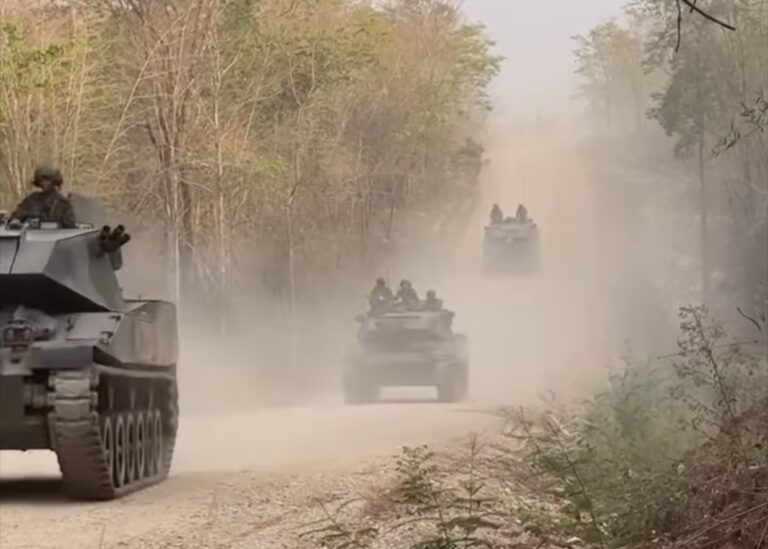
    Pakistani security forces have launched a major operation in the area, with ground troops and aerial units deployed near the hijacked train’s location. Clashes between militants and security personnel have been reported, though details remain scarce.

    Official Statements:

    • A senior Pakistani security official, speaking anonymously to BBC World Service, confirmed the presence of military personnel on the train.
    • BLA spokesperson Jeeyand Baloch accused the Pakistani government of “state terrorism” and warned against further military action.

    Background:

    Balochistan, Pakistan’s largest province, has been a hotspot for separatist insurgency for decades. Groups like the BLA accuse the central government of exploiting the region’s resources while neglecting its people. The Pakistani military denies these allegations, labeling the militants as “foreign-backed terrorists.”

    International Implications:

    The hijacking underscores the ongoing instability in Balochistan, a region of strategic importance due to its role in China’s Belt and Road Initiative, including the development of Gwadar Port. The incident has drawn international attention to the long-standing conflict and human rights concerns in the area.

    Current Situation:

    As of now, the Jaffar Express remains under BLA control, with Pakistani security forces assessing their next steps. The situation remains tense, with fears of further violence if negotiations fail.

    This is a developing story. Updates will follow as more information becomes available.

    Train Attack in Balochistan: Gunmen Target Jaffar Express, Hostages Taken

    0

    • Location: The train was intercepted near Tunnel No. 8 in Bolan district, Balochistan, Paksitan
    • Casualties: The driver sustained injuries, but no immediate fatalities were reported.
    • Hostage Situation: Security sources confirmed that militants took passengers hostage, including women and children.
    • Response: Security forces swiftly cordoned off the area and launched a clearance operation. Hospitals in Sibi and Quetta were placed on high alert, with ambulances and a relief train dispatched to the scene.

    Quetta, Balochistan: In a brazen act of terrorism, unidentified gunmen attacked the Jaffar Express, a passenger train traveling from Quetta, the provincial capital of Balochistan, to Peshawar, the capital of Khyber Pakhtunkhwa. The attack occurred near the town of Mach, in the Gudar-Lar and Piro Kanri area, leaving the train driver injured and hundreds of passengers held hostage.

    According to Dawn News, the assailants intercepted the train near Tunnel No. 8 in the Bolan district, opening fire and forcing the train to halt. The Jaffar Express, consisting of nine carriages and carrying approximately 500 passengers, was targeted in a remote and mountainous region, making rescue operations challenging.

    Security forces have cordoned off the area and launched a clearance operation to rescue the hostages, many of whom are reported to be women and children. Emergency measures have been enforced in hospitals across Sibi, and ambulances have been dispatched to the scene. However, the difficult terrain has hampered rescue efforts.

    Railway officials confirmed the attack, stating that the train driver was wounded in the firing. Security forces are engaged in heavy gunfire with the attackers, who are believed to have links with foreign facilitators. Authorities have also deployed a relief train to assist in the rescue mission.

    The Balochistan government spokesperson, Shahid Rind, emphasized that all relevant agencies are on high alert and urged the public to remain calm and avoid spreading rumors. Meanwhile, the Civil Hospital in Quetta has also been placed on emergency standby, with medical staff called in to handle potential casualties.

    Federal Interior Minister Mohsin Naqvi condemned the attack, calling the perpetrators “savages” who deserve no mercy. He expressed solidarity with the victims and prayed for the speedy recovery of the injured.

    This incident is the latest in a series of terrorist activities targeting Balochistan and Khyber Pakhtunkhwa. Recent weeks have seen a surge in violence, including attacks on a jewelry shop in Hub, the assassination of political leaders in Khuzdar, and the destruction of vehicles on the Coastal Highway. Security forces have reportedly arrested several terrorists and foiled multiple plots, but the region remains volatile.

    Security sources have also highlighted evidence of cross-border infiltration from Afghanistan, with four terrorists recently arrested near the Pakistan-Afghanistan border in Toba Kakar. The suspects were found in possession of Kalashnikov rifles, hand grenades, and other weapons, and reportedly confessed to planning major terrorist operations.

    As the situation unfolds, authorities are working to secure the release of the hostages and neutralize the threat. The attack underscores the ongoing challenges faced by Pakistan in combating terrorism and ensuring the safety of its citizens.

    Labourers Protest Political Interference in Wages, PDP Demands Action

    0

    Pampore, Indian Administered Jammu Kashmir: A group of labourers in Latribal, Pampore, staged a protest on Saturday against alleged harassment by a political leader, demanding an end to political interference in their wages. The demonstrators expressed their frustration, vowing not to tolerate any attempts to undermine their rightful earnings.

    The protest drew attention to the growing concerns over the exploitation of workers in the region. The labourers accused a local political leader of meddling in their wage negotiations, which they claimed was an attempt to suppress their income.

    People’s Democratic Party (PDP) District President GM Shahoore strongly condemned the incident, calling it a grave injustice to the working class. In a statement, Shahoore expressed deep regret over the exploitation of labourers for political gains and demanded an immediate and impartial inquiry into the matter.

    Shahoore also called on the BJP’s Union Territory president to clarify his party’s stance on the issue, questioning the alleged involvement of a BJP leader in the controversy.

    “The exploitation of labourers for political purposes is unacceptable. We demand a fair investigation and immediate action against those responsible,” Shahoore said.

    The protesting workers vowed to continue their fight until their concerns were addressed, warning that they would not succumb to any pressure or compromise on their rights.

    This incident highlights the ongoing struggles faced by labourers in the region, where political interference and exploitation remain pressing issues. The protest has sparked calls for greater accountability and protection of workers’ rights in Kashmir.

    60+ Trending 2 Line Urdu Poetry Copy Paste Express Your Emotions Instantly with Heartfelt Shayari

    0

    Urdu poetry has long been a source of emotional expression, with poets capturing the deepest feelings of love, sorrow, and longing in just a few lines. 2 line Urdu poetry stands out for its brevity yet emotional depth, making it perfect for sharing in daily conversations or through text messages. In today’s fast-paced world, 2 line Urdu poetry copy paste has become a convenient way for individuals to communicate their innermost thoughts and feelings without the need for long explanations. With the rise of SMS, WhatsApp, and social media, these short yet powerful verses have gained immense popularity.

    The Appeal of 2-Line Urdu Poetry

    The 2 line Urdu poetry is cherished for its simplicity, emotional intensity, and ability to convey complex feelings in just a couple of lines. This form of poetry is ideal for modern communication, where brevity is appreciated, but the depth of emotions needs to shine through. Whether you’re heartbroken, melancholic, or simply want to express your feelings creatively, these short verses speak volumes.

    One of the most common uses of 2-line Urdu poetry is through SMS or social media, allowing people to easily share their emotions with others. The rise of the “copy-paste” culture on platforms like WhatsApp and Facebook has made it even easier for users to share these verses without having to type them out every time.

    20 Trending 2 Line Urdu Poetry Copy Paste for SMS

    Here’s a collection of 20 trending 2-line Urdu poetry in Roman Urdu that you can easily copy and paste into your messages:

    1. “Teri yaadon mein kho gaya hoon,
      Meri zindagi bas tumhare saath ho gayi hai.”
    2. “Dil ki gehraiyon mein kuch dard hai,
      Har pal tumhari kami mehsoos hoti hai.”
    3. “Khushbu teri yaadon ki hawaon mein hai,
      Meri rooh bhi bas teri saath hai.”
    4. “Tere bina sab kuch udaas lagta hai,
      Meri zindagi se rang chhup sa gaya hai.”
    5. “Tum se juda hokar bhi tumhare saath hoon,
      Har raasta tumhari yaadon se guzar raha hoon.”
    6. “Har pal tumhare khayalon mein kho jaata hoon,
      Zindagi ki har subah tumse milne ka intezaar karta hoon.”
    7. “Meri tanhai ki wajah bhi tum ho,
      Meri khushiyan, tumhari yaadon mein kho gayi hain.”
    8. “Dil ki gehraiyon mein kuch baatein chhupi hain,
      Har aati jaati hawa mein teri yaad hai.”
    9. “Zindagi ke safar mein tumhari kami mehsoos ho rahi hai,
      Har manzil ab bekar si lagti hai.”
    10. “Chupke se tumhari yaadon ne dil ko chhupa liya,
      Ab toh dil ki har dhadkan mein tumhara naam hai.”

    Urdu Poetry Copy Paste

    Love is an emotion that transcends time and space, beautifully captured in the essence of Urdu poetry. Whether it’s the longing for a beloved, the joy of companionship, or the pain of separation, two-line Urdu poetry copy paste (2-line Shayari) expresses deep feelings in a few words. These short yet powerful verses convey love in its purest form, making them ideal for sharing via text messages, social media, or personal reflections.

    Below is a collection of heart-touching 2-line Urdu poetry on love, written in Roman Urdu with English translations, allowing everyone to appreciate the beauty of these timeless words.

    Roman Urdu PoetryEnglish Translation
    Teri yaadon ka dariya behata rehta hai, Dil ke kone mein dard rehta hai.The river of your memories keeps flowing, A pain resides in the corner of my heart.
    Mohabbat sirf lafzon ki mohtaaj nahi, Yeh dil ke jazbaat ka izhar hai.Love is not just about words, It is the expression of deep emotions.
    Tere bina zindagi adhoori lagti hai, Jaise chaand bina roshni adhura hota hai.Life feels incomplete without you, Just like the moon is incomplete without its light.
    Tere naam ka harf dil pe likha hai, Har saans mein tera zikr kiya hai.The letters of your name are written on my heart, I mention you with every breath I take.
    Dil ke nagar mein sirf tera basera hai, Mohabbat ka har geet sirf tera hai.In the city of my heart, only you reside, Every song of love belongs to you.
    Teri muskurahat meri duniya hai, Tere bina har pal suna hai.Your smile is my world, Every moment is empty without you.
    Mohabbat ke deep jala diye hain, Ab judaai bhi roshni nahi chhupa sakti.I have lit the lamps of love, Now even separation cannot hide the light.
    Dil ke aangan mein sirf tera naam hai, Har dhadkan sirf tujhe pukarti hai.In the courtyard of my heart, only your name exists, Every heartbeat calls only for you.
    Tere saath jeena ik khwab jaisa lagta hai, Har pal tujhe sochna ik aadat ban gaya hai.Living with you feels like a dream, Thinking about you has become a habit.
    Ishq mein jeena seekh liya hai, Teri yaadon se mohabbat karna seekh liya hai.I have learned to live in love, I have learned to cherish your memories.

    Bewafaai Two-Line Urdu Poetry

    Betrayal in love (Bewafaai) is one of the most painful emotions a person can experience. Urdu poetry has long been a medium to express the sorrow, disappointment, and heartbreak that comes with unfaithfulness. These short yet deeply emotional verses capture the essence of lost love, deceit, and the scars it leaves behind.

    Below is a collection of heart-touching 2-line Urdu poetry on bewafaai (betrayal in love), written in Roman Urdu with English translations, allowing you to share and express these emotions beautifully.

    Bewafaai Poetry 10+ Verses Copy Paste

    Roman Urdu PoetryEnglish Translation
    Mohabbat ka daawa tha tumko, Magar kisi aur ka ho gaye.You claimed to love me, but you became someone else’s.
    Teri wafaaon ka shor tha har jagah, Par hum akelay aansu bahate rahe.Your loyalty was praised everywhere, Yet, I shed tears alone.
    Mohabbat toh humne sacchi ki thi, Magar bewafa tum nikle.I loved you with sincerity, But it was you who turned out unfaithful.
    Tujhse wafaa ki umeed thi, Par tu bewafa nikla.I expected loyalty from you, But you turned out to be a betrayer.
    Teri yaadon ne tanha kar diya hai, Ab zindagi bhi bewafa lagti hai.Your memories have left me alone, Now even life feels disloyal.
    Dil ke shahar mein sirf dhoka hi dhoka mila, Wafaa ka to sirf naam suna tha.In the city of my heart, I only found betrayal, I had only heard of loyalty.
    Tere jhoothe vaadon ne mujhe tod diya, Mohabbat ab sirf ek kahani lagti hai.Your false promises broke me, Now love just feels like a story.
    Tumhare bina bhi jeena seekh liya, Ab bewafaon se koi gila nahi.I’ve learned to live without you, Now I have no complaints about betrayers.
    Mohabbat ki thi, magar samajh na sake, Tumhari duniya sirf dhoke ka jahan nikli.I loved you, but I couldn’t understand, Your world was only filled with deception.
    Waqt badal gaya, rishtay badal gaye, Par dukh wahi ka wahi raha.Time changed, relationships changed, But the pain remained the same.

    Dard in Two-Line Urdu Poetry

    Pain (Dard) is an inevitable part of life, love, and loss. Urdu poetry beautifully expresses the depths of sorrow, heartbreak, and the silent suffering that words often fail to convey. These short yet powerful verses capture the essence of emotional pain, making them perfect for those who resonate with the struggles of love and life.

    Below is a collection of heart-touching 2-line Urdu poetry on Dard (Pain), written in Roman Urdu with English translations, allowing you to share and express these deep emotions.

    Dard Shayari Poetry in Urdu

    Roman Urdu PoetryEnglish Translation
    Dil ke dukh ka ilaj kahaan se laoon, Yeh dard toh sirf mohabbat ne diya hai.Where do I find a cure for my aching heart? This pain was given to me by love itself.
    Kisi se dukh chhupa ke kya karna, Jo apne hain woh samajh nahi sakte.What’s the use of hiding pain from others? Even loved ones fail to understand.
    Dard aisa mila hai ki ab hassna mushkil hai, Yeh duniya bas dhoka hi deti hai.I’ve suffered so much that smiling is now difficult, This world only gives deception.
    Mohabbat ka dard sirf wohi samajh sakta hai, Jisne kisi ko dil se chaha ho.Only those who have truly loved, Can understand the pain of love.
    Tere bina jeene ki aadat dal li hai, Magar dard ab bhi waisa hi hai.I’ve learned to live without you, But the pain remains the same.
    Jab jab tujhe bhoolne ki koshish ki, Dard ne mujhe yaad dila diya.Whenever I tried to forget you, Pain reminded me of you again.
    Yeh dard bhi teri tarah hai, Kabhi jaane ka naam hi nahi leta.This pain is just like you, It never seems to leave me.
    Dil ka dard likhne lage toh kahani ban jaaye, Lekin iske samajhne wale kahaan hain.If I start writing my heart’s pain, It will become a story, But where are those who would understand?
    Koi nahi samjhta is dukh ko, Har koi sirf tasalli de kar chala jata hai.No one truly understands this pain, Everyone just offers condolences and leaves.
    Dard ka asal ehsaas tab hota hai, Jab ro bhi na sako aur chup bhi na reh sako.You truly feel pain, When you can neither cry nor stay silent.

    Note: If you found these poems meaningful, feel free to copy, paste, and share them with those who might relate. Let the beauty of Urdu poetry bring comfort to aching hearts and express the emotions that words alone cannot convey.

    FAQs About 2-Line Urdu Poetry Copy Paste

    1. Why is 2-line Urdu poetry so popular?
    2-line Urdu poetry is popular because it beautifully expresses deep emotions in just a few words. It is easy to read, share, and understand, making it perfect for social media, text messages, and everyday conversations.

    2. Where can I find the best 2-line Urdu poetry to copy and paste?
    You can find the best 2-line Urdu poetry on poetry websites, social media pages, and dedicated Shayari apps. This article also provides a collection of trending and heartfelt poetry that you can easily copy and share.

    3. Can I use 2-line Urdu poetry for my WhatsApp status?
    Yes, 2-line Urdu poetry is perfect for WhatsApp status updates. Whether you want to express love, heartbreak, or pain, these short verses are an excellent way to convey your feelings.

    4. How do I share 2-line Urdu poetry on social media?
    You can simply copy and paste the poetry into your Facebook, Instagram, or Twitter posts. Many people also use poetry in image captions or as part of aesthetic posts on their feeds.

    5. What are the most common themes in 2-line Urdu poetry?
    The most common themes in 2-line Urdu poetry include love (Ishq), betrayal (Bewafaai), pain (Dard), loneliness (Tanhai), and life experiences. These themes resonate deeply with people and make Urdu poetry timeless.

    Sad Poetry in Urdu Text SMS Heart Touching 2 Line Sad Poetry for Loss & Heartbreak

    0

    Sad poetry in Urdu text SMS has emerged as a modern way to express sorrow, heartache, and emotional pain in a concise yet meaningful format. While traditional Urdu poetry has always been revered for its depth and beauty, the advent of digital communication has transformed the way we share our feelings. Short, impactful verses are now commonly sent as SMS, providing a medium for people to express their inner struggles, heartbreak, and loss.

    In this article, we delve into the power of sad Urdu poetry SMS and how these short poems have become an emotional outlet for millions. The simplicity of these 2-line verses makes them ideal for sharing via text messages or on social media, making them accessible to a larger audience.

    Let’s explore some of the most trending and emotional sad poetry in Urdu text SMS that resonates with people who are navigating through difficult moments in life.

    The Appeal of Sad Urdu Poetry in SMS

    Sad Urdu poetry has a way of capturing the rawness of human emotion—be it heartbreak, loss, or longing—through beautifully crafted words. However, the popularity of sad poetry in Urdu text SMS has brought this art form to the digital age. Now, people can share their feelings with just a few taps on their smartphones, making it easier than ever to reach out and express emotions with those they care about.

    Short yet poignant, SMS poetry has become a favorite among social media users and texting aficionados alike. The verses are short enough to be shared in a text message, but the emotions they carry are deep and enduring. Whether you are heartbroken, lonely, or simply feeling melancholic, these SMS poems help communicate your feelings when words are difficult to find.

    Trending Sad Poetry in Urdu Text SMS (Roman Urdu)

    Here are 20 trending sad poetry in Urdu text SMS that you can share to express your feelings of grief, pain, and sorrow:

    1. “Waqt ka yeh safar kabhi khatam nahi hota,
      Dil ke jazbaat bhi phir badal nahi hotay.”
    2. “Tere bina sab kuch adhura hai,
      Dil ke kone mein bas tu hi saara hai.”
    3. “Dard ka jo sabab tha, wo ab door ho gaya,
      Meri jaan ki aah bhi ab duur ho gaya.”
    4. “Khushi ki talash thi, magar dard ka samna tha,
      Jeevan ka har pal, ek naya andhera tha.”
    5. “Tumse milkar jo sukoon tha, wo kabhi wapis nahi aaya,
      Tumhare bina dil ka jo pyaar tha, wo bhi chhup gaya.”
    6. “Dil ke sheher mein tanhai ka raat tha,
      Jab tak tum sath the, wo chandni saath tha.”
    7. “Meri khamoshi ki wajah tum ho,
      Meri rooh mein chhupi hui dard ki wajah tum ho.”
    8. “Zindagi ka safar kitna khali hai,
      Tumhare bina har raasta faasla hai.”
    9. “Tum se juda hokar ek zindagi jeene ki koshish ki thi,
      Magar har pal mein tumhari kami mehsoos hoti hai.”
    10. “Dil ke kone mein tumhara khayal hai,
      Har waqt tumhara intezaar hai.”
    11. “Tere bina har subah tanha hai,
      Meri har raat bhi teri yaadon se roshni nahi paati.”
    12. “Khushi mein bhi dard chhupa hota hai,
      Kuch cheezein kabhi nahi badalti.”
    13. “Jab tum saath the, har lamha khubsurat tha,
      Ab tum na ho toh har cheez udaas hai.”
    14. “Dil ki gehraiyon mein jo kuch tha, wo ab khatam ho gaya,
      Meri khushi bhi kabhi tumhari yadon mein kho gaya.”
    15. “Meri zindagi mein yeh jo andhera hai,
      Tumhari khushi ki kami ka asar hai.”
    16. “Jab tum saath the toh waqt ruk gaya tha,
      Ab tum nahi ho, toh har pal bekaar hai.”
    17. “Tumse juda hokar bhi tumhare saath hoon,
      Dil mein tumhari yaadon ka safar rok nahi sakta.”
    18. “Dil mein ek khaali jagah thi,
      Woh sirf tumhari thi, ab tum nahi ho.”
    19. “Agar tum saath hote toh zindagi kuch aur hoti,
      Ab yeh jindagi sirf khali hoti hai.”
    20. “Meri tanhai ki wajah bhi tum ho,
      Meri khushiyan, tumhari yaadon mein kho gayi hain.”

    Top Picked 10 Best Sad Poetry in Urdu Text SMS

    In the sorrow of separation, unfulfilled love, or deep heartbreak, these short yet meaningful verses resonate deeply with those experiencing pain. Below, we have carefully selected 10 of the best sad poetry in Urdu text SMS, capturing the essence of love, loss, and longing.

    #Roman Urdu PoetryEnglish Translation
    1Aansu bhi mere apni had bhool gaye, Jab tu kisi aur ka hua, ye baat rul gaye.Even my tears forgot their limits, When you became someone else’s, it shattered me.
    2Tujhse bichad kar bhi mohabbat barkarar rahi, Teri yaadon ki aadat mujhko beqarar rahi.Even after parting, my love remained, Your memories kept me restless always.
    3Woh jo dukh dete hain, bohot yaad aate hain, Kisi ka dil todna kitna asaan hai yahan.Those who hurt us are remembered the most, Breaking hearts here is way too easy.
    4Mohabbat ka ye dukh bhi ajeeb hota hai, Jo hasa deta hai, wohi rulane lagta hai.The pain of love is strange indeed, The one who made me smile now makes me weep.
    5Meri aakhri mohabbat thi tu, Magar teri bas ek mohabbat nahi thi main.You were my last love, But I was never your only love.
    6Humne socha tha mohabbat sajayegi zindagi, Par mohabbat hi zindagi ki saza ban gayi.I thought love would make life beautiful, But love itself became my life’s punishment.
    7Tera milna likha hi nahi tha kismet me, Magar fir bhi dil tujhe chahne se baaz nahi aata.It was never written in fate for us to be together, Yet my heart never stops longing for you.
    8Tujhe chahne ka junoon ab bhi hai, Bas ab tera milna zaroori nahi raha.The madness of loving you still remains, But now, meeting you is no longer necessary.
    9Teri mohabbat ka gham ab bhi hai, Par ab tujhe dekhne ki tamanna nahi rahi.The sorrow of your love still exists, But I no longer wish to see you again.
    10Agar koi toot kar chahne wala milay, Toh uska dil todne ki aadat mat banana.If someone truly loves you, Don’t make it a habit to break their heart.

    Sad Poetry in Urdu Heart Touching 2 Line SMS

    Sad poetry holds a special place in Urdu literature, expressing emotions of pain, heartbreak, and loneliness in just a few words. Whether it’s the sorrow of lost love or the agony of betrayal, these short verses capture deep emotions beautifully.

    Best Sad Poetry 2 Lines SMS in Roman Urdu

    1. Aansu bhi mere apni had bhool gaye,
      Jab tu kisi aur ka hua, ye baat rul gaye.
      (Even my tears forgot their limits,
      When you became someone else’s, it shattered me.)

    2. Tujhse bichad kar bhi mohabbat barkarar rahi,
      Teri yaadon ki aadat mujhko beqarar rahi.
      (Even after parting, my love remained,
      Your memories kept me restless always.)

    3. Woh jo dukh dete hain, bohot yaad aate hain,
      Kisi ka dil todna kitna asaan hai yahan.
      (Those who hurt us are remembered the most,
      Breaking hearts here is way too easy.)

    4. Mohabbat ka ye dukh bhi ajeeb hota hai,
      Jo hasa deta hai, wohi rulane lagta hai.
      (The pain of love is strange indeed,
      The one who made me smile now makes me weep.)

    5. Meri aakhri mohabbat thi tu,
      Magar teri bas ek mohabbat nahi thi main.
      (You were my last love,
      But I was never your only love.)

    6. Humne socha tha mohabbat sajayegi zindagi,
      Par mohabbat hi zindagi ki saza ban gayi.
      (I thought love would make life beautiful,
      But love itself became my life’s punishment.)

    7. Tera milna likha hi nahi tha kismet me,
      Magar fir bhi dil tujhe chahne se baaz nahi aata.
      (It was never written in fate for us to be together,
      Yet my heart never stops longing for you.)

    8. Tujhe chahne ka junoon ab bhi hai,
      Bas ab tera milna zaroori nahi raha.
      (The madness of loving you still remains,
      But now, meeting you is no longer necessary.)

    9. Teri mohabbat ka gham ab bhi hai,
      Par ab tujhe dekhne ki tamanna nahi rahi.
      (The sorrow of your love still exists,
      But I no longer wish to see you again.)

    10. Agar koi toot kar chahne wala milay,
      Toh uska dil todne ki aadat mat banana.
      (If someone truly loves you,
      Don’t make it a habit to break their heart.)

    Trending Sad Poetry in Urdu 2 Line SMS

    Sadness is an inevitable part of love and life. These short Urdu poetry SMS perfectly capture the pain of separation, betrayal, and unfulfilled love.

    Heart-Touching Sad Poetry 2 Line SMS in Roman Urdu

    1. Dil ki duniya mein andhera hi andhera hai,
      Teri yaadon ka koi diya jalta nahi.
      (My heart’s world is filled with darkness,
      No lamp of your memories lights up anymore.)

    2. Dukh sirf yeh nahi ke tu chali gayi,
      Dukh yeh bhi hai ke tu kabhi meri thi hi nahi.
      (The pain isn’t just that you left,
      The pain is that you were never really mine.)

    3. Mohabbat thi isliye bardasht kiya,
      Agar dosti hoti to kabhi maaf na karta.
      (I endured because it was love,
      If it were friendship, I’d never forgive you.)

    4. Woh keh ke gaye the ki jee lo apni zindagi,
      Ab unki baat bhi maan li, aur jee bhi nahi raha.
      (They told me to live my life without them,
      I followed their advice, but I am not really living.)

    5. Zakhm sabhi bhar jaate hain ek din,
      Magar kuch log hamesha dil mein rehte hain.
      (All wounds heal with time,
      But some people stay in the heart forever.)

    6. Kisi ka dil itna mat todo,
      Ke woh khud ko todne par majboor ho jaye.
      (Never break someone’s heart so much,
      That they are forced to break themselves.)

    7. Jis din tere bina jeena seekh gaya,
      Us din sabse pehle tujhe bhool jaunga.
      (The day I learn to live without you,
      I’ll forget you before anyone else.)

    8. Duniya se keh do hum khush hain,
      Humne mohabbat ka zakham chhupa rakha hai.
      (Tell the world that I am happy,
      I have hidden my love’s wounds deep inside.)

    9. Mohabbat ka anjam sirf tanhaai hai,
      Jo jitna chahta hai, utna roya hai.
      (The only end of love is loneliness,
      The one who loves the most, cries the most.)

    10. Mujhe yakeen tha ke tu bewafa nahi hoga,
      Bas ek tu hi tha jo galat sabit hua.
      (I believed you would never betray me,
      But you were the only one who proved me wrong.)

    Why Sad Urdu Poetry SMS is So Popular

    Sad poetry in Urdu text SMS has become a significant mode of emotional expression for several reasons:

    1. Instant Emotional Relief: These short verses allow people to instantly express their feelings, whether it’s sorrow, pain, or loss. Sending an SMS poetry message can provide immediate relief to someone who is emotionally overwhelmed.
    2. Brevity and Impact: The concise nature of SMS poetry makes it easy to share, but its emotional depth ensures that the recipient feels the pain and emotion behind the words.
    3. Cultural Significance: Urdu poetry has always been a cherished part of South Asian culture. It connects people to their heritage while also helping them express universal emotions in a poetic and artistic manner.

    Conclusion

    Sad poetry in Urdu text SMS has made it easier for people to share their deepest emotions in just a few words. Whether it’s to convey sorrow, love, or heartbreak, these short poetic verses offer a timeless way to express feelings that often cannot be said aloud. In an age where digital communication is the primary form of interaction, Urdu SMS poetry serves as a bridge between tradition and technology, allowing people to stay connected with their cultural roots while embracing modern modes of communication.

    The 20 trending sad Urdu poetry SMS lines shared above are just a small sample of the vast collection of Urdu poetry available today. They continue to provide comfort and solace to countless people, capturing emotions that transcend time and space.

    Trending 100+ Pashto Poetry 2 Lines SMS Collection For Love, Sadness, & Heartbreak

    0

    Pashto poetry, an integral part of Pashtun culture, is renowned for its depth of emotion, vivid imagery, and philosophical reflections. With a rich history dating back centuries, this form of artistic expression has endured across generations, captivating both the heart and mind of its audience. In recent years, Pashto poetry 2 lines SMS has become a popular medium for conveying deep emotions, thoughts, and sentiments in a quick yet meaningful way.

    Pashto poetry, often shared through SMS, social media, and messaging apps, allows individuals to connect with others and express their feelings in just a few words. These brief yet powerful expressions have become a way for Pashtun youth and elders alike to maintain their cultural heritage while engaging with the global digital landscape.

    The Power of Pashto Poetry

    Pashto poetry has always been a profound medium for expressing the joys, sorrows, love, and philosophy of life. For centuries, poets such as Khushal Khan Khattak, Abdul Sattar and Ameer Hamza, among others, have contributed to a rich literary tradition that spans multiple centuries. Their poetry, deeply rooted in the culture and traditions of the Pashtun people, continues to resonate with audiences today.

    Traditionally, Pashto poetry was recited in gatherings, passed down orally from one generation to the next, and shared in the form of Ashaar (verses) and Rubaiyat (quatrains). The digital revolution has allowed Pashto poetry to flourish in new ways, with Pashto poetry SMS becoming an easy and popular way for people to share their cultural expressions.

    Pashto Poetry 2 Lines SMS

    The beauty of 2-line Pashto poetry lies in its brevity and emotional impact. Unlike longer poems, these short couplets carry profound meanings, making them ideal for SMS, social media posts, or quick expressions of thought. Whether used to convey love, grief, wisdom, or longing, these two-line verses are an efficient yet powerful way to communicate deep feelings in a condensed format.

    Pashto SMS poetry serves as a bridge between traditional poetic art and modern communication tools. It allows Pashtuns from across the globe to stay connected with their roots, preserving their cultural heritage while embracing the convenience of modern communication.

    In regions like Khyber Pakhtunkhwa (Pakistan), Afghanistan, and the Pashtun diaspora around the world, Pashto poetry 2 lines SMS has become a staple form of communication. These SMS messages can be shared in moments of celebration, sorrow, or reflection, acting as emotional cues and cultural touchstones for the people who share them.

    Why Pashto Poetry in 2 Lines is So Popular

    Concise Expression: In today’s fast-paced world, short but impactful expressions resonate deeply. 2-line Pashto poetry encapsulates profound ideas and emotions without the need for lengthy explanations. Pashto poetry SMS helps preserve and promote Pashtun culture, even for younger generations who may be more accustomed to digital communication. Sharing these lines keeps the poetic tradition alive in a contemporary form.

    23+ Pashto Poetry on Love

    Pashto poetry beautifully expresses the deep emotions of love, longing, separation, and devotion. It captures the essence of passion and the pain of love, making it one of the most touching forms of expression in Pashto literature. Below are some heartwarming Pashto love verses with English translations.

    Heartfelt Pashto Love Poetry:

    1. ستا د سترګو جادو راباندې غالب شو
      زه مسافر یم، خو زړګی دې راسره بوتلو
      Your magical eyes have cast a spell on me,
      Though I am a traveler, my heart stays with thee.

    2. مینه د زړه کار وي، د عقل کار نه وي
      ځینې یې خوشحاله، ځینې یې برباد کړي
      Love is the work of the heart, not the mind,
      Some find joy, while others are left behind.

    3. د یار د مینې اور ته ولاړ یم
      نه شوم سوځلی، نه شوم خوندي
      I stand before the flames of my lover’s fire,
      Neither burned completely, nor safe from desire.

    4. که ته زما نه یې، زه به د چا یم؟
      که ته مې نه یې، نو ژوند به څنګه پایم؟
      If you are not mine, then whose shall I be?
      If I don’t have you, then what’s left of me?

    5. ستا د خندا غږ د زړه سکون دی
      لکه ساز چې د ژوند غمونه ختم کړي
      Your laughter is the peace my heart craves,
      Like a melody that washes away life’s waves.

    6. ستا له مینې وتل اسان کار نه دی
      دا هغه سفر دی، چې منزل نه لري
      Leaving your love is no easy way,
      It’s a journey with no end, no stay.

    7. یار مې نه شته، خو یادونه یې زما دي
      د هغه غږ، د هغه خبرې زما دي
      My beloved is gone, but his memories remain,
      His voice, his words, echo in my pain.

    8. زه د یار د مینې تږی یم
      لکه د صحرا ګلاب چې باران غواړي
      I thirst for my beloved’s love so true,
      Like a desert rose longing for the dew.

    9. ستا د مینې اور وسوزولم یاره
      اوس مې یوازې د اوښکو باران پاتې دی
      The fire of your love has burned me apart,
      Now only my tears remain in my heart.

    10. زه چې د یار د مینې خبرې کوم
      خلک وایي، ته هم دیوانه یې؟
      When I speak of my beloved’s love so deep,
      People say, “Have you lost your sleep?”

    11. په زړه کې مې د یار یادونه دي
      لکه د سپرلي ګلونه چې تازه وي
      In my heart, my beloved’s memories stay,
      Like fresh spring flowers that never decay.

    12. مینه درد لري، خو شفا هم لري
      یار ته رسېدل د زړه علاج دی
      Love brings pain, yet it also heals,
      Reaching your beloved is the cure one feels.

    13. زه یواځې ستا په تمه ناست یم
      که راشې، که نه، خو ته به زما یې
      I sit waiting only for you to appear,
      Come or not, you are mine, my dear.

    14. که ته زما نه یې، زه به د چا شم؟
      که ته رانه لاړې، زه به چیرته لاړ شم؟
      If you are not mine, then who will I be?
      If you leave me, where will I flee?

    15. ستا مینه د باران څاڅکي دي
      چې زما د تندې روح تازه کوي
      Your love is like raindrops from the sky,
      Refreshing my soul as they pass by.

    16. زه د یار د سترګو اسیر یم
      زما د ازادۍ بندي دي همدا نظرونه
      I am a prisoner of my beloved’s eyes,
      My freedom is locked where my heart lies.

    17. که ما هیر کړې، زه به ستا په یاد کې وم
      ته به نه یې، خو ته به زما د دعا په الفاظو کې وې
      If you forget me, I will still remember you,
      You may be gone, but my prayers will hold you too.

    18. د بېلتان اور دې وسوزولم یاره
      اوس مې یواځې د اوښکو باران پاتې دی
      The fire of separation has burned me whole,
      Now only my tears remain to console.

    19. زه د مینې په سفر کې یم، بې مقصده
      یار مې نه دی، خو سفر مې دوام لري
      I am on a journey of love, with no end in sight,
      My beloved is gone, but I still walk in his light.

    20. هره شپه درته دعا کوم یاره
      چې د مینې په سفر کې رانه جدا نشې
      Every night, I pray for you, my dear,
      That in this journey of love, you stay near.

    21. ستا د یادونو رڼا مې د لارې ملګری شو
      زه د تیارو په دنیا کې یوازې ستا د مینې پلوی یم
      The light of your memories guides my way,
      In the darkness of life, your love is my ray.

    22. زه د یار مینې ته مجنون یم
      ستا د عشق دنیا کې یم بندي یم
      I am a madman in the love of my dear,
      Trapped in your world, held close and near.

    23. په محبت کې بېلتان لوی ازمیښت دی
      خو د مینې اصلي رنګ د صبر امتحان دی
      Separation is the hardest test of love,
      Yet patience paints it in colors above.

    Pashto Poetry on Separation

    Separation (Judai) is one of the deepest themes in Pashto poetry. The pain of losing a loved one, the sorrow of distance, and the longing for reunion are beautifully expressed in Pashto literature. Poets paint their grief with words, capturing the true essence of heartache. Below are some touching Pashto verses on separation, along with their English translations.

    Heartfelt Pashto Poetry on Separation

    1. ستا له جدایۍ وروسته زه یواځې پاتې شوم
      لکه یو سپوږمۍ نه لرونکی شپه، توره او یواځې
      After your departure, I was left alone,
      Like a moonless night, dark and unknown.

    2. د یار فراق مې زړه ټوټه ټوټه کړی
      نه مې څوک پوښتنه وکړه، نه مې څوک دوا وکړه
      The pain of my beloved’s absence shattered my heart,
      No one asked about me, no cure to restart.

    3. ستا د جدایۍ اور وسوزولم یاره
      اوس مې یواځې د اوښکو باران پاتې دی
      The fire of your separation burned me apart,
      Now only my tears remain in my heart.

    4. که زه یم، ته نه یې، دا دنیا به څه وي؟
      زما ژوند ته خو ته روح وې، ته نه یې نو زه څه یم؟
      If I exist but you are not here with me,
      Then what is this life? What does it mean to be?

    5. ستا د فراق شپه ډېره اوږده ده
      زه د سبا امید سره د یار د راتلو انتظار کوم
      The night of your absence feels too long,
      I wait for the morning with hope so strong.

    6. د یار د جدایۍ درد به څوک پوه شي؟
      هغه څوک چې د یار مینه نه وي لیدلې
      Who will understand the pain of parting?
      Only those who have loved and lost, departing.

    7. زه لا هم ستا د راتلو امید لرم
      که دنیا مې خندا کوي، زه انتظار کوم
      I still have hope that you will return someday,
      Even if the world laughs, I wait in dismay.

    8. د یار له فراقه مړ نه شوم، خو ژوندی هم نه یم
      زه یواځې د یادونو سیوری یم، نور زه نه یم
      Separation from my beloved did not take my life,
      Yet I am not alive, just memories in strife.

    9. د یار د فراق اور مې وسوزولو
      زما د زړه خاوره اوس هم توده ده
      The fire of separation burned me completely,
      Yet the ashes of my heart remain warm discreetly.

    10. که ته مې نه وې، زه به نور څه غواړم؟
      د یار فراق ما ته ژوند بې معنا کړی
      If you are not mine, what else do I need?
      Separation has made my life empty indeed.

    11. زه هر ماښام ستا د راتلو انتظار کوم
      خو ته نه یې، زه یوازې پاتې یم
      Every evening, I wait for you to arrive,
      But you are not here, I remain deprived.

    12. یوه ورځ به ته راشې، خو زه به نه یم
      زه به د انتظار په اور کې سوځېدلی یم
      One day, you will return, but I will be gone,
      Burned in the fire of waiting too long.

    13. د یار د فراق درد یواځې میین پوهیږي
      نور خلک یې کیسه بولي، خو میین یې احساس کوي
      Only lovers understand the pain of separation,
      Others call it a story, but it’s a heart’s devastation.

    14. ستا د جدایۍ شپې اوږدې شوې
      ما ته دا دنیا اوس تور زندان ښکاري
      The nights of separation have grown too long,
      This world now feels like a dark prison strong.

    15. زه د یار د فراق په اور کې سوزېږم
      خو یار ته مې دا زخمونه نه ښکاري
      I burn in the fire of my beloved’s departure,
      Yet my wounds remain unseen, like a hidden fracture.

    16. که ته لاړې، زه به د چا شم؟
      زما د زړه دروازه ستا له نوم پرته بنده ده
      If you leave, then who will I be?
      My heart’s door is closed for all except thee.

    17. ستا د فراق باران مې سترګې لمدې کړې
      زه د یار د راتلو په امید ژوندی یم
      The rain of separation has wet my eyes,
      I live only in the hope that my beloved arrives.

    18. زه د یار د فراق زنداني یم
      زما د آزادۍ کلی ستا د راتلو سره ده
      I am imprisoned in the sorrow of your absence,
      The key to my freedom lies in your presence.

    19. زه اوس د یار د یادونو سیوری یم
      زما د زخمونو دوا یوازې د یار شتون دی
      I am now just a shadow of my beloved’s memory,
      Only his presence can heal my pain’s treasury.

    20. ستا د جدایۍ ساړه بادونه راغلل
      زه د یخ زړه سوز سره د یار انتظار کوم
      The cold winds of separation have arrived,
      Yet with a burning heart, I still survive.

    21. که ته مې نه وې، زه به د چا غیږ کې ژاړم؟
      د یار فراق ما د دنیا نه پردی کړ
      If you are not here, where shall I cry?
      Separation has made this world a stranger’s sky.

    22. ستا د فراق لمبې مې روح وسوزولو
      زه اوس یواځې د اوښکو کاروان یم
      The flames of your absence have burned my soul,
      Now I am nothing but a caravan of tears untold.

    Pashto Poetry on Betrayal (Bewafai)

    Betrayal (Bewafai) is one of the most painful emotions a lover can experience. Pashto poetry expresses this heartbreak in a way that touches the soul, describing broken promises, lost trust, and the sorrow of being deceived by a beloved. Here are some heart-wrenching Pashto verses on betrayal, along with their English translations.

    Heartfelt Pashto Poetry on Bewafai (Betrayal)

    1. ما چې ستا د مینې قسمونه منلي وو
      ته د بل د دروازې انتظار کوې
      I believed in the oaths of your love,
      Yet you wait at another’s door instead.

    2. ستا د سترګو محبت دروغجن و
      زه بې احساسه وم، باور مې پرې وکړ
      The love in your eyes was a lie,
      I was foolish enough to believe it.

    3. ستا د وفا خبرې دروغ شوې
      زه اوس د مینې په رنځ یواځې پاتې یم
      Your promises of loyalty turned into lies,
      Now I suffer in love’s painful disguise.

    4. زه به دې تل د مینې کیسې کولې
      ته به د بل سره د ژوند خوبونه لیدل
      I always spoke of our love’s sweet tale,
      While you dreamt of a life with someone else.

    5. ستا د دروغو مینه مې زړه زخمي کړ
      زه اوس د صداقت په لټه کې یم
      Your false love has wounded my heart,
      Now I search for truth in love’s art.

    6. زه لا هم ستا د رښتینولۍ امید لرم
      خو ته لا د بل چا آشنا شوې
      I still wait, hoping your love was true,
      But you have found another love anew.

    7. ستا د مینې داستان ختم شو
      زه یواځې د یتیم زړه په شان پاتې یم
      The story of your love has now ended,
      I am left alone, like a heart left stranded.

    8. زه خوښ وم، خو ته بې وفا وې
      زه د احساساتو بنده وم، ته آزاده وې
      I was happy, but you were disloyal,
      I was trapped in love, while you were free.

    9. ستا د مینې خبرې دروغ وې
      زه اوس د زخمونو حساب کوم
      Your words of love were nothing but lies,
      Now I count the wounds in my silent cries.

    10. ته د وفا وعدې کولې، خو ما ته دروغ وې
      زه اوس د یار د خیانت کیسه یم
      You swore to be loyal, but you lied to me,
      Now I am just a tale of betrayal’s decree.

    11. زه چې هره شپه د وفا امید کاوه
      ته د بل آغوش ته خوشحاله وې
      Every night, I hoped for your loyalty,
      While you were happy in someone else’s arms.

    12. د مینې نوم ته دې خیانت وکړ
      زه اوس د بې وفا خلکو څخه ویرېږم
      You betrayed the name of love so pure,
      Now I fear lovers who swear they’re sure.

    13. زه به دې د مینې ثبوت ته انتظار وم
      خو ته د بل د محبت کاروان ته لاړې
      I waited for proof of your love so true,
      Yet you walked away with someone new.

    14. ستا د وفا وعدې اوس هیڅ معنا نه لري
      زه ستا د دروغو نښې په زړګي کې ساتم
      Your promises of love mean nothing now,
      I carry your lies as scars on my brow.

    15. زه د وفا په دنیا کې یواځې پاتې شوم
      ته د بل د دروغو مینه قبلوله
      I was left alone in a world of loyalty,
      While you accepted another’s false love easily.

    16. ستا د مینې چمې بې رنګه شوې
      زه د دروغو له مینې ستړی یم
      The colors of your love have faded away,
      I am tired of love that turns into decay.

    17. زه ستا د وفا تماشه یم، خو ته خوښ یې
      زه د یتیم زړه په شان بې یاره یم
      I am the witness of your betrayal’s art,
      Like an orphaned heart, left torn apart.

    18. زه ستا د بې وفایۍ کیسه یم
      ته د بل د مینې مسافر شوې
      I am now just a tale of betrayal and pain,
      While you travel in love’s new lane.

    19. زه ستا د دروغو مینې ته مجنون شوم
      خو ته د بل سره د وفا نغمه وې
      I went mad in your false love’s play,
      While you sang loyalty’s tune far away.

    20. ته زما نه وې، ما غلط فهمي کړې وه
      زه د مینې سترګو ړوند کړی وم
      You were never mine, I misunderstood,
      Love had blinded me more than it should.

    21. زه د صداقت په دنیا کې تېر شوم
      ته د دروغو مینې ته وفاداره وې
      I walked in the world of honesty bright,
      While you stayed loyal to love’s deceitful night.

    22. زه اوس د مینې له خوبه راویښ یم
      خو ته لا هم د دروغو نړۍ کې ژوندی یې
      I have awakened from love’s deceiving dream,
      Yet you still live where false love gleams.

    20+ Pashto Trending Poetry 2 Lines SMS to Share and Inspire

    Below is a collection of Pashto poetry in 2 lines, which beautifully expresses love, loss, wisdom, and the human condition. These verses are perfect for SMS and digital sharing, allowing you to communicate complex emotions in just a few words.

    1. “غمو ته د سترګو له اوبو پناه ورکوي،
      خو ژوند یې د زړه له دردونو جوړوي.”

      “The eyes seek refuge from sorrow in water,
      But life is crafted from the pains of the heart.”

    2. “یوه بېلګه یې وښودله، پسرلی خپل وارث ته،
      خو د ژوند مخلصې بڼې د ودې نه پوره کړم.”

      “It showed an example, spring its legacy to heir,
      But the true growth of life lies in sacrifice.”

    3. “چې په خپلو کې موږ سپینې تندې نه لرو،
      که خوا ته یې دا د خرافاتو کې ځای کړو.”

      “If we don’t have a calm mind within,
      We create chaos in the places we occupy.”

    4. “په څنګ کې باندی تلپاتې غم هیر شو،
      سورې زړې پراته امیدونه چلېږي.”

      “Alongside, enduring sorrow was forgotten,
      Old hopes still move with purpose.”

    5. “په اوږده راهه د لارښونو ډیری وخت،
      په خوب کې بیا ټوله وړه یو ځای کړه.”

      “On a long journey, advice comes often,
      In sleep, the fragments gather in one place.”

    6. “ښکلي رنګونه د نړۍ مخې ته پټول،
      ډېر ښکلاوو ځان ته ورکوي ښکلا دې.”

      “Beautiful colors hide before the world,
      But give beauty to what is beautiful.”

    7. “د یوه ښه ذهن هر مرحله خورا زیاته دی،
      سکون دلته هم د بیوسۍ لړۍ لري.”

      “Every step of a good mind is heightened,
      But peace here also carries a chain of helplessness.”

    8. “یو څه سپین لاړه، یو څه ګلاب بېل کیږي،
      خو بیا یو په زړه کې ځینې شنې نظریې دی.”

      “Something white fades, something red departs,
      Yet green ideas remain in the heart.”

    9. “هره بوره تنده لري د خپل ژوند نیغ ځوړند،
      خو نن بیا ژوند کې خپله نغمة یادیږي.”

      “Every storm thirsts for its path to its peak,
      But today, life hums its own tune.”

    10. “یو لارښود ته به بیاندې ته د ژوند تیرې پلونه،
      سره تور پاڼې د پټې بېرته ښوونې دی.”

    “A guide will take you through life’s crossed paths,
    Dark pages teach hidden lessons back to you.”

    1. “د هغو زړه یو جاګ شو د لومړیتوب پر مهارت،
      خو زړه نوی خونې ته یو زړې هیله راوړو.”

    “Those hearts awaken to new skills of priority,
    But the heart carries old hopes to a new room.”

    1. “د خپلو لپاره یو پای اوښه سمه شول،
      خو که زړه مړه شو ټولې لارې هیر شوې.”

    “For oneself, a good ending becomes clear,
    But if the heart dies, all roads are forgotten.”

    1. “زړه منل اوښکه نه کړئ، غمونه راځي،
      خو وروسته د نورو لاسونو څخه حقیقت ته خلاصوي.”

    “Do not let the heart weep, sorrows come,
    But later, it reveals the truth from others’ hands.”

    1. “که څه هم د ډېرو په مخو خوښ دي،
      خو د زړه پټې ټکي یواځې ته درېږي.”

    “Though many smile outwardly,
    The hidden points of the heart stand alone.”

    1. “د ژوند ټولۍ لارو ته رسیدل،
      خو د زړه له پاره بېرته زخم سره.”

    “The paths of life lead to achievements,
    Yet, for the heart, there remains the scar.”

    1. “په سترګو کې راښکاره دریا له نظر نه پټ کړئ،
      ځان غم ته اړوئ، خو سکون د تپوشونو لاندې.”

    “Do not hide the river from your eyes,
    Embrace sorrow, but beneath silence, peace.”

    1. “سوداګران په ژوند کې ډېر خوښ شي،
      خو که پر زړونو د خپل وسوسه سره راپورته شي.”

    “Merchants enjoy life’s fruits,
    But rise with the temptation of their own hearts.”

    1. “بېلابېل دروازې لري هر ژوند،
      خو له یوه څخه لاس نه ورکېږي.”

    “Each life has different doors,
    But none escape from one’s own hands.”

    1. “يوازې تل د زړه نظر ترلاسه کړم،
      ځکه مرګ یې خوشحالي یې بيا ترلاسه کوي.”

    “Only the heart’s gaze gained,
    For death makes joy find its way again.”

    1. “شونډې خپلې د هغه ځواب جوړوي،
      او یوه لړۍ ن