Tuesday, March 24, 2026
18.5 C
Srinagar
Home Blog Page 155

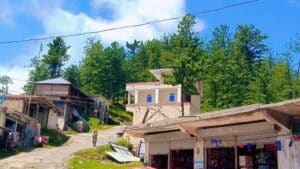
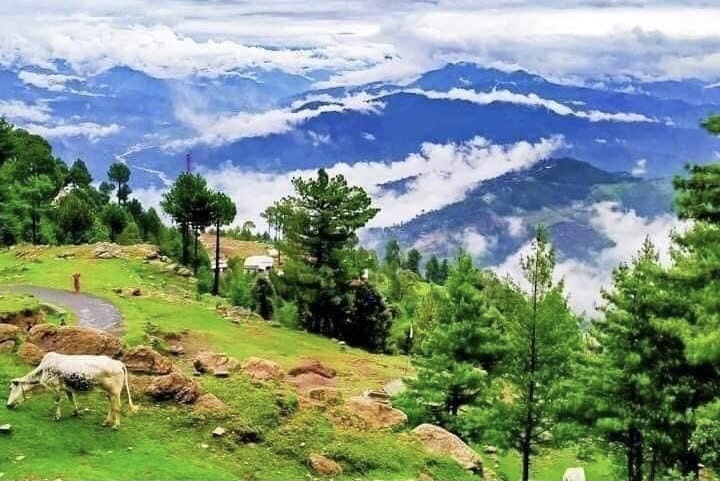
Tourism Festival Announced in Char Biyar, Sudhnoti, Azad Jammu and Kashmir

Sakawat Sadozai, Sudhnoti: The Department of Tourism and Archaeology of Azad Jammu and Kashmir (Pakistan administered) has announced a two-day tourism festival to be held at the scenic tourist destination of Char Biyar in Sudhnoti, Baloch.

The festival will take place on June 8th and 9th, featuring local cultural games and various tourist activities.

The Minister of Tourism, Archaeology, and Mineral Resources of Azad Jammu and Kashmir, Sardar Faheem Akhtar Rabbani, stated that transforming Azad Jammu and Kashmir into a tourism corridor is part of Prime Minister Chaudhry Anwar ul Haq’s vision.

The primary focus is on introducing new tourist destinations and promoting tourism activities in the region.

The government is committed to providing facilities to tourists at both national and international levels, with the tourism helpline 1422 being actively operational for visitors’ convenience.

Sardar Faheem Akhtar Rabbani further mentioned that for the first time, Sudhnoti has been formally included in the region’s tourism activities. The health-promoting tourist area of Char Biyar in Sudhnoti, Baloch, has been taken over by the Department of Tourism and Archaeology.

The two-day tourism festival in the first week of June is expected to boost local tourism and create job opportunities for the youth.

In line with Prime Minister Chaudhry Anwar ul Haq’s vision, all resources are being utilized to develop Azad Jammu and Kashmir into a tourism and economic corridor.

Triple Murder Investigation Launched after Three Killed in Azad Kashmir’ Bagh

Bagh: Three young men were shot dead in Baja Bagla village of Bagh Pakistan administered Kashmir. According to eyewitnesses, the suspect has been identified as Raja Gul Muhammad, son of Sher Muhammad, belonging to the Narma clan and residing in Rati Dhairi, District Bagh. The suspect fled the scene immediately after the crime.

Police have arrived at the scene and are conducting further searches and investigations. The authorities urge anyone who sees the suspect to report to the nearest police station immediately.

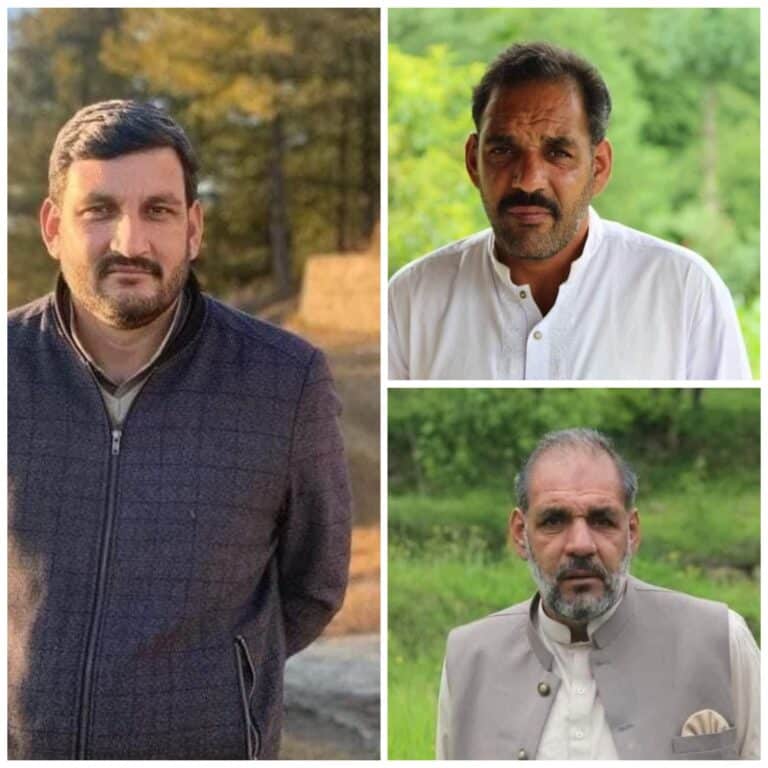
Azad Kashmir/Bagh: In Rati Dhairi, Beis Bagla, a man named Gul Muhammad opened fire, killing Raja Nadeem and Raja Kamran, the nephews of former PTI leader and Assembly candidate for Central Bagh, Colonel (Retd.) Raja Muhammad Zameer Khan, as well as their uncle, Subedar Raja Muhammad Yasin.

The motive behind the killings is reported to be a land dispute. Bagh police have reached the scene to handle the situation.

Bangladeshi Member Parliament Murdered In India

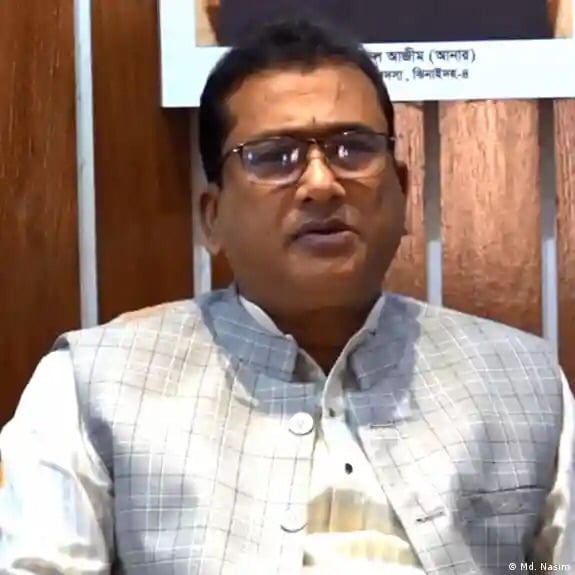
According to the Dhaka-based daily newspaper ‘The Daily Star,’ the country’s Home Minister Asaduzzaman Khan confirmed the murder of the ruling Awami League’s Member of Parliament, 56-year-old Anwarul Azim, stating that his dismembered body was found in Kolkata.

He said, “Anwarul Azim was murdered in an organized manner in a house in Kolkata.”

Speaking to the media, Asaduzzaman Khan said that the police have arrested three individuals in connection with the murder. He added, “We are attempting to arrest more individuals. According to our current information, people from our country are involved in this incident.”

What else do we know about this?

Three-time Member of Parliament Anwarul Azim had come to Kolkata on May 13 for medical treatment. He first went to meet a friend, gold trader Gopal Biswas, at his home in Baranagar. After that, he moved to an apartment in Newtown, which he had rented. He subsequently went missing from there.

According to the police, blood stains were found in the Newtown apartment, and forensic teams have collected samples. The police also obtained CCTV footage from the apartment complex. The footage shows an unidentified woman and a man leaving the complex between May 15 and 17.

During this period, Anwarul Azim’s daughter, Mamtarin Ferdous, said in Dhaka, “I want the culprits to be arrested and punished. I want justice for my father’s murder.” She added, “I have met with the head of the investigative branch of Dhaka police and requested them to find out who killed my father and why.”

Meanwhile, in Dhaka, Inspector General of Police Abdullah Al Mamun said, “We are working together with the Indian police. We are fully cooperating with the Indian police.”

Kashmiri Daughter Expresses Love for Homeland in United kingdom

0

A display of patriotism, a young Kashmiri woman, Saba Sabir Abbasi, from Muzaffarabad Pakistan-administrred Kashmir proudly raised the Kashmir flag while receiving her educational degree.

Her gesture has filled her family and local community with immense pride. Mumtaz Abbasi and various community leaders expressed their admiration, stating, “We are proud of our daughter.”

This act of love for her homeland has resonated deeply, even across social media. Many prominent social media activists and community leaders have shared this news, amplifying its significance.

This event comes at a time when anti-Pakistan sentiments have been on the rise in Kashmir, highlighting the enduring love and dedication of Kashmiri youth for their homeland. Several analysts have also commented on this, noting the strong sense of patriotism and commitment seen among the youth of Kashmir.

Abbasi’s gesture serves as a powerful reminder of the unbreakable bond between the Kashmiri people and their land, inspiring many and reinforcing their cultural and national identity.

Forest Fire Erupts in Samahni, Community Mobilizes to Control the Blaze

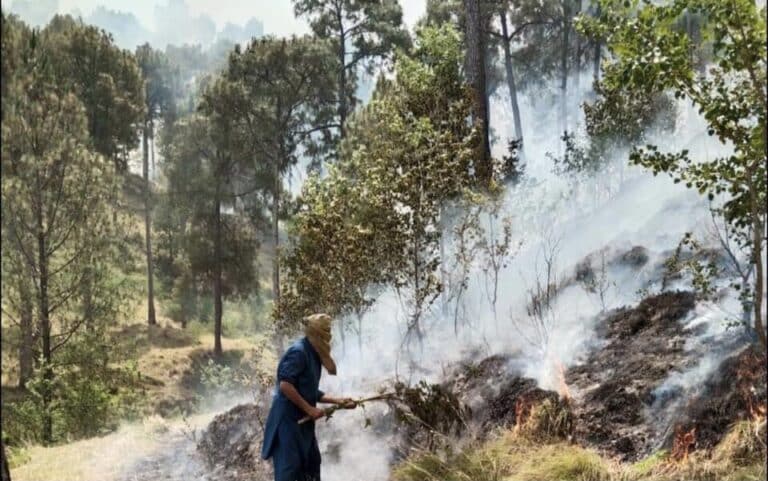
Bhimber: In the Samahni Valley, the forests of Baghser Block and Bandala Beat have been engulfed by flames.

The intense heat and blazing sun have exacerbated the situation, raising temperatures even further. It is suspected that malicious and environmentally destructive individuals have deliberately set the lush green forests on fire.

In response to the fire, forest officers, personnel, local youth from civil society, and army soldiers have joined forces to extinguish the blaze. According to the focal person of the Samahni Forest Department, upon receiving the report of the fire in the Baghser Bandala Block, Mirpur Forest Department Conservator Bilal Ahmed Awan, DFOs Raja Zahid Hussain, Raja Noman Akbar, range officers, foresters, and forest guards promptly arrived at the scene and began efforts to control the fire.

Local youth from the Rakha Youth Force Bandala, including Raja Junaid and Raja Umar, as well as civil society members and Pakistan Army personnel, also participated in the relief efforts, providing water and other essential supplies to the firefighters.

Public and social circles have expressed concern over the increasing incidents of forest fires in the Samahni Valley. They have demanded that the perpetrators of these acts be identified and severely punished.

Additionally, residents near the forests, civil society, and the youth are urged to step forward and play their part in protecting the forests.

Kashmiri Vehicles Halted by Pakistani Men, Nationalistic Slogans Painted in Forceful Act

0

Muzaffarabad: Controversial videos have recently surfaced on social media showing young men in Pakistan stopping vehicles and forcibly spray-painting slogans such as “Long Live Pakistan” and “Long Live Pakistan Army” on them.

Sources indicate that these individuals are also engaging in disrespectful behavior, which has sparked widespread debate and concern.

These incidents were primarily reported on the route from Rawalpindi, Pakistan to Bagh, Azad Kashmir, particularly at the Sultana Foundation checkpoint. Witnesses reported that passengers were harassed and vehicles were defaced without the owners’ consent, raising serious concerns within the local community.

Prominent local figures and community leaders have condemned these actions, stressing that they do not represent the broader sentiment in Pakistan. Emphasizing mutual respect, they highlighted that the sacrifices made by Kashmiri youth in various military operations across Pakistan, including Siachen, Balochistan, and Waziristan, should not be overshadowed by the actions of a few disruptive elements.

Additionally, a fake video showing the desecration of a Pakistani flag was circulated, adding to the tension. Critics argue that these actions are intended to prevent Pakistanis from uniting for their rights, similar to the efforts seen in Kashmir.


Officials from Kotli Sattian, Murree, and Islamabad stressed the importance of addressing this issue and urged authorities to prevent further incidents. There is a strong call for respect and unity, emphasizing that such divisive actions only harm the relationship between Pakistanis and Kashmiris.

A prominent Kashmiri resident expressed concern that the actions of a few should not tarnish the reputation of the majority. They warned that if such provocations continue, there could be a backlash, with potential reciprocal actions, such as marking Pakistani military vehicles with slogans supporting an independent Jammu and Kashmir.

The local sentiment is clear: unity and respect must prevail over divisive actions. The majority of Pakistanis and Kashmiris share mutual respect and do not support the actions of these disruptive elements. The focus remains on addressing the issues at hand and fostering a harmonious relationship between the regions.

The administration in Islamabad, Kotli Sattian, and Murree have been urged to take immediate action to prevent further escalation and ensure that such incidents do not recur.

Jhelum River Claims Young Life Student Falls to Death from Chairlift Search Continues

    0

    Jhelum Valley: A first-year student tragically fell into the Jhelum River and died while crossing via a chairlift (locally known as “Doli”) from the border town of Chakothi to Mera Bakot in Jhelum Valley District.

    The incident has led to conflicting accounts from the chairlift owner and the family of the deceased. Police have taken the chairlift owner into custody for further investigation. The atmosphere in the area is one of mourning, with every eye filled with tears.

    Details reveal that Subhan, son of Muhammad Ilyas Malik, a resident of Mera Bakot, drowned in the Jhelum River after falling from the chairlift near Chakothi while returning home from Chinnari after taking his biology first-year exam.

    Upon receiving the report, Rescue 1122 and Crime Police Unit Chakothi, led by Officer Muhammad Arif Awan, reached the site. Officer Awan stated that an eyewitness and the chairlift owner claimed the student jumped into the river voluntarily and that the chairlift was functioning properly.

    However, a relative of the deceased, Malik Yasir, disputed this, asserting that there was no reason for Subhan to jump into the river and demanded the truth be uncovered immediately. For the time being, the police have detained the chairlift owner, Abdul Qayyum, son of Alam Din, a resident of Mera Bakot, for further investigation.

    Efforts to recover the student’s body are ongoing, and as of the last report, the body has not been found, adding to the distress of the student’s family.

    Day Two: Suicide or Negligence? The Mystery Continues

    The mystery surrounding the death of Subhan, the first-year student who fell from the chairlift into the Jhelum River, remains unresolved on the second day. The chairlift owner remains in police custody as efforts to locate the student’s body continue.

    According to mobile phone location data, the body has crossed Hattian Bala, but neither the family nor search teams have been able to recover it from Chakothi to Kohala due to the river’s strong current. The student’s home and village remain in mourning.

    Subhan’s wallet was found on the riverbank, confirming his identity. The police traced his mobile phone’s last location to Hattian Bala, indicating the phone remained active up to that point. Despite exhaustive search efforts, the body remains missing, exacerbated by the river’s strong flow.

    The chairlift owner maintains that Subhan committed suicide, while two other individuals present at the scene stated that they saw the student falling from the middle of the chairlift. They reported that the owner called out to Subhan, drawing their attention to his fall. Subhan’s father passed away some time ago, leaving his mother, siblings, and other relatives in profound grief.

    The student’s cousin, Yasir Malik, dismissed the possibility of suicide, noting that Subhan had no reason to be distressed even if his exam did not go well. He questioned why Subhan would choose this chairlift for suicide when he had ample opportunities along the way from Hattian to Chakothi.

    Police Station House Officer Raja Yasir Ali Khan of Chinnari stated that a thorough investigation is underway, and the truth will be revealed soon. The chairlift remains operational at the request of local residents.

    Types of Life Insurance | Endowment Plan & Policies | You Need to Know

    A life insurance policy provides financial coverage and a sense of reassurance for you and your family during times of crisis.

    Each life insurance policy covers specific aspects and offers different benefits. Life insurance plans cover your basic financial needs and assets. Let’s take a detailed look at each type of life insurance policy.

    Types of Life Insurance Policies

    Term Insurance

    Term insurance is one of the most basic types of life insurance policies. In a term plan, the policyholder gets life coverage for a specific period and pays premiums for it. In case of untimely death, the beneficiary receives the insured amount. However, if the policyholder survives the term insurance period, there are no savings or profits from the policy. Online term insurance plans offer pure risk coverage, which is why the premiums for such plans are relatively low.

    Whole Life Insurance

    As the name suggests, this type of life insurance policy is for the entire lifetime. The coverage lasts throughout the policyholder’s life. Premiums are paid at regular intervals, and upon the insured’s death, the final payment is made to the family. Naturally, since the insurance coverage is for a lifetime, the premium amounts for whole-life plans are higher.

    Endowment Plan

    An endowment plan is a special type of life insurance policy. It offers a maturity benefit, meaning if the policyholder survives the insurance plan’s duration, they receive the insured amount.

    In case the policyholder dies during the term, the beneficiary is entitled to the basic death benefits. Endowment plans have higher premiums to cover the insured amount along with the benefits for the possibility of death or survival.

    Unit Linked Insurance Plan (ULIP)

    Unit Linked Insurance Plans are slightly different from regular endowment plans. ULIP pays the insured amount upon death or maturity. Additionally, it invests in the currency markets. The policyholder can choose to invest in stocks or debt markets. Profits depend on the market performance of the investments. In short, ULIPs are a combination of insurance coverage and investment options.

    Money Back Policy

    Money-back policies are also a type of endowment plan. In this, the policyholder receives regular payments during the policy term. These payments are made from the insured amount. If they survive the term, the remaining insured amount is paid out, and in case of death, the beneficiary receives the full insured amount.

    Child Plan

    This helps in creating long-term savings for the child’s future. Funds are a great source for the child’s education and marriage. Most insurers provide annual installments or a one-time payment after the child reaches 18 years of age.

    All efforts have been made to ensure the accuracy of the information provided here. However, no guarantees are given regarding the accuracy of the data.

    What is Insurance? – A Complete Guide to Life Insurance and General Insurance

    We have all heard a lot about insurance. Generally, insurance is something that helps you or the things you have insured to bear a heavy financial loss. But there is much more to it than just something you think is worth covering for potential loss. Let’s take a detailed look at it.

    What is insurance?

    In technical terms, it is a form of risk management where the insured entity transfers the cost of potential loss to another entity in exchange for a small financial compensation. This compensation is called the premium.

    Simply put, it is akin to paying a lump sum amount to an entity to protect yourself from future potential loss. Thus, when an unfortunate event occurs, the insurer helps you get through the situation.

    Why do we need insurance?

    This is a question on everyone’s mind. Do I really need protection? Life is full of surprises, some good, some bad. You need to be prepared for the worst situation that might befall you. This helps you gain a sense of security and peace of mind.

    There can be many situations where you might need help, such as a serious illness, a natural disaster, the unexpected death of a loved one, etc. In such situations, having adequate insurance provides significant support to your financial condition. Therefore, one should choose the right kind of protection according to their needs.

    Types of Insurance

    1. Life Insurance: Life insurance is one of the traditional forms of insurance designed to protect you and your loved ones from an unexpected calamity or disaster. Initially, it was designed for income protection for families.

    But since then, it has transformed from merely a protective measure to an option for wealth protection and tax planning. The need for life cover is calculated based on various factors such as the number of dependents on a person, current savings, financial goals, etc.

    2. General Insurance: Any type of coverage other than life insurance falls into this category. There are many different types of insurance that cover almost every aspect of your life according to your needs:

    a. Health Insurance: This covers your medical and surgical expenses that might arise during your life. Generally, health insurance provides cashless facilities in listed hospitals.

    b. Motor Insurance: This covers the damages and liabilities associated with a vehicle (two-wheeler or four-wheeler) against different scenarios. It protects against damage to the vehicle and covers third-party liability as mandated by law.

    c. Travel Insurance: This protects you against emergencies or losses that may occur during your travel. It covers unforeseen medical emergencies, theft, loss of luggage, etc.

    d. Home Insurance: Depending on the policy’s scope, it covers the home and/or the contents inside. It protects the home against natural and man-made disasters.

    e. Marine Insurance: This covers the goods, cargo, etc., against potential damage or loss during transit.

    f. Commercial Insurance: This provides solutions for all sectors of industry like construction, automotive, food, power, technology, etc.

    The risk protection needs can vary for each person, but the basic function of an insurance policy remains more or less the same.

    How does insurance work?

    The most fundamental principle behind the concept of insurance is ‘risk pooling.’ A large number of people are willing to get insured against a particular loss or damage, and for this, they are ready to pay the required premium.

    This group of people can be called the insurance pool. Now, the company knows that the number of interested people is very high, and the likelihood of all of them needing the insurance cover at the same time is almost impossible.

    Thus, it allows companies to collect money at regular intervals and also settle claims if and when such a situation arises. The most common example of this is auto insurance. We all have car insurance, but how many of us have claimed it? Thus, you pay for the possibility of damage and get insured, and if the given event occurs, you will be compensated.

    Therefore, when you purchase an insurance policy, you pay the company a regular amount as the policy premium. If and when you decide to claim, the insurer will pay for the damages that are covered under the policy. Companies use risk data to calculate the probability of the event for which they want insurance to happen.

    The higher the probability, the higher the premium for the policy. This process is called underwriting, i.e., the process of assessing the risk to be insured. The company only considers the actual value of the entity being insured as per the insurance contract agreed upon between the parties.

    For example, if you insured your home for 5 million, the company will only consider the actual value of the house, and the house will not have any emotional value to you, as pricing emotions is almost impossible.

    Different policies have different terms and conditions, but three basic general principles remain the same for all types:

    1. The cover provided for a property or item is for its actual value and does not consider any emotional value.
    2. The probability of a claim should be spread among all policyholders so that insurers can calculate the chances of risk to set the premium for the policy.
    3. Losses should not be intentional.

    We have covered the first two points above. The third part is a bit important to understand. An insurance policy is a special kind of contract between the insurer and the insured. It is a contract of ‘utmost good faith.’ This means there is an unspoken but very important understanding between the insurer and the insured, which is generally not present in regular contracts.

    This understanding involves full disclosure and not making any false or deliberate claims. This duty of ‘good faith’ is one of the reasons why a company can refuse to settle your claim if you fail to provide all the required information. And this is a two-way street. The company has ‘good faith’ obligations towards the client, and failing to adhere to them can cause significant trouble for the insurer.

    Read Also: Finding the Right Insurance in Jammu and Kashmir, Azad Kashmir, Ladakh, and Gilgit-Baltistan

    Conclusion: Every sound financial plan is backed by risk protection. The cover suitable for you is determined by your needs and current financial situation.

    You should review and reassess the exclusions included in your policy and evaluate their impact on your current financial health. There are many ifs and buts involved, but the basic working principles remain consistent for all types of insurance.

    You should be clear about the type of risk protection you are buying, why you are buying it, and what is included in the contract. Both parties must act with ‘utmost good faith’ to make the entire process of insurance clear and less troublesome. As with every financial product, you should be well aware and informed about the product you are buying and seek proper advice from your end.

    Frequently Asked Questions

    1. What does “risk pooling” mean?
    A: Risk pooling refers to a small group within a larger pool that has funds for better insurance rates and coverage plans. The purchasing power is better because, instead of approaching an insurance company as an individual, you are approaching it as part of a group. This can be done by companies or cooperative societies on behalf of employees. Insurance companies also practice risk pooling, coming together to protect each other with insurance coverage.

    2. Why should I buy insurance?
    A: With a policy, you can effectively transfer the potential loss to the insurance company in exchange for a fee called the ‘insurance premium.’ The benefit of insurance is that it protects your savings in case of unexpected expenses.

    3. Who benefits if I buy insurance?
    A: When you buy an insurance policy, both the insurer and the insured benefit. As the insured, you are secure in the knowledge that you will be protected from potential loss. Similarly, the insurance company uses the money you pay as premiums to create better business models and assets.

    4. What should I look for when buying insurance?
    A: When purchasing an insurance policy, you should check the premium and coverage. They should align with your needs.

    5. What is ‘underwriting’?
    A: Underwriting is a service provided by insurance companies where firms act as guarantors for the insured. However, insurance companies may ask individuals seeking underwriting services to provide shares or prosperity as a security deposit.

    6. Do the terms and conditions vary based on the policies I buy?
    A: Yes, the terms and conditions of the policy will vary depending on the type of insurance policy you purchase. The two main types of insurance are life insurance and home insurance. Under general insurance, there is health, travel, home, corporate, and vehicle insurance. Depending on the policy you buy, the terms, conditions, and payable premiums will differ.

    7. Can I buy multiple insurance policies?
    A: Yes, an individual can purchase different types of policies. There is no restriction on the number of life insurance policies one can buy. However, for a vehicle, you only need to purchase one vehicle insurance policy.

    8. Is there any mandatory insurance?
    A: Yes, it is mandatory for vehicle owners to purchase a vehicle insurance policy. Otherwise, you will face legal issues.

    9. What is the importance of health insurance?
    A: A health insurance policy or medical insurance will protect you from unparalleled medical or hospitalization expenses. If you buy medical insurance, your savings will be safe if you suddenly need to be hospitalized. All expenses, such as doctor’s fees, hospital admission costs, ambulance fees, OT charges, and medications, will be covered under the insurance policy. Thus, your savings will remain protected.

    10. What is an insurance premium?
    A: The insurance premium is the amount the insured person has to pay periodically to the insurance company to purchase a policy. When you buy an insurance policy, the risk is transferred to the company. Therefore, the company charges a fee, known as the insurance premium.

    11. How is the premium calculated?
    A: Insurance companies use mathematical calculations and statistics to estimate the price of the insurance premium they will charge their customers. Different parameters are used to calculate the premium for different insurance policies. For example, when calculating the premium for a medical insurance policy, factors such as age, health, medical history, and similar factors are considered. Similarly, for other insurance policies, life history and credit score are taken into account.

    12. If I do not make a claim, can I get my premium back?
    A: If you cancel your life insurance policy after regularly paying premiums, you may be able to claim at least a partial refund of the premium. However, this will depend on the terms and conditions of the insurance policy. But you cannot claim the premium upon policy expiration.

    Disclaimer: Every effort has been made to ensure the accuracy of the information provided here. However, no guarantees are given regarding the accuracy of the data. Please verify with the scheme’s information document before making any investment.

    Press Release: JKAAC to Launch Nationwide Protests if Demands are Not Met

      0

      Muzaffarabad, May 20, 2024 – A significant meeting of the Jammu and Kashmir Joint Awami Action Committee (JKAAC) was held today in Muzaffarabad. The following points were clarified during the meeting:

      1. Agenda and Conduct: The JKJAAC’s agenda, its charter of demands, and code of conduct have been clearly defined since day one. This charter represents the Committee’s ideology, and no individual or group was permitted to join the Committee’s protests for any other purpose.
      2. Government’s Unlawful Actions: The Azad Kashmir government has continuously employed illegal and violent tactics to suppress the Committee’s peaceful protests. Specifically, to crush the peaceful long march on May 11, from May 8 onwards, members of the Committee were abducted, violating the sanctity of their homes. Paramilitary forces, including the FC, PC, and Rangers, were called in to conduct flag marches in various cities, inciting public anger. The resulting public outrage and breaches of the Committee’s code of conduct are entirely the government’s responsibility.
      3. Baseless Allegations: Baseless and vile accusations were made against the JKJAAC, drawing India’s attention to the public protests. Subsequently, India used these protests for its propaganda. It is necessary to investigate those who accused the Committee of being influenced by India. The JKJPAC demands an investigation into the assets of all high-ranking officials in Azad Kashmir, including those who accused the Committee of Indian funding.
      4. Failure to Implement Agreements: The announcement of the long march on May 11 was a result of the government’s refusal to implement the Committee’s recognized demands and agreements, including the notifications issued on February 4, 2024. In the interest of peace and broader public interest, the JKJAAC agreed to immediately end the long march if at least three points of the notifications were issued immediately. However, delays in issuing the notifications and the shutdown of the internet, following inconsistent responses from federal government representatives, worsened the situation. After negotiations in Rawalakot, there were no further dialogues, only phone contacts regarding the issuance of the agreed notifications. The arrival of Rangers in Muzaffarabad and the resulting deaths of three innocent youths are entirely the responsibility of the Azad Kashmir government, particularly the Prime Minister and the Interior Minister.

      Jammu Kaahmir Joint Awami Action committee (JKAAC) Demands:

      1. Judicial Commission: Establish a judicial commission to fully investigate all actions taken by the Azad Kashmir government to incite violence from May 8 to 13, 2024, which resulted in the loss of innocent lives. This includes the incidents in Dadyal, the police officer’s actions, and the deaths of the youths in Muzaffarabad.
      2. Unresolved Issues: Address all unresolved issues raised by the Pakistani government representatives during negotiations.
      • Establish a national grid in Azad Kashmir and declare it a load-shedding-free zone. Fully implement the High Court’s decision on hydel projects dated November 15, 2019.
      • Investigate corruption and irregularities in the Electricity and Food Departments through a commission comprising judges of the Azad Kashmir High Court.
      • Eliminate the privileges of the ruling classes and legislate accordingly.
      • Implement the remaining eight points of the notifications issued by the Azad Kashmir government on February 4, 2024.
      • Allocate flour based on the population ratio.
      • Drop all cases against JKAAC workers from 2022 onwards as promised, and immediately release all detainees, including the seven prisoners in Mirpur. Address the grievances of the hundreds of peaceful protesters injured during the long march and take legal action against the responsible authorities.

      If the above demands are not met, the JKJAAC will hold protest demonstrations across Azad Kashmir, Pakistan, overseas, and in Gilgit-Baltistan on May 27, 2024, and announce a stricter course of action.

      The JKJPAC congratulates the public across the state for their historic participation in the long march on May 11-13, 2024, and their unprecedented hospitality in welcoming the march in all three divisions.