Islamabad (Azadi Times): The Central Deputy Secretary of Information for the Pakistan Peoples Party Azad Kashmir and the nominated candidate for Assembly Constituency 7, Shaukat Javaid Mir, has stated that modern conveniences of information technology have constructed bridges between the pen, books, and the Himalayas, opening avenues for enhanced education, research pursuits, dialogue, and literary artistry.
The surge in educational standards, exploration, and literary discourse due to these advancements signifies a monumental shift. Departing from the celestial principles of Islam has led to regression, while non-religious forces, through scholarly pursuits, have erected intellectual bastions akin to Chand Band Bastiyan.
“We are still ensnared in the era of stone, archaic customs, and the bloody claws of Western civilization,” he added. “Governments in Pakistan and Azad Kashmir, while capitalizing on educational experts and the modern global educational system, must alleviate the burden of uniform educational curriculums and textbooks to liberate the new generation from mental and intellectual constraints.”
He stressed the imperative need for legislation to ensure the remuneration and provisions for the esteemed teachers in private educational institutions akin to government bodies. “The greatest injustice in society is the lack of scientific pursuit,” he emphasized.
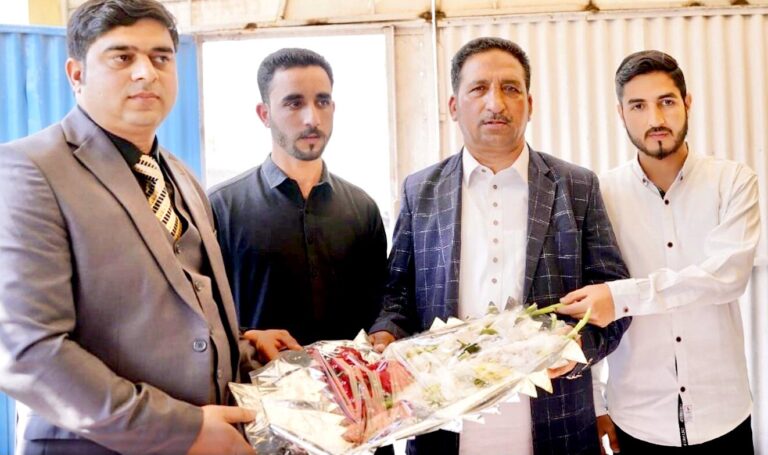
These sentiments were articulated by him during a significant gathering at the Federal Capital, addressing a renowned educational institution’s annual results and prize distribution ceremony.
He remarked, “Education, upbringing, and integrity serve as the cornerstone of self-assessment and propel nations to greater heights. The acquisition of knowledge is the pinnacle of humanity’s ascent.”
The competition in educational endeavors between governmental and private educational institutions is highly promising and serves as a beacon of hope for future generations.
“Our society’s social temperament is meandering towards accumulating degrees rather than acquiring knowledge, which has led us down the abyss of intellectual degradation and falsification. The external school system has diligently focused on modern education and the upbringing of the new generation, achieving significant success in the educational jihad,” he highlighted. Prophet Muhammad (PBUH) has mandated the pursuit of knowledge as a divine gift upon every Muslim man and woman, from the cradle to the grave.
Azad Kashmir has witnessed substantial relief from educational challenges to students, thanks to the establishment of several educational institutions, including three medical colleges, women’s universities, and cadet colleges. Principal Adnan Aziz and his brother Tahir Aziz, through relentless efforts, have illuminated society through the light of knowledge and earned a livelihood through lawful means, becoming the catalysts for the well-being of countless households.
Prior to this, during the ceremony, Shaukat Javaid Mir, felicitated and distributed medals and shields among outstanding students who demonstrated exceptional performance.
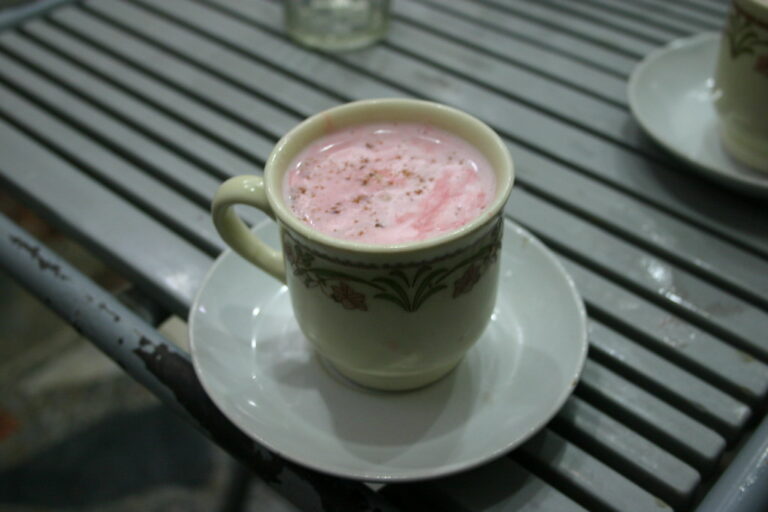
Azadi Times – Foods: Kashmiri Chai, commonly known as Pink Tea, is a revered beverage deeply ingrained in the cultural fabric of the Jammu Kashmir region.
Beyond its cultural significance, this delicately flavored tea has garnered attention for its potential health benefits and considerations. In this article, we delve into the nutritional profile, purported health advantages, and important considerations associated with consuming Kashmiri Chai.
Kashmiri Chai (Tea) Nutritional Profile
Kashmiri Chai derives its distinctive pink hue and flavor from a unique blend of ingredients, including green tea leaves, milk, salt, baking soda, cardamom, and sometimes saffron or almonds. This amalgamation offers a diverse array of nutrients, including antioxidants, vitamins, minerals, and amino acids.
Antioxidant Properties: The presence of polyphenols in green tea leaves, combined with antioxidant-rich spices like cardamom and saffron, provides Kashmiri Chai with potent free-radical scavenging capabilities. These antioxidants help protect cells from oxidative damage and may lower the risk of chronic diseases.
Digestive Support: Ingredients such as cardamom and ginger commonly found in Kashmiri Chai possess carminative properties, aiding digestion and alleviating gastrointestinal discomfort.
Stress Relief: The warm, aromatic blend of spices in Kashmiri Chai has a soothing effect on the senses, promoting relaxation and stress relief. Sipping on a cup of this comforting beverage may help unwind after a long day.
Hydration: In addition to its health-promoting properties, Kashmiri Chai serves as a hydrating beverage, contributing to daily fluid intake and supporting overall hydration levels.
Considerations Kashmiri Chai (Tea) Side Affects
Caffeine Content: While Kashmiri Chai contains green tea leaves, which naturally contain caffeine, the caffeine content in a typical serving may vary. Individuals sensitive to caffeine should be mindful of their intake to avoid potential side effects such as insomnia or jitteriness.
Milk and Allergens: Kashmiri Chai traditionally includes milk as a primary ingredient. Those with lactose intolerance or dairy allergies should opt for lactose-free or plant-based milk alternatives to enjoy this beverage without adverse reactions.
Moderation: Like any beverage, moderation is key when consuming Kashmiri Chai. While it offers numerous potential health benefits, excessive intake may lead to imbalances or unwanted side effects.
Conclusion: Kashmiri Chai, with its rich heritage and potential health benefits, offers a delightful sensory experience and a glimpse into the cultural tapestry of Kashmir.
Whether enjoyed for its soothing warmth, antioxidant properties, or aromatic flavors, incorporating Kashmiri Chai into a balanced lifestyle can be a nourishing and enriching choice. By understanding its nutritional composition and considering individual sensitivities, one can savor this timeless beverage responsibly, reaping its rewards while honoring tradition.
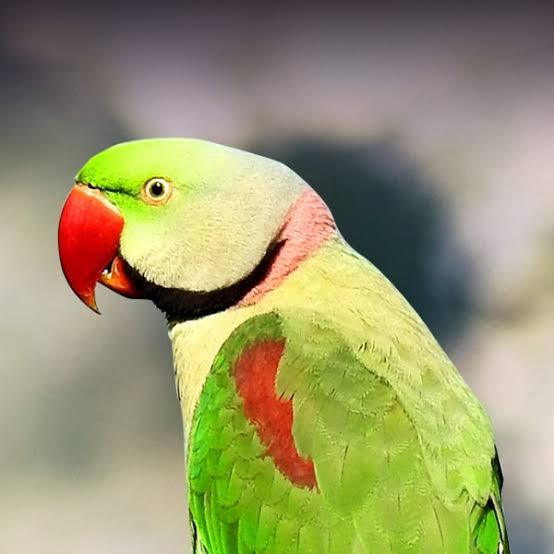
Azadi Times: The Kashmiri Raw Parrot, also known as the Ringneck Parrot. With its striking green plumage adorned by a captivating red ring around its neck, this avian marvel stands as a symbol of beauty and charm in households across the nation.
Origins and Appearance of Kashmiri Raw Parrot
Originating from the verdant valleys of Kashmir, the Kashmiri Raw Parrot belongs to the Psittacula krameri species, commonly referred to as the Indian Ringneck Parrot. Renowned for their distinctive appearance, these parrots exhibit a vibrant green hue that blankets their body, complemented by a striking crimson ring encircling their necks, lending them an aura of elegance and grace.
Behavior and Personality
Beyond their enchanting appearance, Kashmiri Raw Parrots are cherished for their engaging personalities and remarkable intelligence. Possessing an innate curiosity, these parrots are known for their playful demeanor, often delighting their human companions with antics and mischief. With proper care and attention, they form strong bonds with their owners, displaying affection through gentle chirps and cuddles.
Popularity and Cultural Significance
In Jammu Kashmir, the Kashmiri Raw Parrot holds a special place in the hearts of bird enthusiasts and pet lovers alike. Revered for their beauty and companionship, these parrots are sought after as prized pets and adornments in households across the country.
Their presence is not only cherished for the joy they bring but also for the cultural significance they carry, symbolizing prosperity, happiness, and good fortune.
Care and Maintenance
While the Kashmiri Raw Parrot is a delightful addition to any home, responsible ownership entails providing adequate care and attention to ensure their well-being. Proper housing, a balanced diet consisting of fruits, vegetables, and seeds, as well as regular exercise and mental stimulation, are essential for their health and happiness.
Additionally, routine veterinary check-ups and grooming are imperative to address any potential health issues and maintain their vibrant plumage.
Conservation Efforts
Despite their popularity, Kashmiri Raw Parrots face threats from habitat loss, illegal trapping, and the pet trade. Conservation efforts aimed at preserving their natural habitats and regulating their trade are crucial to safeguarding their population and ensuring their survival for future generations to admire and cherish.
Conclusion: In the colorful tapestry of Jammu Kashmir’s cultural landscape, the Kashmiri Raw Parrot stands as a cherished emblem of beauty, companionship, and tradition.
With its resplendent plumage and endearing personality, this avian marvel continues to enchant and captivate all who encounter its radiant presence, reaffirming its status as a beloved avian companion in the hearts and homes of many across the nation.
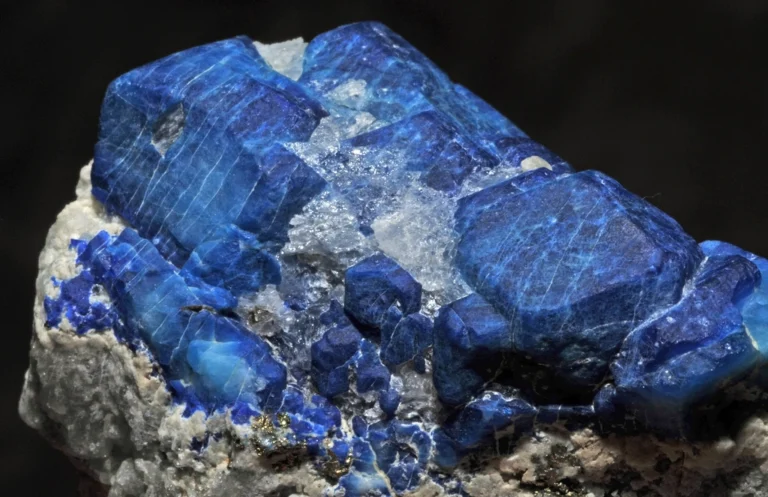
Azadi Times: Blue Sapphire (Kashmiri Neelam) is considered to be one of the highest-grade gemstones. This precious stone blue color is called Yaqut in Persian, Kiyod in Sanskrit, Suritan in Sanskrit, Sapphire in English, and Neelam in Hindi. Its taste is dull, the mood is cold and dry.
It gives strength to the body and eyes. Its ring protects the body from early diseases. Its blue color symbolizes beauty. Yellowish blue and dark color but blue like the peacock’s neck is good and valuable. It does not suit everyone, it makes the person who suits it develop and enriches. Otherwise, it causes severe damage.
Blue Sapphire, renowned for its exquisite beauty and profound symbolism, stands as one of the most esteemed gemstones across cultures and civilizations.
Originating from diverse regions such as Sri Lanka, Burma, Siam, and Australia, with notable finds in Kashmir and Pakistan, this gemstone holds a rich tapestry of historical significance, unparalleled characteristics, and enduring cultural relevance.
Historical of Blue Sapphire ( Kashmiri Neelam) Significance
Throughout history, Blue Sapphire has adorned the thrones of kings and queens, symbolizing power, authority, and divine favor. King Solomon’s legendary throne boasted the splendor of Blue Sapphire, while the tablets inscribed with the Ten Commandments received by Moses were said to be crafted from this illustrious gemstone.
Even in modern history, Blue Sapphire played a pivotal role in shaping events, such as Napoleon’s defeat at the Battle of Waterloo and the adornment of Queen Victoria’s Diamond Jubilee crown, symbolizing the strength and grandeur of the British Empire.
Characteristics and Symbolism of Blue Sapphire ( Kashmiri Neelam)
Blue Sapphire’s allure lies not only in its captivating hue but also in its profound metaphysical properties. Its cool and dry temperament imbues the wearer with a sense of strength and vitality, while its mild nature is believed to protect against sudden illnesses.
Symbolically, the deep blue color evokes notions of beauty, elegance, and celestial connection, with shades ranging from the serene sky blue to the mesmerizing cornflower blue highly prized among connoisseurs.
Blue Sapphire Medical and Spiritual Attributes
Beyond its aesthetic appeal, Blue Sapphire is revered for its purported medical and spiritual benefits. In ancient wisdom, it was considered an antidote to poison and a remedy for various ailments, particularly those affecting the eyes, heart, and brain.
Moreover, wearing Blue Sapphire was believed to enhance courage, attract loyalty, and foster success in endeavors, making it an invaluable talisman for achieving one’s aspirations and gaining respect and recognition in society.
Contemporary Significance
Even in modern times, Blue Sapphire continues to captivate enthusiasts and collectors worldwide. Museums house extraordinary specimens, such as the Louvre’s 913-carat cornflower blue sapphire from Burma and the National Museum of America’s rare 564-carat gemstone, showcasing its enduring allure and historical importance.
Moreover, gem markets in Sri Lanka and other regions remain vibrant hubs for sourcing high-quality Blue Sapphire, ensuring its legacy perseveres through the ages.
Price of Kashmiri Neelam
The price of a Kashmiri Neelam in Pakistan can vary depending on factors such as cut, color, clarity, carat weight, origin, and treatment. For example, a 1.01-carat Kashmiri sapphire can cost ₨50,500, while a 1.27-carat Kashmiri sapphire can cost ₨63,500.
In conclusion, Blue Sapphire stands as a timeless symbol of beauty, power, and transcendence, weaving together a narrative of ancient wisdom, cultural heritage, and contemporary fascination.
Whether adorning royal regalia or gracing the fingers of discerning individuals, this majestic gemstone continues to mesmerize with its profound allure and enduring significance.
Muzaffarabad (Azadi Times): Paradise on earth, Jammu Kashmir is not only full of mesmerizing places but also famous for its aromatic cuisines that leave a lasting memory of the best culinary experience.
The state’s savory thali includes both vegetarian and non-vegetarian dishes heavily influenced by Kashmiri Pandits and Mughal-era recipes.
Traditional Kashmiri cuisine bursts with rich aromas and flavors of whole spices like saffron, cardamom, cinnamon, cloves, and fennel that tantalize the palate and linger forever in the mind. We bet you’ll be craving for more. check this out!
Exploring the rich heritage of Kashmiri cuisine unveils a story built over generations. Every dish, from the fiery rogan josh to the comforting harissa, speaks to the impact and resilience of its people in the face of challenging weather conditions.
With each meal of Methi Rishti and Goshtaba, I unraveled cooking techniques over time. Everything was at the center of it. Vaazwan- A grand feast for the royal family. It represents the essence of Kashmiri hospitality.
Amongst these delights, two treasures emerged: aromatic coffee tea and decadent walnut fudge. He embodied both the warmth and sweetness that define Kashmiri culture.
As I savored every flavor and texture, I was simply mesmerized by the timeless allure of authentic Kashmiri cuisine – a journey that has captivated travelers for centuries. Join me as we immerse ourselves in the charm and tradition that Kashmir has to offer.
The famous cuisine of Kashmir bursts with the rich aromas and flavors of all spices like saffron, cardamom, cinnamon, cloves and fennel.
List Of 12 Famous Kashmiri Dishes You Must Try
From traditional Kashmiri wazwan to fine kahwa, the range of delicacies is wide. Tempt your taste buds with this list of popular Kashmiri cuisine.
Rogan Josh
beef
Tail potatoes
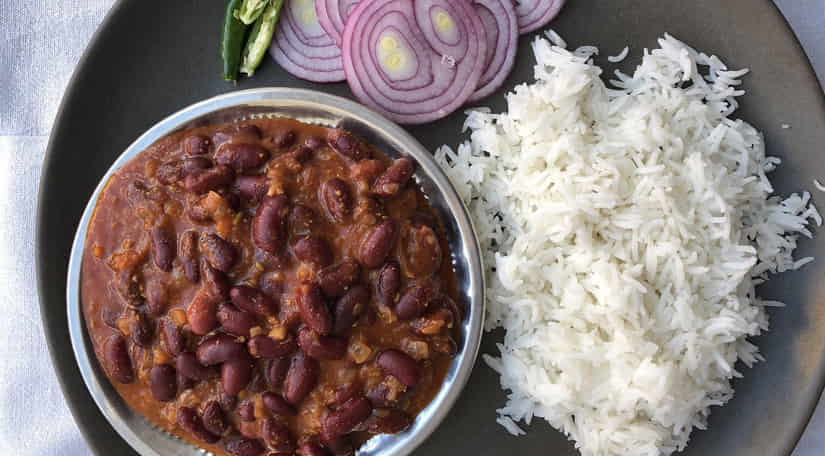
Kashmiri Rajma
Naat Yakhni
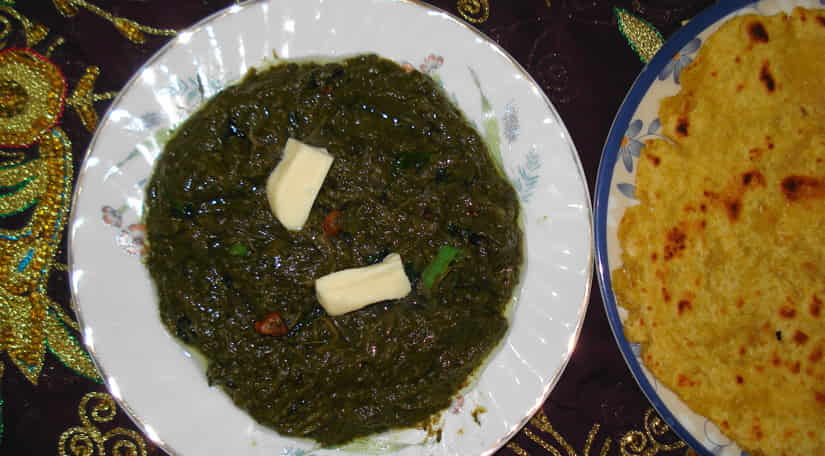
Kashmiri greens
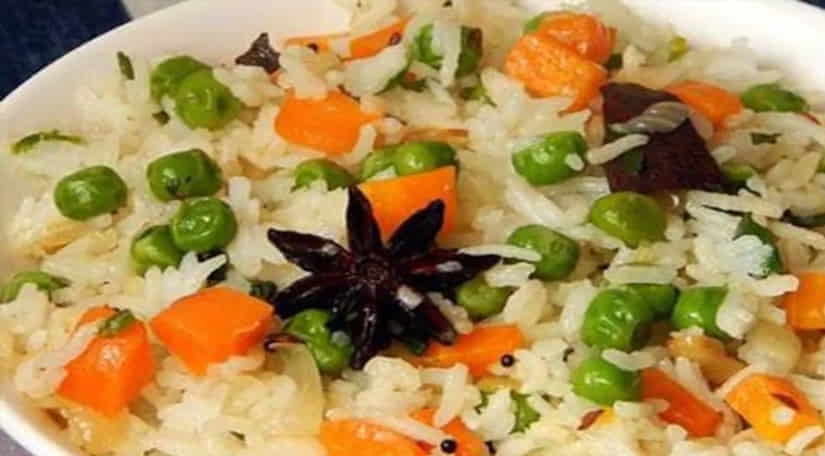
Modor Pulau
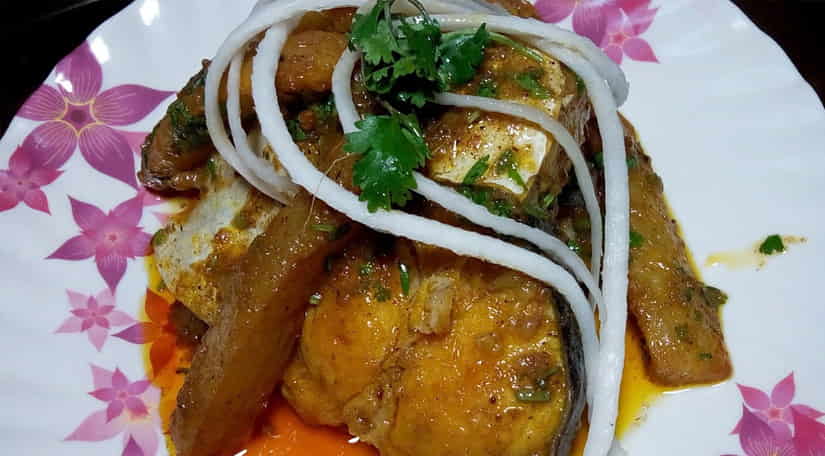
Kashmiri Mujigad
Pickled Eggplants
meat
Tabak Moaz
Nadir Monji
1. Rogan Josh
Rogan Josh.
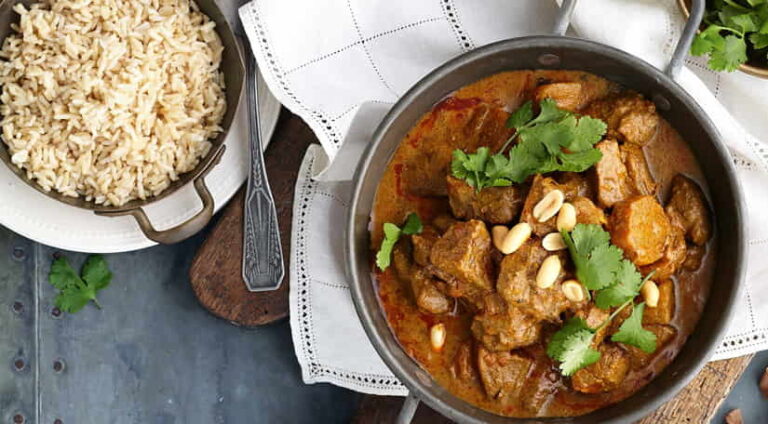
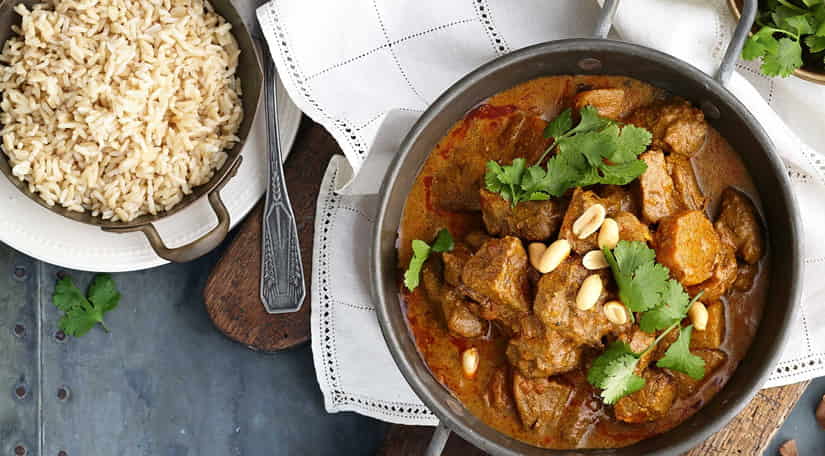
A fragrant lamb curry, Rogan Josh is one of the famous dishes of Kashmir which is a must-try, especially for all the mutton lovers out there. The melt-in-the-mouth rich aroma and delicious taste are derived from the finest Mughal recipes.
Topping the chart of famous Kashmiri dishes, Rogan Josh has gained a lot of popularity worldwide because apart from being extremely healthy, this wonderful dish has magical flavors that tantalize the taste buds. Try this signature dish of Kashmir with Kashmiri roti, rice or naan.
2. Meat
beef
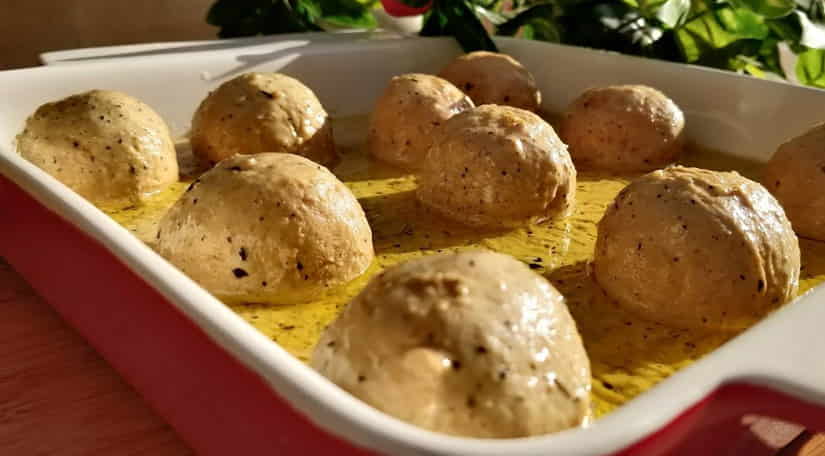
Kashmiris love red meat and this is evident in the most popular Kashmiri recipes. Goshtabha is another traditional Kashmiri mutton recipe that is a must in all royal parties. Spicy meatballs cooked in curd gravy have a rich flavor and aroma that makes you want to cry. What makes Gushtaba stand out is the use of exotic Kashmiri spices and a unique way of cooking. A dish for kings, as they call it, trying Goshtabah should be on your list of things to do in Kashmir.
3. Potatoes
Tail potatoes
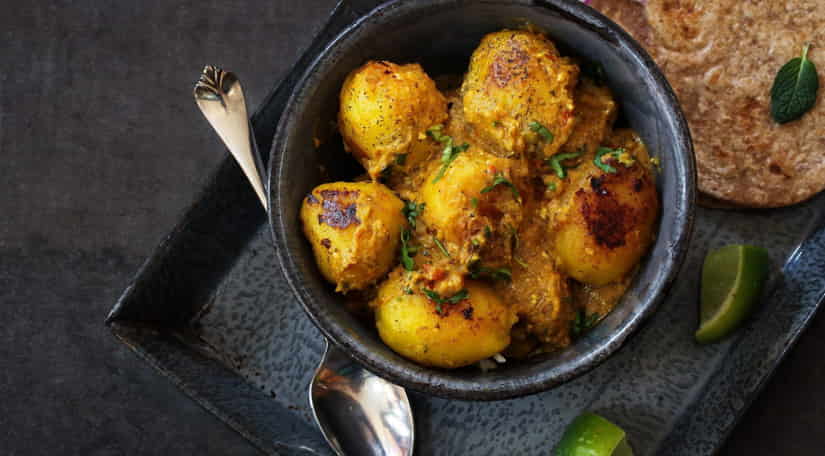
Who does not like to eat potatoes? Kashmiri dum aloo is the answer to all your potato cravings. Drenched in the goodness of a rich curd gravy, the baby potatoes burst with some amazing flavors that linger on the tongue forever. As Oprah Winfrey says, my idea of heaven is potatoes and sharing it with someone. Don’t miss this traditional Kashmiri dish on your trip to Kashmir. Dum Aloo has all the heavenly ingredients to satisfy your cravings.
The mouth-watering Rajma curry made with rich Kashmiri spices is definitely worth a try. There are mainly three types of rajma found in the Indian market. Chitra, Kashmiri and red kidney beans and Kashmiri rajma are considered excellent and popular due to their sweet and savory taste. The flavor of Kashmiri kidney beans comes out when they are cooked in an onion and tomato gravy mixed with aromatic spices like cardamom and cinnamon. Kashmiri style which is another popular dish of Kashmir which is absolutely divine!
5. Naat Yakhni
Naat Yakhni
Another famous Kashmiri dish, Naat Yakhni, made with mutton in curd gravy is an absolute delight for mutton lovers. This famous Kashmiri dish has unique ingredients like maul flowers, typical Kashmiri spices, mint leaves and a dash of exotic flavors of onion gravy. Usually served with rice, this signature recipe of Kashmir has a juicy gravy that is very light on the stomach.
6. Kashmiri greens
Kashmiri greens
Also known as Karam Saag, Kashmiri Hawk or Nadru Yakhni, the taste of Kashmiri Saag is as unique as its popular names. One of the most unique inventions of Kashmiri food culture, this popular side dish of Kashmir is easy to cook and healthy to eat. Typically a Kashmiri pandit dish, Kashmiri greens are made with spinach, cooked in mustard oil and flavored with cloves and some spices. Don’t forget to try it!
7. Modor Palau
Modor Pulau
A Kashmiri sweet pulao with the goodness of milk and dry fruits, Modur pulao is one of the tastiest dishes of Kashmir. This Kashmiri delicacy is flavored with the world famous Kashmiri saffron which also adds a yellow color to the aromatic sweet basmati rice preparation. For all those with a sweet tooth, Kashmir’s Modor Pulau is sure to satisfy your sweet cravings. Must try this famous food of Kashmir!
8. Kashmiri Muji God
Kashmiri Mujigad
Everywhere there is some kind of festive dish and Kashmiris always celebrate. Festivals of Kashmir by cooking Kashmiri Moji Gaad. This traditional Kashmiri dish has a combination of both vegetarian and non-vegetarian ingredients which makes it extremely popular. Made from fish and lotus stems, this popular Kashmiri dish has a unique flavor that cannot be found anywhere else. So when you are in Kashmir, you must try the Kashmiri Moji God.
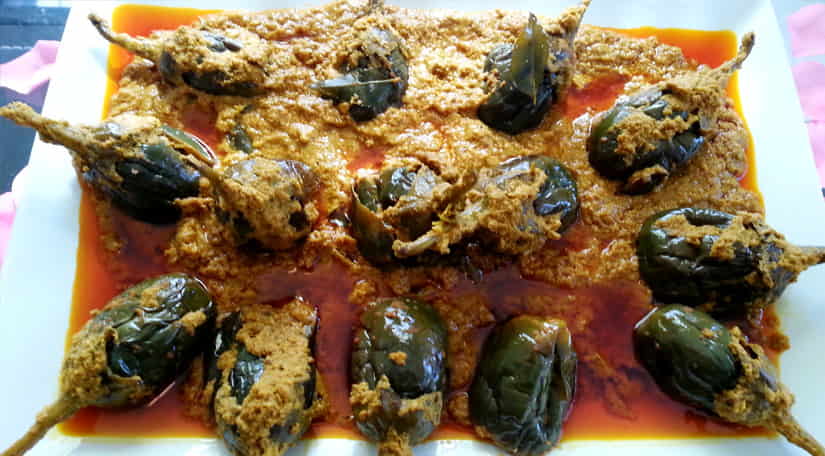
9. Sour eggplant
Pickled Eggplants
Golden Fried Eggplant smothered in a thick, tangy gravy is all you need to whet your appetite. Khate Bagan, as the name suggests, is an intricate Kashmiri preparation that makes a splash in feasts and celebrations. Served as a side dish in Kashmir, it is worth a try for those who love aubergine as this Kashmiri-style recipe is out of this world.
Golden Fried Eggplant smothered in a thick, tangy gravy is all you need to whet your appetite. Khaleej Khate Bagan, as the name suggests, is an intricate Kashmiri preparation that rustles up feasts and celebrations. Served as a side dish in Kashmir, it is worth a try for those who love aubergines as this Kashmiri-style recipe is out of this world.
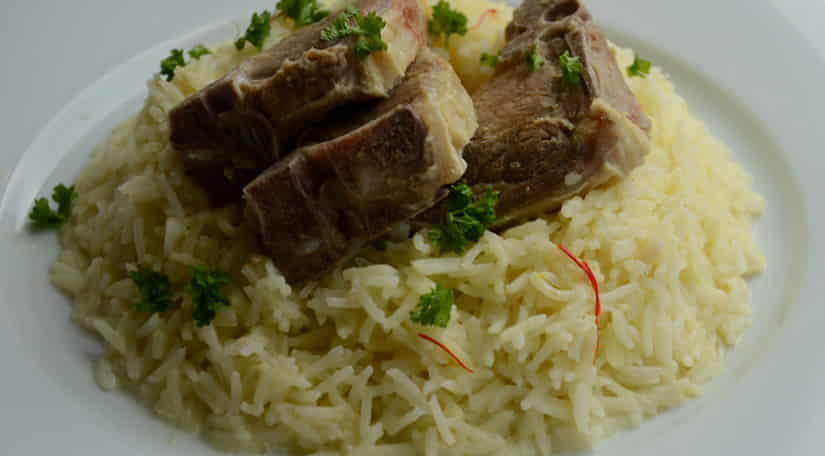
10. Water and meat
meat
In Kashmir, you cannot do without mutton and hence most typical Kashmiri dishes involve extensive preparation of mutton gravy. Aab Goshth is another popular Kashmiri dish made with mutton and super ingredients like milk, cardamom, and black pepper. The lamb skin melting into the tender flavors of the gravy will leave you speechless. Right? Try Kashmir ab gosh and get it packaged for me if possible 🙂 just kidding!
11. Tabuk Moaz
Another gem of traditional Kashmiri cuisine is tabak moaz. It is a serving of fried pieces of mutton flavored with salt and red pepper. When the first bite goes into your mouth, you can immediately taste the pain of the taste.
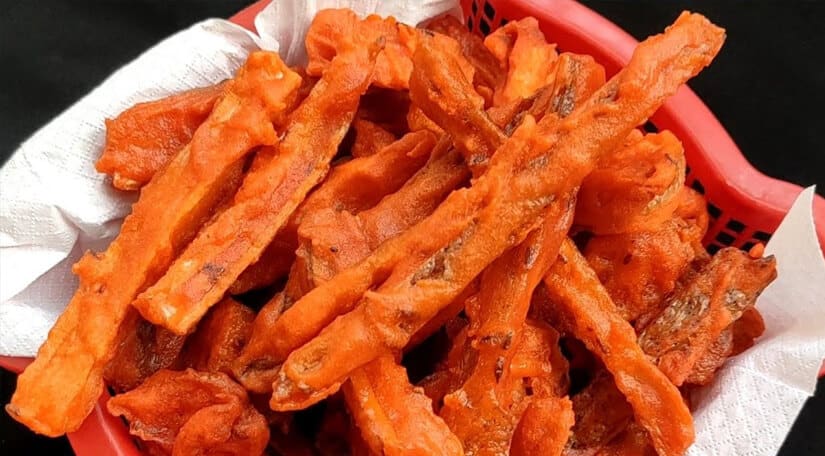
12. Nadir Monji
Kashmiri cuisine is all about flavors that enhance taste and Nadar Monji is all about that. These crunchy lotus stem fries are like a rainy-day treat. Nader Monji and a hot cup of tea are worth a try. These fried pakodas are usually served with lip-smacking tamarind chutney and onion chutney that add extra flavors to its crunchy texture. Also known as Monji Gol, these crispy pakodas are a famous Kashmiri street food that is hard to beat.
Kashmiri Food
Kashmir, the land called heaven on earth, is famous for its stunning natural beauty and mouth-watering culinary delights. The rich diversity of people and surroundings in this region shapes the flavors of traditional Kashmiri dishes. Join me on a journey through the realm of Kashmiri cuisine, where we will explore its ingredients, timeless dishes and fascinating cultural traditions.
Decoding the Magic of Kashmiri Gastronomy | Aromatic spices and irresistible ingredients
1. Kashmiri Red Chilli Powder | Vibrant spice that awakens the palate.
Experience the alluring appeal and mild warmth of Kashmiri chili powder, a staple in the region’s culinary traditions. Its vibrant color and mild spiciness bring depth and character to dishes, tantalizing the taste buds without overwhelming them.
2. Saffron | A golden elixir that perfumes and delights.
Discover the magic of Kashmiri saffron, known as the “King of Spices”. Grown in the valleys of Kashmir, this golden treasure imparts an aroma, subtle flavor and brilliant color to various dishes, bringing them to pure perfection.
3. Fennel seeds An aromatic delight enhancing Kashmiri flavors
Begin the journey with Kashmiri fennel seeds, which are highly prized for their aroma and aromatic essence. These flavorful seeds bring a dimension to Kashmiri cuisine, enhancing the richness of curries, rice preparations, and desserts with their distinctive flavor.
4. Kashmiri morel Earthy mushrooms that delight your senses.
Indulge in the decadent delight of Kashmiri morels, affectionately known as “gachi”. These earthy mushrooms happily elevate your experience with their flavors. One of the spiciest Kashmiri dishes, these mushrooms, which hail from the valleys of Kashmir, add an earthy flavor and a distinct texture to various Kashmiri dishes, guaranteeing an unforgettable gastronomic adventure.
Finally, Kashmiri cuisine is a talismanic journey of flavors and aromas, reflecting the region’s rich cultural tapestry and natural abundance. With Kashmiri food options like rogan josh, dum aloo, and yakhni, every bite tells a story of tradition and culinary skill.
Frequently Asked Questions about Traditional Food of Jammu and Kashmir
Question 1. What is the famous food of Jammu? 1 to Rogan Josh and Goshtabah are famous dishes of Jammu which are full of flavors and very delicious taste.
Question 2. What are the most famous dishes of Kashmir? 2 from Rogan Josh, Goshtab, Dum Aloo, Kashmiri Rajma, Naat Yakhni, Aab Gosh, Tabak Maaz and Nader Monji are the most famous dishes of Kashmir.
Question 3. What are some popular vegetarian Kashmiri dishes? 3 from Dum Aloo and Kashmiri Rajma are some popular vegetarian Kashmiri dishes.
Question 4. Which is the most popular food in Jammu and Kashmir? 4 from Goshtoba is the most famous food of Jammu and Kashmir.
Question 5. What are some traditional Kashmiri dishes? A 5. Includes traditional Kashmiri dishes.
Rogan Josh (a spicy lamb curry)
Dum aloo (potato cooked in a rich gravy)
Yakhni (yogurt based curry)
Gastaba (minced meatballs in curd gravy)
Kashmiri Pulau (a fragrant rice dish with saffron and dry fruits).
Question 6. How spicy are Kashmiri foods? A 6. Kashmiri cuisine is known for its moderation. Although some dishes can be mildly spicy, the emphasis is more on the aromatic flavors of spices like fennel, cardamom, and cloves than intense heat.
Question 7. What are the main ingredients in the feast of Kashmiri wazawan? 7 from The main ingredients of a Kashmiri wazawan feast include mutton, yogurt, spices like saffron, cloves, cardamom, and herbs like mint and coriander. Signature dishes like rogan josh, ghastba, and seekh kebab are usually served at a wazwan feast.
Question 8. Where can I find authentic Kashmiri food outside of Kashmir? A 8. Authentic Kashmiri food can be found in the best Kashmiri food restaurants in major cities around the world, especially in areas with Indian or South Asian populations. Additionally, some high-end Indian restaurants may offer authentic Kashmiri dishes on their menu.
With a wide variety of mutton dishes in Kashmir along with a unique vegetarian assortment, you cannot experience heavenly Kashmiri cuisine unless you visit heaven on earth.
Forty years ago, the culture of Jammu and Kashmir was radically different, the customs, traditions, dress, and moral standards were completely different from today – if the culture of Kashmiri society of forty years ago is to be defined.
So we have to call the Kashmiri society of that time a natural and natural cooperative society. During this period, there was a culture of doing everything together – from housebuilding to marriage and other social events.
The trend was an integral part of Kashmir society. During this period, the economic dependence of the people was farming and grain raising, so the people of the neighborhood worked together to sow the land harvest the crops, and clean them to the granary.
A culture of partnership and brotherhood
In the Jammu Kashmir of that period, the produce of the land was divided into parts. Of it Barbar’ i.e. Barber’ Blacksmith. A year’s labor was also set aside for the Kumar, the potter.
The food of the people was mostly corn and rice. Wheat consumption was very low. Maize consumption was very high throughout the state and every village in the state had pin mills where this maize was ground and every house also had a hand grinding mill.
Which was used in sexual situations to make flour, every house in Jammu and Kashmir of that time had a flour grinding mill and (Okhli) and the women of that era had a special experience in using the mill and Okhli. And she used to be so healthy and strong that she was her example in sacrifice. This is the reason why the women of that era lived longer.
The men were also very hardworking, they spent most of the year in sowing the fields and harvesting the crops, and the winter from September to December was reserved for gathering firewood and building houses, since during this time the productive process of the lands was over. It stopped.
Pure food self-sufficiency
Cornbread was also cooked in some way. In some areas, this bread was also cooked on a sophisticated tandoor, and its bread was also cooked like chapati.
It was a time when milk was available in abundance in every household, so cornbread was usually eaten with sag lassi ghee and curd. There was no custom of importing food from Pakistan and India.
And there was no need, if there was a shortage of wheat and rice in an area, then this deficiency was made up from the more fertile areas of Jammu and Kashmir. And were healthy and strong due to eating powerful food. Lived a very contented life –
The culture of landlord and peasant society
Forty years ago the culture was the culture of the complete landlord and peasant society – the public morality was also connected to the land like the crops, all the people built houses together and cultivated the crops together.
And used to harvest crops together. There were moral values in every sphere of life. During this period, women’s occupations were very laborious and tiring, for example, women millers and spinners.
The spinner used to cut grass for the mice and fetch water from very distant places, usually, the time for fetching water was reserved for morning and evening.
But the evenings were also a source of entertainment for the women as these women gathered with their pitchers on the water of the neighborhood and discussed every issue of life. In this way, the entire neighborhood and even the entire village was aware of the conditions of each house. In this way, water fountains also became a source of grief for women.
Memorable wedding ceremonies
Marriages forty years ago were also very different from today’s marriages. These were very prestigious marriages. The special thing about these marriages was that the marriages lasted for one to two months.
In these marriages too, there was a lot of communalism. No matter who the marriage was, all the relatives and the people of the neighborhood and the community used to give their contribution in the form of (Nyadre) Panji.
In all regions of Jammu and Kashmir, there were three to four marriage functions, the first being the engagement function. The second function was the wedding ceremony and the third and smaller ceremony was the mehendi and barat doli.
The feast of food was no less than today’s wedding. The bridegroom and the bride used to walk to the tune of Baje and Shanai to reach the house of their hosts. As a relationship, she used to eat feasts. It lasts for one to two months. Dol and Sarnai lived with the bride and groom.
Colors of ancient rural culture
What a good time it was, how much love and sincerity there was. Sacrifice for each other was an unparalleled passion. Oh, what a wonderful time it was never to be forgotten. They sit together with everyone and organize parties from morning to evening. The colorful scene of the evening when there were colorful gatherings of women at the water fountains. Ah, those evenings when the melodious sounds of cuckoos and cuckoos heralded the arrival of spring.
Andalib and Koel may still sing songs, but today there is no one to listen to them. Today everyone is lonely despite being in a relationship, very lonely. Today our hearing is unfamiliar with nature’s singing
Native Kashmiri song tradition
On the occasion of marriage, all over Jammu and Kashmir, women used to organize song and music gatherings. These women’s songs were prayers of praise and happiness for the bride and groom and some of the songs described the cultural background of Jammu and Kashmir.
Sometimes a woman would also sing and often two or three women would combine these songs into music. Instead of the drum and harmonium, an earthen pot would be placed in the middle and it would take over the function of the drum and harmonium.
These songs were not written by any poet but these songs were created by the historical and cultural conditions of Jammu and Kashmir. Rather, it is more correct that these songs were the earth’s voice and its creation.
Every woman of that time must have hummed some kind of song while working – in those days, houses were often dirty. In the marriage house two or three weeks before, the work of plastering the walls and applying white mud was used and also on this occasion, Geet Sangeet gatherings were arranged.
Tragedy and Song of Migration
After 1947, I have also had the opportunity to listen to the songs and songs of women who migrated from Jammu city and the neighboring areas of Jammu to Pakistan, especially in Gujranwala and Hafizabad, which were a reflection of the background of the separation of the country. There was an opportunity to enjoy and understand the songs.
In these songs, he mentioned the city of Jammu. Akhnoor, Mahendar Poonch, Srinagar, Baramulla, and many other places were mentioned in these songs. In these songs, the words used about Yad-e-Watan, which usually describe the sufficiency of lovers’ emigration and separation, each song is associated with a city, a river, and a special scene in Jammu and Kashmir.
Flowers and fruits are mentioned with this skill. When listening to this song, a person reaches these valleys. In these songs there is pain and love and the beauty of the history and civilization of Jammu and Kashmir.
Regional and local language Kashmir songs
The Gujri songs of Jammu and Kashmir and the Pahari songs of Poonch were similar in transposition, but the tone and language of the songs of Muzaffarabad and the Kashmir Valley were different.
Gujri songs in Jammu and Kashmir had a unique style of their own – Gujri songs were strangely sung. Gujri songs were sung by both men and women. The Dogri songs of Jammu also had their beauty Pahari and Dogri are sister languages. whose songs and tone are very similar
We are trying to save these songs from being destroyed so that these songs can be preserved in our folk heritage, but unfortunately, this task is not so easy now.
Because from time immemorial women of Jammu and Kashmir used to sing in weddings and other social events. Geet Sangeet parties have stopped decorating. And everything has changed during that time.
When General Ziaul Haq seized power in Pakistan and hanged Zulfiqar Ali Bhutto, the prime minister of a democratic government, on the throne. And Zia-ul-Haq’s Islam was enforced throughout Pakistan and Pakistan-occupied territories. At that time, the Muslim Conference was supporting the dictatorship in Jammu and Kashmir, so the leadership of this party destroyed all the national treasures of arts and cultural heritage from Azad Kashmir through a conspiracy.
Zia-ul-Haq’s followers in Azad Kashmir including all over Pakistan choked Geet Sangeet. Of course, the Jihadi culture of that period had an impact on the whole of Jammu and Kashmir, but Azad Kashmir was directly affected by this culture now it cannot be said with certainty that the women of Jammu and Kashmir are keeping these songs alive.
The death of song is the death of society
Many people may not agree on the relationship between music and psychology. But it is a fact that songs and human psychology are very closely related.
When songs die, the truth is that the society whose songs do not survive because the society ceases to exist. And ‘social stagnation’ means ‘death’ that slowly tears apart societies and individuals from within. They don’t even know how it all happened
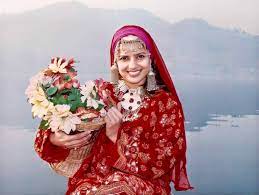
Muzaffarabad (Azadi Times): The mere mention of Kashmir evokes images of snow-capped mountains, serene valleys, and the iconic Kashmir Phiran.
More than just a garment, the Phiran is a woven tapestry of Kashmiri culture, deeply intertwined with its history, aesthetics, and social fabric. Let’s embark on a journey to explore the essence of this timeless attire.
A Symbol of Grace and Modesty
Imagine a flowing robe, cascading from neck to ankle, crafted from the finest wool and adorned with intricate floral embroidery. This is the essence of the Phiran, a silhouette that embodies both grace and modesty. Traditionally worn by women, it transcends mere clothing, serving as a marker of cultural identity and social standing.
Beyond Practicality: A Canvas for Artistic Expression
The Phiran is not merely practical winter wear; it’s a canvas for artistic expression. Skilled Kashmiri artisans meticulously hand-embroider the fabric with vibrant floral motifs, each stitch echoing centuries-old traditions. The use of rich colors like crimson, emerald, and sapphire further accentuates the garment’s beauty, making each Phiran a unique masterpiece.
A Tale of Two Seasons:
While primarily associated with the harsh winters of Kashmir, the Phiran adapts to the changing seasons. In summer, lighter cotton versions offer breathability, while the woolen variants provide warmth during the colder months. This versatility ensures the Phiran remains a cherished part of everyday life throughout the year.
More Than Just a Dress: A Cultural Legacy
The Phiran transcends its role as clothing; it’s a symbol of Kashmiri heritage. It’s worn during celebratory occasions, adorning brides and adding a touch of elegance to festivals. Its presence in traditional music and dance further underscores its deep-rooted connection to the Kashmiri way of life.
Beyond Borders: A Global Fashion Statement
The Phiran’s captivating beauty has transcended regional boundaries, captivating the world with its elegance. Today, it’s not uncommon to see adaptations of the Phiran gracing international runways, a testament to its timeless appeal and cultural significance.
Pashmina and Shahtoosh: The Pinnacle of Luxury
For those seeking the ultimate in luxury, the Phiran crafted from Pashmina or Shahtoosh wool offers an unparalleled experience. Pashmina, known for its incredible softness and warmth, elevates the Phiran to a new level of sophistication. Shahtoosh, even rarer and more delicate, is considered the pinnacle of luxury, making a Shahtoosh Phiran a prized possession.
A Glimpse into the Kashmri Phiran Future
Despite facing challenges like globalization and changing fashion trends, Phiran’s future remains bright. The growing appreciation for cultural heritage and sustainable fashion ensures this iconic garment continues to hold a special place in the hearts of Kashmiris and fashion enthusiasts worldwide.
In Conclusion:
The Phiran is more than just a piece of clothing; it’s a living testament to Kashmiri culture, tradition, and artistic expression. Its enduring legacy continues to inspire, captivating hearts and imaginations with its timeless beauty and cultural significance. As we move forward, let us celebrate the Phiran not just as a garment, but as a symbol of resilience, artistry, and the enduring spirit of Kashmir.
Anantnag (Azadi Times): The district of Anantnag in Indian-administered Kashmir boasts artists like no other, with one such individual turning shadow portraiture into a life’s passion.
Against the backdrop of insufficient basic amenities in the village of Kug Nag, located approximately 20 kilometers from Anantnag, Sohail Ahmad Butt has been tirelessly working on his art for the past four years.
He recounted his childhood fascination with such pursuits, stating, “I always felt drawn towards such things. I envisioned doing something new and began by creating shadows of animals.”
As his interest grew, Sohail persistently pursued his craft, even amidst several initial setbacks. He shared, “When I started creating animal shadows, a boy approached me and asked me to make his shadow. I began working on it, and after a considerable period, achieved success.”
Sohail revealed that as his passion intensified, he encountered several challenges along the way. “It took me nearly a month to complete my first shadow portrait… I faced difficulties initially and felt discouraged because I thought it would take a lot of time to create that shadow.”
“My first shadow wasn’t as good as I wanted it to be, but with repeated efforts, it kept improving,” he added.
Creating a single portrait takes Sohail approximately five hours, utilizing tools such as scissors, knives, paper, glue, and other materials.
Over the years, Sohail has crafted shadow portraits of renowned personalities, including cricketer Virat Kohli, Prime Minister Narendra Modi, and others.
Despite financial constraints, Sohail has reached out to local authorities for support and cooperation, aiming to further polish his talent.
“I appeal to the government for assistance so that I can work on new innovations and ideas,” he concluded.
Sohail’s story serves as a testament to the resilience and creativity that thrive even amidst challenging circumstances, highlighting the importance of nurturing and supporting artistic endeavors within communities.
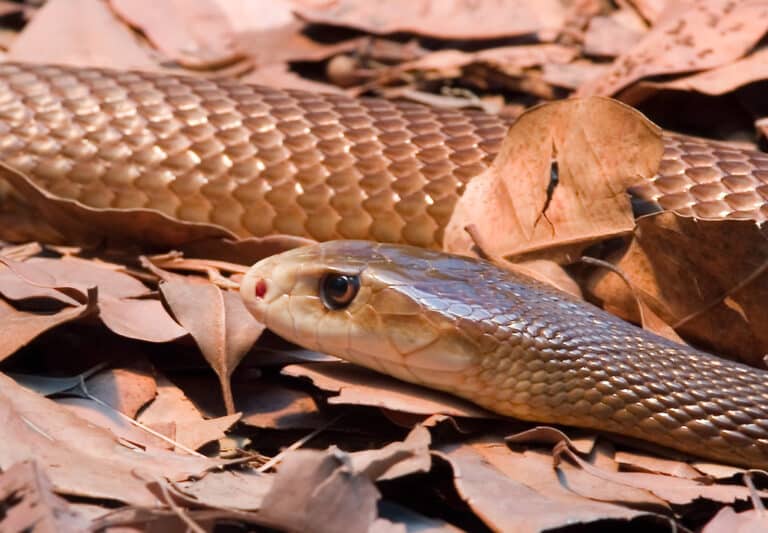
Brasília (Monitoring Desk): The discovery of the world’s largest snake in the jungles of the Amazon has captivated wildlife enthusiasts and researchers alike.
According to reports from Mail Online, the newly discovered serpent is an Anaconda species, boasting an impressive length of 26 feet and weighing approximately 440 pounds (approximately 200 kilograms), with a head size comparable to that of a human.
This rare specimen, identified as a modern Green Anaconda, was uncovered by wildlife TV host Professor Fred Wunck. The snake’s skin is said to be as thick as a car tire.
Footage aired on Professor Wunck’s TV show reveals the colossal serpent submerged in water, with fearless biologist Professor Fred navigating beside it, exploring the depths with unwavering determination.
The discovery of such a massive anaconda underscores the incredible biodiversity of the Amazon rainforest and serves as a testament to the ongoing importance of conservation efforts in preserving such unique and awe-inspiring species.
Researchers and conservationists are undoubtedly eager to learn more about this remarkable creature and its role within its natural habitat.
As news of this extraordinary find continues to spread, it ignites further interest in the wonders of the Amazon and underscores the need for continued exploration and protection of this vital ecosystem.
Muzaffarabad (Azadi Times): In a startling turn of events, a television anchor found himself ensnared in a web of deception after refusing a marriage proposal, reportedly resulting in his kidnapping by local traders.
The incident, which unfolded in Hyderabad, India, sheds light on the risks associated with online interactions and the lengths some individuals may go to in pursuit of personal interests.
According to reports from Express News, the saga began when a woman conducting business in Hyderabad initiated communication with the anchor after coming across his profile on a matrimonial website.
Over the course of several days, she conveyed her desire to marry him, only to face rejection when the anchor opted to block her number in response to mounting pressure.
Undeterred, the woman resorted to persistent pursuit, utilizing a tracking system to pinpoint the anchor’s location. Subsequently, she allegedly arranged for henchmen to coerce him into her office premises, where she purportedly continued her advances under the guise of assurances regarding their future together.
However, upon regaining his freedom, the anchor swiftly took legal action against the woman, resulting in her arrest by authorities. The incident underscores the importance of exercising caution and discernment in online interactions, as well as the imperative of promptly reporting suspicious activity to law enforcement agencies.
As investigations into the matter unfold, the case serves as a cautionary tale, prompting renewed vigilance among individuals navigating the digital realm. Authorities urge the public to remain vigilant and report any instances of online coercion or manipulation to safeguard against such risks in the future.