Saturday, March 28, 2026
13 C
Srinagar
Home Blog Page 48

Kashmiri Worker Adnan Aslam Honoured with UAE Civil Award for Heroic Fire Response in Sharjah

Sharjah / Muzaffarabad —
A proud moment for the people of Kashmir, as Adnan Aslam a skilled crane operator from the Chhamb region near Bhimber in Pakistan administered Kashmir has been awarded a prestigious Civil Award by the UAE’s Sharjah Civil Defence Authority. His selfless and brave action during a recent fire incident helped save lives and minimize damage, earning him widespread appreciation in the Emirates and beyond.

According to Gulf Today when a vehicle caught fire in a commercial area of Sharjah, Adnan, working nearby, immediately responded to a call from emergency officials. Risking his own safety, he operated his crane for nearly two hours alongside Civil Defence officers to contain the blaze. His intervention proved crucial in limiting the fire’s spread and preventing casualties.

Brigadier General Yousef Obaid Al Shamsi, Director-General of Sharjah Civil Defence, personally honored Adnan for his “courageous and voluntary” contribution. He commended Adnan’s swift thinking, calling it a model of civic duty and public cooperation.

“His quick action helped save lives, reduce material losses, and support emergency response teams at a critical moment,” said Brigadier Al Shamsi.

After assisting in the operation, Adnan quietly left the scene, thanking the officers an act that deeply impressed the UAE authorities. His story later went viral on social media platforms, where Kashmiris around the world have been celebrating him as a symbol of quiet heroism.

A Kashmiri Voice in the Global Arena

While the region of Kashmir remains internationally disputed and its people still await their right to self-determination, stories like Adnan Aslam’s shine a light on the resilience, skill, and dignity of its people. Despite ongoing political challenges, countless Kashmiris across the world continue to make valuable contributions — often unnoticed — in fields ranging from construction and logistics to academia, science, and the arts.

The case of Adnan reflects a deeper truth: that the potential of Kashmiri youth is vast, but often underrecognized due to the region’s unresolved status and limited international support.

“We are more than a conflict zone. We are a people with skills, values, and global potential,” said a Kashmiri community member in the UAE who attended the award ceremony.

Urging Recognition Beyond Borders

The international recognition of Adnan’s efforts offers a rare yet powerful reminder that the world must look beyond the binary India-Pakistan narrative and focus on the aspirations, rights, and talents of the Kashmiri people themselves.

Tensions Erupt Over Muharram Procession Route in Gilgit-Baltistan; One Dead, Several Injured

CHAMUGARH, GILGIT-BALTISTAN (PAKISTAN-ADMINISTERED KASHMIR) — July 5, 2025:
At least one person was killed and several others injured in an outbreak of violence on Friday during the 8th Muharram procession in the Chamugarh area of Gilgit, a city in Pakistan-administered Kashmir’s Gilgit-Baltistan region. The violence reportedly erupted due to a dispute over the procession’s route.

Eyewitnesses reported that participants returning from a Muharram procession in Maqpoondas were blocked in Chamugarh, leading to stone pelting and the exchange of gunfire. According to official sources, one person died, while three others — including a police constable — sustained gunshot wounds. Several more were injured in the ensuing chaos.

The Deputy Inspector General of Police (Range), Raja Mirza Hassan, confirmed the fatality and described the situation in the area as “tense.” The injured were shifted to the Provincial Headquarters Hospital, where the constable was among those receiving treatment.

Following the incident, security forces, including paramilitary units, were swiftly deployed to the area and have since taken control. Authorities claim that the situation is now stable.

Officials Call for Calm, Reject Rumors

In a statement issued by the Gilgit-Baltistan Information Department, officials asserted that peace had been restored and security agencies remain on high alert to prevent further unrest. The statement emphasized that the Pakistan Army, Gilgit-Baltistan Scouts, Rangers, and local police are working in coordination to maintain law and order.

“There are elements trying to spread fear and falsehoods through social media,” the department warned, urging citizens to rely only on verified sources and refrain from sharing unconfirmed information. The statement also praised the people of the region for not giving in to panic and for upholding “unity and brotherhood” despite the provocation.

Concerns Over Broader Implications

The violence has raised concern among political observers and residents alike, with some social media users characterizing the unrest as a “proxy effort” to destabilize unity in the disputed Himalayan region. While such claims remain unverified, they underscore growing anxieties around sectarian sensitivities and regional cohesion in Gilgit-Baltistan, which remains a contentious part of the long-standing Kashmir dispute between India and Pakistan.

Gilgit-Baltistan is administered by Pakistan but is internationally regarded as part of the larger Kashmir region whose final status remains unresolved under United Nations resolutions. The area has seen growing political and social assertiveness in recent years, with calls for constitutional rights, local governance reforms, and more transparent handling of sectarian affairs.

Call for Restraint and Responsible Media

Local administrators have urged the public to cooperate fully with security forces and avoid spreading misinformation, especially during sensitive religious occasions. The Gilgit-Baltistan Information Secretary thanked civil institutions and the general public for their role in maintaining peace and appealed for continued collective effort to ensure stability in the region.

As the Islamic month of Muharram continues — a period marked by processions and commemorations among Shia Muslims — observers stress the importance of restraint, inter-sect harmony, and institutional vigilance to prevent further flare-ups.

Czech Mountaineer Dies After Fall During Nanga Parbat Expedition in Gilgit Baltistan

Gilgit-Baltistan (PAK-administered Kashmir) — A tragic incident occurred during a mountaineering expedition on Nanga Parbat, the world’s ninth-highest peak, when a female climber from the Czech Republic fell into a deep gorge and lost her life.

According to Additional Deputy Commissioner (ADC) of Diamer District, Mr. Nizamuddin, the accident took place between Camp I and Camp II of Nanga Parbat, located in the Gilgit-Baltistan region of Pakistan-administered Kashmir. The deceased climber, identified as 47-year-old Kolouchava Klara, was part of a seven-member international mountaineering team.

The deceased climber, identified as 47-year-old Kolouchava Klara, was part of a seven-member international mountaineering team.

Authorities say that the fall occurred from a significant height, leading to her death at the scene. Her fellow climbers, who had descended to the base camp, confirmed the fatal incident. Initial reports had speculated an oxygen cylinder explosion, but official sources later clarified that Klara died due to the fall.

“Her exact location is still being traced through GPS and satellite coordination,” ADC Nizamuddin said. “Once the coordinates are confirmed, the authorities will assess how and when to initiate a recovery operation.”

Poor communication conditions in the high-altitude terrain initially delayed confirmation and coordination efforts, but contact with the base camp has now been established.

Klara was an experienced mountaineer and part of a multinational group attempting to summit Nanga Parbat, which stands at 8,126 meters (26,660 feet) and is often referred to as the “Killer Mountain” due to its dangerous climbing conditions and high fatality rate.

This incident adds to the growing concern over safety in high-altitude expeditions in the Himalayan and Karakoram ranges, which draw hundreds of climbers from around the world each year.

Background:
Gilgit-Baltistan, where Nanga Parbat is located, is part of the larger Kashmir region, a territory disputed between India and Pakistan. The area is administered by Pakistan and is a key gateway for mountaineering expeditions in the western Himalayas.

Developing Story — More Updates to Follow.

German Mountaineer Achieves Historic Paragliding Descent from Nanga Parbat

German climber David Göttler makes history with paragliding descent from Nanga Parbat summit in Gilgit-Baltistan, Pakistan-administered Kashmir. French climbers achieve first ski descent on Rupal Face.

Gilgit-Baltistan (Pakistan-administered Kashmir) — In a remarkable feat of adventure and endurance, renowned German mountaineer David Göttler successfully paraglided down from the summit of Nanga Parbat, marking a historic achievement in high-altitude mountaineering and aerial descent.

David Göttler, accompanied by French climbers Tiphaine Duperier and Boris Langenstein, reached the 8,126-meter peak via the challenging Shell Route between June 21 and 24. Following the ascent, Göttler undertook the daring paragliding descent, becoming one of the few to combine high-altitude climbing with aerial navigation on this perilous mountain.

Due to harsh wind conditions, Göttler launched his paraglider at an altitude of approximately 7,700 meters and managed to reach the base camp in just 30 minutes, showcasing extraordinary skill and courage.

Meanwhile, Duperier and Langenstein accomplished another first by descending the formidable Rupal Face—the steepest face of Nanga Parbat—through a combination of skiing and trekking. They spent a night at 7,625 meters before completing the descent to base camp over three days, marking the first successful ski descent from this route.

The CEO of Adventure Tours Pakistan, Niknam Karim, confirmed that all three climbers summited via the Shell Route, a challenging path well-known among mountaineers.

Nanga Parbat, often called the “Killer Mountain,” is notorious for its technical difficulty and high fatality rate, making such achievements particularly noteworthy.

German instructor Michael Beck congratulated Göttler on social media, describing the climb and paragliding as an “amazing Alpine-style ascent” and hailed the flight from 7,700 meters as a moment of great joy.

This remarkable expedition highlights the growing international attention on Gilgit-Baltistan, part of Pakistan-administered Kashmir, a region known for its dramatic landscapes and mountaineering potential amid complex geopolitical realities.

Blasphemy Business Group Exposed: Real Identity of “Iman” Revealed as Komal Ismail from Azad Kashmir

Mirpur, AJK (Pakistan administered Kashmir): In a significant breakthrough, the real identity of a key figure involved in Pakistan’s notorious “Blasphemy Business Group” has been revealed. The woman known publicly as “Iman” has been identified as Komal Ismail, a native of Mirpur, Azad Kashmir, according to investigative reporting by Fact Focus.

The Islamabad High Court had previously directed the Federal Investigation Agency (FIA) and NADRA to submit a detailed report regarding “Iman” within one week. In a crucial development during ongoing proceedings, advocate Imaan Mazari submitted Fact Focus’s investigative findings to the court.

Shocking Criminal History Uncovered

Komal Ismail’s criminal record dates back to April 2021, well before her association with the alleged “Blasphemy Business Group”—a network accused of exploiting blasphemy laws and orchestrating honey-trap operations to target political and religious opponents.

According to an FIR registered at Islamabad’s Sihala Police Station, Komal, along with her brother Taimoor and husband Muhammad Farooqi, was implicated in the murder of 36-year-old Mughis Shah in DHA, Islamabad.

Familiar Faces Behind Legal Cover

Adding another layer to the case, Advocate Rao Abdul Rahim, a controversial figure now alleged to be linked with the same blasphemy group, represented the accused in the 2021 murder case. Furthermore, the case was heard by Justice Sardar Ejaz Ishaq Khan, who is coincidentally presiding over the current blasphemy-related hearings involving the same group.

On Wednesday, Justice Ejaz ordered Komal Ismail’s immediate arrest and instructed that she be produced in court by Thursday, following the explosive revelation of her real identity and criminal past.

High-Stakes Legal Battle Unfolds

The case has stirred widespread attention in legal and human rights circles, especially in Pakistan-administered Azad Kashmir, where Komal hails from. The exposure of her identity and criminal record raises serious questions about the alleged misuse of blasphemy laws for personal vendettas and organized criminal gain.

Who Is the “Blasphemy Business Group”?

The so-called “Blasphemy Business Group” is reportedly involved in fabricating blasphemy allegations and using honey-trap tactics to target influential individuals. The group is believed to operate with the backing of powerful legal actors, manipulating Pakistan’s sensitive religious and legal frameworks for financial and political gain.

Ancient Korean Inscription Found in Kashmir’s Kotli Sparks Global Historical Interest

Muzaffarabad, PaJK – In a discovery poised to reshape South and East Asian historical narratives, an archaeological excavation in Pakistan-administered Jammu and Kashmir (PaJK) has revealed a possible ancient link between Kashmir and the Korean Peninsula.

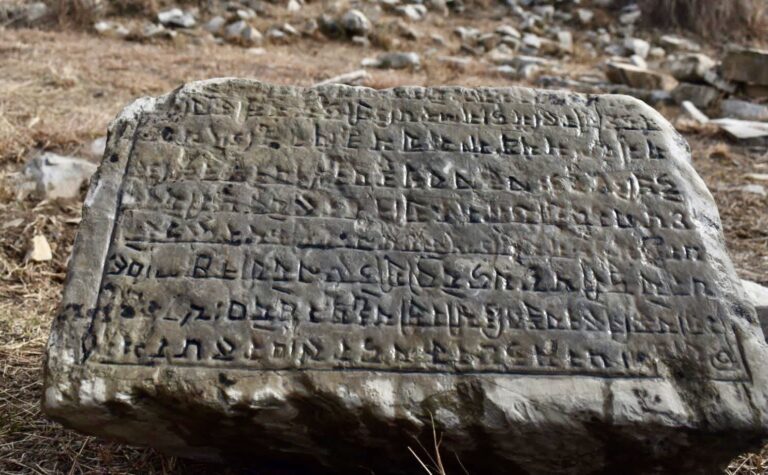
Dr. Rukhsana Khan, a leading archaeologist and associate professor at the University of AJK, has uncovered a rare stone inscription in the highlands of southern Kotli district—an area strategically situated near the Rajouri-Mendhar belt. The inscription is carved in a mixture of Korean alphabets and Proto-Sharda script, pointing to an unexpected but significant historical interaction between the two distant regions.

“This is a major breakthrough,” said Dr. Khan, who also heads the Sharda Centre of Learning at the university. “Preliminary analysis suggests cultural or religious exchange, potentially dating back to the early spread of Buddhism along the ancient Silk Routes connecting Kashmir with China, Korea, and beyond.”

The newly discovered site, nestled amid Kotli’s rugged terrain, also yielded a range of archaeological materials: prehistoric rock shelters, rock-cut caves, partially defaced anthropomorphic stone carvings, ancient water reservoirs, earthen mounds, and pottery fragments. Collectively, these suggest a long continuum of human settlement and cultural development stretching from the 4th millennium BCE to the late medieval period.

Strategic Cultural Corridor

The Kotli site is geographically and historically significant, lying at a vital axis linking the Kashmir Valley and the Jammu region. Scholars believe it may have functioned as a key religious and cultural corridor for centuries. The presence of Proto-Sharda script—once the literary vehicle of Kashmir’s ancient Sharda civilisation—underscores the region’s past as a center of learning and spirituality.

“The convergence of Proto-Sharda and Korean scripts in a single inscription is unprecedented,” noted Dr. Khan. “It suggests a deeper, more complex pattern of cultural and possibly diplomatic ties that warrants serious international academic attention.”

Call for International Collaboration

Dr. Khan, a PhD graduate from the prestigious Taxila Institute of Asian Civilisations and a noted authority on ancient Sharda heritage, has called for global scholarly collaboration, particularly with Korean historians, epigraphists, and Buddhist scholars.

“We are at the threshold of uncovering a forgotten chapter of inter-Asian relations,” she said. “Such finds could help reconstruct historical ties between Kashmir and East Asia, offering new insights into the movements of people, faiths, and ideas along the Silk Routes.”

The Sharda Centre of Learning is now coordinating with leading universities across Pakistan to deepen the investigation. Plans are underway to invite Korean research institutions to jointly examine the inscription and associated artefacts.

Boost to Heritage Tourism and Research

Local authorities and academic institutions are optimistic that the discovery will enhance Kashmir’s profile as a promising destination for archaeological research and cultural heritage tourism. Experts believe that such findings can transform the region into a hub for academic diplomacy and cross-border cultural collaboration.

“This is not just a discovery for academia,” said a spokesperson from the University of AJK. “It’s a chance to present Kashmir’s ancient legacy on a global stage, reaffirming its historic role in the exchange of knowledge, faith, and culture.”

The archaeological team continues to secure and document the Kotli site under challenging terrain and limited resources. Yet, the momentum of the discovery has already energized interest from national and international heritage bodies.

As efforts to decode the inscription progress, scholars and observers alike await what could become a landmark turning point in understanding Kashmir’s ancient global connections—particularly its ties to East Asia and the spread of early Buddhism.

Cellular Service Crisis in Azad Kashmir: Franchise Sales Suspended Amid Poor Connectivity

Rawalakot: The directive to halt franchise sales of cellular services in Pakistan administered Kashmir also known as Azad Jammu & Kashmir (AJK) has been referred to higher authorities, with companies now being granted adequate time to improve their service quality. This development comes after long-standing concerns regarding the persistently poor cellular connectivity in the region, despite nearly two decades of operation by multinational telecom providers.

Cellular services were first introduced in the Pakistan administered Kashmir in 2005, primarily to facilitate communication for international donors and aid workers following the devastating earthquake. However, even after 20 years, these companies have failed to substantially upgrade their networks. While calls within cities were once feasible, current conditions show a significant deterioration, with signal loss occurring frequently even during short power outages. Meanwhile, telecom companies continue to increase monthly package prices.

An important logistical question remains regarding the restoration time for backup generators at cellular towers, which is estimated to be a maximum of 24 hours. This delay exacerbates the frequent interruptions in service, especially in remote areas.

Additionally, a major issue persists in the disparity of cellular packages across Pakistan’s provinces compared to those available in Jammu & Kashmir and Gilgit-Baltistan. While some packages in mainland Pakistan are offered at low rates, such affordable options are either unavailable or significantly more expensive in these northern territories. The government plans to release detailed information on this pricing discrepancy in the coming days.

Although imposing heavy fines on telecom companies for inadequate service is considered necessary, enforcement of such measures has been stalled following directives from the Chief Secretary of AJK, a Pakistani national. This has resulted in the suspension of orders issued by Deputy Commissioners who had called for shutting down cellular companies until they improved their services. The Azad Kashmir government lacks the authority to directly negotiate with telecom providers or enforce stringent oversight, as telecommunications fall under the federal jurisdiction of Pakistan.

This complex administrative setup means that despite mounting public frustration, no lasting resolution to cellular service issues is forthcoming without significant and sustained public protest. Such protests, however, often result only in temporary relief before the previous status quo is restored.

The persistent neglect of cellular infrastructure in Azad Kashmir and Gilgit-Baltistan reflects broader systemic challenges faced by these regions, where governance, regulatory oversight, and service provision remain entangled in bureaucratic constraints and political considerations.

Daum Games Black Desert: History, Gameplay, Reviews & 2025 Status

The Azadi Times Gaming Desk: When it comes to massively multiplayer online role-playing games (MMORPGs), few titles have reshaped the landscape as dramatically as Daum Games Black Desert. From its origins in South Korea to its global dominance in 2025, Black Desert Online (BDO) stands as a testament to the genre’s evolution—offering breathtaking visuals, an intricate sandbox world, and gameplay systems that reward dedication and creativity. But what exactly is Daum Games Black Desert? How did a game published by an unfamiliar name soar to worldwide acclaim, and what does the future hold for BDO as it celebrates more than a decade since its first launch? In this comprehensive feature, The Azadi Times unpacks the game’s history, gameplay, business model, international impact, and the ongoing debate: is Black Desert still worth playing today?

What is Daum Games Black Desert?

Daum Games Black Desert refers to the original publishing arrangement between Pearl Abyss—the South Korean developer—and Daum Games, a major Korean internet company, for the release of Black Desert Online. Launched in 2014 in South Korea, this partnership brought BDO to life, quickly garnering attention for its stunning graphics, fast-paced combat, and deep customization.

For global audiences, “Daum Games Black Desert” is synonymous with the game’s early years and its meteoric rise in the MMO world, before Pearl Abyss assumed full publishing control. The transition from Daum Games to Pearl Abyss as publisher marked a turning point, allowing for even greater expansion and regular updates that keep Black Desert Online relevant to this day.

The Origins of Black Desert

Developed by Pearl Abyss, Launched by Daum Games (2014)

The story of Black Desert begins with Pearl Abyss, an ambitious studio founded in 2010 by Dae-il Kim, a veteran Korean developer. After years of development, Black Desert launched in Korea in 2014, published by Daum Games. This partnership leveraged Daum’s vast digital infrastructure and marketing power, quickly establishing BDO as a local phenomenon.

Expansion to North America and Europe (2016)

Following success in Korea and Japan, Daum Games set its sights overseas, opening up Black Desert Online to North American and European players in 2016. The Western launch was notable for its “buy-to-play” model—a contrast to the free-to-play formulas common in Asian MMOs—and for rapid localization, including English, French, German, and more.

Transition to Pearl Abyss Self-Publishing

By 2018, Pearl Abyss had grown into a major global publisher. The company gradually took over publishing duties from Daum Games (known internationally as Kakao Games), bringing all operations in-house. This allowed for streamlined updates, unified account systems, and more direct community engagement—a move that would prove critical for BDO’s ongoing success.

Gameplay Overview

Daum Games Black Desert set itself apart from other MMOs with a blend of open-world sandbox design, action-oriented combat, and a living, breathing world. Here’s what makes Black Desert a standout:

Open-World Sandbox MMORPG

  • Seamless World: No loading screens between regions. Players can walk, ride, or sail across a massive map filled with cities, deserts, oceans, and forests.
  • Non-linear progression: Players aren’t forced down a single storyline; instead, they choose how to progress.

Character Creation

  • Unmatched Customization: Black Desert’s character creator is legendary, allowing players to adjust even the smallest facial features, body types, and outfits.
  • Multiple Classes: From the agile Ninja to the destructive Berserker, every class offers a unique playstyle.

PvP Systems and Node Wars

  • Open-World PvP: After reaching level 50, players can engage in world PvP almost anywhere.
  • Node Wars: Guilds compete for control over key territories in massive, scheduled battles—a signature Black Desert feature.

Trading, Housing, and Life Skills

  • Economy: Players can buy, sell, and transport goods, participate in a dynamic market, and even run trade routes.
  • Player Housing: Furnish and decorate homes in various cities.
  • Life Skills: Fishing, farming, cooking, alchemy, and crafting are core to progression, rewarding players who embrace the game’s “life sim” side.

Action-Based Combat

  • Skill Shots & Combos: Unlike tab-target MMOs, BDO uses real-time action combat with dodging, blocking, and combo attacks.
  • Fluid Movement: Parkour, climbing, and mounted combat are all part of the experience.

Black Desert’s Unique Features

High-Fidelity Graphics and World-Building

From the outset, Daum Games Black Desert stunned players with its photorealistic visuals—lush forests, dynamic weather, and intricate character models. Even in 2025, few MMOs can match BDO’s graphical prowess.

Seamless Open World

No loading screens, no instancing—the entire game world is accessible without interruptions, encouraging exploration and immersion.

Monetization: “No Pay-to-Win”?

Black Desert’s business model has evolved, but it often touts a “no pay-to-win” stance—meaning players can’t directly buy victory. However, there are ongoing debates. While power can’t be bought outright, the cash shop offers convenience items, cosmetics, pets, and weight/inventory expansions. Pearl Abyss has taken steps to balance the experience, but some players still criticize the reliance on microtransactions.

Deep Systems and Replayability

  • Node Management: Control resources and workers across the world.
  • Horse Breeding: Tame and breed powerful mounts.
  • Sailing and Naval Combat: Explore the ocean, battle pirates, and trade between continents.

Black Desert Online in 2025

Current Status

Today, Black Desert Online—originally Daum Games Black Desert—remains one of the world’s most popular MMOs. Regular expansions, new classes, and seasonal events keep the world fresh.

Cross-Platform Presence

  • PC: The main platform, supporting the deepest gameplay and the largest playerbase.
  • Console: Black Desert is available on PlayStation and Xbox, with optimized controls and updates.
  • Mobile: Black Desert Mobile (BDO Mobile) is a separate game, offering streamlined experiences for phones and tablets.

Global Popularity

  • South Asia and MENA: BDO has built significant communities in countries like Pakistan, India, Turkey, Egypt, and the Gulf, thanks to local servers and language support.
  • Worldwide: With over 50 million registered users (as of 2025), Black Desert continues to attract both new players and returning veterans.

Business Model & Pricing

Free-to-Play vs Buy-to-Play

  • Initial Model: Buy-to-play (B2P) in the West (one-time purchase, no monthly fee), free-to-play (F2P) in Korea, Russia, and parts of Asia.
  • Current Model: BDO offers both B2P (PC/console) and F2P (mobile, special promotions) depending on region.

In-Game Purchases

  • Cosmetics: Outfits, skins, and furniture.
  • Convenience Items: Inventory expansions, pets (loot collectors), and weight increases.
  • Pearl Shop: The main in-game store for real-money purchases.

Black Desert Online Price

  • PC/Console: Often $9.99–$29.99 for base game; expansions and premium packs extra.
  • Mobile: Free to download, with in-app purchases for cosmetics and convenience.
  • Frequent sales and giveaways mean the game is sometimes available for free or heavily discounted.

Community & Reviews

What Players Love

  • Graphics: Universally praised for beauty and realism.
  • Combat: Fast, skill-based, and deeply satisfying.
  • Freedom: Play as you like—grind, trade, craft, or fight.

What Players Hate

  • Grindy Progression: Reaching the highest levels and gear can take hundreds (or thousands) of hours.
  • Steep Learning Curve: Complex systems and minimal hand-holding can overwhelm newcomers.
  • Monetization: Some criticize the need to buy pets, inventory, or convenience items.

Steam Reviews Summary

  • Overall: “Mostly Positive” (80%+) on Steam as of 2025.
  • Common Themes: Spectacular visuals, addictive combat, but “not for the faint of heart” due to its time demands.

Criticism

Despite its many strengths, Black Desert faces ongoing criticisms for grindiness, RNG-based enhancement systems, and the perception that convenience items create a “soft pay-to-win” environment. However, frequent updates and community engagement help mitigate frustrations.

Daum Games vs Pearl Abyss Publishing

The Transition

Initially, Daum Games was the face of Black Desert’s publishing, handling everything from localization to customer support. As Pearl Abyss grew, it began to take over these duties, completing the transition by 2018.

Pros of Pearl Abyss Independence

  • Unified Vision: Faster updates, direct feedback, and global consistency.
  • Improved Communication: Direct engagement with players, including global events and streams.

Cons of the Transition

  • Account Migration Issues: Early transitions saw login and data migration headaches.
  • Localized Support: Some regions lost dedicated community managers during the switch.

Impact on International Growth

Pearl Abyss’s move to self-publish enabled faster regional launches (including South Asia and MENA), better anti-cheat systems, and more synchronized global events—helping Black Desert solidify its place among the world’s top MMOs.

Is Black Desert Worth Playing in 2025?

How Does It Compare to Other MMOs?

  • Lost Ark: More linear, instanced dungeons, less open-world freedom.
  • World of Warcraft: Stronger focus on raids and story, simpler graphics.
  • New World: Western-style sandbox, but less complex systems.

Who Should Play Black Desert?

  • Casuals: Can enjoy fishing, trading, and exploration at their own pace.
  • Hardcore PvPers: Node wars, sieges, and open-world PvP offer endless competition.
  • Solo Grinders: The game rewards time invested, with plenty of solo activities.
  • Creative Players: Deep customization and housing systems.

If you love open worlds, action combat, and don’t mind a grind, Black Desert remains a top choice.

FAQs: Daum Games Black Desert

What is the difference between Black Desert and Black Desert Mobile?

  • Black Desert Online (PC/console): Full-featured, open-world MMO with the deepest systems.
  • Black Desert Mobile: Streamlined for mobile, with faster progression, simplified controls, and some exclusive content.

Can you still play the Daum Games version?

No. Daum Games (now Kakao Games) no longer publishes Black Desert; all accounts and operations are managed by Pearl Abyss. Players were required to migrate accounts during the transition.

Is the game free now?

It depends on the platform and region. PC/console versions are usually buy-to-play (though often discounted or free on promotions), while Black Desert Mobile is free-to-play.

What are the PC requirements for BDO?

  • Minimum: Intel Core i3, 8GB RAM, GTX 1030 or equivalent
  • Recommended: Intel Core i5/i7, 16GB RAM, GTX 1060+
  • OS: Windows 7/8/10/11, 27GB+ free space

Official requirements may change, especially with ongoing graphical updates.

Daum Games Black Desert has left an indelible mark on the MMO genre, setting new standards for graphical fidelity, world-building, and player freedom. More than a decade after its launch, Black Desert Online remains a compelling, ever-evolving experience for both new and veteran players. With a robust community, regular events, and support for multiple platforms, it’s a sandbox MMO that truly rewards long-term investment.

If you’re seeking a visually stunning, grind-heavy RPG with deep systems and a global playerbase, Black Desert is still worth your time in 2025. Whether you remember its Daum Games origins or are just now discovering the vast world of blackdesertonline, there’s never been a better moment to dive in.

For more reviews, news, and features on MMOs and gaming technology, keep reading The Azadi Times.

Construct Games: How to Make Games Without Coding | Best Free Game Making Software

Construct Games: The Ultimate Guide to No-Code Game Development for Everyone

The Azadi Times Digital Desk: In the golden age of digital creativity, the term construct games has exploded onto the global stage, capturing the imagination of indie developers, educators, students, and digital entrepreneurs alike. But what does it actually mean to “construct games”? At its core, it refers to the process of building digital games—often 2D—without traditional programming, using powerful visual tools like Construct 3. This new wave of free game making software and game creator online platforms has lowered the barriers to entry, empowering anyone to bring their game ideas to life.

The rise of no-code and low-code game development is not just a trend—it’s a revolution. Whether you want to make your own game for free, launch a hit on the app stores, or teach students about logic and design, construct games platforms make it possible. Among these, Construct has emerged as a leader—praised for its ease of use, versatility, and vibrant community.

What is Construct?

Construct is a browser-based, drag-and-drop game engine designed for rapid 2D game creation without the need to write code. First introduced as Construct Classic, it has evolved through Construct 2 and now Construct 3, the most powerful and popular version to date.

Evolution: From Construct Classic to Construct 3

  • Construct Classic (Windows-based, open-source): The original, desktop-only version, now mostly for nostalgia and hobbyists.
  • Construct 2 (Windows, HTML5 export): Introduced a robust event sheet system and support for web games.
  • Construct 3 (Browser-based, multiplatform): Fully online, works on any modern device, and requires no installation. Supports WebGL/HTML5 for high-performance graphics, plus seamless exports to Android, iOS, Windows, Mac, Linux, and web.

Key features:

  • Visual scripting: Create logic and interactivity using event sheets—no coding required.
  • Real-time preview: Test your game instantly in the browser.
  • Rich asset support: Easily add sprites, animations, music, and effects.
  • Multiplatform export: Publish to app stores, Steam, itch.io, or even run games online unblocked in the browser.

Why Use Construct to Make Games?

Construct games are changing the creative landscape for a host of reasons:

  • No programming required: The drag-and-drop interface and event-based logic mean anyone can start—even with zero coding experience.
  • Instant feedback: See your changes in real time, making design and iteration fast and fun.
  • Export everywhere: Build once, export to Android, iOS, Windows, Mac, Linux, HTML5, and more.
  • Community-driven: A massive library of templates, tutorials, and assets—plus an active forum for help and inspiration.
  • Trusted by educators: Used in schools and universities worldwide to teach game design and computational thinking.
  • Indie-friendly: Perfect for solo devs, small studios, and game jams—turn ideas into playable demos in hours, not months.

Whether you want to create a side-scrolling platformer, an educational puzzle game, or a viral arcade hit, Construct’s intuitive tools let you focus on creativity rather than code.

Step-by-Step Guide: How to Make a Game Using Construct

Ready to jump in? Here’s a practical, beginner-friendly guide to making your first Construct game with Construct 3.

1. Signing Up

  • Go to Construct.net
  • Create a free account to save your projects online and access cloud backups.

2. Choosing a Template or Blank Project

  • Start from scratch for full creative control.
  • Or pick a template (platformer, shooter, puzzle, etc.) to learn best practices and speed up development.

3. Adding Sprites and Animations

  • Use the built-in sprite editor or import images/animations.
  • Drag sprites onto the layout to build your game world (characters, obstacles, backgrounds).

4. Event Sheets: Building Logic with Visual Blocks

  • Use the event sheet system to define how your game works.
    • Example: “When player collides with coin, add 1 to score.”
  • Events are organized visually—no code, just logic blocks.

5. Testing and Exporting

  • Click “Preview” to test instantly in your browser.
  • Fix bugs, tweak settings, and iterate.
  • Export your game to Android, iOS, Windows, HTML5, or even as a standalone app or web link. Perfect for sharing your video game creator masterpiece with friends or the world.

Top Games Made With Construct (Case Studies)

Construct has powered a surprising variety of hit games, from indie cult classics to viral educational apps. Here are just a few construct games success stories:

1. The Next Penelope (by Aurélien Regard)

  • Genre: Sci-fi racing/adventure
  • Platform: Windows, Switch, Steam, Mac, Linux
  • Notable for: Stunning visuals, fast-paced gameplay, and being built entirely in Construct 2.
  • Showcase page

2. Cosmos Defenders

  • Genre: Cooperative shooter
  • Platform: Nintendo Switch
  • Why it matters: Demonstrates Construct’s power for console-ready action games.

3. Airscape: The Fall of Gravity

  • Genre: Physics platformer
  • Platform: Steam, PC
  • Highlight: Complex physics and beautiful art, built by a solo developer.

4. Super Ubie Island 2

  • Genre: Platformer, adventure
  • Platforms: Windows, Web
  • Note: Frequently used in game jams and educational settings.

5. Educational Math & Puzzle Games (Various titles)

  • Widely used in classrooms for interactive learning apps and logic puzzles.

See more Construct games in the official showcase

Construct vs Other Free Game Makers

How do construct games tools stack up against the competition? Here’s a quick comparison.

EngineCoding Required?Best ForExport OptionsFree Plan?
Construct 3No2D, rapid prototypingAndroid, iOS, Web, PCYes
UnityYes (C#)2D/3D, pro-level gamesAll major platformsYes
GodotMostly (GDScript)2D/3D open source devsAll major platformsYes
GameMaker StudioMinimal/Some2D, indie/pro gamesDesktop, Mobile, WebFree & Paid
RPG MakerMinimal/SomeRPGs, story gamesDesktop, MobileLite
Roblox StudioYes (Lua)Multiplayer, social gamesWeb, Mobile, ConsoleYes
ScratchNo (block-based)Kids, educationWebYes

Summary:
Construct shines for those who want to make your own game for free without coding, especially for 2D projects, education, and fast prototyping.

Who Should Use Construct?

  • Absolute beginners who want to make games but don’t know where to start.
  • Game design students and teachers looking for curriculum-friendly tools.
  • Indie developers with limited time and resources.
  • Artists and creatives who want to focus on graphics, story, or sound rather than code.
  • Game jam participants who need to build games in 48 hours or less.

If you’ve dreamed of being a video game creator but dreaded learning to code, Construct is your shortcut to the creative universe.

Free vs Paid Version: What’s the Difference?

Construct 3 offers a generous free plan with core features, but advanced users may want to upgrade. Here’s what you get:

Free Plan

  • Unlimited projects (cloud-saved)
  • Most core features (sprites, events, logic, etc.)
  • Export to HTML5 (play games online unblocked in browsers)
  • Up to 25 events per project (limits on complexity)

Paid Version

  • Higher event limits (unlimited logic blocks)
  • Export to Android, iOS, Windows, Mac, Linux
  • Advanced features (timeline animations, scripting, multiplayer, plugins)
  • Priority support and commercial licensing

Pricing:

  • Monthly and annual plans (discounts for students/educators)
  • Worth it if you plan to publish, monetize, or need advanced features

Is it worth the upgrade?
For hobbyists and students, the free version is often enough. For serious indie developers or commercial projects, the paid license is a smart investment.

Other Free Game Making Tools (Alternatives)

If you’re exploring the best free game making software, consider these alternatives:

  • GDevelop: Open-source, event-based 2D engine—great for beginners and Linux users.
  • Tynker: Kid-friendly, block-based coding for games and animations.
  • Stencyl: Drag-and-drop logic, export to web and mobile, strong for simple 2D games.
  • Buildbox: Freemium model, visual editor, especially for mobile games.
  • Unity Visual Scripting: Unity’s node-based logic (Bolt), for those wanting pro-level features without code.

Each has its strengths, but Construct stands out for visual clarity, export options, and an enthusiastic global community.


FAQs: Everything You Need to Know About Construct Games

Is Construct good for making real games?

Absolutely. From viral web games to Nintendo Switch releases, Construct has proven itself as a professional-grade video game creator—not just for learning, but for launching hit titles.

Can you publish Construct games on Play Store or Steam?

Yes. With the paid plan, you can export directly to Android, iOS, Windows, Mac, HTML5, and more. Many Construct games have been published on Steam and mobile app stores.

How much does Construct cost?

  • Free: Core features, up to 25 events per project.
  • Personal/Commercial: Paid plans start around $8/month (annual) or $17/month (monthly). Discounts for education available.

Do you need an internet connection to use Construct 3?

Construct 3 runs primarily in the browser, but also offers an offline desktop app for paid users. You can edit, preview, and export games without always being online.

Start Your Construct Games Adventure Today

The era of no-code game development is here—and Construct games are leading the charge. Whether you’re a student, artist, educator, or entrepreneur, Construct 3 makes it possible to make your own game for free, experiment with ideas, and even publish on major platforms. Its user-friendly approach, powerful event system, and global support community ensure that anyone—anywhere—can be a game creator.

Ready to get started?

Your next big idea is just a drag-and-drop away. Construct your first game today—and share it with the world.

Civil Air Patrol Games: How CAP Cadet Games Inspire the Next Generation of Aviation Leaders

The Azadi Times Games Desk: In a world where aviation is rapidly advancing, the tools we use to inspire and train young minds are evolving just as quickly. Enter civil air patrol games — immersive, educational, and often thrilling activities designed to build leadership, teamwork, and real-world skills in youth. As the demand for aviation professionals and STEM-educated leaders grows globally, these games are not only captivating CAP cadets in the United States but sparking interest among educators, parents, and youth organizations worldwide. If you’re a cadet, educator, aviation enthusiast, or a parent seeking innovative ways to encourage excellence, this deep dive into civil air patrol games will reveal why these activities are at the cutting edge of youth development and aviation education.

What is Civil Air Patrol (CAP)?

The Civil Air Patrol (CAP) is the official civilian auxiliary of the United States Air Force. Established during World War II, it now boasts a membership of over 60,000 volunteers, including tens of thousands of cadets aged 12–21. CAP’s threefold mission is:

  • Youth Education: Through the CAP Cadet Program, young people experience leadership training, aerospace education, and character development.
  • Aerospace Training: CAP offers a comprehensive curriculum in aviation, space, and STEM topics, preparing cadets for careers in aerospace, engineering, and beyond.
  • Emergency Services: CAP volunteers provide disaster relief, search and rescue, and humanitarian missions, supporting communities in times of need.

CAP’s impact reaches far beyond U.S. borders. Many countries are now modeling similar youth aviation programs, creating a growing international community passionate about aviation leadership and service.

The Rise of Aviation Games and Simulations in Youth Training

As technology and learning science have advanced, aviation leadership games and realistic simulations have become core components of CAP and youth aviation programs around the world. These games aren’t just for fun—they’re carefully designed to teach essential skills: decision-making, communication, teamwork, and technical acumen. In an era where digital natives crave interactive learning, CAP’s approach to aerospace educational games and air patrol training simulations is more relevant than ever.

What Are Civil Air Patrol Games?

Civil air patrol games are structured, educational activities—both physical and digital—used by CAP instructors and cadet leaders to develop leadership, aerospace knowledge, and emergency response skills. Ranging from classroom “drill downs” and field obstacle courses to sophisticated flight simulators and virtual emergency response exercises, these games are the backbone of CAP’s experiential learning.

Why Are CAP Cadet Games Important?

  • Leadership: They simulate real command challenges, requiring quick thinking and ethical decision-making.
  • Teamwork: Most games demand coordination, clear communication, and mutual trust.
  • Aerospace Education: Many games teach aviation principles, navigation, and STEM concepts in memorable, hands-on ways.
  • Situational Awareness: Simulations help cadets practice real-world emergency scenarios safely and effectively.

Types of Civil Air Patrol Games

1. Classroom Leadership Games

Drill Downs: Competitive marching exercises where precision, discipline, and quick responses are tested.
Team Building Games: Like “Human Knot” or “Minefield,” these challenge cadets to solve problems as a unit, fostering communication and trust.
Decision-Making Scenarios: Role-playing games in which cadets handle ethical dilemmas or mission-critical decisions—excellent for developing judgment and confidence.

2. Outdoor/Field Games

Search and Rescue (SAR) Simulations: Teams use maps, compasses, and radios to locate “missing persons” or objects on an airfield or wooded area, mimicking real missions.
Compass Challenges: Orienteering games build navigation skills and spatial awareness.
Obstacle Courses: Physical challenges that test fitness, agility, and teamwork under pressure.

3. Aerospace & STEM Games

Model Rocketry Games: Cadets design, build, and launch small rockets, learning about aerodynamics and physics.
Drone Simulations: Flying and programming drones for reconnaissance or delivery missions.
Aviation-Themed Board Games: Such as “Wingspan” or “Airport Tycoon,” which teach logistics, planning, and resource management.

4. Digital & Simulation Games

Flight Simulators:

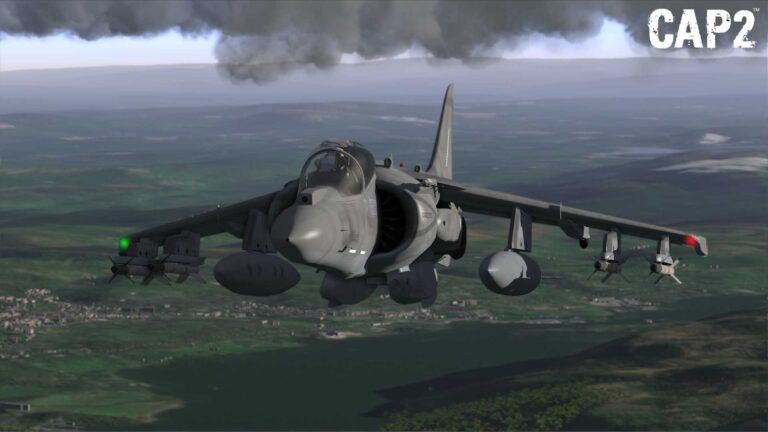
  • Microsoft Flight Simulator and X-Plane are used for virtual pilot training, navigation, and air traffic scenarios.
  • CAP often adapts these tools for mission planning and weather analysis.

Emergency Response Role-Playing Software:

  • Virtual disaster scenarios where cadets must allocate resources, communicate with ground teams, and manage crises.

Civil Air Patrol Virtual Academy Activities:

  • Online workshops, interactive quizzes, and group missions using platforms like CAPLearn, Kahoot, and custom e-simulations.

Top 10 Civil Air Patrol Games Used in Training

  1. Drill Down Competitions: Marching and leadership under pressure—builds discipline and attention to detail.
  2. Search and Rescue (SAR) Field Exercises: Real-world rescue scenarios using teamwork and navigation.
  3. Compass Orienteering: Map reading and navigation—critical for ground team operations.
  4. Model Rocket Launch: Aerospace principles in action, from design to launch.
  5. Drone Reconnaissance Missions: Piloting UAVs, analyzing aerial images—prepares for modern search and rescue.
  6. Leadership Reaction Course: Scenario-based games testing command, delegation, and group problem-solving.
  7. Emergency Response Tabletop Simulations: Cadets manage imaginary disasters in real time with maps and radio protocols.
  8. Microsoft Flight Simulator Missions: Virtual piloting, weather analysis, and emergency procedures.
  9. Aerospace Quiz Battles (Kahoot/CAPLearn): Competitive knowledge testing on aviation history, physics, and regulations.
  10. Obstacle Course Challenges: Physical fitness, coordination, and strategy—all vital for CAP missions.

How They Build Core CAP Values:
These games reinforce leadershiprespectintegrityteamwork, and discipline—the same values that define successful aviators and emergency responders.

How These Games Are Played

Setup and Team Structure

  • Teams: Most CAP games are played in squads or flights (groups of 6–12 cadets), promoting collaboration.
  • Roles: Cadets often rotate roles—leader, navigator, communicator—ensuring all gain hands-on experience.
  • Equipment: Ranges from compasses and radios for field games to laptops and VR headsets for simulations.

Scoring and Evaluation

  • Points: Awarded for accuracy, speed, teamwork, and leadership.
  • Feedback: Instructors provide debriefs after each game, highlighting strengths and areas for growth.
  • Real-World Metrics: In SAR simulations, success is measured by how efficiently teams locate “victims” and coordinate rescue.

Instructor Assessment

CAP instructors observe how cadets communicate, make decisions, handle stress, and adapt to unexpected challenges. Leadership potential, respect for peers, and technical skill are all assessed, often feeding into promotion recommendations and awards.

Benefits of Playing Civil Air Patrol Games

Leadership Development

CAP cadet games immerse youth in leadership roles, teaching them to motivate teams, delegate tasks, and make mission-critical decisions—a foundation for future careers in any field.

Physical Fitness

Obstacle courses and field games build endurance, strength, and agility, while also enhancing coordination.

STEM Learning

Aerospace educational games introduce complex scientific concepts in engaging, memorable formats—preparing cadets for STEM careers.

Real-World Emergency Response Skills

Air patrol training simulations and SAR exercises equip cadets with practical skills for disaster response, search and rescue, and crisis management.

Enhanced Discipline and Patriotism

By promoting respect, responsibility, and service, CAP games inspire a sense of duty and pride—qualities that benefit individuals and communities alike.

Integration with Schools and Community Programs

CAP in American Schools

Across the U.S., hundreds of schools now partner with Civil Air Patrol, integrating CAP cadet games into JROTC, science, and after-school programs. This approach has increased engagement in STEM and civic education, and fostered a pipeline into aviation careers.

Global Outreach: CAP as a Model

The success of CAP’s youth aviation model has inspired similar programs globally—from Canada’s Air Cadets to the UK’s Air Training Corps and Pakistan’s Air Scouts. Schools and youth organizations worldwide can adapt these aviation leadership games and simulations to fit local needs, promoting cross-cultural exchange and global citizenship.

International Cadet Exchanges

CAP regularly participates in international cadet exchanges, where youth from different countries share best practices, play games together, and build lasting friendships. This fosters diplomacy and global understanding through the universal language of aviation.

Civil Air Patrol Games for Online Learning

Post-COVID Remote Learning Innovations

The pandemic forced CAP and youth organizations to innovate, moving many activities online. As a result, civil air patrol games have become more accessible than ever.

Examples of Virtual Games

  • CAPLearn: An online platform with interactive lessons, aerospace e-simulations, and leadership challenges.
  • Kahoot-Style Quiz Battles: Live, competitive quizzes on aviation topics, perfect for remote teams.
  • Aerospace E-Simulations: Virtual missions where cadets navigate weather scenarios, manage resources, and practice emergency decision-making.

These digital tools ensure that even cadets in remote or international locations can participate in air patrol training simulations and build vital skills.

How to Get Involved with CAP and Access These Games

For U.S. Readers: How to Join Civil Air Patrol

  • Eligibility: Youth aged 12–21 can join as cadets. Adults can serve as senior members or mentors.
  • How to join Civil Air Patrol: Visit gocivilairpatrol.com to find a local squadron and begin your application.
  • Try a local meeting: Most squadrons welcome visitors; you can often try a CAP game before committing.

For International Readers

  • Find a Youth Aviation Club: Many countries have similar cadet or air scout programs.
  • Virtual CAP Challenges: Participate in online CAPLearn games or international cadet exchanges.
  • Start a Club: Use CAP’s public resources to launch your own aviation youth group, adapting aerospace educational games for your region.

FAQs: Civil Air Patrol Games

Are Civil Air Patrol games only for Americans?
No. While CAP is a U.S. organization, its games and training methods are used by youth aviation groups worldwide—and many resources are available online for free.

Can civilians or parents play them?
Yes! Many games are perfect for families, schools, or community groups interested in aviation leadership and STEM.

Are there free online versions?
Absolutely. CAPLearn, Kahoot, and popular flight simulators offer free or low-cost access to many activities. Check CAP’s official site for downloadable materials.

The Future of Aviation Training is Game-Based

The next generation of aviators, engineers, and leaders will be shaped not just in classrooms, but in immersive, game-based environments. Civil air patrol games offer a blueprint for effective, engaging, and globally relevant youth development. By blending leadership, STEM, and real-world skills, these games build the character, competence, and confidence that tomorrow’s world demands.

Educators, parents, and youth leaders: Now is the time to bring CAP-style games into your schools and communities. Whether you’re in New York, Nairobi, or Islamabad, the power of play can launch young minds toward the skies.

For more resources on aviation education and youth leadership, follow The Azadi Times Games & Youth desk.