Home Blog Page 49

J&K CM Omar Abdullah Blocked at Martyrs’ Graveyard; Hurriyat Says “Powerlessness Teaches More

Srinagar, Indian administered Kashmir — The Azadi Times Desk: On the eve of Martyrs’ Day, an unusual scene unfolded in Srinagar as former Jammu & Kashmir Chief Minister Omar Abdullah claimed he was barred from visiting the iconic Martyrs’ Graveyard in Srinagar on July 13. He later shared that he had to scale a wall the next day to pay his respects — an act that sparked heated debates across Kashmir’s political and social landscape.

The incident drew sharp remarks from Hurriyat Conference chairman Mirwaiz Umar Farooq, who took to social media to say that “power teaches little, but powerlessness teaches more,” implying that Omar Abdullah had now experienced what ordinary Kashmiris endure daily under restrictions and surveillance.

“Taste of the bitter medicine”

Posting on X (formerly Twitter), Mirwaiz said:

“Today the CM sahab tasted the bitter medicine of authoritarian high-handedness and subsequent helplessness that common Kashmiris face every day in different forms, as all agency and space is denied to them.”

He further expressed hope that the experience would motivate Omar Abdullah to prioritize the dignity and fundamental rights of the people of Jammu & Kashmir and to work sincerely towards their restoration.

The incident

According to Omar Abdullah, security forces stopped him on July 13 as he attempted to visit the Martyrs’ Graveyard to offer prayers and pay homage to the Kashmiri martyrs of 1931 — an annual event historically observed in the region. A video shared on social media showed him recounting how he was blocked and how, eventually, he climbed over a wall the next day to enter the cemetery.

“Climbing over a wall to reach the graveyard shouldn’t be necessary for anyone, least of all for an elected leader,” he said in his statement.

Social media reactions: divided opinions

The incident triggered a flood of reactions online. Many ordinary Kashmiris expressed solidarity with Omar Abdullah, calling the restrictions unjustified even against a former elected chief minister. However, a significant section of the public also criticized him, accusing him of “complicity” in perpetuating the very system of control that now obstructs him.

Posts under hashtags like #MartyrsDay, #OmarAbdullah, and #RightToSelfDetermination trended locally as users debated whether Omar’s actions and words aligned with the aspirations of the Kashmiri people.

One commenter wrote:

“When he was in power, walls were built around us. Now he climbs the same walls. Karma?”

While another countered:

“At least he tried to pay respect to the martyrs. That’s more than many others do.”

A broader question of rights

The restrictions faced by Omar Abdullah highlight a deeper issue: the shrinking space for public expression, dissent, and historical remembrance in Jammu & Kashmir. Since the abrogation of Article 370 in August 2019, several traditional commemorations and political activities have been curtailed under tightened security measures.

Even on Martyrs’ Day — which commemorates the killing of 22 Kashmiris by Dogra forces in 1931, an event that catalyzed the region’s struggle for self-determination — public gatherings have been largely muted or heavily restricted in recent years.

For many Kashmiris, the image of a former chief minister climbing over a wall to reach a graveyard serves as a metaphor for the frustration and helplessness felt widely across the region.

What’s next?

Mirwaiz Umar Farooq concluded his statement with a call for introspection among leaders: to put aside political rivalry and focus on restoring the dignity, rights, and aspirations of the Kashmiri people.

Whether this incident marks a turning point in Omar Abdullah’s political stance remains to be seen. But for now, it has reignited the conversation about the Kashmiri people’s right to remember their history and demand their dignity — free from external narratives and constraints.

5 Best Apps and Websites to Find Jobs in Any Country in 2025

0

As globalization accelerates and remote work becomes more common, skilled professionals around the world are increasingly looking for job opportunities beyond their home countries. Whether it’s a desire to migrate for a better future, secure international freelance contracts, or find hybrid work with multinational firms, access to the right job search platforms has never been more critical.

Finding a reliable and transparent job portal can make a significant difference for international job seekers, especially those from South Asia, the Middle East, and Africa. At The Azadi Times, we’ve curated a list of the five most trusted and effective apps and websites that can help individuals find jobs in almost any country — legally, efficiently, and based on skill level.

1. LinkedIn – The Global Professional Network

Language: Multilingual
Platform: Web + App (iOS, Android)
Best for: White-collar professionals, remote workers, tech and business fields

LinkedIn is not just a social network for professionals—it has evolved into one of the most powerful global job platforms. Users can search for jobs by country, industry, and work mode (on-site, hybrid, or remote). Companies like Amazon, Google, and Siemens regularly post global job openings. LinkedIn also allows applicants to connect directly with HR professionals and recruiters.

Why it works: Verified employers, personalized job matches, and visibility into company culture make it ideal for career-minded professionals targeting overseas jobs.

2. Indeed – One of the World’s Largest Job Search Engines

Language: English + multiple international languages
Platform: Web + App
Best for: Blue-collar and white-collar jobs, across sectors

Indeed aggregates millions of job listings from thousands of companies worldwide. From hotel management jobs in Dubai to warehouse work in Canada or nursing roles in the UK, Indeed covers a broad range of international opportunities. Users can filter jobs by visa sponsorship availability, salary range, and employment type.

Why it works: Its simple interface, daily alerts, and global reach make it especially valuable for users searching for overseas jobs without having to go through third-party agents.

3. Glassdoor – Jobs with Company Reviews and Salary Insights

Language: English
Platform: Web + App
Best for: Professionals who want transparency on work culture and salary expectations

Glassdoor offers not only global job listings but also employee reviews, salary reports, and interview experiences from real employees at hiring companies. This transparency allows job seekers to make more informed decisions before applying to international companies.

Why it works: If you’re considering relocation to a new country or company, Glassdoor gives you insights into working conditions, visa policies, and management styles—something no other job platform does at this scale.

4. GrabJobs – Easy Job Applications with Chatbot Support

Language: English
Platform: Web + App
Best for: Fast hiring for entry-level and mid-level positions

GrabJobs is gaining popularity as a fast, mobile-friendly job platform across Southeast Asia, the Middle East, and parts of Europe. Its unique chatbot-driven application process allows candidates to apply for jobs quickly without uploading full resumes. Many employers use it for immediate hiring in hospitality, delivery, security, retail, and administrative sectors.

Why it works: For job seekers who want speed, less paperwork, and direct employer connections, GrabJobs is a game-changer.

5. EuroJobs / GoAbroad / GulfTalent (Regional Specific Platforms)

These regional job boards specialize in specific geographic markets:

  • EuroJobs: Best for jobs across Europe, including Germany, the Netherlands, and Scandinavia.
  • GoAbroad.com: Ideal for those seeking internships, volunteer programs, or English teaching jobs globally.
  • GulfTalent: Focused on high-paying jobs in the Gulf region including UAE, Saudi Arabia, and Qatar.

Why it works: For those who already know their target region, these specialized portals provide better filtering and more relevant listings compared to generic global sites.

What Makes a Good International Job Search Platform?

To ensure you are applying through legitimate sources and increasing your chances of getting hired, an effective job platform should offer:

  • Verified company listings
  • Visa sponsorship filters
  • Real-time alerts and easy application tracking
  • Transparent salary and job role descriptions
  • Mobile access for applications on-the-go

In 2025, platforms are also integrating AI-based matching, remote interview scheduling, and virtual job fairs to make international job hunting more accessible than ever before.

Tips for Safe and Smart Global Job Search

  • Avoid agents who ask for money upfront
  • Always verify job offers with official company websites
  • Update your CV and LinkedIn with international standards
  • Prepare for virtual interviews and skill tests
  • Research visa requirements of your target country beforehand

Whether you’re a student, a skilled laborer, or a mid-career professional looking to relocate or work remotely, these platforms can help you reach global opportunities without falling prey to scams or middlemen.

Final Word

With the rise of remote work, skill-based hiring, and digital recruiting, finding a job in another country is more possible today than ever before. Platforms like LinkedIn, Indeed, and GrabJobs are at the forefront of this shift, connecting job seekers in Asia, Africa, and beyond with global employers.

At The Azadi Times, we encourage our readers to explore these resources and take the first step toward building an international career that matches their goals and aspirations.

For more verified updates on global jobs, immigration trends, and digital career paths, follow The Azadi Times.

5 Best YouTube Channels for Beginners to Learn Online Earning Skills in Urdu, Hindi & English

0
By The Azadi Times Published: July 2025: As digital economies expand globally, more people are turning to online platforms to generate income and acquire marketable skills. In South Asia, especially, millions of Urdu and Hindi speakers are actively seeking trusted educational content to begin their online earning journey. YouTube has become a key resource offering free, accessible, and diverse tutorials in multiple languages.

At The Azadi Times, we present a detailed guide to the five best YouTube channels for beginners who want to learn online earning skills in Urdu, Hindi, and English. This list highlights creators who deliver clear, practical, and up-to-date content—covering freelancing, digital marketing, affiliate programs, content creation, and more.

1. Technical Suneja — Practical Online Skills in Urdu & Hindi

Subscribers: Over 1.5 million
Languages: Urdu, Hindi
Focus Areas: Freelancing, WordPress, SEO, Digital Marketing

Technical Suneja has grown rapidly by providing step-by-step guides that simplify complex topics such as setting up freelance profiles on Fiverr and Upwork, website development using WordPress, and effective SEO techniques. The channel’s strength lies in its tailored approach for South Asian beginners, delivered in clear Urdu and Hindi. Videos frequently update to cover new platforms and earning strategies.

Why it matters: The demand for freelancing is surging across Pakistan and India. Technical Suneja’s tutorials empower users to transform basic computer skills into sustainable income sources.

2. Wahaj Sir — Urdu Digital Marketing and Affiliate Mastery

Subscribers: Approximately 900,000
Language: Urdu
Focus Areas: Digital Marketing, Freelancing, Affiliate Marketing

Wahaj Sir is known for breaking down digital marketing and affiliate concepts into digestible lessons, making it easier for novices to understand tools like Google Ads, Facebook Ads, and affiliate networks. His approach combines theoretical knowledge with practical assignments, often supported by live sessions and success stories from his followers.

Why it matters: Affiliate marketing and digital promotions are among the fastest growing income streams in Pakistan’s emerging online economy. Wahaj Sir’s channel bridges the language gap and technical complexity.

3. Santrel Media — English Tutorials for Global Online Income

Subscribers: Over 700,000
Language: English
Focus Areas: Blogging, Affiliate Marketing, YouTube Growth, Social Media Management

For English-speaking audiences, Santrel Media offers an authoritative and detailed roadmap to creating online revenue streams through blogging, affiliate marketing, and social media strategies. Its global outlook ensures content is relevant for beginners worldwide, with insights on trending niches and monetization techniques.

Why it matters: English remains a dominant language for international freelancing and digital marketing. Santrel Media equips beginners with the know-how to compete globally.

4. Simplilearn — Professional Digital Skill Development

Subscribers: Over 2 million
Language: English
Focus Areas: SEO, Google Ads, Data Analytics, Programming

Simplilearn’s YouTube channel complements its renowned certification courses by providing free lessons from industry experts. Beginners looking for credible and structured learning paths can find tutorials on core digital skills that drive online earnings. The channel emphasizes data-driven marketing, paid ads, and emerging tech skills critical for the future job market.

Why it matters: With increasing competition, certified skills backed by professional knowledge become essential. Simplilearn’s content ensures beginners have access to high-quality, career-ready education.

5. Hindi Tech Tutorials — Hindi Language Online Earning Guide

Subscribers: Over 500,000
Language: Hindi
Focus Areas: YouTube Monetization, Blogging, Freelancing, Digital Marketing

Targeted at India’s vast Hindi-speaking population, Hindi Tech Tutorials demystifies the process of building a digital career through practical, easy-to-follow videos. The channel covers how to grow YouTube channels, start profitable blogs, and find freelancing gigs on popular Indian and international platforms.

Why it matters: Hindi remains one of the most spoken languages on the internet. This channel helps millions of beginners take their first steps in the digital economy confidently.

Why These Channels Are Game Changers

The transition from traditional jobs to digital entrepreneurship requires the right knowledge and tools. These five YouTube channels stand out for:

  • Language accessibility: Catering to Urdu, Hindi, and English speakers with culturally relevant content.
  • Beginner focus: Breaking down complex topics into simple, actionable steps.
  • Updated content: Keeping pace with fast-changing online platforms and trends.
  • Trust and credibility: Established creators with strong community engagement.

In a rapidly digitizing world, mastering online earning skills can transform lives, especially in South Asia where youth unemployment remains a challenge. These channels not only educate but also inspire confidence by showcasing real success stories.

How to Maximize Learning from YouTube

To benefit fully from these channels, beginners should:

  • Subscribe and follow playlists focused on beginner tutorials.
  • Practice skills alongside watching videos to reinforce learning.
  • Engage in comments or community forums to clarify doubts.
  • Stay consistent and patient, as online earning takes time and effort.

YouTube’s role in democratizing education cannot be overstated. For Urdu, Hindi, and English speakers, the availability of quality content focused on online earning is a vital resource in 2025. At The Azadi Times, we recommend these five channels as the most reliable starting points for anyone eager to build digital skills and generate sustainable income from home.

The 5 Best Smartphones of 2025 with Exceptional Battery Life

0

In 2025, battery life has become one of the most decisive factors for smartphone buyers around the world. As devices grow more powerful—with high-refresh-rate displays, AI-enhanced features, 5G connectivity, and intensive applications—the demand for long-lasting battery performance has surged dramatically.

Manufacturers have responded with bigger battery capacities, smarter power management systems, and cutting-edge battery chemistry such as silicon-carbon cells. In this in-depth report, we examine the five top-performing smartphones of the year, based on real-world endurance, battery specifications, and fast-charging capabilities.

OnePlus 13 – Power meets efficiency

  • Battery: 6,000 mAh (Silicon-carbon)
  • Charging: 100W wired (Full in ~36 minutes), 50W wireless
  • Estimated screen-on time: Over 19 hours in mixed use

The OnePlus 13 sets a new benchmark in battery innovation with its silicon-carbon battery—a technology that delivers higher energy density in a compact size. Coupled with the Snapdragon 8 Elite chip and an optimized OxygenOS, the phone comfortably lasts more than a full day on heavy use. Fast charging at 100W means you’re back to 100% in just over half an hour, making it an ideal device for both productivity and power users.

Samsung Galaxy S25 Ultra – Balanced flagship endurance

  • Battery: 5,000 mAh
  • Charging: 45W wired, 15W wireless (Qi2 compatible)
  • Real-world usage: Up to 2 days with regular use

Samsung’s Galaxy S25 Ultra continues the company’s tradition of offering top-tier hardware with reliable battery life. Although its battery capacity is standard for flagship phones, Samsung’s adaptive refresh rate technology and power-efficient chipset allow the device to last longer than expected. Many users report up to two days of moderate use without needing a recharge, making it one of the most consistent performers in this segment.

ASUS ROG Phone 9 Pro – Built for gamers, powered for endurance

  • Battery: 5,800 mAh
  • Charging: 65W fast charging
  • Usage performance: 12–14 hours of gaming, 20+ hours in general tasks

Designed primarily for gamers, the ROG Phone 9 Pro isn’t just about performance—it’s about staying powered for longer play sessions. Its massive battery and intelligent thermal management system allow extended gaming without rapid drain. For non-gaming use, the phone easily surpasses 20 hours of usage, making it one of the longest-lasting Android devices on the market today.

Apple iPhone 16 Pro Max – The longest-lasting iPhone ever

  • Battery: 4,685 mAh
  • Battery optimization: A18 Pro chip + iOS 18 enhancements
  • Video playback time: Up to 33 hours

Apple’s iPhone 16 Pro Max might not boast the largest battery capacity, but its software-hardware integration is unmatched. The A18 Pro chip, built on a highly efficient architecture, works in harmony with iOS 18’s new power management features to deliver impressive longevity. According to independent lab tests, it can handle over 17 hours of continuous use and up to 33 hours of video playback, making it the best iPhone in terms of endurance to date.

iQOO Neo10 – Underrated performance with massive battery

  • Battery: 6,100 mAh
  • Charging: 120W wired fast charging
  • Expected usage: 1.5 to 2 days on average

While not as well-known in Western markets, the iQOO Neo10 from vivo’s sub-brand is gaining attention for its unbeatable value. Its 6,100 mAh battery is one of the largest in any flagship-level phone, and its 120W fast charging system can refill the battery in just under 30 minutes. Though long-term performance testing is still ongoing, early reviews suggest the phone can easily last two full days under moderate to heavy usage.

Comparative Overview

Smartphone Battery Capacity Screen-On Time Charging Speed OnePlus 13 6,000 mAh 19–20 hours 100W (wired), 50W wireless Galaxy S25 Ultra 5,000 mAh 20–21 hours 45W wired ASUS ROG Phone 9 Pro 5,800 mAh 14–20 hours 65W wired iPhone 16 Pro Max 4,685 mAh 17–18 hours 30W (est.) iQOO Neo10 6,100 mAh 1.5–2 days 120W wired

Why Battery Life is Now a Primary Buying Factor

In previous years, display quality, camera performance, and processor speed dominated the smartphone conversation. But with increasing workloads and on-the-go lifestyles, battery life has become a top priority for many consumers. Key advancements include:

  • High-density batteries: Silicon-carbon and dual-cell designs increase capacity without adding bulk.
  • AI-based optimization: Intelligent background app management preserves power.
  • Efficient chipsets: Snapdragon 8 Elite and Apple A18 Pro consume less power while delivering more performance.
  • Adaptive refresh rates: LTPO displays reduce refresh rates during idle moments to save energy.

Who Should Buy What?

For gamers and power users: ASUS ROG Phone 9 Pro offers unmatched endurance for intensive tasks.

For flagship lovers: Galaxy S25 Ultra balances features and battery life impressively.

For Apple users: iPhone 16 Pro Max is the most battery-efficient iPhone ever made.

For value seekers: iQOO Neo10 delivers more battery per dollar than any competitor.

For all-around reliability: OnePlus 13 remains the most balanced device in terms of battery, performance, and charging speed.

The five smartphones outlined above stand out not only for their battery capacity but for how they integrate software, hardware, and user experience to deliver long-lasting performance. Whether you’re a professional on the move, a gamer, or a casual user, these devices represent the pinnacle of smartphone battery technology in 2025.

For more expert insights and mobile industry trends, follow our Technology section.

Kashmir’s Elected Chief Minister Detained on Martyrs’ Day: Unelected Authorities Under Scrutiny

0

Srinagar, Indian administered Kashmir: In a development raising fresh concerns over democratic rights and local autonomy in Jammu and Kashmir, Chief Minister Omar Abdullah and several senior cabinet members were reportedly placed under house arrest on Martyrs’ Day, a significant occasion in Kashmir’s collective memory. The move has sparked widespread condemnation across party lines and reinvigorated calls for the right to self-determination and local agency.

While security officials cited “law and order” concerns as justification for locking down parts of Srinagar and barring political leaders from visiting the Mazar-e-Shuhada, critics described the action as a “symbolic silencing” of the Kashmiri political voice—especially since those restrained are elected representatives under the Indian constitution.

“Today, the homes of elected legislators were locked from the outside. All to stop people from visiting a graveyard,” said Omar Abdullah on X (formerly Twitter), calling the move “shameful” and “a direct assault on democracy.”

Martyrs’ Day Observances Blocked

Martyrs’ Day (July 13) commemorates the killing of 22 Kashmiris by Dogra forces in 1931, a seminal moment in the region’s anti-autocratic struggle. Traditionally, it has been observed with solemn visits to the graveyard in Khawaja Bazar, Srinagar. The date had been a state holiday for decades—until it was removed from the official calendar following the revocation of Article 370 in August 2019.

On Saturday, however, Srinagar resembled a city under siege. Roads leading to downtown were barricaded, mobile internet was slowed in some areas, and journalists faced access restrictions. The graveyard remained heavily guarded.

In addition to Abdullah, leaders from the PDP, People’s Conference, Apni Party, and Hurriyat Conference—including Mehbooba Mufti, Sajad Lone, Altaf Bukhari, and Mirwaiz Umar Farooq—were also reportedly confined to their homes. No formal detention orders were issued, and families claim the locks were placed from the outside without legal warrants.

National Versus Local Authority?

The detentions come amid heightened tensions between Jammu and Kashmir’s newly elected National Conference-led coalition and the central administration. While the elected Chief Minister derives his mandate from the Indian Constitution, much of the region’s real power continues to reside with unelected officials, notably the Lieutenant Governor and security establishment.

“This is not about party politics. It is about our democratic right to remember our history. When elected leaders can’t even visit a graveyard, it tells you who really holds power in this so-called democracy,” said a senior NC legislator.

Analysts say the incident reflects a deeper structural issue: a post-2019 governance model where even basic political expressions in Kashmir are subject to scrutiny, approval, or suppression by unelected bureaucrats.

BJP Response and Controversy

While local political figures and political parties decried the detentions, leaders of the Bharatiya Janata Party (BJP) doubled down on their opposition to Martyrs’ Day. BJP legislator Sunil Sharma controversially called the 1931 martyrs “traitors” and accused opposition parties of “rewriting history to support separatism.”

The statement drew sharp backlash across Kashmir. “They are not just attacking our past—they’re trying to erase it,” said a university professor in Srinagar, requesting anonymity.

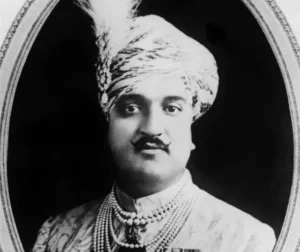
Such comments have added fuel to an already volatile discourse about whose history gets preserved and whose memory gets censored. The government’s preference for observing Maharaja Hari Singh’s birthday—while suppressing Martyrs’ Day—has raised questions about historical revisionism.

The Broader Struggle for Political Space

The events of July 13 have once again highlighted the shrinking democratic space in Jammu and Kashmir. For many residents, the clampdown on Martyrs’ Day was not just an act of political control—it was a deeper reflection of the ongoing denial of self-representation.

Since the revocation of the region’s limited autonomy in 2019, the Kashmiri leadership has repeatedly called for restoration of statehood, reinstatement of special status, and recognition of the right to self-determination as promised under international frameworks.

Yet even modest demands—such as public remembrance or peaceful assembly—are being met with resistance. “We are not even asking for independence in this moment,” said a senior political figure. “We are asking to remember our dead without being treated like criminals.”

Why This Matters Internationally

As the Kashmir conflict enters a new era—where elections occur under significant restrictions and elected voices are sidelined—the international community must reckon with the contradiction between stated democratic processes and their on-the-ground implementation.

The denial of Martyrs’ Day observances, particularly through extralegal house arrests of elected leaders, serves as a stark reminder: without meaningful self-governance, elections risk becoming symbolic rather than substantive.

Kashmir’s Film Industry: Between Silenced Stories and Untapped Beauty | Kashmir Deserves Its Own Lens

Kashmir — with its valleys stretching from Srinagar to Gilgit and Leh — has long been celebrated as a paradise by outsiders. For decades, Indian and Pakistani filmmakers projected the region as a romantic or tragic backdrop to their own stories. But the people of Kashmir themselves were rarely given the opportunity — or the space — to tell their own stories on their own screens.

Today, despite decades of conflict and cultural suppression, Kashmir’s own film industry is quietly rebuilding. What was once silenced by war and state control is now beginning to speak again — cautiously, creatively, and on its own terms.

Kashmir’s relationship with cinema is older than most realize. In 1903, British filmmakers shot some of the earliest travelogues in the region. By 1932, Srinagar’s Palladium Talkies opened in Lal Chowk, offering locals a glimpse of the world through a projector’s light. By the mid‑20th century, multiple cinemas dotted the valley, including Broadway, Regal, and Shah Cinema.

During the 1960s and 1970s, Kashmir became a favourite shooting location for Bollywood and Lollywood directors alike. Films like Junglee (1961) and Henna (1991) painted it as a romantic, idyllic backdrop — a paradise without politics, without pain.

But this romanticism collapsed in 1989, when the insurgency erupted. Cinemas were targeted, bombed, or simply shut down under threat. The Palladium was occupied by troops and turned into a military bunker. Cinema culture in Kashmir died overnight.

A difficult return: the modern context

In the decades since, the big screen never truly returned to the people. While Bollywood continued to use Kashmir’s landscapes as a backdrop for its own narratives, Kashmiris themselves were excluded from shaping these stories.

When a modern multiplex opened in Srinagar in 2022, reactions were mixed. While some hailed it as a symbol of normalcy, others criticized it as an instrument of the state narrative — screening Bollywood blockbusters, but not offering space to local stories.

Mini‑theatres have since appeared in Pulwama, Shopian, and Handwara — but they too largely serve outside narratives. The fear of censorship and political interference still looms over filmmakers and audiences alike.

In spite of these challenges, a new generation of Kashmiri filmmakers is beginning to carve out a space. Their works focus on lived experiences, loss, memory, and resilience — themes too inconvenient for mainstream cinema.

Some milestones include:

  • Harud (2010), by Aamir Bashir: a quiet, meditative feature about life in a militarized landscape.

  • Jashn‑e‑Azadi (2007), a documentary by Sanjay Kak, exploring grief and resistance in Kashmir.

  • Inshallah Football (2010), about a young footballer denied a passport due to his father’s political past.

  • No Fathers in Kashmir (2019), by Ashvin Kumar, dealing with disappearances and trauma.

  • Qouluf, The Ensorcelled (2024), by Ali Emran: the first Kashmiri‑language color feature film in 60 years.

  • Baand (upcoming in 2025), also by Emran, celebrating Kashmir’s traditional folk theatre.

Festivals like the Verité Film Festival, hosted annually in Awantipora since 2011, have become crucial for showcasing independent student films — often tackling social and political issues otherwise ignored.

Beyond Bollywood and Lollywood

For too long, Kashmir’s cinema was defined by outsiders — Bollywood in India, Lollywood in Pakistan — each projecting their narratives of paradise or war. Both ignored the depth of Kashmiri society and culture, flattening it into a prop for their respective national myths.

Today’s independent filmmakers reject this. They see cinema not just as entertainment, but as a form of cultural resistance — a way to document their truths, outside of Indian and Pakistani state narratives. Films like Qouluf and Baand are significant because they are made by Kashmiris, in their own language, about their own lives.

Despite the growing interest, Kashmir’s film industry still faces daunting challenges:

  • Infrastructure: Lack of funding, professional studios, and equipment limits production.

  • Censorship: Filmmakers risk harassment or bans if their stories contradict official narratives.

  • Distribution: Few local theaters are willing to screen independent films.

  • Audience trust: After decades of propaganda, many viewers remain skeptical of cinema as a medium.

Why it matters

Reviving Kashmiri cinema is not just about art. It is about reclaiming identity, challenging imposed narratives, and documenting a reality that is otherwise erased. By creating spaces for independent cinema — both on screen and behind the camera — Kashmiris can tell stories of their own choosing.

For international audiences, supporting these films means hearing voices that mainstream media often silences. For Kashmiris, it means a step toward self‑representation and dignity.

From the ruins of abandoned theaters, a new era of storytelling is beginning — one that refuses to be defined by Indian or Pakistani narratives, but instead insists on Kashmiri authenticity.

Bajaur in Turmoil: Assassination of Maulana Khan Zeb Highlights Rising Violence and Suppression of Peace Voices

0

By The Azadi Times World Desk | Bajaur, Pakistan: Bajaur, a tribal district in northwest Pakistan along the border with Afghanistan, has once again been shaken by a wave of violence — this time claiming the life of one of its most respected figures.

On 10 July 2025, Maulana Khan Zeb, a revered Islamic scholar, peace advocate, and Awami National Party (ANP) leader, was assassinated in broad daylight while organizing a peace march in Khar, Bajaur’s administrative capital.

His killing underscores the deepening crisis in Pakistan’s tribal regions, where decades of conflict, militancy, and state policies have left local communities in fear, even as brave voices like Khan Zeb’s sought to offer an alternative vision of peace and dignity.

Who Was Maulana Khan Zeb?

Photo; Maulana Khan Zeb

Often called the Ambassador of Peace by his supporters, Maulana Khan Zeb, in his late 40s, was not just a religious cleric but also a scholar, poet, and social activist deeply embedded in Bajaur’s fabric.

He served as the Secretary for Ulema Affairs in ANP, one of the few parties in Pakistan’s mainstream politics to have consistently advocated for Pashtun rights and against militancy.

In recent months, Khan Zeb became increasingly vocal about human rights violations, militarization of the tribal belt, and the need for an indigenous, non-violent political process in the region.

On the day he was killed, Khan Zeb was preparing for an upcoming Aman Pasoon (Peace Campaign) rally when armed assailants shot him and a colleague dead near Shindai Mor in Khar.

Bajaur sits at the western edge of Pakistan, adjoining Afghanistan’s Kunar province. It has been a flashpoint for conflict for decades, bearing the brunt of the Afghan war spillover, Taliban insurgencies, and Pakistan’s military operations.

But it is also home to rich cultural traditions, resilient communities, and ongoing — if fragile — efforts to reclaim a peaceful public sphere from armed groups and a heavy security presence.

Khan Zeb’s assassination did not happen in isolation.

In early July 2025, an IED blast in Nawagai killed five government officials, including an Assistant Commissioner.
Later, rockets were fired at the home of Mubarak Zeb Khan, an aide to Pakistan’s Prime Minister, narrowly missing him but wounding others.

These incidents form part of a larger pattern: local leaders — whether aligned with the state or independent — have increasingly come under attack in Bajaur and other tribal areas.

While the perpetrators of Khan Zeb’s murder remain unknown, locals point to the uneasy convergence of armed militias, rivalries, and state agencies that have long destabilized the region.

For decades, Bajaur’s story — like much of the tribal belt — has been told through official narratives: a place of militancy, “terrorist sanctuaries,” or “counterterrorism successes.”

But little attention is given to the toll on its people: mass displacement, extrajudicial killings, economic stagnation, and the silencing of independent voices.

Maulana Khan Zeb was among those who dared to speak out.

“He taught us that peace is not just the absence of bombs but the presence of justice,” says Sajid Khan, a young activist from Bajaur who attended many of Khan Zeb’s seminars.

“They killed him because he was uniting people around ideas that threaten those who profit from war and fear,” he added.

Reaction and Mourning

ANP immediately announced a three-day mourning period and called Khan Zeb a martyr for peace.
Thousands attended his funeral, chanting slogans against terrorism and demanding justice.

Across social media, hashtags like #KhanZebShaheed and #BajaurBleeds trended, with Pakistanis and members of the diaspora expressing sorrow and anger.

International human rights observers also voiced concerns.

Amnesty International issued a statement:

“The assassination of Maulana Khan Zeb is a tragic reminder of the dangers faced by those who dare to speak for peace in Pakistan’s conflict zones. Authorities must ensure a transparent investigation and protect activists from further harm.”

The killing comes ahead of local elections expected in late 2025. With ANP, PTI, JUI-F, and emerging independent groups vying for influence, Khan Zeb’s murder could exacerbate tensions and discourage others from campaigning on platforms critical of state policies or militant narratives.

Some fear it may also embolden extremist elements who have already begun reasserting themselves in parts of Bajaur and Waziristan.

“Every time someone like Khan Zeb falls, it sends a chilling message to others: stay silent or pay the price,” notes Dr. Farhat Ali, a political analyst based in Peshawar.

For now, Bajaur remains tense.
Checkpoints have been increased, and sporadic protests continue in Khar and surrounding towns.
But whether this tragedy leads to real change — or simply fades into another line in the long list of “incidents” — remains to be seen.

“We can build roads and schools, but if we keep killing those who speak for justice, this land will never know peace,” Sajid Khan said.

The Changing Politics of Neelum Valley: How JK Joint Awami Action Committee’s Outreach Is Reshaping the Landscape Ahead of 2026 Elections

Neelum Valley — nestled along the Ceasefire Line (LoC) in the northernmost reaches of Pakistan-administered Jammu and Kashmir is often celebrated in glossy brochures for its towering mountains, pristine rivers, and serene landscapes. But beneath the veneer of natural beauty and touristic charm lies a political undercurrent that has begun to shift dramatically in recent months.

In a region where political narratives have long been shaped and limited by state-centric agendas from both Islamabad and New Delhi, the emergence of an assertive, grassroots political conversation in Neelum is significant and potentially transformative. At the center of this emerging dynamic is the Jammu & Kashmir Joint Awami Action Committee (JKJAAC), a powerful socio-political movement that, though unlikely to contest the upcoming 2024 elections directly, is redefining the political discourse in one of Kashmir’s most remote districts.

A New Dawn in Neelum’s Politics?

For decades, Neelum Valley’s political story has been muted compared to other parts of Pakistan-administered Kashmir. The valley’s rugged terrain, sparse population, and proximity to the highly militarized LoC have left it relatively isolated from the region’s central political theater in Muzaffarabad.

Historically, local politics in Neelum revolved around a handful of entrenched political families aligned with Pakistan’s mainstream parties Pakistan People’s Party (PPP), and Pakistan Muslim League-Nawaz (PML-N) who delivered predictable results within the confines of state-defined narratives.

But the recent flurry of conferences, seminars, and rallies organized by JKJAAC across Neelum’s towns and villages suggests that the status quo may be changing.

“For the first time in my life, I’ve seen people here openly discussing issues like self-determination, development on our own terms, and accountability beyond party politics,” says Tariq, a schoolteacher from Sharda.

“People used to think politics is only for Muzaffarabad and Islamabad to decide,” adds Fozia, a shopkeeper in Athmuqam. “But these events have shown that our voices matter too — and that we don’t have to just vote for the same few faces again and again.”

Who Is the Jammu & Kashmir Joint Awami Action Committee?

The JKJAAC is neither a traditional political party nor a mere civil society collective. Over the years, it has established itself as one of the most powerful advocacy groups in Pakistan-administered Kashmir. Its roots lie in mobilizing public support for economic justice, water and power rights, and — more controversially — the right to self-determination outside both Indian and Pakistani frameworks.

In May 2024, JKJAAC organized massive protests in Muzaffarabad and Rawalakot over high electricity tariffs and resource exploitation, attracting tens of thousands of supporters. Despite occasional crackdowns and arrests, it has grown into a broad-based movement respected and feared across the political spectrum.

However, despite its growing grassroots popularity, JKJAAC insiders have signaled that they will not field candidates in the 2024 legislative assembly elections, choosing instead to focus on “awakening political consciousness” and pressuring elected officials through public mobilization.

“Our mission is to create awareness, not to sit in the assembly just to rubber-stamp someone else’s agenda,” a senior JKJAAC organizer told The Azadi Times on condition of anonymity. “We know the limitations of that house — it doesn’t represent real sovereignty.”

Neelum Valley: Political Map

Neelum Valley elects two members to the 53-seat legislative assembly of Pakistan-administered Jammu and Kashmir, representing LA-26 Neelum-I and LA-27 Neelum-II.

According to the Election Commission’s data, the valley has approximately 80,000 registered voters, spread across towns like Athmuqam, Sharda, Kel, and Dudhnial.

In the 2021 elections, both seats were won by candidates from Pakistan Tehreek-e-Insaf (PTI), capitalizing on the party’s then-national popularity. Before that, the seats alternated between the Muslim Conference and PPP.

But voter turnout has traditionally been low, with many residents expressing skepticism about the assembly’s ability to deliver meaningful change — especially given the constitutional restrictions of Pakistan-administered Kashmir’s political setup under the Azad Jammu & Kashmir Interim Constitution Act, 1974, which limits local autonomy.

Why Does JKJAAC Matter in Neelum Now?

JKJAAC’s decision to hold events in Neelum Valley — a district often left out of the political conversation — has already stirred both excitement and apprehension.

On one hand, the group has tapped into widespread frustrations over inadequate infrastructure, chronic unemployment, and the militarization of the region. On the other, some observers worry about potential backlash from state authorities wary of any discourse outside officially sanctioned narratives.

“We don’t know if this movement will really improve our lives, but at least it has forced the politicians to visit us more often and make promises,” says Muhammad Ashraf, a farmer in Kel.

Interestingly, even though JKJAAC’s leaders insist they will not contest the elections, their presence has already influenced the strategies of mainstream parties. Candidates from PTI and PML-N have intensified their campaigns in Neelum, promising road improvements, tourism projects, and even special economic zones — pledges that have often failed to materialize in the past.

Beyond the State Narrative

In much of Kashmir — whether on the Indian or Pakistani-administered side — tourism campaigns and political narratives often present a carefully curated image of peace, progress, and control. The “valley of saints,” the “paradise on earth,” and other clichés obscure the lived realities of many Kashmiris.

For tourists, Neelum is sold as a remote but idyllic destination, yet few are told about the frequent skirmishes along the LoC, the poverty in its villages, or the decades-long neglect by successive governments.

“We want visitors to come here — but to see the real Neelum, not just what the state wants them to see,” says Sajjad, a local activist.

“Our valleys are more beautiful than the brochures show, but our problems are also deeper than anyone admits.”

What Lies Ahead?

As the 2024 elections approach, Neelum Valley seems poised to play a more significant role in the broader politics of Pakistan-administered Kashmir.

Even without contesting seats, JKJAAC’s activism is likely to influence voter expectations and raise the cost of empty promises from candidates.

Observers also note that Neelum’s newfound political energy could inspire similar awakenings in other marginalized districts like Leepa and Haveli.

However, challenges remain:
— The constitutional limitations of the legislative assembly.
— The pervasive influence of Islamabad over local politics.
— The risk of suppression if the movement’s rhetoric crosses perceived “red lines.”

For now, Neelum’s residents are cautiously optimistic. Whether this marks the beginning of a long-term transformation or just a fleeting moment of dissent remains to be seen.

Current Political System in Neelum at a Glance:

FeatureDetails
Assembly Seats2
Registered Voters~80,000
Main PartiesPTI, PML-N, PPP, Muslim Conference
Voter Turnout (2021)~55%
Constitution Governing the RegionAJK Interim Constitution Act, 1974
Autonomy LevelLimited

The Bigger Picture

For decades, Neelum Valley’s story has been written by others — by Islamabad, by Muzaffarabad, and even by New Delhi. What the JKJAAC’s intervention signals is that the people of Neelum are beginning to reclaim that narrative.

“For too long, we’ve been told what to think and who to vote for,” says Nighat, a university student from Athmuqam. “Now at least we’re asking questions.”

The road ahead is uncertain, but one thing is clear: the politics of Neelum Valley is no longer dormant. The mountains may be timeless, but the people who live among them are finding their voice.

How Many Days Are Required for a Kashmir Trip? A Complete Guide Beyond the Brochures

Wondering how many days are required for a Kashmir trip? This independent guide from The Azadi Times goes beyond state-curated itineraries to help you plan an authentic Kashmir experience—from 3 to 10 days—with real itineraries, costs, and local insights for both Indian and international travelers.

Kashmir’s breathtaking landscapes, vibrant culture, and storied history have captivated travelers for decades. Yet, state-promoted itineraries often showcase a sanitized, limited version of this region, focusing primarily on popular tourist spots like Srinagar, Gulmarg, Pahalgam, and Sonamarg. In reality, Kashmir is a tapestry of hidden valleys, ancient bazaars, and authentic village life that can only be truly appreciated when you step off the beaten path.

Read Also: How to Go to Kashmir from Delhi: Complete Guide by Air, Train, Bus & Road (2025) Beyond State Narratives

In this comprehensive guide, we explore how many days are required for a Kashmir trip by outlining realistic itineraries for 3, 5, 7, and 10-day trips. We discuss the must-see attractions, share practical cost estimates for budget, mid-range, and luxury travelers (in both INR and USD), and incorporate insights from real locals and travelers. Whether you’re a local traveler or an international visitor, this guide provides you with everything you need to plan your journey to Jammu and Kashmir independently and responsibly.

Beyond the Brochures – What Does It Really Take to Experience Kashmir?

Every year, thousands ask: how many days are required for a Kashmir trip? Standard travel packages typically offer a “7 days Kashmir tour & travels” itinerary, complete with air-conditioned buses, state-approved hotels, and a fixed set of attractions that neatly fit into a brochure. However, many travelers and local voices argue that these packages only skim the surface of what Kashmir has to offer.

As The Azadi Times relentlessly advocates, true Kashmir lies beyond curated tours. It’s in the quiet village lanes, the warm conversations with local artisans, and the untouched natural beauty found in remote valleys. This guide seeks to answer: how many days are really required to visit Kashmir, such that you get both the iconic sights and a glimpse of its authentic culture and hidden gems?

How Many Days Are Required for a Kashmir Trip? – The Real Answer

Short Answer:

  • 3 Days: Enough to get a quick postcard experience of Kashmir.
  • 5–7 Days: Offers a fuller, relaxed pace covering the highlights with some local flavor.
  • 10 Days: Allows you to go deep into Kashmir, exploring both popular spots and offbeat, authentic locales.

Long Answer:

Kashmir’s beauty unfolds slowly. Rushed trips may let you capture a few photographs of Dal Lake or ride the Gulmarg cable car, but they miss out on nuances such as the warm hospitality of small villages, conversations with local craftsmen, and the subtle charm of lesser-known valleys. The more days you allocate, the richer your experience becomes, allowing time for reflection, exploration, and genuine engagement with Kashmiri life.

Standard Kashmir Itineraries – The State-Curated Route

Mainstream packages often limit your journey to:

  • Srinagar: The serene Dal Lake, manicured Mughal Gardens, the revered Shankaracharya Temple, and the bustling old city.
  • Gulmarg: Renowned for its ski slopes, cable car rides that offer panoramic views, and expansive meadows.
  • Pahalgam: Known for its river views, the picturesque Betaab Valley, and the adventure of Aru Valley.
  • Sonamarg: Famous for its trek to Thajiwas Glacier and scenic mountain passes.

While these destinations are undoubtedly beautiful, they represent just one facet of Kashmir. According to Fayaz Ahmad, a local guide based in Srinagar:

“Tourists come for the postcard Kashmir. They leave thinking they’ve seen it all, but they haven’t even scratched the surface.”

Indeed, state-curated tours rarely include immersive experiences such as visits to remote villages, local artisan workshops, or off-path hikes through unspoiled valleys.

Realistic Trip Lengths – What’s Possible in 3, 5, 7, or 10 Days?

3-Day Kashmir Trip – The Express Experience

Best for:
Travelers visiting for the first time, those with very limited time, or those combining a Kashmir trip with business travel.

Sample Itinerary:

  • Day 1:
    • Morning: Arrive in Srinagar; transfer to your accommodation.
    • Afternoon: Enjoy a shikara ride on Dal Lake; visit the Mughal Gardens (Shalimar, Nishat).
    • Evening: Wander through Srinagar’s old city, sampling street food and absorbing the local ambiance.
  • Day 2:
    • Morning to Afternoon: Take a day trip to Gulmarg. Experience the cable car ride (Gondola), explore the meadows, and have lunch at a local dhaba.
    • Evening: Return to Srinagar and enjoy a quiet dinner.
  • Day 3:
    • Morning: Head to Pahalgam; visit Betaab Valley and take a short trek.
    • Afternoon: Return to Srinagar for your departure.

What You’ll Miss:

  • Intimate conversations with locals
  • Visits to artisan workshops and rural villages
  • Unspoiled, offbeat valleys that reveal the soul of Kashmir

Budget Cost: ₹12,000–₹18,000 ($145–$220) per person, covering mid-range hotels and local transport.

5-Day Kashmir Trip – The Balanced Introduction

Best for:
Travelers seeking a richer experience without a long, drawn-out itinerary. Perfect for those who want to balance popular attractions with a glimpse into local life.

Sample Itinerary:

  • Day 1:
    • Arrive in Srinagar; explore Dal Lake, the Hazratbal Shrine, and the bustling old city bazaar.
  • Day 2:
    • Go to Gulmarg; stay overnight to experience the early morning sunrise over the meadows.
  • Day 3:
    • Return to Srinagar; visit Sufi shrines and meet local artisans.
  • Day 4:
    • Head to Pahalgam; wander along the riverside, explore Aru Valley, and enjoy a local home-cooked meal.
  • Day 5:
    • Return via Anantnag, sampling regional Kashmiri cuisine, before flying out.

What You’ll Miss:

  • Remote valleys such as Gurez or Lolab
  • In-depth local experiences like village homestays

Budget Cost: ₹18,000–₹28,000 ($220–$340) per person.

7-Day Kashmir Tour & Travels – The Classic Itinerary Plus Authentic Touch

Best for:
Travelers who want a relaxed pace and wish to experience both tourist hotspots and the “unseen Kashmir.”

Sample Itinerary:

  • Day 1:
    • Arrive in Srinagar; enjoy a relaxed day exploring Dal Lake and the Mughal Gardens.
  • Day 2:
    • Overnight trip to Gulmarg.
  • Day 3:
    • Discover offbeat areas in Gulmarg, such as Tangmarg and Drung Waterfall; return to Srinagar in the evening.
  • Day 4:
    • Visit Pahalgam; meet local artisans and take part in a cultural session; overnight stay.
  • Day 5:
    • Spend a day in a nearby village (choose between Lolab or Doodhpathri, with permits if needed).
  • Day 6:
    • Travel to Sonamarg; enjoy trekking to Thajiwas Glacier or take a village tour.
  • Day 7:
    • Enjoy a free day in Srinagar for souvenir shopping, quiet walks near Sufi shrines, and reflective time by the lake; depart in the evening.

What’s Added:

  • Interaction with local communities
  • Visits to hidden valleys and artisan meet-ups
  • Authentic local cuisine experiences

Mid-range Cost: ₹28,000–₹38,000 ($340–$465) per person.

10-Day Kashmir Trip – The Deep Dive Experience

Best for:
Explorers, photographers, culture lovers, and independent travelers who want an immersive experience. This itinerary is designed for those who refuse to settle for beauty on the surface.

Sample Itinerary:

  • Day 1–2:
    • Arrive in Srinagar; spend time exploring the old city, Dal Lake, and various Sufi shrines. Engage with locals in tea houses and bazaars.
  • Day 3:
    • Head to Gulmarg; enjoy extended stays in village accommodations, and explore offbeat hiking trails.
  • Day 4:
    • Visit Tangmarg and Drung, exploring less frequented spots. Return to Srinagar by night.
  • Day 5:
    • Journey to Pahalgam; opt for a homestay in a village setting, attend an artisan workshop, and enjoy a leisurely riverside breakfast.
  • Day 6–7:
    • Venture into the remote Gurez Valley (permits required for Indian nationals) for a two-day immersion in untouched nature and real, local life.
  • Day 8:
    • Explore Lolab Valley, known for its hidden shrines and the natural conversation between locals and landscapes.
  • Day 9:
    • Head to Sonamarg; enjoy a trek to Thajiwas Glacier with stops at local villages.
  • Day 10:
    • Return to Srinagar for reflection, shopping, and quiet moments by Dal Lake before your departure.

What’s Added:

  • Genuine local immersion with long stays and village interactions
  • Remote and largely uncurated valleys that reveal the real Kashmir
  • Deep dives into culture, nature, and traditional Kashmiri life

Cost Range:

  • Luxury: ₹55,000–₹80,000 ($670–$980) per person, including stays in boutique hotels, private vehicles, and exclusive guided tours.
  • Budget: ₹32,000–₹48,000 ($390–$590) per person, via homestays and shared transport options.

Beyond the Tour Packages — Discovering the Unseen Kashmir

Mainstream itineraries typically showcase sanitized versions of Kashmir—places heavily promoted by state tourism. However, authentic Kashmir lies in the subtle details: the cadence of local life, hidden alleys in ancient villages, and breathtaking landscapes that border on the mystical.

Local voices urge travelers to venture beyond the familiar:

“A week here is good—but unless you visit our villages, talk to craftspeople, and see the daily rhythms in small towns, you won’t truly know Kashmir.”
— Shaista Mir, artisan, Lolab Valley

“Most people think Kashmir is only Dal Lake and Gulmarg. But places like Gurez, Tangdhar, and Doodhpathri are pure magic. Few outsiders ever come, and those who do, come back changed.”
— Yaseen Lone, teacher, Bandipora

“State itineraries avoid the border valleys, but that’s where you see real life—simple joys blended with tough realities. It isn’t always safe, but it is the heart of our Kashmir.”
— Aqib Wani, student, Muzaffarabad

These sentiments remind us that to truly experience Kashmir, one must be prepared to leave the well-trodden path. While challenges such as permit requirements, weather-related disruptions, and occasional political unrest exist, the rewards are a rich and immersive understanding of the region’s soul.

Costs & Pricing – Budget, Mid-Range, Luxury Options

Here’s a quick comparison of costs for different trip lengths, ensuring you can plan a trip that suits your budget:

Trip LengthBudget (INR/$)Mid-Range (INR/$)Luxury (INR/$)
3 Days₹12,000–₹16,000 / $145–$195₹16,000–₹20,000 / $195–$245₹22,000–₹32,000 / $270–$390
5 Days₹18,000–₹24,000 / $220–$290₹24,000–₹32,000 / $290–$385₹38,000–₹50,000 / $465–$610
7 Days₹28,000–₹34,000 / $340–$415₹34,000–₹44,000 / $415–$540₹55,000–₹70,000 / $670–$855
10 Days₹32,000–₹48,000 / $390–$590₹48,000–₹65,000 / $590–$800₹80,000–₹110,000 / $980–$1345

Limitations, Permits, and Safety – What Brochures Don’t Tell You

While planning your trip, be mindful of several limitations that are rarely mentioned in glossy travel brochures:

Limitations:

  • LoC Regions: Certain areas near the Line of Control (such as parts of Gurez, Tangdhar, Keran, and Machil) require permits and often have restricted access for foreigners.
  • Political Unrest: Protests, shutdowns, or curfews can affect travel plans, so it’s important to regularly check local news and advisories.
  • Weather Challenges: Winter snows, spring landslides, and heavy rains during monsoon can disrupt transportation; always check local weather forecasts.

Permits & Access:

  • Gurez Valley: Indian nationals need a free permit, which can be obtained in Bandipora or arranged via local travel agents.
  • Foreign Travelers: Some border areas are off-limits; it’s best to stick with major tourist circuits unless accompanied by an approved local guide.
  • Pakistan-administered Kashmir: Indian citizens are not allowed. International travelers must secure a Pakistani visa and a specific No-Objection Certificate (NOC).

Safety Advice:

  • Register with your embassy or consulate when traveling internationally.
  • Avoid border zones during heightened military or political activity.
  • Dress modestly and follow local customs to avoid unwanted attention.
  • Always ask for permission before photographing individuals or sensitive sites.

Best Time to Visit Kashmir – What to Pack & What to Expect

Best Seasons:

  • Spring (March–May): Experience almond blossoms and tulip gardens under mild, pleasant weather.
  • Summer (June–August): While peak season brings busy attractions, the hills remain cool and inviting.
  • Autumn (September–November): Enjoy golden chinar leaves and harvest festivals with fewer crowds.
  • Winter (December–February): Ideal for snow sports in Gulmarg and magical winter landscapes, though travel disruptions are more likely.

What to Pack:

  • Clothing: Layered outfits to accommodate varying temperatures; include a warm jacket for chilly mornings and nights.
  • Accessories: Rain jackets, trekking shoes for offbeat hikes, sunscreen, sunglasses, and a cap.
  • Documents: Carry copies of ID, permits, and emergency cash (ATMs are sparse in remote areas).
  • Cultural Respect: Bring modest attire for visits to shrines and local gatherings.

How to Plan a Kashmir Trip Independently & Responsibly

Planning a trip to Jammu and Kashmir independently can be a rewarding challenge. Here are some practical tips to ensure a smooth, respectful, and enriching journey:

  • Research Beyond the Brochures: Utilize independent news sources like The Azadi Times, local blogs, and travel forums to build your itinerary.
  • Choose Thoughtful Accommodation: Opt for homestays, guesthouses, or village stays over large hotel chains. This supports local economies and offers a more authentic experience.
  • Embrace Local Transport: Shared taxis and local buses might be slower than car rentals, but they allow you to add personal interactions and observe local life.
  • Savor Local Cuisine: Dine at small, family-run eateries to taste true Kashmiri flavors like wazwan, Rogan Josh, and Noon Chai.
  • Respect Nature and Culture: Minimize plastic use, avoid littering, and seek permission before taking photos—especially at culturally sensitive sites.
  • Network with Locals: Learn basic greetings in Kashmiri or Urdu to build rapport and gain insider advice on lesser-known destinations.
  • Stay Flexible: Weather, political circumstances, or unforeseen events can require you to adapt your plans. Keep backup routes and alternative activities in mind.
  • Documentation and Ethics: Document your experiences responsibly. Share your stories honestly without exploiting local hardships.

By planning independently and respectfully, you not only enrich your own experience but contribute to a more sustainable and truthful tourism model in Kashmir.

FAQs — How Many Days Required to Visit Kashmir and Related Queries

Q1: How many days are required for a Kashmir trip to see the main attractions?
A: Ideally, 5–7 days provide a balanced itinerary covering Srinagar, Gulmarg, Pahalgam, Sonamarg, and a glimpse into local village life.

Q2: Is it possible to visit offbeat valleys like Gurez or Lolab on a short trip?
A: Realistically, to experience hidden gems like Gurez or Lolab, you should plan for at least 7–10 days and secure necessary permits in advance.

Q3: Are there safety concerns for solo travelers in Kashmir?
A: Main tourist areas are generally safe, but caution is advised in border areas and during periods of political unrest. Always check local news and advisories before traveling.

Q4: Can I visit both Indian- and Pakistan-administered regions of Kashmir in one trip?
A: Crossing between the two regions is not feasible for most travelers. Indian-administered Kashmir (including Srinagar, Gulmarg, Pahalgam, and Sonamarg) is accessible for domestic and international tourists, while visits to Pakistan-administered Kashmir require different visas and permits.

Q5: What’s the difference between state-curated and authentic Kashmir tours?
A: State-curated tours usually focus on sanitized, popular destinations. Authentic tours delve into local village life, hidden valleys, artisan communities, and the real narratives of the Kashmiri people.

Q6: How do I plan a trip to Jammu and Kashmir for a family?
A: Consider a 7–10 day itinerary that balances popular attractions with leisurely activities. Book accommodations in advance and plan stops that cater to all ages, keeping flexibility in your schedule.

Experience Kashmir for Real — Not Just as Presented in the Brochures

Kashmir cannot be fully understood in a hurried visit. Whether you have 3 days or 10 days, the true essence of Kashmir lies in the details—the gentle sway of shikara on Dal Lake, the warm conversations in a quiet village, and the myriad shades of its ancient landscapes. By venturing beyond the state-curated itineraries, you unlock a wealth of experiences that reveal the deeper, often unseen, beauty and resilience of this remarkable region.

As The Azadi Times continues to champion independent, authentic journalism, we encourage travelers to plan their trips with curiosity, respect, and openness to the multifaceted stories of Kashmir. With proper planning, realistic expectations, and a willingness to engage with local cultures, your Kashmir trip can be a deeply transformative journey—beyond what any brochure or packaged tour can offer.

Take the time to plan carefully, remain flexible, and embrace every moment spent in this land of indomitable spirit. Your journey to Kashmir is not just about checking destinations off a list; it’s about forming a connection with a region that, in its beauty and complexity, invites you to look deeper, listen more, and discover what truly lies beneath the surface.

How to Go to Kashmir from Delhi: Complete Guide by Air, Train, Bus & Road (2025) Beyond State Narratives

For centuries, Kashmir has drawn travelers with its snow-capped mountains, tranquil lakes, and vibrant culture. Yet, most guides on “how to go Kashmir from Delhi” offer only surface-level information, often echoing state tourism narratives. The reality of traveling to, within, and beyond Kashmir is more complex—and more beautiful—than official brochures suggest.

This comprehensive, independent guide from The Azadi Times is written for those who seek authentic experiences, practical travel advice, and an honest look at both the joys and challenges of reaching Kashmir from Delhi—whether you’re an Indian citizen or an international visitor.

We go beyond the usual by covering every transport mode, sharing voices of real travelers and locals, and shining light on the “unseen Kashmir” beyond curated tour packages.

Kashmir’s Geography — Why Getting In Is Unique

Kashmir is divided by the Line of Control (LoC) into Indian-administered Jammu & Kashmir (including the Kashmir Valley, Jammu, and Ladakh) and Pakistan-administered Azad Jammu & Kashmir (AJK) and Gilgit-Baltistan. Both sides offer unique travel experiences, yet access and realities differ sharply.

Political map of Jammu and Kashmir highlighting Indian-administered Jammu & Kashmir and Ladakh, Pakistan-administered Azad Jammu & Kashmir and Gilgit-Baltistan, and China-administered Aksai Chin; includes Line of Control (LoC) and Line of Actual Control (LAC) demarcations.
Political map of Jammu and Kashmir highlighting Indian-administered Jammu & Kashmir and Ladakh, Pakistan-administered Azad Jammu & Kashmir and Gilgit-Baltistan, and China-administered Aksai Chin; includes Ceasefire Line (LoC).

  • Indian-administered Kashmir: Srinagar, Gulmarg, Pahalgam, Sonamarg, and the Mughal Road are the main tourist draws.
  • Pakistan-administered Kashmir: Muzaffarabad, Neelum Valley, Rawalakot, and Gilgit-Baltistan (for the Karakoram mountains).

Most travelers from Delhi aim for Srinagar—the heart of the Valley. But with the right planning, you can see both sides of Kashmir’s story.

Overview of Transport Options — Delhi to Kashmir

How to Reach Kashmir from Delhi: Modes, Costs & Time

ModeRoutePrice (INR/USD)DurationHighlightsPros & Cons
FlightDelhi → Srinagar₹6,000–₹14,000 ($70–$170)1.5 hrsFast, scenic aerialQuick, but expensive
Train+RoadDelhi → Jammu (train), Jammu → Srinagar (road)₹1,000–₹2,500 ($12–$30) + road: ₹1,200–₹2,500 ($14–$30)8–14 hrs (train + road)See Jammu, gradual approachLonger, more connections
BusDelhi → Jammu (Volvo/Sleeper), Jammu → Srinagar (bus/shared taxi)₹1,200–₹2,500 ($14–$30)16–20 hrsBudget, local flavorUncomfortable, slower
Car/TaxiDelhi → Jammu → Srinagar₹12,000–₹20,000 ($140–$240)14–18 hrsFlexible stopsCostly, tiring
InternationalDelhi → Lahore/Islamabad (flight/road), onward to AJK/Gilgit₹15,000–₹35,000 ($180–$420)6–14 hrsUnique vantage pointsComplex permits, border issues

Rates updated July 2025. Prices may vary with season, airline, and fuel cost.

Delhi to Kashmir by Flight — The Fastest Option

View of Srinagar International Airport bustling with passengers — over 28,000 flights and 4.4 million passengers recorded in 2024, focusing on safety, efficiency, and reliability.

Delhi to Kashmir by Flight: What to Know

  • Airlines: Air India, IndiGo, Vistara, GoFirst, and SpiceJet operate daily direct flights from Delhi (DEL) to Srinagar (SXR).
  • Time: 1.5 hours in the air; add 1 hour for airport procedures.
  • Cost: ₹6,000–₹14,000 ($70–$170) for a one-way ticket. Book early for best rates.

Pros

  • Fastest, safest, most reliable.
  • Breathtaking views of the Himalayas on descent.
  • Good connectivity for Indian and foreign travelers.

Cons

  • Flight delays during winter due to fog/snow.
  • Security checks can be lengthy (especially for international travelers).
  • Limited baggage allowance.

Insider Tip

“Landing in Srinagar felt surreal—the mountains seemed to rise right out of the runway. But the airport felt tense, with security everywhere. I wished I’d known to keep my papers handy.”
— Sara M., traveler from Mumbai

International Travelers

You’ll need an Indian visa. Srinagar Airport has no direct international flights; connect via Delhi or Mumbai. Keep your passport, visa, and any travel permits ready for inspection.

Delhi to Kashmir by Train — The Scenic Route

Train passing through snow-covered mountains in Kashmir
A train passing through snow-covered mountains in Kashmir

Delhi to Srinagar by Train: Step-by-Step

1. Delhi to Jammu

  • Trains: Rajdhani Express, Shalimar Express, Jammu Mail, Vaishno Devi Express.
  • Time: 8–12 hours (overnight options available).
  • Cost: ₹1,000–₹2,500 ($12–$30) for sleeper or AC classes.
  • Station: Jammu Tawi (JAT).

2. Jammu to Srinagar

  • Road: Shared taxis, buses, or private cars.
  • New Rail Link: Udhampur–Banihal rail now connects parts of the route, but full train to Srinagar is still pending (as of July 2025).
  • Time: 6–8 hours via road (NH44, Jawahar Tunnel).

Pros

  • More affordable.
  • See changing landscapes—plains, hills, tunnels.
  • Chance to stop in Jammu for local food or Vaishno Devi pilgrimage.

Cons

  • Train delays, crowded compartments.
  • Road from Jammu to Srinagar can be affected by landslides or military convoys.
  • No direct train all the way to Srinagar yet.

Traveler’s Voice

“I took the train to Jammu and then a shared taxi to Srinagar. It was a marathon trip—but the views of Pir Panjal mountains were worth it. Stopping for chai at roadside stalls gave me a feel for real Kashmir.”
— Rahul S., backpacker from Delhi

Delhi to Kashmir by Bus — Budget & Adventure

A man standing with a daily bus from Delhi’s Kashmir Gate to Jammu — the starting point for many travelers heading to Kashmir.

Delhi to Kashmir by Bus: What to Expect

1. Delhi to Jammu

  • Buses: Private Volvo, government roadways, sleeper options.
  • Cost: ₹1,200–₹2,500 ($14–$30).
  • Time: 12–16 hours (overnight buses available).

2. Jammu to Srinagar

  • Buses: JKRTC and private mini-buses, shared taxis.
  • Cost: ₹500–₹1,000 ($6–$12).
  • Time: 6–8 hours.

Pros

  • Most affordable.
  • Mix with locals, experience ground realities.
  • Can be booked last-minute.

Cons

  • Uncomfortable seats, limited amenities.
  • Longer travel time.
  • Security checks at checkpoints.

Local Insight

“Bus journeys are for those who want to see the real Kashmir—the chatter, the food, the patience. But be ready for delays and the unexpected.”
— Fayaz Ahmed, driver from Anantnag

Delhi to Kashmir by Road — Freedom and Flexibility

With over 1.7 million tulips in full bloom, the Srinagar Tulip Garden is painting the kashmir in a riot of colours and attracting the highest-ever number of visitors in its history.

Delhi to Kashmir by Car/Taxi

  • Route: Delhi → Ambala → Ludhiana → Jalandhar → Pathankot → Jammu → Udhampur → Banihal → Srinagar.
  • Distance: ~850 km.
  • Time: 14–18 hours non-stop; better split into 2 days.
  • Cost: ₹12,000–₹20,000 ($140–$240) for rental/self-drive, plus fuel.
  • Permits: No special permits for Indian citizens. International travelers must carry original documents.

Pros

  • Stop anywhere, choose your own pace.
  • Visit smaller towns—Patnitop, Kud, Ramban.
  • Good for families or groups.

Cons

  • Road blocks due to weather or security.
  • Tiring for solo drivers.
  • Police and military checkpoints can be frequent.

Safety Tips

  • Avoid night driving in hilly stretches.
  • Check weather forecasts, especially in winter.
  • Keep emergency contacts handy.

International Travelers — Entering Kashmir

Indian-administered Kashmir

  • Visas: E-visa or sticker visa required; not available on arrival in Srinagar.
  • Restricted Areas: Some border areas (e.g., Tangdhar, Gurez, Uri) require additional permits—usually not accessible to foreigners.
  • Embassies: Register with your embassy/consulate; keep contact info ready.

Pakistan-administered Kashmir (AJK & Gilgit-Baltistan)

  • Visas: Pakistani visa required; entry points are Islamabad, Lahore, or Karachi.
  • Access: Foreigners need no-objection certificates (NOC) for AJK/Gilgit, which must be arranged before arrival.
  • LoC Crossing: No civilian crossings allowed except for rare family reunification cases (heavily restricted and bureaucratic).
  • Tourism: Stunning places like Neelum Valley, Hunza, Skardu are open, but independent travel is advised due to periodic restrictions.

Traveler’s Insight

“Crossing the LoC is nearly impossible for tourists. I visited both sides over two trips—each offers a different story, and both are worth experiencing if you can.”
— Laila Q., journalist from London

Kashmir Tourism Beyond the State Narrative

What Most Guides Don’t Tell You

Most tourism packages and advertisements focus on “safe” destinations—Dal Lake, Gulmarg’s ski slopes, Pahalgam’s meadows. These places are beautiful, but they represent only a fraction of Kashmir’s reality.

Curated Tourism vs. Authentic Experience

  • State Curated: Security presence, sanitized itineraries, controlled routes.
  • Unseen Kashmir: Village stays, Sufi shrines, old Srinagar bazaars, remote valleys like Gurez, Lolab, and Neelum (on the Pakistan side).
  • Local Voices: Artisans, farmers, students, and elders have stories that never make it to government websites.

Local Perspective

“Tourists come for the postcard views, but the real Kashmir is in small villages and quiet conversations. We wish more people came to listen, not just to sightsee.”
— Nusrat Jan, Srinagar resident

Tourism Highlights — What’s Accessible & What’s Hidden

Indian-administered Kashmir

  • Accessible: Dal Lake, Gulmarg, Sonamarg, Pahalgam, Mughal Gardens.
  • Hidden Gems: Gurez Valley (permit needed), Bangus Valley, Lolab Valley, Sufi shrines, old city of Srinagar.
  • Culture: Sufi music, Kashmiri cuisine (wazwan), traditional crafts (papier-mâché, carpets).

Pakistan-administered Kashmir

  • Accessible: Muzaffarabad, Rawalakot, Neelum Valley, Hunza, Skardu, Fairy Meadows.
  • Hidden Gems: Shounter Lake, Leepa Valley, village stays, local festivals, mountain trekking.

Note on Accessibility

Security restrictions, weather, and permits shape what’s possible. Always check local advisories and avoid political hotspots during unrest.

Best Times to Visit & Safety Advice

When to Go

  • Spring (March–May): Blossoms, mild weather; best for sightseeing.
  • Summer (June–August): Cool in the hills; peak tourist season, crowded.
  • Autumn (September–November): Golden chinar leaves, harvest festivals, fewer crowds.
  • Winter (December–February): Snow sports in Gulmarg, magical landscapes; possible travel delays.

Safety Advice

  • Register with your embassy if you’re a foreigner.
  • Keep local emergency numbers handy (police, hospital).
  • Avoid large gatherings or protests.
  • Respect local customs and dress modestly.
  • Ask permission before photographing people.
  • Stay updated on weather and security alerts.
  • Carry extra cash—ATMs may be limited in remote areas.

Permits, Documents & Practical Tips

Indian-administered Kashmir

  • No special permit for Indian citizens for Srinagar, Gulmarg, Pahalgam.
  • Permits needed for Gurez, Tangdhar, Uri: Apply via district administration or local travel agent.
  • Foreigners: May be restricted from border areas.

Pakistan-administered Kashmir

  • NOC required for foreigners in AJK and Gilgit-Baltistan.
  • Domestic travelers: CNIC required; check for local festivals or closures.

Practical Tips

  • Book transport and accommodation in advance during peak seasons.
  • Use local taxis for short trips; negotiate fares before boarding.
  • Learn a few words of Kashmiri or Urdu—it helps break the ice.
  • Try local cuisine: Rogan Josh, Gushtaba, Kahwa, Noon Chai.
  • Respect local sensitivities around politics and religion.
  • Support local crafts—visit cooperative shops, not just tourist markets.

FAQs — How to Go Kashmir from Delhi & More

Q1: Can foreigners travel freely in Kashmir?
A: Most tourist areas are open, but some border regions require permits. Always check latest advisories.

Q2: Is there a direct train from Delhi to Srinagar?
A: No, as of July 2025. Train goes to Jammu; onward journey is by road or limited railway to Banihal.

Q3: Is Kashmir safe for solo travelers?
A: Main tourist areas are generally safe; exercise caution during unrest or in remote regions.

Q4: Can I visit both Indian and Pakistan-administered Kashmir in one trip?
A: Not directly. Crossing the LoC is not permitted for tourists; separate visas and travel plans are needed.

Q5: What is the “unseen Kashmir”?
A: It refers to places and experiences beyond official tourism—village life, local festivals, crafts, personal stories.

Q6: How much does it cost to go from Delhi to Kashmir?
A: Flights: ₹6,000–₹14,000 ($70–$170), Train+Road: ₹2,500–₹5,000 ($30–$60), Bus: ₹1,200–₹3,500 ($14–$42), Taxi/Car: ₹12,000+ ($140+).

Seeing Kashmir Beyond Borders and Narratives

Traveling from Delhi to Kashmir is more than a journey—it’s an entry into a world shaped by history, politics, and resilient beauty. While official tourism offers comfort and security, the real Kashmir is found in hidden valleys, local conversations, and moments that transcend state narratives.

Whether you’re seeking adventure, reflection, or understanding, go beyond the usual. Listen to Kashmiri voices, respect local realities, and explore both the celebrated and unseen sides of this extraordinary land.

The Azadi Times is committed to honest journalism, amplifying stories that matter. For more on Kashmir’s travel, culture, and untold histories, follow us, and travel thoughtfully.