Sunday, March 29, 2026
17.5 C
Srinagar
Home Blog Page 57

Slot Games Login Inter77: A Comprehensive Guide for International Gamers

Slot games have taken the world by storm, offering entertainment, excitement, and the potential for rewarding wins to millions of players globally. As online gaming platforms expand, the demand for secure, user-friendly, and rewarding slot game experiences has grown dramatically. One platform that has gained significant attention is Inter77, a rising name in the world of online slot games. If you’re searching for information on “slot games login Inter77,” you’re in the right place.

This comprehensive article will guide readers through the essentials of Inter77 slot games, from registration and login processes to maximizing rewards, ensuring safety, and making the most of your gaming experience. Whether you’re new to online slots or an experienced player seeking a better platform, this guide is designed to be both helpful and actionable.

1. What is Inter77?

Inter77 is an online gaming platform that specializes in slot games and offers a global experience to players. Known for its user-friendly interface, secure environment, and a wide variety of games, Inter77 is growing in popularity among international slot enthusiasts. The platform distinguishes itself with its robust gaming library, generous reward structures, and dedication to fair play.

Key Features of Inter77

  • Wide Game Selection: Hundreds of slot games from leading software providers.
  • International Accessibility: Supports multiple languages and currencies.
  • User Security: Advanced encryption and data protection.
  • Attractive Rewards: Regular bonuses, tournaments, and loyalty programs.

2. Why Play Slot Games Online?

Slot games remain one of the most enjoyable and accessible forms of online entertainment. Here’s why they’re so popular:

  • Convenience: Play from anywhere, anytime, using your computer or mobile device.
  • Variety: Access to classic slots, video slots, progressive jackpots, and themed games.
  • Low Barrier to Entry: Simple gameplay mechanics suitable for beginners.
  • Excitement and Rewards: Potential for big wins, bonus rounds, and free spins.
  • Community: Engage with other players through tournaments and leaderboards.

3. Getting Started: How to Register and Login on Inter77

Step-by-Step Registration Guide

  1. Visit the Official Inter77 Website: Always ensure you are on the legitimate site to avoid phishing scams.
  2. Click on “Sign Up” or “Register”: Usually located at the top right corner.
  3. Fill in Your Details: Provide a valid email address, create a secure password, and select your preferred language and currency.
  4. Verify Your Email: Most platforms will send a confirmation email. Click the verification link.
  5. Set Up Security Features: Enable two-factor authentication (2FA) for enhanced protection.

How to Login

  1. Go to the Login Page: Click on “Login” at the top of the homepage.
  2. Enter Your Credentials: Input your registered email/username and password.
  3. Complete Security Checks: If 2FA is enabled, enter the code sent to your device.
  4. Access Your Dashboard: Once logged in, you can browse games, deposit funds, and claim rewards.

Pro Tip: Use a strong, unique password and never share your login details with anyone.

4. Slot Game Varieties on Inter77

Inter77 boasts a vast library of slot games to suit every taste. Here are some categories you’ll find:

  • Classic 3-Reel Slots: Traditional games with simple gameplay and nostalgic charm.
  • Video Slots: Modern slots with engaging graphics, animations, and bonus features.
  • Progressive Jackpots: Games where the prize pool increases with every bet, offering life-changing payouts.
  • Themed Slots: Games based on popular movies, TV shows, or cultural icons.
  • Megaways and Multi-Payline Slots: For those seeking complex and dynamic gameplay.

Each game comes with its own RTP (Return to Player) percentage, volatility, and special features. Inter77 provides detailed game info to help you choose wisely.

5. Security and Fair Play

A major concern for international players is the safety and fairness of online platforms. Inter77 addresses these concerns with:

  • SSL Encryption: Protects user data and transactions.
  • Random Number Generators (RNG): Ensures all game outcomes are fair and unbiased.
  • Licensing and Regulation: Inter77 operates under international gaming licenses, adhering to strict standards.
  • Transparent Policies: Clear terms, privacy policy, and accessible customer support.

Always check for licensing information and player reviews before depositing funds on any gaming site.

6. Rewards, Bonuses, and Promotions

One of the main attractions of Inter77 is its rewarding bonus structure. Here’s what you can expect:

Types of Bonuses

  • Welcome Bonus: Offered to new players upon first deposit.
  • No-Deposit Bonus: Occasional free credits just for signing up.
  • Free Spins: Regular promotions on selected slot games.
  • Cashback Offers: Get a percentage of your losses back.
  • Loyalty Programs: Earn points for every bet and unlock exclusive perks.
  • Tournaments and Leaderboards: Compete for top prizes against other players.

How to Claim Rewards

  1. Check the Promotions Page: Updated regularly with new offers.
  2. Opt-In or Enter Bonus Codes: Some bonuses require manual activation.
  3. Meet Wagering Requirements: Read the terms to understand playthrough conditions.
  4. Contact Support if Needed: For any bonus-related queries.

Insider Tip: Subscribe to Inter77’s newsletter to receive the latest promotions directly in your inbox.

7. Tips for Maximizing Your Slot Game Experience

To make the most of your time and money on Inter77, follow these proven strategies:

1. Understand the Rules

  • Read the game’s paytable and rules before playing.
  • Know the RTP and volatility to match your risk appetite.

2. Set a Budget

  • Determine how much you’re willing to spend and stick to it.
  • Use Inter77’s deposit limits and self-exclusion tools if needed.

3. Take Advantage of Bonuses

  • Use free spins and bonus credits to explore new games.
  • Always check wagering requirements.

4. Play High RTP Slots

  • Focus on games with higher RTP for better long-term returns.

5. Practice in Demo Mode

  • Try games risk-free in demo mode before playing with real money.

6. Stay Informed

  • Follow Inter77 on social media and forums for news, tips, and player experiences.

7. Play Responsibly

  • Gaming should be fun, not stressful. Take breaks and avoid chasing losses.

8. Responsible Gaming Practices

While slot games offer entertainment and rewards, it’s vital to play responsibly. Inter77 promotes healthy gaming habits by providing:

  • Self-Exclusion Options: Temporarily or permanently block access to your account.
  • Deposit and Loss Limits: Control your spending.
  • Reality Checks: Reminders of your gaming duration.
  • Support Resources: Links to international gambling support organizations.

If you ever feel your gaming is becoming problematic, seek help immediately.

9. Frequently Asked Questions

Q1: Is Inter77 available in my country?
Inter77 is accessible in most countries, but some restrictions may apply due to local regulations. Always check the terms of service.

Q2: What payment methods does Inter77 accept?
The platform supports credit/debit cards, e-wallets, cryptocurrencies, and bank transfers, depending on your location.

Q3: Are winnings taxable?
Tax laws vary by country. Consult your local regulations regarding online gaming winnings.

Q4: Can I play on mobile devices?
Yes, Inter77 offers a mobile-responsive website and, in some cases, a dedicated app.

Q5: What should I do if I forget my password?
Use the “Forgot Password” feature on the login page or contact customer support for assistance.

10. Conclusion

With its diverse game selection, robust security, and generous rewards, Inter77 stands out as a top choice for international slot game enthusiasts. By following the tips and guidelines in this article, you can enjoy a safe, rewarding, and entertaining gaming experience. Remember to play responsibly, make the most of bonuses, and always choose licensed, trustworthy platforms like Inter77.

If you’re ready to spin the reels and chase big wins, visit Inter77, register your account, and start your slot gaming adventure today!

What we Know About The Kashmir Files: Between Truth and Political Narrative

Tags: #KashmirFiles, #KashmirConflict, #KashmirPeace, #RightToSelfDetermination, #IndependentJournalism

Few Indian films in recent memory have ignited as much debate, emotion, and controversy as The Kashmir Files. Released in 2022, the film re-ignited global conversations about one of South Asia’s most sensitive, complex, and often misunderstood tragedies—the 1990 exodus of Kashmiri Pandits from the Kashmir Valley. As the movie continues to make headlines, it is crucial to examine the facts, the political narratives, and the lived realities on the ground, especially for an international audience seeking balanced, independent information on the subject.

What Is The Kashmir Files? Context, Plot, and Central Claims

The Kashmir Files is a Hindi-language drama film written and directed by Vivek Agnihotri. The movie claims to depict the events that led to the mass migration of Kashmiri Pandits—a minority Hindu community—from the Kashmir Valley during the early 1990s. The exodus, which saw an estimated 60,000–100,000 families leave their ancestral homes, is widely acknowledged as one of the most painful chapters in the region’s modern history.

The Film’s Plot

The story follows Krishna Pandit, a young student and the son of a murdered Kashmiri Pandit, as he uncovers the traumatic past of his family and community. Through a series of dramatic flashbacks, the film portrays the rising violence of the late 1980s and early 1990s, the assassination of prominent Pandit figures, threats from armed militants, and the eventual forced migration of the Pandit community from their homes in the Valley.

Central Claims

The film’s core narrative is that the exodus of Kashmiri Pandits was not only ignored by the Indian state and media at the time, but is still underrepresented in the national discourse. It asserts that the tragedy was a targeted campaign of violence, and accuses both political actors and sections of civil society of deliberate silence or complicity. The movie positions itself as a “truth-telling” project aimed at correcting a perceived historical injustice and giving voice to a marginalized community.

The Pain and Reality of the Kashmiri Pandit Exodus

There is little doubt that the exodus and the violence suffered by Kashmiri Pandits in 1989–1990 were real, tragic, and deserving of acknowledgment. Thousands lost their homes, many lost their lives, and an entire community was uprooted, with most Pandits never returning to their homeland. The trauma of displacement, loss of cultural roots, and the struggle for justice remains a lived reality for many.

Recomended Read: Timeline of the Kashmir Conflict

Survivor accounts and human rights documentation, including those by Amnesty International and Human Rights Watch, confirm that the community suffered targeted violence, intimidation, and a climate of fear that made continued residence in the Valley untenable. The pain of this exodus is an essential part of Kashmir’s collective memory and should not be minimized or forgotten.

Criticism of The Kashmir Files: One-Sided Narrative and Political Instrumentalization

While the film’s attempt to highlight the suffering of Kashmiri Pandits is seen by some as a long-overdue reckoning, The Kashmir Files has also attracted serious criticism—from film critics to international human rights organizations and local Kashmiris.

Politicization of Tragedy

Many reviewers and civil society voices argue that the movie is less a nuanced portrayal of history and more a dramatized, emotionally charged narrative that risks deepening communal divides. Critics point out that the film offers little context about the wider conflict in Kashmir, the suffering of other communities including Kashmiri Muslims, or the multi-sided nature of violence in the region.

Political leaders and parties across India have openly used the film to further their own agendas, screening it for lawmakers and using its narrative to justify contemporary policies in Kashmir. This has led to accusations that the film is being used as a tool of political mobilization rather than as a vehicle for reconciliation or justice.

Lack of Independent Perspective

International media, including the BBC and other reputable outlets, have reported that both Indian and Pakistani state-controlled media often distort, omit, or selectively highlight aspects of the Kashmir conflict to fit national narratives. As a result, the ground reality—the complexity of local experiences, and the voices of ordinary Kashmiris—are often drowned out.

Ground Realities: The Spirit of Kashmir and the Limits of Mainstream Narratives

Despite decades of conflict, the overwhelming majority of Kashmiris—irrespective of religion—aspire for peace, dignity, and communal harmony (bhaichara). The rich tradition of Kashmiriyat, a unique blend of spiritual tolerance, coexistence, and cultural unity, continues to be a defining feature of the Valley.

Stories That Go Untold

Local Kashmiris have repeatedly emphasized that the region’s long history of brotherhood is rarely depicted in mainstream or state-controlled media. Positive stories—from joint Hindu-Muslim festivals, to ordinary acts of kindness and solidarity—often go unreported due to lack of independent global media access and the prevalence of “conflict-centric” journalism.

Even during the turbulent 1990s, many Kashmiri Muslims risked their lives to shelter Pandit neighbors. These stories, while documented by local NGOs and some independent researchers, seldom make international headlines.

The Media’s Role

A recurring critique by neutral observers and local journalists is that independent journalism in Kashmir is increasingly under threat, with both Indian and Pakistani authorities curbing press freedom, restricting movement, and sometimes detaining reporters. This lack of unfiltered access contributes to the polarization of narratives and the marginalization of authentic Kashmiri voices.

Armed Conflict in Kashmir: Proxy War or People’s Movement?

A key omission in The Kashmir Files—and much of the popular discourse—is the complex nature of Kashmir’s armed conflict. While the suffering of Pandits is undisputed, the origins of the insurgency and the identity of its sponsors are often contested and politicized.

External Sponsorship and Proxy Dynamics

Most independent analysts, as well as credible international organizations, agree that while the Kashmiri insurgency had local roots, especially in its earliest phase, it rapidly became a proxy conflict. By the early 1990s, the majority of armed groups operating in the Valley were sponsored, trained, or funded by state and non-state actors from both sides of the Line of Control (LoC).

The United States Institute of Peace, BBC, and Human Rights Watch have all reported that Pakistan’s intelligence agencies and militant organizations played a significant role in arming and training insurgents from the early 1990s onwards. Simultaneously, the Indian state’s heavy-handed militarized response led to widespread allegations of human rights abuses against ordinary Kashmiris.

The Real Cost: Civilian Suffering

The 1990s insurgency, therefore, was not a purely indigenous uprising; it was shaped and amplified by regional power politics. The biggest victims have consistently been ordinary civilians—Kashmiri Pandits, Muslims, and Sikhs alike—caught between militants, security forces, and political interests.

The Right to Self-Determination and the Ethics of Journalism

The Principle of Self-Determination

The demand for the Right to Self-Determination remains central to the aspirations of many Kashmiris. International law, including multiple United Nations resolutions, recognizes the principle that the people of Jammu & Kashmir have the right to determine their own political future through a free, transparent, and democratic process.

As an independent news platform, The Azadi Times reaffirms its support for this principle—while also acknowledging that the road to a just solution must be paved with dialogue, empathy, and the acknowledgment of all communities’ pain.

The Call for Responsible, Independent Journalism

In a region where state narratives on both sides often overshadow facts, there is an acute need for responsible, impartial, and evidence-based journalism. The Azadi Times is committed to reporting the lived realities of all Kashmiris, amplifying marginalized voices, and pushing back against propaganda—regardless of its origin.

We do not subscribe to nationalist or state-controlled narratives, and we urge our readers and the global community to seek out multiple perspectives, verify information, and approach the Kashmir conflict with an open, critical mind.

Beyond The Kashmir Files—Towards Truth, Justice, and Reconciliation

The Kashmir Files has succeeded in sparking a national and global conversation about the Kashmiri Pandit exodus—a story that certainly deserves attention, dignity, and justice. However, the film’s limited perspective and politicization of pain risk deepening old wounds rather than healing them.

The lived reality of Kashmir is far more complex than any film or media narrative can convey. The region’s history is marred by tragedy, but also illuminated by countless stories of resilience, brotherhood, and hope.

A Call for Nuance

The international community, policymakers, and the media must recognize that:

  • Kashmir is not merely a site of conflict, but a living society with deep traditions of harmony and coexistence.
  • All communities—Pandits, Muslims, Sikhs, and others—have suffered and have stories that need to be told.
  • A just and lasting solution can only emerge from dialogue, truth-telling, and respect for the Right to Self-Determination.
  • Responsible journalism must rise above state narratives and give voice to ordinary Kashmiris.

Towards a Shared Future

As debates over films like The Kashmir Files continue, let us remember that justice for one community cannot come at the expense of another. Healing the wounds of the past requires empathy, truth, and a commitment to peace and reconciliation.

The Azadi Times will continue to report on Kashmir with integrity, independence, and respect for all its people—because only by acknowledging every narrative can we move towards understanding, justice, and lasting peace.


United Nations Resolutions on Kashmir – The UN, Right to Self-Determination & the Kashmir Issue

The Kashmir conflict, one of the longest-running territorial and political disputes in the modern world, has consistently drawn international attention since its inception in 1947. At the heart of global deliberations on this issue are a series of United Nations resolutions, which have shaped diplomatic discourse and provided a framework for resolving the conflict. These resolutions, emphasizing the right to self-determination and the implementation of a plebiscite, continue to resonate in the present-day debates on Jammu and Kashmir.

This article provides an in-depth exploration of the major UN resolutions on Kashmir, delving into their historical context, core mandates, and their present-day significance in the geopolitical arena. Through verified data, expert opinions, and human rights analyses, Azadi Times examines both the promises of international law and the responses of India and Pakistan. Additionally, the piece incorporates insights from a Kashmiri political analyst, a youth activist, and a human rights expert to shed light on the enduring relevance of these resolutions.

Historical Context of UN Involvement in Kashmir

Following the partition of British India in 1947, over 560 princely states were given the legal right to join either India or Pakistan—or, in theory, to remain independent. Among these, the princely state of Jammu and Kashmir, strategically located and demographically complex, initially chose to remain independent, refraining from joining either dominion.

However, by October 1947, the region’s fragile autonomy was challenged when tribal militias from Pakistan’s North-West Frontier Province, reportedly backed by elements in the Pakistani military, launched an incursion into Kashmir. The local forces of the princely state, poorly equipped and numerically inferior, could not withstand the assault. In response to the crisis, Maharaja Hari Singh, the ruler of Jammu and Kashmir, appealed to India for military assistance.

Recomended: Timeline of the Kashmir Conflict

India made its assistance conditional on accession, asking the Maharaja to formally sign the Instrument of Accession. While initially hesitant, Maharaja Hari Singh agreed to accede to India on 26 October 1947, under specific conditions that sought to protect the princely state’s basic identity and internal autonomy. The accession was intended to be temporary and limited, primarily focused on defense, foreign affairs, and communications, until normalcy was restored and a final decision could be made through a democratic process reflecting the will of the people.

Indian forces were airlifted into Kashmir, and fighting intensified, marking the beginning of the First Indo-Pak War. Pakistan disputed the accession, claiming it was coerced and not reflective of the Muslim-majority population’s aspirations. As the conflict escalated, India took the issue to the United Nations, seeking international mediation.

This led to a series of United Nations Security Council resolutions, beginning in 1948, aimed at resolving the Kashmir conflict. A total of 18 resolutions were passed between 1948 and 1971, with the central objective being the restoration of peace and the recognition of the Kashmiri people’s Right to Self-Determination. These resolutions consistently called for a ceasefire, withdrawal of troops, and most importantly, a free and impartial plebiscite under UN supervision, allowing the people of Jammu and Kashmir to decide their future. Despite decades passing, the core demand of these resolutions—a democratic solution based on the will of the people—remains unfulfilled.

The United Nations’ involvement in Kashmir began in earnest in 1948, with the framework established by Security Council resolutions. These resolutions were crafted in response to the outbreak of conflict and the subsequent refugee crisis in the region. Today, these documents form the cornerstone of international legal efforts to resolve the Kashmir dispute.

Verified Data: Major UN Resolutions on Kashmir

Below is a detailed account of the major UN resolutions on Kashmir, including their resolution numbers, dates, and the central mandates they proposed.

Resolution 39 (1948)

  • Date Passed: January 1948
  • Key Points:
    • Called for an immediate ceasefire between India and Pakistan.
    • Recommended withdrawal of forces by both parties.
    • Emphasized the need for demilitarization and negotiations for a plebiscite to determine the future of Jammu and Kashmir.
  • Significance:
    This resolution laid the groundwork for subsequent diplomatic efforts and firmly established the principle of self-determination for the Kashmiri people.

Resolution 47 (1948)

  • Date Passed: April 1948
  • Key Points:
    • Reiterated the call for a ceasefire and the withdrawal of troops.
    • Detailed the process for holding a plebiscite once conditions were met.
    • Highlighted the role of the United Nations Commission for India and Pakistan (UNCIP) in overseeing the implementation of these measures.
  • Significance:
    Considered the most comprehensive of the early resolutions, Resolution 47 has remained a critical reference point in discussions regarding the legitimacy of Kashmir’s political future. It is frequently cited by international bodies insisting on self-determination.

Resolution 51 (1948)

  • Date Passed: April 1948
  • Key Points:
    • Addressed the humanitarian aspects of the conflict.
    • Urged both nations to facilitate the safe return of refugees.
    • Called for the provision of aid and protection for displaced populations.
  • Significance:
    While not directly resolving the political dispute, this resolution highlighted the severe humanitarian crisis resulting from the conflict and underscored the UN’s commitment to protecting vulnerable populations.

Subsequent Resolutions and Developments

Following these foundational resolutions, the UN has periodically revisited the Kashmir issue:

  • Security Council Decisions in the 1950s and Beyond:
    Statements and updated resolutions have reaffirmed the core principles of Resolution 47, demanding that India and Pakistan work towards facilitating a free and fair plebiscite.
  • Role of UNCIP:
    The United Nations Commission for India and Pakistan (UNCIP) was established to mediate between the two countries. Although its mandate was eventually phased out, its early work contributed significantly to formalizing the dispute in international law.
  • International Law Frameworks:
    The resolutions have continually stressed adherence to international law, including the principles laid out in the UN Charter and the Geneva Conventions. These frameworks provide a legal basis for demanding de-escalation and ensuring the protection of human rights in conflict zones.

Core Message Summary

At the heart of all the UN resolutions on Kashmir is the unwavering insistence on the right to self-determination. The resolutions articulate several central mandates:

  • Ceasefire and Demilitarization:
    Both India and Pakistan were called upon to cease hostilities and withdraw military personnel from Jammu and Kashmir.
  • Plebiscite:
    The resolutions advocate for a plebiscite—a direct vote by the Kashmiri people—to decide their own political future, based on the principles of international law.
  • Protection of Human Rights:
    Emphasis has also been placed on safeguarding the rights of refugees and displaced individuals, ensuring that humanitarian concerns are an integral part of any resolution.

By enshrining these principles, the UN has sought to create an environment conducive to peace, dialogue, and ultimately, a solution that respects the aspirations of the Kashmiri people.

India & Pakistan’s Response: Historical and Modern Perspectives

The responses from India and Pakistan to these UN resolutions have been diverse and have evolved over time.

India’s Response

  • Historical Stance:
    Initially, India rejected the notion of a plebiscite on the grounds that the accession of Jammu and Kashmir was a sovereign decision made by its Maharaja. Over the decades, Indian policy has emphasized internal security and the maintenance of territorial integrity, arguing that the UN resolutions are outdated.
  • Modern Developments:
    In recent years, while India has reiterated its commitment to international law, it has increasingly relied on domestic legal frameworks to justify its policies in Kashmir. Statements from Indian officials often highlight measures taken for development and modernization in the region rather than external mediation.

Pakistan’s Response

  • Historical Stance:
    Pakistan has long championed the implementation of UN resolutions, arguing that the plebiscite remains an unfulfilled promise. Initially, Pakistan supported the UN call for a plebiscite as a means for the Kashmiri people to exercise their right to self-determination.
  • Modern Developments:
    Contemporary Pakistani discourse continues to invoke the UN resolutions, although political and strategic considerations have often limited concrete action. Pakistan has also focused on human rights issues in Kashmir and has sought global diplomatic support for its stance.

Throughout these decades, both nations have used their responses in international forums, often with conflicting interpretations that have perpetuated the dispute. While India emphasizes internal security and governance, Pakistan’s calls for a plebiscite continue to underpin its diplomatic rhetoric.

Kashmiri People’s Perspective: The Call for Self-Determination

For the people of Jammu and Kashmir, the UN resolutions embody the hope for reclaiming a long-denied right—the right to self-determination. Across generations, Kashmiris have cherished the dream of a peaceful and autonomous future, one where their voices determine their destiny.

Testimonial: A Kashmiri Political Analyst Speaks

“The UN resolutions on Kashmir are more than historical documents; they are a constant reminder of the international promise made to our people,” says Aftab Hussain, a seasoned political analyst from Srinagar. “Until the principles of ceasefire, demilitarization, and the plebiscite are fully implemented, our struggle for self-determination continues on multiple fronts—the political, the cultural, and the humanitarian.”

Testimonial: A Youth Activist’s Hope for Tomorrow

When asked about the relevance of these resolutions, 22-year-old Shazia Noor, a youth activist based in Jammu, remarked, “We are the generation that has grown up seeing promises made decades ago without fulfillment. The right to self-determination is not just a legal assertion—it’s a deeply personal hope for every Kashmiri. We need the global community to look at the human face of this conflict and demand justice.”

These voices resonate with many Kashmiris who maintain that the UN and the international community must not neglect the realities on the ground.

Analysis: Why Haven’t the UN Resolutions Been Fully Implemented?

Despite the clarity of the mandates set out by the UN resolutions, several factors have inhibited their implementation over the decades:

1. Geopolitical Realities and Strategic Interests

The geopolitical dynamics of South Asia have significantly influenced the course of the Kashmir conflict. India and Pakistan, both nuclear-armed nations with entrenched strategic interests, have continuously prioritized national security concerns over international mediation. This has led to a stalemate where neither side fully concedes to the terms of the resolutions.

2. Shifting International Focus

Over the years, the international community’s attention has been drawn to other global crises, reducing the urgency to resolve Kashmir. While the UN resolutions remain legally binding, new geopolitical challenges and regional tensions have often overshadowed the Kashmir issue in international forums.

3. Nationalistic Narratives

Both India and Pakistan have cultivated nationalistic narratives that view Kashmir as a core element of their national identity. In such a charged environment, any concession toward a plebiscite or demilitarization is often portrayed as a threat to sovereignty, making the realization of the UN resolutions politically sensitive.

4. Infrastructural and Logistical Challenges

Implementing measures such as troop withdrawal and the organization of a fair plebiscite requires significant logistical planning and transparent monitoring. The difficult terrain of Kashmir, coupled with sporadic security concerns, further complicates efforts to create the conditions necessary for a free and fair vote.

The Relevance of the UN in Today’s Kashmir Dispute

In the contemporary geopolitical landscape, the role of the United Nations as a mediator in conflicts like Kashmir remains a subject of intense debate. While critics argue that the UN has been largely sidelined by regional powers, its resolutions still provide a normative framework and serve as a reference point in diplomatic engagements.

International Law and the UN Charter

The UN Charter and subsequent resolutions are underpinned by international law, including the Geneva Conventions, which mandate the protection of civilians and the resolution of disputes through peaceful means. The call for self-determination, enshrined in these legal instruments, continues to be a rallying cry for Kashmiris and a measure against arbitrary force.

The UN as a Moral Authority

Even if political and logistical challenges have stalled concrete implementation, the UN retains its status as a moral authority. Its resolutions remind the world that the rights of the Kashmiri people are recognized on an international scale—even if political realities have yet to catch up. In a sense, the UN’s continued engagement, albeit symbolic, is vital in keeping alive the hope for a fair resolution based on international law and human rights.

Renewed Global Attention: The Need for a Peaceful Resolution

In light of the many challenges that block the implementation of UN resolutions, it is crucial for the international community to renew its focus on the Kashmir issue. Here are key areas demanding renewed global and diplomatic attention:

Ceasefire and Demilitarization

A genuine ceasefire, accompanied by phased demilitarization, would pave the way for dialogue. International observers, perhaps under the aegis of the UN, could help monitor the process and build trust between the conflicting parties.

Organizing a Plebiscite

One of the most contentious yet essential demands of the UN resolutions is the organization of a plebiscite that would allow the people of Jammu and Kashmir to decide their political fate. Ensuring fairness, transparency, and international oversight is paramount to restoring confidence in the process.

Upholding Human Rights

The human cost of the unresolved Kashmir dispute continues to mount. International human rights bodies must play a proactive role in investigating abuses and promoting accountability. Sustainable peace in the region can only be achieved when the rights and dignity of all affected are upheld.

Calls from Within: The Kashmiri Perspective

The Kashmiri people have long expressed their desire for self-determination through peaceful means. International initiatives that amplify local voices—whether through forums, cultural exchange programs, or diplomatic engagements—can help bridge the gap between political rhetoric and grassroots realities.

Conclusion

The United Nations resolutions on Kashmir, passed over seventy years ago, represent a solemn promise to the Kashmiri people—a promise that their future should be determined by them and not by external political forces. While the diplomatic and geopolitical landscape surrounding Jammu and Kashmir has evolved dramatically since 1948, the core principles of these resolutions remain as relevant as ever: ceasefire, demilitarization, and the right to self-determination.

For the international community, renewing attention to these resolutions means not only adhering to international law but also acknowledging the human cost of decades of conflict. As global political dynamics shift, there remains an urgent need for a peaceful resolution based on dialogue, human rights, and justice.

In a region marked by stark natural beauty and enduring strife, the voice of the United Nations—echoed through its resolutions—should serve as a beacon for a future where the Kashmir issue is addressed with fairness and compassion. The international community, as well as regional stakeholders, must work together to translate these resolutions into reality, thereby honoring the aspirations of millions who have long yearned for peace and self-determination.

By embracing the spirit of these historic mandates, we can hope for a day when the Kashmir dispute is resolved through dialogue and mutual respect—where the rights of the people of Jammu and Kashmir are upheld, and where lasting peace becomes a tangible prospect.

In summary, the UN resolutions on Kashmir provide a legal and moral framework that remains critical for addressing one of the most enduring conflicts in South Asia. The time has come for a renewed global commitment to these principles, ensuring that the Kashmir issue is no longer sidelined but is placed at the forefront of international diplomatic efforts.

For further reading, please refer to official resources at UN.org, scholarly articles on international law, and verified media reports from esteemed outlets such as BBC and Al Jazeera.

The Azadi Times remains committed to reporting on issues of international importance with accuracy, neutrality, and empathy. The journey towards peace in Jammu and Kashmir continues, guided by principles enshrined in international law and the enduring hope of the Kashmiri people.


Hotels in Neelum Valley: The Ultimate Guide to Neelum Valley Hotels in Azad Kashmir

Neelum Valley is often described as the “Switzerland of AJK” – a breathtaking landscape of lush green hills, crystal-clear waters of the Neelum River, and a serene ambiance that beckons travelers from around the globe. Nestled within the picturesque confines of Pakistan-administered Kashmir (Azad Jammu and Kashmir), Neelum Valley offers not only natural beauty but also world-class hospitality through its diverse range of hotels.

In this guide, we explore the top-rated Neelum Valley hotels, providing in-depth information on room types, price ranges (in PKR), amenities, seasonal availability, and nearby attractions. Whether you are planning a family vacation, a romantic getaway, or a budget-friendly trip, you’ll find key insights to make the most of your journey.

Why Visit Neelum Valley?

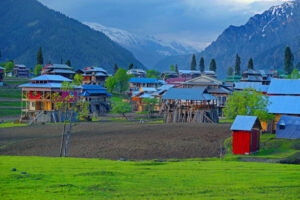
Beautiful view of Wooden houses in Arang Kel Neelum Valley

Neelum Valley is a hidden gem in Azad Kashmir famed for its spectacular scenery, vibrant local culture, and the soothing flow of the Neelum River. Frequently compared to paradise, the valley offers endless opportunities for nature walks, photography, and river-side picnics. The best time to visit is typically from May to September, when the weather is most favorable and nature is in full bloom. Tourists are drawn not only to the pristine environment but also to the warm hospitality of local hotels that cater to a variety of tastes and budgets.

Geographical and Geopolitical Context

Located in Pakistan-administered Kashmir, Neelum Valley lies along the banks of the Neelum River. This river, which flows gently through winding valleys, defines the very essence of the region. Despite its beauty, the valley is embedded in a complex geopolitical backdrop, with ongoing cultural and political discussions about the region’s future. However, for travelers, Neelum Valley remains a safe and welcoming destination with improved infrastructure, reliable road conditions, and enhanced security measures.

Top Neelum Valley Hotels: An In-Depth Look

Below, we present a curated list of seven distinguished hotels in Neelum Valley. Each property is described with details including room types, price range (in PKR), amenities, and nearby attractions. All hotels listed offer unique experiences, from panoramic river views to comfortable accommodations for families and couples alike.

1. River View Resort, Keran

Location: Keran
Room Types and Price Range:

  • Standard Rooms: PKR 8,000 – 10,000 per night
  • Deluxe Suites: PKR 15,000+ per night

Amenities:

  • Complimentary Wi-Fi
  • Hot water facilities
  • Panoramic views of the Neelum River
  • On-site restaurant offering local cuisine
  • 24-hour reception and security

Seasonal Availability:

  • Open year-round; peak season in summer (May–September)

Nearby Attractions:

  • Neelum River rafting
  • Local handicraft markets in Keran
  • Hiking trails along rolling hills

Guest Experience:
Tourists have praised the “breathtaking river view” and the “friendly local service” offered at River View Resort. One family review on Google mentioned, “Our stay at River View was unforgettable; the view of the Neelum River made every sunrise magical.”

2. Sharda Palace Hotel, Sharda

Location: Sharda
Room Types and Price Range:

  • Executive Rooms: PKR 7,000 – 9,000 per night
  • Family Rooms: Up to PKR 13,000 per night

Amenities:

  • Free Wi-Fi
  • Air-conditioned rooms with modern furnishings
  • In-room hot water and bathroom amenities
  • Scenic terrace overlooking the Neelum Valley
  • Conference facilities for business travelers

Seasonal Availability:

  • Mostly operational from May to October; some facilities available in winter

Nearby Attractions:

  • Sharda University historical campus
  • Ancient temples and local shrines
  • Art and cultural festivals in Sharda

Guest Experience:
Hotel manager Shabana Malik stated in a recent Facebook video, “We strive to offer a blend of modern hospitality and traditional Kashmiri warmth.” Visitors have complimented the “clean and comfortable rooms” that capture the essence of Neelum Valley.

3. Kel Riverside Inn, Kel

Location: Kel
Room Types and Price Range:

  • Single and Double Rooms: PKR 6,500 – 8,500 per night
  • Superior Rooms with River View: PKR 10,000+ per night

Amenities:

  • Complimentary Wi-Fi
  • Hot water and essential toiletries
  • Stunning views of the Neelum River from the balcony
  • Breakfast included with locally-sourced ingredients
  • Parking and guided tours

Seasonal Availability:

  • Best to visit during summer and early autumn

Nearby Attractions:

  • River-side picnics along the Neelum River
  • Jeep safaris through rugged mountain trails
  • Local bazaars for authentic Kashmiri crafts

Guest Experience:
One tourist’s review on Google Maps noted, “Kel Riverside Inn offers some of the best value in Neelum Valley Hotels – with a spectacular view and a friendly staff that make you feel at home.”

4. Taobat Lodge, Taobat

Location: Taobat
Room Types and Price Range:

  • Standard Lodges: PKR 5,000 – 7,000 per night
  • Private Cottages: PKR 12,000+ per night

Amenities:

  • Basic amenities with a cozy atmosphere
  • Free Wi-Fi in common areas
  • Hot water, clean surroundings, and rustic decor
  • An intimate setting perfect for a peaceful retreat
  • Restaurant offering traditional Kashmiri dishes

Seasonal Availability:

  • Operating primarily in the summer months; some services suspended during heavy snowfall

Nearby Attractions:

  • Nature walks along the Neelum River
  • Bird-watching and photography opportunities
  • Local cultural performances and poetry sessions

Guest Experience:
A recent visitor shared on Facebook, “Taobat Lodge is perfect for couples looking for a quiet getaway away from the hustle and bustle. The authenticity of the place and the scenic beauty of the Neelum Valley in Azad Kashmir is unmatched.”

5. Kutton Guest House, Kutton

Location: Kutton
Room Types and Price Range:

  • Budget Rooms: PKR 4,000 – 6,000 per night
  • Family Suites: PKR 8,000 – 10,000 per night

Amenities:

  • Basic Wi-Fi connectivity
  • Consistent hot water supply
  • Clean and simple accommodations with Neelum River views
  • Local cuisine served on-site
  • Security and in-room dining option

Seasonal Availability:

  • Open year-round with increased demand in the summer

Nearby Attractions:

  • Boat rides on the Neelum River
  • Local markets with traditional Kashmiri items
  • Scenic vistas and hiking loops

Guest Experience:
Local residents have praised Kutton Guest House for its “affordable pricing” and “excellent local service,” making it an ideal choice for budget-conscious travelers.

6. Neelum Valley Vista, Central Neelum

Location: Central Neelum (near multiple attractions)
Room Types and Price Range:

  • Standard Rooms: PKR 7,500 per night
  • Deluxe Double Rooms: PKR 12,000 per night
  • Family Rooms: PKR 16,000+ per night

Amenities:

  • High-speed Wi-Fi throughout the hotel
  • Private bathrooms with hot water
  • Panoramic views of the Neelum Valley and the Neelum River
  • On-site restaurant offering multi-cuisine options
  • Conference and event facilities for group bookings

Seasonal Availability:

  • Fully operational throughout the year with special winter packages

Nearby Attractions:

  • Proximity to playgrounds and picnic spots along the Neelum River
  • Hiking trails to nearby villages
  • Cultural tours highlighting the essence of Neelum Valley Kashmir

Guest Experience:
A family traveling from Islamabad noted on a travel forum, “Neelum Valley Vista is ideal for families. The staff is attentive and the natural beauty visible from every room is truly spectacular.”

7. Himalayan Bliss Hotel, Neelum Valley Azad Kashmir

Location: Neelum Valley Area (Strategically located for nature lovers)
Room Types and Price Range:

  • Standard and Superior Rooms: PKR 9,000 – 11,000 per night
  • Luxury Suites: PKR 18,000+ per night

Amenities:

  • Complimentary high-speed Wi-Fi
  • 24-hour room service
  • Fully air-conditioned rooms with modern amenities
  • Expansive windows with uninterrupted views of the Neelum River
  • Health and wellness facilities including an in-house spa
  • On-site dining with both local and international cuisines

Seasonal Availability:

  • Special summer and winter packages available; peak demand during May–September

Nearby Attractions:

  • Adventure activities by the Neelum River
  • Local historical sites and nature reserves
  • Guided hiking and trekking expeditions

Guest Experience:
Hotel manager, Mr. Kamran, shared on Facebook, “At Himalayan Bliss, we aim to blend luxury with the raw beauty of the Neelum Valley. Our guests leave with memories that last a lifetime.” Tourists confirm that the “luxurious ambiance and breathtaking river views” make it an unforgettable experience.

Travel Tips for Visiting Neelum Valley

Neelum Valley remains one of the most enchanting destinations in Pakistan-administered Kashmir. Here are some travel tips to ensure a smooth journey:

Getting There

  • From Islamabad or Muzaffarabad:
    • By Road: The journey to Neelum Valley can be an adventurous road trip. Expect winding roads, changing weather, and beautiful views. Rental cars and local jeep services are available.
    • By Bus: Several bus services operate from Islamabad to towns in Neelum Valley. Always check the latest schedules.
  • Mobile Signal and Connectivity:
    • Mobile signals in most parts of Neelum Valley are decent, though areas like Taobat may experience weak connectivity. It is recommended to download offline maps and keep a local SIM.
  • Road Conditions:
    • Road conditions vary with the season. During the summer, most roads are well-maintained, but monsoon rains can cause occasional disruptions. Winter might see road blockages due to snowfall.
  • Security:
    • While tourist areas in Neelum Valley are generally safe, always stay updated with local news and heed travel advisories from your local authorities.

What to Know Before You Go

  • Seasonal Rush:
    • The valley is busiest between May and September. Early bookings are recommended for popular hotels.
  • Local Culture:
    • Respect local traditions and customs. English is widely understood, but a few Urdu phrases can be appreciated by the locals.
  • Currency and Payments:
    • Prices in hotels are quoted in PKR. Carry cash as digital payments may not be widely accepted in remote areas.
  • Packing Essentials:
    • Weather in Neelum Valley can be unpredictable. Pack light jackets, comfortable walking shoes, and personal medication.
  • Dining:
    • Enjoy local cuisine featuring Kashmiri dishes. Many hotels offer both local and international cuisine, but trying street food can be an authentic experience.
  • Sustainability:
    • Respect the natural beauty of the valley by minimizing waste and following eco-friendly practices during your visit.

A Glimpse of the Local Voices

In our conversations with guests and local hotel managers, several comments resonated:

“Staying at the River View Resort in Keran was a dream. The view of the Neelum River, combined with delicious local food, made my trip unforgettable.” – A satisfied family traveler from Lahore.

“As a hotel manager at Himalayan Bliss Hotel, I ensure that every guest experiences not just luxury but a real connection with the enchanting environment of Neelum Valley Kashmir.” – Mr. Kamran, Hotel Manager.

These first-hand testimonials add a human touch and reinforce Neelum Valley’s reputation as not only a natural wonder but also a hospitable destination.

Why Neelum Valley is a Must-Visit Destination

Neelum Valley, with its spectacular landscapes and exceptional hospitality, is perfect for travelers of all kinds:

  • For Families: Comfortable accommodations with spacious rooms, safe environments, and plenty of attractions for all ages.
  • For Couples: Romantic river views, intimate lodges, and opportunities for quiet walks along the Neelum River.
  • For Budget Travelers: Affordable guest houses such as Kutton Guest House offer quality stays without breaking the bank.
  • For Adventure Seekers: Trekking, river rafting, and guided hikes make the valley a hotspot for experiential travel.

With its growing number of high-quality hotels and diverse offerings, Neelum Valley Azad Kashmir is fast emerging as one of the most desirable travel destinations in the region.

Final Thoughts

From the charming River View Resort in Keran to the luxurious Himalayan Bliss Hotel in Neelum Valley, the journey to finding the perfect Neelum Valley hotel is as delightful as the destination itself. Each hotel offers a unique glimpse into the life and culture of Pakistan-administered Kashmir, ensuring that every visitor leaves with unforgettable memories.

For travelers planning their next getaway, keep in mind these essential tips:

  • Book early, especially during the summer peak from May to September.
  • Plan your transport from Islamabad or Muzaffarabad in advance to avoid any road mishaps.
  • Embrace local customs and cuisines, which add to the charm of your stay in Neelum Valley Kashmir.
  • Check for seasonal packages and local reviews on platforms like Google Maps, hotel websites, and Facebook pages.

Neelum Valley Hotels are not just places to rest; they are gateways to experiencing the majestic natural beauty of the Neelum River and the serene landscapes of Azad Jammu and Kashmir. Whether it is the luxury of panoramic views, the comfort of family-friendly amenities, or the warmth of local hospitality, these hotels promise a memorable stay for every traveler.

In summary, the enchanting landscapes, varied accommodations, and rich cultural heritage make Neelum Valley a top destination for international tourists. Embrace the journey, enjoy the calm of the Neelum River, and let the hospitality in Neelum Valley Azad Kashmir enrich your travel experience.

Metadata Suggestions:
Title: “”
Description: “”
Keywords: “”

As tourism in Neelum Valley continues to flourish amidst seasonal rush and natural beauty, the region remains a beacon of hope and tranquility in Pakistan-administered Kashmir. With exceptional Neelum Valley Hotels offering the perfect blend of comfort, tradition, and adventure, planning your next holiday has never been easier. Book your stay, explore the scenic wonders, and experience the unmatched hospitality that only Neelum Valley can offer.

Enjoy your trip and let the magic of the Neelum River and the warm embrace of local culture make your Neelum Valley journey truly spectacular.

Pakistani Pilot Films Iranian Missiles in Mid-Flight During Israel Strike

RIYADH/JEDDAH – A Pakistan International Airlines (PIA) pilot captured rare footage of Iranian ballistic missiles mid-flight while operating a scheduled passenger service from Jeddah to Pakistan on Saturday night, aviation sources have confirmed.

The unprecedented aerial recording shows multiple projectiles traversing Saudi airspace en route to Israel during Tehran’s retaliatory strikes.

Key Details

In-Flight Sighting: PIA Airbus A320 crew observed missiles near Dammam at cruising altitude (~35,000 ft)
Cockpit Recording: 22-second video shows at least 3 missile contrails heading northwest.

Developing story

Khalistan Supporters Protest Indian PM Modi’s Visit to G7 Summit in Calgary

CALGARY, Alberta — June 17, 2025 — As Indian Prime Minister Narendra Modi attends the G7 Summit hosted in the scenic mountain resort of Kananaskis, Alberta, Khalistani activists and human rights advocates took to the streets of Calgary once again on Tuesday to protest his presence. Organized by the advocacy group Sikhs for Justice (SFJ), the demonstrations aim to denounce Modi’s alleged human rights abuses and to press for the creation of an independent Sikh state of Khalistan.

This marks the second consecutive day of mass protests in Calgary led by Khalistan supporters, following Modi’s arrival in Canada on Monday. Protesters gathered in downtown Calgary, carrying powerful placards depicting the Indian prime minister in a prison jumpsuit and behind bars — symbolizing what they call “Modi’s crimes against humanity and against the Sikh community.”

Calls for Khalistan Grow Louder on Global Stage

The Khalistan movement, which seeks to establish a sovereign Sikh nation in India’s Punjab region, has gained renewed momentum in recent years—especially among the Sikh diaspora in Canada, the United Kingdom, and the United States. Monday and Tuesday’s protests were organized to coincide with Modi’s high-profile visit to Canada during the G7 leaders’ summit, making the event a focal point for Khalistani political expression.

Bakshish Singh Sandhu, co-founder of Sikhs for Justice, said the group is “grateful to Prime Minister Mark Carney for bringing Modi to Canadian soil, so he can be publicly exposed and held accountable before the international community.”

“We are not just protesting for the idea of Khalistan; we are protesting to hold Modi responsible for crimes against Sikhs in India,” Sandhu said. “Our demand is clear: recognition of the Sikh right to self-determination, and justice for atrocities committed over the years — from 1984 to today.”

Tensions Between Canada and India Deepen

The presence of Prime Minister Modi at the G7 summit has sparked criticism not only from activists but also within Canada’s political landscape. Several members of the federal NDP and even voices from within Prime Minister Mark Carney’s own party have questioned the decision to invite Modi, citing past allegations of Indian government interference in Canadian affairs.

Read Also: Calgary G7 Protest: Massive Peaceful Rally by Kashmiri Diaspora Demands UN‑Promised Self‑Determination

In late 2023, former Prime Minister Justin Trudeau publicly accused Indian government agents of orchestrating the assassination of Hardeep Singh Nijjar, a Canadian citizen and prominent Khalistan separatist, in Surrey, British Columbia. The incident led to a diplomatic standoff and growing concern about foreign interference in Canada.

The Royal Canadian Mounted Police (RCMP) also alleged links between the Indian state and acts of murder, coercion, and extortion targeting Sikh activists within Canada. These events have severely strained Indo-Canadian relations and emboldened the Khalistani movement abroad.

Global Attention on Modi’s Human Rights Record

As leaders from the United States, France, the United Kingdom, Germany, Japan, Italy, and the European Union gather at the summit, protests in Calgary have drawn international attention to India’s domestic policies and its treatment of minorities, particularly Sikhs, Muslims, and Kashmiris.

Demonstrators accuse Modi’s government of fueling religious intolerance and suppressing dissent through state-controlled institutions and security forces. “The Indian state under Modi has become increasingly authoritarian,” said one protester waving a Khalistan flag. “He does not belong at a summit for democratic leaders.”

Posters and banners at the rally bore messages such as:

  • “Justice for Hardeep Singh Nijjar”

  • “No Peace Without Khalistan”

  • “India: Stop the Genocide”

  • “Modi = Mass Murderer”

Several advocacy groups, including Sikh youth organizations and human rights NGOs, were also present in solidarity with the Khalistani cause.

Multinational Demonstration Efforts

The protests in Calgary are part of a broader wave of demonstrations during the G7 summit. Alongside the Khalistan protests, other groups raised concerns about the war in Gaza, the invasion of Ukraine, environmental degradation, and Indigenous rights.

Ukrainian President Volodymyr Zelenskyy also attended the summit, where he spoke to Western leaders about continuing support in his country’s ongoing war against Russia. Meanwhile, activists from various causes have taken to the streets of Calgary and Banff, calling on world leaders to uphold human rights and democratic values.

Despite tight security around the summit, Calgary officials have affirmed their support for peaceful protest, stating that no major disruptions or arrests were reported during the Khalistan demonstration.

Sikh Diaspora Remains Politically Mobilized

Canada is home to one of the largest Sikh populations outside India, particularly in provinces like British Columbia and Alberta. The diaspora has been deeply involved in pushing for Khalistan, viewing Canada as a safe space for raising their voice where it might be suppressed in India.

Khalistani leaders accuse the Indian government of systematically targeting Sikh activists through surveillance, harassment, and, in some cases, assassination. These concerns were heightened after the Nijjar killing, which many see as a turning point in the movement’s international visibility.

The Khalistan Referendum, organized by Sikhs for Justice in cities across North America and Europe, has also kept the idea of a Sikh homeland alive in public discourse. Although not recognized by any state, these symbolic referendums aim to demonstrate mass support for independence.

Conclusion: Khalistan Movement Gains Renewed Urgency

The presence of Indian Prime Minister Narendra Modi at the G7 Summit in Canada has reignited international debate over India’s human rights record and the legitimacy of the Khalistan movement. While Modi seeks to bolster his global image as a statesman, thousands of Khalistani supporters are determined to hold him accountable on the world stage.

The peaceful protests in Calgary serve as a powerful reminder that calls for Khalistan and Sikh self-determination are not going away. Instead, they are gaining momentum — from grassroots mobilization to international headlines.

As one protester put it succinctly:
“Modi may ignore us, but the world is beginning to listen.”

Iranian Missiles Hit Strategic Israeli Intelligence Facilities Amid Escalating Tensions

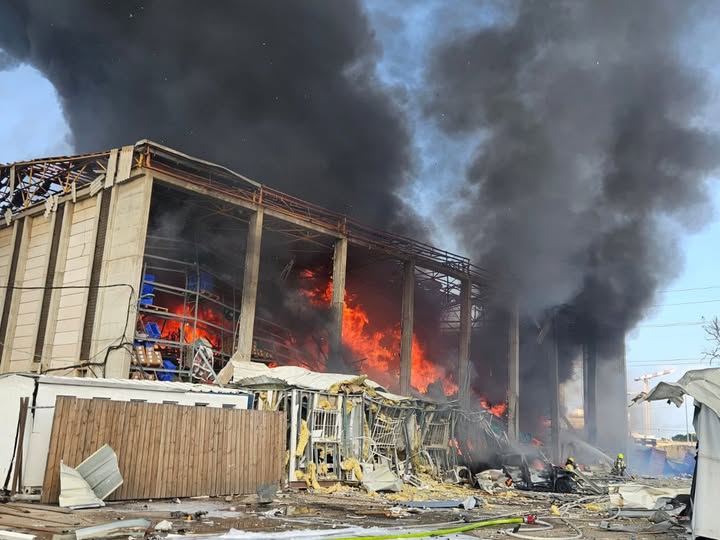
Tel Aviv, June 2025 — In a significant escalation, Iranian missile strikes have reportedly hit multiple strategic locations across the occupied Palestinian territories, including key Israeli military intelligence centers. Among the targets was the Aman logistics center—part of the Israeli military’s intelligence infrastructure located in Glilot—which remains ablaze, according to circulating video footage.

Direct Hit on Israeli Intelligence Installations


The Iranian missile barrage, which comes amid heightened regional tensions, appears to have targeted highly sensitive Israeli security sites. Footage aired briefly on Hebrew-language media—before being taken down—shows fires engulfing what has now been confirmed as the Aman logistics hub. The facility is considered a backbone of the Israeli Defense Forces (IDF) intelligence operations.

Initial statements from the Israeli military attempted to downplay the attack, suggesting the missiles only caused damage to a nearby bus parking area. However, emerging reports strongly dispute that claim.

Mossad Headquarters and Unit 8200 Also Targeted

In addition to the Glilot strike, missiles reportedly reached Herzliya, home to the headquarters of Mossad—Israel’s foreign intelligence agency. While official confirmation remains limited, sources close to the matter indicate that the Mossad facility sustained significant structural damage.

Read Also: Israeli Largest Oil Refinery Crippled in Iranian Strike; Three Dead in Haifa Attack

Even more concerning for Israeli intelligence operations are reports suggesting the destruction of backup installations associated with Unit 8200, Israel’s elite cyber intelligence and surveillance unit. Known for its role in electronic warfare, cyber intelligence, and high-level intercepts, Unit 8200 is considered a critical pillar of Israel’s national security architecture.

Media Censorship and Information Control

Visual evidence and reports briefly published in Hebrew media, showing flames and destruction at the Glilot base, were rapidly scrubbed from public platforms. Analysts suggest this is part of a broader media blackout imposed by Israeli authorities to maintain public calm and prevent revealing vulnerabilities in the country’s intelligence infrastructure.

Strategic Implications of the Attack

Military experts view the attack as a game-changing moment in the shadow conflict between Iran and Israel. Unlike previous proxy engagements and indirect strikes, this appears to be a direct and high-precision strike targeting the heart of Israel’s security command.

“This is not just a missile hitting a random facility. These are calculated strikes on the nerve centers of Israeli intelligence,” said a senior Middle East analyst. “If the reports about Unit 8200 facilities are accurate, this could temporarily paralyze portions of Israel’s cyber and signals intelligence capabilities.”

Rising Tensions and International Fallout

The missile attack follows a series of escalatory events in the region, including Israeli airstrikes in Syria and ongoing operations in Gaza. Analysts believe Iran’s decision to directly hit Israeli military targets marks a shift in strategy—from covert, deniable actions to overt military confrontation.

While Israel has not yet issued an official response, international observers warn of potential retaliation that could trigger broader conflict across the region. Security alerts have already been raised in neighboring countries, and diplomatic channels are reportedly active behind the scenes.

As smoke still rises from damaged intelligence compounds, the full extent of the Iranian missile strikes remains unclear. However, one thing is certain: Israel’s most sensitive security institutions have come under direct fire, and the geopolitical ramifications could be far-reaching.

Calgary G7 Protest: Massive Peaceful Rally by Kashmiri Diaspora Demands UN‑Promised Self‑Determination

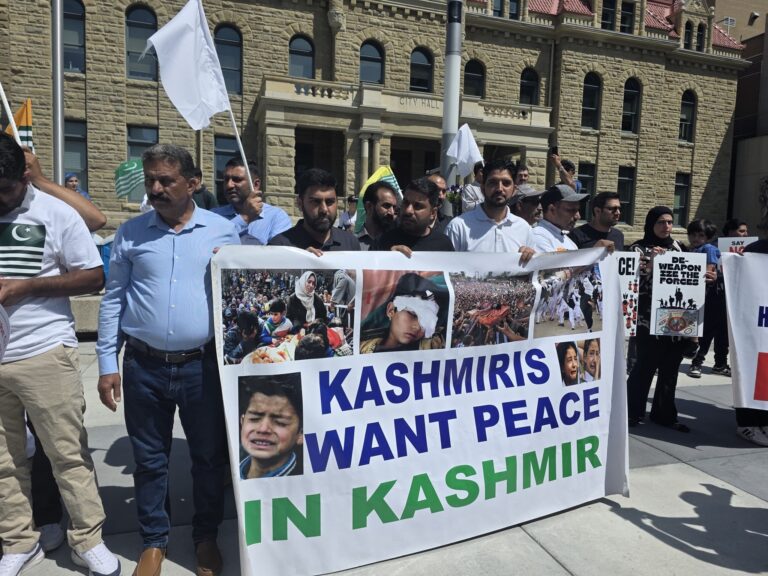
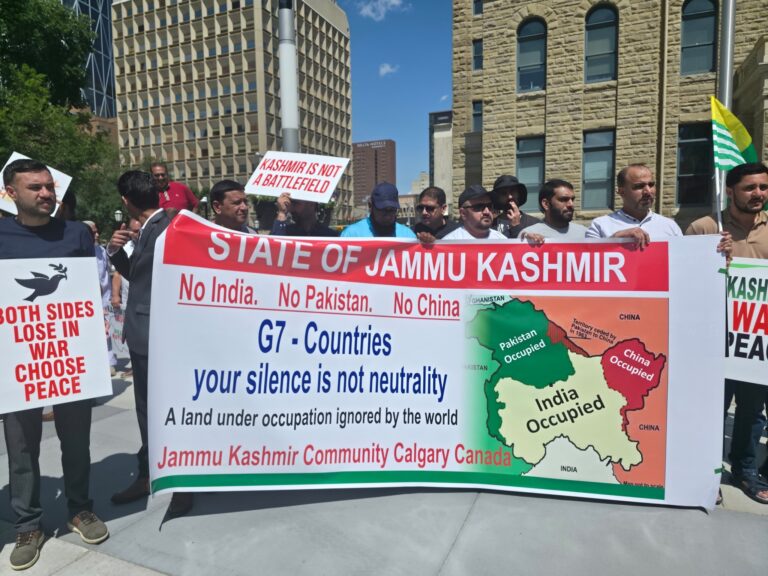
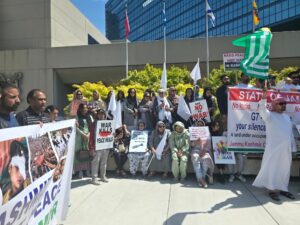
Calgary, Alberta: As the Group of Seven (G7) Summit kicked off in nearby Kananaskis, Alberta, hundreds of Kashmiris from across Canada gathered at Calgary’s City Hall to stage a peaceful and powerful demonstration. Organized by the Jammu and Kashmir Calgary Community in collaboration with UKPNP, NAP, and JKNAP‑Canada, the rally called on world leaders to fulfill the United Nations’ long-standing promise of a plebiscite in Jammu and Kashmir, a right denied to millions for over 75 years.

The protest was intentionally held during the G7 Summit to maximize global visibility. Protesters assembled outside Calgary’s Municipal Plaza and City Hall, turning it into a symbolic stage for their demands. They carried banners and placards that read “Freedom, Dignity, Self‑Determination”, urging G7 nations to raise the Kashmir issue on the world stage.

Recomended: Timeline of the Kashmir Conflict

Organizers referred to it as the largest peaceful Kashmir protest ever held in downtown Calgary, with the aim to reignite international discourse around the Kashmir dispute. This peaceful protest served as a strategic reminder to world powers that Kashmiris have not forgotten their promised right.

Prominent Diaspora Leaders Speak Out

The rally featured speeches by several influential voices from the Kashmiri diaspora, including:

  • Muhammad Riaz, President of UKPNP Canada

  • Sardar Majid Ashfaq, President of NAP Canada

  • Sardar Tahir Aziz, General Secretary of UKPNP North America

  • Majid Ishfaq, President of JKNAP‑Canada and principal organizer

These leaders delivered impassioned appeals steeped in historical facts and human rights arguments.

A Call for Human Dignity

“For generations, the people of Jammu and Kashmir have lived not under governance, but under military rule. This is not a political conflict—it’s a denial of dignity. As G7 leaders gather here, we urge them to recognize our story for what it is: a human rights crisis screaming for urgent, just resolution.”

 Silence is Complicity

“Silence is not neutrality—silence is complicity. We are not enemies of peace, we are proponents of justice. Kashmir must have its voice heard. A UN-led plebiscite is not just a political necessity—it’s a moral one.”

A Demand for Fairness

“We do not demand war—we demand fairness. Let our people decide their destiny. Withdraw military forces and send international observers. Let the truth speak.”

The Resolution

During the protest, Majid Ishfaq read out and passed a formal resolution, which was later dispatched to G7 embassies and international media. The resolution outlined five key demands:

  1. Official recognition of Jammu and Kashmir as a global issue, not just a bilateral dispute.

  2. Demilitarization of both sides of the Line of Control (LoC).

  3. A UN-led plebiscite to grant the Kashmiri people their promised right to choose.

  4. Deployment of international human rights monitors in the region.

  5. Formation of a UN fact-finding mission to assess and document violations in both regions of Kashmir.

This resolution was seen as a clear and actionable roadmap for G7 leaders to address Kashmir through a rights-based, international law framework.

Why Calgary Was Chosen as Ground Zero

Though the G7 Summit was taking place in Kananaskis, protesters chose Calgary for several reasons:

  • Proximity and Visibility: Calgary is the closest major city to the G7 venue.

  • Legal Protection: Designated protest zones in Calgary ensured safe and lawful demonstration.

  • Diversity and Democracy: Calgary’s multicultural and democratic values amplified the protest’s message of peaceful resistance.

By staging the protest in Calgary, organizers ensured that the voices of the voiceless echoed in front of international observers and Canadian citizens alike.

Multigenerational, Peaceful, and Inclusive Protest

Families came together, with children chanting “Free Kashmir!” and elders sharing memories of the 1947 partition and its aftermath. The mood was solemn but hopeful.

The demonstration wasn’t just a political event—it was a community expression of unity and resilience. Families came together, with children chanting “Free Kashmir!” and elders sharing memories of the 1947 partition and its aftermath. The mood was solemn but hopeful.

Support poured in from other marginalized communities, including Pakistani, Sikh, and Palestinian groups, highlighting broader solidarity around issues of occupation, displacement, and human rights violations.

Organizers were clear in their stance:

“This isn’t about hatred. This is about hope. It’s not about politics—it’s about pain and the pursuit of dignity.”

Two Key Themes: Self-Determination and Human Rights

The protest revolved around two interconnected principles:

1. The Right to Self-Determination

Referencing UN Security Council Resolutions 47 and 91, protesters demanded that Kashmiris finally be allowed to vote on their future. Despite multiple reaffirmations by the international community, the plebiscite has yet to be held.

2. Human Rights Crisis Under Military Occupation

Protesters cited well-documented cases of extrajudicial killings, enforced disappearances, and media blackouts. They urged G7 nations to acknowledge these abuses and act under international humanitarian law.

Concrete Demands to G7 Leaders

The protesters called on the G7 nations—Canada, France, Germany, Italy, Japan, the UK, and the US—to take specific steps:

  • Acknowledge Kashmir as a global human rights concern.

  • Include Kashmir in G7 dialogues and foreign policy debates.

  • Press India and Pakistan to demilitarize the region.

  • Support a UN-supervised referendum to determine the region’s political status.

  • Back a fact-based international commission to investigate human rights violations in Kashmir.

These demands were outlined in official letters delivered to G7 embassies in Canada.

Reaction from Canadian Authorities and Media

Canadian officials permitted the peaceful demonstration, reaffirming Canada’s commitment to free speech and protest rights. Local police and city authorities reported no incidents or disruptions.

Canadian media, including CTV Calgary, covered the rally, giving national exposure to an issue often overshadowed by other global crises. Social media hashtags such as #KashmirProtestCalgary, #FreeKashmir, #KashmirBanyGaKhubMukhtar, #G7Summit2025, and #JusticeForKashmir trended across platforms.

Stories That Humanize the Struggle

Beyond speeches and slogans, the real power lay in personal testimonies:

“I come from a family whose elders lived through 1947. My grandmother still remembers the fear, the division, the loss. This isn’t history—we live the consequences,” said a young woman wrapped in a Kashmiri shawl.

An elderly man added,

“They call it peace—but peace under occupation is still occupation. We stand here so no other family endures what we have.”

These voices put a human face on a decades-old geopolitical issue and emphasized the emotional and psychological cost of statelessness.

Conclusion: A Defining Moment in Diaspora Advocacy

The June 15 protest in Calgary was more than symbolic—it was strategic, emotional, and urgent. As the world’s most powerful democracies convened for the G7 Summit, the Kashmiri diaspora stood united, not in anger, but in a collective plea for justice, dignity, and the right to decide their own future.

“Our humanity is non-negotiable. Our right to choose our future is our birthright. The world must no longer turn away.”

For the people of Jammu and Kashmir—and their supporters across the world—this protest was a reminder that silence is complicity and that justice delayed is still justice denied.

Israel Strikes IRIB Live Broadcast: Anchor Sahar Emami Flees, Then Returns

Tehran, Iran: An Israeli airstrike targeted the Islamic Republic of Iran Broadcasting (IRIB) headquarters in Tehran during a live broadcast on June 16, 2025. The strike, reportedly involving four bombs, struck the studio moments after a televised warning from Israel to evacuate central Tehran—including areas housing government buildings and the broadcaster—due to forthcoming strikes.

Anchor’s Harrowing On-Air Experience

In dramatic footage captured by the network, anchor Sahar Emami was visibly presenting the news before the building was rocked by a powerful explosion that shook the set and sent debris flying. Emami rushed off-camera seeking safety as dust poured across the studio. Ironically, she returned just minutes later, resuming live coverage from an alternative studio while acknowledging the challenging circumstances.

Casualties and Official Responses

State media later reported at least three IRIB staff—including journalist Masoumeh Azimi—were killed, with additional injuries sustained among the crew. Israeli Defense Minister Israel Katz justified the strike by labelling IRIB as a propaganda arm and claiming it provided cover for military operations. Iran, in turn, condemned the action as a “war crime” and declared that the United Nations must intervene.

A Broader Conflict

The attack marked the fourth day of intense military exchange; since Friday, Iran has launched over 100 missiles in retaliation, causing more than 224 deaths on its soil, while Israel reportedly suffered 24 casualties . The IRIB headquarters sustained extensive damage, reportedly ablaze after the bombs hit.

Social Media Reaction

Viewers and social platforms have applauded Sahar Emami for her composure. Iranian social media praise highlighted her ability to regain control and continue delivering the news despite the chaos. In English-language outlets, Emami was commended for returning to the air, embodying resilience in crisis.

What It Signifies

  • Targeting state media as strategic warfare: Israel categorizes IRIB as a significant tool of propaganda and a tactical communications node, inferring broader military intent behind the strike.

  • Risk to journalists flagged internationally: Organizations like the Committee to Protect Journalists have highlighted this incident as illustrative of warzone dangers, with targeted media facilities raising serious humanitarian law concerns.

  • Psychological warfare: Striking a broadcaster mid-transmission sends a powerful signal—impacting both public morale and the credibility of state-run outlets.

Israeli Largest Oil Refinery Crippled in Iranian Strike; Three Dead in Haifa Attack

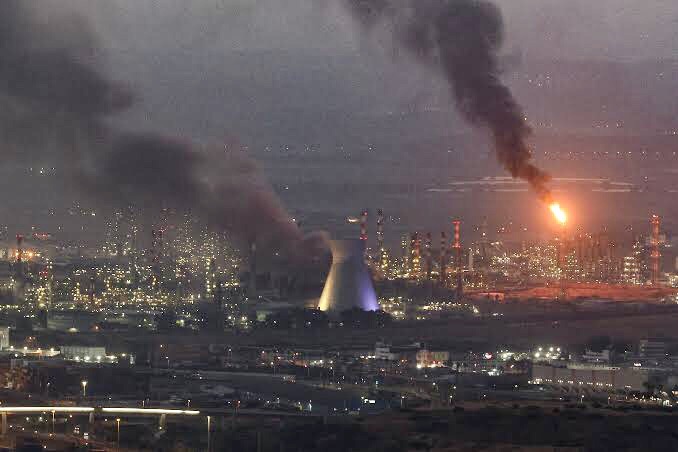
Israel’s largest oil refinery has been forced to suspend all operations after sustaining direct hits from Iranian missiles overnight, in what analysts describe as a strategic escalation targeting the country’s energy security.

The Bazan Group, which operates the critical Haifa facility, confirmed to The Independent that a power station supplying steam and electricity to the complex was “severely damaged,” prompting an immediate shutdown. Three refinery workers were killed in the attack, marking the first confirmed civilian casualties from Iranian strikes on Israeli soil.

Strategic Implications

The Haifa complex represents:

  • 40% of Israel’s domestic fuel production
  • 90% of its fuel import capacity
  • 2.3 million barrels of strategic oil reserves

“This is a calibrated strike on Israel’s economic lifeline,” said Dr. Leila Nouri, Middle East energy security expert at Chatham House. “By hitting refining capacity, Iran aims to compound wartime pressure on civilian life.”

Attack Aftermath

Eyewitnesses reported:
Secondary fires burning for hours after impact
Emergency fuel rationing measures being prepared
Global benchmark Brent crude rising 3.5%

Regional Fallout

Neighboring states have reacted with alarm:

  • Jordan: Activated emergency petroleum reserves
  • Egypt: Suez Canal Authority on high alert
  • Lebanon: Closed airspace preemptively

Iran’s Calculated Escalation

The strike appears designed to:

  1. Test Israeli air defense gaps
  2. Disrupt wartime fuel logistics
  3. Demonstrate capacity for precision economic targeting

This is a developing story.