Monday, March 30, 2026
12.9 C
Srinagar
Home Blog Page 64

Eid in Kashmir: Jamia Masjid Remains Locked for 7th Consecutive Year Amid Celebrations Across Valley

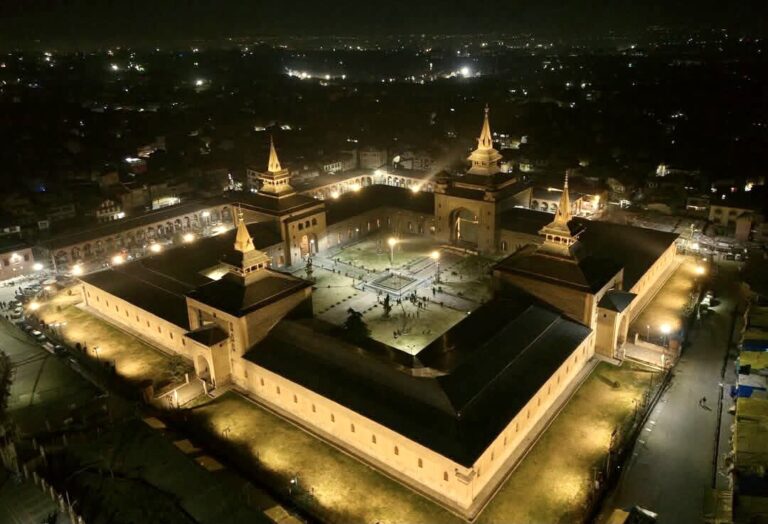
SRINAGAR, Indian administered Kashmir — While thousands of Muslims across Jammu and Kashmir marked Eid-ul-Adha with religious fervour and traditional devotion, the spiritual heart of Srinagar — the historic Jamia Masjid — remained shuttered for the seventh consecutive year, highlighting ongoing tensions in the region despite official claims of normalcy.

From the early hours of Sunday morning, worshippers gathered in large numbers at mosques, shrines, and open grounds (Eidgahs) throughout the Kashmir Valley and Jammu region to offer the special congregational Eid prayers. The largest gathering took place at the revered Hazratbal shrine, nestled on the banks of Dal Lake in Srinagar, where thousands of worshippers, including prominent religious and political leaders, participated in the early morning prayers.

However, the absence of Eid prayers at Jamia Masjid Srinagar cast a shadow over the day’s festivities. Security forces sealed off the area surrounding the 14th-century mosque in Nowhatta, and authorities placed Mirwaiz Umar Farooq, the region’s chief cleric and Mirwaiz of Kashmir, under house detention, barring him from delivering his traditional Eid sermon.

A Tradition Interrupted

Eid Mubarak! Yet again, Kashmir wakes up to the sad reality: no Eid prayers at Eidgah, and Jamia Masjid locked down — for the 7th straight year. I too have been detained at my home,” Mirwaiz said in a message posted on X (formerly Twitter). He lamented the continued denial of the fundamental right to pray at one of Kashmir’s most iconic mosques, calling it “a shame on those who rule over us and those elected who remain silent.”

The Jammu and Kashmir Police and the Union Territory’s Home Department did not issue any official statement regarding the restrictions at Jamia Masjid Srinagar or the Mirwaiz’s house arrest.

Political Fallout and Silence

The move sparked sharp criticism from political quarters. People’s Democratic Party (PDP) president and former Chief Minister Mehbooba Mufti condemned the continued closure of the mosque, stating, “J&K is the only Muslim-majority region in India, and yet it is here that a major mosque is shut down on Eid. If the government claims everything is normal in J&K, why is the Mirwaiz not allowed to offer prayers?”

Read Also: Eid-ul-Adha 2025 Namaz Timings in Jammu and Kashmir Announced by J&K Waqf Board

The Omar Abdullah-led government also faced criticism for what many view as passive complicity in the matter. “They are mere spectators,” Mufti added, pointing to the broader erosion of civil liberties in the region.

Celebrations Elsewhere Amid Tight Security

Despite the clampdown at Jamia Masjid Srinagar, Eid prayers were conducted without incident at other major religious venues across the region. Tight security arrangements were visible throughout Srinagar and other urban centers.

Lt. Governor Manoj Sinha, in his Eid message, urged for communal harmony and compassion: “Eid Mubarak! Let’s reiterate our resolve to strengthen the foundations of unity, harmony, and brotherhood.”

Following morning prayers, families across the Valley and Jammu began the traditional Qurbani (sacrifice) rituals, commemorating Prophet Ibrahim’s willingness to sacrifice his son in obedience to divine command. Goats, sheep, and even camels were sacrificed in accordance with Islamic tradition. These rituals are expected to continue over the next two days.

A Divided Eid: Faith Versus Force

While Eid in Kashmir was celebrated with deep devotion in most parts, the continued closure of the Jamia Masjid has become a symbol of the enduring political conflict and restrictions on religious freedom in the region. The mosque, often a site of both spiritual guidance and political discourse, remains under the shadow of state control.

For many in Kashmir, Eid-ul-Adha was not only a moment of spiritual reflection but also a stark reminder of the unresolved political and human rights issues that continue to plague the region.

Global Human Rights Concerns

The denial of congregational prayers at the Jamia Masjid Srinagar—despite assurances of normalcy—has raised fresh concerns among human rights observers and international advocacy groups monitoring civil liberties in Kashmir. The mosque’s continued lockdown, especially on significant religious occasions, is increasingly viewed as an infringement on basic religious freedoms guaranteed under international law.

As Kashmir’s largest and most historic mosque remains locked, the faithful continue to ask: when will spiritual freedom and political dignity return to the Valley?


How to Remove Tan from the Face: Effective Treatments and Natural Remedies

Whether it’s the result of a sunny vacation, outdoor sports, or prolonged exposure to the sun, a tan can sometimes feel like an unwanted souvenir. While a golden glow can look healthy, a tan often signifies damage from ultraviolet (UV) rays, which can have long-term effects on skin health. Many people search for ways to remove tan from the face, hoping to restore their natural complexion.

As skin health awareness grows worldwide, especially in regions with intense sunlight like South Asia, the Middle East, and Africa, consumers are increasingly seeking safe, effective, and scientifically-backed methods to manage skin discoloration, including tanning. In this article, we will explore the causes of facial tanning, followed by the most effective methods for treating tan, ranging from professional treatments to natural remedies.

What Causes Tanning on the Skin?

A tan occurs when the skin is exposed to UV radiation from the sun or artificial sources like tanning beds. The body’s natural defense mechanism against this damage involves producing more melanin—a pigment responsible for skin color—in response to UV exposure. This increased melanin production darkens the skin, resulting in a tan.

UV Radiation and Skin Damage:

  • UVA rays penetrate deeply into the skin and are primarily responsible for tanning.
  • UVB rays are associated with sunburns and can contribute to skin aging and an increased risk of skin cancer.

Read Also: The Quest for Radiant Skin: Finding the Best Hand and Feet Whitening Cream

Although a tan may appear as a temporary cosmetic issue, overexposure to UV rays can accelerate skin aging, cause hyperpigmentation, and increase the risk of skin cancer, including melanoma.

Preventing Further Tan: Sun Protection Tips

While removing an existing tan is possible, the best approach is prevention. Protecting your skin from future sun exposure is vital in reducing further tanning and minimizing long-term skin damage.

Here are key tips for preventing sun-induced tanning:

  1. Use Broad-Spectrum Sunscreen: Sunscreen is essential for blocking both UVA and UVB rays. Choose an SPF of 30 or higher and reapply every 2 hours, especially after swimming or sweating.
  2. Wear Protective Clothing: Opt for long sleeves, hats with wide brims, and sunglasses to shield your face from the sun.
  3. Seek Shade: Avoid direct sunlight between 10 a.m. and 4 p.m., when UV rays are at their peak.
  4. Use Physical Barriers: Look for clothing with built-in UV protection or use umbrellas and parasols when outdoors for long periods.
  5. Avoid Tanning Beds: These can cause significant damage to your skin, accelerating aging and increasing the risk of skin cancer.

How to Remove Tan from the Face: Best Treatments

While prevention is key, if you already have a tan, several methods can help lighten it and restore the skin to its natural tone. The following treatments range from at-home remedies to professional skin care options.

1. Chemical Exfoliation

Exfoliation removes dead skin cells and helps speed up skin turnover, effectively lightening a tan. Chemical exfoliants, such as alpha hydroxy acids (AHAs) and beta hydroxy acids (BHAs), dissolve the bonds between dead skin cells, promoting skin renewal.

Benefits of Chemical Exfoliation:

  • Helps fade tan and hyperpigmentation.
  • Brightens and evens out skin tone.
  • Improves the absorption of skincare products.

Professional Treatment: Chemical peels are available at dermatology clinics and involve stronger concentrations of AHAs or BHAs. These peels can lighten skin pigmentation, reduce tan, and treat other skin issues like acne scars.

2. Topical Lightening Agents

There are several active ingredients that have been proven to lighten skin and reduce the appearance of tan:

  • Vitamin C: Known for its brightening properties, Vitamin C can inhibit melanin production and promote skin regeneration.
  • Niacinamide: This form of Vitamin B3 is an anti-inflammatory agent that can reduce melanin production, thus helping to lighten hyperpigmentation caused by a tan.
  • Licorice Extract: A natural lightening agent, licorice extract inhibits melanin formation and reduces dark spots and tan.
  • Hydroquinone: Often used in prescription-strength products, hydroquinone can lighten dark spots and reduce tan.

Tip: Always apply these products with sunscreen, as many skin lighteners can make your skin more sensitive to UV rays, worsening the tan.

Read Also: 3 Essential Night Skincare Tips for Glowing and Ageless Skin

3. Natural Remedies for Tan Removal

Many people prefer natural, DIY methods to remove tan from the face, and while they can be effective, they often work more gradually. Some popular options include:

A. Lemon Juice and Honey

Lemon juice is a natural bleaching agent that can lighten skin, while honey hydrates and soothes the skin. Mixing lemon juice with honey creates a potent tan-removal mask.

How to Use:

  • Mix 1 tablespoon of fresh lemon juice with 1 tablespoon of honey.
  • Apply to the face and leave for 15-20 minutes.
  • Rinse off with lukewarm water.

Note: Lemon juice can cause skin sensitivity, so use with caution and always apply sunscreen after use.

B. Aloe Vera Gel

Aloe vera is not only soothing but also helps reduce skin pigmentation. It accelerates the healing of skin cells and has a mild bleaching effect.

How to Use:

  • Apply fresh aloe vera gel to the skin before bedtime.
  • Leave it on overnight and wash off the next morning.

C. Tomato Pulp

Tomato pulp contains lycopene, a powerful antioxidant that helps lighten dark spots and reduce tanning. Its natural acidity also promotes skin exfoliation.

How to Use:

  • Apply fresh tomato pulp to the face for 10-15 minutes.
  • Rinse off with lukewarm water.

D. Gram Flour (Besan) and Turmeric Scrub

This traditional remedy has been used for centuries in India and Pakistan. The combination of gram flour and turmeric is said to brighten the skin and remove tan through regular use.

How to Use:

  • Mix gram flour with a pinch of turmeric and a little water or milk to form a paste.
  • Scrub this paste on the face and leave it for 10-15 minutes before rinsing with lukewarm water.

4. Hydration and Skin Care

Keeping the skin hydrated is crucial in any skin lightening or tan removal process. Well-hydrated skin heals faster, and moisturizers can help balance the skin’s natural oils while preventing dryness caused by exfoliating treatments.

  • Drink plenty of water to maintain skin hydration.
  • Use moisturizers containing glycerinhyaluronic acid, or ceramides to keep the skin nourished.

When to Seek Professional Help

While at-home remedies and over-the-counter treatments can work, sometimes professional intervention is needed. If you have stubborn tan, uneven pigmentation, or sun spots, consulting a dermatologist is the best course of action.

  • Laser Treatments: Certain types of laser therapy, such as fractional laser or IPL (Intense Pulsed Light), can target deep pigmentation, breaking up melanin to lighten tan marks.
  • Microdermabrasion: This professional exfoliation treatment removes dead skin layers and speeds up cell turnover, reducing dark spots and tan.

Final Thoughts: A Cautious Approach to Tan Removal

Removing a tan is possible with a variety of treatments, but it’s important to approach the process carefully. While natural remedies provide gradual results, chemical treatments and professional interventions offer faster results but come with associated risks. Above all, sun protection is the most effective way to prevent future tanning and to maintain healthy, youthful skin.

Remember, while achieving an even skin tone is a common goal, it’s essential to focus on overall skin health. Whether opting for at-home remedies or professional services, always choose methods that align with your skin type, and never compromise on sunscreen.

5★ Hotels in Srinagar: Luxury, Legacy & Lake Views – Top Luxury Stays in Srinagar

Srinagar—often lauded as the “Venice of the East”—knows how to balance majestic natural beauty with deeply rooted culture. Nowhere is this more evident than in the city’s luxury hospitality landscape.

Thanks to booming tourism—visitors numbering in the hundreds of thousands annually—Srinagar is experiencing a hospitality renaissance. This article highlights the region’s finest 4 and 5-star hotels, explaining why they matter, who they cater to, and what discerning travellers should expect when searching for a 5 star hotel in Srinagar Kashmir.

Why 5-Star Hotels Are a Rising Draw

  • Tourism growth: Srinagar ranked among the world’s fastest-growing urban areas pre-2011.

  • Scenic luxury: High-end hotels line Dal Lake’s shores, combining modern amenities with Mughal garden vistas.

  • Diversifying market: From diplomats to honeymooners and remote workers, luxury travellers now seek safe, service-driven stays.

Top 5-Star Hotels in Srinagar

Srinagar’s five-star hotel scene is not just about opulence—it’s about storytelling. From former royal palaces to cutting-edge riverfront retreats, the city’s top hotels offer immersive Kashmiri experiences, panoramic Himalayan views, and a level of comfort that rivals Europe’s finest. Here’s a deeper look at some of the best 5 star hotels in Srinagar Kashmir, ideal for international travellers seeking serenity and sophistication.

The Lalit Grand Palace Srinagar

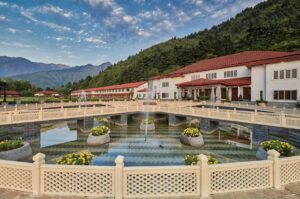
Once the summer residence of the Maharaja of Jammu and Kashmir, The Lalit Grand Palace is a crown jewel of heritage hospitality.

Read Also: Best Hotels Near Dal Lake, Srinagar: Luxury and Budget Stays for Every Traveler

  • Historic prestige: Built in 1910, the palace echoes colonial and Dogra architecture, nestled between Dal Lake and the Zabarwan Mountains.

  • Notables: Guests enjoy lake-view rooms, a heritage walk through the palace corridors, curated Mughal musical performances, a heated indoor pool, wellness spa, and fine-dining restaurant serving Kashmiri Wazwan and international cuisine.

  • Clientele: Frequented by royals, diplomats, and celebrities. One of the few hotels in Srinagar with bulletproof suites and extensive security protocols.

  • Why it shines: A rare blend of royal legacy and modern comfort, making it the top pick for cultural tourism and heritage lovers.

Vivanta Dal View by Taj

Perched high above the city on Kralsangri Hill, Vivanta Dal View offers one of the most commanding panoramic views in all of Kashmir.

  • Brand value: Operated by the Taj group, known globally for refined luxury and guest-centric service.

  • Experience: The hotel’s infinity-style outdoor areas overlook Dal Lake, offering Instagram-worthy sunrises and tranquil evenings.

  • Rooms: Elegant interiors with traditional Kashmiri walnut woodwork, radiant heating floors, and personal balconies.

  • Dining: Infinity restaurant is renowned for its view, ambiance, and multi-cuisine options, while Jade Dragon serves Indo-Chinese delicacies.

  • Who stays here: Diplomats, honeymooners, international journalists, and wellness travelers.

  • Why it shines: Luxury above the clouds, quite literally. A serene, secure, and elevated escape from the bustle below.

Radisson Collection Hotel & Spa, Riverfront Srinagar

Opened recently along the banks of the River Jhelum, the Radisson Collection redefines modern luxury in Srinagar.

  • Architectural elegance: Contemporary Kashmiri aesthetics fused with Scandinavian minimalism.

  • Key features: Outdoor pool, spa, 24/7 gym, business centre, pet-friendly policy, EV charging stations.

  • Dining: Curated all-day global cuisine, along with specialty Kashmiri offerings at their in-house restaurant.

  • Tech-savvy stay: Fastest Wi-Fi in the city, smart room automation, and modern conferencing facilities.

  • Why it shines: Perfect for business travelers, international NGOs, and premium family vacations.

Four Points by Sheraton Srinagar

While technically a four-star hotel, Sheraton’s Srinagar outpost often competes in the 5-star bracket due to consistent service, global brand reliability, and upscale amenities.

  • Prime location: Centrally located near Badami Bagh, offering quick access to Lal Chowk, Dal Lake, and Mughal gardens.

  • Amenities: Heated rooms, balcony views, business lounge, concierge, and strong food reviews.

  • Dining: The Eatery offers Indian, Kashmiri, and international dishes, earning it repeat clientele.

  • What guests say: TripAdvisor reviews highlight the warmth of staff and the attention to detail.

  • Why it shines: A solid choice for global business travellers and mid-luxury tourists who prefer international chains with local charm.

The Kabo

The Kabo is a new-age luxury boutique hotel offering 5-star amenities with intimate service.

  • Design: Sleek marble interiors, wooden ceilings, contemporary Kashmiri art.

  • Guest praise: “From lobby to room, everything spacious and clean. Staff courteous, food customized.” – TripAdvisor

  • Highlights: Rooftop cafe, spa, temperature-controlled rooms, fast service.

  • Who stays here: High-end domestic travelers, NRIs, and repeat international tourists.

  • Why it shines: Boutique luxury without the overwhelming scale of larger hotels.

The Orchard Retreat & Spa, Srinagar

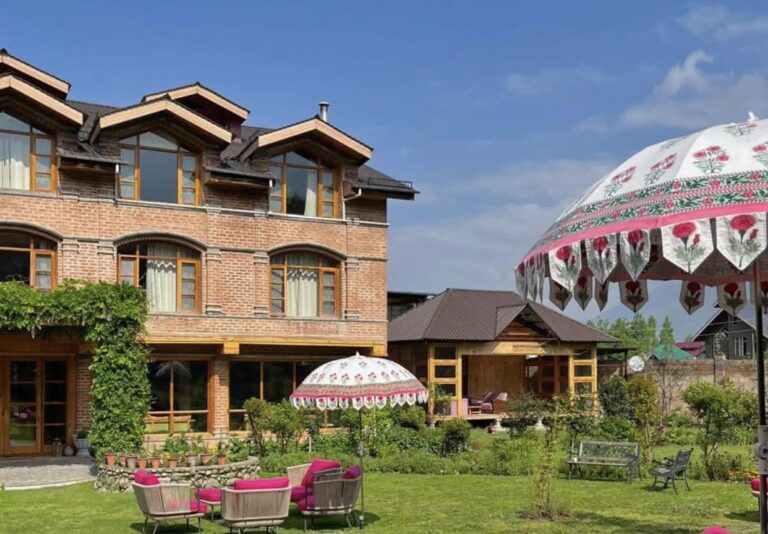
Tucked away in a private orchard near Nishat, The Orchard Retreat & Spa is one of Srinagar’s most romantic stays.

  • Eco-luxury: Built to preserve green space—lush gardens, private cottages, outdoor pool.

  • Best for: Honeymooners, destination weddings, wellness seekers.

  • Unique offerings: Ayurvedic spa, shikara rides arranged on private canal, lakeside dining setup.

  • Why it shines: Combines natural tranquility with luxury, offering an off-the-grid yet upscale experience.

Fortune Resort Heevan (by ITC Hotels)

One of the most consistent luxury hotels near Dal Lake, this property is a blend of Kashmir’s charm and Fortune’s Indian hospitality excellence.

  • Setting: Surrounded by the Zabarwan range and overlooking gardens.

  • Rooms: Elegant interiors with touches of local walnut wood, paper mâché lamps, and plush bedding.

  • Cuisine: Zabarwan restaurant offers curated Kashmiri dishes with organic ingredients.

  • Popular with: Government officials, Indian families, and foreign tour groups.

  • Why it shines: Reliable comfort, locally inspired interiors, and signature ITC service.

Nadis Hotel Srinagar

Nadis is a contemporary, design-focused property gaining popularity among eco-tourists and professionals.

  • Vibe: Peaceful, slow-travel inspired. Minimalist Kashmiri decor, focused on sustainability.

  • Rooms: Clean aesthetics with curated art, cozy beds, organic materials.

  • Best for: Writers, solo travelers, digital nomads looking for extended stays.

  • Why it shines: One of Srinagar’s most refined and sustainable boutique hotels.

Srinagar’s Top Luxury Hotels List

Hotel NameStar RatingBest For
The Lalit Grand Palace★★★★★Heritage, luxury, royal stays
Vivanta Dal View by Taj★★★★★Panoramic views, premium privacy
Radisson Collection★★★★★Business, modern amenities
Four Points by Sheraton★★★★+Global chain, business/families
The Kabo★★★★+Boutique luxury, short stays
The Orchard Retreat★★★★Honeymoons, wellness
Fortune Heevan★★★★Classic comfort, consistent service
Nadis★★★★Sustainable travel, design-conscious stays

Broad Spectrum: 4 & 5-Star Alternatives Near Dal Lake

In addition to the flagship 5★ properties, several 4★ hotels offer luxury adjacent to the lake—often at more accessible prices:

HotelStar RatingFeatures
The Kabo Luxury Boutique4★“Lobby to rooms…everything spacious and clean,” “customized meals”—TripAdvisor raves reddit.com+14tripadvisor.com+14tripadvisor.com.my+14.
Fortune Resort Heevan4★ITC-associated, spa, scenic hilltop location.
The Orchard Retreat & Spa4★Elegant design, wellness focus.
Prince of Kashmir Houseboat4★Floating stay yet modernized for comfort .
Vintage Srinagar4★Traditional wooden architecture, riverside lake views .
Hotel Dewan, Hotel Snowland, Nadis4★Premium local boutique options near Dal .
  • Seasonality: April–October is peak tourist season; early booking is essential for lakefront rooms.

  • Pricing estimates:

    • 5★: ₹15,000–₹26,000 ($180–$315)

    • 4★: ₹7,000–₹15,000 ($85–$180)

  • Value tip: Many 4★ hotels offer lake views and spa amenities at half the price of premium 5★ stays.

Elevated Guest Experiences

  • Heritage immersion: Lalit Grand Palace’s historical ambiance evokes the region’s royal narrative.

  • Shikara convenience: Several hotels provide private water access, allowing for serene lake arrivals.

  • Cultural depth: Expect events featuring wazwan, Kashmiri music, and heritage walks.

  • Service levels: International standard comfort—heating, restaurants, multilingual staff, wellness centres.

Practical Travel Tips

  • Early reservations: Secure bookings at least 6–8 weeks in advance for Dal-front rooms.

  • Peak days caution: Eid, summer breaks, and yatra seasons bring crowd surges.

  • Local connectivity: Some 5★ hotels have better Wi‑Fi; remote 4★s may offer limited connectivity.

  • Altitude awareness: While Srinagar is lower than Ladakh, check heating and hot-water reliability (some 4★ hotels face complaints).

  • Booking channels: Booking.com and platforms like Almosafer list many luxury properties; independent boutique stays may need email/phone reservation.

Beyond the Hotel Lobby

Proximity to Dal Lake transforms a hotel stay into a fuller experience:

  • Early morning shikara rides offer ethereal calm—unmatched by day visitors.

  • Mughal gardens: Walks to Shalimar, Nishat, Chashme Shahi, Pari Mahal, and Naseem Bagh provide historical and natural immersion.

  • Local cuisine: Exclusive restaurants within these hotels serve traditional dishes like rogan josh, kusha, dum aloo, and saffron kahwa.

  • Lakefront cultural walks: Dal’s ghats buzz with craft markets, boat vendors, and conversation.

Voices from Guests

From TripAdvisor:

“Lobby to rooms everything is very spacious and clean… staff is courteous and service is quick.” reddit.comtripadvisor.com

About Sheraton:

“Amazing hotel and polite staff making family trip experience awesome” reddit.com+2en.tripadvisor.com.hk+2tripadvisor.in+2

On Vivanta and Lalit:

“Good location… panorama of Dal Lake” reddit.comus.trip.com

These firsthand reflections underscore the interplay of comfort, service, and locale, reinforcing Srinagar’s allure.

Final Word

Searching for a “5 star hotel in Srinagar Kashmir”? Your options are richer than ever. The revival of the luxury hotel sector mirrors growing global interest in Kashmir’s natural and cultural wealth. But beyond comfort and views, these hotels are gateways to remembering a region defined by both beauty and complexity. For international readers and travellers, staying at top-tier hotels near Dal Lake offers a rare chance to experience Kashmir’s resilience—through grandeur, heritage, and serene hospitality.

Best Hotels Near Dal Lake, Srinagar: Luxury and Budget Stays for Every Traveler

Srinagar, Indian-administered Kashmir –  Srinagar, the summer capital of Jammu and Kashmir, is renowned for its breathtaking landscapes, serene Dal Lake, and luxurious houseboats.  Srinagar’s iconic Dal Lake stands as one of the most mesmerizing and symbolic landmarks of the Kashmir Valley. This shimmering expanse of water, adorned with floating gardens, lotus blooms, and traditional wooden houseboats, is far more than a tourist attraction—it’s a living, breathing part of Kashmiri identity and heritage.

For centuries, Dal Lake has inspired poets, filmmakers, and travelers with its dreamlike beauty. Whether it’s the early morning mist lifting over the water or the golden hues of sunset reflecting off the carved facades of the houseboats, the lake captures the heart of every visitor. The rhythmic movement of shikaras—traditional wooden boats—gliding silently across the surface adds to the tranquil ambiance that defines Srinagar’s soul.

Read Also: Best Hotels in Jammu & Kashmir (India & Pakistan): Stay Guide with Prices in INR, PKR & USD

Staying near Dal Lake isn’t just about location—it’s about immersing yourself in the rhythms of local life. Moreover, the area surrounding the lake offers easy access to some of Srinagar’s most celebrated attractions: Mughal Gardens, Hazratbal Shrine, Nehru Park, and Boulevard Road, which buzzes with cafes, handicraft shops, and warm hospitality.

1. The Lalit Grand Palace Srinagar

A Regal Stay with Heritage Charm

The Lalit Grand Palace offers a royal experience with its stunning architecture and lush gardens.

Location: Gupkar Road, overlooking Dal Lake

Once the residence of the Maharaja of Kashmir, The Lalit Grand Palace is a heritage property that exudes old-world grandeur. Its manicured gardens, vintage décor, and panoramic lake views make it a top choice for discerning travelers.

Key Features:

  • Luxury suites with traditional Kashmiri woodwork

  • Fine-dining restaurants serving Kashmiri and continental cuisine

  • Walking distance to Nehru Park and Mughal Gardens

Why Stay Here?
Perfect for those seeking a royal experience steeped in history.

2. Vivanta Dal View (Taj Hotels)

Modern Luxury with Breathtaking Vistas

Location: Kralsangri, on a hilltop near Dal Lake

Part of the Taj Group, Vivanta Dal View offers contemporary luxury with sweeping views of Dal Lake and the Zabarwan Mountains. Its elegant rooms, spa, and gourmet dining make it ideal for both leisure and business travelers.

Key Features:

  • Infinity pool with lake views

  • Jiva Spa offering traditional Kashmiri treatments

  • Multi-cuisine restaurant featuring local Wazwan dishes

Why Stay Here?
A blend of modern comfort and natural beauty, perfect for a rejuvenating retreat.

3. Hotel Dar-Es-Salam

Old-World Kashmiri Elegance

Location: Boulevard Road, steps from Dal Lake

This heritage property, built in the early 20th century, retains its Kashmiri architectural charm with intricately carved wooden interiors. Its lush gardens and proximity to the lake make it a peaceful haven.

Key Features:

  • Traditional houseboat-style décor

  • On-site restaurant serving authentic Kashmiri cuisine

  • Short walk to shikara ride boarding points

Why Stay Here?
An affordable yet culturally rich stay for heritage lovers.

4. The Orchard Retreat & Spa

A Boutique Escape Amid Apple Orchards

Location: Sonwar Bagh, near Dal Lake

Surrounded by fragrant apple orchards, this boutique hotel offers tranquility with modern amenities. Its spa and wellness facilities make it a favorite for relaxation seekers.

Key Features:

  • Private cottages with garden views

  • Ayurvedic spa treatments

  • Organic farm-to-table dining

Why Stay Here?
Ideal for couples and wellness-focused travelers.

5. Hotel Akbar

Budget-Friendly Comfort with Lake Views

Location: Boulevard Road, near Dal Lake

A reliable mid-range option, Hotel Akbar provides clean, comfortable rooms with some offering direct lake views. Its rooftop restaurant is a great spot for sunset views.

Key Features:

  • Affordable rates without compromising on location

  • Rooftop café with Kashmiri kahwa (traditional tea)

  • Close to local markets and Dal Lake promenade

Why Stay Here?
Great value for money in a prime location.

6. New Light House Hotel

A Backpacker’s Hidden Gem

Location: Near Nehru Park, Dal Lake

For budget travelers, this no-frills hotel offers basic but clean accommodations just minutes from the lake. Friendly staff and low prices make it a backpacker favorite.

Key Features:

  • Cheap yet decent rooms

  • Walking distance to shikara rides

  • Local eateries nearby

Hotels Near Dal Lake – Average Price Comparison (2025)

Hotel NameRoom TypePrice (INR/night)Price (USD/night)Remarks
Taj Dal View SrinagarDeluxe Room₹18,000$2155-star luxury with lake view
Houseboat (Standard)Double Bed Room₹3,500$42Authentic Kashmiri experience
Hotel Dar-Es-SalamHeritage Room₹12,000$143Heritage hotel, peaceful location
Lake Victoria HouseboatDeluxe Houseboat₹5,500$66Family-run, traditional decor
Zostel SrinagarDormitory/Private₹1,200 – ₹3,000$14 – $36Budget-friendly & backpacker hub

Note:

  • Prices are approximate and vary by season, demand, and booking platforms.

  • USD conversion is based on ₹1 = $0.012 (as of June 2025).

  • Always check for updated rates on official hotel websites or booking platforms like Booking.com and MakeMyTrip.

Why Stay Near Dal Lake?

Staying near Dal Lake means more than just booking a room with a view — it’s about waking up to the calming sound of water lapping against the houseboats, watching the mist gently rise off the lake as the sun appears over the Zabarwan Range, and beginning your day with a peaceful shikara ride under the soft golden light of early morning.

As the lake comes alive with locals heading to the floating vegetable market, visitors get a rare glimpse into Srinagar’s unique waterborne economy — a tradition that has thrived for centuries. The air carries the scent of fresh lotus, the laughter of vendors, and the charm of wooden boats loaded with fresh produce, all creating a sensory experience that is authentically Kashmiri.

Nearby, some of the region’s most iconic landmarks await exploration:

  • Shalimar Bagh & Nishat Bagh – These Mughal Gardens, laid out centuries ago by emperors, offer manicured terraced lawns, cascading fountains, and a perfect blend of Persian and Kashmiri garden design.

  • Hazratbal Shrine – Situated on the northern shores of the lake, this revered white marble mosque is one of Kashmir’s holiest sites, known for its spiritual atmosphere and the relic it houses.

  • Boulevard Road – Lined with cafes, artisan shops, and cultural sights, this stretch is ideal for evening strolls, allowing visitors to absorb the city’s rhythm and hospitality.

Choosing a hotel near Dal Lake is choosing to be at the heart of Srinagar — where natural beauty, living traditions, and historical grandeur meet.

Final Travel Tips for Staying Near Dal Lake

Best Time to Visit:
Plan your trip between April and October, when Srinagar is at its most vibrant. Spring brings blooming tulips and almond blossoms, while summer offers pleasant weather for shikara rides, garden visits, and treks. Autumn paints the valley in golden hues, making it a dream for photographers and nature lovers alike.

Book Early:
Dal Lake is the heart of Srinagar’s tourism, and hotels in this area are in high demand — especially during holidays and peak tourist months. To secure a room with a lakeside view or a traditional houseboat experience, it’s wise to book your stay at least 3–4 weeks in advance.

Try the Local Cuisine:
Kashmiri food is a cultural experience on its own. Be sure to taste signature dishes like:

  • Rogan Josh – A slow-cooked lamb curry rich with Kashmiri spices.

  • Gushtaba – Soft minced mutton balls in a creamy yogurt gravy, often reserved for special occasions.

  • Kahwa – Traditional green tea infused with saffron, cardamom, almonds, and cinnamon — perfect for chilly evenings by the lake.

These dishes not only satisfy the palate but also offer a glimpse into the valley’s deep culinary traditions.

FAQs

1. What are the best hotels near Dal Lake in Srinagar for tourists?
Some of the top-rated hotels near Dal Lake include The Lalit Grand Palace, Vivanta Dal View, Hotel Dar-Es-Salam, and various traditional houseboats that offer a unique Kashmiri experience.

2. Are houseboats on Dal Lake safe and comfortable for families?
Yes, most houseboats on Dal Lake are well-maintained, safe, and equipped with modern amenities. They offer a peaceful and scenic stay suitable for families, couples, and solo travelers alike.

3. How much does it cost to stay in a hotel near Dal Lake?
Hotel prices vary based on luxury level. Budget stays may start at ₹1,500 ($18) per night, while luxury hotels and houseboats can go up to ₹12,000–₹25,000 ($150–$300) per night.

4. Which areas around Dal Lake are best for tourists to stay?
Nehru Park, Boulevard Road, and Nishat area are ideal for staying near Dal Lake as they offer easy access to gardens, shikara rides, and famous eateries.

5. Do hotels near Dal Lake provide shikara ride bookings?
Yes, most hotels and houseboats near Dal Lake can arrange shikara rides, local sightseeing tours, and transport services for their guests.

For more travel insights on Kashmir, stay tuned to The Azadi Times – delivering trusted, in-depth coverage on global destinations.

China’s Groundbreaking Deep Hole Drilling: A Historic Leap in Scientific Exploration

In recent years, China has cemented its reputation as a global leader in scientific and technological innovation. One of the most ambitious and awe-inspiring projects to showcase China’s progress is its deep hole drilling initiative. In a daring move, China has undertaken the monumental task of drilling the deepest hole ever attempted by humanity, pushing the boundaries of science, engineering, and geology. This article dives into the details of this remarkable feat, its implications for science, and its broader geopolitical and economic significance.

China’s Deep Hole Drilling Project: The Quest for Earth’s Secrets

China’s deep hole drilling project, known as the China Continental Scientific Drilling (CCSD) Project, aims to delve deep beneath the Earth’s surface, reaching unprecedented depths. The objective is to reach a target depth of over 12,000 meters (39,370 feet), a level that has been previously unachievable with conventional drilling technology.

The project is located in the northeastern region of China, near the city of Jilin, a location chosen for its geological significance. Scientists believe this area offers a window into the Earth’s lower crust and upper mantle, which remain largely unexplored. By drilling into this region, China hopes to uncover crucial data about the Earth’s formation, seismic activities, and the chemical processes that occur deep within the planet.

Technological Innovation: Breaking Barriers in Drilling

The technology involved in this deep hole drilling project is nothing short of revolutionary. To achieve such depths, China has had to develop advanced drilling systems capable of withstanding extreme temperatures and pressures that escalate as the drilling depth increases.

One of the key challenges faced by the project is the extreme heat encountered at greater depths. As the drill descends deeper, the temperature rises, making it increasingly difficult to maintain the structural integrity of the equipment. To tackle this challenge, China’s engineering team has developed cutting-edge cooling systems that regulate temperature, preventing the drilling equipment from overheating and malfunctioning.

Furthermore, the drilling technology must be able to withstand significant pressure. At depths of over 10,000 meters, the pressure is over 1,000 times that at the Earth’s surface, which means the drill must be extremely durable and resistant to crushing forces.

Scientific Significance: Uncovering Earth’s Ancient Secrets

The primary goal of China’s deep hole drilling project is to explore the Earth’s hidden layers, providing insights that could revolutionize our understanding of the planet. Some of the key scientific questions the project seeks to answer include:

  1. Earth’s Composition and Structure: By drilling deep into the Earth’s crust and mantle, scientists hope to discover new minerals and study the physical and chemical properties of the layers beneath our feet.
  2. Seismic and Earthquake Data: The data gathered from drilling can offer valuable information on seismic activity, helping to predict and understand earthquakes more accurately, especially in regions prone to seismic events.
  3. Geothermal Energy: The project has the potential to unlock new sources of geothermal energy. By tapping into the planet’s internal heat, China could make significant strides in renewable energy sources, contributing to global sustainability goals.
  4. Plate Tectonics and Volcanoes:Understanding the Earth’s inner workings could shed light on how tectonic plates move and interact, providing a clearer picture of volcanic activity and other geological phenomena.

Global Implications: Geopolitical and Economic Impact

China’s deep hole drilling project has far-reaching implications beyond just scientific discovery. The project signals China’s growing dominance in space exploration, high-tech engineering, and natural resource discovery.

  • Geopolitical Prestige: The ability to drill deeper than any other country grants China significant prestige in the global scientific community. It places China at the forefront of geological exploration and opens doors for international collaborations in the future.
  • Economic Gains: The successful extraction of geothermal energy or new natural resources could bolster China’s energy security and reduce its dependence on external oil and gas sources. In turn, this would have profound implications for global energy markets.
  • Technological Advancements: The technologies developed for this project could have applications in various other fields, including petroleum exploration, mining, and environmental science. By leading the way in this field, China sets a global standard in technological development and innovation.

The Future of Deep Hole Drilling: A New Era of Exploration

As China continues to push the boundaries of deep hole drilling, the implications for future exploration are immense. With the success of this initiative, it is likely that other countries and research organizations will follow suit, leading to a new era of geological exploration.

In addition to scientific discoveries, the project could pave the way for new technologies that will transform various industries, from energy production to environmental protection. The deep hole drilling project may even inspire similar ventures in space exploration, as scientists and engineers look to conquer new frontiers beyond our planet.

Conclusion: China’s Vision for the Future

China’s deep hole drilling project represents more than just a scientific experiment; it is a testament to the country’s bold vision for the future. By delving deeper into the Earth than ever before, China is not only answering fundamental questions about our planet’s composition but also preparing for a future where energy sustainability and technological innovation play key roles in shaping the global landscape.

As this ambitious project continues to unfold, the world watches with bated breath, eager to learn what secrets lie beneath the surface of our planet and what new frontiers China will open next in the realm of scientific discovery.

Understanding the Amazon Pay Later Quiz: Implications for Consumers and the Digital Economy

    0

    As digital financial ecosystems evolve rapidly across South Asia, Amazon Pay’s “Pay Later” feature has emerged as a notable innovation, offering consumers a form of short-term credit embedded directly into the Amazon shopping experience.

    Alongside this offering, the Amazon Pay Later Quiz functions as both a marketing tool and an educational mechanism—designed to familiarize users with the service’s benefits, eligibility requirements, and the responsibilities associated with borrowing digitally.

    In regions like Jammu and Kashmir, where digital penetration is increasing but economic uncertainty remains, services like Amazon Pay Later—and the mechanisms educating people about them—highlight a powerful convergence between commerce, technology, and financial inclusion.

    What Is Amazon Pay Later and Why the Quiz Exists

    Amazon Pay Later is a digital credit facility that allows eligible users to purchase products on Amazon and pay for them at a later date—either through a single payment or via equated monthly installments (EMIs). It’s a classic example of a “Buy Now, Pay Later” (BNPL) model, gaining popularity in e-commerce ecosystems around the globe.

    However, to use the feature responsibly, users must understand its terms: repayment timelines, late fees, credit limits, interest obligations on EMI-based payments, and the consequences of defaults. To that end, Amazon introduced the Amazon Pay Later Quiz. The quiz tests user understanding of:

    • The eligibility requirements for availing Amazon Pay Later
    • Repayment options and timelines
    • Credit limits and interest rates
    • Potential impacts on the user’s credit score
    • User rights and responsibilities under digital credit agreements

    By completing the quiz, users not only become better informed but may also qualify for participation in promotional offers or cashback programs, thereby incentivizing financial education.

    A Digital Finance Milestone Amid Uneven Development

    India’s rapid digitization—marked by UPI transactions, Aadhaar-based verification, and fintech expansion—has reached even the most geographically and politically complex regions, including Indian-administered Jammu and Kashmir, Ladakh, Azad Jammu and Kashmir (AJK), and Gilgit-Baltistan. In areas long underserved by formal financial institutions, digital tools like Amazon Pay Later promise unprecedented convenience and access.

    The Digital Divide and Financial Inclusion in Jammu and Kashmir

    In Jammu and Kashmir, particularly in rural or conflict-affected areas, financial literacy and access to traditional banking remain limited. While mobile phone usage and internet access have increased dramatically post-2019, infrastructural gaps, economic disruptions, and restrictions on connectivity continue to challenge consistent engagement with digital platforms.

    Yet, the adoption of services like Amazon Pay Later signifies a shift: a growing number of youth, students, entrepreneurs, and even homemakers are using smartphones not just for communication or entertainment, but also for financial decision-making.

    The Amazon Pay Later Quiz becomes crucial here—not just as a knowledge gateway for a new service but as a soft introduction to credit literacy in a region where many still shy away from formal loans due to cultural or systemic mistrust of banks.

    Local Realities: What the Quiz Represents for Kashmiri Consumers

    For many consumers in Jammu and Kashmir, the option to “pay later” offers a lifeline. Seasonal income cycles, political curfews, and pandemic-related economic setbacks have left households financially strained. The ability to purchase essentials—or even fund small business purchases—with deferred payment can provide temporary relief and increase purchasing power.

    However, this must be approached cautiously. Many financial rights advocates and grassroots organizations in Kashmir express concerns about:

    • Lack of understanding of compound interest or EMI schedules
    • Predatory lending behavior hidden behind appealing interfaces
    • Ambiguous data collection policies and user tracking
    • Poor grievance redressal mechanisms for digital financial disputes

    In this context, the Amazon Pay Later Quiz, while helpful, cannot substitute robust consumer protection. It must be viewed as part of a broader system of financial literacy education, regulatory oversight, and localized outreach.

    Amazon’s Corporate Messaging vs. Ground-Level Experience

    From Amazon’s perspective, the quiz aligns with their commitment to building trust in digital credit. In public statements, Amazon Pay has emphasized responsible lending, user awareness, and the importance of informed financial decisions.

    “Our Pay Later Quiz helps users explore the product’s features before signing up. It reflects our vision of building long-term trust and promoting sustainable financial habits among users,” an Amazon spokesperson noted in a recent statement.

    Yet on the ground, the story is nuanced. In urban areas like Srinagar and Jammu, digitally savvy users quickly adapt to such offerings, but in districts like Baramulla, Kulgam, and Doda—or remote stretches of Ladakh—users often navigate these services without full clarity, relying on hearsay or social media posts for financial guidance.

    Civil society groups argue that while quizzes and apps play a role, financial rights must be deeply embedded in educational curricula, community engagement, and localized digital outreach efforts.

    Echoes from Across the Border: Pakistani-administered Kashmir’s Parallel Concerns

    In Azad Jammu and Kashmir and Gilgit-Baltistan, where financial services are developing under Pakistan’s National Financial Inclusion Strategy, the digital credit discourse is similarly gaining momentum. While Amazon Pay Later isn’t directly available there, similar models from JazzCash, Easypaisa, and even buy-now-pay-later services in partnership with e-commerce platforms raise equivalent concerns:

    • Are users fully aware of the repayment terms?
    • Do digital credit offerings reinforce inequalities or help bridge them?
    • Is the move toward cashless transactions ignoring local economic realities?

    The Kashmir region—divided politically but united by shared socio-economic patterns—requires consistent advocacy, public education, and independent monitoring to ensure such services truly empower rather than exploit.

    Economic Sovereignty and the Right to Informed Consent

    The introduction of Amazon Pay Later and its accompanying quiz in the Indian digital ecosystem—though optional and commercial in nature—touches on larger themes of economic self-determination, data sovereignty, and technological autonomy. Especially in conflict-affected areas like Jammu and Kashmir, these issues are amplified.

    At Azadi Times, we maintain that while digital finance opens doors, it must never become a tool of passive economic control. Ensuring that every consumer—from Baramulla to Baltistan—has the right to clear, accessible, and multilingual information is a fundamental requirement for fair financial engagement.

    Building an Equitable Digital Economy in Kashmir

    The Amazon Pay Later Quiz may appear like a minor feature in the vast universe of fintech services. Yet, in regions like Jammu and Kashmir, it becomes a symbol—of both opportunity and caution. It represents how global platforms are reaching local users, but also how localized concerns can get lost in the noise of digital expansion.

    To build a truly inclusive digital economy, companies must do more than offer credit—they must offer clarity, fairness, and empowerment. And independent journalism must do more than report—we must analyze, contextualize, and advocate for those whose voices are too often unheard in policy debates.

    As Jammu and Kashmir navigates its complex socio-economic future, services like Amazon Pay Later—and the tools educating people about them—must be developed, evaluated, and evolved with the people, not just for them.

    How to Safely Get a Free Amazon Gift Card: Tips, Legitimate Offers, and Scam Warnings

    The idea of earning free Amazon gift cards has become increasingly popular. Many shoppers look for easy, legitimate ways to get these gift cards as a convenient way to enjoy their favorite products on Amazon without having to spend their own money. The appeal of free rewards is undeniable who wouldn’t want to save a few bucks while shopping online?

    However, with the rising demand for free gift cards, the internet is also flooded with scams and unreliable offers that can waste your time or even compromise your personal information.

    This article is designed to help you navigate this tricky landscape safely. We will explore proven, trustworthy methods to earn free Amazon gift cards, such as participating in surveys, cashback programs, reward apps, and promotional giveaways.

    At the same time, we’ll highlight red flags to watch out for, so you can avoid common scams and protect yourself while hunting for genuine opportunities. Whether you’re a seasoned online shopper or just getting started, understanding how to earn free Amazon gift cards responsibly can make your digital shopping experience both rewarding and secure.

    Legitimate Ways to Earn Free Amazon Gift Cards

    Amazon, being the world’s largest online retailer, often runs various promotions and reward programs to attract and retain customers. If you’re looking to earn free Amazon gift cards safely and legitimately, there are several trusted methods you can explore. These options allow you to accumulate rewards without risking your personal information or falling prey to scams.

    Recommended: Amazon Launchpad Quiz, Boat Quiz, Pay Later & More [Complete Guide + Daily Answers]

    Below, we outline some of the most reliable and popular ways to get free Amazon gift cards — from participating in surveys and cashback apps to joining loyalty programs and taking advantage of special promotions.

    1. Amazon Official Giveaways and Promotions

    Amazon occasionally runs official contests or promotional campaigns during festive seasons, where customers can participate to win gift cards. These promotions are announced on Amazon’s official website or social media channels. Always verify the source before engaging.

    2. Reward and Survey Websites

    Platforms like Swagbucks, InboxDollars, and MyPoints offer users points in exchange for completing surveys, watching videos, or shopping through affiliate links. Accumulated points can then be redeemed for Amazon gift cards. These websites are popular and widely trusted but require time and consistent participation.

    3. Cashback and Credit Card Reward Programs

    Many credit cards and cashback apps offer reward points redeemable for Amazon gift cards. Users earn points through everyday purchases and can convert them into gift cards. Examples include credit cards from Chase, American Express, and cashback apps like Rakuten.

    4. Seasonal Offers and Special Events

    During major shopping festivals such as Black Friday or Amazon Prime Day, there are often giveaways or deals bundled with gift card offers. Consumers should watch for these events and participate through legitimate Amazon platforms.

    Beware of Common Scams Surrounding Free Amazon Gift Cards

    Unfortunately, the popularity of Amazon gift cards has attracted scammers aiming to exploit hopeful consumers. Awareness is crucial to avoid falling victim:

    1. Phishing Websites and Fake Giveaways

    Some websites mimic Amazon’s official branding, claiming to offer free gift cards in exchange for personal details or survey completions. These sites often steal user information or install malware.

    2. Social Media Scams

    Fake giveaways on Facebook, Instagram, or Twitter may ask users to share posts, tag friends, or provide contact details to “win” free gift cards. These are often schemes to collect data or spread malicious links.

    3. Malicious Apps and Software

    Unauthorized mobile apps claiming to generate free gift card codes can harm devices or steal data. Only use apps from reputable developers and official app stores.

    4. Unrealistic Offers

    Be wary of offers promising “unlimited” or “instant” free Amazon gift cards. If it sounds too good to be true, it usually is.

    Tips for Staying Safe When Searching for Free Amazon Gift Cards

    1. Stick to Official and Trusted Sources: Always use Amazon’s official platforms or well-known, reputable reward websites and apps. Avoid unfamiliar or suspicious sites that promise unrealistic rewards.

    2. Protect Your Personal Information: Never share your Amazon account password, credit card details, or sensitive personal information with any unverified websites or services. Legitimate platforms won’t ask for this information unnecessarily.

    3. Research Before You Trust: Take time to read user reviews, community feedback, and ratings before participating in any gift card offer. This can help you spot potential scams early on.

    4. Keep Your Devices Secure: Use updated antivirus and anti-malware software on all your devices to protect against threats that could compromise your security while browsing or downloading apps.

    5. Report Suspicious Activity: If you come across suspicious websites, emails, or scams related to Amazon gift cards, report them to Amazon and the appropriate authorities immediately to help protect others.

    While the prospect of earning free Amazon gift cards is undeniably attractive, it’s crucial for users to approach such offers with caution and awareness. By focusing on verified promotions, trusted reward programs, and legitimate cashback offers, consumers can confidently enjoy these rewards without compromising their personal privacy or online security. Staying vigilant and informed helps avoid scams and ensures a safe, rewarding experience when seeking free Amazon gift cards.

    Amit Shah and Jammu & Kashmir: Statements, Visits, and Public Response

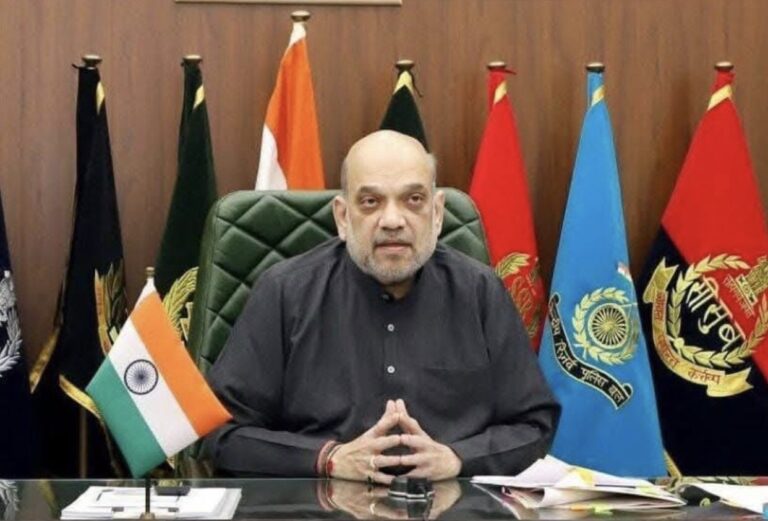
    Amit Shah, India’s Home Minister, has been one of the most influential figures shaping Jammu and Kashmir’s political landscape, especially after the abrogation of Article 370 in August 2019. His statements and repeated visits to the region have stirred both hope and controversy among the Kashmiri people.

    At Azadi Times, as an independent news platform committed to unbiased journalism and representing Kashmir’s diverse voices, we bring you a detailed overview of Amit Shah’s engagement with Jammu and Kashmir — along with the spectrum of public reactions from across the region.

    Amit Shah’s Statements on Jammu and Kashmir

    Since becoming India’s Home Minister, Amit Shah has been a key figure behind the government’s policies on Jammu and Kashmir. While he promotes a narrative of integration and development, many Kashmiris and independent observers see these statements in a very different light.

    On Article 370: Shah hailed the abrogation of Article 370 as a historic step to end “discrimination” and bring “progress” to the region. However, for many Kashmiris, especially, this move is widely viewed as a deep violation of their constitutional rights, autonomy, and identity. The abrupt removal of special status without local consent has led to prolonged lockdowns, communication blackouts, and a sense of political disenfranchisement. For Jammu Kashmir’s residents, Article 370 was more than just a legal provision; it was a symbol of their unique history and self-determination.

    Recomended: Jammu & Kashmir 2024 Election Results | Complete Phase-wise, Party Wise Breakdown – The Azadi Times

    Development Promises: Shah often speaks about large investments and infrastructure development bringing peace and prosperity to Jammu and Kashmir. Yet, for many locals, these promises ring hollow in the face of ongoing curfews, restrictions on movement, and an economy battered by years of conflict. The benefits of development remain unevenly distributed, with political instability and heavy militarization undermining genuine growth. Youth unemployment and lack of opportunities continue to fuel frustration and alienation.

    Security Focus: Shah’s insistence on a security-heavy approach to combat “terrorism” has led to one of the world’s highest concentrations of armed forces in the region. While the government presents this as necessary to maintain law and order, many Kashmiris experience it as an occupation marked by frequent human rights abuses, extrajudicial killings, and suppression of dissent. The everyday reality of checkpoints, raids, and surveillance has deeply affected social and psychological well-being. Freedom of speech remains heavily curtailed, with journalists facing censorship, harassment, and arrests—resulting in a stifled public discourse and controlled media narratives.

    Amit Shah Visits to Jammu and Kashmir: Engagement or Control?

    Since the abrogation of Article 370 in 2019, Amit Shah’s visits to Jammu and Kashmir have drawn significant political attention and media coverage. These trips are officially framed as efforts to promote development and strengthen integration, but they also carry complex symbolic weight in a deeply divided region.

    Official Tours and Development Initiatives:
    Amit Shah has undertaken multiple visits primarily to inaugurate major infrastructure projects such as strategic tunnels, highways, and enhanced connectivity schemes. These projects are often showcased as milestones in the government’s vision to modernize the region’s economy and reduce its isolation. The official narrative stresses progress and peace, positioning these visits as a commitment to Jammu and Kashmir’s future growth.

    Reception Across Regions:
    The response to Shah’s visits is mixed and deeply shaped by regional and political contexts. In Jammu city and parts of the Chenab Valley, some locals welcome the attention and hope that increased infrastructure investment will boost the economy, generate jobs, and improve living standards. These areas tend to see the visits as opportunities for development and greater inclusion within the Indian union.

    However, in the Kashmir Valley, the political heartland of the region, reactions are far more critical. For many Kashmiris, these visits are perceived not as outreach but as assertions of control by a government seen as heavy-handed and dismissive of Kashmiri aspirations. The extensive security presence, restrictions on movement, and continued political uncertainty fuel feelings of alienation. Many locals view Shah’s visits as symbolic performances designed to legitimize the abrogation of autonomy rather than genuine attempts to engage with the people’s grievances.

    Broader Implications:
    These contrasting receptions highlight the enduring fault lines in Jammu and Kashmir’s politics and society. While development projects are needed, they cannot substitute for dialogue, respect for human rights, and political solutions that address the underlying causes of conflict. Amit Shah’s visits, therefore, encapsulate the tension between state control and the demand for meaningful engagement—a tension that remains unresolved.

    Public Reactions on Amit Shah’s Jammu Kashmr Visits

    At The Azadi Times, we understand that Jammu and Kashmir is far from a monolith—it is a complex mosaic of regions and communities, each shaped by unique histories, cultures, and political realities. This diversity is reflected in the wide range of perspectives on the ongoing conflict and governance.

    Jammu Region: In Jammu, there is significant support among many residents for the government’s promises of development and improved infrastructure. Many people here hope that better connectivity, investment, and job opportunities will transform the region’s economy and integrate it more fully with the rest of India. However, even within Jammu, concerns remain about maintaining cultural identity and ensuring that local voices are heard in policymaking.

    Kashmir Valley: In stark contrast, the Kashmir Valley remains the epicenter of resistance to the revocation of Article 370. The predominant sentiment here is one of loss and political alienation, as many Kashmiris feel their constitutional rights and autonomy were stripped away without their consent. Human rights abuses, prolonged communication blackouts, and restrictions on freedom of expression have only deepened mistrust. Calls for genuine dialogue, respect for Kashmiri identity, and peaceful resolution of grievances are widespread, with many locals demanding an end to militarization and political repression.

    Ladakh: Since becoming a separate Union Territory, Ladakh has experienced a mix of optimism and apprehension. Some residents welcome the direct governance from New Delhi, hoping it will bring better services and infrastructure. However, there are also ongoing fears about the erosion of traditional cultures, religious identities, and the need for greater autonomy to protect the unique social fabric of this high-altitude region.

    Azad Jammu & Kashmir and Gilgit-Baltistan: Though administered by Pakistan and outside Indian jurisdiction, these regions watch Jammu and Kashmir closely. Voices from Azad Kashmir and Gilgit-Baltistan frequently condemn Indian policies, highlighting human rights concerns and the suppression of Kashmiri aspirations. Solidarity with the Kashmiri people and support for their right to self-determination remain central themes in political discourse and public sentiment here.

    Amit Shah’s Role and Kashmir’s Future

    Amit Shah remains a key figure in the Indian government’s policy toward Jammu and Kashmir. His statements and visits reflect New Delhi’s vision for the region — one centered on integration, security, and development.

    However, as Azadi Times reports from the ground, the realities on the ground are complex and contested. The aspirations of the Kashmiri people — across all regions — cannot be reduced to political rhetoric alone.

    True peace and progress in Jammu and Kashmir will require inclusive dialogue, respect for rights, and recognition of Kashmir’s unique identity and history.

    Best Hotels in Jammu & Kashmir (India & Pakistan): Stay Guide with Prices in INR, PKR & USD

    Jammu and Kashmir remains one of the world’s most captivating travel destinations. Stretching from the valleys of Muzaffarabad to the deserts of Leh, this historic princely state, divided between India and Pakistan, offers a rich variety of landscapes, cultures, and experiences.

    Whether you’re planning a spiritual pilgrimage, a trek through Himalayan peaks, or a cultural deep dive, one thing is certain: finding the right hotel in Jammu and Kashmir is key to a rewarding journey.

    In this comprehensive guide, we explore hotels across all five regions of the former princely state—Jammu, Kashmir Valley, Ladakh, Azad Jammu & Kashmir, and Gilgit-Baltistan—with insights into price ranges, popular properties, and travel tips for both local and international travelers.

    A Divided Yet Beautiful Region

    Before the partition of the subcontinent in 1947, the princely state of Jammu and Kashmir was one of the largest and most culturally diverse territories under British India. Spanning alpine mountains, lush valleys, cold deserts, and subtropical plains, it was home to a wide array of ethnicities, languages, and religions.

    Read Also: Top 12 Famous Kashmiri Dishes A Tastebud Adventure You Won’t Forget! 

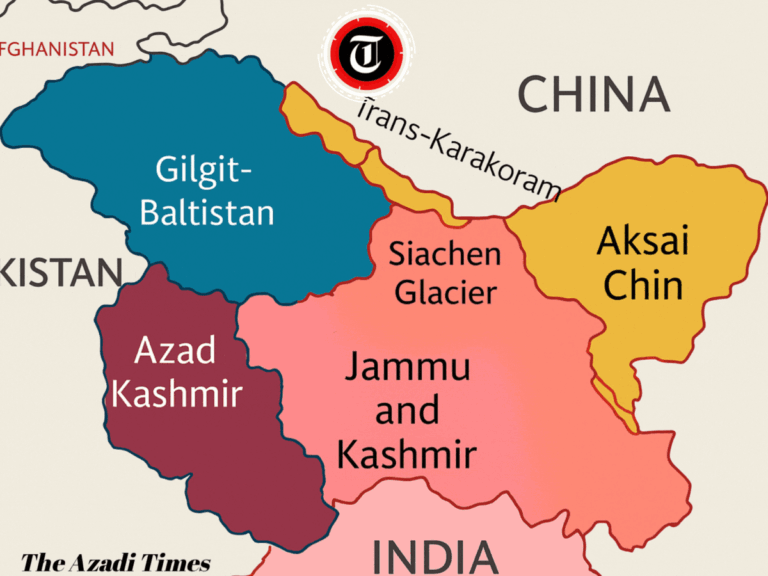
    Today, that historic state is divided into four administrative regions, governed by two nations:

    • Indian-administered Jammu & Kashmir (including the Jammu plains and the iconic Kashmir Valley)

    • Indian-administered Ladakh, a high-altitude desert region with strong Buddhist and Shia Muslim heritage

    • Pakistani-administered Azad Jammu & Kashmir (AJK), known for its green hills, rivers, and proximity to the Line of Control

    • Pakistani-administered Gilgit-Baltistan (GB), a mountainous area home to some of the world’s highest peaks, including K2

    Despite ongoing political tensions and territorial disputes, the natural beauty and cultural richness of these regions remain undeniable. Snow-capped mountains, alpine lakes, flower-filled meadows, spiritual shrines, and vibrant local traditions continue to attract visitors from around the world.

    In recent years, tourism has grown steadily in all four parts of the former princely state. Hotels, guesthouses, eco-resorts, and homestays are springing up to meet the demand, particularly from nature lovers, heritage tourists, researchers, and peace-seeking travelers who find solace in the serene Himalayan landscape.

    Hotels in Kashmir Valley (Srinagar, Gulmarg, Pahalgam)

    The Kashmir Valley, of Jammu & Kashmir often called “Paradise on Earth,” is one of the most scenic and romantic destinations in South Asia. Surrounded by the Himalayas, the valley is known for its shimmering lakes, Mughal gardens, pine-covered slopes, and historic wooden architecture. From honeymooners to adventure seekers and spiritual tourists, the region caters to every kind of traveler, and its hospitality industry reflects this diversity.

    In the past five years, the hotel industry in Jammu and Kashmir has witnessed significant modernization and growth, offering improved infrastructure and diverse lodging options.
    In the past five years, the hotel industry in Jammu and Kashmir has witnessed significant modernization and growth, offering improved infrastructure and diverse lodging options.

    Accommodation in the Kashmir Valley ranges from luxurious heritage hotels to traditional houseboats, boutique resorts, and budget lodges.

    Top Hotels & Stays

    LocationHotel NameDescription
    SrinagarThe Lalit Grand PalaceA 5-star heritage hotel located near Dal Lake, featuring royal architecture, landscaped gardens, and breathtaking views of the Zabarwan Mountains. Once the residence of the Maharaja.
    SrinagarVivanta Dal View by TajA luxury hotel perched on a hilltop with panoramic views of Dal Lake. Known for elegance, security, and curated Kashmiri cuisine.
    Dal Lake (Srinagar)New Jacquline Heritage HouseboatsOne of the most iconic traditional houseboat operators offering ornate wooden interiors and classic Kashmiri hospitality.
    PahalgamHotel Pine SpringIdeal for families and couples seeking comfort in a scenic location. Close to Lidder River and meadows.
    GulmargShaw InnStylish, modern hotel within walking distance of the famous Gulmarg Gondola station. Great for skiing season.
    GulmargThe Khyber Himalayan Resort & SpaA luxury mountain resort known for spa services, heated pool, and unbeatable snow views. Perfect for winter retreats.

    Hotel Prices in Kashmir Valley

    CategoryINR (₹) / nightPKR (₨) / nightUSD ($) / nightHotels
    Budget₹800 – ₹2,000₨2,700 – ₨6,800$10 – $25Hotel Mirage, Young Alzira Houseboat
    Mid-range₹2,500 – ₹5,000₨8,500 – ₨17,000$30 – $60Hotel Pine Spring, Shaw Inn
    Luxury₹8,000 – ₹25,000+₨27,000 – ₨85,000+$100 – $300+The Lalit Grand Palace, Vivanta Dal View, The Khyber Resort

    💡 Prices vary by season. Winter (Dec–Feb) attracts skiing tourists in Gulmarg, while spring and summer (Apr–Jul) are peak seasons in Srinagar and Pahalgam.

    Hotels in Jammu: The Gateway to the Himalayas

    Jammu, the winter capital of the Indian-administered region of Jammu and Kashmir, is revered as the City of Temples and serves as a crucial stop for millions of pilgrims en route to the Vaishno Devi Shrine in Katra. Besides its spiritual importance, Jammu is evolving as a regional business and administrative hub, attracting a mix of tourists, professionals, and government officials.

    Top Hotels in Jammu

    HotelCategoryHighlights
    Radisson Blu JammuLuxuryA 5-star business hotel with upscale amenities, international dining, and easy access to the airport. Ideal for families and corporate guests.
    Lords Inn JammuMid-rangeCentrally located near key markets and transport hubs, this hotel offers clean rooms, modern décor, and good food at affordable rates.
    Zone by The Park, JammuLuxuryStylish boutique hotel with vibrant interiors, rooftop dining, and proximity to Jammu Railway Station.
    Hotel VivekBudgetOne of Jammu’s most trusted economy hotels with basic amenities, reliable staff, and walking distance to Raghunath Temple.
    K.C. ResidencyMid-rangePopular among pilgrims and leisure travelers, this hotel offers great views of the Tawi River and Vaishno Devi hills.

    Hotel Prices in Jammu (Poonch) (per night)

    CategoryINR (₹)PKR (₨)USD ($)Example Hotels
    Budget₹700 – ₹1,800₨2,400 – ₨6,000$8 – $22Hotel Vivek, Hotel Swastik
    Mid-range₹2,500 – ₹4,500₨8,500 – ₨15,000$30 – $55K.C. Residency, Lords Inn
    Luxury₹6,000 – ₹12,000+₨20,000 – ₨41,000+$70 – $145+Radisson Blu, Zone by The Park

    🔹 Note: Prices may fluctuate during peak pilgrimage seasons and holidays. Booking in advance is recommended, especially between March–July and September–November.

    Hotels in Azad Jammu & Kashmir (Muzaffarabad, Rawalakot, Bagh)

    Azad Jammu & Kashmir (AJK), the Pakistani-administered part of the former princely state, is emerging as a peaceful alternative for travelers seeking lush green valleys, riverside retreats, and highland adventures. Though the tourism infrastructure is still developing, AJK offers an authentic experience rooted in natural beauty and local hospitality.

    Read Also: Cheapest Countries to Visit in 2025: Azadi Budget Travel Guide

    From the banks of the Neelum River in Muzaffarabad to the serene hills of Rawalakot and the alpine landscapes of Sharda and Bagh, the region is steadily attracting tourists, trekkers, honeymooners, and even heritage researchers.

    Top Hotels and Resorts in AJK

    HotelLocationHighlights
    Neelum View HotelMuzaffarabadPopular riverfront hotel with panoramic views of the Neelum River. Offers a peaceful ambiance, ideal for couples and families.
    Dream Valley ResortRawalakotLocated in a scenic valley surrounded by pine trees. Best known for its rustic architecture, hiking trails, and mild climate.
    Sharda Highland ResortSharda, Neelum ValleyA top pick for those heading deeper into the valley. Offers cozy cottages and access to historical sites like Sharda Peeth.
    Green Hills Hotel & RestaurantBaghA hilltop hotel with open views, family-friendly rooms, and a good local menu. Ideal base for exploring Banjosa Lake and Ganga Choti.
    Pearl Continental Hotel MuzaffarabadMuzaffarabadA high-end hotel in the Muzaffarabad city center.

    Traditional Kashmiri dishes including Rogan Josh, Gushtaba, Dum Aloo, and Kahwa tea served in a authentic Kashmiri setting, showcasing the rich culinary heritage of Jammu and Kashmir.
    Traditional Kashmiri dishes including Rogan Josh, Gushtaba, Dum Aloo, and Kahwa tea served in a authentic Kashmiri setting, showcasing the rich culinary heritage of Jammu and Kashmir.

    Hotel Prices in Azad Jammu Kashmir (AJK) (per night)

    CategoryPKR (₨)INR (₹)*USD ($)Example Hotels
    Budget₨4,000 – ₨6,000₹1,200 – ₹1,800$14 – $22Hotel Akbar Int’l, Green Hills Bagh
    Mid-range₨7,000 – ₨10,000₹2,100 – ₹3,100$25 – $36Neelum View Hotel, Dream Valley
    Luxury₨12,000 – ₨18,000+₹3,700 – ₹5,600+$43 – $65+Sharda Highland Resort, Private Villas

    💡 Note: INR values are approximate and for cross-border context only. AJK hotels primarily operate in PKR.

    Booking Tips for AJK

    • Booking platforms like Booking.com and Agoda have limited listings in AJK.

    • Most reservations are made through direct phone calls, WhatsApp, or Pakistani travel apps (like FindMyAdventure or Bookme.pk).

    • Summer (May–August) is the high season, especially for Neelum Valley and Rawalakot, so advance booking is essential.

    Hotels in Gilgit-Baltistan (Skardu, Hunza, Nagar, Fairy Meadows)

    Gilgit-Baltistan (GB) is home to five of the world’s 8,000-meter peaks, including K2, and spectacular alpine destinations like Hunza Valley, Skardu, Fairy Meadows, and Nagar. Despite its remote location, GB has developed a boutique tourism sector offering everything from eco-resorts to luxury lodges.

    Top Hotels and Lodges in GB

    Hotel / ResortLocationHighlights
    Serena HotelGilgitA well-known 4-star chain offering safety, comfort, gardens, and traditional decor. Popular with diplomats and NGOs.
    Shangrila Resort SkarduSkarduNestled beside Lower Kachura Lake (“Shangrila Lake”), it offers red-roofed chalets, boat rides, and breathtaking views.
    Eagle’s Nest HotelHunza (Duikar)Offers one of the best sunrise and sunset points in all of Hunza, with 360° views of Rakaposhi and Ultar peaks.
    Hard Rock Hunza ResortKarimabadA modern resort with a café, rooftop terrace, and exceptional valley views—popular with younger travelers and vloggers.
    Fairy Meadows CottagesFairy Meadows (Nanga Parbat Base)Wooden cabins set in meadows beneath the 9th-highest mountain on earth. Best accessed May–September.
    Glamp Pakistan (Various)Skardu, Katpana, Fairy MeadowsOffers luxury glamping tents and domes with private decks. Designed for comfort-seeking adventure tourists.

    Hotel Prices in Gilgit-Baltistan (Per Night)

    CategoryPKR (₨)INR (₹)*USD ($)Sample Hotels
    Budget₨5,000 – ₨8,000₹1,500 – ₹2,500$18 – $29Local inns, Fairy Meadows cottages
    Mid-range₨10,000 – ₨15,000₹3,000 – ₹4,600$36 – $54Hard Rock Hunza, Serena Gilgit
    Luxury₨18,000 – ₨30,000+₹5,500 – ₹9,300+$65 – $108+Shangrila Resort, Glamp Pakistan

    🔺 Note: INR prices are indicative. All bookings are in PKR.

    Travel Tips & Seasons

    • Best Seasons:

      • Trekking & Adventure: April to September

      • Photography & Autumn Colors: October to early November

    • Transportation: Fly into Skardu or Gilgit from Islamabad. Roads from Karakoram Highway are scenic but long.

    • Booking: Top hotels are listed on Booking.com, Sastaticket.pk, and local tour operators. For remote areas (e.g., Fairy Meadows), book at least 2–3 weeks in advance during peak season.

    Jammu & Kashmir Hotel Price Comparison

    RegionBudget HotelsMid-Range HotelsLuxury / 5-Star
    Srinagar₹800 – ₹2,000₹3,000 – ₹6,000₹8,000+
    Jammu₹700 – ₹1,800₹2,500 – ₹4,500₹6,000+
    Leh (Ladakh)₹1,200 – ₹2,500₹3,500 – ₹7,000₹8,500+
    Muzaffarabad₨4,000 – ₨6,000 (PKR)₨7,000 – ₨10,000 (PKR)₨14,000+ (PKR)
    Skardu / Hunza₨5,000 – ₨8,000 (PKR)₨10,000 – ₨15,000 (PKR)₨20,000+ (PKR)

    💡 Rates vary seasonally. INR ₹1 = PKR ₨3.25 (approx). USD conversion: $1 = ₹83 / ₨277 (as of 2025).

    Booking Tips for International Travelers

    • Check local travel advisories—especially during sensitive political events or weather alerts.

    • 🏔 Altitude awareness is crucial in Ladakh and Gilgit-Baltistan. Allow time for acclimatization before strenuous activity.

    • 📵 Connectivity may be limited in remote valleys. Download offline maps (Google Maps, Maps.me).

    • 🌧 Avoid monsoon season (July–August) in hill areas like Poonch, Rajouri, and Neelum due to landslides.

    • 📲 Direct booking or local travel agents are often more effective in AJK and GB, where international platforms may lack listings.

    Final Thoughts: Hospitality Beyond Borders

    Hotels in Jammu and Kashmir are more than just places to sleep—they’re gateways into a world of stunning landscapes, layered history, and enduring resilience. Whether you’re waking up in a carved-wood houseboat on Dal Lake, sipping tea beside a glacier in Hunza, or relaxing after a trek in Ladakh, your stay becomes part of a larger story.

    At The Azadi Times, we believe in presenting Kashmir in its full reality—diverse, dynamic, and deeply human. As tourism expands, so too does the opportunity for shared understanding, cultural exchange, and peace-building.

    Have You Stayed in Jammu & Kashmir?

    Share your experience with the world!
    Tag us on Instagram, Facebook, or X using #AzadiTravels for a chance to be featured in our next article.

    Understanding the States of Jammu and Kashmir: A Journey Through the Divided Himalayan Region

    The states of Jammu and Kashmir represent one of the most geopolitically sensitive and culturally rich regions in South Asia. Nestled in the Himalayas and Karakoram ranges, this former princely state has been a flashpoint between India and Pakistan since the Partition of 1947, and its territories are administered separately by both nations today. With stunning landscapes, diverse cultures, and complex histories, understanding the administrative and geopolitical divisions of Jammu and Kashmir is crucial for anyone seeking a deeper insight into South Asian affairs.

    In this editorial, we explore all parts of the historical princely state — Indian-administered Jammu and Kashmir and Ladakh, as well as Pakistani-administered Azad Jammu and Kashmir (AJK) and Gilgit-Baltistan (GB) — to present a clear, balanced, and factual picture for our global readership.

    Historical Context of the Princely State of Jammu and Kashmir

    Before its division, Jammu and Kashmir was a princely state ruled by Maharaja Hari Singh under the British Raj. The region was one of the largest princely states in British India and was known for its cultural plurality, with Muslims, Hindus, Buddhists, and Sikhs living across its mountainous terrain.

    Read Also: Bank of Azad jammu Kashmir to Approach State Bank of Pakistan for Schedule Status by June

    In 1947, when British India was partitioned into India and Pakistan, the Maharaja initially sought to remain independent. However, following an invasion by tribal militias from Pakistan, the ruler signed the Instrument of Accession to India, triggering the first Indo-Pak war and leading to the de facto division of the region. That division remains a point of contention and conflict today.

    States of Jammu and Kashmir Today

    1. Jammu (Indian-Administered)

    Capital: Jammu (Winter Capital of UT of Jammu and Kashmir)
    Major Cities: Jammu, Udhampur, Kathua, Samba
    Population: Predominantly Hindu with sizeable Muslim and Sikh communities

    Jammu is the southernmost part of the Indian-administered region. Known as the “City of Temples,” it is a center of Hindu pilgrimage, particularly to the Vaishno Devi shrine. Politically and culturally, Jammu has often differed from the Kashmir Valley, with distinct demographics and aspirations.

    2. Kashmir Valley (Indian-Administered)

    Capital: Srinagar (Summer Capital of UT of Jammu and Kashmir)
    Major Cities: Srinagar, Baramulla, Anantnag, Pulwama
    Population: Predominantly Muslim

    The Kashmir Valley is the most densely populated and politically sensitive part of the region. With its breathtaking natural beauty — lakes, gardens, and mountains — Kashmir has long been a symbol of paradise on earth. However, the valley is also the epicenter of the decades-long conflict, marked by militancy, military presence, and demands for autonomy or independence.

    3. Ladakh (Indian-Administered)

    Capital: Leh and Kargil
    Major Districts: Leh (Buddhist-majority), Kargil (Shia Muslim-majority)
    Population: Buddhists, Shia Muslims

    In 2019, India revoked Article 370 and bifurcated the former state of Jammu and Kashmir into two union territories: Jammu and Kashmir, and Ladakh. Ladakh is unique for its high-altitude deserts and Tibetan-Buddhist culture. It shares borders with China, and recent tensions have brought Ladakh into global focus.

    4. Azad Jammu and Kashmir (Pakistani-Administered)

    Capital: Muzaffarabad
    Major Cities: Rawalakot, Bagh, Kotli, Mirpur
    Population: Almost entirely Muslim

    Azad Jammu and Kashmir (AJK), often referred to as Azad Kashmir, is a self-governing region under Pakistani control. While it has its own president, prime minister, and legislative assembly, its foreign affairs and defense are managed by Pakistan. AJK is known for its active civil society, political activism, and natural beauty.

    5. Gilgit-Baltistan (Pakistani-Administered)

    Capital: Gilgit
    Major Areas: Skardu, Hunza, Ghizer, Diamer
    Population: Ethnically diverse, including Shina, Balti, Burusho, and Wakhi peoples

    Gilgit-Baltistan, formerly known as the Northern Areas, is Pakistan’s northernmost territory. Although not formally integrated into Pakistan’s constitution, it is administered as a separate territory. GB has seen significant development in infrastructure due to the China-Pakistan Economic Corridor (CPEC) and is home to five of the world’s highest peaks, including K2.

    A Region Divided, A Heritage Shared

    Jammu and Kashmir, despite being fragmented across political boundaries, remain deeply interconnected through shared languages, traditions, and cultural heritage. Whether it’s Kashmiri in the valley, Pahari in the hills of Azad Kashmir, or Balti and Shina in the mountains of Gilgit-Baltistan and Ladakh — the people of these regions share centuries of history, cuisine, music, and ways of life.

    Yet, their lived realities are shaped by starkly different political environments. While the geography is continuous, policies, freedoms, and daily experiences diverge across borders.

    Key Issues Affecting the Region

    • Demands for Autonomy and Self-Determination: The question of political identity remains unresolved. While many advocate for autonomy or independence, such demands are often met with crackdowns and limited democratic space.

    • Militarization and Human Rights Concerns: High military presence, especially in Indian-administered Kashmir, has led to allegations of human rights violations, including enforced disappearances, surveillance, and restrictions on movement.

    • Freedom of Expression and Controlled Journalism: Journalists often face intimidation, censorship, and arrests. Internet shutdowns, especially in times of political unrest, limit the free flow of information. Press freedom is under pressure on both sides of the Line of Control.

    • Cross-Border Tensions: Ceasefire violations and diplomatic standoffs between India and Pakistan continue to affect border communities, disrupt civilian life, and stall peace efforts.

    • Tourism Potential vs. Political Instability: With stunning landscapes, spiritual sites, and unique cultures, the region could thrive on tourism. However, instability and insecurity discourage both domestic and international visitors.

    • Environmental Vulnerability: Climate change threatens the fragile Himalayan ecosystem. Glacial retreat, deforestation, and erratic weather patterns are affecting agriculture, water availability, and livelihoods across the region.

    International Relevance and Geostrategic Importance

    Jammu and Kashmir lies at the crossroads of South Asia, Central Asia, and China. It borders three nuclear-armed countries — India, Pakistan, and China — and its stability (or lack thereof) influences regional and global politics. From Indo-China clashes in Ladakh to UN resolutions on Kashmir, the region frequently appears in international forums and human rights discussions.

    A Complex Tapestry in Need of Peace

    The states of Jammu and Kashmir — Jammu, Kashmir Valley, Ladakh, Azad Kashmir, and Gilgit-Baltistan — are more than just territories on a contested map. They are homes to millions of people whose lives are intertwined with history, politics, and hope. Any lasting solution must center on the voices and aspirations of these people — not just the geopolitical ambitions of states.