Beirut (News Desk): Palestinian President Mahmoud Abbas has strongly condemned the recent terrorist attack in Pahalgam, India, labeling it a “heinous act” and expressing solidarity with New Delhi in a letter addressed to Prime Minister Narendra Modi.
In his message, Abbas extended heartfelt condolences to the families of the victims who lost their lives in the assault and wished a swift recovery for those injured. He emphasized Palestine’s firm support for India’s efforts to uphold peace and security, particularly in the Kashmir Valley.
“The tragic incident has deeply saddened us,” Abbas wrote, reiterating his government’s backing for India’s initiatives to combat terrorism and maintain stability in the region. “We vehemently condemn the heinous crime committed in the Kashmir and stand with India in its endeavors to preserve security and stability,” he added.
The Palestinian leader’s statement comes amid global condemnation of the attack, which claimed multiple innocent lives. Abbas’s remarks underscore ongoing diplomatic solidarity between Palestine and India, reinforcing mutual commitments to counter terrorism and promote regional peace.
International observers have noted the significance of Abbas’s outreach, highlighting shared concerns over extremist violence and collaborative strategies to address security challenges.
Reporting contributed by international affairs correspondents.
Discover Skardu, Gilgit Baltistan mountain paradise. Plan your trip with our guide to top attractions, trekking routes, cultural insights, and travel logistics in Gilgit-Baltistan.
Perched at 7,500 feet above sea level, Skardu is the administrative capital of Baltistan and a cornerstone of tourism in Pakistan administrated Kashmir’s Gilgit-Baltistan region.
Nestled between the towering peaks of the Karakoram and Himalayan mountain ranges, this high-altitude city serves as a launching pad for adventurers seeking to conquer K2, explore glacial plateaus, or immerse themselves in centuries-old Balti culture.
Natural Beauty and Key Attractions in Skardu
Skardu’s dramatic landscapes a blend of emerald valleys, turquoise lakes, and snow-capped peaks have earned it global acclaim. Key destinations include:
Shangrila Resort: A serene lakeside retreat often dubbed “Heaven on Earth.”
Satpara Lake: A glacial lake surrounded by orchards and hiking trails.
Deosai National Park: The world’s second-highest plateau, known as the “Land of Giants” for its brown bears and wildflowers.
K2 Base Camp: The starting point for treks to the world’s second-highest peak.
Skardu is a cultural crossroads where diverse communities, including Shia, Sunni, Noorbakshi, and Ismaili Muslims, coexist peacefully.
The Balti people, renowned for their hospitality, preserve ancient traditions through folk music, festivals, and handicrafts. The Balti language, a Tibetan dialect, remains widely spoken, adding to the region’s unique identity.
Travel Logistics: Getting to and Around Skardu
By Air: Skardu International Airport connects daily to Pakistan’s Islamabad, Lahore, Karachi, Sialkot, Faisalabad, and Multan via Pakistan International Airlines.
By Road: The Karakoram Highway (KKH) links Skardu to Islamabad via the scenic Babusar Pass. The newly upgraded Shara-e-Baltistan (Jaglot-Skardu Road) ensures smooth access to the city.
Local Transport: Jeeps and 4×4 vehicles are available for remote destinations like Hushe Valley or the Siachen Glacier base.
Skardu Tour Itinerary: Districts and Highlights
Tourism in Gilgit-Baltistan is broadly divided into the Skardu Tour and Hunza Tour. The Skardu circuit spans four districts and Astore, offering diverse experiences:
1. Skardu District
Deosai National Park: A summer haven for trekking and wildlife photography.
Khaplu Fort: A 19th-century palace turned heritage hotel.
Shigar Valley: Home to the 17th-century Amburiq Mosque and apple orchards.
Satpara Dam: A hydroelectric project with panoramic views.
2. Ghanche District (Khapalu Valley)
K2 Base Camp: The ultimate trekking destination for mountaineers.
Gondogoro La Pass: A challenging route offering vistas of Gasherbrum and Masherbrum peaks.
Hushe Valley: A gateway to untouched glacial landscapes.
3. Shigar and Kharmang Districts
Kharpocho Fort: A 16th-century fortress overlooking the Indus River.
Manthokha Waterfall: A hidden gem near Kharmang.
4. Astore District
Nanga Parbat Base Camp: A trekker’s paradise with views of the “Killer Mountain.”
Best Time to Visit Skardu
Summer (June–September): Ideal for trekking, with temperatures ranging from 15°C to 25°C.
Winter (December–February): Perfect for snowfall enthusiasts, though some roads may close.
Essential Travel Tips for Skardu
Permits: Foreign tourists require permits for restricted zones like Deosai or Siachen.
Currency: ATMs in Skardu city dispense cash, but carry reserves for remote areas.
Accommodation: Options range from budget guesthouses to luxury resorts like Serena Shigar Fort.
Why Skardu Belongs on Your Travel Bucket List From its UNESCO-tentative heritage sites to its role as a gateway to the Karakoram, Skardu is more than a destination it’s an experience. Whether navigating the rugged trails of Deosai, marveling at K2’s majesty, or savoring apricot-based Balti cuisine, Skardu promises an unforgettable journey into the heart of Pakistan’s mountain culture.
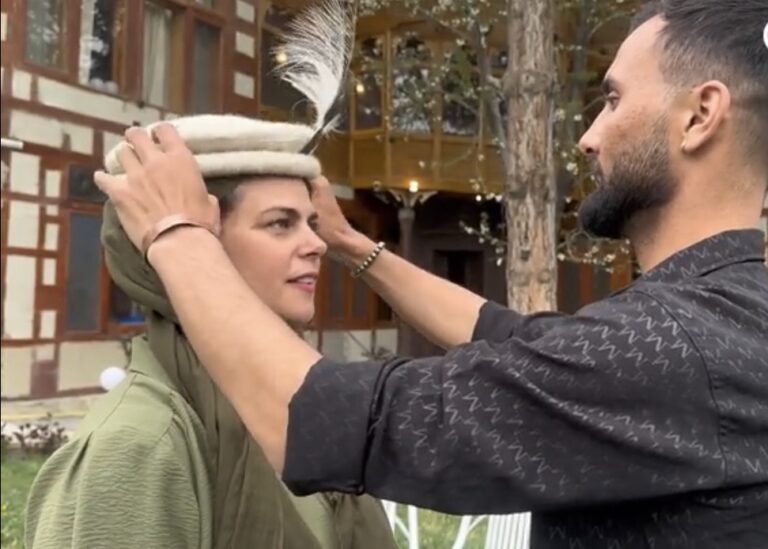
Skardu, Gilgit Baltistan (Pakistan administrated Kashmir): In a heartwarming tale that transcends borders and cultures, a local resident of Skardu, Gilgit Baltistan (Pakistan-administered Kashmir), and an Italian researcher have tied the knot after initially connecting through Facebook.
Adnan Saleem, a licensed tour guide from Skardu, and Marta Gandini, an Italian academic, first became friends online in 2021. Their friendship blossomed into love, leading Marta to embrace Islam and adopt the name Noor-ul-Ain before marrying Adnan.
Noor-ul-Ain, highly educated and involved in research work, has not only accepted her husband and his homeland with an open heart but has also warmly embraced Islam and the vibrant culture of Pakistan-administered Kashmir.
Speaking about their relationship, Adnan shared that his profession requires him to explore and understand various cultures, a passion that played a significant role in connecting him with Noor-ul-Ain. He remarked, “I take a deep interest in studying different cultures, and that interest has always helped me in my profession and personal life.”
According to Adnan, Noor-ul-Ain’s fascination with the unique culture of Gilgit-Baltistan has helped her settle comfortably into her new life. “Her interest in local traditions will make her life here much easier,” he said.
Noor-ul-Ain herself expressed her happiness about moving to Skardu, praising the breathtaking scenery and the warmth of the people. “I feel very much at home here. The landscapes are beautiful, and the people are kind, loving, and hospitable,” she said.
Reflecting on her cross-cultural marriage, Noor-ul-Ain added, “I believe that hearts know no borders, and that’s why it was possible for me to marry someone from another country.”
Currently, Noor-ul-Ain works as a kitchen manager at a local school and describes her new life as fulfilling and peaceful.
This inspiring union stands as a testament to the idea that cultural curiosity and genuine human connection can bridge even the widest geographical divides.
Skardu, Gilgit Baltistan (Pakistan administrated Kashmir): April 26: Two tragic incidents were reported in Skardu today, where two young boys drowned in the Indus River. Rescue 1122 teams responded swiftly, recovering one body, while search efforts for the second youth are still ongoing.
The first incident occurred around 11 AM near the Kowardo Bridge, where 18-year-old Shehzad Ali, son of Ghulam Hussain and a resident of Shigar Bala, jumped into the river. Upon receiving the alert, two Rescue 1122 teams immediately launched a search operation, covering the stretch from Kowardo and Hoto to Kachura. However, due to darkness, the operation had to be temporarily suspended. The search for Shehzad Ali is set to resume today.
In a separate incident in the Katpana area, another boy drowned while bathing in the river. Rescue teams promptly responded and, after continuous efforts, successfully recovered the body despite low visibility at night.
According to Rescue 1122 Skardu, personnel remained engaged throughout the day in search and recovery operations, striving to either save lives or provide timely information to the affected families.
Nestled in the rugged embrace of the Himalayas, Leepa Valley emerges as Kashmir’s best-kept secret, a destination where untouched natural beauty converges with centuries-old cultural heritage.
Located approximately 110 kilometers from Muzaffarabad, (AJK) capital of Pakistan administrated Kashmir the breathtaking Leepa Valley lies along the Chakothi Road. After crossing the Neeli Bridge, the route leads to Hattian Bala, from where the stunning tourist spot of Daukhan emerges atop towering mountains. Spanning a total area of 9 kilometers, Leepa Valley is a picturesque region within the Hattian district of Muzaffarabad Division.
Villages of Leepa Valley
The valley comprises numerous charming villages, including:
Malikpura
Qaisar Kot
Saidpura
Leepa
Talwari
Batlian
Bajaldar
Anthnian
Ghai Pura
Labgran
Sadpura
Chattanian
Chak Maqam
Wasla
Bani Mola
Amroi
Moji
Mana Kelli
Naukot
Khiewara
Kali Mandal
Mandi Kala Bela
Gupdori
Channian
Chamola
Tareda Sharif
Historical Background
Before the establishment of Azad Jammu and Kashmir, Leepa Valley was part of Kupwara and Karnah in the larger Kashmir region.
The Qazi Nag Nala originates from the glaciers and springs of the Qazi Nag mountain range in Indian-administered Kashmir.
After flowing for about three kilometers above Channian Park, it enters the serene landscapes of Leepa Valley in Azad Kashmir, adding to its natural beauty.
Leepa Valley remains one of Kashmir’s most enchanting destinations, offering lush greenery, cascading streams, and a glimpse into the region’s rich cultural heritage.
Travel Requirements for Leepa Valley
Travelers no longer require a No Objection Certificate (NOC) to visit Leepa Valley. A valid government-issued identification card, such as a national ID or passport, is sufficient for entry. This streamlined process encourages tourism while maintaining security protocols.
Family Travel and Safety in Leepa Valley
Leepa Valley is a family-friendly destination with a serene environment tailored for visitors of all ages. Local authorities prioritize safety, offering dedicated facilities and accommodations for families. The valley’s peaceful atmosphere, coupled with well-maintained guesthouses and hotels, ensures a comfortable stay for groups and solo travelers alike.
Road Access and Vehicle Guidelines
Travelers can drive private vehicles to Leepa Valley, though road conditions vary:
Primary Route (Daukhan-Shergali Road): A fully paved road connecting Muzaffarabad to Leepa Valley, suitable for standard cars.
Alternative Route (Brathwar Gali Road): An unpaved but navigable path requiring 4×4 vehicles, ideal for adventurous travelers. Parking is available in Reshian, where local transport services can complete the journey to Leepa. Motorcycles are permitted on both routes.
Best Time to Visit Leepa Valley
The optimal travel window spans June to October, when mild weather and clear skies enhance exploration. Snowfall from December to March often blocks access, making spring and summer ideal for trekking, photography, and cultural immersion.
Accommodation Options in Leepa Valley
Leepa Valley offers a range of budget-friendly guesthouses and hotels, many accepting advance bookings. Walk-in reservations are also feasible due to ample lodging availability. Popular options include traditional wooden guesthouses that reflect local Kashmiri architecture.
Fuel and Transportation Logistics
The last formal fuel station is in Pattan Bala. However, Reshian and Leepa Valley have informal petrol shops for refueling. Public transport from Reshian to Leepa includes shared jeeps and vans, ensuring hassle-free connectivity.
Connectivity and Emergency Services
Mobile networks (Ufone and SCOM) provide coverage in Leepa Valley, alongside limited landline services. Internet access is available via mobile data packages. Emergency support is accessible through army checkpoints, Rescue 1122, and a rural health center staffed 24/7.
Cultural and Natural Attractions
Leepa Valley Azad Jammu Kashmir (AJK)
Leepa Valley’s untouched landscapes and rich heritage make it a cultural treasure. Key highlights include:
Daukhan Gateway: The scenic entrance to the valley.
Naukot Village: Famous for its five-story traditional house.
Kontrari Waterfall: A hidden natural wonder.
Channi Park and Mandakali Bela: Ideal for picnics and photography. The valley also preserves Kashmiri traditions, from handicrafts made of walnut wood to seasonal festivals celebrating local harvests.
Local Markets and Souvenirs
Leepa’s markets offer fresh produce like red rice, walnuts, cherries, and organic honey. Handmade crafts, including walnut wood decor and traditional woolen garments, serve as unique souvenirs. Grocery stores stock daily essentials, reducing the need to carry supplies.
Essential Travel Tips
Clothing: Pack warm layers, waterproof jackets, and sturdy shoes for variable weather.
Currency: ATMs in Reshian and Leepa provide cash withdrawal services, though carrying cash is advisable.
Electricity: The valley enjoys 24/7 power supply via local hydropower plants.
With its pristine landscapes, cultural authenticity, and improved infrastructure, Leepa Valley invites travelers to experience Kashmir beyond the conventional tourist trail.
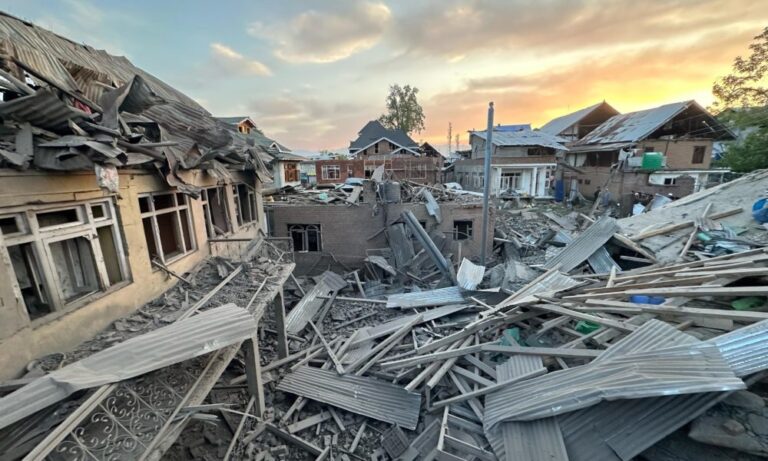
Srinagar, J&K, (Indian administered Kashmir): Authorities in Indian-administered Jammu and Kashmir have demolished three more homes belonging to individuals accused of being associated with the armed group Lashkar-e-Taiba (LeT) in the southern districts of Pulwama, Shopian, and Kulgam. This comes in the wake of the recent attack in Pahalgam, bringing the total number of homes razed in the past 24 hours to five.
The demolished properties belonged to Ahsan Sheikh from Pulwama, Shahid Ahmad Kuttay from Shopian, and Zahid Ahmed from Kulgam. According to official sources, Ahsan was allegedly among three local operatives who provided logistical and direct support to foreign fighters involved in the Pahalgam attack. Kuttay and Ahmed have been accused of involvement in what authorities describe as “anti-national activities” over the past three to four years.
Earlier on Friday, the homes of two other individuals Asif Sheikh and Adil Thoker were also destroyed. Authorities stated that all family members had been evacuated before the demolitions, which were carried out with “precision strikes” to avoid damage to neighboring properties.
A government official, speaking anonymously, defended the move as part of a broader strategy to deter local support for armed groups. “This action is aimed at disincentivizing local involvement in militancy or any form of assistance to armed fighters,” the official said. “It serves as a warning that those who take up arms will not only face consequences themselves, but their families will also bear the burden—losing access to government benefits, jobs, and even passports.”
The demolitions align with the Indian government’s stated “zero-tolerance policy” toward armed resistance in the region. However, such measures have often drawn criticism from human rights groups, who argue that collective punishment tactics disproportionately affect civilians and deepen resentment among the local population.
The latest actions come amid heightened tensions in the region, where armed groups continue to operate despite intensified military operations. The government maintains that such steps are necessary to curb militancy, while critics view them as part of a broader pattern of punitive measures against Kashmiri civilians.
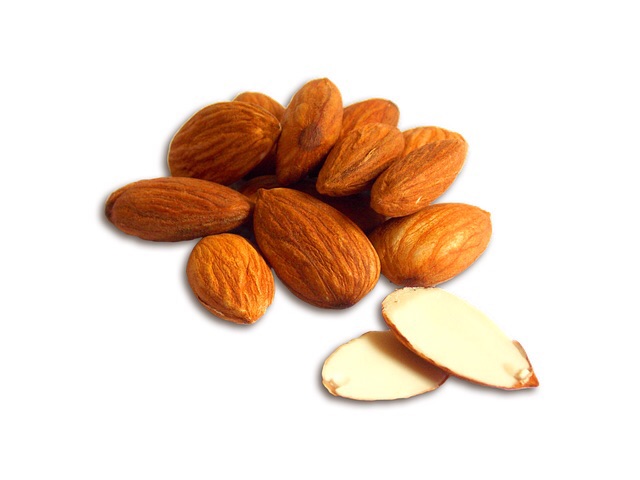
For centuries, almonds have been celebrated as a brain-boosting superfood in traditional medicine systems like Ayurveda and Unani. But does modern science support the claim that almonds sharpen the mind? Recent research suggests that almonds may indeed enhance cognitive function, improve memory, and even protect against neurodegenerative diseases. In this article, we explore the science-backed benefits of almonds for brain health, their nutritional profile, and how to consume them for maximum benefits.
Do Almonds Really Make Your Brain Sharper?
The idea that almonds (badam) improve brain function isn’t just an old wives’ tale. Studies indicate that almonds contain key nutrients that support cognitive performance, including:
Vitamin E – A powerful antioxidant that protects brain cells from oxidative damage, potentially reducing the risk of Alzheimer’s disease.
Omega-3 Fatty Acids – Essential for brain development and function, improving memory and focus.
Riboflavin (Vitamin B2) & L-Carnitine – Nutrients that enhance neural activity and may slow cognitive decline.
A 2019 study published in Nutritional Neuroscience found that participants who consumed almonds daily showed significant improvements in memory retention and problem-solving skills compared to a control group.
Top 5 Science-Backed Benefits of Almonds for Brain Health
1. Enhances Memory and Learning
Almonds contain nutrients like phenylalanine and omega-3s, which help in neurotransmitter synthesis. Research suggests that regular almond consumption can improve both short-term and long-term memory.
2. Protects Against Neurodegenerative Diseases
The high vitamin E content in almonds acts as a neuroprotective agent, reducing oxidative stress linked to Parkinson’s and Alzheimer’s.
3. Boosts Concentration and Mental Clarity
Magnesium in almonds helps regulate nerve function, while healthy fats provide sustained energy to the brain, preventing mental fatigue.
4. Reduces Brain Inflammation
Polyphenols in almonds combat inflammation, which is a key factor in cognitive decline and mood disorders like depression.
5. Supports Healthy Blood Flow to the Brain
Almonds improve cardiovascular health, ensuring better oxygen and nutrient supply to the brain, which enhances cognitive performance.
How to Eat Almonds for Maximum Brain Benefits
1. Soaked Almonds vs. Raw Almonds – Which is Better?
Soaking almonds overnight removes enzyme inhibitors, making nutrients more bioavailable. Many nutritionists recommend consuming 6-8 soaked almonds daily for optimal brain health.
2. Almond Milk for Cognitive Function
Unsweetened almond milk is a great dairy-free alternative rich in vitamin E and healthy fats, supporting brain function.
3. Almond Butter for Sustained Energy
A spoonful of almond butter provides a steady release of energy, keeping the brain active and focused throughout the day.
4. Combining Almonds with Other Brain Foods
For enhanced benefits, pair almonds with:
Walnuts (for extra omega-3s)
Honey (for natural cognitive boost)
Dark Chocolate (for flavonoids that improve blood flow to the brain)
Potential Side Effects and Who Should Avoid Almonds
While almonds are highly beneficial, some people should consume them in moderation:
People with nut allergies – Almond allergies, though rare, can cause severe reactions.
Kidney stone patients – Almonds contain oxalates, which may contribute to kidney stones in susceptible individuals.
Those on low-fat diets – Almonds are calorie-dense, so excessive intake may lead to weight gain.
Conclusion: Are Almonds the Ultimate Brain Food?
Scientific evidence strongly supports the brain-boosting benefits of almonds. From improving memory to protecting against age-related cognitive decline, almonds are a powerhouse of nutrients that enhance mental performance. For best results, incorporate a handful of soaked almonds into your daily diet alongside a balanced intake of other brain-healthy foods.
Final Recommendation:
Daily Intake: 8-10 soaked almonds per day.
Best Time to Eat: Morning on an empty stomach for better absorption.
Pair With: A glass of milk or yogurt for added probiotics.
By making almonds a regular part of your diet, you can harness their cognitive benefits and support long-term brain health.
Author Bio: Dr. Tehan is a health and nutrition writer with a focus on evidence-based wellness. Follow for more science-backed health tips.
Dadyaal, AJK (Pakistan administrated Kashmir: The Jammu Kashmir Joint Awami Action Committee () of Tehsil Dadyal held a large-scale protest on April 25 at the Tehsil Headquarters against the persistent lack of basic healthcare facilities. Residents from all Union Councils of Dadyal participated in the demonstration, expressing frustration over unmet demands despite a three-month ultimatum given to authorities.
With no progress made, the protestors staged a sit-in at Shaheed Maqbool Butt Chowk, demanding immediate action. The committee has set an 11 AM deadline for the government to respond, failing which they will announce their next course of action.
Key Speakers and Demands
Prominent figures, including JKJAAC member Mehran Arshad Khawaja, President of the Dadyaal Traders Association Anwar Latif Dar, community leader Saeen Munir, and Nazim-e-Kashmir, addressed the gathering. They condemned the administration’s negligence and highlighted critical issues:
Cardiology Unit – Establishment of a dedicated cardiac care facility.
Maternal & Childcare – 24-hour emergency services for women and infants.
Diagnostic Facilities – Installation of Ultrasound and CT Scan machines.
Medicine Availability – Judicial commission to monitor drug supply and quality.
Staff Appointments – Immediate filling of vacant hospital positions.
Vaccine Access – Guaranteed availability of essential vaccines.
Revival of Defunct Health Centers – Reactivation of all non-functional health units in Dadyaal.
Government’s Last Chance
The JKJAAC warned that further inaction would escalate protests, emphasizing that the people of Dadyaal will no longer tolerate broken promises. The administration has until 11 AM tomorrow to address their grievances.
Background
Dadyal, a remote tehsil in Pakistan-administered Kashmir, has long suffered from inadequate healthcare infrastructure. Despite repeated appeals, authorities have failed to upgrade facilities, forcing residents to travel long distances for basic treatment.
By Abbas Hameed | Every square inch of your home counts. Nowhere is this more evident than in the bathroom a space that, no matter how small, can be transformed into an oasis of style and functionality. With rising urban living and the need for compact yet efficient spaces, small bathroom ideas are capturing the imagination of homeowners around the globe. From sleek, minimalist designs to ingenious storage solutions and smart technology, our comprehensive guide walks you through the most innovative ideas, cost estimates, and global inspirations for maximizing even the tiniest of bathrooms.
Small bathrooms are not a compromise; rather, they present an opportunity to think outside the box. In many parts of the world, limited space has spurred architects and designers to reimagine traditional layouts. What once was a cramped utility space is now a canvas for innovation, where contemporary design meets functionality. In our feature today, we explore a range of creative ideas that blend aesthetics with practicality, offering practical price ranges and inspiring design wisdom from leading trends around the globe.
In an era when every corner matters, whether you reside in a bustling Asian metropolis, a chic European flat, or an innovative North American apartment, these small bathroom ideas are tailored to suit every taste and budget. Our guide promises valuable insights for homeowners, interior designers, and anyone eager to transform their bathroom into a space that reflects modern lifestyles, sustainability, and technological advancement.
The Evolution of the Small Bathroom
Historically, small bathrooms were often relegated to a purely functional status—basic fixtures, minimal decoration, and little thought to ambiance. However, a paradigm shift has occurred in recent years. The latest trends in interior design underscore that every space, regardless of its size, can be luxurious if planned thoughtfully. This shift is fueled by a combination of smart storage, reflective surfaces, and multi-functional furniture—all tailored to create an illusion of spaciousness.
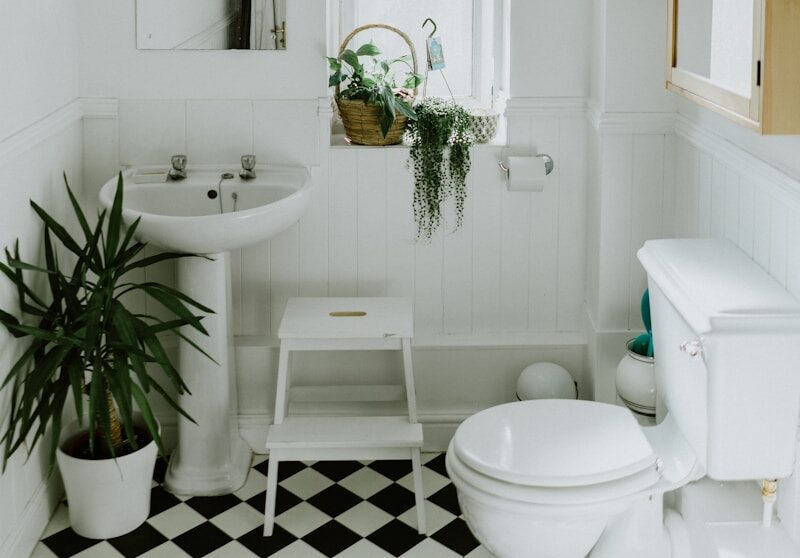
Small bathroom design
Design experts now emphasize that a small bathroom should never feel like a limitation; it should be celebrated as a model of innovative design in restricted spaces. From using light to play with dimensions to choosing bold accents that serve as visual anchors, these ideas redefine the potential of the smallest of spaces.
Top Small Bathroom Ideas and Their Price Points
To help you reimagine your small bathroom, we’ve compiled a list of top ideas along with their estimated cost ranges. These ideas not only enhance the look of the space but also optimize every inch for a more comfortable, efficient, and visually appealing environment.
Minimalist Design and Streamlined Fixtures The minimalist trend has taken the world by storm, and nowhere is this more functional than in a small bathroom. By reducing visual clutter, you create space that feels open and inviting. • Cost estimation: Basic minimalist fixtures can range from $100 to $500 for vanities and sinks, while high-end designer pieces may go upwards of $1,000. • Design tips: Choose sleek faucets, wall-mounted sinks, and floating vanities. Neutral color palettes with a few accent colors can significantly enhance the space’s perceived size.
Innovative Storage Solutions Overcoming clutter is essential in a small bathroom. Clever storage ideas allow you to maintain a tidy space without sacrificing design. • Cost estimation: DIY shelving and modular cabinets typically range between $50 to $300. Custom-built storage solutions might cost from $400 to $1,000 depending on the scale and materials used. • Design tips: Utilize vertical wall space with narrow shelving, install recessed medicine cabinets, or use multi-functional furniture like mirrors with hidden compartments. Transparent glass shelves also add depth while keeping things organized.
Multi-Functional Furniture In small bathrooms, every piece of furniture should serve more than one purpose. Think of vanities that double as storage units, or benches that store linens. • Cost estimation: Multi-functional units start at around $200 and can stretch up to $1,200 for high-end integrated designs. • Design tips: Invest in pieces that offer reversible use; for example, benches with hidden compartments or drop-down shelves that free up floor area, create additional space for storage while doubling as a decorative element.
Smart Mirrors and LED Lighting Strategic lighting is a game changer in any small space. Smart mirrors not only reflect light and create an illusion of more space but also integrate digital functionalities like weather updates and calendar reminders. • Cost estimation: Basic smart mirrors can be as affordable as $150, while premium models with anti-fog and ambient lighting features can exceed $1,200. LED strip lighting and innovative fixtures can be incorporated within similar ranges. • Design tips: Use mirrors that extend vertically to amplify natural light. LED backlights can create a dramatic yet soft ambiance while also serving practical functions like directing light where you need it.
Compact Shower Solutions Traditionally, showers in small bathrooms are often seen as a challenge. However, with the advent of compact, corner-designed shower units equipped with rain heads and adjustable water jets, even the smallest bathroom can enjoy a spa-like experience. • Cost estimation: Basic corner shower units start at $250, while complete shower systems featuring digital controls and integrated seating can cost between $600 to $1,500. • Design tips: Frameless glass shower doors can enhance the visual continuity of your bathroom by reducing obstructive frames, making the space appear larger.
Color and Reflection Techniques Color choices can significantly boost the visual space of a bathroom. Lighter hues, reflective surfaces, and well-thought-out accents not only contribute to ambience but also create a feeling of airiness and openness. • Cost estimation: Repainting and simple decor adjustments can start as low as $50, whereas professional consultation and material upgrades may run from $200 to $800. • Design tips: Embrace light pastel shades or crisp whites as primary colors, enhanced with strategic pops of color like aquamarine accents or soft gray tiles. Thoughtful placement of reflective tiles or metallic finishes can magnify the sense of space.
Floating Vanities and Shelving Floating vanities present both a modern aesthetic and practical benefits. They free up floor space, making your small bathroom feel less confined, and allow for easier cleaning and maintenance. • Cost estimation: Ready made floating vanities start at approximately $300, while bespoke designs crafted to suit your exact space could range up to $1,200. • Design tips: Combine these fixtures with narrow, concealed cabinets to maintain a seamless look. Soft, under-cabinet lighting adds warmth and emphasizes the floating effect, maintaining an uncluttered view.
Customized Fixtures and Fittings One way to maximize the functionality of a small bathroom is with tailored fixtures that align perfectly with your needs. Custom sinks, toilets, or bidets that fit specific measurements are becoming increasingly popular. • Cost estimation: Custom projects might range from $500 to $2,000, reflecting the personalized approach to both design and functionality. • Design tips: Investing in customizable fixtures not only ensures a perfect fit but also adds an exclusive touch to your bathroom. Consider incorporating touchless technology to promote hygiene and modernity—a critical factor in today’s design trends.
Tips for Achieving the Perfect Small Bathroom
When planning your small bathroom redesign, a thoughtful strategy is paramount. Successful implementations typically involve detailed planning, awareness of spatial dynamics, and a deep understanding of personal habits. Here are some expert tips on how to bring these small bathroom ideas to life:
• Prioritize Layouts: In a small bathroom, layout is everything. Begin by measuring the space meticulously. Identify the points where natural light enters and plan fixture placement accordingly. Often, a simple shift in the layout—from positioning a sink against a wall to a floating design in the middle—can create an illusion of added space.
• Emphasize Verticality: Make use of your wall space. Shelves, cabinets, and even decorative elements placed vertically draw the eyes upward, suggesting height and openness. Consider custom wall units that integrate into the design seamlessly without overwhelming the compact space.
• Invest in Multi Functional Features: Combining elements to serve dual purposes is key. For instance, a vanity with built-in storage or shower panels that incorporate shelving can reduce clutter while adding practical value.
• Use Smart Lighting: Lighting can redefine space. A well lit bathroom, featuring ambient, task, and accent lighting, can create layers that add depth and warmth. LED technology, which is both energy-efficient and versatile, is an ideal match for small spaces. Consider under-cabinet lighting or mirrors with built-in LED for a modern touch.
• Choose a Harmonious Color Palette: Colors work wonders when it comes to perception of space. Neutral tones amplified with small, consistent pops of color can create an inviting yet expansive look. Reflective surfaces, such as glossy tiles or high-sheen fixtures, further enhance the open feel by bouncing light around the room.
• Streamline the Décor: Every decorative item should either add to the functionality or enhance the aesthetic. Minimalism is not about a lack of style; it’s about thoughtful selection. Avoid over-accessorizing. Instead, incorporate one or two statement pieces that reflect your personality without crowding the space.
• Balance Style and Practicality: Choose materials that are both appealing and resilient to moisture. For example, engineered quartz countertops, tempered glass shower panels, and water-resistant woods combine durability with modern style, ensuring that every investment pays off in longevity and visual appeal.
Price Sensitivity and Investment Value
Budget considerations play a vital role in home renovations, particularly in regions where real estate prices push homeowners to maximize every inch of space. Our guide provides estimated price ranges for each small bathroom idea—ensuring you can balance aesthetic appeal with practical investment.
• Entry Level Solutions: For those starting with a limited budget, many small bathroom upgrades such as repainting, basic shelving units, or affordable fixtures can be achieved for as low as $50 to $150 per item. These investments can go a long way in completely overhauling a seemingly cramped space.
• MidRange Upgrades: Homeowners looking for a significant transformation without breaking the bank can expect to spend between $150 and $600 on feature elements like smart mirrors, minimalist vanities, or custom storage solutions. These choices offer the best of both functionality and design and are widely available in international markets.
• Luxury Investments: For those who do not settle for anything less than perfection, premium fixtures and bespoke designs come with a heftier price tag. High-end shower systems, custom vanities, or designer tile work might range from $600 to $2,000 or more. Though the initial expenditure is larger, the long-term benefits of quality craftsmanship, durability, and enhanced home value are undeniable.
Conclusion:
Small bathroom ideas are far from a one-size-fits all solution; they embody a philosophy that every space, no matter how limited, can be transformed with a blend of innovation, style, and thoughtful planning. Today’s trends reveal that compact living does not mean cutting corners on luxury. With the incorporation of minimalist design, technological advancements, and clever storage solutions, small bathrooms are being reimagined as spaces of immense potential.
Frequently Asked Questions on Small Batrooms (FAQs)
Q1: What are the top small bathroom ideas currently trending in 2025? A1: The top ideas include minimalist design, innovative storage solutions, multi-functional furniture, smart mirrors and LED lighting, compact shower units, and clever use of reflective surfaces and color.
Q2: How much should I budget for small bathroom upgrades? A2: Budget ranges can start as low as $50 per fixture for entry-level updates, $150 to $600 for mid-range solutions, and up to $2,000 or more for luxurious, custom-designed installations.
Q3: What design strategies can make a small bathroom feel larger? A3: Key strategies include using a neutral color palette, maximizing vertical space with floating fixtures, installing large mirrors, and implementing smart lighting to enhance depth and brightness.
Q4: Are there smart technologies available for small bathrooms? A4: Yes, features like touchless faucets, smart mirrors that display information, sensor-activated lighting, and integrated display systems are becoming popular in compact bathroom designs.
Q5: How can I get the best resale value from upgrading my small bathroom? A5: Investing in quality, timeless designs and multifunctional fixtures not only increases your daily comfort but also provides long-term value by modernizing the space and boosting your home’s market appeal.
Every upgrade, from sleek fixtures to smart technology integrations, heralds a future where limitations become opportunities for personalization and creative expression. Through thoughtful design, precise execution, and a focus on sustainable practices, even the smallest bathroom can create an environment that is luxurious, efficient, and truly unique.
By Abaas Hameed | In ever evolving interior design landscape, a bathroom has become much more than a functional space. It is now an essential part of the home where personal style meets functionality a mini-retreat in the midst of modern, busy lives.
With a host of innovative bathroom accessories now available on the market, transforming your daily routine is easier than ever. In this comprehensive guide, we will explore the latest trends, the top bathroom accessories with price points that fit every budget, and provide insights to help you elevate your bathroom design effortlessly.
The Rise of the Modern Bathroom
The transformation of the bathroom from a mere utility room to an oasis of relaxation has taken a dramatic turn in recent years. Homeowners around the globe are investing more in bathroom aesthetics and functionality. Interior design experts now advocate that every well designed bathroom should blend practicality with elements of luxury and personal style. Amidst rising global trends, “bathroom accessories” have come to embody style, sustainability, and smart technology.
Global trends have seen the popularity of concepts like spa inspired bathrooms and smart bathrooms that integrate technology such as touchless faucets, LED mirrors, and smart showers. With these innovative products, creating a unique and uplifting space has never been more attainable.
Essential Bathroom Accessories for a Modern Home
When considering bathroom accessories, it is essential to focus on items that not only elevate the design but also provide practical benefits. Here, we detail some must-have accessories that promise to enhance your daily routine.
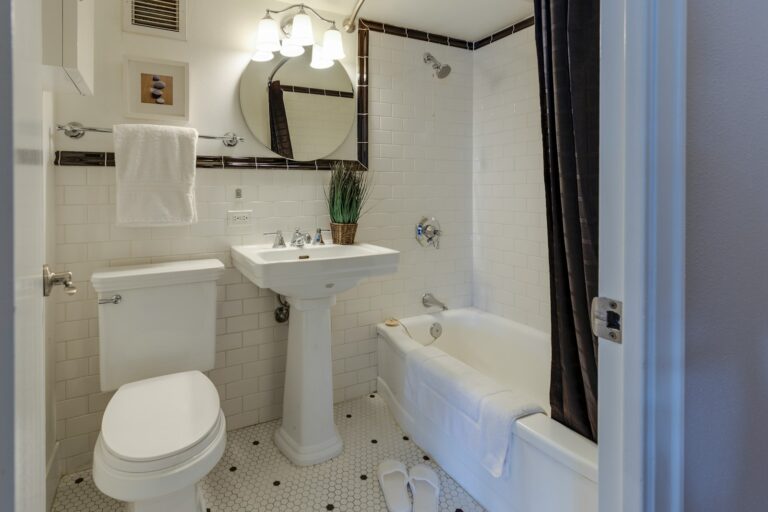
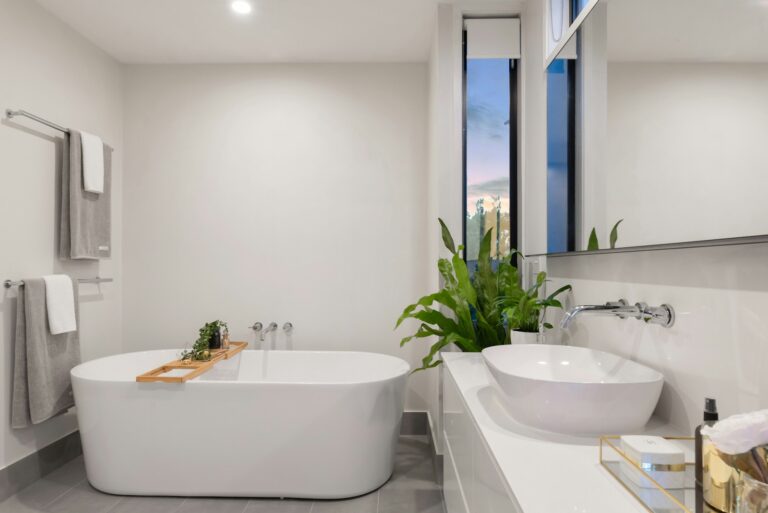
Modern bathroom design featuring basic bathroom accessories like a shower curtain, towel rack, toilet paper holder, and sleek bathroom storage solutions.
1. Luxury Towel Warmers
Luxury towel warmers are no longer reserved solely for upscale hotels; they have made their way into everyday homes. These devices not only provide a touch of sophistication but also ensure that every towel is perfectly warmed and cozy right after a shower.
• Modern electric towel warmers range from $150 to $600 depending on style, size, and brand. • They come in sleek, minimalist designs that complement contemporary bathrooms. • Many models offer adjustable temperature settings and energy-saving features.
For individuals in cooler climates, a towel warmer can transform your chilly mornings into a warm embrace of comfort.
2. Smart Mirrors
A bathroom isn’t complete without the ideal mirror. Today’s smart mirrors do more than reflect – they provide a built-in display for weather updates, news headlines, or even your daily calendar. Often equipped with anti-fog technology, LED lighting, and touch controls, smart mirrors are increasingly seen as a central piece in modern bathroom designs.
• Priced between $200 and $1,200, the cost of smart mirrors varies based on size and additional technology features. • They enhance the bathroom’s aesthetic appeal while simplifying your morning routine. • Many models integrate with smart home devices, further adding to their futuristic allure.
Smart mirrors are especially popular among technology enthusiasts looking to merge the convenience of digital information with daily grooming rituals.
3. Artistic Bath Towels and Bath Mats
Accessories such as bath towels and bath mats have evolved beyond utilitarian purposes. They now come in an array of stylish designs, crafted from soft, sustainable materials like organic cotton or bamboo microfiber. High-quality, artistic textiles can elevate the overall look of your bathroom.
• Prices range from $30 for a set of basic towels to over $200 for premium designer collections. • Many of these textiles are dye-resistant and eco-friendly, making them a sustainable option. • Patterned bath mats provide both safety with slip resistant materials and elegance to the design.
The choice of colors and patterns allows you to express your personality and create a soothing ambiance tailored to your preferences.
4. Innovative Shower Fixtures
The shower is the centerpiece for many of us, and nothing beats a luxurious shower experience enhanced by innovative fixtures. Modern shower systems offer multiple functionalities, such as rain showerheads, adjustable water pressure, and built-in aromatherapy options.
• High-end shower heads with rain functions can be found for around $100 to $350. • Comprehensive shower systems that include a control unit, thermostatic valves, and LED mood lighting might fall in the $500 to $1,500 range. • These fixtures not only boost improvement in water efficiency but also significantly upgrade the shower experience.
A modern, well-equipped shower area transforms everyday routines into refreshing escapes that can rejuvenate both body and spirit.
5. Eco-Friendly Toilet Seats and Bidets
Sustainability is key in the modern bathroom. Eco-friendly toilet seats and bidets have gained traction as consumer demand grows for greener, more efficient products. These accessories focus on water conservation while providing luxurious personal hygiene options.
• Advanced bidet seats start at around $200 and can go up to $800, particularly for models that offer features like heated seating, auto-cleaning, and customizable wash settings. • They combine sophisticated functionality with a minimalistic design that aligns well with modern bathroom aesthetics. • Built with energy-saving technology and easy-to-clean surfaces, these eco-friendly options are becoming a favorite among eco-conscious users globally.
As sustainability continues to be a driving factor in home design, eco-friendly toilet accessories serve as an excellent focal point for environmentally aware consumers.
6. Compact Storage Solutions
A clutter-free bathroom is a hallmark of good design. Compact storage solutions such as floating shelves, over-the-toilet units, and vanity organizers are both functional and visually appealing.
• Prices for stylish storage solutions can range from $20 for a set of small baskets to $300 for custom-designed wall units. • Many storage systems are built with moisture-resistant materials, ensuring durability even in steamy environments. • These solutions emphasize the importance of maintaining an organized space, which can ultimately contribute to a more peaceful and stress-free routine.
Effective storage not only organizes the space but also creates a more aesthetically pleasing environment that encourages neatness and design coherence.
7. Statement Lighting Fixtures
Lighting is a crucial design element in any bathroom. Statement fixtures can dramatically alter the atmosphere by providing both functionality and artistic flair. Contemporary lighting options include recessed LED lighting, pendant lights, and vanity sconces.
• High efficacy LED fixtures start at approximately $50 and can reach up to $500 for intricate designs. • Choosing the right lighting setup can create intriguing shadows and highlights, enhancing the room’s ambiance. • Energy efficient bulbs integrated with smart technology help keep the monthly energy bills manageable.
Beautifully designed lighting fixtures can serve as conversation pieces in any home while also providing the necessary illumination for daily tasks.
8. High-Tech Faucets and Sinks
Faucets and sinks remain at the core of any bathroom design. With the advent of high-tech options like sensor-operated faucets and touchless technology, users enjoy a hygienic and well-designed sink area that reduces water wastage.
• Prices for high-tech faucets usually range from $75 to $400, with sensor models slightly on the higher end due to advanced features. • Touchless faucets are especially popular in public spaces and high-traffic household bathrooms, owing to their ease of use and sanitary benefits. • The design of these fixtures often includes sleek metallic finishes that blend perfectly with modern decor.
With the focus on public health and hygiene ever-present, high-tech bathroom fixtures continue to gain favor among homeowners and commercial establishments alike.
9. Minimalist Bathroom Hardware
Even the smallest items in a bathroom can contribute significantly to style. Hardware accessories like towel racks, soap dispensers, and toilet paper holders now come in a myriad of minimalist designs. These products add an understated yet sophisticated touch to the overall decor.
• Prices are typically modest, ranging from $15 to $100 for individual accessories. • Many manufacturers now offer stainless steel, brushed nickel, or matte black finishes to suit various design preferences. • Well-coordinated hardware kits can help maintain a cohesive look throughout the bathroom.
These versatile, easy-to install designs provide a considerable impact on aesthetic ambiance and are a cost-effective way to refresh a bathroom instantly.
Bathroom Accessories and Their Prices
Here’s a curated table of top bathroom accessories, along with their approximate prices, to help you choose the best items for your modern bathroom. This list includes both essential and stylish accessories that can elevate your bathroom’s functionality and aesthetics.
Bathroom Accessory
Description
Approximate Price
Shower Curtain
Waterproof fabric or vinyl curtain for shower enclosure
$15 – $50
Towel Rack
Wall-mounted or freestanding rack for towels
$10 – $40
Toilet Paper Holder
Wall-mounted or freestanding holder for toilet paper
$5 – $20
Soap Dispenser
Wall-mounted or countertop soap dispenser
$5 – $30
Toothbrush Holder
Container for storing toothbrushes
$2 – $15
Shower Caddy
Hanging storage for shampoo, conditioner, and soap
$10 – $30
Bathroom Trash Can
Small waste bin for bathroom use
$10 – $50
Bath Mat
Soft mat for placing outside the bathtub or shower
$10 – $30
Shower Head
Adjustable or fixed showerhead
$20 – $150
Bathroom Mirror
Vanity mirror for grooming and personal care
$15 – $100+
Toilet Brush
Brush for cleaning the toilet bowl
$5 – $20
Storage Shelves
Wall-mounted or freestanding shelves for storage
$20 – $100+
Global Perspectives on Bathroom Accessories
As consumer preferences shift towards greater customization and connectivity, people from around the globe are embracing stylish bathroom accessories as symbols of modern living. A mix of traditional craftsmanship and smart technology is creating products that cater to dynamic lifestyles.
European Elegance
In Europe, bathroom design often emphasizes space efficiency and modular design. High-end accessories often feature clean lines, subtle textures, and a preference for sustainable materials. European brands are renowned for creating timeless bathroom accessories that blend form and function. Expect premium fixtures in countries like Italy and Germany to be valued higher on the market due to their robust manufacturing and design philosophies.
North American Innovations
In North America, especially in the United States and Canada, innovation in bathroom accessories is closely tied to technology. Products with energy-saving features, smart integrations, and ergonomic designs are spherical trends in this region. North American consumers value both aesthetics and practicality, resulting in a higher demand for tech-embedded products like smart mirrors and advanced shower systems.
Asian Modernity
Asian markets, particularly in Japan and South Korea, have long accepted the integration of advanced technology in everyday products. Bathrooms here often exude a minimalist and efficient design. High-tech bidet toilets, for example, are a staple in Japan, combining luxury with water conservation. The convergence of technology with traditional sensibilities has created a unique market where every accessory plays a pivotal role in improving quality of life.
Middle Eastern Luxury
The Middle Eastern market emphasizes opulence and grandeur. Bathroom accessories here are often designed to make a bold statement. With the increasing demand for luxury and sophistication, many brands are focusing on elaborate designs that incorporate premium materials such as marble, gold accents, and custom fixtures. Homes in this region frequently serve as a social showcase for cutting-edge design and high-end accessories.
Price and Value Insights for Top Bathroom Accessories
A key factor for homeowners around the world is finding a balance between price, functionality, and design. Though premium bathroom accessories will naturally command a higher price, it’s important to recognize the long-term value that these items can offer.
• BudgetFriendly Options: For those working on a tight budget, basic accessories such as minimalist towel racks, standard faucets, and affordable shower fixtures can set you back between $15 and $100 per item. While these options might not offer the advanced features of their higher-end counterparts, they provide reliability and aesthetic appeal without compromising on quality.
• Mid Range Choices: If you’re seeking to infuse a touch of luxury into your bathroom without breaking the bank, mid-range products such as smart mirrors, decorative bath mats, and sensor-activated faucets are available for between $150 and $600. These products typically combine durability with modern design, making them a worthwhile investment that also elevates your bathroom’s overall look.
• Premium Selections: For those who desire the ultimate in bathroom sophistication, high-end accessories—ranging from luxury shower systems and high-tech bidet seats to artistic storage solutions and state-of-the-art light fixtures—are available at prices from $600 upwards, sometimes reaching several thousand dollars. Although the initial cost may be significant, these premium items can add considerable value by enhancing your home’s resale potential, along with delivering an unmatched user experience.
Homeowners and interior designers must consider not only the upfront investment but also the long-term benefits of high quality products. Increased energy efficiency, enhanced longevity, and improved hygiene standards are all factors that contribute to the overall value proposition of modern bathroom accessories.
Moderen Batroom Design and Functionality
When curating the best bathroom accessories for your home, always remember that a well-designed space should serve a dual purpose: it should be both beautiful and functional. Achieving the right balance involves careful consideration of layout, color schemes, and user habits.
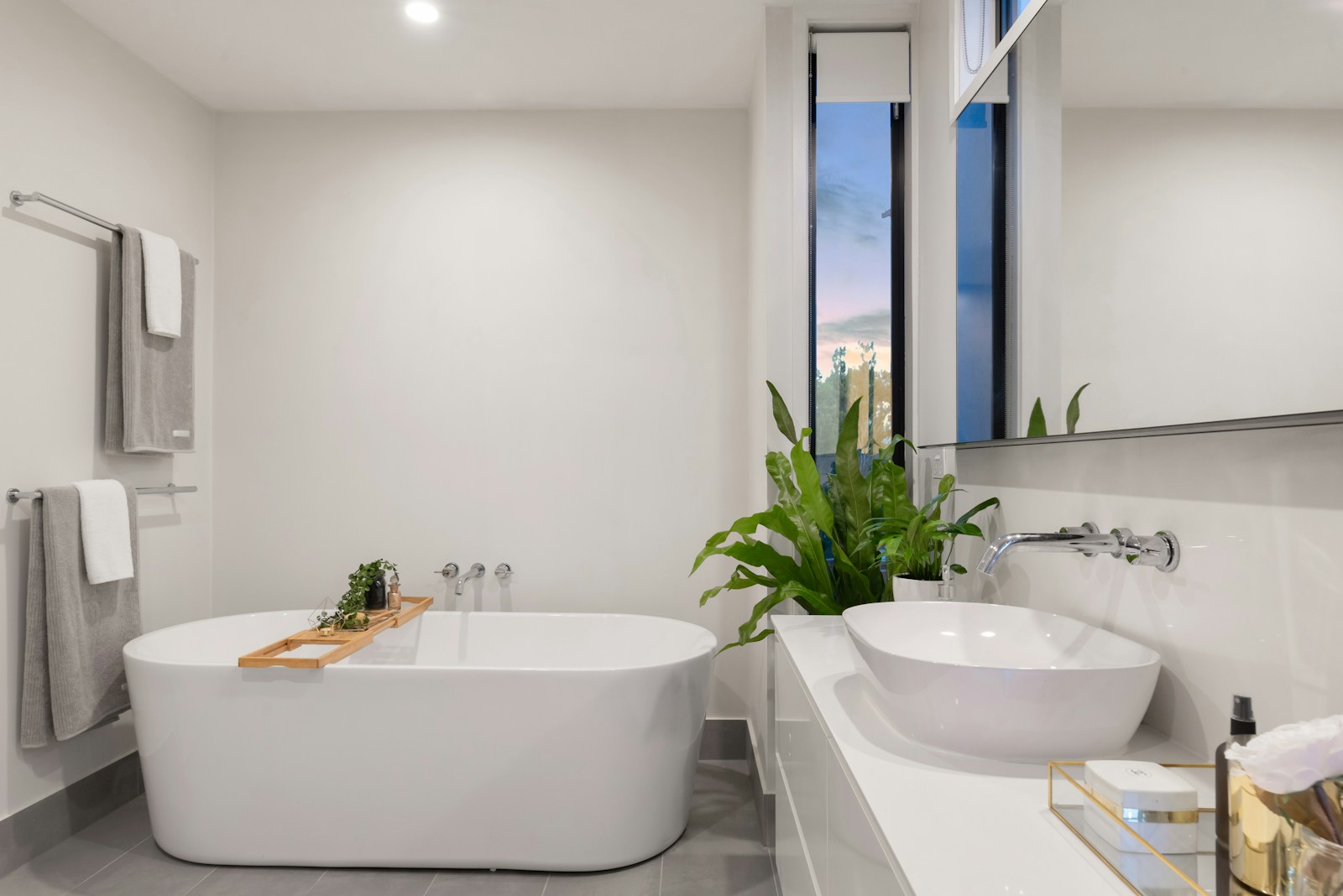
White Ceramic Moderen Bathroom Design
For instance, the integration of smart lighting and digitally controlled fixtures can create an environment that is not only visually appealing but also optimizes energy demands, thereby reducing utility costs. Similarly, a well-placed towel warmer or a sensor-activated faucet speaks volumes about your attention to detail, elevating your bathroom to a smart, comfortable retreat.
Design experts often suggest that when renovating or upgrading a bathroom, each accessory should be carefully selected to match the overall theme of the room. Consider coordinating finishes such as matching metal tones across faucets, towel racks, and storage units to create a cohesive visual appeal. Additionally, incorporating natural materials and textures, like stone, wood, or even sustainably produced fabrics, can help achieve that desired balance between modernity and warmth.
Furthermore, the layout of your bathroom accessories should encourage ease of movement and promote a sense of calm. Avoid clutter by ensuring that every product has a designated place. Well-planned storage solutions not only help in organization but also contribute to the serenity of the space, allowing you to relax and enjoy the comfort of your revised haven.
Global Trends and Consumer Insights
For international homeowners and design aficionados, understanding market trends is as crucial as selecting the right product. Recent trends indicate a shift towards sustainability and smart home integration, two aspects that play an important role in consumer decisions.
• Sustainability has taken center stage, with manufacturers prioritizing eco-friendly materials and production methods. Environmental concerns have led to increased demand for water-efficient fixtures, natural textiles, and energy-saving devices, further reinforcing eco-conscious design philosophies.
• The adoption of smart home technology in the bathroom accessory market is driven largely by the need for convenience and enhanced functionality. Many consumers now expect their bathroom accessories to communicate with their IoT (Internet of Things) networks—allowing for remote control, automated adjustments, and even personalized settings that align with daily routines.
• As markets across regions, from Europe to Asia, continue to innovate, a variety of new designs are steadily emerging. This rapid evolution means that while some classic designs remain timeless, modern aesthetics continue to push boundaries. Regular updates from trade shows and international design expos are good indicators of what lies ahead in the world of bathroom accessories.
For homeowners aiming to invest wisely, staying informed about the latest trends and technological advancements is essential. Whether you are refurbishing your own space or specifying products for a commercial venue, understanding the market dynamics can help you negotiate the best prices and select accessories that offer both style and functionality.
Expert Recommendations for a Seamless Bathroom Makeover
Consulting with interior designers and industry experts can make all the difference. Many professionals suggest building a comprehensive plan before making purchases. Start by assessing your current space, identifying your key needs, and setting a budget that aligns with your design ambitions.
• Visit local home improvement stores and online marketplaces to compare features and prices. • Look for products that offer warranties and positive reviews from international users. • Consider a mix of high-end and budget-friendly items to balance out the overall expense while maintaining quality.
A well researched plan not only saves you money in the long run but also ensures that you get the most out of each bathroom accessory. It is a good idea to sample different productssometimes even through physical showrooms—if available, so that you can gauge their fit and finish in a real-world setting.
Experts emphasize that a thoughtful, step-by step approach is the key to achieving a bathroom that is both trendy and timeless. With thoughtful planning and a clear vision, upgrading your bathroom can become an exciting project that significantly enhances your quality of life.
Frequently Asked Questions about Batroom Accessories (FAQs)
Q1: What are the most popular bathroom accessories currently trending in 2025? A1: The most popular bathroom accessories include smart mirrors with LED lighting, luxury towel warmers, innovative shower fixtures, eco-friendly bidet seats, and minimalist storage solutions.
Q2: How much can I expect to spend on upgrading my bathroom accessories? A2: Costs vary widely: budget-friendly options may start at around $15 per item, mid-range products range from $150 to $600, and premium accessories can exceed $600, depending on features and design.
Q3: Are smart bathroom accessories energy-efficient? A3: Yes, many smart bathroom accessories are designed for energy efficiency, incorporating features like LED lights, auto-off sensors, and water-saving technology.
Q4: Which bathroom accessory provides the best value for a small budget? A4: For a small budget, consider affordable yet stylish options such as minimalist storage solutions and basic yet aesthetically pleasing faucets and hardware that refresh the room without a high cost.
Q5: How do I choose the right bathroom accessories for my design style? A5: Start by identifying your overall design theme, then select accessories with complementary finishes, colors, and materials that create a cohesive look throughout your bathroom.
Conclusion
The evolving world of bathroom accessories brings a wealth of options to enhance every home, marrying style with technological advancements. Whether you are looking for luxury in the form of smart mirrors and innovative showers or aiming for sustainable elegance with eco friendly fixtures, this guide provides a detailed blueprint for transforming your bathroom space.
In an increasingly dynamic market, the integration of modern technology, artistic design, and intelligent functionality into everyday items has allowed homeowners worldwide to create personalized sanctuaries that cater not only to their aesthetic sensibilities but also to their practical needs. The evolution of bathroom accessories reflects broader global trends in home design—where sustainability meets innovation, and style meets comfort.
In a world where every detail counts, enhancing your bathroom with carefully chosen accessories is a step towards creating an oasis that reflects your lifestyle, values, and aspirations.
This international guide to bathroom accessories is intended for homeowners, interior designers, and anyone passionate about enhancing their living spaces with smart design choices. As trends continue to evolve, we remain committed to keeping you informed on the latest in home and design innovations.
We hope you found this article helpful. For further design inspiration and up-to date news on home innovations, stay tuned to our Home and Design section, where we bring the best of global interiors straight to your doorstep.