Wednesday, April 1, 2026
17.1 C
Srinagar
Home Blog Page 97

An In-Depth Look at Tourism in Pakistan-Administered Kashmir

Between some of the highest mountain ranges in the world and surrounded by geopolitical borders that have long drawn international scrutiny, the territories of Azad Jammu and Kashmir (AJK) and Gilgit Baltistan (GB), collectively referred to here as Pakistan-administered Kashmir, offer more than just geographical intrigue. These regions boast a natural beauty that rivals the world’s most celebrated destinations, yet remain relatively underexplored on the global travel map.

Tourism in Pakistan-administered Kashmir is on the rise, with domestic and international adventurers beginning to take note. As modern infrastructure weaves its way into ancient valleys, the call of the mountains grows louder. However, it’s not merely the peaks and rivers that attract visitors; it’s also the opportunity to engage with distinct cultures, languages, cuisines, and communities shaped by centuries of trade, migration, and resilience.

This report serves as a comprehensive guide for those seeking to understand the tourism of the region, complemented by a tourism map for Azad Kashmir and a Gilgit Baltistan tourism map for navigating this stunning, and richly historic land.

Reintroducing the Region to the World

In a world driven by Instagram reels and bucket lists, travel is often reduced to postcards and curated filters. But Pakistan-administered Kashmir offers a different experience one that is raw, real, and layered with stories. For too long, the global travel industry has bypassed these territories, often citing political sensitivities or infrastructural gaps. Yet, those who do make the journey find themselves immersed in lands that not only rival the Alps, Rockies, or Andes in beauty but surpass them in cultural depth.

Azad Kashmir, officially known as Azad Jammu and Kashmir (AJK), and Gilgit Baltistan are both administered by Pakistan but remain internationally recognized as part of the larger disputed region of Jammu and Kashmir. While political debates continue on the global stage, the people of these territories are building their own travel narratives — with guesthouses replacing guidebooks, and local trailblazers shaping a new tourism ethos grounded in community and sustainability.

Azad Kashmir: The Soul of the Himalayas
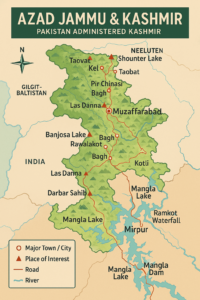
Aad Kashmir Tourism Map

Azad Kashmir, the more temperate and densely forested of the two regions, presents a green tapestry of valleys, rivers, and foothills. With elevations ranging from 2,000 to 13,000 feet, the region offers a varied landscape ideal for trekking, camping, rafting, and cultural exploration.

Unlike its higher-altitude counterpart to the north, Azad Kashmir’s tourism experience is less about summits and more about soul village life, river trails, historical ruins, and warm encounters over saffron tea.

Check out the Kashmir Tourism Planner free tool developed by The Azadi Times. try now

Travelers often begin their journey in Muzaffarabad, the regional capital. Located at the confluence of the Neelum and Jhelum rivers, Muzaffarabad serves as a gateway to several valleys, including:

  • Neelum Valley: A 240-kilometer arc of pine forests, roaring rivers, and alpine meadows. Places like Sharda, with its centuries-old Hindu university ruins, and Kel, perched near the Line of Control, offer a mix of adventure and reflection.
  • Leepa Valley: Accessible only in the warmer months due to snow, this remote area is a pastoral paradise. Its wooden homes, built in traditional Kashmiri style, line winding trails used by shepherds and traders for generations.
  • Rawalakot and Banjosa: The so-called “Pearl Valley” offers a cooler climate and serves as a cultural heartland. Lake Banjosa, surrounded by tall deodar trees, provides serenity and accessible tourism infrastructure.
  • Toli Peer and Pir Chinasi: High-altitude meadowlands and viewpoints that offer panoramic views and opportunities for paragliding, photography, and highland trekking.

Each of these locations contributes to Azad Kashmir’s growing reputation as a sustainable and scenic travel destination.

The Essential Role of a Tourism Map for Azad Kashmir

The region’s rugged terrain and remote settlements make orientation essential. A tourism map for Azad Kashmir is more than a visual guide—it is an introduction to the region’s soul. From mapping elevation and climate zones to marking guest houses, seasonal routes, and cultural heritage sites, the map is a tool that empowers responsible and informed travel.

Government-issued maps are increasingly being supported by digital platforms developed by independent cartographers, local tourism entrepreneurs, and NGOs. These offer GIS data, real-time route updates, and community-driven reviews, making them indispensable for independent travelers and guided groups alike.

Gilgit Baltistan: The Land of Giants
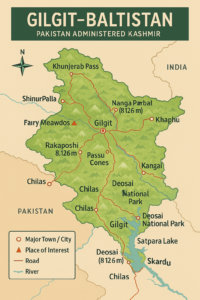
The Gilgit Baltistan Tourism Map

Traveling northward, the scenery begins to shift. Pine forests give way to sharp rock faces, deep gorges, and glacial valleys. Gilgit Baltistan (GB) is often described as the “roof of the world”  home to five of the planet’s 14 tallest peaks, including K2, the world’s second-highest mountain.

But Gilgit Baltistan is a mosaic of cultures, languages, and landscapes that have evolved along the ancient Silk Route. Here, Buddhist relics, Shina poetry, and Wakhi traditions exist side-by-side, forming a unique cultural fabric largely unknown to the outside world.

Valleys Carved by Time

  • Hunza Valley: Often dubbed the “Switzerland of Asia,” Hunza has captivated explorers and writers since colonial times. With its fortress ruins (Altit and Baltit), glacier-fed lakes (Attabad), and eco-lodges, Hunza exemplifies GB’s tourism potential.
  • Skardu and Baltistan: Skardu is the access point to some of the world’s greatest climbing expeditions. However, the broader Baltistan region, including places like Khaplu, Shigar, and Deosai National Park, offers alpine wildlife, star-studded skies, and a deep dive into Balti culture.
  • Fairy Meadows and Nanga Parbat: This trek is one of the most iconic in South Asia, leading hikers through enchanted forests to the base of the “Killer Mountain.” Despite the ominous name, the journey is magical.
  • Ghizer District: Often overshadowed by more famous regions, Ghizer offers emerald valleys like Phander, trout-rich rivers, and unexplored trekking routes.

The Gilgit Baltistan Tourism Map

A Gilgit-Baltistan tourism map is essential for anyone entering the region. It marks elevation gradients critical for altitude sickness awareness, camping zones, trekking paths, and even high-risk avalanche areas in winter months.
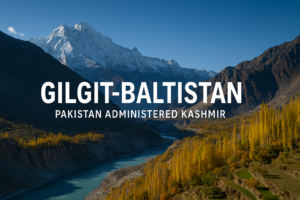
Updated versions are now available through collaborative efforts between tourism departments and mountaineering federations. These maps also highlight heritage sites, such as Buddhist rock carvings near Chilas or the historic Khanqahs of Baltistan.

As with Azad Kashmir, travelers are encouraged to use these maps not just for logistics, but as invitations to explore beyond the obvious.

Cultural Integrity and Tourism Ethics

One of the defining strengths of both Azad Kashmir and Gilgit Baltistan is their cultural resilience. Unlike commercialized tourist hubs, these regions have preserved their customs, attire, languages, and oral histories. Yet, tourism presents a paradox: it can either preserve or erode these traditions.

Responsible travelers are encouraged to engage ethically. This includes dressing modestly, asking permission before photographing locals, minimizing plastic use, and supporting locally owned businesses over international tour operators.

Challenges to Overcome

Despite growing momentum, several barriers still hinder sustainable tourism in Pakistan-administered Kashmir:

Infrastructure: Many roads remain prone to landslides and closures. Air connectivity is limited and seasonal.

Environmental stress: Over-tourism in places like Fairy Meadows and Attabad Lake has led to littering and fragile ecosystems.

Digital divide: While mobile coverage is expanding, many areas still lack reliable data services, limiting the use of digital maps or emergency apps.

Efforts are ongoing to address these challenges. Youth-driven initiatives, conservation groups, and community-based organizations are working with government agencies to improve eco-tourism frameworks and expand digital access.

Toward a Tourism Renaissance

Looking ahead, Pakistan-administered Kashmir has the potential to become a global tourism model not through mass marketing, but through mindful travel. Both Azad Kashmir and Gilgit Baltistan are poised to lead a new kind of tourism: one that is low-impact, culturally sensitive, and driven by the people who call these mountains home.

International media, policy makers, and travelers must recognize the delicate balance between visibility and vulnerability. By promoting tourism that respects autonomy, geography, and identity, the global community can support a region that has long been more spoken about than spoken to.

More Than Just a Map

Tourism maps for Azad Kashmir and Gilgit Baltistan are tools—but they are also metaphors. They reflect a changing landscape where forgotten trails are being rediscovered, where young people are becoming guides of their own stories, and where the mountains are no longer silent.

In Pakistan-administered Kashmir, every path leads not just to a destination, but to a dialogue between people and planet, between tradition and change.

As more travelers unfold these maps, may they do so not just with curiosity, but with care.

Kashmiri Scientist Dr. Shahid Banday Makes Breakthrough in Fight Against Rare Sarcoma Cancer

Srinagar, Kashmir: In a landmark achievement for cancer research, Dr. Shahid Banday, a Kashmiri scientist working at the prestigious Howard Hughes Medical Institute (HHMI) Lab at UMass Chan Medical School in Boston, USA, has uncovered a potential breakthrough in treating Ewing Sarcoma (ES), a rare and aggressive bone and soft tissue cancer affecting children and young adults.

After five years of rigorous research, Dr. Banday and his team published their groundbreaking findings in Springer Nature Communications, titled “The O-glycosyltransferase C1GALT1 promotes EWSR1::FLI1 expression and is a therapeutic target for Ewing sarcoma.” The study identifies a key protein, C1GALT1, as a critical driver of ES tumor growth, opening doors to innovative treatments that could significantly improve survival rates.

The Challenge of Ewing Sarcoma

Ewing Sarcoma is characterized by a spontaneous mutation that produces an oncogenic fusion protein, EWS-FLI1, which fuels cancer progression. However, targeting this protein has been notoriously difficult because it lacks a binding site for conventional drugs.

Dr. Banday’s team adopted a novel approach, using CRISPR genetic screening to identify pathways essential for EWS-FLI1 expression. Their research pinpointed C1GALT1 as a highly druggable target and discovered that Itraconazole (ITZ), an FDA-approved antifungal drug used for decades, could inhibit this protein.

A Repurposed Drug Offers New Hope

In preclinical trials, ITZ dramatically reduced EWS-FLI1 levels, killing cancer cells while sparing healthy ones. Most strikingly, the drug not only halted tumor growth in mice but also caused tumors to regress. Given ITZ’s established safety profile, Dr. Banday and his collaborators are now pushing for clinical trials to fast-track its use for Ewing Sarcoma patients.

“Drug repurposing is a faster, safer way to bring treatments to patients,” Dr. Banday explained. “Since ITZ is already FDA-approved, we can bypass years of safety testing and focus on its efficacy against cancer.”

The Rising Threat of Sarcomas in India and Kashmir

Sarcomas account for just 1% of adult cancers, yet they comprise over 100 subtypes with limited treatment options. In the U.S., 13,590 new soft tissue sarcoma cases are expected in 2024, with 5,200 deaths. In India, data is scarce, but Ewing Sarcoma cases are rising, particularly in cities like Mumbai, Delhi, and Bangalore.

Dr. Banday also highlighted the alarming prevalence of gastrointestinal stromal tumors (GIST) in Kashmir, possibly linked to dietary habits like high salt intake and genetic factors. “Early detection is poor, and cases are often diagnosed late. We urgently need focused research on Kashmir’s cancer burden,” he said.

A Global Collaboration for a Cure

Dr. Banday’s team has filed international and U.S. patents for ITZ as an ES treatment and is collaborating with leading sarcoma researchers to expedite clinical trials. His work extends beyond ES—he has also identified potential therapies for ovarian cancer, blood cancer, and Friedreich’s Ataxia, showcasing the power of functional genomics in medical innovation.

A Call for More Research

Despite progress, sarcomas remain understudied. Dr. Banday’s breakthrough underscores the need for greater investment in rare cancer research, especially in regions like Kashmir where diagnostic gaps persist.

“Every discovery brings us closer to saving lives,” Dr. Banday said. “This is just the beginning.”

(For further details on Dr. Banday’s research, read the full study in Nature Communications.)

Yasin Malik Asserts Political Stance in Indian Supreme Court Hearing

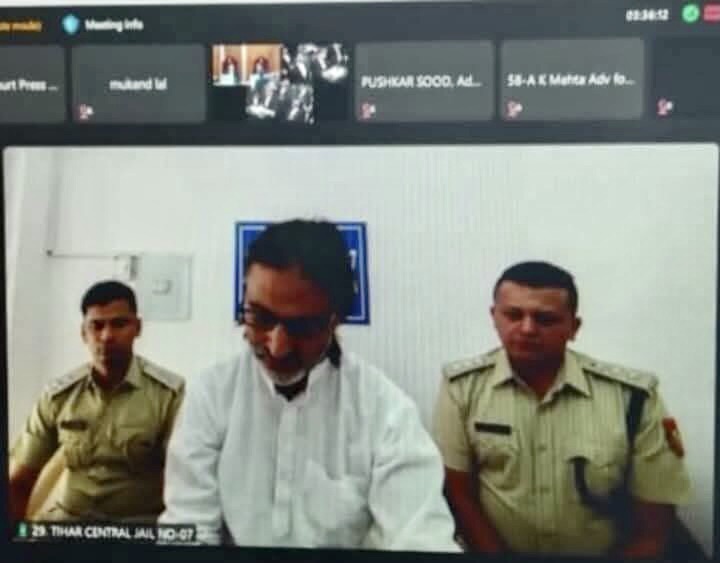
Srinagar, IaK: Jammu Kashmir Liberation Front (JKLF) leader Yasin Malik, currently incarcerated in India, appeared before the Supreme Court via video link today, firmly rejecting terrorism charges and asserting his status as a political figure. The hearing, presided over by Justices Abhay S. Oka and Ajay Bhuyan, centered on allegations linking Malik to militancy a claim he vehemently denied.

Speaking from detention, Malik referenced engagements with seven former Indian Prime Ministers as evidence of his recognized political role. He challenged the Central Bureau of Investigation’s (CBI) argument, presented by Solicitor General Tushar Mehta, which cited photographs of Malik with banned militant Hafiz Saeed. Malik dismissed the images as irrelevant, arguing they were being used to construct a false public narrative against him.

The JKLF chief highlighted that his organization had never been proscribed under India’s Unlawful Activities Prevention Act (UAPA), despite decades of scrutiny. He pointed to a 1994 ceasefire agreement, recalling that after being granted bail in 32 cases, none saw further prosecution. Malik accused the current government of disregarding past understandings, noting that administrations from Narasimha Rao to Narendra Modi’s first term had adhered to ceasefire terms—until fresh cases were filed against him three years ago.

Solicitor General Mehta countered that the 1994 agreement held no bearing on present legal proceedings, maintaining that Malik’s alleged militant ties remained under scrutiny. The court session underscored deepening tensions over Kashmir’s political dissent and India’s counterterrorism measures.

The hearing has drawn attention from human rights observers and Kashmiri groups, with supporters condemning the prosecution as a breach of historical accords. As proceedings continue, the case tests the delicate balance between India’s security policies and unresolved political negotiations in the region.

Kashmiri Usman Tariq Chughtai Journalist Charged for Criticizing Military’s Snow-Clearing Claims in Kashmir

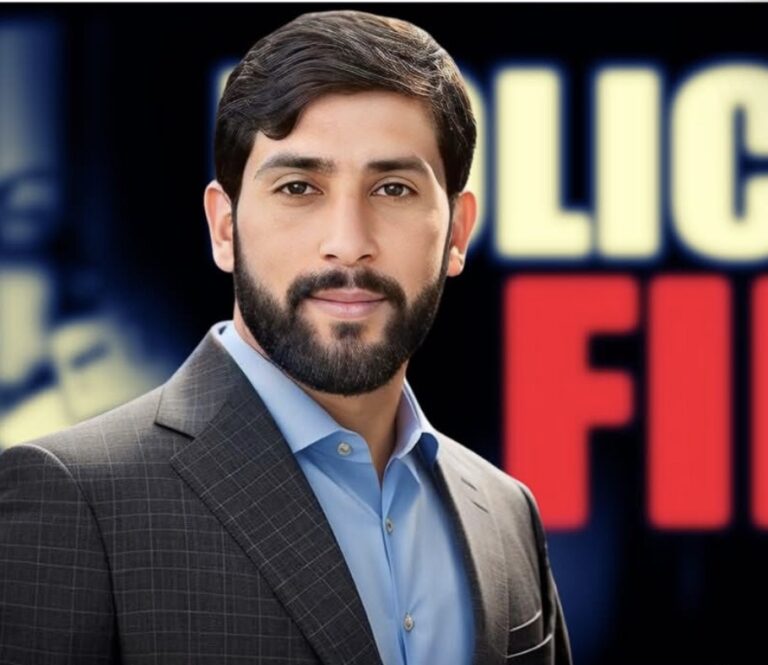
MUZAFFARABAD, PaJK: Authorities in Pakistan-administered Kashmir have filed a criminal case against a prominent journalist, accusing him of defaming the military after he challenged the army’s public relations wing for allegedly taking credit for civilian work during recent snowfall in the region.

The case against Usman Tariq Chughtai, president of the Neelum Press Club, was registered on March 4, 2025, at Athmuqam Police Station under several stringent laws, including defamation, cybercrime, and anti-state provisions. The charges stem from a March 3 Facebook post in which Chughtai criticized the Inter-Services Public Relations (ISPR) – the military’s media wing – for sharing a video that portrayed snow-clearing operations in Neelum Valley as an army-led effort.

In his post, Chughtai accused ISPR of misrepresenting machinery and labor belonging to the civilian Public Works Department (PWD) as military assets. He wrote, “They say we write against them. Blind in arrogance, they don’t realize their own folly. ISPR’s official page uploaded a video of snow-clearing machinery in Neelum Valley, deliberately or ignorantly misrepresenting civilian PWD equipment as military assets. I strongly condemn this attempt by the ‘number one’ army and ‘number one’ ISPR to overshadow the hard work of civilian institutions. Take credit, but only for what you’ve actually done.”

The FIR alleges that Chughtai’s post was intended to provoke hatred between the public and the Pakistan Army, accusing him of spreading “false information and malicious propaganda.” The case has been registered under Sections 500, 501, 504, and 505 (pertaining to defamation and incitement), Sections 489-Y and 489-P (cybercrime laws), and Section 31 of the Telegraph Act (related to electronic communication offenses).

The controversy began earlier this year when ISPR started sharing updates on snow-clearing operations in Neelum and Haveli districts, framing them as military-led initiatives. However, local residents and social media users disputed these claims, sharing videos that showed PWD workers clearing roads while soldiers filmed them. Despite widespread skepticism, no government department or media outlet officially confirmed or denied the discrepancies.

Chughtai’s case is part of a broader crackdown on dissent in Pakistan-administered Kashmir, where criticism of the military has increasingly been met with legal action. In recent weeks, several activists and political figures have been arrested on similar charges. Sadaqat Mughal, a nationalist leader, was detained in Neelum for allegedly defaming the army. Muqtada Banday, a student activist, was held for 15 days in February in Muzaffarabad. Raja Ghulam Mustafa was booked for sedition in Rawalakot on March 29 over an “anti-army speech,” and on April 1, student leader Arslan Shani was arrested in Hajira under comparable allegations.

Chughtai, who has also shared videos of locals questioning ISPR’s claims, now faces a legal battle amid growing concerns over press freedom and free speech in the region. International human rights organizations have repeatedly warned about shrinking space for dissent in Pakistan-administered Kashmir, where even factual criticism of state institutions can lead to arrests.

The case has drawn attention to the military’s expanding role in civilian affairs and its aggressive public relations strategies, which often overshadow local governance efforts. As legal proceedings begin, journalists and activists fear that the crackdown on social media criticism will intensify, further silencing independent voices in the region.

Reported by Haris Qadeer
(This report is based on official documents, eyewitness accounts, and verified social media evidence.)

Youth Arrested in Kashmir for Praising Nationalist Leaders on Social Media

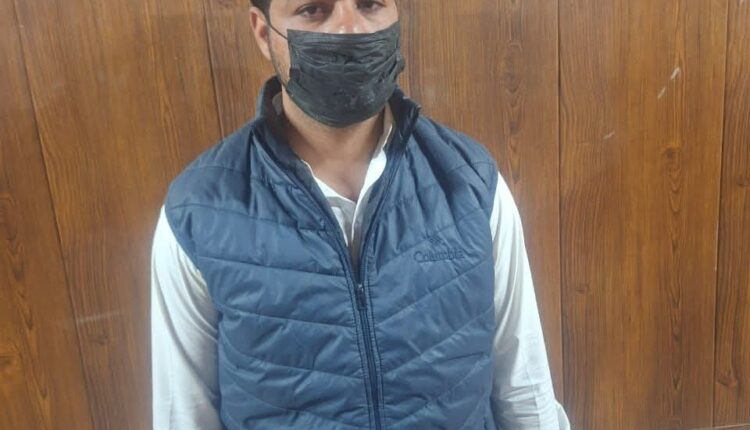
Srinagar, IaK: Authorities in Jammu and Kashmir have arrested a young man in the Bandipora district of North Kashmir for allegedly praising banned separatist leaders, including Jammu and Kashmir Liberation Front (JKLF) chief Muhammad Yasin Malik, on social media platforms.

According to an official statement released by the Jammu and Kashmir Police, the arrest followed routine cyber surveillance and patrolling that led to the identification of a social media user accused of spreading content promoting militancy and extremist ideologies.

The individual has been identified as Sajjad Nasir Butt, also known as Sahil, the son of Nasir Ahmad Butt and a resident of Naid Khai Sumbal. A police spokesperson stated:

“This individual deliberately uploaded images of JKLF leader Muhammad Yasin Malik and other separatist figures on his social media account with the intention of disturbing public peace and order.”

Following his arrest, a case was registered under relevant sections of the Bharatiya Nyaya Sanhita (BNS) at Police Station Sumbal, and a formal investigation is underway.

The police emphasized that the Bandipora district cyber team is actively monitoring digital platforms to identify users involved in the spread of extremist messaging, incitement to violence, or actions that may threaten public order.

A police official reiterated:

“Any attempt to promote terrorism, propagate separatist ideologies, or spread misinformation that challenges the integrity of the nation will be addressed in strict accordance with the law.”

This arrest comes amid heightened scrutiny of online content in Jammu and Kashmir, where the government continues to take preventive measures to ensure peace and stability in the volatile region, particularly against the backdrop of ongoing concerns related to militancy and separatist movements.

Editorial Note: Independent Kashmir Ideology

As an independent media platform committed to promoting freedom of expression and advocating for a free and independent Kashmir, we recognize the delicate balance between digital freedom and public security.

We strongly believe in the right of individuals to express their views and engage in responsible dialogue. At the same time, we acknowledge the necessity of maintaining public order and preventing the misuse of digital platforms for spreading hate, inciting violence, or encouraging unrest.

The freedom to express dissent must be safeguarded, but it must also be exercised within the bounds of law and societal responsibility, especially in regions marked by decades of political and social conflict.

Stay Informed

For continuous coverage on developments in Kashmir, follow us on our official website and social media platforms. We remain committed to delivering credible, balanced, and timely news that amplifies the voices of the people while adhering to principles of journalistic integrity.

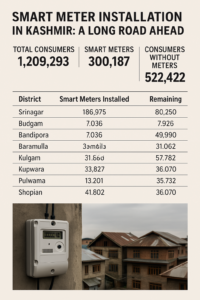
Smart Meter Installation in Kashmir: A Long Road Ahead

By Farooqani

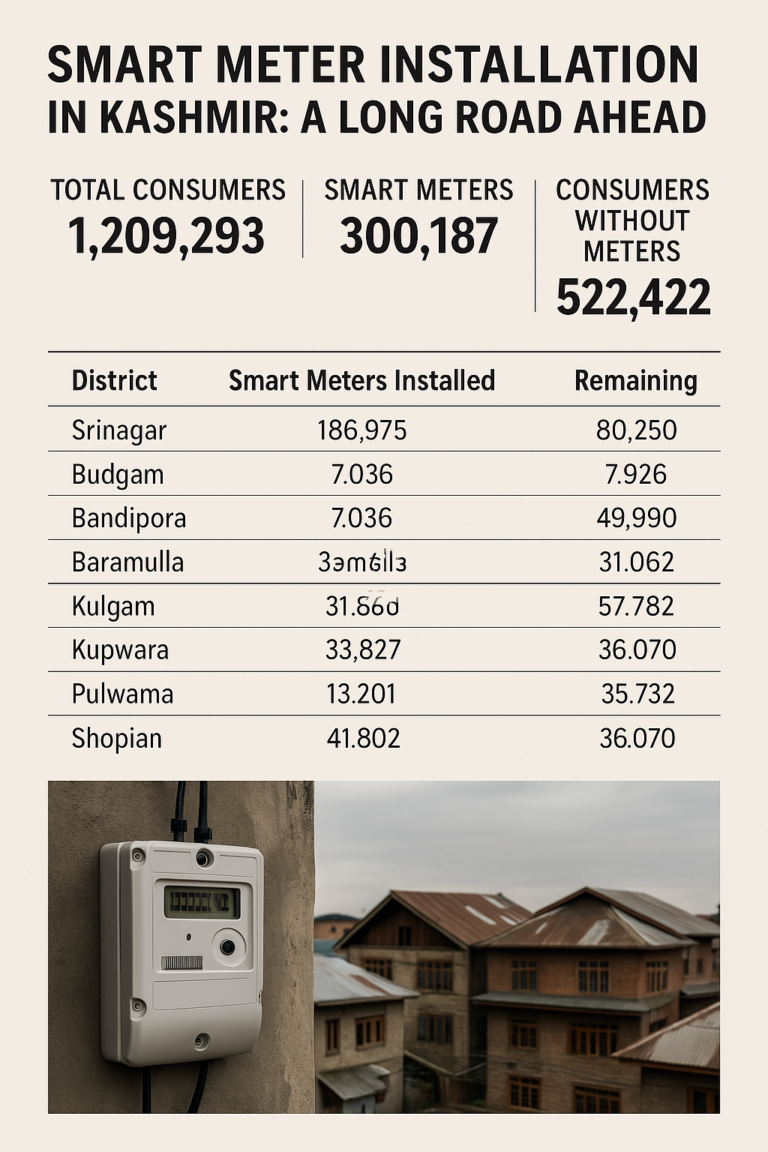
Srinagar, IaK: Amid official celebrations surrounding the success of smart meter installation in the Kashmir Valley, it has been revealed that less than a quarter of electricity consumers have been equipped with smart meters so far. The progress of this ambitious program is reflected in the fact that although the Valley has a total of 1,209,293 consumers registered with the Electricity Department, only 300,187 consumers have been fitted with smart meters to date. Meanwhile, 222,235 consumers still have traditional analog meters installed in their homes, bringing the total number of metered consumers to 522,422. Despite the slow pace, the Chief Engineer has assured that the installation of smart meters will be completed by 2026.

Statistics

According to official statistics, the Kashmir Power Distribution Corporation Limited (KPDCL) currently serves 1,209,293 consumers, out of which 868,071 consumers, including government institutions and offices, remain unmetered, relying on flat-rate billing or other non-metered services.

Among the metered category, traditional analog meters are still dominant. Of the 522,422 metered consumers, 222,235 are using conventional meters, whereas 300,187 have been transitioned to smart meters. While the number of smart meter installations is on the rise, it still lags behind the combined total of unmetered and traditionally metered consumers.

Breakdown by Consumer Category:

  • Out of 891,307 domestic consumers, 659,322 remain unmetered, 121,405 use traditional meters, and only 110,580 are equipped with smart meters.
  • Among 174,027 commercial users, 25,841 are unmetered. Among those with meters, 83,647 use traditional meters and 64,539 use smart meters.
  • Of 2,155 agricultural consumers, 303 are unmetered, 1,499 use conventional meters, and 353 have smart meters.
  • The railway sector uses four meters, and there is one electric vehicle (EV) charging center, both of which are categorized as non-traditionally metered.
  • Government offices total 7,550 consumers, with 642 unmetered, 5,653 using traditional meters, and 1,255 using smart meters.
  • In the Public Health Engineering (PHE) department, 807 consumers are connected via LT/HT lines, with 95 unmetered, 669 using traditional meters, and 43 using smart meters.
  • Street lighting comprises 280 consumers, of which 86 are unmetered, 186 use traditional meters, and only 8 have smart meters installed.

Overall, these statistics reveal that traditional metering and non-metered billing continue to play a significant role in the Valley, despite government efforts to modernize the electricity system.

Where Are They Installed?

According to sources in the Electricity Department, the installation of 731,669 smart meters is still pending in various districts of the Valley.

The highest number of installations has been carried out in Srinagar, where 186,975 smart meters have already been installed as part of the first and second phases of the Prime Minister’s Development Programme (PMDP). However, 80,250 meters are still pending in Srinagar, which has a total consumer base of 267,225.

In other districts:

  • Budgam has 119,948 consumers, with only 7,922 smart meters installed and 111,926 still pending.
  • Bandipora has 57,026 consumers, of which 7,036 have smart meters, while 49,990 remain without them.
  • Baramulla has 183,937 consumers. Out of these, 36,782 have smart meters, and 147,155 installations are yet to be done.
  • In Kulgam, of the 61,885 consumers, only 4,110 have received smart meters, with 57,775 still pending.
  • In Kupwara, out of 93,887 consumers5,147 have been covered, and 88,750 are pending.
  • In Pulwama123,827 consumers are registered, with 13,201 smart meters installed and 110,626 still pending.
  • In Shopian, out of 41,802 consumers, only 5,732 have received smart meters, and 36,070 remain to be installed.

This district-wise breakdown highlights a significant urban-rural disparity in the rollout, with urban centers like Srinagar witnessing much higher installation rates compared to more remote or rural districts.

Department’s Stance

The Electricity Department maintains that the smart meter rollout will be completed within the stipulated timeframe. Speaking to Kashmir Uzma, Chief Engineer Aaqib Sultan Waheed Deva of the KPDCL’s Distribution Division stated that both phases of the PMDP have already been completed.

He further added that under the Revised Distribution Sector Scheme (RDSS), 728,000 smart meters will be installed across Kashmir. This new phase began in July 2024 and is scheduled to continue until the end of 2026.

As of now, approximately 15,000 smart meters have been installed under the RDSS during the current fiscal year.

When asked about the prioritization of urban over rural areas, Chief Engineer Deva admitted that the department is currently focusing on areas where Low-Tension (LT) cable transmission lines have already been laid, which are predominantly found in towns and cities.

Deva also acknowledged that departmental staff are facing resistance from local residents in rural areas, where people have expressed concerns about increased electricity bills and stricter usage monitoring under the new system. However, he assured that despite these challenges, the project will be successfully completed by 2026.

Despite steady progress in the installation of smart meters across Kashmir, the latest statistics underscore the long road ahead before full implementation is achieved. With over 700,000 smart meters still pending, the initiative faces serious logistical, technical, and social challenges.

From resistance in rural communities to infrastructure limitations and prioritization of urban areas, the smart meter rollout is as much a policy challenge as it is a technical one.

While the government remains committed to meeting the 2026 deadline, the actual success of the project will depend on the pace of installation, community engagement, and enhancements in distribution infrastructure.

As the Valley moves toward modernized energy governance, the question remains: Can the promise of efficient, transparent, and real-time energy monitoring become a reality for all?

Major Police Reshuffle in Pakistan-Administered Kashmir Sees Dozens of Officers Transferred

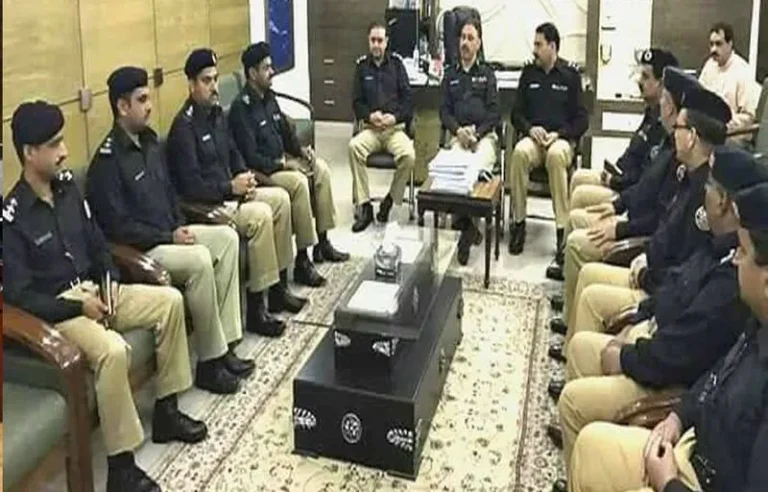
Muzaffarabad, PaK: The police department in Pakistan-administered Kashmir has undergone a significant reorganization, with the Inspector General of Police approving a sweeping reshuffle affecting dozens of senior officers. The move, described as necessary for administrative efficiency and public service improvement, includes transfers, promotions, and reassignments across multiple districts and specialized units.

Among the most notable changes, Mehdi Khan has been transferred from his post as District Inspector in Kotli to take up duties as Disposal Police Inspector in Poonch. Muhammad Aamir Farooq, formerly serving as District Inspector of Sudhanoti, has been reassigned to Mirpur, while Traffic Police Inspector Muhammad Jahangir will now serve as District Training Instructor. The reshuffle also sees Ghulam Rasool taking charge of the Crime Branch and Riaz ul Haq returning from the Accountability Bureau to the Special Branch.

The reorganization includes several promotions based on seniority, with sub-inspectors Roseena Akhtar and Sadaqat Hussain from Kotli elevated to Deputy Superintendent rank in Mirpur. Similarly, Naveed Ahmed and Mohsin Ali have been promoted to inspector positions, while Nabeela Shah has been reassigned from Mirpur to the Telecommunications Wing. These changes come into effect immediately, with officers expected to transition to their new roles without delay.

While officials maintain the reshuffle is routine and aimed at optimizing police operations, the scale of the changes has drawn attention from observers. Some speculate whether the moves reflect deeper institutional reforms or address specific performance issues within the force. The lack of additional context from authorities has left room for interpretation, though local officials have generally welcomed the changes as potentially beneficial for service delivery.

This restructuring represents one of the more substantial administrative overhauls in recent years for the region’s police force, occurring against the backdrop of ongoing security challenges and public expectations for improved governance. As the newly appointed officers settle into their positions, the impact of these changes on law enforcement effectiveness and community relations remains to be seen.

Kashmiri-American Community Leader Sagheer Khan Honored with Prestigious U.S. Award

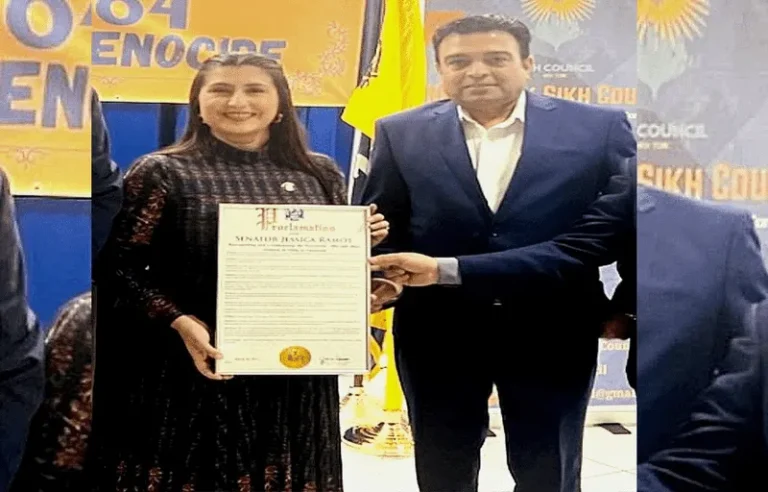
New York, April 4, 2025: Sagheer Khan, a community leader hailing from Charhoi in Azad Kashmir (Pakistan-administered Kashmir), has been awarded one of the United States’ highest honors for community service, recognizing his decades of dedication to addressing challenges faced by diaspora communities.

Khan, president of the Kashmiri American Alliance and a long-time U.S. resident, received the accolade at a ceremony in New York hosted by the Community Service Award Center. Jessica Ramos, a representative of the Center, presented the award, underscoring Khan’s “exceptional contributions to fostering unity and resolving issues within immigrant communities.”

The honor marks the first time a Pakistani or Kashmiri national has been granted this prestigious award, sparking celebrations in Khan’s hometown of Charhoi, located in the Chahawla region, as well as among Kashmiri and Pakistani expatriates across the U.S.

Decades of Service

Sagheer Khan immigrated to the U.S. over two decades ago and has since been instrumental in advocating for the rights and welfare of the Kashmiri-American community. His work through the Kashmiri American Alliance has focused on bridging cultural divides, supporting educational initiatives, and addressing socio-economic challenges faced by diaspora members.

“This award is a testament to the resilience and solidarity of our community,” Khan remarked during the ceremony. “It reaffirms our shared commitment to creating a more inclusive society.”

Pride at Home and Abroad

News of the award has been met with jubilation in Charhoi, where residents gathered to celebrate Khan’s achievement. Social media platforms were flooded with congratulatory messages from Kashmiris and Pakistanis globally, many hailing him as a “trailblazer” and “source of inspiration.”

The Kashmiri American Alliance released a statement praising Khan’s “visionary leadership” and noting that the recognition highlights the often-overlooked contributions of immigrant communities to American society.

A Symbol of Hope

The award has resonated deeply within Kashmir, where Khan’s story is seen as a beacon of pride amid ongoing political tensions. As a region divided between India and Pakistan since 1947, Kashmir rarely sees its diaspora figures acknowledged on such global platforms.

Khan’s accolade follows recent international recognition of other Kashmiris, including Fakhar Jibran from Bhimber, who won a Commonwealth Peace Award earlier this year.

For many, Khan’s journey from the hills of Charhoi to a New York stage embodies the potential of Kashmir’s diaspora to drive positive change, both locally and globally.

Reporting by The Azadi Times; Edited by Web Desk

30×50 East Facing House Plans PDF Free Download – Turning Your Dream Home into Reality

Everyone dreams of a home that is not only beautiful but also full of positive energy. East-facing homes have gained immense popularity for precisely this reason. A 30×50 ft plot, which totals around 1500 sq. ft., is considered an ideal size for small to mid-sized families. This particular layout takes full advantage of natural light, ensuring that the first rays of the morning sun enter your home, creating a bright and uplifting environment.

We’ve created a 30×50 east-facing house plan that not only follows the principles of Vastu Shastra but also embraces modern architectural design. The main entrance is placed on the east side, allowing optimal light and airflow. The kitchen is thoughtfully located in the southeast corner as per vastu guidelines, while the master bedroom sits in the southwest zone, offering privacy and tranquility.

This house plan includes a spacious living area, a contemporary open kitchen, a small garden at the back, and an optional car parking space. You can download the full plan in PDF format using the link below, making it easy to review before starting construction.

East-facing homes are considered especially favorable for professionals and businesspeople, as they support productivity, peace of mind, and spiritual well-being. If you’re looking for a home that feels welcoming, energizing, and architecturally efficient, this 30×50 layout is an excellent starting point.

And if you’d like to make changes to suit your family’s specific needs—whether that’s adding an extra room, including a pooja space, or adjusting the floor layout—our expert team is ready to help. Let us bring your dream home to life with personalized planning and vastu-compliant design.

30×50 east-facing house plan PDF download Free


AI and Blogging in 2025: Navigating the New Rules for Monetization and Traffic

As artificial intelligence continues to reshape industries, the blogging world is facing a pivotal moment. Ad networks, once friendly to high-volume AI-generated content, are now drawing clear boundaries. Independent content creators must adapt to ensure both visibility and income remain intact in this evolving landscape.

Mediavine, one of the top-tier ad networks for content creators, recently updated its terms of service, signaling a tougher stance on AI-generated content. The network has begun removing blogs that rely too heavily on machine-written listicles—those typical image-text-image formats devoid of deeper value or personal insight. Raptive, another major player in the display ad space, has followed suit with similar removals.

The message is clear: low-effort, mass-produced content—even if it skirts plagiarism—will not pass muster.

However, this does not mean AI is banned. Mediavine has clarified that AI can still be used to assist in content creation. Brainstorming, outlining, writing intros, and even refining ideas are all acceptable uses—as long as human oversight and editing remain central. Fully AI-generated blogs with no fact-checking or personal input, on the other hand, risk being blacklisted.

For new bloggers launching in 2025, this policy shift raises a pressing question: How much AI is too much? The answer lies in transparency. If a blogger would feel uncomfortable disclosing how a post was created to a platform like Mediavine, then that content likely needs revision. Incorporating personal stories, tutorials, reviews, and other types of original, human-written content is now essential—not optional.

Adapting Your Blog for a Post-AI Landscape

To thrive, bloggers must shift their focus from sheer output to brand-building and trust. A strategic approach now starts with choosing the right traffic source, not just a niche. Google, once the golden standard of blog traffic, has grown unpredictable due to frequent algorithm changes. While still useful for B2B or software-oriented sites, it is no longer a reliable foundation for beginners in many niches.

Platforms like Pinterest, which emphasize visual content, are increasingly favored by bloggers in home décor, parenting, food, and DIY. For Anastasia Blogger, the creator behind AnastasiaBlogger.com, Pinterest drives approximately 70,000 monthly visitors—most of whom are based in the United States. That geographic detail is critical because U.S. audiences command higher ad rates (RPMs), translating into more revenue from display ads.

Building a Blog with Longevity

Beyond traffic, legal compliance is a concern. Data privacy regulations like the GDPR, CCPA, and others require website owners to implement cookie consent banners, especially if tools like Google Analytics are in use. Services like Cookiebot by Usercentrics now offer affordable, even free, consent solutions tailored to smaller sites.

Structurally, blogs should resemble sales portals not traditional blog rolls. The homepage should prioritize email list building and showcase the blogger’s brand, products, and authority. A stream of recent posts won’t suffice anymore. This layout shift serves two purposes: better monetization and clearer signals to ad networks that a real, engaged individual stands behind the content.

Using AI Intelligently, Not Lazily

The message isn’t that bloggers should avoid AI entirely—but rather use it wisely. Outlines, Pinterest pin titles, email drafts, and formatting support are all areas where AI can shine. But personal takes, tested product reviews, and storytelling still need a human voice. Content that blends AI efficiency with genuine insight is more likely to withstand the scrutiny of both ad networks and search engines.

Diversifying Revenue: The Key to Independence

Ad and affiliate income are no longer enough on their own—especially given the risk of getting dropped by a network or losing affiliate commissions due to changing terms. Bloggers are advised to diversify their income with digital products, from low-ticket printables and templates to online courses and coaching. Unlike ads and affiliate links, these revenue streams are entirely within the blogger’s control.

Affiliate marketing remains a good starting point, even for low-traffic blogs. Networks like Journey by Mediavine accept applications once a site reaches just 10,000 monthly sessions. For the full Mediavine network, the bar is set at 50,000 sessions.

Final Thoughts: Is AI Killing Blogs?

AI isn’t killing blogs—but it is killing lazy blogging. The era of faceless content mills is closing fast, making room for creators who treat their blogs like real businesses, rooted in personal branding, ethical practices, and strategic monetization. AI can help, but it’s the human touch that will determine success in 2025 and beyond.

Independent bloggers must embrace this shift, using AI as a smart assistant rather than a ghostwriter. With originality, transparency, and a diversified approach, blogging is far from dead it’s simply evolving.