Wednesday, April 1, 2026
14.5 C
Srinagar
Home Blog Page 98

“Muawiya”: A Controversial Epic That Rekindles Old Flames in the Muslim World

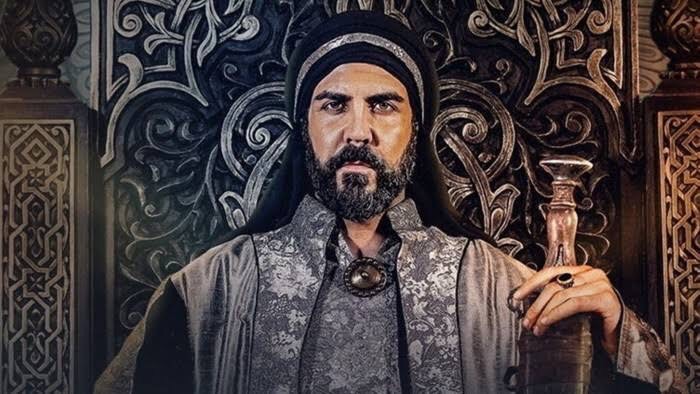
Riyadh: The 2025 release of the historical TV series Muawiya, an ambitious project by Saudi Arabia with a reported budget exceeding $100 million, has ignited fierce debates across the Muslim world. Advertised as an epic retelling of the life of Muawiya ibn Abi Sufyan (RA), one of Islam’s most pivotal and debated historical figures, the series has found itself in the eye of a political, religious, and cultural storm.

Though produced with high cinematic standards, lavish sets, and detailed portrayals of early Islamic events, Muawiya has stirred a wave of condemnation from several Islamic nations. Countries including Qatar, Iran, Iraq, and Egypt have either banned or strongly criticized the series, accusing it of misrepresenting historical events and deepening already fragile sectarian lines between Sunni and Shia Muslims.

The Central Figure: A Hero or a King?

Muawiya ibn Abi Sufyan (RA) is a polarizing figure in Islamic history. Revered by many Sunnis as a companion of the Prophet Muhammad (PBUH) and considered by some as the fifth rightly guided Caliph after the brief caliphate of Hasan ibn Ali (RA), others view him as the founder of a dynastic monarchy that transformed the Rashidun Caliphate into an Umayyad kingship.

For Shia Muslims and even a segment of Sunnis, Muawiya’s (RA) refusal to pledge allegiance to Caliph Ali ibn Abi Talib (RA) — the cousin and son-in-law of the Prophet — marked a significant fracture in the early Islamic leadership. His later decision to appoint his son Yazid as successor, a move that culminated in the tragedy of Karbala, is a historic turning point that continues to evoke sorrow and outrage among Shia communities worldwide.

The series, critics argue, paints Muawiya not only as a political genius and a stabilizing force, but positions the Banu Umayyah clan as noble protagonists in contrast to the Banu Hashim, which included Imam Ali (RA), Hasan (RA), and Husayn (RA). These portrayals, especially when dramatized with fictional dialogue and cinematic liberties, tread on sensitive theological and historical terrain.

Drama or Distortion?

One of the most contentious aspects of Muawiya is its depiction of pre-Islamic Arabia— particularly the opening scenes involving Muawiya’s mother, Hind bint Utbah, in a semi-exposed state during childbirth, surrounded by the rituals of Jahiliyyah (the Age of Ignorance). Critics argue that such visuals are not only unnecessary but dishonor the revered status of the Sahabah (companions of the Prophet).

The series also features musical interludes, dancing women, and dramatizations of battle scenes such as the Battle of Siffin, where Muawiya and Ali (RA) clashed. Many historians and religious scholars have called the depictions highly inaccurate, with concerns that they misrepresent key Islamic events and personalities.

Moreover, the entire narrative seems to lean toward the glorification of Banu Umayyah, while implicitly criticizing Banu Hashim. To some, this amounts to historical revisionism.

Geopolitical and Sectarian Fallout

The release has not occurred in a vacuum. In an era where Sunni-Shia tensions remain volatile in several regions — from Lebanon and Iraq to Yemen and Bahrain — the series risks further aggravating divides. The timing of the release during Ramadan 2025, traditionally a month of spiritual reflection and unity, has raised even more eyebrows.

While the series remains unavailable in English or Urdu translations, its Arabic version alone has set off social media storms. Online forums and Islamic networks have exploded with debates, condemnations, and threats of retaliatory productions. Most notably, Iraq’s Ashaair Network, associated with Shia clerical circles, announced a counter-series focused on Abu Lu’lu’a Firoz, the Persian slave who assassinated Caliph Umar ibn Khattab (RA).

The decision to glorify Umar’s assassin as a hero in response to Muawiya underscores the severity of the cultural rupture. Many see it as a dangerous precedent — turning religious and historical figures into media weapons in ideological warfare.

The West Watches, the East Divides

Interestingly, Israeli and some Western media outlets have applauded the series, seeing it as a bold move toward re-examining Islamic history. But critics in the Muslim world suspect ulterior motives — pointing to the age-old strategy of “divide and rule.”

For many, the celebration by non-Muslim media of such a divisive project raises red flags. After all, an internal Muslim narrative so contentious that it can trigger sectarian violence is bound to benefit external geopolitical agendas.

A Call for Balance and Accountability

What Muawiya reflects is not just a controversial TV series, but a deeper issue: the weaponization of Islamic history. On one side, certain Sunni factions have long glorified Muawiya while downplaying his conflict with Ali (RA). On the other, some Shia and extreme voices have gone so far as to label Muawiya (RA) a hypocrite or even a disbeliever — a stance not shared by most mainstream scholars on either side.

Both these extremes — known as Nasibiyyah and Rāfidhiyyah — distort the legacy of Islam’s earliest generations. While one demonizes the Prophet’s family, the other dismisses the Sahabah in totality.

The majority of Sunni and Shia scholars urge Muslims to leave historical judgments to Allahand refrain from making takfir (declaring someone a non-Muslim) based on disputed political events over a thousand years old.

Conclusion: What Should Unity Look Like?

In an age where media is the new battleground for narratives, Muawiya risks deepening divisions rather than educating viewers. While cinematic depictions of Islamic history are not inherently wrong, they require a sense of responsibility, scholarly integrity, and above all, an aim to unite, not divide.

The Muslim world, fractured along too many lines already, cannot afford a cultural war over long-settled debates. Perhaps it’s time to ask: not just what we remember from our past, but why we choose to revisit it — and at what cost.

JKLF Condemns FIR Against Leepa Valley Leaders, Demands Immediate Withdrawal

LeepaValley, PaK: The Jammu Kashmir Liberation Front (JKLF) has strongly condemned the filing of an FIR against its Leepa Valley chapter president, Malik Tahir Awaan, and other members over allegations of “exposing facilitators” on social media. The charges come just a day after JKLF organized a rally in Leepa demanding the release of incarcerated revolutionary leader and JKLF Chairman, Yasin Malik.

Crackdown on Political Activists

Local sources report that the FIR was lodged under pressure from agencies, targeting JKLF supporters who participated in the pro-freedom rally. The Leepa Valley, a strategically sensitive area near the Line of Control (LoC), has witnessed heightened political tensions, with authorities allegedly intimidating activists advocating for Kashmir’s independence.

JKLF Leepa leaders accuse the administration of “unlawful harassment,” claiming that a few “agency-backed facilitators” within the community are conspiring to suppress dissent. In a sharp warning, the group demanded the immediate withdrawal of the FIR, threatening “serious consequences” if the administration fails to comply.

Leepa: A Hotbed of Resistance

Leepa Valley, the last village in the Jhelum Valley district of Pakistan-administered Kashmir (PaK), is predominantly inhabited by Kashmiri-speaking communities. The region has long been a stronghold of pro-independence sentiment, with figures like Yasin Malik garnering significant support.

Residents allege that the recent crackdown is part of a broader attempt to silence political mobilization in the area. “The administration is targeting voices that challenge oppression,” said a JKLF member, speaking anonymously. “We will resist any attempt to criminalize our struggle.”

Calls for International Attention

Human rights advocates have urged international observers to monitor the situation, citing a pattern of suppressing dissent in Kashmir on both sides of the LoC. The JKLF’s protest in Leepa highlights ongoing demands for Yasin Malik’s release, who remains imprisoned in India on contested charges.

As tensions escalate, the JKLF has vowed to intensify its campaign, warning of protests if the FIR is not revoked. The group’s defiance underscores the volatile political climate in the region, where calls for self-determination continue to face stiff opposition.

Leaders of JKJAAC Arrested in Kashmir on Charges of Rebellion and Inciting Hatred

By Haris Qadeer: Authorities in Pakistani-administered Jammu and Kashmir have arrested two prominent members of pro-independence and student organizations, accusing them of rebellion, spreading hatred against the military, and attempting to undermine national security.

Arsalan Shani, a key figure in the Students Action Committee (SAC) and the Jammu and Kashmir National Students Federation (JKNFS), was apprehended on April 2 by police in Hajeera. He faces charges of using social media to spread anti-military sentiment and disinformation targeting the Pakistan Army. An FIR (First Information Report), filed on April 1 at the Hajeera police station, named Shani, along with several other individuals, including Hamad Sadozai, Abdul Basit, Abdul Samee, and Qadeer Journalist. According to the FIR, these individuals allegedly circulated fake news online to damage the reputation of the military and provoke hostility against the institution.

Shani’s arrest follows his prominent role in organizing and hosting meetings for the newly formed Students Action Committee, a group that has been vocal in advocating for greater autonomy and rights for the region. This marks the latest in a series of arrests Shani has faced, including prior detentions related to his activism against what he calls “repressive policies” in the region.

In a separate case, Raja Ghulam Mujtaba, a core member of the Jammu Kashmir Joint Awami Action Committee (JKJAAC), was arrested on April 3 by the Rawalakot police. Mujtaba’s arrest follows the circulation of a video from a March 29 Iftar gathering, where he allegedly made inflammatory remarks encouraging rebellion. The FIR alleges that Mujtaba, along with fellow activist Sajad Afzal, threatened violence, saying that “this is not Balochistan” and that opposition figures would not be found alive. The FIR claims the statements were made to incite the public to rebel against the state.

However, conflicting reports have emerged regarding Afzal’s involvement. His supporters have insisted that he did not deliver any speech at the event, and there is no video evidence to corroborate claims that he made the controversial statements attributed to him in the FIR. In contrast, a video of Mujtaba’s speech, in which the alleged inflammatory remarks were made, has gone viral on social media.

Following Mujtaba’s arrest, the Joint Public Action Committee held an emergency online meeting, where members decided to apply for his bail and refrain from organizing protests. Despite this, progressive groups and student organizations have vocally condemned the arrests, calling the charges politically motivated and an attempt to silence dissent. Both the Students Action Committee and various left-wing organizations have demanded the immediate release of the activists, labeling the accusations against them as baseless.

Arsalan Shani’s arrest has sparked widespread condemnation across the region. Shani, a well-known student leader, has been a vocal critic of the region’s governance and has previously faced multiple arrests due to his political activities. In the past, he was detained during protests against the controversial Presidential Ordinance and has been a significant figure in mobilizing students for causes related to human rights and regional autonomy.

The ongoing arrests have raised concerns among international human rights organizations, who argue that these actions are part of a broader crackdown on political activism and freedom of speech in the region. Both the arrest of student leaders and the criminal charges leveled against them are seen by critics as an attempt to suppress voices advocating for greater autonomy and self-determination for the people of Jammu and Kashmir.

As the situation unfolds, calls for the release of Arsalan Shani and Raja Ghulam Mujtaba continue to grow, with international observers watching closely for any further developments in the region’s tense political climate.

Islamic Baby Girl Names with Meanings in Urdu and English

In Islam, naming a child is a significant responsibility. A good name not only reflects the character but also plays a vital role in shaping a person’s personality. Islamic names are often chosen for their beautiful meanings and their connection to Quranic verses, Hadith, or Islamic history. This comprehensive guide will walk you through a list of Islamic girls’ names with meaning in urdu, unique names, those with connections to Fatima, and their meanings, helping you make an informed and meaningful choice for your child.

Importance of Naming in Islam

In Islam, naming a child holds great significance. A name is not just a means of identification; it reflects the identity, culture, and character of a person. Islamic teachings emphasize the importance of choosing meaningful and virtuous names for children, as a name has a profound impact on a person’s life and personality.

The Prophet Muhammad (ﷺ) emphasized the importance of giving children good names. He said:

“On the Day of Judgment, you will be called by your names and by your fathers’ names, so give your children good names.”
(Sunan Abu Dawood, 4948)

This highlights that the name of an individual is not only important in this world but also in the Hereafter. A good name carries blessings and reflects the values and morals of Islam.

Islamic Baby Girl Names with Meanings in Urdu

Islamic baby girl names are not only beautiful and meaningful but also deeply rooted in Islamic history, the Quran, and Hadith. Muslim parents often choose names that reflect positive attributes, religious significance, and spiritual connection. Below is a list of popular and unique Islamic baby girl names along with their meanings in Urdu.

Names List with Urdu and English Meanings

NameMeaning (Urdu)Meaning (English)
Aisha (عائشہ)زندہ دل، زندگی جینے والیLively, Prosperous
Fatima (فاطمہ)نبی کریم ﷺ کی بیٹی کا نامName of Prophet Muhammad’s Daughter ﷺ
Maryam (مریم)پاکیزہ، عبادت گزارPure, Devout
Hafsa (حفصہ)شیرنی، نبی کریم ﷺ کی زوجہLioness, Wife of the Prophet ﷺ
Zainab (زینب)خوشبودار پھول، نیک اور پاکیزہ بیویFragrant Flower, Virtuous Wife
Alia (عالیہ)بلند مقام والیHigh, Exalted
Rabiya (رابعہ)صالحہ، عبادت گزارPious, Worshipful
Thuraya (ثریا)ستاروں کا جھرمٹStar Cluster (Pleiades)
Nabila (نبیلہ)شریف، عالی نسبNoble, Generous
Noor (نور)روشنی، چمکLight, Radiance
Hina (حنا)خوشبودار مہندی، ہریالیFragrance, Henna
Sara (سارہ)خوشی لانے والی، حضرت ابراہیم کی بیویBringer of Joy, Wife of Ibrahim
Asma (اسماء)بلند مقام، نیکLofty, Esteemed
Amina (آمنہ)محفوظ، نبی ﷺ کی والدہ کا نامSafe, Mother of the Prophet ﷺ
Sidra (سدرة)بیری کا درخت، جنت کا درختLotus Tree, Tree in Paradise
Ayla (آئیلہ)چاند کی روشنیMoonlight
Eman (ایمان)ایمان، یقینFaith, Belief
Laila (لیلیٰ)رات، خوبصورت راتNight, Beautiful Night
Maha (ماہا)ہرن کی آنکھوں جیسی، چاندEyes Like a Deer, Moon
Anaya (عنایہ)اللہ کی رحمتAllah’s Blessing
Areeba (عریبہ)عقل مند، ذہینWise, Intelligent
Iqra (اقرا)پڑھو، قرآن کا پہلا لفظRead, The First Word of Quran
Zoya (زویا)زندگی، خوشحالLife, Prosperity
Amna (آمنہ)پرامن، محفوظPeaceful, Safe
Ayesha Siddiqua (عائشہ صدیقہ)سچی اور زندہ دلTruthful and Lively


These names not only carry religious significance but also have profound meanings, making them ideal choices for parents who want to bestow spiritual significance upon their daughters.

Unique Islamic Girls Names with Meanings

Choosing a unique Islamic name for your baby girl ensures that she stands out while carrying a name with a strong and positive meaning. These names are not only rare but also deeply connected to Islamic values and traditions. Below is a list of unique Islamic baby girl names that are meaningful and deeply rooted in Islamic culture, history, and spirituality. These names are not only rare but also carry beautiful meanings in Urdu.

NameMeaning in Urdu
Aleena (علینہ)نرم، خوبصورت
Mashal (مشعل)روشنی، چراغ
Eshal (ایشال)جنت کا پھول
Hooriya (حوریہ)جنت کی حور، خوبصورت عورت
Anaya (عنایہ)اللہ کی رحمت
Ayla (آئلہ)چاند کی روشنی
Zoya (زویا)زندگی، خوشحال
Hina (حنا)خوشبودار مہندی، ہریالی
Rania (رانیا)خوشگوار، مطمئن
Inaya (عنایہ)دیکھ بھال، حفاظت
Nawal (نوال)انعام، تحفہ
Yusra (یسرٰی)آسانی، سکون
Sidra (سدرة)بیری کا درخت، جنت کا درخت
Nayla (نائلہ)حاصل کرنے والی
Safiya (صفیہ)خالص، پاکیزہ
Arwa (ارویٰ)خوبصورت، شاندار
Sumaiya (سمیہ)بلند مقام، نیک عورت
Mahira (ماہرہ)ہنر مند، عقل مند
Lina (لینا)نرم، نرمی کرنے والی
Amara (عمارة)خوبصورت، طاقتور
Zahra (زہرہ)روشن، چمکدار
Iqra (اقرا)پڑھو، قرآن کا پہلا لفظ
Noorain (نورین)دو روشنیاں، چمک
Emaan (ایمان)ایمان، یقین
Areeba (عریبہ)عقل مند، ذہین
Maira (مائرہ)روشنی، چمک
Javeria (جویریہ)خوشبو دار، نیک
Shanzay (شنزے)نیک، عظمت والی
Aabroo (آبرو)عزت، وقار
Fiza (فضہ)آسمان، روشنی

Unique Islamic Names

Unique names like Eshal (ایشال) and Hooriya (حوریہ) symbolize beauty and spirituality, while names like Anaya (عنایہ) and Inaya (عنایہ) reflect Allah’s mercy and care. Combining beauty, rarity, and meaning, these names are perfect for parents seeking something special for their child’s identity.

Islamic Girls’ Names with Meaning in Urdu

Urdu, being a widely spoken language among Muslims, plays an important role in naming children. Many Islamic girls’ names are of Arabic origin but are written in Urdu script. Below is a selection of beautiful Islamic girls’ names with meaning in Urdu.

Popular Islamic Girls’ Names in Urdu:

فاطمہ (Fatima) – Prophet Muhammad’s (PBUH) daughter, a symbol of purity and virtue.

زینب (Zainab) – The name of the Prophet’s granddaughter, known for her strength and resilience.

سکینہ (Sakina) – Meaning “peace” and “tranquility,” also the name of Imam Hussain’s (AS) daughter.

رقیہ (Ruqayyah) – A name meaning “gentle” or “ascending,” associated with one of the daughters of Prophet Muhammad (PBUH).

کلثوم (Kulthum) – Meaning “one with full cheeks,” symbolizing beauty and grace.

حسینہ (Haseena) – Meaning “beautiful” or “one with a radiant face.”

رابیہ (Rabiya) – Meaning “spring,” symbolizing freshness and new beginnings.

مریم (Maryam) – The name of the mother of Prophet Isa (Jesus), symbolizing piety and devotion.

عائشہ (Ayesha) – Named after the wife of Prophet Muhammad (PBUH), Ayesha is a name with historical importance.

نرجس (Nargis) – A beautiful floral name symbolizing elegance and grace.

More Unique Islamic Girls’ Names in Urdu

طیبہ (Tayyiba) – Meaning “pure” or “good-natured.”

ریحانہ (Raihana) – Meaning “a fragrant flower” or “sweet-smelling.”

بشریٰ (Bushra) – Meaning “good news” or “glad tidings.”

درخشان (Durkhshan) – Meaning “radiant” or “shining.”

صدف (Sadaf) – Meaning “pearl,” symbolizing purity and value.

لبنیٰ (Lubna) – Meaning “tree with milky sap,” signifying nourishment and growth.

ثریا (Surayya) – Meaning “the Pleiades” (a group of stars), symbolizing brightness and guidance.

ایمان (Iman) – Meaning “faith” or “belief in Allah.”

حورین (Hoorain) – Meaning “beautiful like the women of paradise.”

مزنا (Mazna) – Meaning “a rain-bearing cloud,” symbolizing blessings.

Trending Muslim Girls’ Names

Choosing a beautiful and meaningful name for your baby girl is an important decision. In recent years, many Muslim parents have opted for names that reflect both traditional Islamic values and modern appeal. Here are some trending Muslim girls’ names along with their meanings:

List of trending Muslim girls’ names

NameMeaningOrigin
Jouri (جوري)Damask rose, beauty, eleganceArabic
Safiya (صفية)Pure, sincere friendArabic
Bushra (بشرى)Good news, glad tidingsArabic
Jamila (جميلة)Beautiful, gracefulArabic
Kausar (كوثر)River in paradise, abundanceArabic
Ayla (أيلا)Moonlight, halo of lightPersian/Turkish
Maha (مها)Wild gazelle, graceArabic
Nayla (نايلة)Winner, achiever, successfulArabic
Zoya (زويا)Alive, full of lifePersian
Inaya (عناية)Care, protection, kindnessArabic

Stylish Muslim Girls’ Names

In the modern era, Muslim parents are increasingly choosing stylish names for their daughters that combine traditional values with contemporary appeal. These names are unique, elegant, and meaningful, reflecting qualities such as beauty, intelligence, and grace. Whether inspired by Arabic, Persian, or Turkish origins, these names carry a sense of sophistication while remaining deeply rooted in Islamic culture.

Many stylish Muslim girls’ names are derived from historical figures, nature, and virtues that represent strength and charm. Names like Eliza, Lina, and Selma have gained popularity due to their simplicity and melodious sound. Meanwhile, names such as Alara and Meher bring a touch of uniqueness while maintaining a strong Islamic connection. Below is a table showcasing some of the most stylish and trendy Muslim girls’ names along with their meanings.

NameMeaningOrigin
Eliza (إليزا)Unique, preciousArabic
Lina (لينا)Soft, tenderArabic
Selma (سلمى)Peaceful, safeArabic
Alara (ألارا)Mythical water fairyTurkish
Meher (مہر)Kindness, blessingPersian
Zaina (زينة)Beauty, adornmentArabic
Ranya (رانيا)Queen, gazing uponArabic
Yasmina (ياسمينة)Jasmine flowerPersian/Arabic
Aleena (الينا)Soft, delicateArabic
Noura (نورة)Radiant, shining lightArabic

Names Inspired by Islamic History

Islamic history is rich with inspiring figures whose names symbolize strength, piety, wisdom, and leadership. Many Muslim parents choose names that honor these historical personalities, ensuring that their children carry a legacy of greatness. Names such as Fatima, Zainab, and Aisha are deeply revered, as they are associated with prominent women from the time of Prophet Muhammad (PBUH).

Other historical names like Khadija, the first wife of the Prophet and a successful businesswoman, and Sumayya, the first female martyr in Islam, continue to be popular choices. For parents seeking a name that holds a powerful connection to Islamic heritage, the following table provides meaningful names inspired by Islamic history.

NameMeaningHistorical Significance
Fatima (فاطمة)Pure, one who abstainsDaughter of Prophet Muhammad (PBUH)
Zainab (زينب)Fragrant flowerGranddaughter of Prophet Muhammad (PBUH)
Aisha (عائشة)Alive, prosperousWife of Prophet Muhammad (PBUH)
Khadija (خديجة)Premature baby, early-bornFirst wife of Prophet Muhammad (PBUH), a successful merchant
Sumayya (سمية)High, exaltedFirst female martyr in Islam
Ruqayya (رقية)Gentle, ascensionDaughter of Prophet Muhammad (PBUH)
Maryam (مريم)Pious, pureMother of Prophet Isa (Jesus)
Hafsa (حفصة)Young lionessWife of Prophet Muhammad (PBUH), guardian of the Quran
Umm Kulthum (أم كلثوم)One with full cheeks, beautifulDaughter of Prophet Muhammad (PBUH)
Asma (أسماء)Exalted, high statusDaughter of Abu Bakr, known for her bravery

Names from the Qur’an

The Qur’an, being the holy book of Islam, contains many beautiful names that hold deep spiritual and linguistic significance. These names are timeless and reflect virtues such as faith, wisdom, purity, and righteousness. Many Muslim parents prefer names from the Qur’an because they are divinely inspired and carry blessings for their children. Names like Maryam, Aaliyah, and Safa are among the most popular choices, as they appear in the Qur’an with noble meanings.

Some names from the Qur’an symbolize natural beauty and divine attributes, such as Noor (light), Jannah (paradise), and Huda (guidance). Below is a table of meaningful girls’ names directly mentioned in the Qur’an.

NameMeaningQur’anic Reference
Maryam (مريم)Pious, pureName of Prophet Isa’s (Jesus) mother (Surah Maryam)
Aaliyah (عالية)Exalted, nobleAppears in Surah Al-Haaqqa (69:22)
Safa (صفا)Purity, clarityMentioned in connection with Safa and Marwah (Surah Al-Baqarah 2:158)
Noor (نور)Light, radianceFound in Surah An-Nur (24:35)
Huda (هدى)Guidance, right pathFrequently appears in the Qur’an (e.g., Surah Al-Baqarah 2:2)
Jannah (جنة)Paradise, gardenMentioned multiple times, including Surah Al-Kahf (18:107)
Rahma (رحمة)Mercy, compassionFound in Surah Maryam (19:21)
Zahra (زهراء)Radiant, brightDerived from the word meaning “flower”
Mubeen (مبين)Clear, manifestAppears in Surah Ya-Sin (36:69)
Sakeena (سكينة)Tranquility, peaceMentioned in Surah Al-Fath (48:4)

These Qur’anic names are not only melodious but also carry profound meanings that inspire faith and goodness in a child’s life.

Beautiful Muslim Baby Girl Names with Meanings

Choosing a meaningful and elegant name for a baby girl is an important decision for Muslim parents. Islamic names often reflect virtues like faith, beauty, intelligence, and strength, with many names inspired by the Qur’an, Islamic history, and nature. Below is a collection of unique and beautiful Muslim baby girl names along with their meanings.

Popular Muslim Baby Girl Names

NameMeaningOrigin
Amina (آمنة)Trustworthy, faithfulArabic
Fatima (فاطمة)Pure, chasteArabic
Zainab (زينب)Fragrant flowerArabic
Maryam (مريم)Pious, pureArabic/Qur’anic
Noor (نور)Light, radianceArabic/Qur’anic
Safa (صفا)Purity, clarityArabic/Qur’anic
Hafsa (حفصة)Young lionessArabic
Aaliyah (عالية)Exalted, nobleArabic
Jannah (جنة)Paradise, gardenArabic/Qur’anic
Nayla (نايلة)Winner, achieverArabic

Unique and Modern Muslim Baby Girl Names

NameMeaningOrigin
Aleena (الينا)Soft, delicateArabic
Ranya (رانيا)Queen, gazing uponArabic
Yasmina (ياسمينة)Jasmine flowerPersian/Arabic
Alara (ألارا)Mythical water fairyTurkish
Meher (مہر)Kindness, blessingPersian
Selma (سلمى)Peaceful, safeArabic
Zoya (زويا)Alive, full of lifePersian
Eliza (إليزا)Unique, preciousArabic
Sakeena (سكينة)Tranquility, peaceArabic/Qur’anic
Huda (هدى)Guidance, right pathArabic/Qur’anic

The Art of Choosing the Right Muslim Girls’ Name

Choosing the perfect name for a baby girl is a cherished tradition in Islam. A name is more than just an identity—it carries deep spiritual, cultural, and personal significance. In Islam, names are chosen with great care, as they reflect virtues, family heritage, and religious devotion. A well-chosen name is believed to bring blessings and shape a child’s character.

Factors to Consider When Choosing a Muslim Girl’s Name

  1. Spiritual Meaning – Names with positive meanings, especially those found in the Qur’an or associated with pious figures, are highly valued. Examples include Fatima (pure), Amina (trustworthy), and Safa (purity).

  2. Historical and Religious Significance – Many parents name their daughters after great women in Islamic history, such as Khadija (first wife of Prophet Muhammad PBUH) or Maryam (mother of Prophet Isa AS).

  3. Phonetic Beauty and Ease of Pronunciation – A name should be easy to pronounce in different languages while still maintaining its Arabic or Islamic essence.

  4. Uniqueness vs. Tradition – Some parents prefer classic names like Zainab or Ruqayya, while others opt for modern yet meaningful names like Aleena or Zoya.

  5. Cultural Influence – While Arabic names are common, names from Persian, Turkish, or Urdu origins are also popular, such as Yasmina (jasmine flower) or Meher (kindness, blessing).

Ultimately, the art of choosing the right Muslim girl’s name lies in finding a balance between meaning, tradition, and personal preference. A beautiful name can serve as a lifelong source of identity and inspiration.

FAQs on Muslim Girls’ Names

1. What is the significance of naming a baby in Islam?
In Islam, names are considered highly significant as they shape a child’s identity and destiny. A good name is believed to bring blessings and influence the child’s character, and many parents choose names that reflect positive qualities, virtues, and a connection to Islamic history and religion.

2. Can a Muslim girl be named after a historical figure?
Yes, many Muslim parents choose names that honor historical figures, especially those from Islamic history. Names like Fatima, Aisha, Khadija, and Zainab are frequently chosen as they are associated with revered figures such as the wives and daughters of Prophet Muhammad (PBUH) or other important Islamic personalities.

3. Are there any restrictions on choosing a name in Islam?
In Islam, a name should not have a negative or inappropriate meaning. It should reflect positive qualities and virtues. It is also important that the name does not contradict Islamic principles or values. For example, names that are associated with idols or non-Islamic gods should be avoided.

4. How do I choose a meaningful name for my Muslim baby girl?
When choosing a name, consider its meaning, spiritual significance, and whether it reflects virtues such as faith, purity, kindness, or strength. Many parents opt for names found in the Qur’an or names of revered figures from Islamic history. It’s also important to think about the name’s phonetic appeal and how it will be pronounced in your community.

5. What are some popular Muslim girls’ names?
Some popular Muslim girls’ names include:

  • Fatima (Pure)

  • Aisha (Alive, prosperous)

  • Zainab (Fragrant flower)

  • Maryam (Pious, pure)

  • Noor (Light, radiance)

  • Jannah (Paradise)

  • Aaliyah (Exalted, noble)

  • Safa (Purity)

6. Can a Muslim girl’s name be modern or unique?
Yes, while traditional names are common, modern and unique names are also widely used. Many parents choose names like Zoya, Aleena, or Meher, which combine contemporary appeal with meaningful roots. These names often reflect the beauty of Islamic values while fitting into modern society.

7. Are there any names prohibited in Islam?
Names that have negative meanings or are associated with idol worship, non-Islamic gods, or anything that contradicts Islamic teachings should be avoided. It is essential to ensure the name has a positive meaning and aligns with the teachings of Islam.

8. What are some names from the Qur’an for girls?
Some beautiful Muslim girls’ names mentioned in the Qur’an include:

  • Maryam (Pious, pure)

  • Aaliyah (Exalted, noble)

  • Safa (Purity, clarity)

  • Huda (Guidance)

  • Jannah (Paradise)

9. Can a Muslim girl’s name be in any language?
While Arabic is the most common language for Muslim names, many Muslim parents choose names from other languages, such as Persian, Turkish, or Urdu, as long as the name has a positive meaning and complies with Islamic principles. Examples include names like Zoya (Persian) and Meher (Persian).

10. How important is the pronunciation of a Muslim girl’s name?
The pronunciation of a name is important to ensure it carries the right meaning and is easy to say in the community where the child will grow up.

Banjosa Lake Emerges as Prime Tourist Attraction During Eid Holidays

Rawalakot, Azad Kashmir (PaK)| April 2, 2025 Banjosa Lake, one of Azad Kashmir’s most scenic tourist destinations, became a bustling hub of activity during the Eid-ul-Fitr holidays, drawing visitors from across Pakistan who enjoyed boating, family picnics, and the serene natural beauty of the region.

A Natural Paradise

Nestled amid dense forests and surrounded by lush green mountains, Banjosa Lake captivated tourists with its breathtaking views and tranquil environment. Families and children reveled in boating excursions, while swings and other recreational activities added to the festive atmosphere. To enhance the celebratory mood, traditional drum performances and live music were also arranged for visitors.

Tourists Demand Better Facilities

While speaking to Kashmir Digital, tourists and locals alike praised the lake’s beauty but called for improved facilities to enhance the visitor experience. Many emphasized the need for better infrastructure, including cleaner restrooms, food stalls, and seating areas.

“Banjosa Lake is a true gem, but maintaining its charm requires collective effort,” said one visitor. “The government should invest in better amenities, and tourists must also contribute by keeping the area clean and preserving its natural beauty.”

A Premier Tourist Destination

Located just 20 kilometers from Rawalakot in Poonch District, Banjosa Lake is widely regarded as one of Pakistan’s most stunning tourist spots. Its crystal-clear blue waters, encircled by towering pine trees and rolling hills, leave visitors in awe. The lake remains a year-round attraction, but the Eid holidays saw an especially large influx of families seeking relaxation and adventure.

Sustainable Tourism Needed

Environmentalists and local stakeholders have urged authorities to promote sustainable tourism to protect the lake’s ecosystem. “While tourism boosts the local economy, unchecked visitor activity can harm the environment,” said a conservationist. “Proper waste management and eco-friendly policies are essential to preserving Banjosa’s pristine condition.”

Future Prospects

The government has been encouraged to further develop Banjosa Lake as part of Azad Kashmir’s broader tourism strategy. Improved road access, guided tours, and eco-lodges could attract even more domestic and international tourists while ensuring long-term sustainability.

For now, Banjosa Lake remains a must-visit destination, offering a perfect blend of natural splendor and recreational enjoyment—a true testament to Azad Kashmir’s untapped tourism potential.

Protests Erupt in Pakistan-Administered Kashmir Over Chronic Telecom Failures

Residents of Havelli district in Pakistan-administered Kashmir have launched angry protests against SCOM, the region’s state-backed telecommunications provider, and its subsidiary SCO, over what they describe as years of substandard mobile and internet services.

The demonstrations, which drew large crowds, saw protesters marching from College Chowk to the office of the Assistant Commissioner while carrying banners and placards condemning the telecom company’s poor performance.

During a subsequent protest gathering at AC Office Chowk, speakers delivered impassioned speeches criticizing the persistently unreliable services. Protesters revealed that since the 27th of Ramadan, connectivity has been so poor that even receiving phone calls has become impossible, while the dismal internet speeds have paralyzed both businesses and educational activities.

Many residents, whose livelihoods depend on online work, expressed extreme frustration at being unable to earn a living due to the inadequate service.

The protesters highlighted that despite Havelli becoming a district 16 years ago, telecom services have seen no improvement, and no alternative network providers have been permitted to operate in the area. “It feels like we’re living in another world,” one demonstrator remarked, emphasizing the region’s digital isolation.

Speakers at the rally accused SCOM, a telecom company affiliated with the Pakistani military, of generating billions in revenue while failing to invest in better infrastructure.

Frustrated by the lack of action, protesters issued a stern warning to the government, threatening to launch a full district-wide shutdown and a more aggressive protest movement if immediate improvements are not made.

The demonstration underscores growing public anger over the monopoly held by SCOM, which operates without competition in Pakistan-administered Kashmir and Gilgit-Baltistan, often drawing criticism for prioritizing control over service quality.

The protest reflects broader discontent in the region, where residents increasingly demand reliable connectivity as a basic necessity rather than a privilege. With digital access crucial for education, business, and communication, the failure of state-backed telecom services has left many feeling neglected and marginalized. Authorities have yet to respond to the protesters’ demands, but the threat of escalated demonstrations looms if no solution is forthcoming.

This unrest highlights the challenges faced by residents in disputed regions where telecommunications remain tightly controlled, often leaving communities struggling with outdated and inefficient infrastructure while their calls for improvement go unanswered.

Motorcycle Safety Crisis in Azad Kashmir: Helmet Non-Compliance Leads to Fatalities

Motorcycle Accidents in Azad Kashmir: Helmet Non-Usage Leads to Tragedy

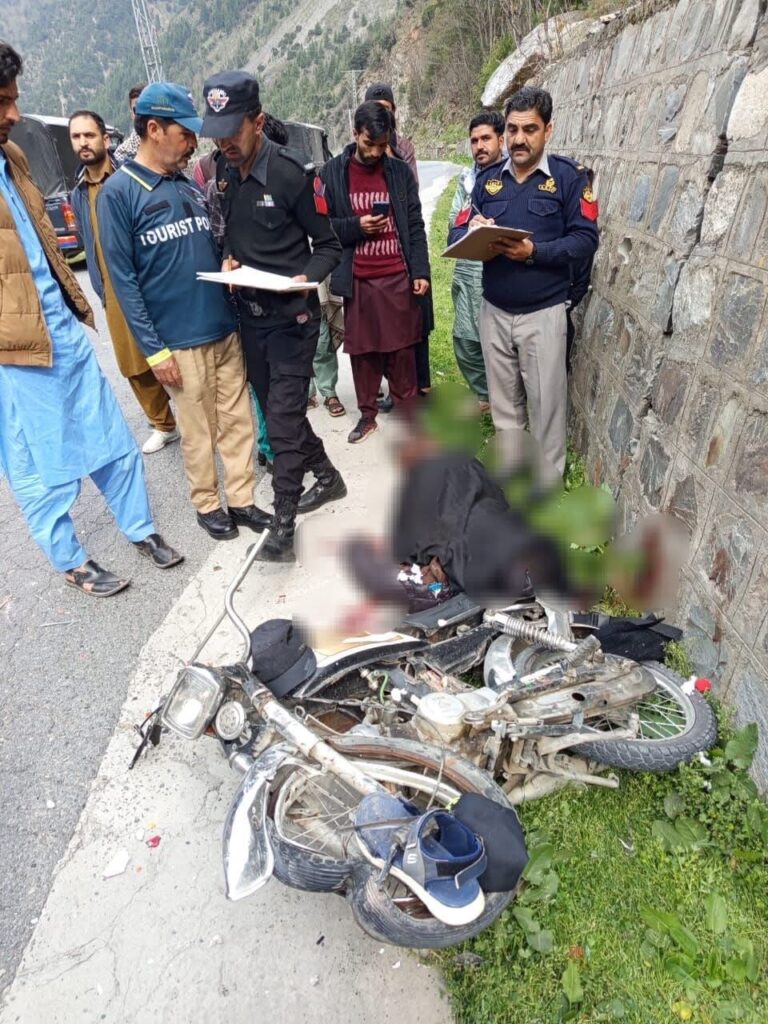
Muzaffarabad (Our Special Report): While motorcycles serve as an affordable mode of transportation for the masses, they can prove extremely dangerous when used carelessly. During the recent Eid-ul-Fitr celebrations, Azad Kashmir witnessed 4 fatalities and 28 serious injuries in motorcycle accidents alone, with many victims suffering permanent disabilities – a tragedy not just for them but their families as well.

According to Azad Kashmir Police spokesperson, the majority of fatalities involved riders not wearing helmets. “We’ve conducted regular awareness campaigns and even distributed hundreds of free helmets to low-income riders,” officials stated.

Police records show strict enforcement measures across Azad Kashmir, including heavy fines, tickets, and motorcycle confiscations for helmet violations. However, this led to an unintended consequence – many riders began displaying helmets on speedometers, safety guards or arms rather than wearing them properly, just to avoid penalties.

“This was never our intention,” expressed the police spokesperson. “Our primary goal is protecting precious lives – both the rider and pillion passenger. Helmets should be treated as safety equipment, not decorative items.”

In light of this situation, Azad Kashmir Police has launched a fresh appeal via their official Facebook page, urging all riders: “Let the helmet break, not your head.” The message emphasizes that helmet usage protects not just the rider but their passenger as well.

Police authorities plan to continue rigorous checking while expanding awareness campaigns. “We want to clarify that helmets aren’t just about legal compliance – they’re about saving your life and your loved ones,” officials stressed.

Safety experts note that reducing motorcycle fatalities requires more than legislation – it demands public awareness. “Wearing a helmet isn’t mere formality; it can mean the difference between life and death,” they emphasized.

Jammu Kashmir: Arrest Over Hate Speech Sparks Political Tensions

Muzaffarabad: The Jammu and Kashmir Joint Awami Action Committee has strongly condemned the arrest of its member Raja Ghulam Mujtaba, calling it “unjust,” while government sources maintain that the detention was part of legal action against hate speech and violations of the law.

Committee’s Reaction: Threat of Protests

The committee’s media wing alleged that Mujtaba had presented his stance in a “clear and straightforward manner” and termed his arrest as a “vindictive measure.” The committee warned that if Mujtaba faces any mistreatment, it reserves the right to launch a state-wide protest movement.

Government’s Stance: “Legal Action”

According to official sources, Mujtaba and fellow activist Sajjad Afzal had delivered speeches containing inflammatory statements aimed at inciting unrest and spreading hatred against state institutions. Police confirmed that cases have been registered against them under sections related to terrorism and disrupting public order.

Threat to Peace?

Information Minister Pir Muhammad Mazhar Saeed Shah stated that the government “will not tolerate disruptive elements” and emphasized that law enforcement agencies will take strict action against any illegal activities.

International Response

Human rights organizations have expressed concern over the situation, while observers in India and Pakistan have linked the incident to rising tensions in the region.

Next Steps

Sources indicate that more arrests are likely, with police monitoring provocative content on social media.

Analysis: This incident reflects deepening political friction in Jammu and Kashmir between activists and authorities. The conflicting narratives suggest a prolonged standoff.

(Stay tuned for updates on this developing story.)

Ceasefire Violations Escalate Along LoC: Poonch-Mendhar Sector Witnesses Heavy Cross-Border Fire

    0

    “Amidst Eid Celebrations, Residents Fear for Safety as India-Pakistan Troops Exchange Fire; Broader Geopolitical Tensions Simmer”

    POONCH, Indian-Administered Kashmir – Tensions flared along the Line of Control (LoC) in the Poonch-Mendhar sector as Indian and Pakistani troops engaged in prolonged cross-border firing late Tuesday, sparking panic among civilians on both sides. The exchange, described by locals as “unprovoked and intense,” has raised concerns over a deliberate escalation to divert attention from internal separatist movements in Balochistan, Manipur, and Kashmir.

    Ceasefire Under Strain

    Eyewitnesses reported heavy mortar shelling and automatic gunfire in the Tetri Note area, forcing villagers to flee or take shelter in bunkers. While no casualties were confirmed, the psychological toll is severe.

    “We were preparing for Eid when the firing started. Our children are trembling—this is no way to live,” said a resident near the LoC, requesting anonymity due to security concerns.

    Broader Political Context

    Analysts suggest the skirmishes align with both nations’ domestic distractions:

    • India faces unrest in Manipur and allegations of suppressing Eid prayers in Srinagar, where authorities locked mosques citing “security reasons.”
    • Pakistan grapples with protests in Balochistan, where demonstrators held Eid prayers on the streets, decrying state oppression.

    “These border clashes are a smokescreen,” argued Srinagar-based political analyst Aamir Ali. “Neither country has delivered peace or prosperity to their people in 75 years. Kashmiris are paying the price for their failures.”

    Kashmiris Caught in the Crossfire

    On both sides of the LoC, civilians criticized the theatrics of “sweets exchange” during peace gestures while enduring violence.

    “They share sweets at Wagah but bullets in Poonch. We’re tired of this duality,” said Sajjad Afzal, a local leader in Madarpur.

    International Response

    The United Nations Military Observer Group (UNMOGIP) has yet to comment. Meanwhile, Kashmir-based rights groups urge third-party mediation to enforce the 2003 ceasefire agreement, repeatedly violated in recent years.


    Key Questions Raised:

    1. Are these clashes a tactic to shift focus from internal dissent?
    2. Will the international community intervene before civilian lives are lost?
    3. How long must Kashmiris endure being pawns in this geopolitical stalemate?

    Reporting for The Azadi Times. Updates to follow as the situation develops.

    The Illusion of “Azad Kashmir Army” and the Need for True Autonomy

    By Sameena Raja – Jammu and Kashmir

    For decades, certain misguided elements have been advocating for the revival of the so-called “Azad Kashmir Army.” But one must ask—what exactly was this army? The United Nations has never recognized such an entity, nor has history recorded an independent military force operating outside Pakistan’s control.

    The Myth of the “Azad Kashmir Army”

    The truth is, there was never an independent Azad Kashmir Army. What existed was a regiment under Pakistan’s military command, established not to liberate Kashmiris but to reinforce Pakistan’s narrative of “liberation” through religious rhetoric. For 77 years, this so-called force has done nothing to secure the rights or freedom of the people in Pakistan-administered Kashmir. Instead, it has served as a tool to cultivate loyalty toward Pakistan’s military establishment.

    1947: The Betrayal That Divided Kashmir

    Who was truly responsible for the violence and division in 1947? It was the Pakistani military that invaded Jammu and Kashmir under the guise of “religious solidarity,” leading to the forced division of a once-unified princely state. The aggression of 1947 did not bring freedom—it brought destruction, displacement, and decades of suffering.

    Today, those demanding the return of the Azad Kashmir Army are either deluded or complicit in perpetuating Pakistan’s propaganda. They continue selling the false hope that Pakistan will one day “liberate” Kashmir from India. But let’s be clear:

    1. Pakistan lacks the military and economic strength to challenge India in a conventional war.
    2. Even if, hypothetically, Pakistan were to “free” Kashmir from India, it would only seek to annex the territory—not grant Kashmiris true independence.

    The False Choice: Pakistan or India?

    For 77 years, Kashmiris have been trapped in a geopolitical tug-of-war between two nuclear-armed states. Both Pakistan and India have exploited Kashmir for their own strategic interests, while Kashmiris remain deprived of basic rights, autonomy, and dignity.

    The real question is: Why must Kashmiris choose between Pakistan and India? Why should they abandon their centuries-old identity, culture, and right to self-determination for the sake of religious or nationalist agendas imposed by outsiders?

    A Call for True Independence

    This is the 21st century—an era of information and awareness. Kashmiris are no longer naive. They recognize the manipulations of both Pakistan and India. The only path forward is:

    • Rejecting the Pakistan-India binary and focusing on Kashmiri unity.
    • Demanding complete autonomy—free from both Pakistani and Indian control.
    • Securing the rights of future generations by preserving Kashmiri identity and sovereignty.

    Religion has been used as a tool to divide and control Kashmiris for too long. It’s time to think beyond Pakistan and India, beyond artificial borders, and beyond hollow slogans of “liberation” that only serve external powers.

    The Future Lies in Self-Determination

    Kashmiris must unite for their own survival. The struggle should not be about merging with Pakistan or remaining under India—it should be about reclaiming Kashmiri sovereignty.

    The world must recognize that Kashmir is not a territorial dispute between two nations—it is about the fundamental rights of a people who have been denied justice for seven decades.

    The choice is clear: Either Kashmiris continue being pawns in someone else’s war, or they rise as the architects of their own destiny.

    (Sameena Raja is a political commentator and rights activist from Jammu and Kashmir.)