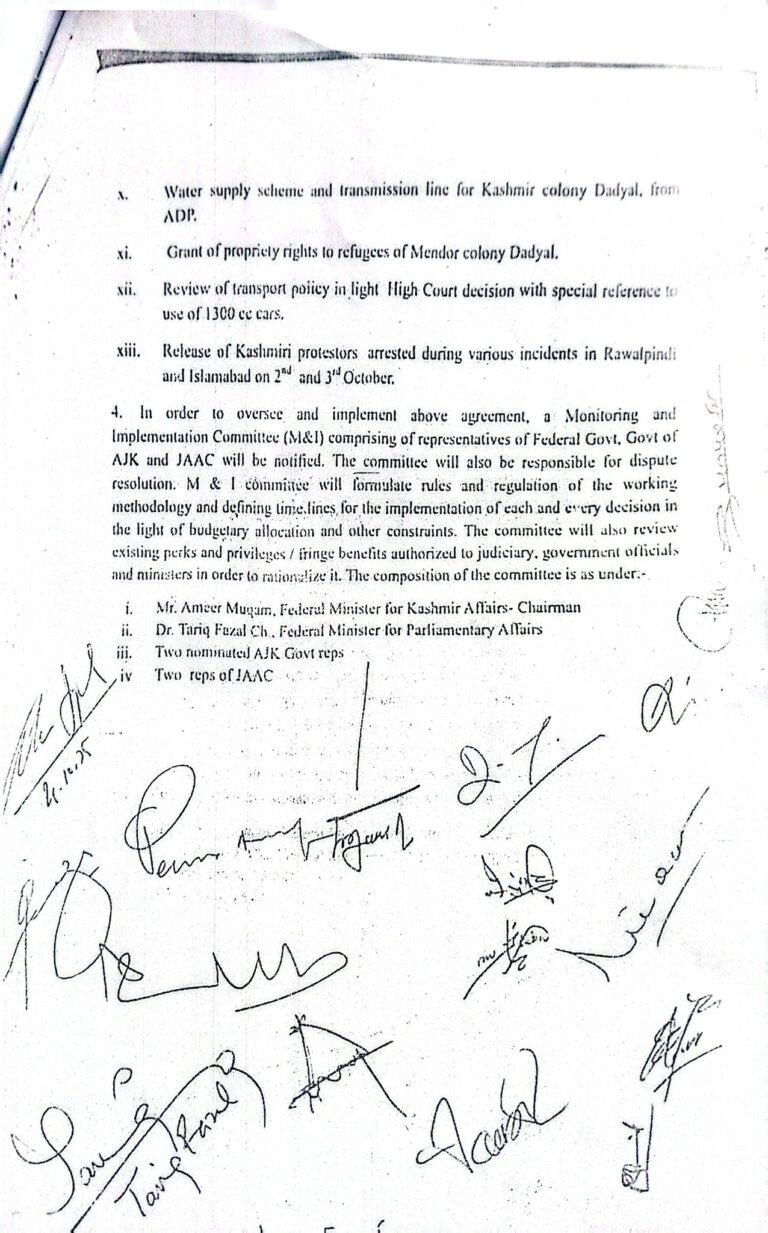


A statement from legal and political circles in Pakistan-administered Kashmir has reignited debate over the true purpose of modern education and civic consciousness.
MUZAFFARABAD — Education is not merely about acquiring degrees or attending formal institutions, but must also instill the courage to stand up for fundamental rights, according to legal figure Advocate Khawaja Mehran.
In a recent statement, Advocate Mehran addressed the public across Muzaffarabad and Mirpur divisions, drawing a comparison regarding the socio-political engagement of youth across different regions of Pakistan-administered Kashmir. He emphasized that academic learning loses its deeper value if it fails to cultivate civic awareness and the resolve to defend one's rights.
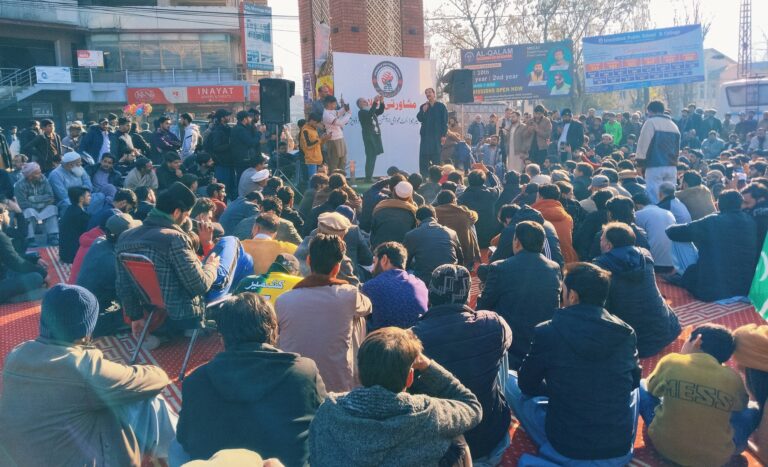
"You are sending your children to schools, colleges, and universities," Advocate Mehran stated, "but remember, education that does not teach how to fight for one's rights has no real value."
The remarks come amid ongoing discussions across Azad Kashmir concerning youth empowerment, regional representation, student activism, and broader socio-economic challenges. While academic institutions in major urban centers continue to expand enrollment, political observers note a growing grassroots emphasis on student involvement in civic rights movements, particularly in districts like Poonch and Sudhnoti.
The statement has drawn varied interpretations locally. Rather than dividing student communities across regional lines, analysts view the discourse as a reflection of a broader debate over whether conventional educational models adequately prepare youth to address regional administrative grievances and advocate for systemic reforms.