


A look at the economic grievances, election disputes, and civil mobilisation driving the recent protests and unrest in Rawalakot.
Rawalakot has once again emerged as a focal point of political and civic unrest in Azad Jammu and Kashmir, with ongoing protests, shutdown calls, and tensions between demonstrators and authorities drawing renewed attention to the city.
The unrest is connected to years of economic grievances, political disputes, and growing frustration over regional governance rather than a single isolated incident.

Rawalakot has previously served as a center for demonstrations over electricity prices, wheat and flour costs, and governance. In 2026, those longstanding grievances have increasingly intersected with tensions surrounding regional elections and demands from civil society groups.
The Joint Awami Action Committee, a coalition that has played a prominent role in organizing protests in the region, has been central to this mobilization. Recent developments have included calls for shutdowns and wheel-jam protests in different parts of Azad Kashmir, with Rawalakot among the areas closely watched as demonstrations continue.
Economic concerns remain a major source of public anger. Residents and protest groups have demanded relief over electricity costs, prices of essential commodities, and other financial pressures.
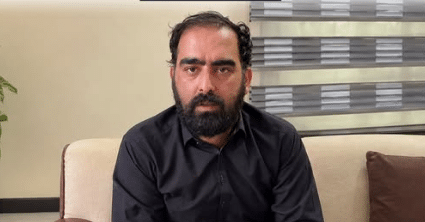
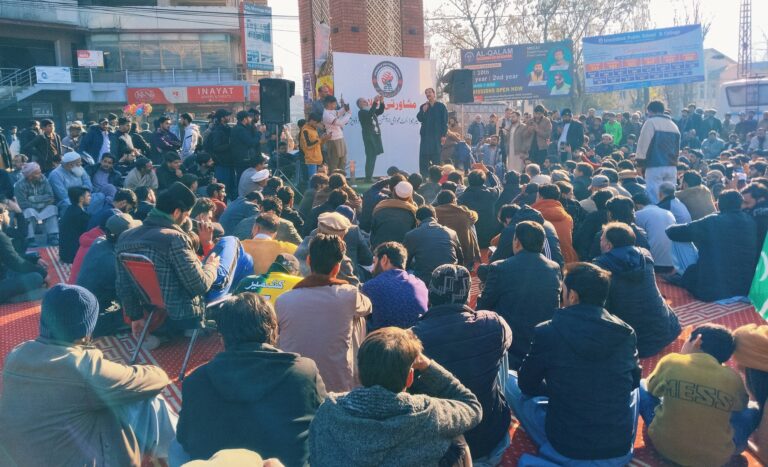
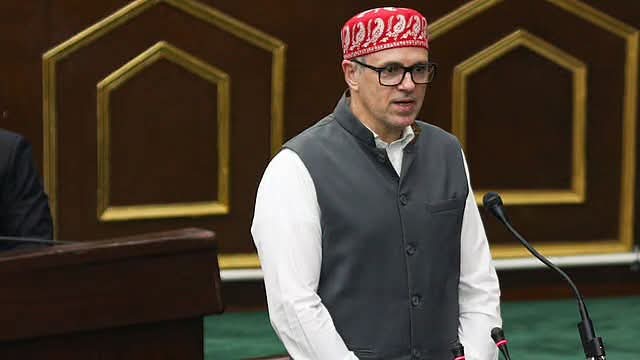
Political representation has also become a critical issue. During the 2026 election period, protesters challenged aspects of the political system, including reserved seats associated with refugees from Indian-administered Kashmir. Critics argue these representatives do not adequately reflect the economic and political priorities of residents living in Azad Jammu and Kashmir.
International reporting noted that Rawalakot was among the region's protest hotspots during the election period, complicating the electoral process. Voting in several constituencies was postponed amid security concerns, while allegations of irregularities further escalated political tensions.
During the summer election period, clashes were reported between protesters and security forces. Protest leaders and authorities gave differing accounts of the violence, particularly regarding casualties and the circumstances of the clashes. International media reported that a protest group claimed more than 30 people had been killed around Rawalakot over a two-day period, a figure disputed by Pakistani authorities.
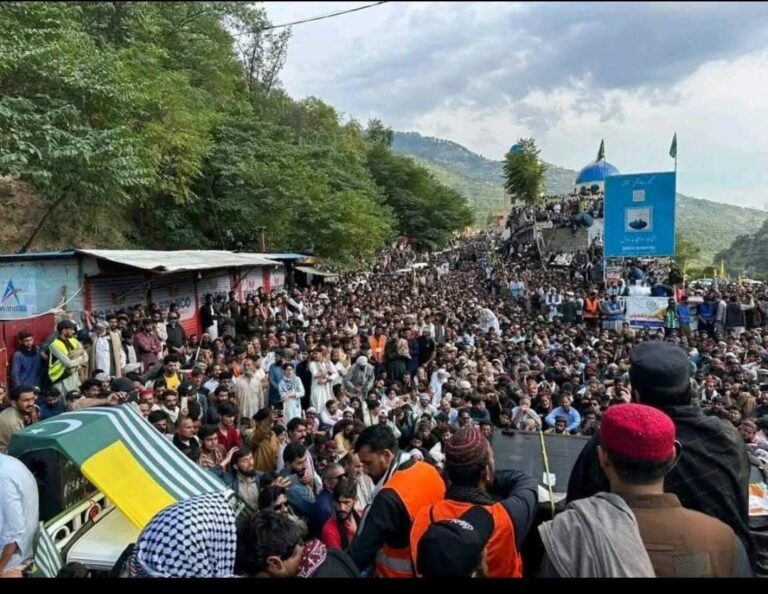

The unrest has frequently affected roads, communications, and the wider election process, attracting international attention during a politically sensitive transition period.
While reports of shutdowns and wheel-jam actions cause substantial disruption—closing shops, halting transport services, and blocking major roads—they do not necessarily constitute a formal government-imposed lockdown. Instead, organizers use strikes and blockages as forms of political pressure.
Authorities and observers note that claims circulating online regarding casualties, arrests, road closures, or demonstration sizes require careful verification due to conflicting accounts during periods of violence.
The immediate future of Rawalakot depends largely on whether political authorities and protest representatives can find common ground. The new administration faces significant challenges following a controversial election and persistent economic complaints. For residents, the central questions remain practical: the cost of electricity and basic goods, employment opportunities, and political representation.