
By The Azadi Times World Desk | Bajaur, Pakistan: Bajaur, a tribal district in northwest Pakistan along the border with Afghanistan, has once again been shaken by a wave of violence — this time claiming the life of one of its most respected figures.
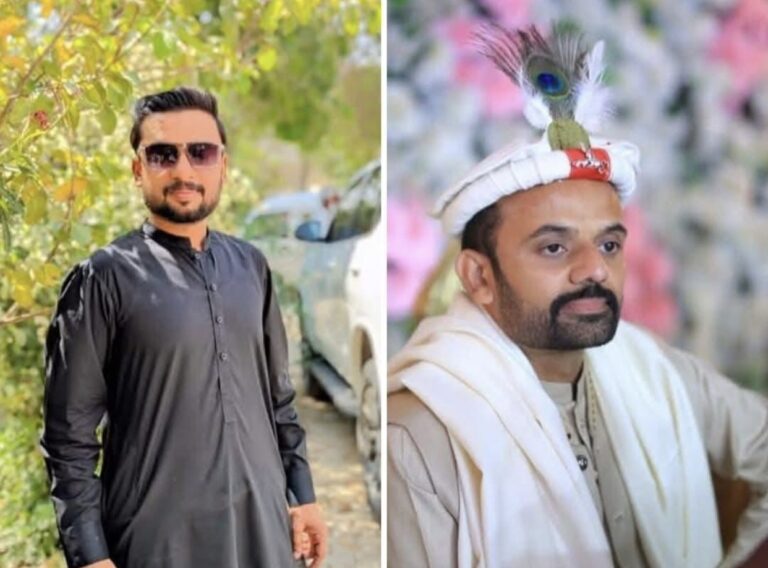
On 10 July 2025, Maulana Khan Zeb, a revered Islamic scholar, peace advocate, and Awami National Party (ANP) leader, was assassinated in broad daylight while organizing a peace march in Khar, Bajaur’s administrative capital.
His killing underscores the deepening crisis in Pakistan’s tribal regions, where decades of conflict, militancy, and state policies have left local communities in fear, even as brave voices like Khan Zeb’s sought to offer an alternative vision of peace and dignity.
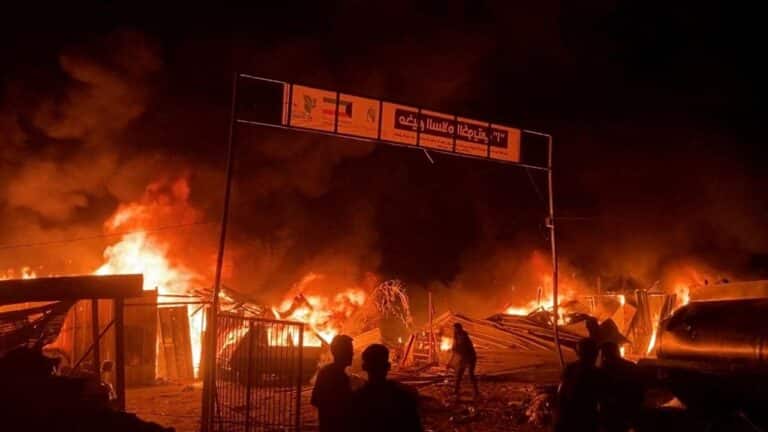
Israel’s Ground Operation in Rafah Not Crossed American Red Lines: White House
The Azadi Times
No state grants. No corporate lobby. Just ground‑truth reporting from Kashmir & beyond
You make this possible.
Who Was Maulana Khan Zeb?
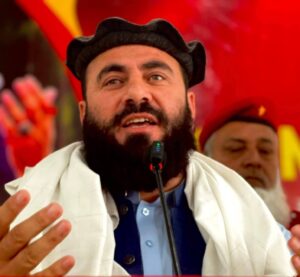
Often called the Ambassador of Peace by his supporters, Maulana Khan Zeb, in his late 40s, was not just a religious cleric but also a scholar, poet, and social activist deeply embedded in Bajaur’s fabric.
He served as the Secretary for Ulema Affairs in ANP, one of the few parties in Pakistan’s mainstream politics to have consistently advocated for Pashtun rights and against militancy.
In recent months, Khan Zeb became increasingly vocal about human rights violations, militarization of the tribal belt, and the need for an indigenous, non-violent political process in the region.

On the day he was killed, Khan Zeb was preparing for an upcoming Aman Pasoon (Peace Campaign) rally when armed assailants shot him and a colleague dead near Shindai Mor in Khar.
Bajaur sits at the western edge of Pakistan, adjoining Afghanistan’s Kunar province. It has been a flashpoint for conflict for decades, bearing the brunt of the Afghan war spillover, Taliban insurgencies, and Pakistan’s military operations.
But it is also home to rich cultural traditions, resilient communities, and ongoing — if fragile — efforts to reclaim a peaceful public sphere from armed groups and a heavy security presence.
Khan Zeb’s assassination did not happen in isolation.
In early July 2025, an IED blast in Nawagai killed five government officials, including an Assistant Commissioner.
Later, rockets were fired at the home of Mubarak Zeb Khan, an aide to Pakistan’s Prime Minister, narrowly missing him but wounding others.
These incidents form part of a larger pattern: local leaders — whether aligned with the state or independent — have increasingly come under attack in Bajaur and other tribal areas.
While the perpetrators of Khan Zeb’s murder remain unknown, locals point to the uneasy convergence of armed militias, rivalries, and state agencies that have long destabilized the region.
For decades, Bajaur’s story — like much of the tribal belt — has been told through official narratives: a place of militancy, “terrorist sanctuaries,” or “counterterrorism successes.”
But little attention is given to the toll on its people: mass displacement, extrajudicial killings, economic stagnation, and the silencing of independent voices.
Maulana Khan Zeb was among those who dared to speak out.
“He taught us that peace is not just the absence of bombs but the presence of justice,” says Sajid Khan, a young activist from Bajaur who attended many of Khan Zeb’s seminars.
“They killed him because he was uniting people around ideas that threaten those who profit from war and fear,” he added.
Reaction and Mourning
ANP immediately announced a three-day mourning period and called Khan Zeb a martyr for peace.
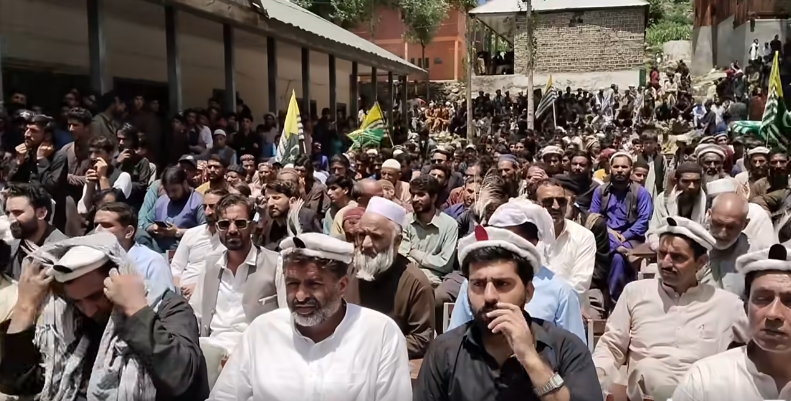
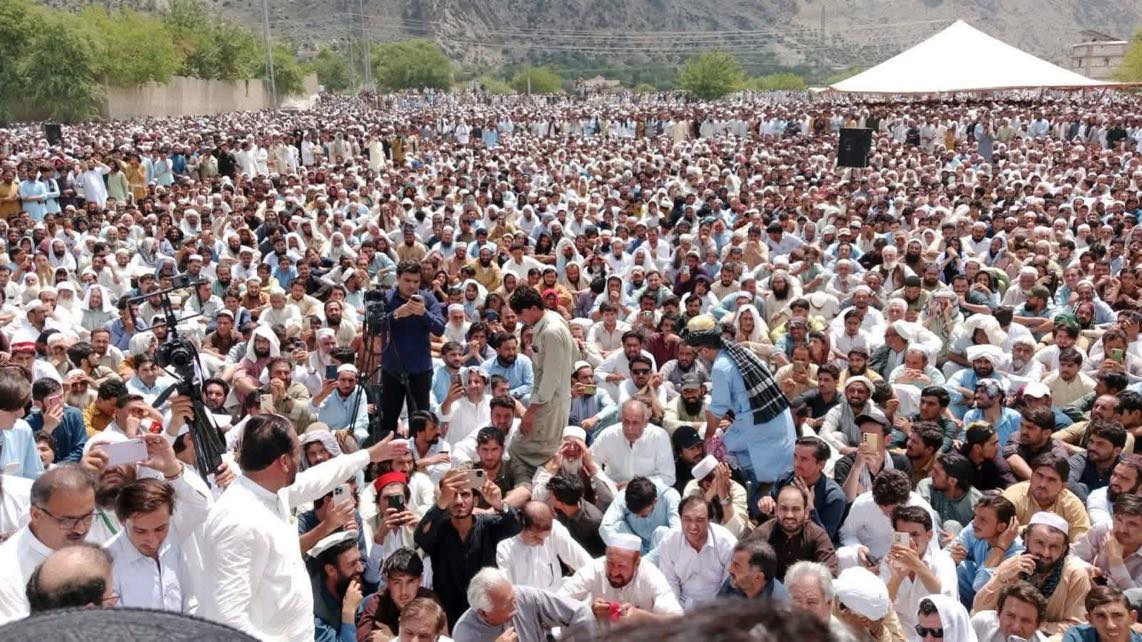
Thousands attended his funeral, chanting slogans against terrorism and demanding justice.
Across social media, hashtags like #KhanZebShaheed and #BajaurBleeds trended, with Pakistanis and members of the diaspora expressing sorrow and anger.
International human rights observers also voiced concerns.
Amnesty International issued a statement:
“The assassination of Maulana Khan Zeb is a tragic reminder of the dangers faced by those who dare to speak for peace in Pakistan’s conflict zones. Authorities must ensure a transparent investigation and protect activists from further harm.”
The killing comes ahead of local elections expected in late 2025. With ANP, PTI, JUI-F, and emerging independent groups vying for influence, Khan Zeb’s murder could exacerbate tensions and discourage others from campaigning on platforms critical of state policies or militant narratives.
Some fear it may also embolden extremist elements who have already begun reasserting themselves in parts of Bajaur and Waziristan.
“Every time someone like Khan Zeb falls, it sends a chilling message to others: stay silent or pay the price,” notes Dr. Farhat Ali, a political analyst based in Peshawar.
For now, Bajaur remains tense.
Checkpoints have been increased, and sporadic protests continue in Khar and surrounding towns.
But whether this tragedy leads to real change — or simply fades into another line in the long list of “incidents” — remains to be seen.
“We can build roads and schools, but if we keep killing those who speak for justice, this land will never know peace,” Sajid Khan said.