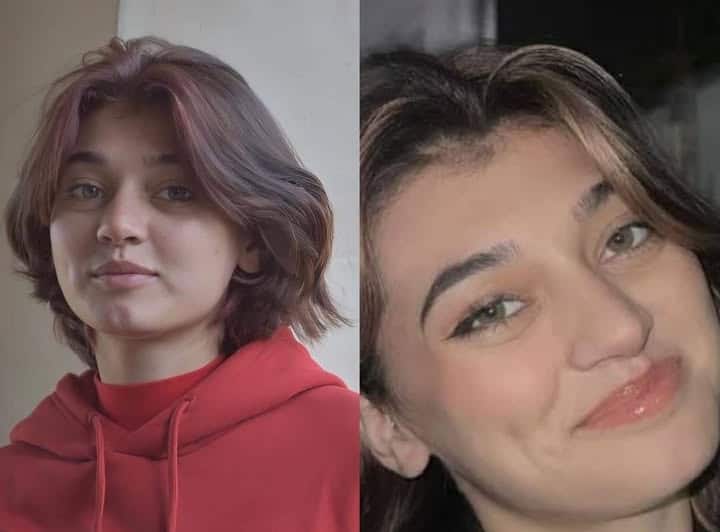



A viral video allegedly linked to Pakistani TikToker Sajal Malik has triggered widespread debate on privacy, media ethics, and the treatment of social media influencers in the country.
The clip, circulated on multiple platforms under titles such as “Sajal Malik viral video full”, “Sajal Malik leak video” and “Pakistani Sajal Malik viral video”, quickly gained traction online. However, Malik has strongly denied any connection with the content, describing it as a fabricated attempt to damage her reputation.
The controversy unfolded rapidly as Telegram groups and social media pages began sharing the footage, prompting a surge of online commentary. Some users demanded accountability, while others criticised the culture of exploiting influencers for clicks and views.

The Azadi Times
No state grants. No corporate lobby. Just ground‑truth reporting from Kashmir & beyond
You make this possible.
Mainstream and digital media outlets have reported extensively on the story, framing it as part of a wider trend of privacy violations targeting Pakistani influencers. Many observers argue that the sensational spread of such material reflects a lack of safeguards against cyber harassment and character assassination.
Sajal Malik’s Response
In a public statement, Malik rejected the claims outright, asserting that she has never been involved in producing or sharing such content. She emphasised that the video was “fake, edited and circulated with malicious intent.”
The TikToker has filed a complaint with the Federal Investigation Agency (FIA), urging authorities to investigate the source of the leak and take action against those responsible for spreading it. Malik further appealed to the media to exercise caution and avoid amplifying unverified material.
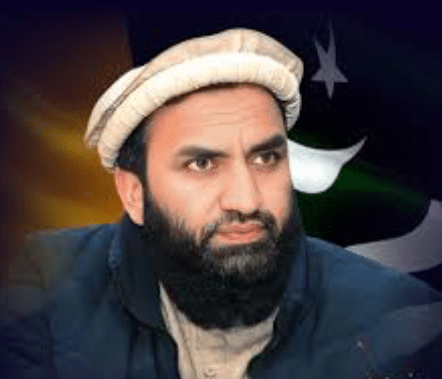


This incident comes amid a series of similar controversies involving Pakistani social media personalities. From influencers to actors, several public figures have faced alleged leaks of private videos, raising concerns over digital security and ethical journalism.
Analysts note that such scandals reveal deep vulnerabilities in Pakistan’s online space, where manipulated content can go viral without checks, leaving individuals to deal with lasting reputational and psychological damage.
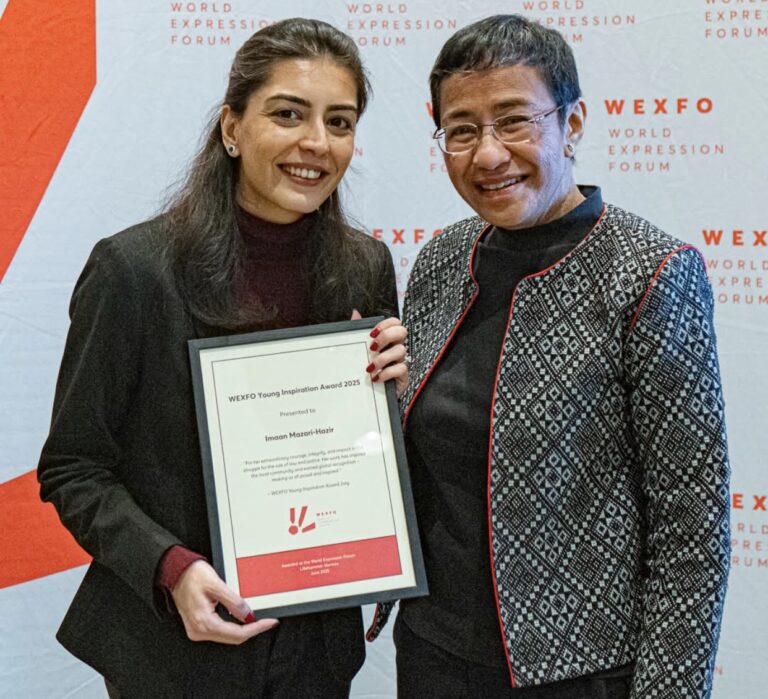
Legal and Ethical Dimensions
Experts in cyber law argue that incidents like the Sajal Malik viral video case underline the urgent need for stronger legal and ethical safeguards in Pakistan’s digital space. They point to three critical areas of concern:
Data Protection: Ensuring that personal information and digital identities remain secure against misuse or leaks.
Defamation Safeguards: Establishing clearer protections for individuals whose reputations are targeted by manipulated or fake content.
Rapid Response Mechanisms: Creating efficient systems to take down harmful material swiftly before it spreads widely online.
Although Pakistan’s Prevention of Electronic Crimes Act (PECA) offers some legal recourse, critics highlight that enforcement remains slow, inconsistent, and often reactive rather than preventive. Rights activists warn that without reforms, victims of such leaks will continue to face prolonged harm, while perpetrators escape accountability.
The outcome of the FIA investigation will be crucial in determining whether the video is authentic or fabricated. Regardless of the findings, the controversy has reignited a broader conversation on digital ethics, influencer safety, and the responsibility of both media and audiences.
For Malik, the stakes are high: her career, credibility, and mental wellbeing now depend on how quickly and transparently the case is resolved.