

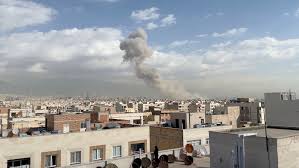
For the second consecutive day, strict movement restrictions remain in place across 16 villages of Mamund tehsil in Pakistan’s Bajaur district, bordering Afghanistan. These curbs were imposed by local authorities in support of ongoing “targeted operations” against suspected militant groups.
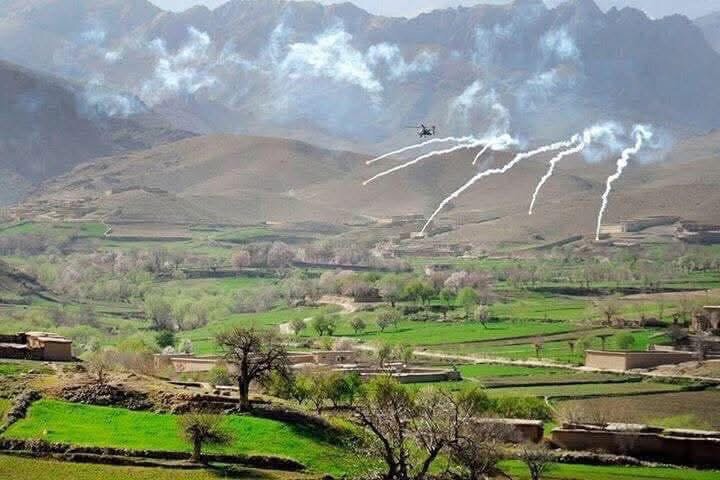
While Tuesday (the first day of restrictions) witnessed intense gunfire and the presence of military helicopters, residents report that Wednesday has been comparatively calmer — with no aerial surveillance or explosions heard so far.
Local journalist Bilal Yasir told The Azadi Times that Tuesday’s operations caused panic among civilians, prompting several families to flee the area. He added that a protest is currently underway at Umari Chowk — the main route leading to Mamund — where demonstrators, holding copies of the Quran, are voicing opposition to the military operation. The protest is reportedly being led by former PTI lawmaker Gul Zafar Khan.
The Azadi Times
No state grants. No corporate lobby. Just ground‑truth reporting from Kashmir & beyond
You make this possible.
Three-Day Curfew and Lack of Official Clarity
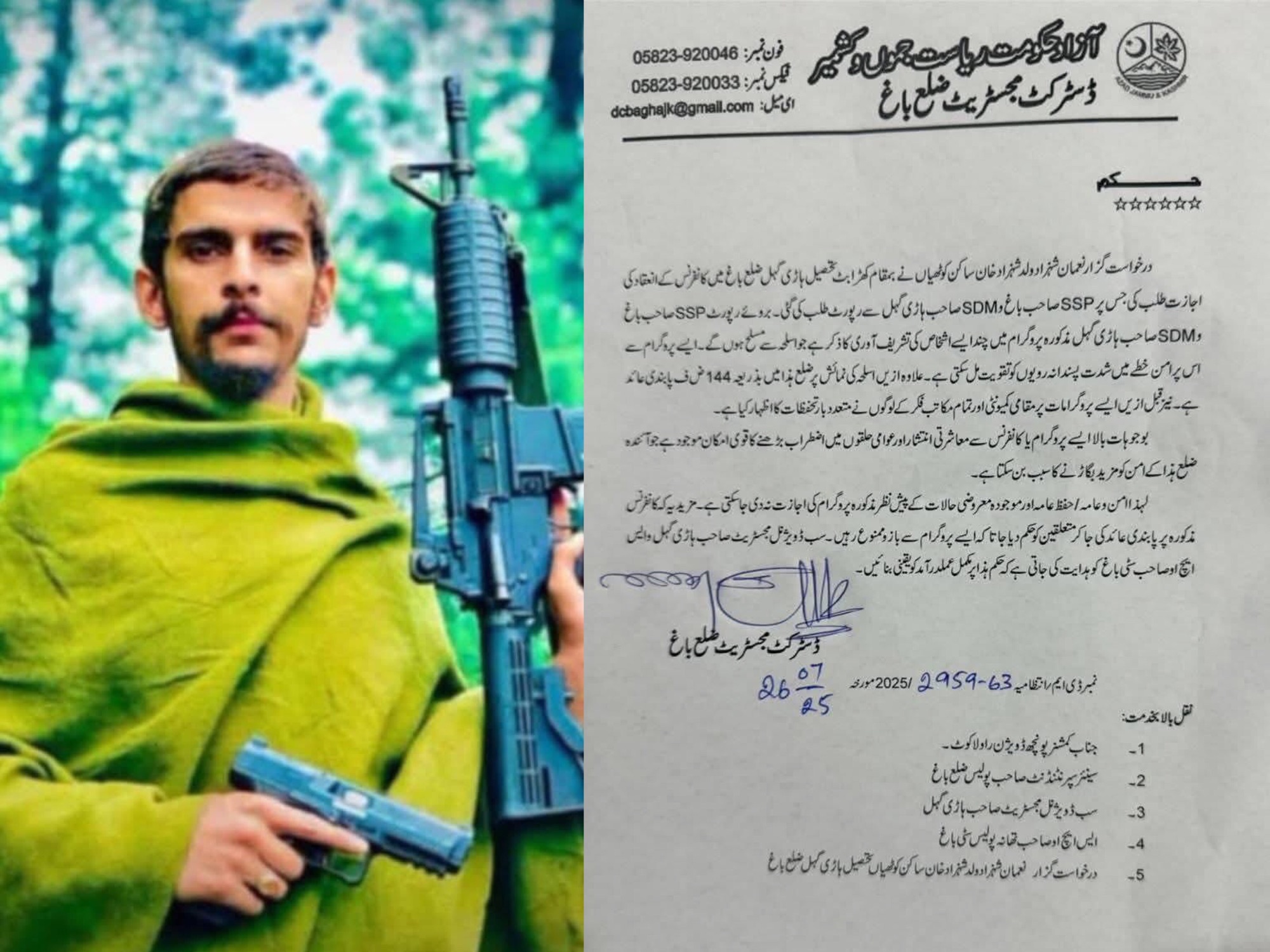
On July 29, the Deputy Commissioner’s office in Bajaur issued a notification enforcing a complete restriction on civilian movement in the specified villages until 5:00 PM on July 31. The directive cited security reasons, stressing the need to safeguard lives during the anti-militant operations, as recommended by the District Intelligence Coordination Committee.
However, no official statement has been released by the military’s media wing, ISPR, regarding the operation.
While some locals allege that several people were killed in the first day of the crackdown, no official confirmation has been provided by hospitals or government representatives. Attempts by media outlets to contact Bajaur’s Deputy Commissioner and District Police Officer have so far gone unanswered.
Dr. Hayat, the Medical Superintendent of Bajaur Hospital, stated that all casualty-related data has been submitted to the DC’s office, where media inquiries should be directed.
Government Response and Political Reactions
In a video message following a parliamentary meeting of PTI’s Khyber Pakhtunkhwa chapter, Chief Minister Ali Amin Gandapur expressed regret over the reported loss of innocent lives. His office announced financial compensation of PKR 10 million for each deceased civilian or security personnel, and PKR 2.5 million for those injured.
However, the exact number of casualties was not disclosed.
Chief Minister Gandapur further instructed all deputy commissioners to refrain from imposing curfews or Section 144 without prior approval from the provincial Home Department — hinting at possible concerns over unauthorized enforcement.
Multiple political parties have also voiced concerns over the situation. ANP President Aimal Wali Khan posted on X (formerly Twitter), calling for an immediate halt to civilian casualties. A spokesperson for Jamiat Ulema-e-Islam-F condemned the operation, warning that past military campaigns have failed to bring lasting peace to the region.
Why Mamund Matters
Mamund is Bajaur’s largest tehsil, strategically positioned along the Afghan border. It directly connects to Kunar province in Afghanistan, which has historically been a hotbed for various extremist factions, including ISIS-Khorasan.
Security analysts say the porous border has allowed armed militants to cross freely between Afghanistan and Pakistan, using Bajaur as a staging ground. Notably, Bajaur has seen increased militant activity in recent months, particularly from Tehrik-i-Taliban Pakistan (TTP).
Earlier this month, a deadly roadside bomb in the region claimed the lives of an Assistant Commissioner, a local tehsildar, and two police officers. Weeks before that, ANP leader Maulana Khan Zeb was assassinated while preparing for a tribal peace gathering.
A Growing Insurgency
Experts suggest that TTP has been steadily attempting to re-establish its influence across tribal areas since the start of 2025. Video footage shared on social media reportedly shows armed militants openly patrolling roads, setting up temporary checkpoints, and moving freely through civilian areas.
Abdul Sayed, a specialist on extremist movements in Pakistan, notes that while the TTP avoids formally claiming control over any region, their increased visibility is concerning. “They know they can’t hold territory for long in the presence of military forces,” he explained.
As tensions mount in Bajaur, calls for transparency, civilian protection, and long-term peace are growing louder. But with a complex web of cross-border militancy and local unrest, restoring stability in Mamund and beyond remains a formidable challenge for the Pakistani state.
Note:
This report includes some information sourced from BBC Urdu, adapted and rewritten by The Azadi Times for clarity and originality.