

Key Takeaways
- Starlink is now active in 70+ countries, with speeds rivaling terrestrial broadband.
- Pricing varies widely—from \$35/month in Nigeria to \$150/month in remote regions.
- Geopolitical tensions and regulatory battles are shaping its rollout in Asia, Africa, and the Middle East.
- SpaceX plans to deploy 30,000+ satellites, raising concerns about space debris and market monopolization.
- Ukraine, Tonga, and Amazon tribes showcase Starlink’s role in crises and remote connectivity.
In 2025, a fisherman in rural Indonesia’s Maluku Islands livestreamed his catch to buyers in Jakarta using a pizza-sized satellite dish. A school in Rwanda’s Nyamagabe district held its first video call with a university in Cape Town. A Ukrainian drone operator near Bakhmut relayed real-time coordinates to artillery units.
All shared one lifeline: Starlink, SpaceX’s audacious satellite internet project.

Once dismissed as science fiction, Starlink has become a geopolitical force, a lifeline for the unconnected, and a lightning rod for regulatory battles. This investigation unpacks its global impact, pricing, controversies, and what comes next.
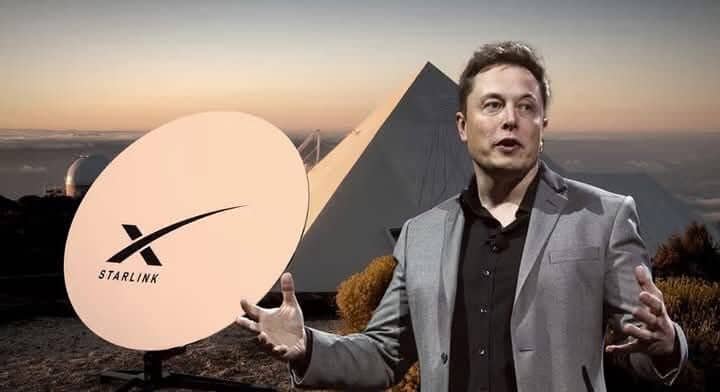
Starlink, the ambitious satellite internet project by Elon Musk’s SpaceX, has quickly evolved into a transformative global communication infrastructure. Designed to bring high-speed internet access to even the most remote corners of the Earth, Starlink is no longer a futuristic experiment — it’s a functioning, rapidly expanding service with geopolitical, economic, and social implications.
As of mid-2025, Starlink is active in over 70 countries, with pilot programs and regulatory approvals underway in several others. From rural villages in Africa to war-torn regions in Eastern Europe, and from mountain towns in South America to fishing communities in Southeast Asia — Starlink is creating a new layer of internet access independent of traditional telecom monopolies.



How Does Starlink Work?
Unlike traditional broadband or fiber-optic services, Starlink relies on a constellation of low-Earth orbit (LEO) satellites — currently over 6,000 satellites — to deliver fast, low-latency internet from space directly to user terminals on the ground.
Each Starlink kit includes a user dish (commonly referred to as “Dishy”), a Wi-Fi router, and mounting hardware. Once set up, users can access internet speeds ranging from 50 Mbps to 250 Mbps, with latency as low as 20 milliseconds, depending on location and network congestion.
Where Is Starlink Currently Available?
As of July 2025, Starlink is officially available and actively serving customers in the following regions:

- North America: United States, Canada, Mexico
- Europe: UK, Germany, France, Spain, Italy, Ukraine, Poland, and others
- Asia: Japan, Philippines, Malaysia, India (limited regions), Mongolia
- Africa: Nigeria, Kenya, Rwanda, South Africa, Zambia
- South America: Brazil, Chile, Colombia, Peru, Argentina
- Oceania: Australia, New Zealand, Papua New Guinea
- Middle East: UAE, Israel, parts of Iraq and Jordan
In many of these regions, Starlink has partnered with local telecom companies or governments to expand infrastructure and ease regulatory barriers.
Where Is Starlink Launching Next?
Starlink is actively pursuing regulatory approval or testing pilots in:
- Indonesia
- Pakistan
- Bangladesh
- Egypt
- Turkey
- Sri Lanka
- Thailand
- Kazakhstan
- Algeria
- Tanzania
- Ethiopia
Some countries have been cautious or restrictive, citing concerns over data sovereignty, military implications, or competition with state-run ISPs.
Starlink Pricing by Country (2025)
Pricing varies by region and currency but typically includes:
- Hardware Kit:
- $399 USD (standard) to $2,500 USD (business-grade)
- Monthly Subscription:
- Ranges from $35 USD to $150 USD
- Higher rates in remote or low-density regions
Examples:CountryHardware Price (USD)Monthly Cost (USD)USA$499$120UK£449 (~$575)£89 (~$113)Nigeria$600$50Philippines₱29,000 (~$500)₱2,700 (~$48)BrazilR$2,500 (~$480)R$530 (~$100)
In low-income or underserved areas, SpaceX has begun partnering with governments to subsidize Starlink hardwareand monthly fees, especially for schools and healthcare centers.
Why Starlink Matters: Not Just Another ISP
Starlink isn’t just providing internet; it’s challenging the global digital divide. In war zones like Ukraine, Starlink became a critical communications lifeline. In disaster-prone regions like Haiti and Pakistan, it promises internet resilience when terrestrial infrastructure fails.
However, the project also raises concerns:
- Regulatory hurdles and cybersecurity concerns in authoritarian regimes
- Orbital congestion and risks to space sustainability
- Potential monopolization of global digital infrastructure
What’s Next for Starlink?
SpaceX aims to scale to over 30,000 satellites under its Gen2 plan, offering faster speeds, global mobility (via Roam plans), and eventually mobile connectivity directly to smartphones in partnership with other telecom providers.
The company is also experimenting with laser-linked inter-satellite communications, which could reduce reliance on ground stations and allow truly global, borderless connectivity.
Starlink may not yet be a household name in every country, but it’s undeniably altering the landscape of global internet access. For remote villages, journalists in conflict zones, scientists in the Arctic, and families in disaster-hit areas — it’s more than innovation. It’s a revolution in how we connect.
As governments, regulators, and competitors respond, one thing is clear: the sky is no longer the limit — it’s the starting point.