
By Saeed ur Rehman Siddiqui: Exactly four years ago, Saudi Arabia’s Crown Prince Mohammed bin Salman made his first visit to India. Indian Prime Minister Narendra Modi, breaking with protocol, personally welcomed him at the airport with a warm embrace.
This visit, far from being a mere formality, carried significant messages in strategic and diplomatic circles. Besides being the Crown Prince, Mohammed bin Salman is also Saudi Arabia’s Minister of Defense. In October 2019, Modi visited Saudi Arabia, where a ‘Strategic Cooperation Council’ was established between the two nations.
Historically, Saudi-Indian relations were centered around oil, but recent years have seen these ties expand to include strategic cooperation. During his visit, Modi told Arab News that “Saudi Arabia and India have the same security concerns,” emphasizing the establishment of defense institutions and strategic collaboration. In December 2020, Indian Army Chief General MM Naravane visited Saudi Arabia, marking the first such visit by an Indian military chief.
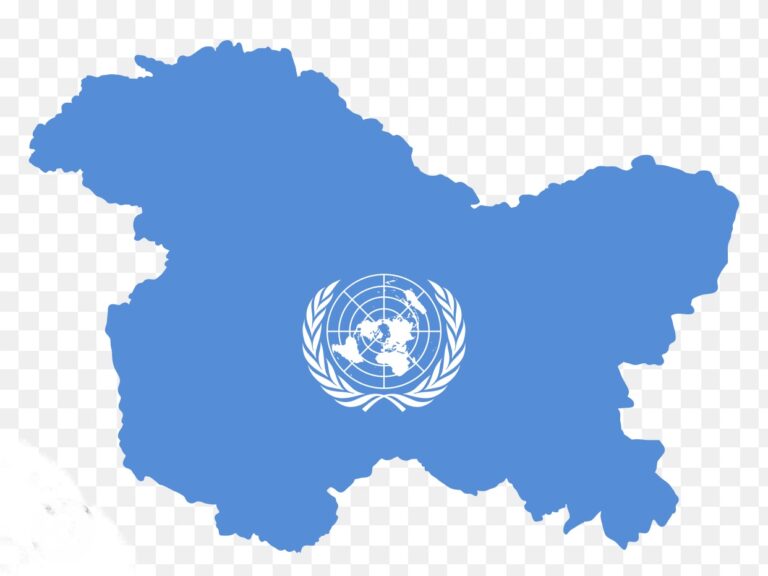
The past four years have seen increased defense cooperation between India and Saudi Arabia, including intelligence sharing and collaboration on cyber security and counter-terrorism. Consequently, when India revoked Article 370 from Occupied Kashmir, Saudi Arabia sided with India, refraining from interfering in India’s internal affairs. This stance is further underscored by the United Arab Emirates’ investment in various projects in the Kashmir region, despite the ongoing human rights concerns under Narendra Modi’s government.
Meanwhile, Pakistan has been actively showcasing India’s treatment of Muslims to the Arab world. Prime Minister Shahbaz Sharif, during his visit to Saudi Arabia and the UAE, described the trips as highly successful, emphasizing the historical ties and mutual interests between Pakistan and the Gulf countries. He praised UAE President Sheikh Mohammed bin Zayed Al Nahyan for his consistent support and highlighted the need for investment over aid for sustainable development.
Sharif called for Pakistan and India to move beyond their historical conflicts, emphasizing the necessity of dialogue to resolve issues, including the Kashmir dispute. He stressed that human rights violations in Kashmir must cease and condemned India’s controversial actions under Article 370. The OIC meeting in Pakistan saw foreign ministers from Muslim countries, including China’s Foreign Minister as the chief guest, discussing these issues.
Despite these efforts, many Arab countries have remained silent, primarily due to their substantial trade relations with India. Saudi Arabia, while advocating for a patient resolution to the Kashmir issue, remains economically tied to India, with over $100 billion in annual trade. Other Gulf nations like Kuwait, Qatar, Bahrain, and Oman have not issued statements on the matter. Indian investments in the UAE, especially in Dubai’s real estate, further complicate the diplomatic landscape.
Turkey, contrastingly, has openly supported Pakistan’s stance on Kashmir, with President Recep Tayyip Erdoğan advocating for the Kashmiris’ right to self-determination. This support is bolstered by Turkey’s $7 billion annual trade with India, illustrating a complex web of economic and political interests.
In these circumstances, Pakistan aims to galvanize the Arab world’s role in fostering dialogue between India and Pakistan over Kashmir. It is hoped that the Arab countries will contribute positively to resolving the Kashmir issue and ending the atrocities against Muslims in the region.