
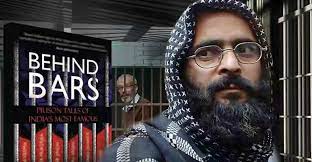

On December 13, 2001, Muhammad Afzal Guru was accused of direct involvement in the attack on the Indian Parliament. The allegations were so severe that despite years of detention and the use of every means of oppression and torture by the Indian authorities and intelligence agencies, they failed to present a single piece of evidence against him.
To prove the truth of the case against Afzal Guru, it is sufficient to note that in this case, despite the fulfillment of the demands of justice, two Indian presidents authenticated Afzal Guru’s execution. The Indian Supreme Court sentenced Afzal Guru to death, which was seen as a test for the Indian judicial system and global conscience.
According to the Indian Supreme Court, “Although there is no direct evidence against the accused, despite that, society’s social conscience will only be satisfied when the criminal is sentenced to death.” This is why international human rights organizations, even India’s own conscience keepers, have condemned Afzal Guru’s execution in the strongest terms.
Political analysts say that it was the ruling party in India, the Congress Party, that hanged Afzal Guru to win Hindu votes. On the other hand, defense experts say that although Congress may benefit politically from this hanging in the upcoming elections, the consequences of India’s actions in Kashmir will be extremely negative.
Who was Afzal Guru?
What was his real crime, and why was he hanged? How will Afzal Guru’s martyrdom affect the politics of India, Pakistan, and the region, and what direction will the Kashmir freedom movement take? Let’s try to understand the local perspective in light of these questions.

Afzal Guru’s Life:
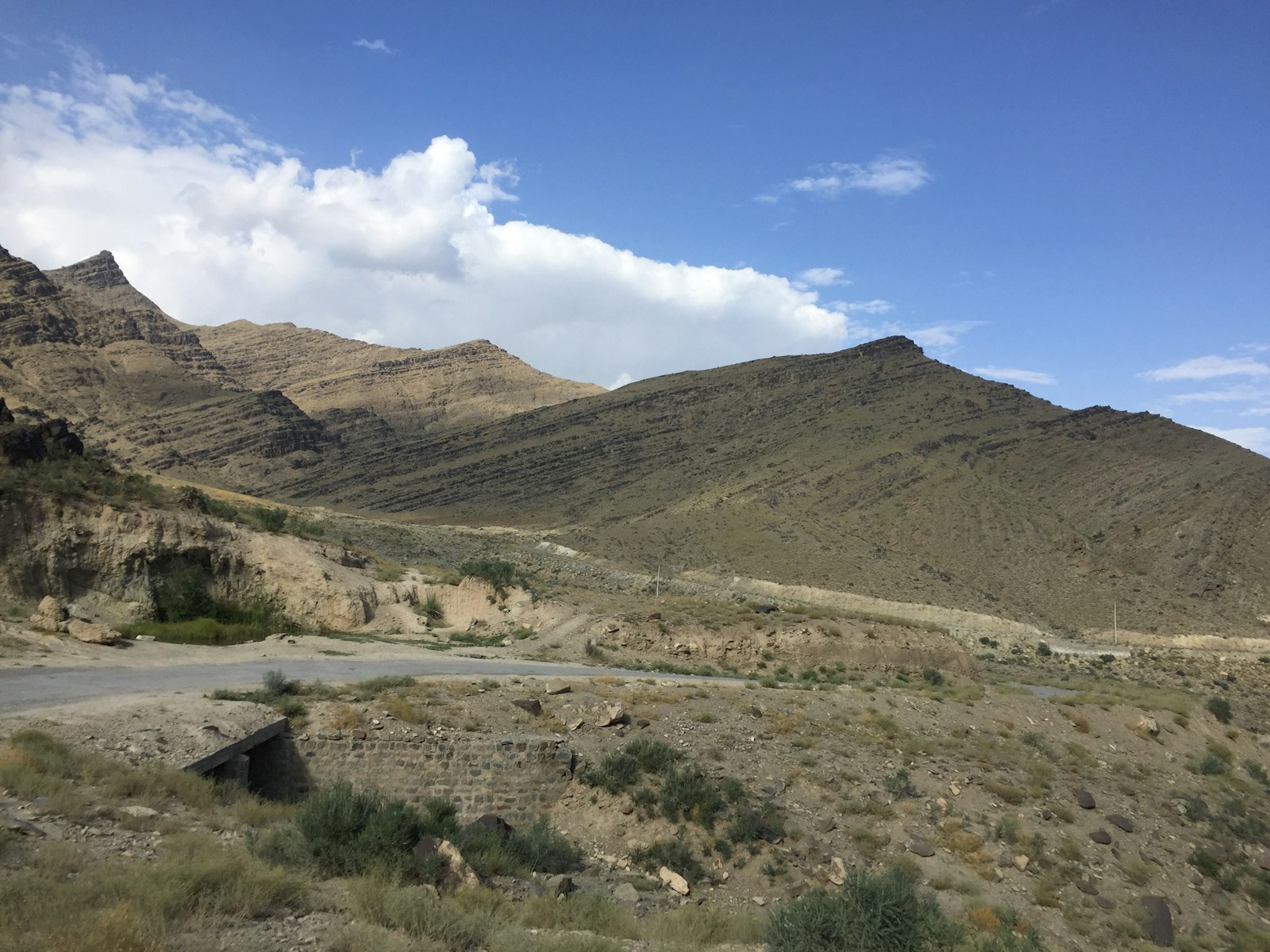
Afzal Guru, aged thirty-eight, belonged to a middle-class family from occupied Kashmir, which resides in the village of Doabgah, located fifteen kilometers from Sopore on the banks of the Jhelum River. He completed his matriculation from a local school in 1986 and obtained an FSc from the Muslim Education Trust of Sopore Medical College. He started his own business of pharmaceuticals after completing his father’s dream of becoming a doctor.
Afzal Guru’s Involvement in Freedom Struggle:
When the armed struggle for freedom began in Kashmir, Afzal MBBS was on board. During this period, Indian forces committed numerous social atrocities during the crackdown in the Srinagar suburbs, Chhatabal, and challenged the Indian occupation front. The incident forced them to take up arms and join the Jammu Kashmir Liberation Front (JKLF).
Afzal Guru took up arms for freedom, but due to the mutual struggle of the Mujahideen and the open policies of their objectives, he became disillusioned with the aim of militancy. At the end of 1991, he put down his arms.


Afzal Guru’s End:
Despite putting down his arms, Afzal Guru was never forgiven by the Indian forces. He was forced to attend the local army camp every day, where he was subjected to humiliating treatment and taken away for no reason.
The police often picked him up unnecessarily, made him a target of violence, and extorted money from him. To escape the daily torment and humiliation, Afzal left Sopore and mostly stayed in Delhi and Srinagar.