
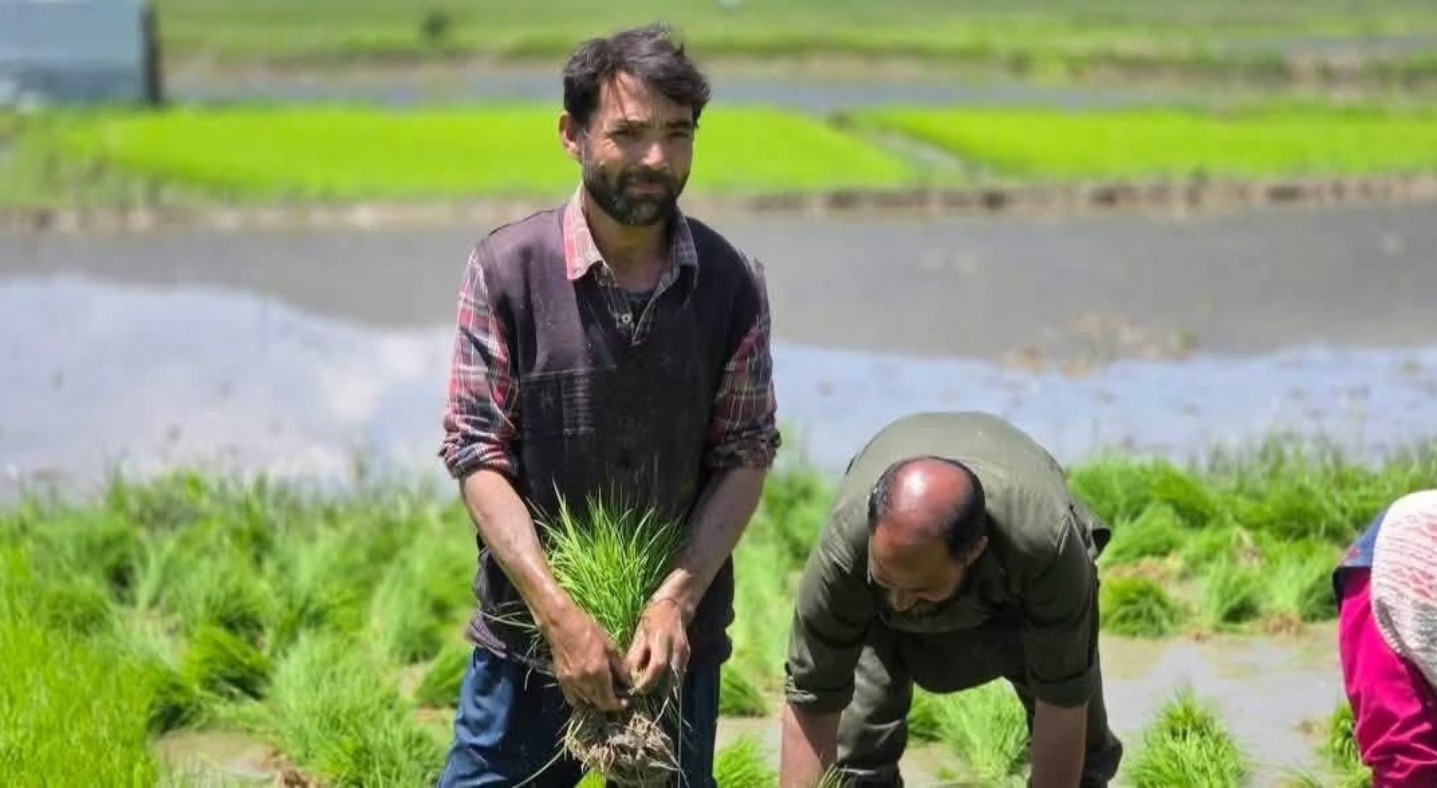

Jammu (Indian-administered Kashmir: With the onset of the Basmati sowing season, farmers residing along the Ceasefire Line in Jammu’s RS Pura and Arnia sectors are facing a severe shortage of agricultural labourers. The shortage follows intense cross-ceasefire hostilities earlier this month that forced hundreds of seasonal workers from across India to flee the region.
According to local estimates, between 1,000 to 1,500 labourers—primarily from Bihar, Uttar Pradesh, Rajasthan, Uttarakhand, and Jharkhand—left the region after heavy drone attacks and artillery shelling that began on May 8, reportedly in response to India’s “Operation Sindoor”, a series of targeted strikes on militant infrastructure across the Line of Control (LoC) and Pakistan-administered Kashmir (PaK).
Read Also: Leepa Valley: A Gem of Natural Beauty and the Home of Red Rice
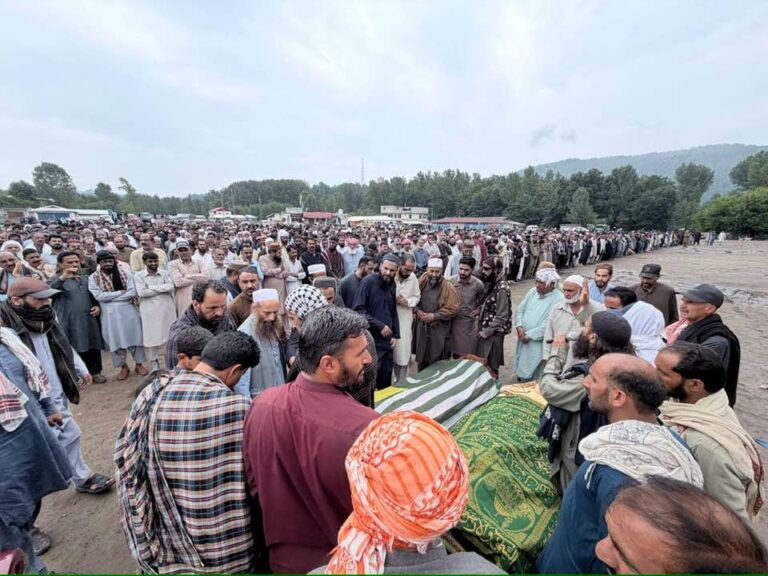
Although both India and Pakistan agreed to a ceasefire on May 10, and relative calm has since returned, the agricultural fields remain largely deserted.
“We returned home after spending 10 days away. It felt like a warzone here,” said Garmeet Singh, a farmer from Abdulian village, located less than half a kilometre from the ceasefire line. “Now that peace has returned, we’ve resumed work with help from our own families—but we desperately need labourers back.”
In the absence of the usual migrant workforce, farmers have started sowing Basmati rice themselves, braving soaring temperatures that reach up to 45°C. Families were seen ploughing and transplanting in early morning and late evening hours to avoid the extreme heat.

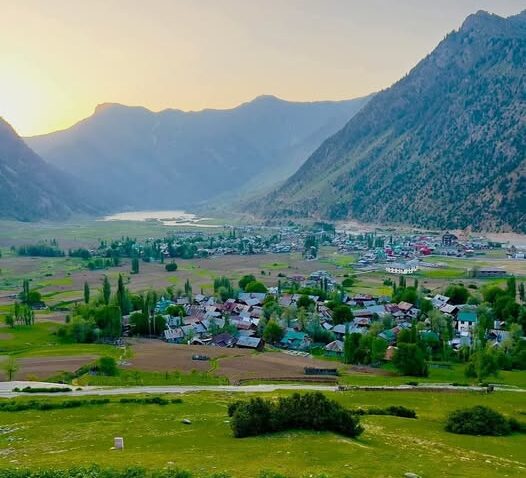

“There’s peace now, and a ceasefire is holding,” said Skinder Kumar, a farmer from Gulabgarh Basti. “We appeal to all our labourers to come back. Without them, it’s impossible to complete the sowing season on time.”
Farmers in RS Pura and Arnia cultivate over 17,700 hectares of premium Basmati rice, much of which contributes to India’s export economy. The region, however, lies within the shelling range of the ceasefire line, making agriculture not only uncertain but sometimes life-threatening.
Dangers Still Linger
Despite the ceasefire, the aftermath of the shelling remains visible—and dangerous. According to local sources, over 100 unexploded mortar and artillery shells were found buried in the farmlands. Army bomb disposal squads and engineers are currently engaged in clearing operations.


“Unexploded shells have taken lives in the past. But this time, the army is actively clearing the fields, which gives us some relief,” Kumar added.
According to official estimates, approximately 125,000 hectares of agricultural land in the districts of Jammu, Samba, and Kathua fall within range of cross-ceasefire fire. Villages such as Treva, Mahashe-de-Kothe, Gharana, Chandu Chak, and Korotana Kalan—located near the de facto boundary—are gradually returning to farming activities amid cautious optimism.
“Agriculture has resumed, and families are back,” said Avatar Singh, another farmer from Abdulian. “But we are still waiting for the return of the workforce to save the season.”
Operation Sindoor and Escalation
The recent escalation began after the Indian military launched Operation Sindoor on May 7, targeting what were described as terror camps across the LoC in response to an attack in Pahalgam. In retaliation, Pakistan reportedly conducted drone, missile, and artillery attacks between May 8 and 10, killing 27 civilians and injuring more than 70, prompting mass evacuations to government relief camps.
The international community, including human rights monitors, expressed concern over the impact of the military confrontation on civilians, particularly those living near the volatile ceasefire zones.