
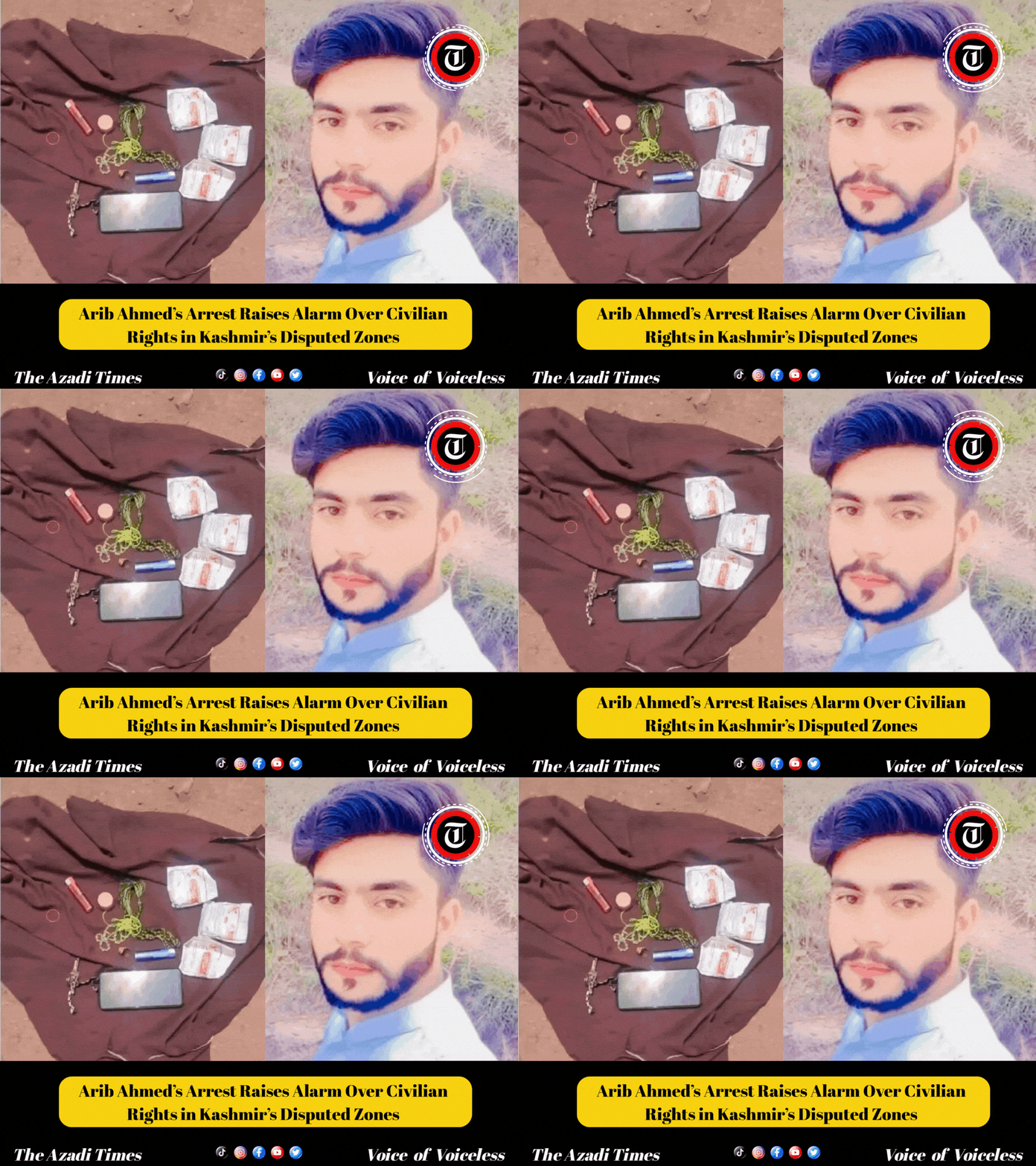

Arib Ahmed’s Arrest Raises Alarm Over Civilian Rights in Kashmir’s Disputed Zones
Datote, Kotli (Pakistan-administered Kashmir), June 30, 2025 — The recent arrest of Arib Ahmed, a 22-year-old youth from the Datote area in Kotli district of Pakistan-administered Jammu and Kashmir, by Indian forces has sparked widespread concern among human rights activists and independent observers. The incident has once again brought into sharp focus the fragile state of civilian protections across the ceasefire line, also known as the Line of Control (LoC) in the long-disputed region of Kashmir.
Ahmed, son of Muhammad Yousaf, reportedly crossed the heavily militarized LoC earlier today and was subsequently apprehended by Indian troops in the Poonch sector of Indian-administered Jammu and Kashmir. Photographs that emerged on social media show him blindfolded, shirtless, bound by hands and feet, and lying on a dirt path — a treatment that rights observers have termed “inhumane” and “potentially in violation of international humanitarian norms.”
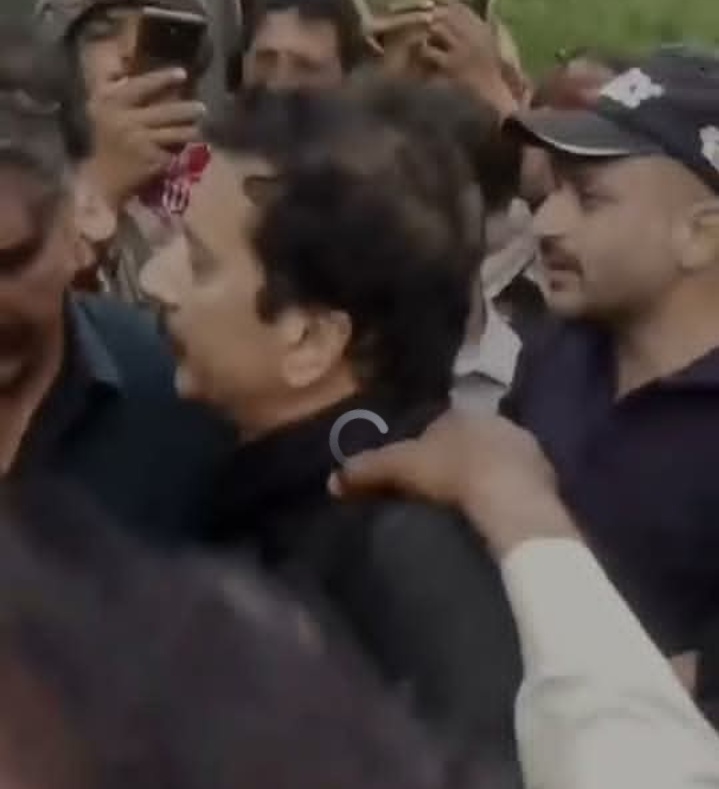
Mental Health Background Ignored in Militant Allegations
Local journalists and several community members from Kotli have confirmed that Arib suffers from serious mental health issues. In fact, Ahmed is said to have a history of erratic behavior and previous self-harm incidents — facts that many believe should have guided Indian authorities toward a humanitarian approach rather than immediate criminalization.
Despite these concerns, sections of Indian media have swiftly labeled him a militant or “guide,” without providing verifiable evidence. Pakistani media outlets have largely refrained from echoing this narrative, instead focusing on the need for humane treatment and due process, a stark contrast that further underlines the polarizing media ecosystems on both sides.
“This is not the first time a mentally disturbed person has unknowingly crossed the LoC,” said Shahbaz Ali, a Muzaffarabad-based human rights lawyer. “Unfortunately, when it happens from this side into Indian-held areas, the treatment is often brutal, and international humanitarian standards are blatantly ignored.”
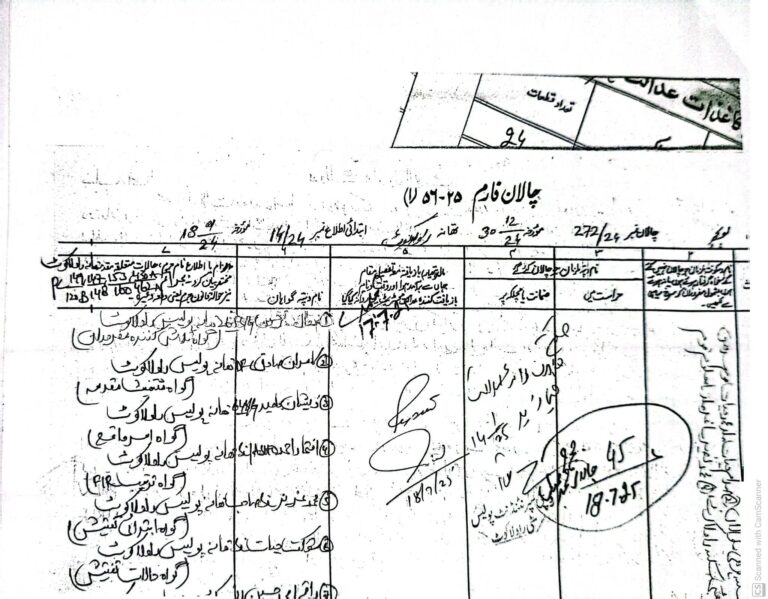

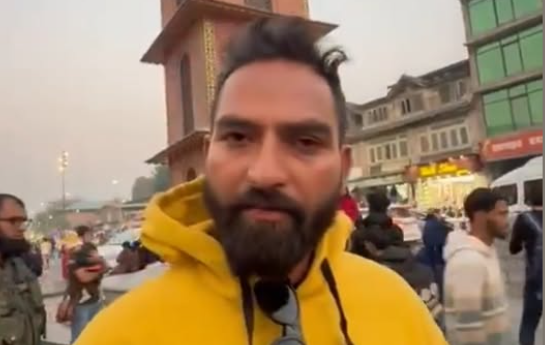
Reactions: Public Outcry and Identification
Hundreds of users on social media platforms like Facebook and X (formerly Twitter) have reacted strongly to the images, expressing anguish and solidarity. Several posts have gone viral identifying him as Arib Ahmed, with many users from his native area sharing stories of his past struggles with mental stability.
“I have seen this boy wandering alone many times in the hills,” wrote a Facebook user from Kotli. “He never posed a threat to anyone. This kind of treatment is unacceptable for any civilian, let alone someone mentally unwell.”
Another commenter questioned the silence of international human rights watchdogs:
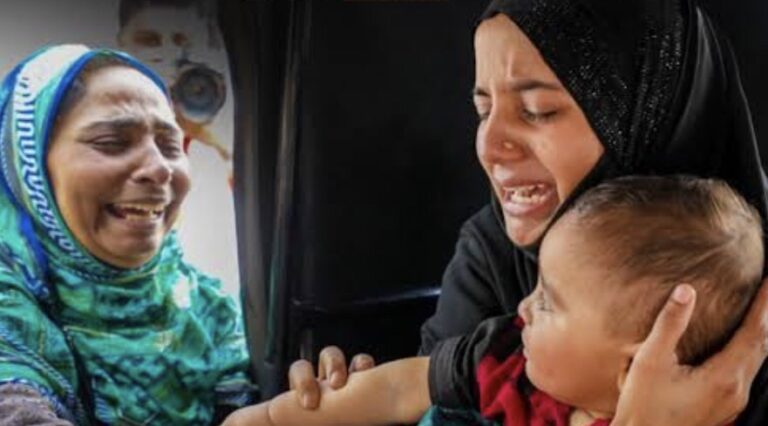

“If the same had happened in Gaza or Ukraine, there would be global headlines. Why is Kashmir different?”
A Glaring Gap in International Oversight
Kashmir remains a United Nations-recognized disputed territory, and residents across both Indian- and Pakistan-administered regions are technically civilians caught in a geopolitical limbo. Yet, there is no comprehensive international mechanism in place to monitor or protest human rights violations in such contested zones.
Despite UN Security Council Resolutions calling for the right to self-determination for the people of Jammu and Kashmir, these resolutions remain unimplemented, and the protection of civilians in this conflict zone is left to the discretion of the respective militaries, both of which often prioritize national security over humanitarian principles.
“There needs to be a UN-backed civilian protection protocol for disputed territories like Kashmir,” said Dr. Sameena N., a scholar of international law based in Islamabad. “Until the Kashmir issue is resolved according to international law and the wishes of the Kashmiri people, we will continue to see such tragedies unfold.”
Comparative Treatment: A Tale of Two Sides
Observers also note a pattern in the comparative treatment of individuals who cross the LoC. On several occasions, Indian civilians who unintentionally entered Pakistan-administered Kashmir have been returned promptly and respectfully, often with the intervention of local elders and human rights groups.
“We don’t parade Indian civilians or mentally ill individuals in this manner,” said Advocate Khalid R., a legal rights activist in Rawalakot. “The contrast is painful not just in action, but in intent.”
As Kashmiris continue to live in one of the most militarized regions on earth, the need for cross-border legal frameworks to protect civilians, especially vulnerable populations like the mentally ill, has never been more urgent.
Organizations working in human rights advocacy, both locally and internationally, are being urged to take note of Arib Ahmed’s case as a symbol of the larger systemic neglect toward non-combatant civilians in conflict zones.
“Whether the person is from Indian-held Kashmir or Pakistani-held Kashmir, basic human dignity must not be negotiable,” said Fatima Bano, a youth leader from Mirpur. “This is not about nationalism. This is about humanity.”
The treatment of Arib Ahmed, a young mentally challenged civilian, has exposed glaring gaps in humanitarian standards along the LoC. It also reinforces the urgent need for international monitoring mechanisms and neutral humanitarian frameworks, especially in disputed territories like Jammu and Kashmir, where rights, borders, and identities remain unresolved.
Until the right to self-determination promised under United Nations Security Council resolutions is fulfilled, every civilian incident must be treated with utmost sensitivity and international scrutiny. Without this, the line between security enforcement and human rights abuse will continue to blur, often at the cost of the most vulnerable.