
WildLens by Abrar creator reflects on warm public receptions across India, Pakistan, and Afghanistan, contrasting ordinary citizens’ goodwill with state restrictions.
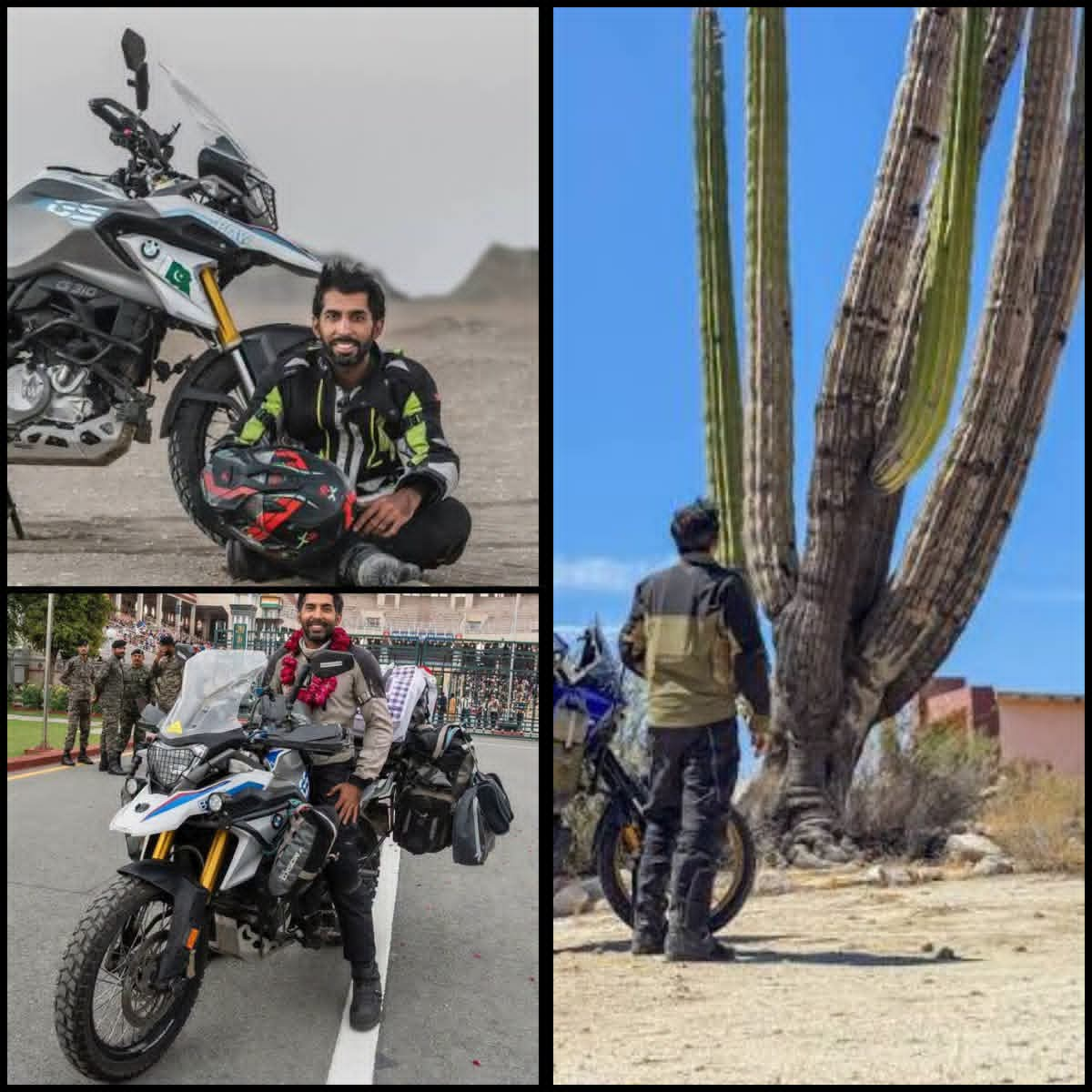
Popular travel vlogger Abrar Hasan, widely known on YouTube and Facebook through his channel *WildLens by Abrar*, has completed extensive motorcycle expeditions across South Asia, shedding light on the human connections bridging fractured borders. Born in Nankana Sahib, Pakistan, in 1988, Hasan later moved with his family to Germany and holds dual Pakistani and German citizenship. He primarily travels on his German passport, utilizing a Yamaha Tenere 700 adventure motorcycle equipped with a liquid-cooled 689cc parallel-twin engine.
Three years ago, Hasan obtained an Indian visa in Dubai and arrived in Mumbai. Despite initial concerns regarding his Pakistani birthplace, his journey through various Indian states over 32 days proceeded without administrative hurdles. Documentation shows he eventually crossed back into Pakistan via the Wagah border before continuing his travels into Afghanistan, Russia, and eventually returning to Europe.

Throughout his documented travels in India, Pakistan, and Afghanistan, Hasan’s video logs recorded widespread hospitality from local populations. In regions such as Indian Punjab and Rajasthan, where political tensions are frequently highlighted, local residents routinely hosted him in private homes rather than commercial hotels. Checkpoint officials and security personnel at the Wagah border and other transit points also maintained a professional demeanor, according to his accounts.
Upon crossing into Afghanistan via the Torkham border, Hasan encountered bureaucratic friction from local Taliban administration officials. However, interactions with ordinary Afghan citizens contrasted sharply; many Afghans, having spent years residing in Pakistan, expressed familiarity and hospitality, frequently offering him lodging and meals.
Reflecting on his journeys across the three nations, Hasan noted a stark contrast between official geopolitical boundaries and the sentiment of everyday citizens. Public willingness for cross-border commerce, cultural exchange, and regional integration remains high among populations, often constrained primarily by state-level policies and closed trade routes.