
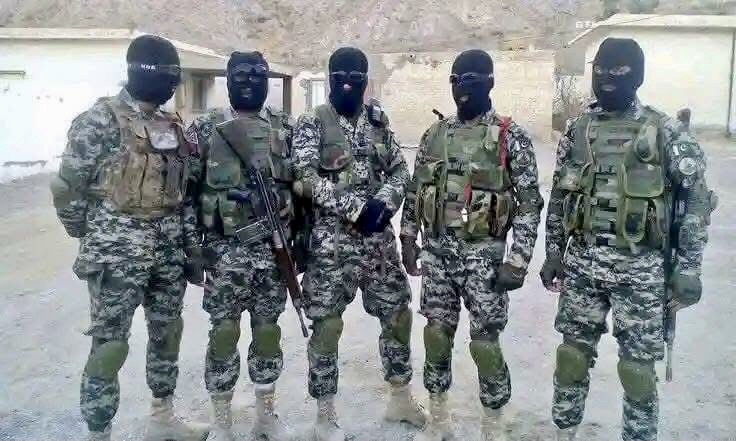

ISLAMABAD – The Pakistani government has quietly reorganized a colonial-era paramilitary force into a new federal security apparatus through a presidential ordinance, raising concerns about the centralization of power and potential misuse against dissent.
The Frontier Constabulary Reorganization Ordinance 2025 transforms the Frontier Constabulary (FC)—a British-era force deployed in Khyber Pakhtunkhwa’s tribal regions—into the Federal Constabulary (FC), a nationwide paramilitary body with broad internal security powers.
Expanded Jurisdiction and Recruitment Quotas
The new force will operate in Pakistan’s capital and all four provinces, assisting police in “controlling riots, protests, counter-terrorism, and providing security.” While the ordinance does not explicitly mention Jammu & Kashmir or Gilgit-Baltistan—disputed territories not constitutionally part of Pakistan—it includes recruitment quotas for these regions (10% and 6%, respectively), suggesting an intent to deploy there.

The Federal Constabulary will consist of two divisions:
- Security Division: Retains existing FC personnel from KP’s tribal areas.
- Reserve Division: New recruits, with quotas from all provinces (20% each), Islamabad (4%), Jammu & Kashmir (10%), and Gilgit-Baltistan (6%).
Estimates suggest the force could grow to 60,000+ personnel, doubling the current FC strength of 28,000–33,000.
A Return to Centralized Security?
Critics see the move as an attempt to bypass the 18th Constitutional Amendment (2010), which devolved internal security to provinces. Since then, the federal government has relied on Rangers and the military for domestic operations—often controversially.

“This is a workaround to avoid seeking provincial consent,” said analyst Ayesha Siddiqa, author of Military Inc. “It mirrors past abuses, like Bhutto’s Federal Security Force (FSF), which was used to crush opposition.”
The FSF, disbanded in the 1980s, became notorious for suppressing protests, abducting activists, and enforcing disappearances. Observers fear the new force could follow suit, particularly amid rising unrest over inflation, unemployment, and civil rights.
Targeting Dissent in Kashmir and Gilgit-Baltistan?
The inclusion of Jammu & Kashmir and Gilgit-Baltistan in recruitment has sparked alarm. Both regions have active movements against Pakistani administration, with frequent protests over political rights and resource exploitation.


“Deploying a federal force there signals a harder line against dissent,” said Kashmiri activist Ahmed Khan. “They’re avoiding local police, who sometimes hesitate to crack down on their own people.”
Broader Crackdown on Provincial Autonomy
The ordinance follows other recent laws—like the Mines and Minerals Act and Green Pakistan Initiative—that recentralize control over natural resources, undermining provincial authority.
“The military establishment is clawing back power,” said political scientist Hassan Askari. “This force isn’t just about security—it’s about controlling unrest against federal policies.”
Calls for Opposition
Rights groups and opposition figures demand the ordinance’s repeal, arguing resources should fund healthcare and education instead.
“Pakistan’s real crisis isn’t terrorism—it’s hunger and joblessness,” said labor leader Farida Baloch. “But the state would rather invest in repression.”
The government has not commented on the criticism. With elections looming and economic strife deepening, the Federal Constabulary may soon face its first test—on the streets.
—Additional reporting by Naveed Kazmi in Muzaffarabad and Gilgit.
Got a tip? Email [[email protected].