

Srinagar, Indian administered Kashmir — In a significant development, Pakistan’s Defence Minister Khawaja Asif has declared the 1972 Simla Agreement with India as a “dead document,” signaling a potential shift in the longstanding framework governing Indo-Pak relations. This announcement follows heightened tensions between the two nations after the recent Pahalgam attack in Indian-administered Kashmir.
In a televised interview, Asif stated, “The Simla Agreement is now a dead document. We are back to the 1948 position, when the United Nations declared the Line of Control (LoC) a ceasefire line following the ceasefire and resolutions.” He emphasized that future disputes would be addressed through multilateral or international forums, moving away from the bilateral approach outlined in the Simla Agreement.
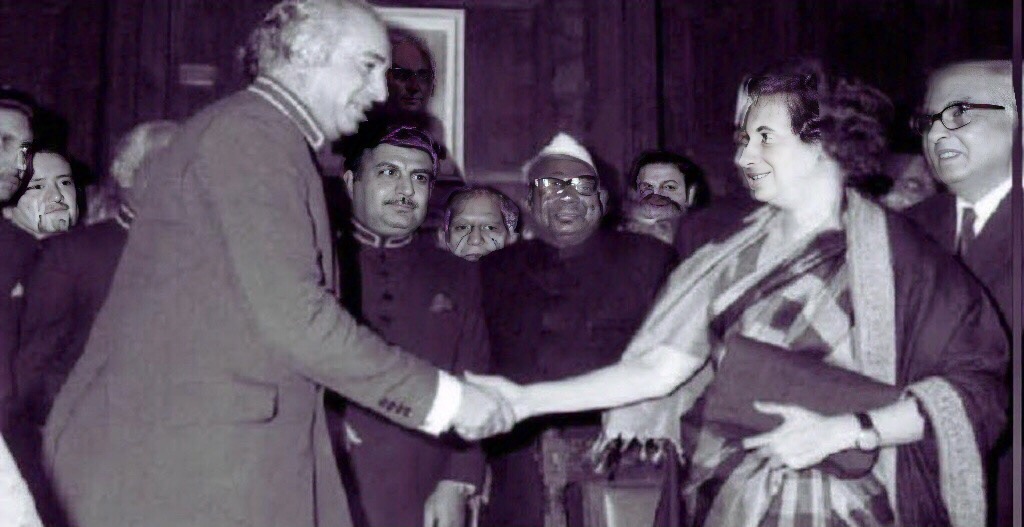
The Simla Agreement, signed in 1972 by then Indian Prime Minister Indira Gandhi and Pakistani President Zulfikar Ali Bhutto, was established to resolve conflicts between the two countries through peaceful means and bilateral negotiations. It also formalized the LoC as the de facto border in Jammu and Kashmir.

Tensions escalated after the Pahalgam attack on April 22, 2025, where 26 people were killed. India accused Pakistan of supporting cross-border terrorism and responded by suspending the Indus Waters Treaty, expelling Pakistani diplomats, and closing borders. In retaliation, Pakistan suspended the Simla Agreement, restricted trade, and closed its airspace.
Analysts warn that the suspension of the Simla Agreement could dismantle key diplomatic safeguards and raise concerns about regional stability. The agreement had been a cornerstone in maintaining a semblance of peace and order between the two nuclear-armed neighbors.
The international community is urged to monitor the situation closely and encourage both nations to engage in dialogue to prevent further escalation.



For more updates on this developing story, stay tuned to The Azadi Times.