No state backing. No paywalls. Just truth. Support Kashmir's independent voice. Join 2,400+ patrons who fund independent voices.
Zero Paywalls
Reader Funded
Award Winning
Secure Payment
Encrypted
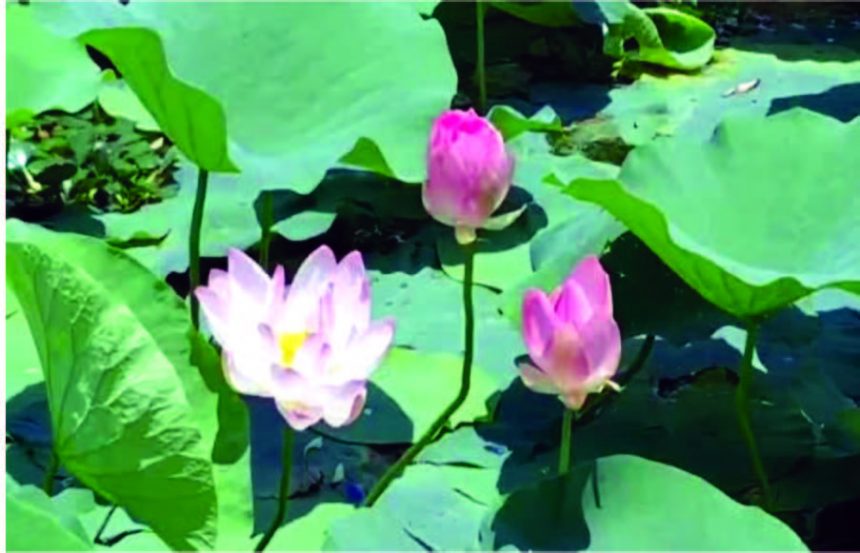
Srinagar, Indian administered Kashmir: Kashmir’s largest freshwater lake, Wular, has once again come alive, offering a glimpse of resilience and renewal after decades of ecological decline. The lotus flowers and edible stems (locally known as nadru), which vanished following the devastating floods of 1992, have re-emerged, sparking hope and joy among local farmers who have long depended on this seasonal harvest.
Spanning nearly 200 square kilometers between Bandipora and Sopore, Wular Lake was once a lifeline for hundreds of Kashmiri families. For generations, the seasonal collection of nadru, a prized ingredient in Kashmiri cuisine, sustained livelihoods in the surrounding villages. But the 1992 floods left a heavy layer of silt across the lake bed, suffocating the ecosystem and cutting off a critical source of income.
This revival is the result of an ongoing restoration effort led by the Wular Lake Management Authority, which began a massive clean-up initiative in 2020. Officials say more than 7.9 million cubic meters of silt have been dredged so far, uncovering the dormant roots of the lotus plants buried beneath decades of sediment.
No state backing. No paywalls. Just truth. Support Kashmir's independent voice. Join 2,400+ patrons who fund independent voices.
“For years the lotus stems were invisible, but the root systems remained alive under the silt. Once dredging began in specific zones, the plants started to reappear. This year we even introduced seeds in the dredged areas, and the results are visible now,” an official associated with the project told The Azadi Times.
The department also plans to install retention basins along key tributaries of the Jhelum River to prevent further siltation in the future, he added.
For many villagers, this development is more than just an environmental success — it represents a long-awaited return of dignity and economic opportunity. One farmer from Watlab recalled helping his father harvest lotus stems before the floods.
“We thought it was gone forever. Now we see it again,” he said, his voice tinged with both nostalgia and relief.
In the years after the floods, locals tried planting lotus seeds themselves, but without proper restoration efforts, those attempts failed. Only after the lake was cleaned did the ecosystem respond.
While lotus harvesting continued in other lakes like Dal and Manasbal, Wular had remained barren since 1992. The work is far from over, but the sight of the pink flowers and tender stems in Wular again signals what many here hope is the beginning of a larger recovery — for the lake and the people who depend on it.
Trending Topics


The Azadi Times is an independent digital news platform based in Muzaffarabad, Kashmir, dedicated to credible journalism, in-depth reporting, and global analysis. We cover Kashmir, South Asia, and international affairs with a commitment to truth, editorial integrity, and public accountability.
Get important news delivered directly to your inbox and stay connected!
© 2026 The Azadi Times. All Rights Reserved.