
Muzaffarabad / Srinagar – While India and Pakistan exchange diplomatic letters and contest water rights under the Indus Waters Treaty, ordinary Kashmiris caught between these two powers are asking a simple question:
“When will someone ask us what we need?”
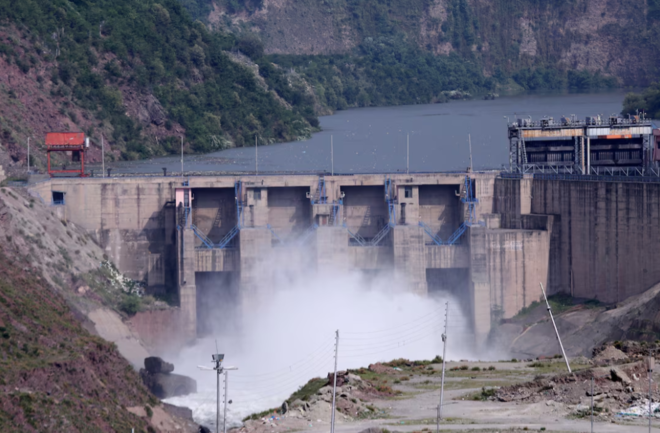
Recently, India requested the World Bank to suspend proceedings on disputes related to the Kishanganga and Ratle hydroelectric projects in Jammu & Kashmir. Pakistan responded by rejecting the request, insisting that the legal process should continue.

The Azadi Times
No state grants. No corporate lobby. Just ground‑truth reporting from Kashmir & beyond
You make this possible.
The World Bank-appointed neutral expert, Michel Lino, was set to review whether India’s projects violate treaty obligations, including river flow guarantees. These proceedings were part of a 2025 action plan. But now, India wants them paused, citing national security concerns.
Read Also: The Shimla Agreement: A Peace Accord or a Diplomatic Straitjacket for Kashmir?
Meanwhile, both countries continue to claim they are acting in the best interest of their people.


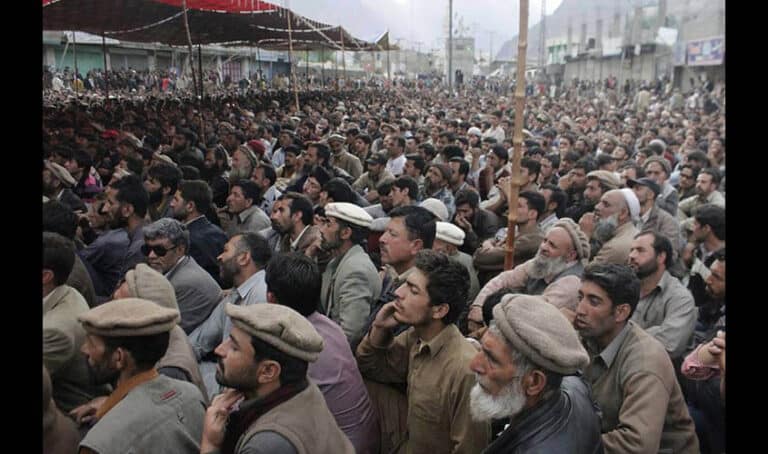
But Who Speaks for the People of Kashmir?
Both the Kishanganga (330 MW) and Ratle (850 MW) projects are located in disputed territory, and both directly affect the rivers, environment, and daily life of thousands of Kashmiris.
“This is our water. But decisions are being made in New Delhi and Islamabad, without asking those who live along the rivers,”
says Rayees Ahmad, a local activist from Bandipora.
Another resident, Shazia Bano, a teacher from Gurez Valley, adds:

“Electricity and clean water should be basic rights. We are not just a border point between two countries. We are a nation with voices, rights, and choices.”
Hydropower and Hidden Politics
India claims these projects help power remote areas and reduce energy poverty. Pakistan worries they will reduce downstream water flow, violating the treaty and hurting farmers in Punjab.
But for Kashmiris, this is not about megawatts. It’s about being invisible in their own homeland.
For decades, Kashmir has been turned into a battleground for water, territory, and politics — while the people live under repeated blackouts, dry taps, and broken promises.
A Call for Inclusion and Self-Determination
Independent Kashmiri voices have long demanded that any discussion on natural resources, territory, and treaties must include the people of Kashmir.
“You can’t dam our rivers and block our future, and then talk about peace,”
says Dr. Naila Sheikh, an environmental sociologist in Muzaffarabad.
Kashmiris are neither anti-India nor anti-Pakistan. But they are tired of being used in every narrative except their own.
Not Their Water War — Our Daily Struggle
Kashmiris are not just spectators in a decades-long water dispute. We are the first to feel the consequences of every dam, every delay, and every decision made elsewhere. While India builds and Pakistan protests, we fetch water in buckets and live by candlelight — waiting for a future we were never asked to shape.
As one youth banner in Muzaffarabad read:
“It’s our river. It’s our right. Stop deciding for us.”
For Kashmiris, the Indus is not just a treaty — it’s life itself. These rivers run through our homes, our valleys, our culture.
We are not asking to be favoured. We are demanding to be heard.
“We are not a disputed territory. We are a denied voice.”
“Between India’s dams and Pakistan’s claims, we are drowning in silence.”
The slogans rising in the mountains now echo beyond borders:
#KashmirForKashmiris | #WaterIsOurs | #RightToSelfDetermination
Until Kashmiris are included in these talks — not as observers but as rightful stakeholders — there will be no lasting solution. Because no dam can stop a river’s truth, and no treaty can erase a people’s will.