
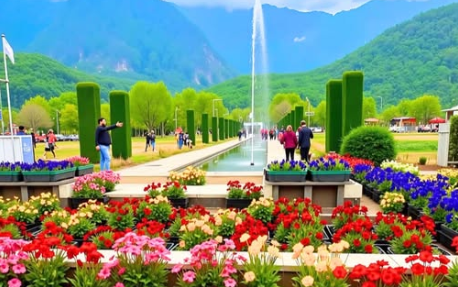

Wondering how many days are required for a Kashmir trip? This independent guide from The Azadi Times goes beyond state-curated itineraries to help you plan an authentic Kashmir experience—from 3 to 10 days—with real itineraries, costs, and local insights for both Indian and international travelers.
Kashmir’s breathtaking landscapes, vibrant culture, and storied history have captivated travelers for decades. Yet, state-promoted itineraries often showcase a sanitized, limited version of this region, focusing primarily on popular tourist spots like Srinagar, Gulmarg, Pahalgam, and Sonamarg. In reality, Kashmir is a tapestry of hidden valleys, ancient bazaars, and authentic village life that can only be truly appreciated when you step off the beaten path.

In this comprehensive guide, we explore how many days are required for a Kashmir trip by outlining realistic itineraries for 3, 5, 7, and 10-day trips. We discuss the must-see attractions, share practical cost estimates for budget, mid-range, and luxury travelers (in both INR and USD), and incorporate insights from real locals and travelers. Whether you’re a local traveler or an international visitor, this guide provides you with everything you need to plan your journey to Jammu and Kashmir independently and responsibly.
Beyond the Brochures – What Does It Really Take to Experience Kashmir?
Every year, thousands ask: how many days are required for a Kashmir trip? Standard travel packages typically offer a “7 days Kashmir tour & travels” itinerary, complete with air-conditioned buses, state-approved hotels, and a fixed set of attractions that neatly fit into a brochure. However, many travelers and local voices argue that these packages only skim the surface of what Kashmir has to offer.
As The Azadi Times relentlessly advocates, true Kashmir lies beyond curated tours. It’s in the quiet village lanes, the warm conversations with local artisans, and the untouched natural beauty found in remote valleys. This guide seeks to answer: how many days are really required to visit Kashmir, such that you get both the iconic sights and a glimpse of its authentic culture and hidden gems?
![Top 14 Stunning Places to Visit in Azad Jammu and Kashmir (PAJK), [Updated]](https://azaditimes.com/wp-content/uploads/2025/01/Flux_Dev_A_scenic_landscape_photograph_of_Azad_Jammu_and_Kashm_0-768x434.jpeg)
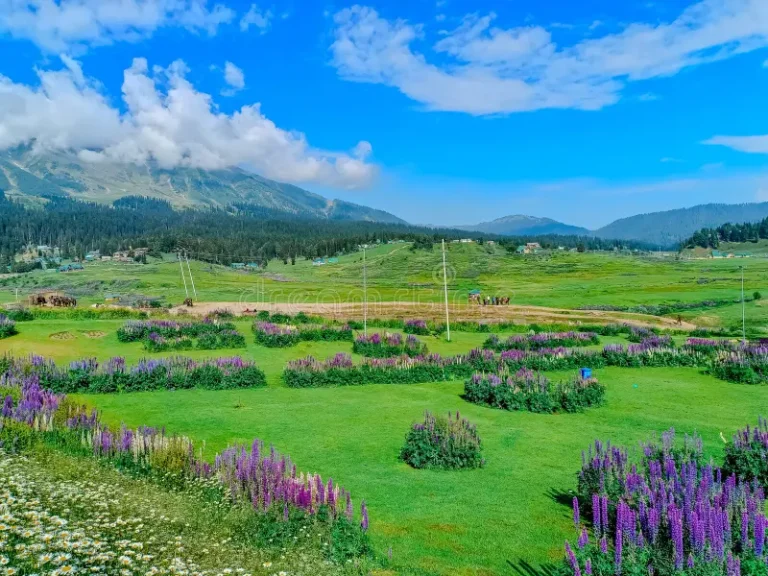
How Many Days Are Required for a Kashmir Trip? – The Real Answer
Short Answer:
- 3 Days: Enough to get a quick postcard experience of Kashmir.
- 5–7 Days: Offers a fuller, relaxed pace covering the highlights with some local flavor.
- 10 Days: Allows you to go deep into Kashmir, exploring both popular spots and offbeat, authentic locales.
Long Answer:
Kashmir’s beauty unfolds slowly. Rushed trips may let you capture a few photographs of Dal Lake or ride the Gulmarg cable car, but they miss out on nuances such as the warm hospitality of small villages, conversations with local craftsmen, and the subtle charm of lesser-known valleys. The more days you allocate, the richer your experience becomes, allowing time for reflection, exploration, and genuine engagement with Kashmiri life.
Standard Kashmir Itineraries – The State-Curated Route
Mainstream packages often limit your journey to:
- Srinagar: The serene Dal Lake, manicured Mughal Gardens, the revered Shankaracharya Temple, and the bustling old city.
- Gulmarg: Renowned for its ski slopes, cable car rides that offer panoramic views, and expansive meadows.
- Pahalgam: Known for its river views, the picturesque Betaab Valley, and the adventure of Aru Valley.
- Sonamarg: Famous for its trek to Thajiwas Glacier and scenic mountain passes.
While these destinations are undoubtedly beautiful, they represent just one facet of Kashmir. According to Fayaz Ahmad, a local guide based in Srinagar:
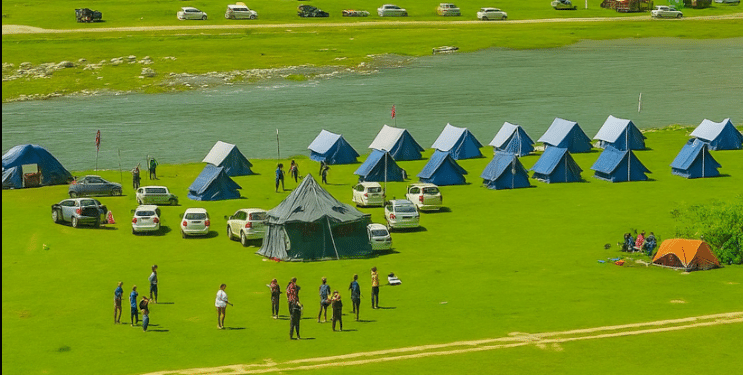

“Tourists come for the postcard Kashmir. They leave thinking they’ve seen it all, but they haven’t even scratched the surface.”
Indeed, state-curated tours rarely include immersive experiences such as visits to remote villages, local artisan workshops, or off-path hikes through unspoiled valleys.
Realistic Trip Lengths – What’s Possible in 3, 5, 7, or 10 Days?
3-Day Kashmir Trip – The Express Experience
Best for:
Travelers visiting for the first time, those with very limited time, or those combining a Kashmir trip with business travel.
Sample Itinerary:
- Day 1:
- Morning: Arrive in Srinagar; transfer to your accommodation.
- Afternoon: Enjoy a shikara ride on Dal Lake; visit the Mughal Gardens (Shalimar, Nishat).
- Evening: Wander through Srinagar’s old city, sampling street food and absorbing the local ambiance.
- Day 2:
- Morning to Afternoon: Take a day trip to Gulmarg. Experience the cable car ride (Gondola), explore the meadows, and have lunch at a local dhaba.
- Evening: Return to Srinagar and enjoy a quiet dinner.
- Day 3:
- Morning: Head to Pahalgam; visit Betaab Valley and take a short trek.
- Afternoon: Return to Srinagar for your departure.
What You’ll Miss:
- Intimate conversations with locals
- Visits to artisan workshops and rural villages
- Unspoiled, offbeat valleys that reveal the soul of Kashmir
Budget Cost: ₹12,000–₹18,000 ($145–$220) per person, covering mid-range hotels and local transport.
5-Day Kashmir Trip – The Balanced Introduction
Best for:
Travelers seeking a richer experience without a long, drawn-out itinerary. Perfect for those who want to balance popular attractions with a glimpse into local life.
Sample Itinerary:
- Day 1:
- Arrive in Srinagar; explore Dal Lake, the Hazratbal Shrine, and the bustling old city bazaar.
- Day 2:
- Go to Gulmarg; stay overnight to experience the early morning sunrise over the meadows.
- Day 3:
- Return to Srinagar; visit Sufi shrines and meet local artisans.
- Day 4:
- Head to Pahalgam; wander along the riverside, explore Aru Valley, and enjoy a local home-cooked meal.
- Day 5:
- Return via Anantnag, sampling regional Kashmiri cuisine, before flying out.
What You’ll Miss:
- Remote valleys such as Gurez or Lolab
- In-depth local experiences like village homestays
Budget Cost: ₹18,000–₹28,000 ($220–$340) per person.
7-Day Kashmir Tour & Travels – The Classic Itinerary Plus Authentic Touch
Best for:
Travelers who want a relaxed pace and wish to experience both tourist hotspots and the “unseen Kashmir.”
Sample Itinerary:
- Day 1:
- Arrive in Srinagar; enjoy a relaxed day exploring Dal Lake and the Mughal Gardens.
- Day 2:
- Overnight trip to Gulmarg.
- Day 3:
- Discover offbeat areas in Gulmarg, such as Tangmarg and Drung Waterfall; return to Srinagar in the evening.
- Day 4:
- Visit Pahalgam; meet local artisans and take part in a cultural session; overnight stay.
- Day 5:
- Spend a day in a nearby village (choose between Lolab or Doodhpathri, with permits if needed).
- Day 6:
- Travel to Sonamarg; enjoy trekking to Thajiwas Glacier or take a village tour.
- Day 7:
- Enjoy a free day in Srinagar for souvenir shopping, quiet walks near Sufi shrines, and reflective time by the lake; depart in the evening.
What’s Added:
- Interaction with local communities
- Visits to hidden valleys and artisan meet-ups
- Authentic local cuisine experiences
Mid-range Cost: ₹28,000–₹38,000 ($340–$465) per person.
10-Day Kashmir Trip – The Deep Dive Experience
Best for:
Explorers, photographers, culture lovers, and independent travelers who want an immersive experience. This itinerary is designed for those who refuse to settle for beauty on the surface.
Sample Itinerary:
- Day 1–2:
- Arrive in Srinagar; spend time exploring the old city, Dal Lake, and various Sufi shrines. Engage with locals in tea houses and bazaars.
- Day 3:
- Head to Gulmarg; enjoy extended stays in village accommodations, and explore offbeat hiking trails.
- Day 4:
- Visit Tangmarg and Drung, exploring less frequented spots. Return to Srinagar by night.
- Day 5:
- Journey to Pahalgam; opt for a homestay in a village setting, attend an artisan workshop, and enjoy a leisurely riverside breakfast.
- Day 6–7:
- Venture into the remote Gurez Valley (permits required for Indian nationals) for a two-day immersion in untouched nature and real, local life.
- Day 8:
- Explore Lolab Valley, known for its hidden shrines and the natural conversation between locals and landscapes.
- Day 9:
- Head to Sonamarg; enjoy a trek to Thajiwas Glacier with stops at local villages.
- Day 10:
- Return to Srinagar for reflection, shopping, and quiet moments by Dal Lake before your departure.
What’s Added:
- Genuine local immersion with long stays and village interactions
- Remote and largely uncurated valleys that reveal the real Kashmir
- Deep dives into culture, nature, and traditional Kashmiri life
Cost Range:
- Luxury: ₹55,000–₹80,000 ($670–$980) per person, including stays in boutique hotels, private vehicles, and exclusive guided tours.
- Budget: ₹32,000–₹48,000 ($390–$590) per person, via homestays and shared transport options.
Beyond the Tour Packages — Discovering the Unseen Kashmir
Mainstream itineraries typically showcase sanitized versions of Kashmir—places heavily promoted by state tourism. However, authentic Kashmir lies in the subtle details: the cadence of local life, hidden alleys in ancient villages, and breathtaking landscapes that border on the mystical.
Local voices urge travelers to venture beyond the familiar:
“A week here is good—but unless you visit our villages, talk to craftspeople, and see the daily rhythms in small towns, you won’t truly know Kashmir.”
— Shaista Mir, artisan, Lolab Valley
“Most people think Kashmir is only Dal Lake and Gulmarg. But places like Gurez, Tangdhar, and Doodhpathri are pure magic. Few outsiders ever come, and those who do, come back changed.”
— Yaseen Lone, teacher, Bandipora
“State itineraries avoid the border valleys, but that’s where you see real life—simple joys blended with tough realities. It isn’t always safe, but it is the heart of our Kashmir.”
— Aqib Wani, student, Muzaffarabad
These sentiments remind us that to truly experience Kashmir, one must be prepared to leave the well-trodden path. While challenges such as permit requirements, weather-related disruptions, and occasional political unrest exist, the rewards are a rich and immersive understanding of the region’s soul.
Costs & Pricing – Budget, Mid-Range, Luxury Options
Here’s a quick comparison of costs for different trip lengths, ensuring you can plan a trip that suits your budget:
| Trip Length | Budget (INR/$) | Mid-Range (INR/$) | Luxury (INR/$) |
|---|---|---|---|
| 3 Days | ₹12,000–₹16,000 / $145–$195 | ₹16,000–₹20,000 / $195–$245 | ₹22,000–₹32,000 / $270–$390 |
| 5 Days | ₹18,000–₹24,000 / $220–$290 | ₹24,000–₹32,000 / $290–$385 | ₹38,000–₹50,000 / $465–$610 |
| 7 Days | ₹28,000–₹34,000 / $340–$415 | ₹34,000–₹44,000 / $415–$540 | ₹55,000–₹70,000 / $670–$855 |
| 10 Days | ₹32,000–₹48,000 / $390–$590 | ₹48,000–₹65,000 / $590–$800 | ₹80,000–₹110,000 / $980–$1345 |
Limitations, Permits, and Safety – What Brochures Don’t Tell You
While planning your trip, be mindful of several limitations that are rarely mentioned in glossy travel brochures:
Limitations:
- LoC Regions: Certain areas near the Line of Control (such as parts of Gurez, Tangdhar, Keran, and Machil) require permits and often have restricted access for foreigners.
- Political Unrest: Protests, shutdowns, or curfews can affect travel plans, so it’s important to regularly check local news and advisories.
- Weather Challenges: Winter snows, spring landslides, and heavy rains during monsoon can disrupt transportation; always check local weather forecasts.
Permits & Access:
- Gurez Valley: Indian nationals need a free permit, which can be obtained in Bandipora or arranged via local travel agents.
- Foreign Travelers: Some border areas are off-limits; it’s best to stick with major tourist circuits unless accompanied by an approved local guide.
- Pakistan-administered Kashmir: Indian citizens are not allowed. International travelers must secure a Pakistani visa and a specific No-Objection Certificate (NOC).
Safety Advice:
- Register with your embassy or consulate when traveling internationally.
- Avoid border zones during heightened military or political activity.
- Dress modestly and follow local customs to avoid unwanted attention.
- Always ask for permission before photographing individuals or sensitive sites.
Best Time to Visit Kashmir – What to Pack & What to Expect
Best Seasons:
- Spring (March–May): Experience almond blossoms and tulip gardens under mild, pleasant weather.
- Summer (June–August): While peak season brings busy attractions, the hills remain cool and inviting.
- Autumn (September–November): Enjoy golden chinar leaves and harvest festivals with fewer crowds.
- Winter (December–February): Ideal for snow sports in Gulmarg and magical winter landscapes, though travel disruptions are more likely.
What to Pack:
- Clothing: Layered outfits to accommodate varying temperatures; include a warm jacket for chilly mornings and nights.
- Accessories: Rain jackets, trekking shoes for offbeat hikes, sunscreen, sunglasses, and a cap.
- Documents: Carry copies of ID, permits, and emergency cash (ATMs are sparse in remote areas).
- Cultural Respect: Bring modest attire for visits to shrines and local gatherings.
How to Plan a Kashmir Trip Independently & Responsibly
Planning a trip to Jammu and Kashmir independently can be a rewarding challenge. Here are some practical tips to ensure a smooth, respectful, and enriching journey:
- Research Beyond the Brochures: Utilize independent news sources like The Azadi Times, local blogs, and travel forums to build your itinerary.
- Choose Thoughtful Accommodation: Opt for homestays, guesthouses, or village stays over large hotel chains. This supports local economies and offers a more authentic experience.
- Embrace Local Transport: Shared taxis and local buses might be slower than car rentals, but they allow you to add personal interactions and observe local life.
- Savor Local Cuisine: Dine at small, family-run eateries to taste true Kashmiri flavors like wazwan, Rogan Josh, and Noon Chai.
- Respect Nature and Culture: Minimize plastic use, avoid littering, and seek permission before taking photos—especially at culturally sensitive sites.
- Network with Locals: Learn basic greetings in Kashmiri or Urdu to build rapport and gain insider advice on lesser-known destinations.
- Stay Flexible: Weather, political circumstances, or unforeseen events can require you to adapt your plans. Keep backup routes and alternative activities in mind.
- Documentation and Ethics: Document your experiences responsibly. Share your stories honestly without exploiting local hardships.
By planning independently and respectfully, you not only enrich your own experience but contribute to a more sustainable and truthful tourism model in Kashmir.
FAQs — How Many Days Required to Visit Kashmir and Related Queries
Q1: How many days are required for a Kashmir trip to see the main attractions?
A: Ideally, 5–7 days provide a balanced itinerary covering Srinagar, Gulmarg, Pahalgam, Sonamarg, and a glimpse into local village life.
Q2: Is it possible to visit offbeat valleys like Gurez or Lolab on a short trip?
A: Realistically, to experience hidden gems like Gurez or Lolab, you should plan for at least 7–10 days and secure necessary permits in advance.
Q3: Are there safety concerns for solo travelers in Kashmir?
A: Main tourist areas are generally safe, but caution is advised in border areas and during periods of political unrest. Always check local news and advisories before traveling.
Q4: Can I visit both Indian- and Pakistan-administered regions of Kashmir in one trip?
A: Crossing between the two regions is not feasible for most travelers. Indian-administered Kashmir (including Srinagar, Gulmarg, Pahalgam, and Sonamarg) is accessible for domestic and international tourists, while visits to Pakistan-administered Kashmir require different visas and permits.
Q5: What’s the difference between state-curated and authentic Kashmir tours?
A: State-curated tours usually focus on sanitized, popular destinations. Authentic tours delve into local village life, hidden valleys, artisan communities, and the real narratives of the Kashmiri people.
Q6: How do I plan a trip to Jammu and Kashmir for a family?
A: Consider a 7–10 day itinerary that balances popular attractions with leisurely activities. Book accommodations in advance and plan stops that cater to all ages, keeping flexibility in your schedule.
Experience Kashmir for Real — Not Just as Presented in the Brochures
Kashmir cannot be fully understood in a hurried visit. Whether you have 3 days or 10 days, the true essence of Kashmir lies in the details—the gentle sway of shikara on Dal Lake, the warm conversations in a quiet village, and the myriad shades of its ancient landscapes. By venturing beyond the state-curated itineraries, you unlock a wealth of experiences that reveal the deeper, often unseen, beauty and resilience of this remarkable region.
As The Azadi Times continues to champion independent, authentic journalism, we encourage travelers to plan their trips with curiosity, respect, and openness to the multifaceted stories of Kashmir. With proper planning, realistic expectations, and a willingness to engage with local cultures, your Kashmir trip can be a deeply transformative journey—beyond what any brochure or packaged tour can offer.
Take the time to plan carefully, remain flexible, and embrace every moment spent in this land of indomitable spirit. Your journey to Kashmir is not just about checking destinations off a list; it’s about forming a connection with a region that, in its beauty and complexity, invites you to look deeper, listen more, and discover what truly lies beneath the surface.