
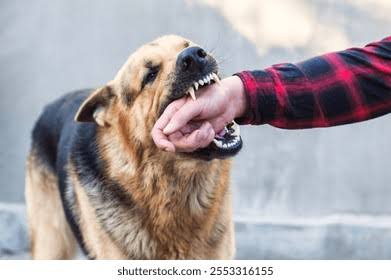

Official figures reveal over 160,000 animal bite cases across J&K in four years, with health experts warning against delays in medical treatment.
JAMMU — Dog bite incidents continue to rise across Jammu and Kashmir despite administrative measures, with health records indicating an average of one case reported at hospitals every ten minutes.
According to data compiled by the Health and Medical Education Department, more than 160,000 animal bite cases have been registered across the region over the past four years. The numbers show a consistent upward trajectory: 22,110 cases in 2022; 34,664 in 2023; 51,027 in 2024; and 55,312 in 2025. Over 35,000 cases have already been recorded this year.

Jammu district accounts for the highest concentration of incidents. At the Government Medical College (GMC) Jammu alone, between 4,000 and 5,000 individuals seek treatment annually following animal bites.
Health officials report that while public awareness regarding post-bite treatment has improved, a section of the population continues to rely on traditional faiths and alternative rituals rather than seeking prompt medical intervention. Medical experts state that this delay remains a primary factor behind fatalities.
Official figures indicate that over the past three years, 18 individuals have died from rabies across various districts in Jammu and Kashmir. Fatalities include three deaths each in Jammu and Budgam districts; two each in Ramban, Reasi, Samba, and Baramulla; and one each in Udhampur, Doda, Kupwara, and Pulwama.



Dr. Harjit Rai explained that individuals bitten by a dog face a high risk of developing rabies if they fail to receive anti-rabies vaccination and serum within 24 hours. Once rabies symptoms manifest, survival chances are nearly non-existent, with the highest risk period extending from ten days to six months following an animal bite.
“If a person is bitten, the wound should immediately be washed thoroughly with running water and soap for ten minutes, which can reduce infection by up to 80 percent,” Dr. Rai said.
Dr. Rajiv Kumar emphasized that any animal bite warrants an immediate hospital visit for a full course of anti-rabies vaccinations. He cautioned against ignoring minor scratches and noted that even vaccinated domestic pets can transmit infections if they bite.
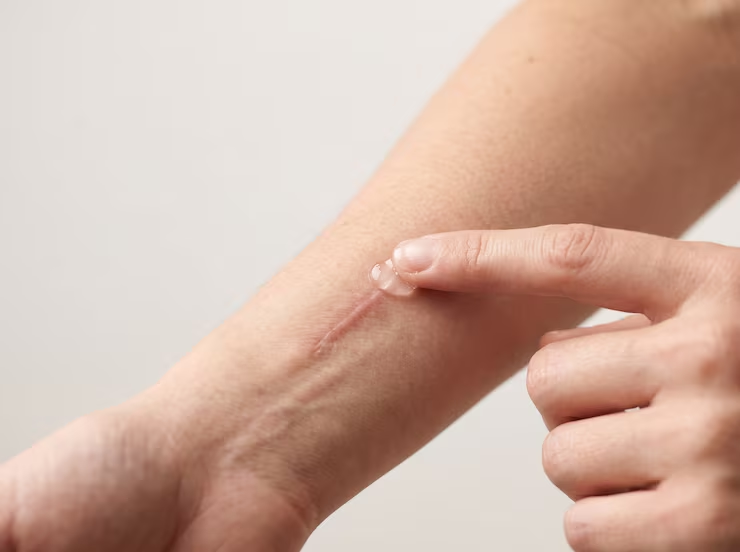

Recent data presented in the legislative assembly estimates that the municipal limits of Srinagar are home to roughly 64,416 stray dogs, while Jammu municipal areas account for an estimated 52,000. Peak incident hours typically occur during the morning and evening.
Dr. Bharat Bhushan, a retired joint director from the Animal Husbandry Department, attributed the growing stray population to the ineffective implementation of animal birth control programs. Currently, only one facility operates in Roop Nagar, Jammu, for population control measures.
“The government needs to establish multiple facilities to effectively implement birth control programs,” Dr. Bhushan said. “Additionally, open garbage dumps remain a major contributor to the stray dog population, providing accessible food sources that sustain rapid breeding.”